
Did you know that recent studies estimate up to half of all Australian homes are currently affected by indoor mould? If you’re constantly reaching for your inhaler or dealing with persistent musty smells, you already know that something in your environment isn’t right. The anxiety of watching a family member struggle with respiratory issues is exhausting and stressful. Understanding the mould and asthma link australia is the first step toward reclaiming your health and your home. It’s time to stop guessing and start breathing clearly again.
You deserve a living space that supports your well-being rather than undermining it. In this article, you’ll discover the scientific connection between hidden fungal spores and asthma flare-ups, along with the proven methods used to safely eradicate these threats. We will cover how the 2025 National Construction Code impacts your home’s air quality, explain why professional remediation is the only way to stop the inflammatory cycle, and provide a clear path to a medically safe living environment.
Key Takeaways
- Understand how inhaled mycotoxins from indoor fungi cause direct lung inflammation and trigger persistent, painful asthma flare-ups.
- Explore the unique mould and asthma link australia deals with due to high humidity and recent flooding events that trap moisture deep within wall cavities.
- Learn why DIY scrubbing often creates a “spore bomb” effect, spreading invisible irritants throughout your home and worsening respiratory health.
- Discover the benefits of professional remediation and the Goldmorr System for eliminating airborne spores without invasive demolition.
- Identify long-term prevention strategies, including subfloor ventilation, to manage foundation moisture and protect your family’s health for good.
Understanding the Mould and Asthma Link in Australia
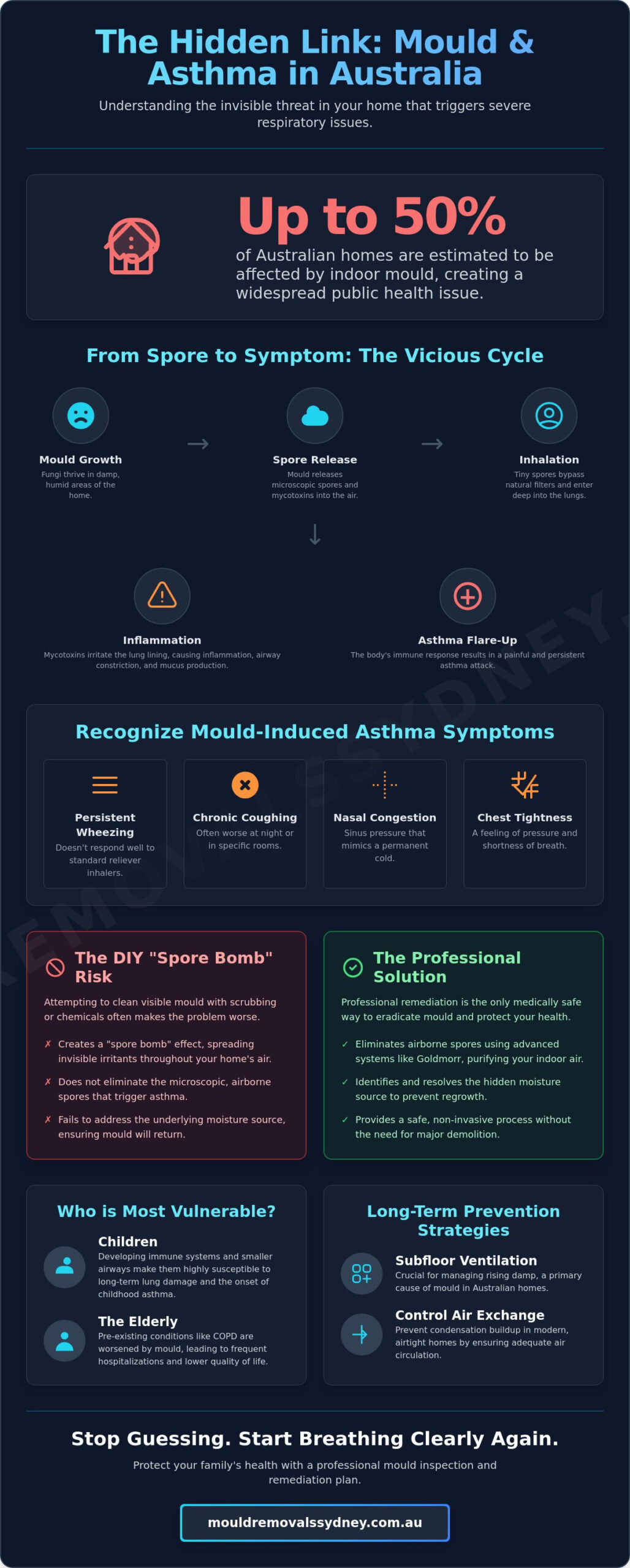
Living with a chronic respiratory condition is a daily battle. For many Australians, the enemy isn’t just seasonal pollen or dust; it’s the invisible fungal growth hiding behind the drywall. The mould and asthma link australia is a documented medical reality where indoor dampness acts as a constant inflammatory trigger. When mould colonies mature, they release microscopic reproductive units known as spores into your breathing zone. These aren’t just allergens. They are biological irritants that carry toxic compounds called mycotoxins.
Inhaling these mycotoxins causes direct irritation to the delicate lining of your lungs. This triggers a cascade of immune responses, leading to the constriction of airways and excessive mucus production. Research into the health effects of mold highlights that exposure doesn’t just cause temporary discomfort. It can lead to chronic respiratory illness. A review of 45 studies on Australian housing found that 21 of them specifically linked damp environments to negative health outcomes like asthma and severe allergies. Data from early 2026 suggests that up to half of all Australian homes struggle with some level of indoor mould, making this a widespread public health crisis.
Common symptoms of a mould-induced flare-up include:
- Persistent wheezing that doesn’t respond well to standard relievers.
- Chronic coughing, especially at night or in specific rooms.
- Nasal congestion and sinus pressure that mimics a permanent cold.
- Tightness in the chest and shortness of breath.
The Role of Airborne Spores in Respiratory Distress
Mould spores are incredibly small. Their size allows them to bypass the natural filtration systems of your nose and throat. Once inhaled, they travel deep into the bronchioles where they settle and cause localized inflammation. Aerosolisation is the process where settled spores become airborne due to air movement or physical disturbance, significantly degrading indoor air quality. This makes the mould and asthma link australia particularly dangerous, as the threat is often invisible to the naked eye.
Why Children and the Elderly are at Higher Risk
Vulnerable populations face the steepest risks. Children have developing immune systems and smaller airways, making them more susceptible to permanent lung damage from mould exposure. Longitudinal studies have shown a direct causal relationship between damp housing and the onset of childhood asthma. For the elderly, pre-existing conditions like COPD or heart disease exacerbate the body’s reaction to fungal irritants. Their bodies often lack the resilience to fight off the constant inflammatory load, leading to more frequent hospitalisations and a lower quality of life.
Why Australian Homes are Prone to Mould-Triggered Asthma
Australia’s unique geography and climate create a perfect environment for indoor fungal growth. It’s rarely a matter of poor housekeeping. The mould and asthma link australia is often reinforced by how we build and insulate our homes. Modern energy-efficient houses are designed to be airtight to reduce heating and cooling costs. This “sealed home” design frequently backfires by trapping humid air inside. Without adequate air exchange, this stagnant moisture settles on cold surfaces, providing the ideal fuel for spores to thrive and irritate your respiratory system.
You’ll often find these colonies in hidden sites that are easy to overlook. Fungal reservoirs commonly hide behind built-in wardrobes, under floorboards, or deep inside wall cavities. In many traditional Australian homes, the subfloor is a major source of rising damp. This moisture travels upward through the structure, feeding mould that releases allergens into your breathing zone 24/7. Identifying these hidden threats is vital for anyone struggling with unexplained asthma flare-ups.
The Sydney Humidity Factor and Indoor Air Quality
The “dew point” is a critical concept for Sydney residents. When the temperature drops at night, humid air hits cold bedroom walls and turns into liquid condensation. This moisture is the primary catalyst for fungal colonies. Coastal suburbs face even higher risks because salt spray can attract and hold moisture on building materials. If you notice dark spots appearing on your ceilings or walls, you should consult a guide for Sydney homeowners to identify the specific type of growth you’re facing.
Water Damage and Secondary Mould Growth
Recent flooding events across NSW have left many properties with long-term mould reservoirs. Even when the visible water is gone, moisture often remains trapped in insulation and timber framing. This leads to “secondary mould” growth. These are colonies that appear in rooms that weren’t even directly touched by water because the humidity levels remained high for weeks. As highlighted in the NSW Health mould factsheet, these damp conditions are a major driver of respiratory illness. Addressing the root cause through professional water damage repair is an essential prerequisite for health. If you suspect your home is contributing to your symptoms, booking a professional mould inspection service can provide the medical-grade clarity you need to move forward.
The Hidden Risk: Why DIY Mould Cleaning Can Worsen Asthma
Many homeowners believe they can resolve a fungal outbreak with a bucket of soapy water and a bit of elbow grease. This is a dangerous misconception. When you attempt to scrub away patches of black growth, you aren’t just cleaning; you’re weaponising the spores. Attacking a colony without professional containment and specialized equipment often turns a localised issue into a whole-house air quality crisis. If you’ve been struggling with the mould and asthma link australia, your attempts to fix the problem yourself might be the very thing making your symptoms worse.
Don’t reach for the bleach bottle as your first line of defence. It’s a cosmetic fix that fails to address the biological root of the problem. Bleach is an oxidiser that strips the colour from the mould, which gives you a false sense of security. It doesn’t penetrate porous materials like plasterboard or timber framing. The hyphae, or the roots of the colony, remain alive deep inside the substrate. Since bleach is mostly water, you’re actually providing the fungi with the moisture it needs to return even stronger than before.
Even natural alternatives like clove oil or vinegar carry significant risks for asthmatics. While these substances can kill certain types of fungi, applying them to dry mould still causes physical agitation. Without a controlled environment, the act of spraying and wiping launches triggers into your breathing zone. It’s vital to remember that dead spores are just as capable of causing an asthma attack as live ones. Professional remediation is the only way to ensure these irritants are removed from your home rather than just moved around.
The Danger of Spore Aerosolisation
Physical agitation is the primary cause of spore aerosolisation. This process occurs when settled spores are disturbed and become airborne, significantly increasing the risk of inhalation. Standard household vacuums are particularly problematic. They often lack the medical-grade HEPA filtration required to trap microscopic particles. Instead, they suck in spores from the floor and blast them out through the exhaust at head height. Disturbing an active mould colony without professional containment represents the single highest environmental risk for an asthmatic.
Why “Invisible” Mould is the Real Health Threat
The dark spots appearing on your bathroom tiles are just the tip of the iceberg. A significant portion of any colony exists as invisible filaments hiding inside wall cavities or under floorboards. These hidden reservoirs constantly release mycotoxins that circulate through your ventilation system. According to the NSW Health fact sheet on mould, even small amounts of hidden dampness can lead to serious respiratory distress. This is why professional mould testing is essential to locate these silent threats and ensure your air is truly safe for your family.
Professional Remediation: Eradicating Airborne Spores with the Goldmorr System
While DIY attempts often aggravate the mould and asthma link australia, professional intervention utilizes a systematic, evidence-based approach to restore safety. The Goldmorr System is a global leader in non-invasive remediation. It’s specifically designed to eliminate fungal threats without the need for aggressive demolition or scrubbing. This methodology prioritizes medical-grade results, ensuring that every invisible trigger is neutralized before your family returns to the space. You don’t have to live in a construction zone to get healthy air; you just need a smarter approach.
Our specialists focus on the total environment. We address visible colonies on hard surfaces and the invisible “airborne load” that retail products simply cannot reach. By using specialized equipment and proprietary formulas, we restore your home to a state of competent safety. This process is fast, efficient, and results-driven. It provides the immediate emotional relief and physical security that property owners need when dealing with health-related property issues.
The Goldmorr Fogging Process Explained
This two-part system utilizes GM2000, a biodegradable fogging agent that targets airborne spores. Because it’s delivered as a fine mist, it penetrates every crack, crevice, and wall cavity where hidden colonies reside. Unlike retail cleaners that only treat the surface, this process kills mould on contact and prevents the release of inflammatory triggers. It’s completely safe for children, pets, and those with severe respiratory sensitivities. Most properties can be fully treated and rendered safe in just a few hours, allowing you to return to a healthy environment without delay.
Air Purification and Scrubbing for Long-Term Relief
True relief for asthmatics requires more than just surface treatment; you must clear the air itself. We deploy industrial air scrubbers equipped with medical-grade HEPA filters. These machines are designed to remove 99.97% of particulates as small as 0.3 microns, including invisible spores and mycotoxins that linger after cleaning. By significantly reducing the airborne load, we stop the cycle of inflammation at the source. This comprehensive Air Purification & Scrubbing process is the critical final step in health restoration. Don’t let invisible spores dictate your quality of life. Contact our team for professional mould remediation to restore your home to a medically safe standard.
Creating a Breathable Home: Prevention and Next Steps
Successful remediation is only the first step in breaking the mould and asthma link australia. To ensure your family remains safe, you must address the environmental factors that allowed the infestation to take hold. A breathable home requires a proactive strategy that targets moisture at its source. By implementing a systematic maintenance plan, you can transform your living space from a respiratory hazard into a sanctuary of health. Remediation clears the air today, but consistent prevention secures your health for tomorrow.
The roadmap to a mould-free home involves three critical pillars: foundation moisture control, internal air quality management, and regular professional oversight. Ignoring any of these steps leaves your home vulnerable to recurring fungal growth. Taking immediate action is the only way to stop the cycle of respiratory inflammation and property damage.
Subfloor Ventilation: The Permanent Solution for Sydney Homes
Sydney’s coastal climate and high water table often lead to damp subfloors. When moisture is trapped beneath your home, it eventually pushes upward through floorboards and porous building materials. This constant evaporation into your living areas creates a high-humidity environment where spores thrive. Active subfloor ventilation systems provide a permanent solution by ensuring a continuous flow of fresh air. This keeps the entire footprint of the house dry, preventing the structural decay and fungal growth that trigger asthma attacks. Beyond the immediate health benefits, this is a high-ROI investment that protects your property value and structural integrity for the long term.
Maintaining Your AC for Healthy Air
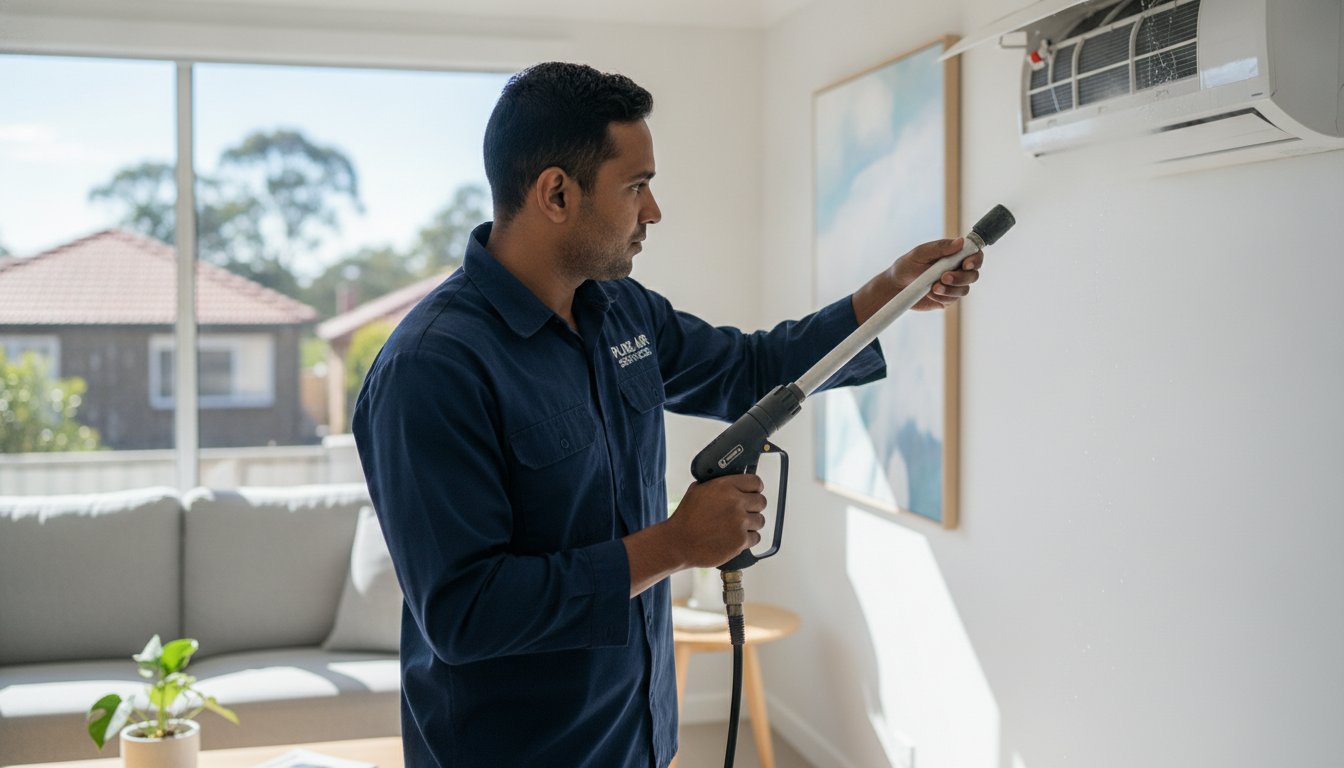
Your split system air conditioner acts as the lungs of your home. However, the dark, damp interior of an AC unit is a prime breeding ground for fungal colonies. If the internal coils and fans aren’t regularly maintained, the unit becomes a spore factory, blasting irritants directly into your breathing zone every time it’s switched on. This is a common but frequently overlooked factor in persistent respiratory issues. Scheduling professional air conditioner cleaning is a seasonal necessity for any household managing the mould and asthma link australia.
Don’t wait for the next flare-up to take action. The most effective way to protect your family is through early detection and expert moisture management. A comprehensive assessment can identify hidden risks before they become medical emergencies. Contact ABC Mould Cleaning Solutions for a professional inspection today. Our team of specialists will provide the clear, evidence-based roadmap you need to maintain a medically safe environment for years to come.
Secure Your Family’s Health and Future
Don’t let invisible fungal spores dictate your family’s quality of life. As we’ve explored, the mould and asthma link australia is a serious medical concern that requires more than just surface-level cleaning. DIY attempts often backfire by releasing millions of triggers into your breathing zone. True safety requires a systematic, evidence-based approach that neutralizes the threat at its biological source. By focusing on professional remediation and long-term prevention, you can finally break the cycle of respiratory distress.
Our team of Certified Mould Remediation Technicians is ready to restore your home to a medically safe standard. Utilising the proprietary Goldmorr System, we provide comprehensive solutions that are safe for pets, children, and asthma sufferers. With our Sydney-wide 24/7 Emergency Response, help is always available when you need it most. Stop worrying about musty smells and frequent flare-ups. Take the first step toward a breathable, healthy environment today.
Get a Professional Mould Inspection & Protect Your Family’s Health
Your health is your most valuable asset. We’re here to help you protect it with confidence and expertise. You’ll breathe easier knowing your home is in the hands of specialists who prioritize your well-being.
Frequently Asked Questions
Can mould in my house actually cause asthma if I didn’t have it before?
Yes, prolonged exposure to dampness and fungal growth can lead to the onset of new respiratory conditions. Research indicates that persistent inhalation of mycotoxins irritates the lungs and can trigger the initial development of asthma in previously healthy individuals. This is particularly common in children whose immune systems are still maturing. Addressing the mould and asthma link australia early is critical to preventing permanent respiratory damage and protecting your family’s future health.
What are the first signs that mould is affecting my breathing?
Early indicators include persistent wheezing, a chronic dry cough, and nasal congestion that doesn’t resolve with standard cold treatments. You might notice your symptoms worsen when you enter specific rooms or during periods of high humidity. Musty odours often accompany these physical signs. If you experience chest tightness or shortness of breath while at home, it’s a strong signal that airborne spores are irritating your airways and triggering an immune response.
Is it safe to stay in the house during a professional mould removal process?
Yes, it is typically safe to remain in the property, though we recommend staying out of the specific rooms being treated. Our technicians use the non-invasive Goldmorr System, which involves biodegradable fogging and HEPA air scrubbing. These methods are designed to be safe for all occupants, including pets and children. We focus on strict containment and air purification to ensure that no spores migrate to other areas of the home during the remediation process.
How much does a professional mould inspection cost in Sydney?
Industry data from early 2026 suggests that a professional mould inspection in Australia generally ranges between $150 and $350. The final cost depends on the size of the property and the complexity of the moisture issue. An inspection provides a detailed roadmap of hidden fungal reservoirs and moisture sources. This small initial investment is vital for identifying the root cause of the mould and asthma link australia before it escalates into a major health crisis.
Will a dehumidifier stop my mould-related asthma symptoms?
A dehumidifier will help manage humidity levels but it won’t eradicate established mould colonies or remove existing airborne spores. While it can slow down new growth by keeping the air dry, it doesn’t address the mycotoxins already embedded in your carpets or wall cavities. You need professional remediation to remove the biological load first. Once the home is clean, a dehumidifier serves as an excellent tool for long-term maintenance and preventing future outbreaks.
How long after mould removal will my asthma symptoms improve?
Many occupants report a significant reduction in respiratory distress within 24 to 48 hours of a professional air scrubbing and remediation session. Once the airborne load of spores and mycotoxins is removed, your lungs are no longer under constant irritation. Recovery times vary depending on the severity of your condition and how long you were exposed. A clean environment allows your body to finally start the healing process without being constantly undermined by toxins.
Can air conditioning units spread mould spores throughout my home?
Yes, air conditioning units are notorious for spreading spores if they aren’t regularly cleaned. The dark, damp internal components of split systems provide the perfect environment for fungal growth. When the unit is turned on, it acts as a distribution hub, blowing invisible irritants directly into your breathing zone. Regular professional cleaning of your AC system is essential to prevent it from becoming a primary trigger for asthma flare-ups and degrading your indoor air quality.
Is the Goldmorr System safe for people with severe chemical sensitivities?
The Goldmorr System is specifically engineered to be safe for sensitive individuals. The GM2000 fogging agent is biodegradable, non-toxic, and non-corrosive. It doesn’t leave behind harsh chemical residues that typically trigger reactions in people with severe sensitivities. Our focus is on restoring a medically safe environment using evidence-based methods that prioritize human health. You can achieve a mould-free home without introducing new irritants or toxic chemicals into your living space.