Did you know that approximately 7 million Australians suffer from respiratory conditions that can be triggered by indoor pollutants like mould? Finding mould in your car is more than a cosmetic issue. It’s a direct threat to your health and your vehicle’s interior. You might feel a sense of urgency to scrub it away; however, a quick wipe often misses the airborne spores and deep-seated moisture that cause rapid regrowth.
We understand the anxiety that comes with persistent musty odours and the fear of permanent upholstery damage. You want a clean, safe cabin where you can breathe easily without worrying about allergy flare-ups. This article provides a systematic approach to identify, safely remove, and permanently prevent mould growth in your vehicle. We’ll explore how to locate hidden leaks, apply professional remediation techniques, and maintain a dry environment even during Sydney’s most humid months to ensure the problem never returns.
Key Takeaways
- Learn to spot the visual indicators of fungal infestation and understand why your car’s HVAC system poses a direct respiratory risk.
- Discover why surface cleaning often fails to address the “iceberg effect” of fungi and how common household chemicals can actually worsen the damage.
- Follow a professional safety protocol for removing mould in your car using P2 masks and systematic source identification.
- Implement long-term prevention strategies tailored for Sydney’s high humidity to protect your vehicle’s resale value and air quality.
- Identify the critical maintenance steps for sunroofs and door seals that stop moisture from entering your cabin in the first place.
Identifying Mould in Your Car: Signs and Common Types
Mould in your car is not merely a surface stain; it is a living fungal infestation. This growth occurs when moisture becomes trapped within the vehicle’s confined environment, providing the perfect conditions for spores to colonise. To understand the biological process, you can research what is mould and how it spreads. Essentially, these fungi thrive on organic materials like leather, fabric, and even accumulated dust. Once moisture enters the cabin through a leak or high humidity, the infestation can take hold in as little as 24 to 48 hours.
Identifying the problem early is vital to prevent permanent damage. You should regularly inspect your vehicle for visual indicators. These often manifest as white, powdery fuzz that looks like a light dusting of flour. Alternatively, you might see fuzzy green patches on the upholstery or clusters of small, black, soot-like spots. These visual cues are clear evidence that the interior environment has become compromised.
The most common indicator of hidden growth is a persistent, musty odour. If your cabin smells like damp socks or an old cellar every time you open the door, you have a problem. This scent is caused by microbial volatile organic compounds released by the fungi as they grow. Don’t rely on air fresheners to mask the smell. A strong odour means spores are already airborne and circulating through your breathing space.
- Seat belt webbing: Spores often settle here because the material absorbs moisture, sweat, and skin oils.
- Under floor mats: Spilled liquids or wet shoes trap moisture against the carpet, creating a dark, stagnant zone for growth.
- Boot liners: Leaks from the rear window or tail lights often pool here unnoticed, leading to significant infestations.
White vs. Black Mould: What are you looking at?
White mould is frequently found on leather seats and steering wheels. It often appears powdery and stays on the surface, making it look like a spill. Green mould is more aggressive and tends to burrow deep into fabric fibres. Black mould in cars is often the most alarming. It can look slimy or appear as dark, ingrained spots that are difficult to wipe away. You shouldn’t assume the toxicity of a colony just by its colour. Every type of fungal growth in a vehicle requires a professional approach to ensure the spores are completely neutralised.
Where does car mould hide?
Mould is an expert at finding inaccessible areas. Your air conditioning system is a major reservoir for spores. Moisture condenses on the evaporator coils, allowing fungi to grow inside the dark vents. When you turn on the fan, it blows these particles directly into your lungs. The foam padding inside your seats is another high-risk zone. It acts like a sponge, holding moisture deep within where sunlight cannot reach. Finally, always check the spare tyre well. This recessed area often collects condensation or small leaks, turning into a hidden breeding ground for infestation.
Why Mould in Your Car is a Serious Health Risk
Mould in your car represents a significant biological hazard that extends far beyond a simple cleaning inconvenience. Because a vehicle is a small, tightly sealed environment, the concentration of airborne spores can reach dangerous levels quickly. When you enter an infested cabin, you aren’t just smelling a musty odour; you’re inhaling microscopic particles that can settle deep in your respiratory tract. This is particularly hazardous for the approximately 7 million Australians already living with chronic respiratory conditions. If you notice these issues, a professional mould inspection service can help identify the extent of the contamination before it impacts your well-being.
Your vehicle’s HVAC system acts as a high-speed distribution network for these contaminants. When the air conditioning is active, it recirculates spores from hidden reservoirs directly into your breathing zone. For children, the elderly, and individuals with asthma, this constant exposure can lead to immediate distress. High levels of contamination can also lead to what specialists call “Sick Car Syndrome.” This condition describes a cluster of symptoms, including persistent headaches and fatigue, which directly impair driver alertness and safety on the road.
Respiratory and Allergic Reactions
Exposure to fungal growth often triggers immediate physical responses. You might experience frequent sneezing, a persistent cough, or itchy, watery eyes while driving. For those with sensitive systems, these symptoms can escalate into more severe conditions like chronic bronchitis or triggered asthma attacks. Beyond inhalation, direct skin contact with infested upholstery or seat belts can cause localised irritation and rashes. You can learn more about the various health effects of mould to better understand how these symptoms manifest in different people.
The Danger of Enclosed Spaces
The interior of a car is vastly different from a home because it has significantly less air volume to dilute pollutants. When a vehicle sits in the sun, the rising internal temperature accelerates the release of spores and metabolic gases. Mycotoxins are toxic secondary metabolites produced by fungi. In a confined cabin, these toxins become concentrated, making every breath a potential health risk. Unlike a house where you can open multiple windows for cross-ventilation, a car often remains shut for hours, allowing the toxic load to build up until the moment you turn the key. Prompt action is required to restore the air quality to a safe standard.

Surface Cleaning vs. Professional Remediation: Why DIY Often Fails
Many car owners mistakenly believe that a bottle of retail spray and a microfibre cloth can solve the problem of mould in your car. This approach only addresses the “iceberg effect.” What you see on the surface represents approximately 10% of the total infestation. The remaining 90% consists of microscopic hyphae (roots) embedded deep within fabric fibres and airborne spores circulating through the cabin. Using a surface-level spray might hide the visible growth temporarily, but the biological threat remains active and ready to reappear at the first sign of humidity.
Failed DIY attempts often lead to a cycle of regrowth that devalues your vehicle. When mould isn’t properly remediated, it continues to consume organic materials. This leads to permanent staining and structural weakening of upholstery and leather. Professional remediation ensures the air quality is restored, protecting both your health and your car’s resale value. Investing in a specialist solution prevents the long-term costs associated with ruined interiors and persistent health issues.
The Problem with Vinegar and Bleach
While online forums often recommend vinegar or bleach, these substances frequently exacerbate the issue. Vinegar is a mild acid that only kills approximately 82% of mould species, leaving the most resilient strains to multiply. Bleach is even more problematic. It is a water-based solution; once the chlorine evaporates, you are essentially feeding the mould with moisture. Additionally, bleach can cause irreversible discolouration to delicate car interiors and release hazardous fumes in a small space. This is a serious concern for those prone to allergic reactions to mold. DIY liquids also tend to soak into deep foam padding, trapping moisture where it cannot easily evaporate.
The Goldmorr Advantage for Vehicles
To achieve total eradication, we utilise the Goldmorr System. This proprietary methodology involves a biodegradable fogging process that fills the entire cabin. Unlike liquid sprays, the fog reaches into the porous foam of your seats and behind the dashboard. It effectively neutralises airborne spores that a vacuum or cloth simply cannot reach. A critical part of this process is professional air conditioner cleaning. Since your HVAC system is the primary source of spore recirculation, treating the vents is the only way to ensure the musty smell doesn’t return the moment you start the engine. This systematic approach transforms your car from a health hazard back into a safe, sterile environment.
A Step-by-Step Guide to Safely Removing Car Mould
Removing mould in your car requires a systematic approach that prioritises safety over speed. Before you touch any affected surface, you must protect yourself from spore inhalation. Put on a P2 respirator mask and heavy-duty gloves. Standard dust masks are insufficient because they cannot filter out microscopic spores. Once you are protected, perform an initial assessment to find the moisture source. Look for failing door seals, blocked sunroof drains, or window leaks. Cleaning the fungus is pointless if the entry point for water remains unsealed.
The next phase involves dry extraction. Use a vacuum equipped with a HEPA filter to remove loose surface spores. Never use a standard household vacuum or a wet-dry vac without HEPA filtration. These machines often exhaust fine particles back into the cabin, spreading the contamination further. Move the vacuum nozzle slowly across all fabrics, including the headliner and under the seats, to capture as much biological material as possible.
Safety Gear and Preparation
You must understand that a standard paper mask offers zero protection against the health risks of black mould. These fungi release spores that bypass basic filters and enter your bloodstream. Move your vehicle to a well-ventilated, sunny area and open all doors to encourage airflow. Remove every loose item from the interior, including floor mats, child seats, and rubbish. These items often require separate, intensive treatment or disposal if the infestation is severe.
Deep Cleaning Upholstery and Carpets
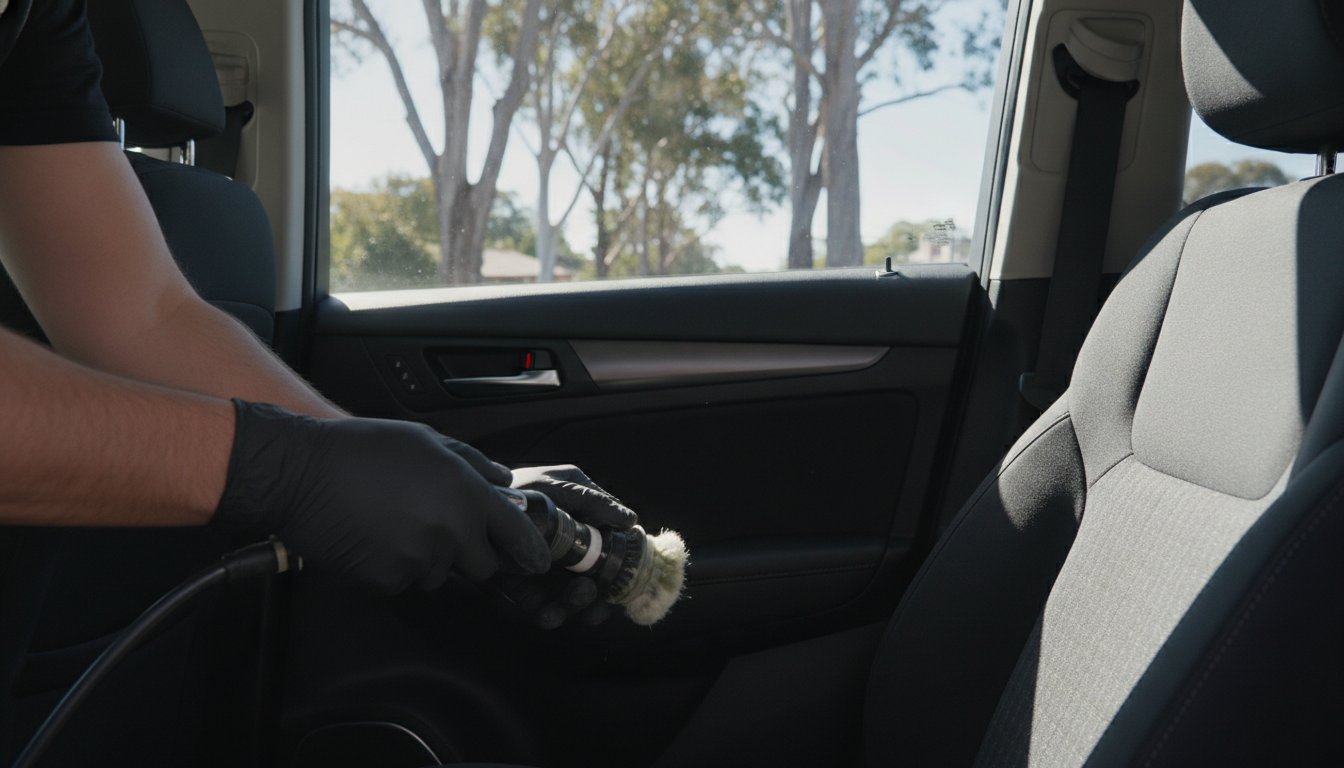
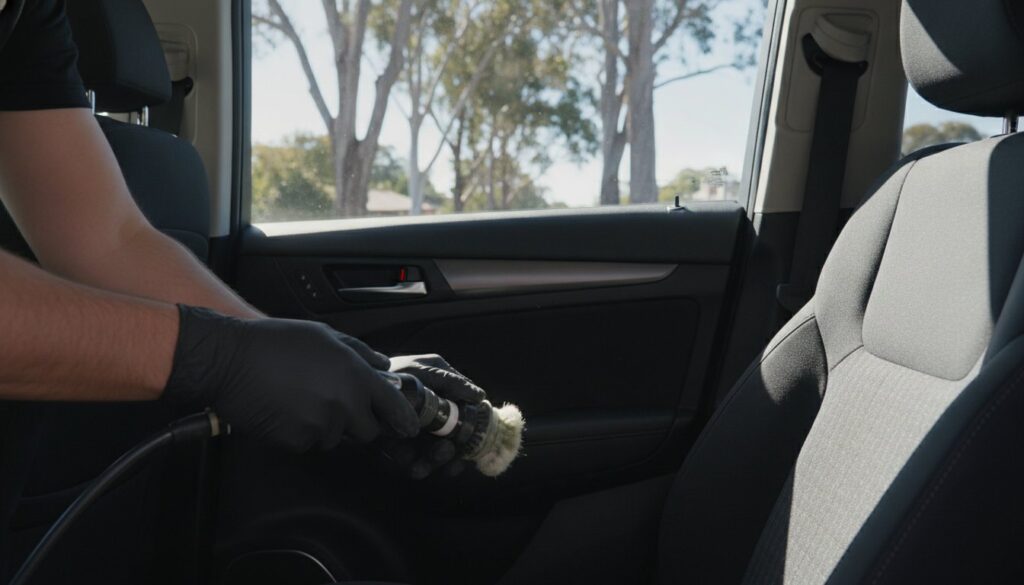
Apply specialised mould cleaners to affected fabrics using a soft-bristle brush. Agitate the material gently to lift ingrained spores without sending them airborne. For leather surfaces, use a pH-neutral cleaner to avoid stripping the protective oils. Fabric seats require a more aggressive approach to reach the foam padding beneath. This is where air duct cleaning becomes essential. Odours often linger because spores have settled inside the ventilation system, requiring a professional flush to ensure the air remains clean.
Finalise the process with industrial-grade drying. Leaving the interior damp is a recipe for immediate regrowth. Use industrial air movers or high-powered dehumidifiers to extract every trace of moisture from the carpets and seat cushions. If the infestation is widespread or you can’t find the leak, don’t risk your health. Contact ABC Mould Cleaning Solutions for a professional remediation that guarantees a safe, sterile environment.
Long-Term Prevention: Keeping Your Vehicle Mould-Free in Sydney
Sydney’s coastal climate and high relative humidity create a persistent threat for vehicle owners. Preventing mould in your car requires more than just an occasional wash. You must manage the micro-climate inside your cabin to ensure spores never find the moisture they need to germinate. This is especially critical during the wet seasons when humidity levels frequently exceed 70%, which is the threshold where fungal growth accelerates. Maintaining a dry interior is the only way to protect your car’s upholstery and your own respiratory health.
Regular maintenance of your vehicle’s physical barriers is your first line of defence. Rubber door seals and window weather-stripping naturally degrade over time, becoming brittle and allowing water to seep into the door cards. For owners of high-value or classic vehicles, scheduling regular mould removal sydney inspections can identify these vulnerabilities before they lead to an expensive interior restoration. Professional oversight ensures that hidden moisture pockets are detected using specialised equipment before they turn into a full-scale infestation.
Sydney-Specific Humidity Management
Your parking habits significantly influence moisture levels. If you live in damp, leafy suburbs like the North Shore or Northern Beaches, avoid parking under trees. Falling leaves and organic debris frequently block critical drainage channels, leading to water ingress during heavy rain. A garage is always the superior choice for humidity control. When driving, don’t rely solely on the “recirculate” mode of your air conditioner. While it cools the car quickly, it traps the moisture from your breath inside the cabin. Switch to fresh air mode periodically to flush out humid air. You should also allow your car’s interior to “sun-bake” with the doors open for 15 minutes once a week to evaporate any latent moisture in the carpets.
Identifying and Fixing Common Leaks
Blocked sun-roof drain tubes are the primary cause of sudden fungal outbreaks. These small tubes carry water away from the roof, but they easily clog with dust and grit. When they fail, water drains directly into your headliner or pools in the footwells. Inspect your boot seals regularly for signs of dampness or “pinking,” which indicates early bacterial growth. Place silica gel packs or rechargeable moisture absorbers under the seats during the winter months to maintain a dry environment. If you suspect a major infestation or can’t locate a persistent leak, book a professional inspection today to secure your vehicle’s health and value.
Restore Your Vehicle’s Safety and Value Today
Finding mould in your car is a serious biological issue that demands a professional response. You’ve learned that surface cleaning only addresses a small fraction of the problem, leaving resilient spores to recirculate through your HVAC system and into your lungs. To truly protect your health and preserve your vehicle’s interior value, you must eliminate moisture at the source and neutralise the entire fungal load within the cabin.
Our expert Sydney-based technicians are specialists in air purification and scrubbing, providing the technical expertise needed for total remediation. We utilise the biodegradable Goldmorr System to reach hidden fungi in seat foam and vents, ensuring a level of decontamination that retail sprays simply can’t achieve. This systematic approach provides the emotional relief of knowing your car’s air quality is safe for every passenger, including children and those with respiratory sensitivities.
Get a Professional Mould Inspection for Your Vehicle to stop the cycle of regrowth and restore your peace of mind. We look forward to helping you get back on the road in a clean, healthy, and sterile environment.
Frequently Asked Questions
Is it safe to drive a car with mould inside?
No, driving a vehicle with active fungal growth is not safe for your health. Because a car is a small, enclosed space, you inhale a high concentration of spores and mycotoxins every minute you are inside. This exposure can cause immediate respiratory distress, dizziness, and reduced driver alertness, which increases the risk of accidents on the road.
Can I use a steam cleaner to get rid of car mould?
You should avoid using a steam cleaner for this specific problem. While the heat may kill some surface spores, the added moisture often penetrates deep into the seat foam and carpet padding. This creates a damp environment that actually encourages rapid regrowth. Professional remediation relies on dry extraction and specialised fogging rather than introducing more water into the cabin.
How much does professional car mould removal cost in Sydney?
The cost of remediation depends entirely on the size of your vehicle and the severity of the infestation. Factors such as whether the HVAC system requires a deep flush or if the seats need intensive sub-surface treatment will influence the final price. To receive an accurate assessment tailored to your situation, we recommend booking a professional inspection to evaluate the extent of the damage.
Will insurance cover mould removal in my vehicle?
Insurance coverage typically depends on the root cause of the moisture ingress. If the growth resulted from a sudden, covered event like a flood or a collision, your policy might cover the cleaning. However, most insurers exclude damage caused by gradual wear and tear or poor maintenance, such as failing door seals or blocked sunroof drains. Review your Product Disclosure Statement for specific details.
Can mould in my car make me sick?
Yes, mould in your car can lead to significant health complications. Common symptoms include persistent sneezing, coughing, watery eyes, and skin irritation. For the millions of Australians with asthma or compromised immune systems, the concentrated spores in a vehicle cabin can trigger severe respiratory attacks. Prompt removal is essential to restore a safe breathing environment for all passengers.
How long does it take for mould to grow in a wet car?
Fungal colonies can begin to form in as little as 24 to 48 hours after moisture becomes trapped. In Sydney’s humid climate, a single window left open during a rainstorm or a small leak in a door seal provides enough water for spores to colonise. Once the growth starts, it can spread across upholstery and into the ventilation system with alarming speed.
What is the best way to get rid of the musty smell in my car?
The only permanent way to eliminate the odour is to neutralise the biological source of the scent. Masking the smell with air fresheners or ozone treatments is a temporary fix that doesn’t address the underlying infestation. Professional air purification and scrubbing, combined with a thorough cleaning of the air conditioning vents, ensures the spores are gone and the air remains fresh.
Does sunlight kill mould spores in a car interior?
Sunlight provides some UV benefits, but it is not a complete remediation tool. While UV rays can kill some spores on the surface of your dashboard or seats, they cannot reach the fungi hiding inside the foam padding or behind interior panels. Use sunlight as a preventative measure to keep your car dry, but rely on professional methods to handle a confirmed infestation.