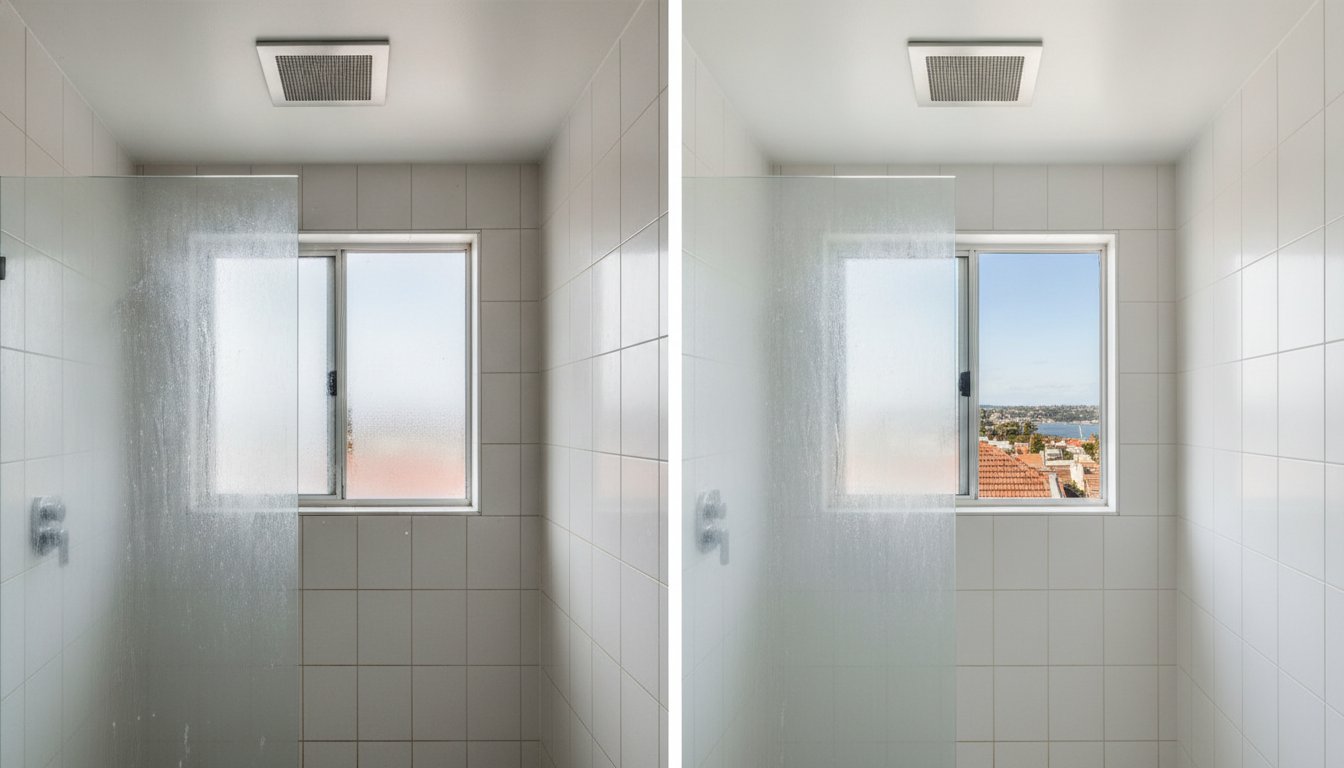

Did you know Sydney is officially the mouldiest capital city in Australia, with 120% more mould removal jobs than the national average? If you’re tired of waking up to soaking wet window sills and that lingering musty smell in your bedroom, you aren’t alone. Wiping down glass every morning feels like a losing battle, especially when you start seeing stubborn black spots appearing on your ceilings and frames. This guide reveals exactly how to stop condensation causing mould by shifting the focus from temporary cleaning to permanent moisture management.
We understand the stress and health anxieties that come with a damp home environment. It’s time to stop the cycle of endless scrubbing and start using professional, evidence-based strategies to restore your property’s safety and well-being. You’ll discover the professional strategies used to eliminate excess humidity and secure a dry, healthy home permanently. We’ll preview the technical steps required to manage the dew point and improve airflow using our specialized methodology. Let’s move your Sydney property from a state of concern to a state of total resolution.
Key Takeaways
- Understand the “Dew Point” and why this critical temperature threshold is the primary trigger for moisture accumulation in your home.
- Master daily ventilation techniques and structural fixes to learn exactly how to stop condensation causing mould and protect your property’s value.
- Identify the structural flaws, such as thermal bridging and inadequate insulation, that create localized cold spots and persistent dampness.
- Discover why common DIY fixes like household bleach fail to solve the problem and can actually encourage further fungal growth.
- Learn about the Goldmorr System, a specialized, non-destructive remediation method that uses biodegradable fogging to target invisible airborne spores.
Understanding the Link Between Condensation and Mould
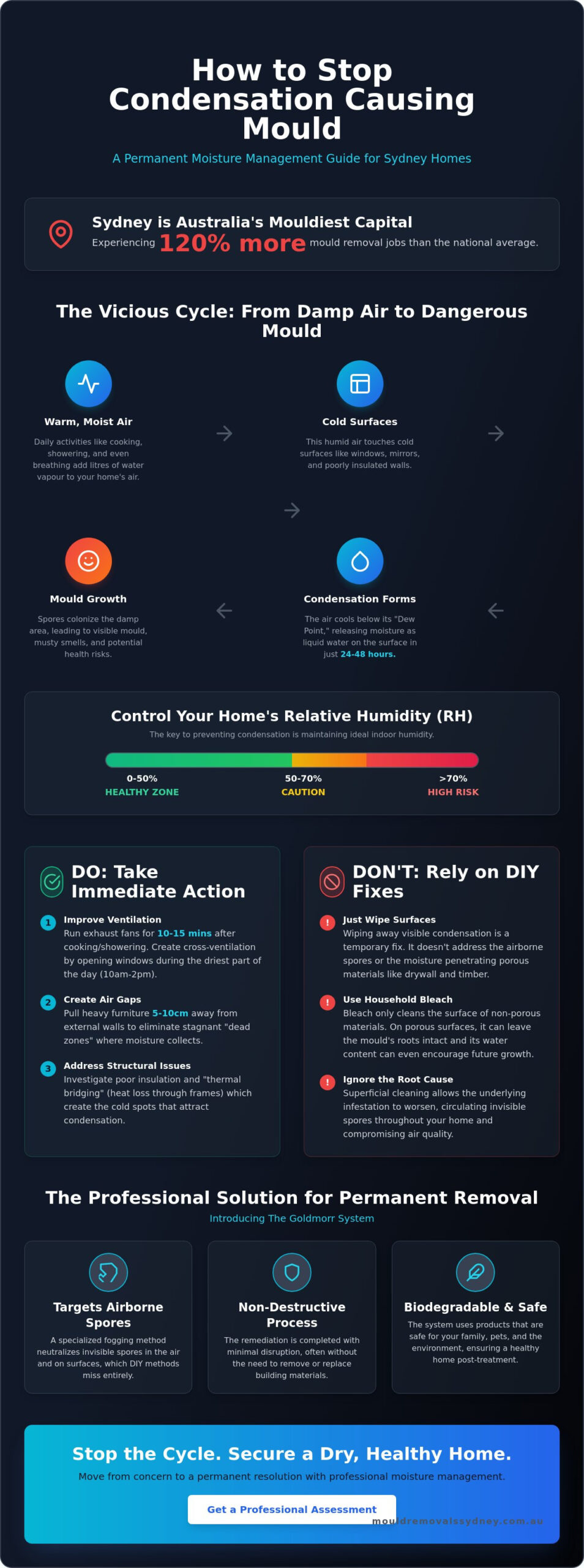
Condensation occurs when warm, moisture-laden air hits a cold surface, causing water vapour to transform back into liquid. In Sydney homes, this usually manifests as beads of water on window panes or damp patches on walls. This liquid provides the exact environment needed for Indoor mold to thrive. The critical factor here is the “Dew Point.” This is the specific temperature at which air can no longer hold its water vapour. When your walls or windows drop below this temperature, they become wet. You must understand this threshold to truly master how to stop condensation causing mould.
Sydney’s coastal climate creates a unique challenge for property owners. During winter, the outdoor humidity remains high while indoor temperatures are kept warm for comfort. This temperature differential turns your home into a moisture trap. Once surfaces become damp, the clock starts ticking. Fungal spores require only 24 to 48 hours of moisture to begin colonising a surface. If you see water on your windows every morning, you’re effectively providing a daily buffet for mould growth. Action must be taken immediately to prevent a minor moisture issue from becoming a structural health hazard.
The Science of Indoor Humidity
Maintaining the right Relative Humidity (RH) is vital for a healthy property. Ideally, your home should sit between 30% and 50% RH. Anything higher creates a high-risk zone for fungal outbreaks. Daily life adds to this burden constantly. Cooking, showering, and even breathing can contribute several litres of water to your indoor air every single day. Without proper extraction, this moisture migrates to “cold spots.” These are typically external corners, areas behind heavy furniture, or wardrobes where air stagnates and temperatures stay lower than the rest of the room. These stagnant zones are where infestations usually begin.
Why Surface Wiping Isn’t Enough
Many homeowners think a quick wipe with a towel solves the problem. It doesn’t. Surface moisture is frequently a symptom of deeper structural issues like poor wall insulation or “thermal bridging,” where heat escapes through the building’s frame. If you want to know how to stop condensation causing mould permanently, you must look beyond the glass. To understand what is mould, you have to realize it isn’t just on the surface. It penetrates porous materials like drywall and timber. Even if the surface feels dry to the touch, the roots often remain active deep within the substrate.
Ignoring the root cause leads to a dangerous buildup of invisible airborne spores. These spores circulate throughout your home long after you’ve wiped the windows clean. Relying on superficial cleaning is a temporary fix that allows the underlying infestation to worsen. Addressing the dew point and structural cold spots through professional intervention is the only way to achieve a permanent resolution. Our systematic approach ensures that both visible growth and hidden moisture risks are eliminated for good.
Immediate Steps to Reduce Condensation Today
You can begin protecting your property immediately by controlling moisture at its source. Start with your exhaust fans. It isn’t enough to simply turn them on; you must leave them running for at least 10 to 15 minutes after showering or cooking to ensure the steam is fully evacuated. If your fans are clogged with dust or underpowered, they’re merely moving air around rather than removing it. This is a primary factor in how to stop condensation causing mould in high-moisture zones like kitchens and bathrooms. High humidity levels are directly linked to Mould and your health, so acting quickly is essential for your family’s well-being.
Cross-ventilation is another powerful, cost-free tool. Open windows on opposite sides of your home during the driest parts of the day, typically between 10 AM and 2 PM in Sydney. However, be cautious when outdoor humidity is high, as this can inadvertently introduce more moisture. You should also audit your furniture placement. Pull heavy wardrobes and sofas at least 5 to 10 centimetres away from external walls. This small gap eliminates “dead zones” where air stagnates, preventing the cold spots we discussed in the previous section from becoming breeding grounds. If you suspect an underlying leak is contributing to the problem, you may need professional water damage repair to lower the overall vapour load.
Daily Habits for a Drier Home
Small changes in your daily routine yield significant results. Always cover pots while boiling water and use a squeegee on shower walls immediately after use to send bulk water down the drain. One of the most common mistakes Sydney residents make is drying clothes indoors on racks. This practice releases several litres of water directly into your living space. If you must dry clothes inside, do so in a room with a closed door and an active exhaust fan. Maintain a consistent indoor temperature. Drastic fluctuations allow surfaces to cool rapidly, hitting the dew point and causing instant condensation.
Mechanical Moisture Control
When passive ventilation isn’t enough, mechanical intervention becomes necessary. Dehumidifiers are specifically designed to strip moisture from the air, whereas air conditioners primarily focus on temperature. To ensure your HVAC system is actually dehumidifying, check if it has a “dry” mode. A properly sized dehumidifier can pull up to 20 litres of water from the air daily. This level of extraction is often the missing piece in the puzzle of how to stop condensation causing mould in stubborn rooms. If you find your hygrometer consistently reading above 60%, it might be time to arrange a professional moisture assessment to identify hidden structural failures.
Long-Term Solutions: Ventilation and Insulation
While daily habits provide a temporary reprieve, achieving permanent results requires addressing your home’s structural vulnerabilities. High-quality wall and ceiling insulation acts as a thermal barrier, keeping internal surface temperatures above the dew point. When your walls remain warm, the moisture in the air cannot condense into liquid. In many modern Sydney builds, we see a phenomenon known as “thermal bridging.” This occurs when heat bypasses insulation through highly conductive materials like steel frames or studs. These localized cold spots become invisible magnets for moisture, often leading to hidden fungal growth within wall cavities. Understanding these structural dynamics is essential when learning how to stop condensation causing mould for good.
Windows are typically the weakest link in a building’s thermal envelope. Upgrading to double glazing significantly reduces the temperature differential between the indoor air and the glass surface. This prevents the rapid cooling that leads to morning “weeping windows.” For a whole-home solution, positive pressure ventilation systems are highly effective. These systems pull fresh, filtered air from the roof cavity or outside and distribute it throughout the house. This constant air exchange creates a slight pressure difference that forces damp, stale air out through natural gaps and vents. Following the Victorian Government’s advice on mould, ensuring consistent airflow is one of the most reliable ways to maintain a healthy indoor environment.
Subfloor Ventilation: The Sydney Essential
Many Sydney properties are built on raised foundations with suspended timber floors. If the area under your house is damp, that moisture rises through the floorboards, significantly increasing indoor humidity. This is a major contributor to persistent condensation. You might notice cupping floorboards or a lingering musty smell in bedrooms as early warning signs. Installing a mechanical subfloor ventilation system is often necessary to actively extract this ground moisture. Unlike passive vents, which rely on wind, mechanical systems use high-powered fans to ensure a consistent, high-volume air exchange that keeps the building’s “footprint” dry.
Improving Airflow in Problem Areas
Specific zones in your home require targeted airflow interventions. Built-in wardrobes are notorious mould magnets because they lack natural circulation and are often situated against cold external walls. Installing simple louvred doors or internal venting can break this stagnation. For windows, trickle vents allow for a constant, low-level air exchange even when the house is locked and secure. You should also consider solar-powered roof vents. These units reduce attic humidity levels, preventing moisture from seeping down through the ceiling. Implementing these structural layers is the most professional way to master how to stop condensation causing mould in a challenging coastal climate. Additionally, managing the external environment around your windows with Best Outdoor Blinds can provide an extra buffer against the humidity that leads to indoor moisture issues.
Common Mistakes: Why DIY Mould Removal Fails
Most homeowners reach for a bottle of supermarket spray the moment they see a dark patch. This is a common trap. If you want to know how to stop condensation causing mould, you must first stop relying on retail solutions that only mask the symptoms. The “Bleach Myth” is perhaps the most damaging misconception in property maintenance. Household bleach is primarily water based. While it removes the dark pigment from the surface, the water content actually feeds the fungal roots deep within porous materials. You’re effectively watering the infestation while blinding yourself to its presence.
Another critical error is disturbing dry mould without proper containment. Scrubbing at a patch of black mould releases millions of invisible spores into your breathing zone and home ventilation system. Without professional air scrubbing and negative pressure, you’re simply relocating the problem to other rooms. Cleaning the visible growth without addressing the underlying humidity source is equally futile. If the dew point remains unmanaged and the surfaces remain cold, the mould will return within days. You must treat the environment, not just the stain, to achieve a permanent resolution.
The Problem with Porous Surfaces
Materials like plasterboard, timber, and carpet are highly absorbent. Once fungal hyphae penetrate these surfaces, superficial scrubbing is useless. DIY methods often spread these spores further, embedding them into your wall cavities and ceiling voids. Professional-grade biocides are superior to supermarket cleaners because they penetrate the substrate to eliminate the fungal root system, preventing the rapid regrowth that occurs with water-based retail sprays. If the structural integrity of the material is compromised, cleaning is no longer an option; professional removal and replacement are required to ensure safety.
When to Stop DIY and Call a Professional
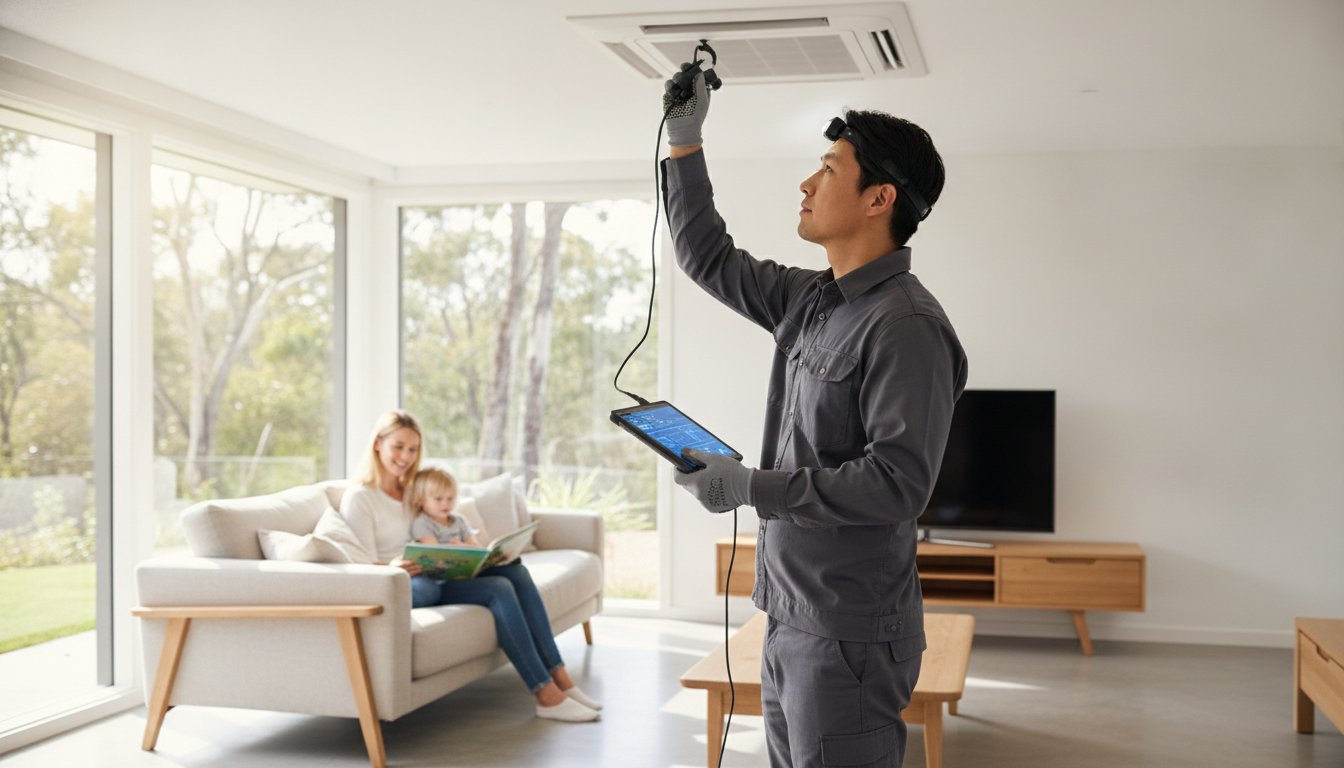
Industry standards generally follow the “one square metre” rule. If the affected area is larger than one square metre, or if the mould is recurring in multiple rooms, DIY efforts are likely to fail. Systemic growth suggests a deeper structural failure in your home’s ventilation or insulation. A professional mould inspection is the only way to identify these hidden moisture sources using thermal imaging and moisture meters. Don’t wait for the musty smell to become unbearable or for health symptoms to escalate. If your property shows signs of systemic growth, contact us for a professional mould inspection to identify the hidden moisture sources today.
Professional Remediation: The Goldmorr System Solution
When daily habits and structural upgrades aren’t enough to reverse an existing infestation, you need a specialized technical response. Traditional cleaning often fails because it only addresses what you can see. As mould removal Sydney specialists, we utilize the Goldmorr System to provide a non-destructive, permanent solution. This proprietary methodology is the most effective way to address the root of the problem. We don’t just scrub surfaces; we transform the entire indoor environment. Understanding how to stop condensation causing mould requires a dual focus on both the visible growth and the invisible spores lingering in your air.
Amateur cleaners often rely on harsh, corrosive chemicals that can damage your home’s finishes. Our approach is different. We prioritize safety and effectiveness through a systematic process that restores your property to a healthy state. By combining surface-level remediation with advanced air purification, we ensure that the moisture cycle is broken. This professional intervention provides the emotional relief and security you need to feel safe in your home again. Don’t let a moisture problem escalate into a structural threat. Act now to secure a dry, healthy environment for your family.
The Goldmorr Fogging Advantage
The cornerstone of our methodology is the biodegradable fogging process. Traditional remediation often involves tearing out drywall and timber to reach hidden growth. The Goldmorr System eliminates this need. Our specialized fogging agent travels through the air just like a mould spore. It reaches behind wall cavities, into ceiling voids, and deep within carpet fibres without requiring any demolition. This process is completely safe for families and pets, utilizing biodegradable components that leave no toxic residues. Because it is non-destructive, this system offers a faster and more affordable alternative to traditional, invasive remediation methods.
Total Air Purification
Eliminating surface mould is only half the battle. To ensure long-term success, we must address the air quality. We utilize high-efficiency HEPA air scrubbing to pull microscopic contaminants, including spores and mycotoxins, out of your living spaces. This process restores your indoor air quality to medically safe levels, which is essential for anyone suffering from respiratory sensitivities. Once the remediation is complete, we recommend post-remediation testing to verify the results. This evidence-based approach ensures your home is truly safe. Ready to breathe easy? Book your professional mould inspection today and take the first step toward a permanent resolution.
Secure Your Property Against Moisture Damage
Managing the dew point and improving structural ventilation are the only ways to achieve permanent results in your Sydney home. You now understand why superficial cleaning with bleach fails and how professional methodology targets invisible airborne threats that traditional scrubbing misses. Mastery of how to stop condensation causing mould requires shifting from temporary, reactive fixes to a systematic and evidence-based approach. Addressing moisture at the source is the single most important step you can take for your property’s longevity and value.
Get a Professional Mould Inspection & Quote
Take the first step today toward a permanently dry home. Our expert team is ready to provide the professional strategies and technical solutions needed to protect your investment for years to come.
Frequently Asked Questions
Can condensation on windows cause health problems?
Yes, window condensation is a direct precursor to mould growth, which can trigger respiratory issues and allergic reactions. When water pools on sills, it creates an ideal environment for fungal colonies to release microscopic spores into your breathing zone. These contaminants are linked to asthma flare-ups and chronic sinus congestion. Addressing the moisture immediately is the only way to protect your family’s health from these invisible environmental threats.
Is it better to open windows or keep them shut to prevent mould?
You should open windows only when the outdoor humidity is lower than the indoor levels. In Sydney, this usually occurs during the middle of the day. If it’s raining or exceptionally humid outside, keeping windows shut and using mechanical ventilation is more effective. The goal is to flush out damp air without introducing more moisture from the coastal environment. Always use a hygrometer to make the most informed decision for your property.
Does a dehumidifier actually stop mould from growing?
A dehumidifier is an effective tool for lowering relative humidity, but it doesn’t solve structural failures like poor insulation. It works by stripping moisture from the air before it can hit cold surfaces and condense. While it can prevent new growth in the short term, it won’t kill existing fungal roots. You must combine mechanical dehumidification with professional remediation to achieve a permanent solution for your home.
What is the best way to clean mould caused by condensation?
The most effective way is using professional-grade biocides that penetrate the surface to kill the fungal root system. Avoid supermarket sprays or bleach, as these primarily contain water and can actually feed the infestation. For small areas, a solution of fermented cleaning vinegar can work on non-porous surfaces. However, if the area exceeds one square metre, you should seek professional intervention to ensure the spores are properly contained and eliminated.
How much humidity is too much for a house in Sydney?
You should aim to keep your indoor relative humidity (RH) between 30% and 50%. Anything consistently above 60% creates a high-risk environment where mould can colonise surfaces within 48 hours. Sydney’s coastal location often pushes indoor levels higher, especially during the humid months of January to March. Monitoring these levels with a digital hygrometer is a simple, proactive step to understand how to stop condensation causing mould in your specific living spaces.
Can I use vinegar to stop mould from returning on my window sills?
Vinegar is a useful temporary deterrent on non-porous surfaces like glass or metal frames. Its acidic nature can kill many common fungal species, but it won’t stop the condensation from returning. If the surface remains cold and the air remains damp, the mould will eventually find a way back. To achieve lasting results, you must address the temperature differential and improve airflow rather than relying on topical cleaning solutions alone.
Why does mould keep coming back after I clean it?
Mould returns because the environmental conditions that allowed it to grow in the first place haven’t changed. If you only clean the surface but don’t address the cold spots or high humidity, new spores will quickly settle and thrive. This cycle is common when homeowners rely on DIY methods that don’t penetrate the substrate. Professional remediation focuses on changing the environment and eradicating the root system to break this persistent cycle permanently.
Does subfloor ventilation really help with indoor condensation?
Yes, active subfloor ventilation is a critical component in how to stop condensation causing mould for many Sydney properties. By extracting ground moisture from beneath your house, you prevent dampness from rising through floorboards and increasing indoor humidity. This reduces the overall vapour load in your living areas, making it much harder for condensation to form on your windows and walls. It’s a proven, long-term structural solution for older homes.