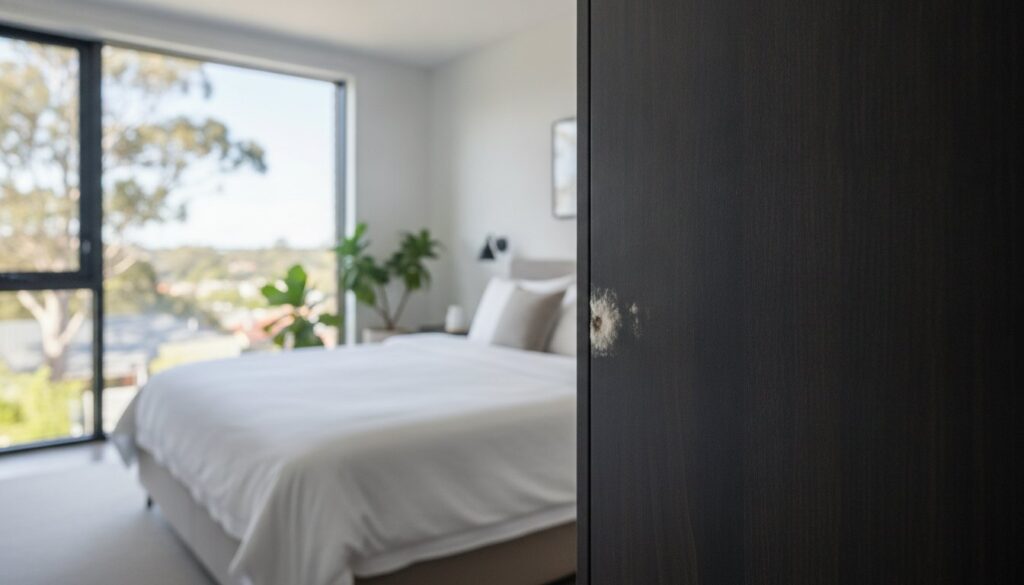
What if the mould on your favourite leather armchair isn’t a sign of a dirty home, but a symptom of a failing indoor ecosystem? It’s incredibly stressful to find white spots on a timber bedhead or smell that unmistakable musty scent every time you enter the bedroom. You’ve likely tried every supermarket spray available, only to see the fuzzy growth return a few weeks later. Understanding exactly what causes mould on furniture in house is the first step toward reclaiming your living space from these persistent spores.
You can protect your investment and your family’s health without the constant anxiety of recurring growth. This guide will identify the hidden environmental triggers unique to Sydney homes and explain how to eliminate spores permanently. We’ll explore why DIY cleaning often fails, how to determine if your furniture is salvageable, and the professional methods used to restore safety to your environment. It’s time to stop the cycle and breathe easy again.
Key Takeaways
- Identify why organic materials like timber, leather, and fabric provide the perfect food source for fungal colonies.
- Understand how Sydney’s coastal humidity and stagnant “dead air” zones are exactly what causes mould on furniture in house.
- Learn the “5cm Rule” for furniture placement to optimize airflow and prevent moisture traps against your walls.
- Discover why porous materials like MDF and upholstery require specialized treatment to remove deep-seated spores.
- See how professional biodegradable fogging eliminates airborne threats that traditional DIY scrubbing simply cannot reach.
What Causes Mould on Furniture? The Hidden Science of Home Infestations
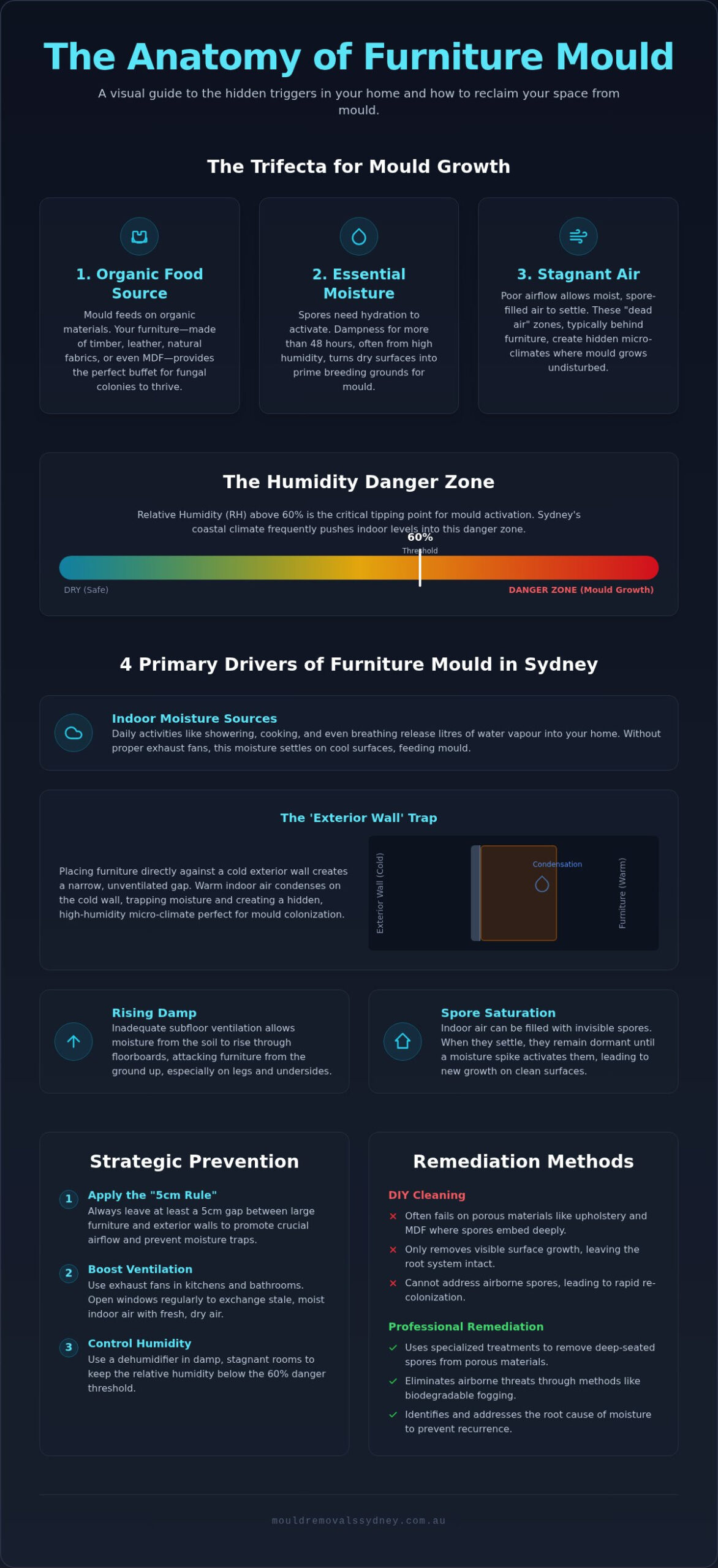
Mould is a biological intruder, not a simple cleaning failure. To flourish, this fungal organism requires a specific trifecta: organic food, warmth, and moisture. When you examine The Hidden Science of Home Infestations, you realize your house is a collection of diverse micro-environments. Your timber wardrobes and leather sofas aren’t just decor; they are high-calorie food sources. The cellulose found in wood and the organic proteins in leather or natural fabrics provide the exact nutrients fungal colonies need to thrive. If these materials remain damp for more than 48 hours, they become an open buffet for spores.
Most homeowners focus on the visible fuzzy patches, but these are just the final stage of a larger contamination. Your indoor air is likely saturated with microscopic spores that are invisible to the naked eye. In a stagnant room, these spores settle on surfaces just like dust. This state of “spore saturation” means that even if you wipe a surface clean, the air remains a reservoir for future growth. Visible mould is often just the tip of a much larger iceberg of contamination hiding within the room’s air and porous materials.
The Role of Relative Humidity (RH)
Sydney’s coastal climate often pushes indoor humidity levels well above the 60% threshold. This is the critical danger zone where mould growth becomes almost inevitable. Relative Humidity is a measure of how much water vapor is in the air compared to the maximum amount the air can hold at that specific temperature. Your furniture acts like a sponge, absorbing this ambient moisture directly from the atmosphere. This turns a dry timber surface into a damp substrate, providing the hydration mould requires to expand through the material’s fibers. It’s a primary reason for what causes mould on furniture in house even when there are no obvious liquid leaks.
Spore Colonisation vs. Surface Dust
Dust is more than an eyesore; it’s a biological bridge. It traps moisture and provides a secondary food source, allowing spores to anchor themselves firmly to your furniture. There is a vital distinction between dormant spores and active colonisation. Dormant spores are always present, waiting for a moisture spike. Once the humidity hits that 60% mark, they activate and begin to spread rapidly. Understanding what mould is helps you realize that surface cleaning only removes the visible growth. It doesn’t address the root system or the airborne spores waiting to land and restart the cycle of what causes mould on furniture in house.
The 4 Primary Drivers of Furniture Mould in Sydney Homes
Sydney’s coastal geography presents a unique set of challenges for property owners. The Pacific Ocean acts as a massive moisture pump, especially during East Coast Low weather patterns. These events bring sustained rain and sky-high humidity that can last for weeks on end. This environmental saturation is a leading factor in what causes mould on furniture in house across the metropolitan area. When the external environment is this damp, your home’s internal surfaces struggle to remain dry, regardless of how often you clean.
Beyond the weather, your daily lifestyle adds significantly to the internal moisture load. Every shower, pot of boiling water, and even your breath releases liters of water vapor into the air. Without high-quality extraction fans, this moisture travels through the house and contributes to what causes mould on furniture in house by settling in stagnant zones. It eventually finds the coldest, most restricted pockets of air, typically located behind large furniture items where airflow is non-existent.
The ‘Exterior Wall’ Trap
Placing a heavy wardrobe or bedhead directly against an uninsulated exterior wall is a recipe for disaster. This creates a “dew point” in the narrow gap behind the furniture. As warm indoor air meets the cold surface of the wall, it condenses into liquid droplets. Because the furniture blocks any potential airflow, this moisture cannot evaporate. It creates a hidden micro-climate where humidity levels often hit 100%, allowing mould to colonize the back of your timber or fabric items completely undetected.
Sydney’s Subfloor and Rising Damp Issues
Many older Sydney homes suffer from inadequate subfloor ventilation. When the soil beneath your house stays damp, moisture rises through the floorboards as water vapor. This is often the primary reason you find fuzzy growth on the legs of your timber tables or the underside of your fabric sofas. If you notice a persistent earthy smell, you might be dealing with rising damp. This structural issue forces moisture up through the masonry, directly attacking any furniture in its path. If you suspect your home’s foundation is contributing to the problem, it’s wise to request a professional inspection to identify the exact moisture source before your furniture is permanently ruined.
Material Vulnerability: Why Your Sofa or Wardrobe is the Target
Mould does not treat all surfaces equally. Some materials in your home are naturally more attractive to fungal colonies because of their chemical composition and physical structure. When investigating what causes mould on furniture in house, you must look at the “bio-availability” of the item. Cellulose, a complex carbohydrate found in wood, paper, and natural fibers, is the primary fuel source for most household mould species. If your furniture is made from these organic materials, it is essentially a standing food supply waiting for a moisture trigger.
High-end leather furniture and organic dyes are particularly susceptible during humid Sydney summers. Unlike synthetic plastics, genuine leather is porous and contains proteins that mould can easily digest. If the leather hasn’t been treated with anti-fungal agents, the organic dyes used in the tanning process provide additional nutrients. This explains why an expensive designer sofa often shows signs of infestation long before a cheaper, synthetic alternative in the same room. The finish on a surface also plays a critical role. A thick, non-porous lacquer can prevent spores from anchoring, whereas unfinished or matte surfaces provide the microscopic “grip” needed for a colony to establish itself.
Timber and Engineered Wood (MDF)
Budget-friendly furniture often relies on Medium Density Fibreboard (MDF) with unsealed back panels. These raw, compressed wood fibers are incredibly absorbent. They act like a sponge for any condensation forming on the wall behind them. Because these panels are hidden from view, colonies can grow for months before you notice a smell. Wood oils and certain waxes, while intended to protect the timber, can sometimes serve as a supplemental nutrient source for specific fungi. This is why black mould can appear so aggressively on timber items; it’s not just sitting on the surface, it is actively consuming the material from the inside out.
Upholstery and Soft Furnishings
Fabric and upholstery present a different challenge due to the “wicking” effect. These materials pull moisture from the humid air and trap it deep within the internal foam or padding. This creates a dark, damp environment where spores can germinate far away from sunlight and airflow. When you attempt to clean a sofa with a cloth, you are only addressing the visible surface growth. The “root” system remains embedded in the foam, ready to resurface as soon as conditions allow. There is also a high risk of cross-contamination; if your carpets are damp, mould can easily migrate up the legs of your furniture and into the soft fabric above. Understanding this depth of contamination is vital when diagnosing what causes mould on furniture in house.
Strategic Prevention: Breaking the Cycle of Furniture Mould
Preventing fungal growth is a matter of strict environmental control. You now understand that organic materials and moisture are exactly what causes mould on furniture in house, so your strategy must focus on eliminating that moisture. The most effective immediate change you can make is the ‘5cm Rule’. Always leave at least five centimeters of space between your furniture and any wall, especially exterior ones. This gap allows air to circulate freely, preventing the cold-surface condensation that fuels hidden colonies. Without this airflow, you are essentially inviting a stagnant micro-climate to destroy your investment.
Reducing the ‘spore load’ in your home is equally vital. High-quality air purification systems with HEPA filtration can capture airborne spores before they have a chance to settle on your leather or timber. However, technology is not a substitute for routine inspections. You must regularly check ‘high-risk’ zones, such as the areas behind bedheads and deep inside wardrobes. Catching a small patch of growth early can be the difference between a simple wipe-down and having to dispose of an entire bedroom suite.
Immediate Airflow Fixes
Create consistent cross-ventilation during Sydney’s humid months. Open windows on opposite sides of your property to force a breeze through every room, carrying moisture away. Pay close attention to your storage habits. Never store cardboard boxes or plastic tubs under beds with low clearance. This creates a ‘dead air’ zone where moisture becomes trapped against the floor and the mattress. If your home has built-in wardrobes, consider installing louvred doors. These allow the timber and fabrics inside to breathe, preventing the stale air pockets that cause that characteristic musty smell.
Controlling the Indoor Environment
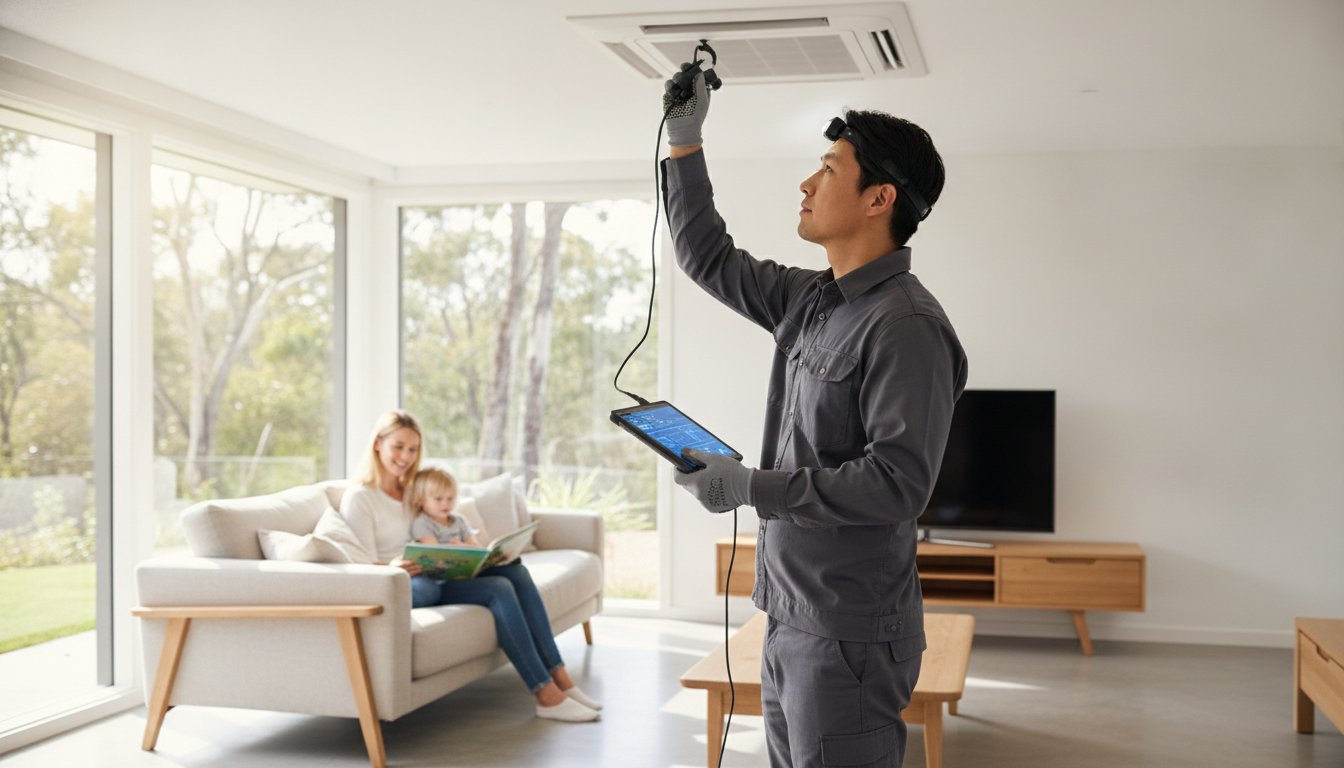
Use a digital hygrometer to monitor your Relative Humidity (RH) levels. You must target a safe range of 45% to 55% to keep spores in a dormant state. While air conditioners are effective at dehumidifying, they can also become a primary source of contamination if neglected. Regular air conditioner cleaning ensures your unit isn’t recirculating millions of spores directly onto your furniture. Additionally, treat every leak as an emergency. Even a minor window seal failure can lead to significant water damage and a massive fungal spike within 48 hours. If you suspect your home has hidden moisture issues, book a professional mould inspection to identify the source before the damage spreads.
Professional Remediation: The Goldmorr Advantage
Attempting to scrub away a fungal infestation with retail sprays often does more harm than good. When you use a cloth to wipe down a timber wardrobe or a leather sofa, you physically disturb the mature mould colonies. This action releases millions of microscopic spores into the air, where they remain suspended for hours. These spores eventually settle on other organic materials, creating a secondary outbreak in a different part of the room. This “cleaning” failure is a major reason for what causes mould on furniture in house to become a recurring, expensive cycle. Professional remediation is the only way to ensure the colony is neutralized without cross-contaminating your entire home.
ABC Mould Cleaning Solutions utilizes the Goldmorr System to break this cycle of re-infestation. This proprietary methodology focuses on total environmental decontamination. We don’t just treat the visible spots; we address the invisible reservoir of spores that linger in your indoor air. By combining high-efficiency air scrubbing with targeted surface treatments, we restore your home to a safe, healthy state. Our systematic approach transforms a contaminated room back into a habitable space, providing the emotional relief and security every property owner deserves.
Surface Treatment vs. Airborne Fogging
The cornerstone of our remediation process is Goldmorr biodegradable fogging. This specialized system releases a non-toxic mist that travels through the air exactly like a mould spore. It reaches into the deepest crevices of your furniture, behind heavy wardrobes, and into the porous fibers of your upholstery where traditional cloths cannot reach. The fogging process encapsulates and kills airborne spores on contact, preventing them from landing and starting new colonies. Because our chemicals are biodegradable and non-toxic, your family and pets can return to a safe environment shortly after the process is complete. Treating the air is just as critical as treating the furniture itself.
Why Sydney Chooses ABC Mould Cleaning Solutions
Our team provides a 360-degree approach that looks beyond the immediate fuzz on your furniture. We are committed to identifying the root cause of the moisture, whether it is a failing subfloor ventilation system or hidden rising damp. Treating the symptom without fixing the source is a waste of your time and money. Investing in a professional mould removal Sydney service ensures that the underlying environmental failure is addressed for long-term health and property protection. Don’t let spores dictate the air quality of your home any longer. Book your expert inspection today and let our specialists restore your peace of mind.
Take Control of Your Indoor Environment Today
Your furniture is too valuable to lose to preventable fungal growth. You now know that moisture, stagnant air, and organic materials are exactly what causes mould on furniture in house. By implementing the ‘5cm Rule’ and managing your home’s relative humidity, you can break the cycle of infestation. However, if spores have already taken root deep within your upholstery or timber, surface cleaning is simply not enough to protect your family’s health.
ABC Mould Cleaning Solutions offers the specialized expertise needed to eliminate the problem at its source. We utilise the world-class Goldmorr System to ensure that both surface and airborne spores are neutralised using non-toxic, biodegradable treatments that are safe for your children and pets. With our Sydney-wide 24/7 Emergency Response, you don’t have to wait for the damage to escalate. Stop the spread and save your home; Get a Free Quote from Sydney’s Mould Experts. You deserve a fresh, healthy living space where you can breathe easy again.
Frequently Asked Questions
Can I save my furniture if it has mould on it?
Yes, most furniture is salvageable if the structural integrity remains intact. Non-porous materials like finished timber or metal are straightforward to clean. However, porous items like fabric sofas or unsealed MDF require deeper treatment. If spores have penetrated the internal foam or wood grain, surface wiping won’t be enough. You’ll likely need professional fogging to reach those deep-seated roots and ensure the colony doesn’t simply regrow within weeks.
Is the mould on my furniture dangerous to my health?
Inhaling spores from furniture in close proximity, such as a bedhead or sofa, poses a legitimate health risk. Mould produces allergens, irritants, and occasionally toxic substances called mycotoxins. For Sydney residents with asthma or weakened immune systems, this constant exposure can lead to persistent respiratory issues or skin irritation. You shouldn’t ignore growth on household items, as it directly degrades the air quality in your most-used living spaces.
Why does mould keep coming back on the back of my wardrobe?
Recurring growth is almost always caused by a lack of airflow and condensation against cold exterior walls. This stagnant “dead air” zone creates a micro-climate where moisture stays trapped. Understanding that restricted ventilation is what causes mould on furniture in house is the first step to a permanent fix. Unless you move the wardrobe away from the wall or address the room’s humidity, the mould will continue to return after every cleaning.
Does vinegar actually kill mould on wood furniture?
Vinegar can kill many common mould species, but it isn’t a guaranteed cure for porous timber. While the acid can neutralise surface growth, it often fails to reach the “roots” embedded deep within the wood grain. Using too much liquid can also warp the timber or damage the finish. For a professional result that doesn’t risk your furniture’s structural health, a non-toxic, biodegradable treatment is a far more effective and safer alternative.
How can I tell if the mould is caused by a leak or just humidity?
Leaks usually produce localized, heavy staining or “tide marks” on a specific section of the furniture or wall. In contrast, humidity-driven mould appears as a uniform, fuzzy dusting across wide surfaces. If you see growth on the back of multiple items along the same wall, atmospheric moisture is the likely culprit. A professional technician can use a moisture meter to confirm whether a hidden pipe leak is contributing to the problem.
Should I throw away a mattress that has mould on it?
You should strongly consider disposing of a mattress if the mould has moved beyond the surface and into the internal padding. Mattresses are incredibly porous, providing a massive internal area for spores to colonise. Since you spend eight hours a day with your face near these materials, the health risks are significant. Surface cleaning rarely reaches the core of the mattress, meaning you’ll continue to breathe in spores every single night.
What is the best way to clean mould off leather sofas?
Use a specialized, pH-balanced leather cleaner and a dry microfiber cloth to remove visible growth. Avoid using excessive water or harsh household chemicals, as moisture is what causes mould on furniture in house to flourish in the first place. Once the surface is clear, it’s vital to apply a professional anti-fungal treatment. This kills the microscopic spores that remain hidden in the leather’s pores, preventing a fast return of the infestation.
How long does professional mould removal take?
Most residential remediation jobs in Sydney are completed within a single day. This timeframe includes the detailed inspection, surface decontamination, and the Goldmorr fogging process. We focus on efficiency to minimize the disruption to your daily life. If your property has severe structural issues or requires extensive subfloor drying, the process might take longer. Our specialists will provide a clear timeline during the initial assessment so you know exactly what to expect.