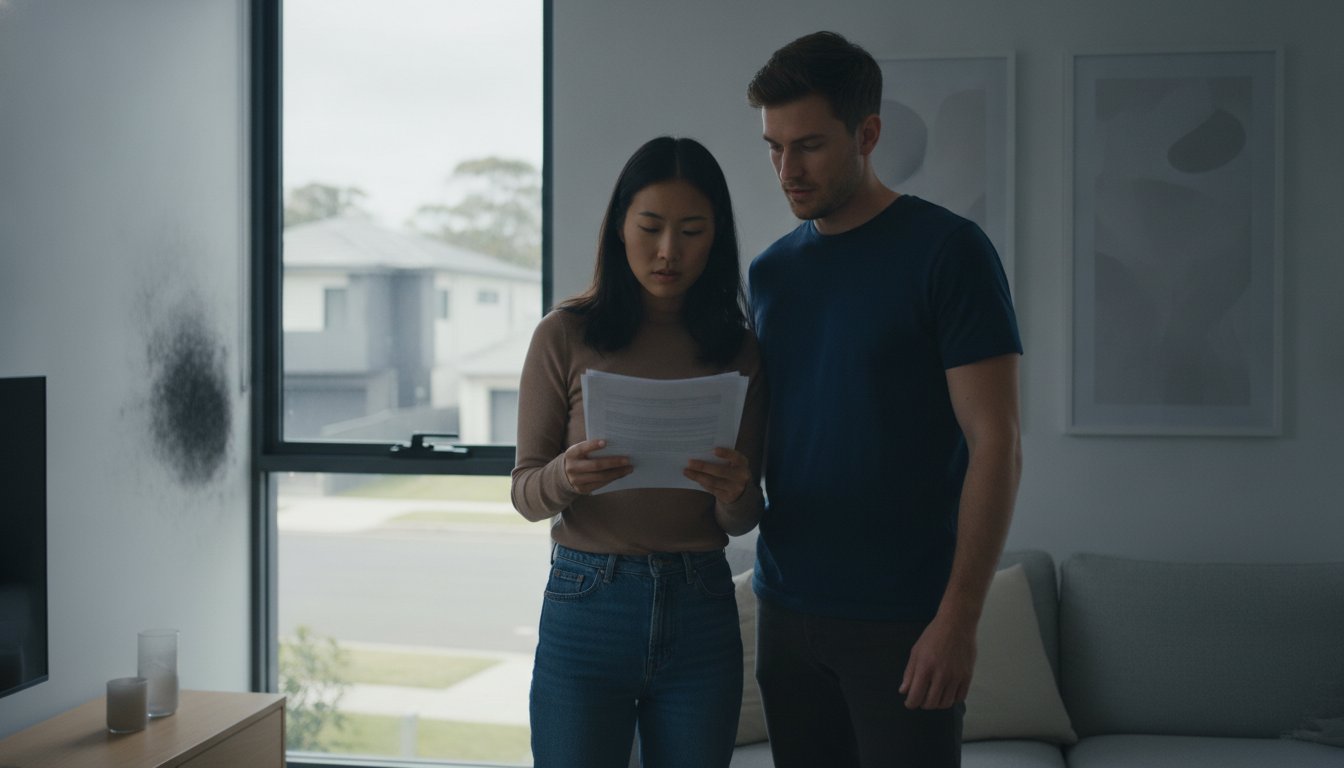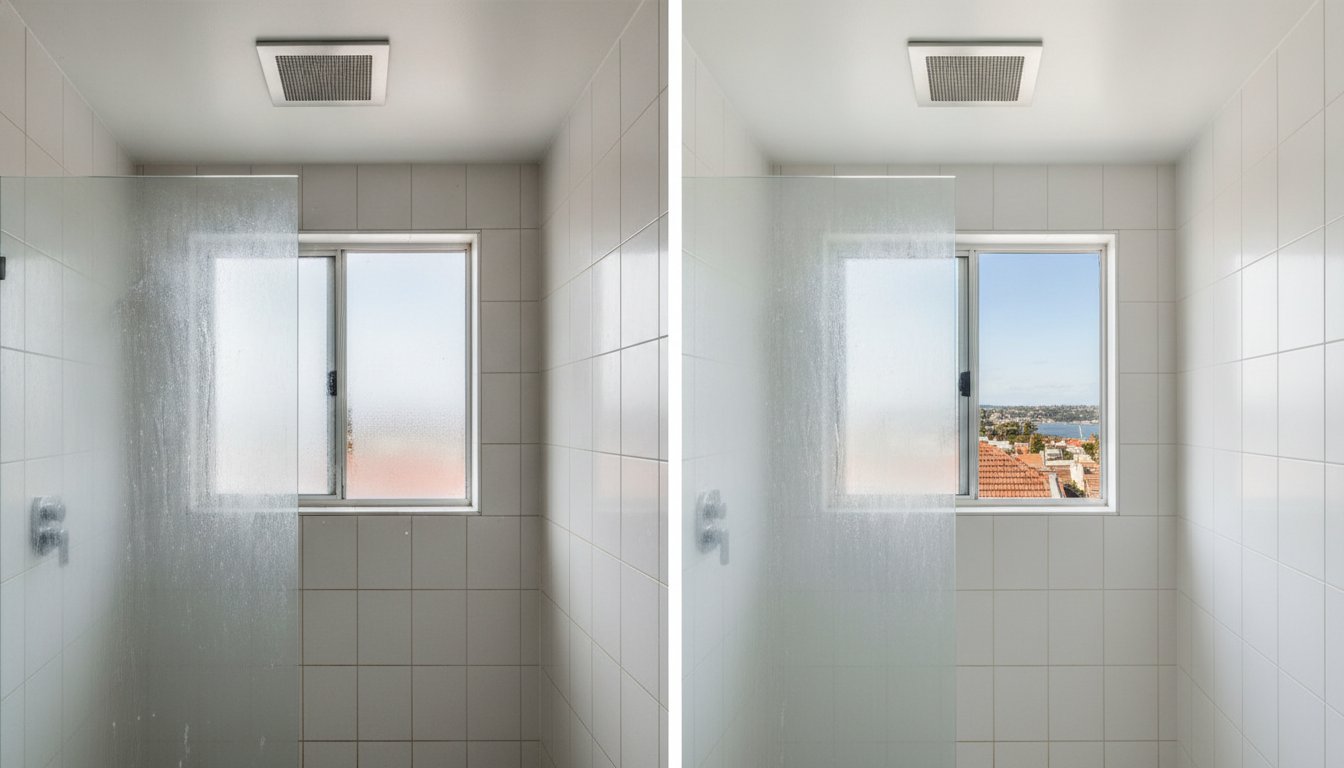

Did you know that a history of mould can slash your home’s sale price by as much as 20% if it is not handled correctly? For many Sydney homeowners, selling a house with a history of mould feels like a legal and financial minefield. You might worry that a past leak or a damp winter will resurface during a building inspection and scare off every serious buyer. It is natural to feel anxious about whether you must disclose past issues or if a fresh coat of paint is enough to protect your investment.
We understand the stress of balancing legal compliance with your desire for the best possible price. This guide will teach you how to navigate current NSW disclosure laws and use professional remediation to secure a clear building report. You will learn how to protect your property value and close your sale with total confidence. We break down the “material fact” rules under the Property and Stock Agents Act and explain how specialized fogging technology ensures your property is safe, compliant, and ready for a premium result.
Key Takeaways
- Understand how NSW “material fact” disclosure laws affect your transaction and why transparency is your best legal defense.
- Learn why selling a house with a history of mould requires professional certification rather than DIY surface cleaning to pass rigorous building inspections.
- Discover how the Goldmorr System eliminates invisible airborne spores to ensure a safe environment and a clear health report for new occupants.
- See how installing subfloor ventilation addresses the root cause of dampness to reassure buyers about long-term property maintenance.
- Follow our 5-step pre-sale safety net to protect your property value and close your sale with absolute confidence.
Can You Sell a House with a History of Mould in Sydney?
Yes, it is entirely possible. Sydney’s coastal humidity and recent La Niña cycles have made mould a common reality for many homeowners across the region. Selling a house with a history of mould doesn’t have to be a deal-breaker, but it does require a proactive and strategic approach. Buyers in the current market are more cautious than ever. They aren’t just looking at the fresh paint; they are looking for evidence of a healthy, well-maintained structure that won’t cost them thousands in future repairs.
If you rely on amateur cleaning or simply attempt to paint over the problem, you risk a “subject to inspection” contract collapse. Professional intervention is the only way to transform a potential liability into a verified selling point. It provides the essential paper trail that banks, insurers, and solicitors demand during the settlement process. You need to prove that the issue is a part of the home’s past, not its future.
Why Mould History Matters to Modern Buyers
By 2026, buyer awareness regarding respiratory health and “Sick Building Syndrome” has reached an all-time high. Modern families prioritize indoor air quality as a non-negotiable feature. When selling a house with a history of mould, you must realize that a standard building and pest inspection will almost certainly uncover evidence of past moisture issues. These inspectors look in roof voids, behind furniture, and under floorboards. If these issues appear unaddressed or poorly hidden, your property valuation could drop by 5% to 15% immediately. Transparency, backed by professional remediation certificates, is the only way to maintain your asking price and build trust.
Active Infestation vs. Past Remediation
It’s vital to distinguish between a current hazard and a resolved history. An active infestation is a present health risk that requires urgent treatment to prevent structural damage and spores from spreading. In contrast, a “history of mould” refers to a past issue where the root cause was identified, the spores were eliminated, and the moisture source was fixed. For a deeper look at the biology behind these issues, read our guide on What is Mould? to understand how spores behave in the Australian climate.
Successful remediation involves more than just scrubbing visible spots. It requires Understanding Indoor Mould and how it colonizes porous materials and air conditioning systems. When you can demonstrate that the moisture source is gone and the air has been professionally scrubbed, you remove the buyer’s fear of the problem returning. This shift in perspective is what closes sales in a competitive Sydney market.
Understanding NSW Disclosure Laws and Material Facts
In NSW, the legal landscape for property sales changed significantly following the March 23, 2020 reforms. Selling a house with a history of mould now requires a clear understanding of your obligations under the Property and Stock Agents Act 2002. You cannot simply hope a buyer doesn’t notice. NSW Fair Trading dictates that any “material fact” must be disclosed to prospective purchasers. If you fail to do so, you face serious legal repercussions, including potential fines of up to $22,000 and the risk of a collapsed sale.
Transparency is not just a legal requirement; it is a strategic advantage. When you proactively disclose a past issue alongside documentation of professional remediation, you strip away the buyer’s leverage to negotiate a lower price. You prove that the property is safe and that you are an honest seller. Attempting to hide a history of moisture issues often leads to “fear-based” discounting from buyers who assume the worst once they find a single hidden spore.
What Constitutes a ‘Material Fact’ in NSW?
A material fact is any information that would reasonably influence a buyer’s decision to purchase a property or the price they are willing to pay. Current NSW disclosure laws emphasize that a significant mould issue is often classified as a material fact because it represents a potential health or safety risk. By 2026 standards, “significant” typically refers to mould that is widespread, has affected structural elements like subfloors, or has a recurring history due to unresolved dampness.
Painting over active mould is considered “concealment” rather than remediation. This can lead to legal action for misleading or deceptive conduct under Australian Consumer Law. If an inspector finds high moisture readings behind a fresh coat of “anti-mould” paint, your credibility is gone. It is far better to show a history of successful treatment than a present attempt at a cover-up.
Agent Obligations and the Sales Contract
Real estate agents in Sydney have a professional duty to disclose material facts they know, or ought to reasonably know. If you tell your agent about a past leak, they are legally bound to share that with serious bidders. You should work with your agent to draft a disclosure statement that is honest but reassuring. Including a professional mould inspection report directly in the contract of sale can actually build buyer confidence. It demonstrates that you have already done the hard work of verifying the home’s health status, leaving no room for “hidden” surprises during the cooling-off period.

Professional Remediation: Turning a Liability into a Selling Point
Don’t fall into the trap of thinking a quick scrub with vinegar or a bottle of bleach will satisfy a rigorous building inspection. When you are selling a house with a history of mould, your goal is to eliminate the biological threat, not just the visible stain. DIY methods are notoriously temporary. They often leave behind invisible spores that continue to thrive in wall cavities, insulation, and ceiling voids. A professional remediation team uses advanced air purification and scrubbing technology to ensure the home tests “clear” even under scientific scrutiny. This isn’t just about aesthetics; it’s about providing the documentation that turns a skeptical buyer into a confident one.
A professional certificate of clearance acts as a powerful marketing tool. It shifts the narrative from “this house has a problem” to “this house has been professionally certified as healthy.” In the 2026 Sydney market, where buyers are hyper-aware of health risks, this distinction is worth thousands of dollars at the auction block. You are offering a guarantee of safety that an amateur “wipe-down” simply cannot match. This level of transparency protects your sale price and keeps your transaction on track during the critical cooling-off period.
The Goldmorr Fogging Process Explained
Our specialized methodology utilizes the Goldmorr System to provide a comprehensive safety net for your property. This process involves a biodegradable fog that penetrates every corner of your home, including air ducts and porous materials that standard cleaning cannot reach. Targeting airborne spores is essential for meeting NSW Fair Trading guidelines on mould, which emphasize that a property must be fit for habitation. To learn more about our evidence-based approach, explore Sydney’s #1 Mould Removal Service.
DIY vs. Professional Remediation for Sellers
The choice between DIY and professional intervention is often the difference between a closed sale and a legal nightmare. Consider these factors when preparing your home:
- DIY Cleaning: It is temporary and leaves spores behind. You get no documentation, and there is a high risk of your sale collapsing once the building inspector arrives.
- Professional Remediation: This provides a permanent solution. The air is purified, and you receive full documentation that increases buyer confidence and justifies your asking price.
The return on investment for professional cleaning is undeniable. While selling a house with a history of mould, spending a small amount on expert remediation prevents the 5% to 20% price drops that occur when buyers suspect hidden damage. It is a pragmatic, results-driven decision that secures your financial future.
Addressing Root Causes: The Value of Subfloor Ventilation
Mould is merely a symptom. The true enemy is moisture. When you are selling a house with a history of mould, you must demonstrate to potential buyers that the underlying cause has been permanently addressed. Buyers are savvy. They will look for damp patches, peeling paint, and that tell-tale “old house” smell. By installing a professional subfloor ventilation system, you shift the narrative from a property with a problem to a property with a premium upgrade. You provide tangible proof that the home is equipped to handle Sydney’s humid climate. This is not just a repair; it is an investment in the property’s structural integrity.
Restoring water-damaged areas to an “as-new” condition is essential for removing visual red flags. If a buyer sees a water stain on a ceiling or a warped floorboard, they will immediately assume there is a hidden mould colony. You need to eliminate these cues before the first open house. A clean, dry, and fresh-smelling home signals to the market that the property has been meticulously maintained. This level of preparation prevents buyers from using past issues as leverage to negotiate a lower price during the cooling-off period.
Why Subfloor Ventilation is a Sydney Seller’s Secret Weapon
Sydney’s unique geography presents specific challenges for homeowners. Many local properties sit on sandstone foundations that naturally hold moisture from the soil. Without adequate airflow, this moisture rises through the floorboards, creating a perfect breeding ground for fungal growth. A dry subfloor is the foundation of a healthy home. It eliminates the musty odors that immediately raise red flags for prospective purchasers. When you can show a buyer a high-performance mechanical ventilation system, you are proving that the home is resilient against Sydney’s notoriously humid summers. It transforms a historical liability into a modern selling point.
Water Damage Restoration and Pre-Sale Inspections
Fixing leaks and damp spots early is the only way to ensure a smooth transaction. If your property has suffered from recent leaks or flooding, consult our Water Damage Repair Guide for immediate action steps. A pre-sale mould inspection acts as your primary safety net. It allows you to identify and resolve hidden issues before they are discovered during a buyer’s survey. This proactive approach protects your sale price and ensures you aren’t blindsided by a “subject to inspection” deal-breaker. Take control of your property’s health today by booking a professional subfloor ventilation installation to guarantee long-term moisture protection.
The 5-Step Checklist for Selling a Home with Mould History
Executing a successful sale requires more than just masking symptoms. You need a systematic plan to verify your property is healthy and compliant. By following this structured approach, selling a house with a history of mould becomes a manageable process rather than a source of anxiety. Use this checklist to ensure no detail is missed before your first open house.
- Step 1: Conduct a professional pre-sale mould inspection. Identify hidden issues in ceiling voids or behind wall linings before a buyer’s building inspector finds them. This is your primary safety net.
- Step 2: Remediate using a dual-action system. Ensure your treatment addresses both visible surface growth and invisible airborne spores. A surface-only wipe-down is insufficient for professional clearance.
- Step 3: Resolve structural moisture causes. Fix leaking pipes and install subfloor ventilation if dampness is rising from the foundations. You must prove the moisture source is gone.
- Step 4: Compile a ‘Remediation Pack’. Gather all invoices, professional reports, and clearance certificates. This tangible evidence justifies your asking price.
- Step 5: Disclose transparently through your agent. Use your documentation to neutralize the issue early. Proactive disclosure prevents the history from becoming a “shock discovery” that kills the deal during the cooling-off period.
Preparing Your ‘Healthy Home’ Documentation
Your documentation should be framed as a premium feature of the property. Include high-resolution before and after photos, independent air quality test results, and any applicable service warranties. Present this pack to serious bidders as proof of your commitment to property maintenance. Highlighting a “Goldmorr Clean” status in your property brochure transforms a past issue into a verified health benefit. Buyers appreciate the certainty that comes with a professionally tested environment. It shows you have gone above and beyond the standard preparation, making your home a safer bet than unverified alternatives.
Final Open House Preparation
Atmosphere is everything during a showing. Ensure your air purification process has completely neutralized any lingering odours. Do not rely on heavy scents or candles; these often signal to buyers that you are hiding something. Conduct a final walkthrough to check for secondary issues like Black Mould in overlooked areas like window tracks or bathroom silicone. A professionally cleared home is objectively safer than one that has never been tested. When selling a house with a history of mould, your greatest asset is the scientific proof that your home is ready for its next family. Close your sale with the confidence that only professional results can provide.
Secure Your Property Value and Close with Confidence
Don’t let a past moisture issue derail your real estate goals. Selling a house with a history of mould is a manageable challenge when you prioritize transparency and professional verification. By addressing root causes through subfloor ventilation and utilizing the specialized Goldmorr System, you transform a potential liability into a certified healthy home. This proactive approach ensures you meet all NSW “material fact” disclosure requirements while protecting your final sale price from aggressive discounting.
You deserve a stress-free transaction and a clear building report. As Sydney’s leading Goldmorr System specialists, we provide the full documentation you need for your sales contract to build absolute buyer trust. We even offer a price match guarantee on all professional quotes to ensure you get the best value for your remediation. Take the first step toward a successful settlement and eliminate the risk of unexpected discoveries during the cooling-off period.
Book a Pre-Sale Mould Inspection with ABC Mould Cleaning Solutions today to protect your investment and move forward with your sale today.
Frequently Asked Questions
Do I legally have to disclose past mould when selling in NSW?
Yes, you must disclose past mould if it meets the definition of a material fact under NSW law. This includes any issue that would significantly influence a buyer’s decision or the property’s price. Failing to disclose a major history of infestation can result in legal penalties and the cancellation of your sale. Providing a professional remediation certificate is the most effective way to meet your legal obligations while maintaining buyer trust.
Will a history of mould lower my property’s sale price?
Selling a house with a history of mould can lead to a significant price reduction if the issue is discovered during a buyer’s inspection. However, if you provide a professional clearance certificate, you neutralize this risk. Professional documentation proves the property is safe and well-maintained, allowing you to hold your asking price. Buyers are happy to pay a premium for a home that has been biologically cleared and verified by experts.
Can a buyer pull out of a sale if they find mould during an inspection?
A buyer can pull out of a sale if their building and pest inspection identifies significant mould that was not previously disclosed. Most NSW sales contracts include a cooling-off period where buyers can rescind their offer based on the results of these inspections. Finding hidden mould is a major red flag that often causes buyers to lose confidence. It’s far better to have a clear report before you ever list the property.
How do I prove that the mould won’t come back after the sale?
Proving mould won’t return requires demonstrating that you have fixed the moisture source. When selling a house with a history of mould, a professional remediation report combined with proof of subfloor ventilation installation is the most effective evidence. These steps show buyers that the home’s environment has been fundamentally changed to prevent future growth. Providing a long-term guarantee from a specialist offers the final reassurance they need to sign the contract.
Is it worth painting over mould before an open house?
Painting over mould is never recommended. This is viewed as a deliberate act of concealment and can lead to legal action for misleading conduct. Building inspectors use specialized tools like moisture meters to see through fresh paint. If they discover hidden dampness, the buyer will likely assume there is a much larger, more expensive problem. It’s always safer and more ethical to remediate the issue professionally before listing.
How long does professional mould remediation take before I can list my house?
Professional remediation is a fast process that usually takes between one and three days. Our team uses efficient systems like the Goldmorr fogging method to treat the entire home quickly. This means you don’t have to delay your listing or postpone open houses for weeks. Once the treatment is complete and the air is purified, you will receive the clearance documentation needed to proceed with your sales campaign immediately.
What is the difference between professional remediation and a standard house clean?
Standard house cleaning only addresses what you can see on the surface. Professional remediation is a scientific process that eliminates both the visible mould and the invisible airborne spores. We use specialized equipment like air scrubbers and HEPA vacuums to ensure the biological threat is completely removed. This level of decontamination is essential for passing professional building inspections and ensuring the long-term health of the next occupants.
Does a ‘history of mould’ include small amounts in the bathroom grout?
Small amounts of surface mould in bathroom grout are generally not considered a material fact in NSW. This is typically viewed as a routine maintenance issue. However, if the mould has penetrated the wall cavity or is caused by a leaking pipe behind the tiles, it becomes a significant issue that requires disclosure. Always err on the side of professional assessment if you are unsure about the severity of a past moisture problem.