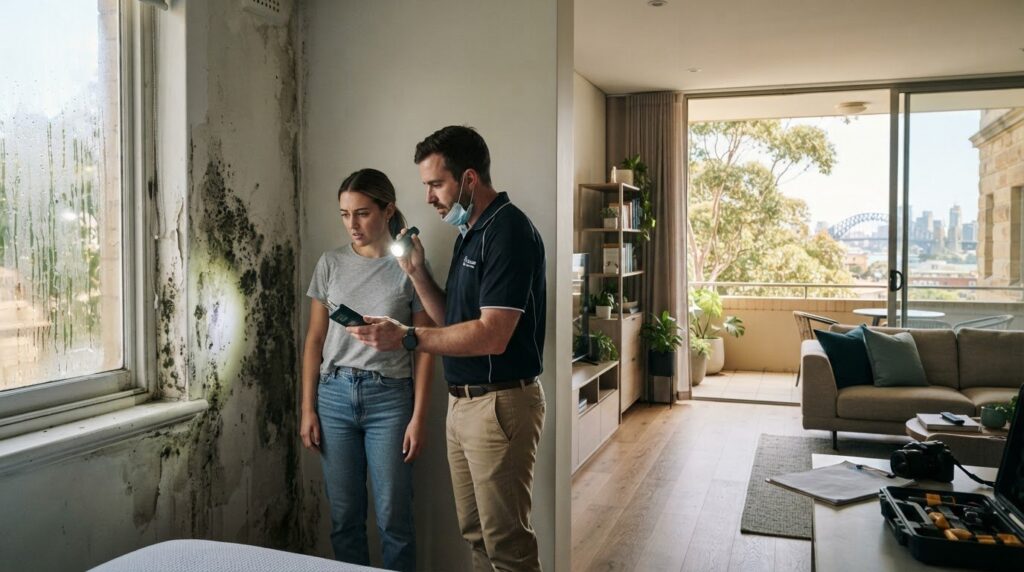
Did you know that mould accounted for nearly 20% of all maintenance disputes lodged with NSW Fair Trading during the 2024–2025 reporting period? It’s a staggering statistic that highlights how common this health hazard has become across Sydney and regional NSW. If you’re staring at black spores on your ceiling or smelling damp in the bedroom; you’re likely feeling a mix of health anxiety and fear over your rental bond. You need a definitive answer regarding mould in a rental property who is responsible before the damage to your health or your furniture gets any worse.
We understand that the conflict between tenants and landlords often feels like an impossible stalemate. You shouldn’t have to live in an unsafe environment; nor should you face the threat of eviction for reporting a structural failure. This article provides a clear, legal roadmap based on the Residential Tenancies Act 2010 and the landmark 2025 legislative updates. You’ll discover the “Root Cause” test used by the NSW Civil and Administrative Tribunal (NCAT) to determine liability. We’ll also outline the exact steps to take, from formal breach notices to securing professional remediation, so you can restore your home’s safety and protect your legal rights immediately.
Key Takeaways
- Identify the moisture source to determine if the issue is a structural failure (landlord) or a lifestyle factor (tenant).
- Discover the legal specifics of mould in a rental property who is responsible by reviewing the seven mandatory minimum standards for habitability in NSW.
- Secure your health and bond by following a structured five-step dispute resolution process, including the correct use of formal ‘Notice of Breach’ forms.
- Move beyond temporary DIY fixes to professional remediation using the Goldmorr System to safely eliminate airborne spores and address root causes like subfloor dampness.
- Navigate the latest legal landscape with confidence, using professional inspection reports as powerful evidence for NCAT hearings or insurance disputes.
Mould in Sydney Rentals: A Growing Crisis
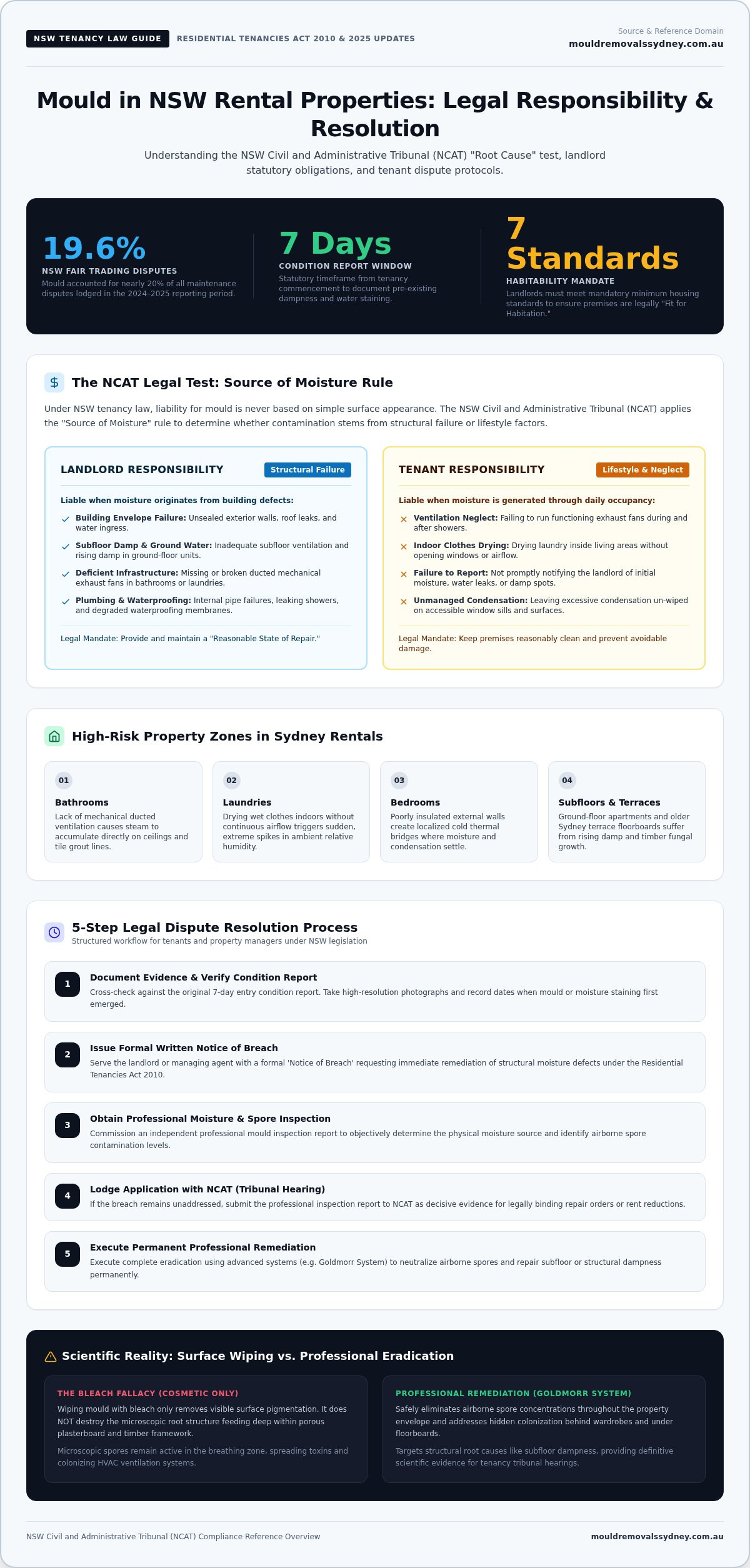
Sydney’s climate has shifted. We’ve seen record-breaking rainfall and persistent humidity that have turned many apartments into petri dishes. This isn’t just about a few spots on the wall; it’s a systemic problem. In the 2024–2025 regulatory reporting period, mould accounted for 19.6% of all maintenance disputes lodged with NSW Fair Trading. When residents find these spores, the first question is always: mould in a rental property who is responsible? This determination often hinges on the “Source of Moisture” rule under the Residential Tenancies Act 2010.
The Act requires landlords to provide a “reasonable state of repair.” This isn’t a vague suggestion. It’s a legal mandate. If a property is structurally unsound or lacks waterproofing, the landlord is liable. The financial stakes are high for everyone involved. Tenants risk losing their rental bond or personal belongings. Landlords face expensive structural remediation costs if they ignore the root cause and allow the infestation to spread into the building’s framework.
Why Mould is More Than a Cleaning Issue
Understanding what mould is helps explain why it’s so persistent. It isn’t just a surface stain. It’s a living organism that releases microscopic spores into your breathing zone. These spores often colonize HVAC systems, spreading toxins throughout the property. Science-backed research on indoor mold growth and contamination shows that moisture-related building damage leads to rapid colonization. Wiping it away with bleach is a cosmetic fix. It doesn’t kill the root system. For tenants, exposure to black mould can lead to respiratory issues or chronic fatigue. This makes professional removal a health priority, not just a cleaning chore.
Surface mildew is often a result of temporary condensation. Deep-rooted fungal infestations are different. They feed on porous materials like plasterboard and timber. In older Sydney terraces, these colonies can hide behind wardrobes or under floorboards for months before becoming visible. By the time you smell that characteristic musty odour, the spores are already airborne.
Sydney’s High-Risk Zones
Geography matters in this crisis. Coastal suburbs often battle high humidity, while the Inner West and Western Sydney deal with aging stock and poor subfloor ventilation. Ground-floor apartments are particularly vulnerable to rising damp. If your bathroom or laundry lacks a ducted exhaust fan, you’re in a high-risk zone. These design deficiencies often trigger disputes over mould in a rental property who is responsible. Identify these risks early to prevent property damage and health complications.
- Bathrooms: Lack of mechanical ventilation causes steam to settle on ceilings.
- Laundries: Drying clothes indoors without airflow spikes humidity levels.
- Bedrooms: Poorly insulated walls create cold spots where condensation forms.
Landlord vs. Tenant: Determining Legal Responsibility
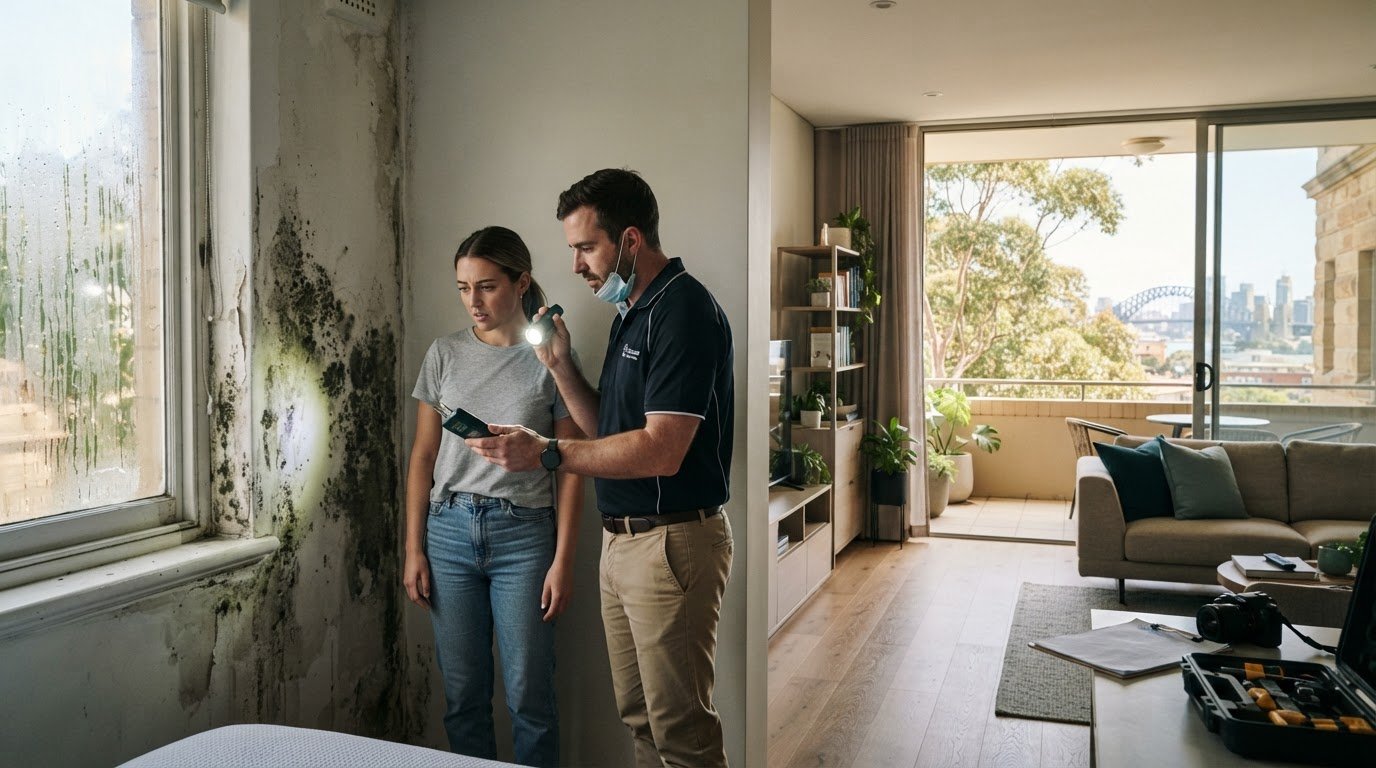
The “Source of Moisture” rule is the primary factor used by the NSW Civil and Administrative Tribunal (NCAT) to settle disputes. Identifying the root cause is the only way to settle the debate over mould in a rental property who is responsible. If the moisture stems from a structural defect, the landlord must pay for remediation. If the moisture is caused by tenant behavior, the responsibility shifts. Professional mould inspection services provide the objective evidence needed to determine this source, preventing long-term property damage and legal friction.
Your first line of defence is the mandatory condition report. Under NSW law, you have seven days from the start of a tenancy to document pre-existing dampness or water stains. If you fail to mark these issues, proving they weren’t your fault becomes significantly harder. When NCAT reviews a case regarding mould in a rental property who is responsible, they look for evidence of moisture ingress versus lifestyle choices. Documentation is your strongest tool in these negotiations.
When the Landlord is Responsible
Landlords are legally obligated to provide a home that is “fit for habitation.” This includes ensuring the building envelope is sealed against external elements. If you are dealing with water damage from a leaking roof, cracked guttering, or a burst pipe inside a wall, the landlord is liable. These are structural failures that a tenant cannot control.
The NSW Government rules on mould in rental properties also highlight rising damp as a landlord responsibility. This occurs when a damp-proof course fails, allowing groundwater to soak into the walls. Additionally, if the property lacks functional exhaust fans in the bathroom or windows that can safely open, the landlord has failed to provide adequate ventilation infrastructure. In these cases, the landlord must fund professional remediation to restore a healthy living environment.
When the Tenant is Responsible
Tenants have a duty to keep the premises in a reasonable state of cleanliness and to avoid negligence. Responsibility falls on the tenant if the mould is a direct result of how they live in the space. Common examples include:
- Laundry Habits: Consistently drying wet clothes on racks indoors without opening windows or using a dehumidifier.
- Ventilation Neglect: Failing to switch on exhaust fans during showers or neglecting to use the rangehood while cooking.
- Reporting Delays: Notifying the agent about a small leak weeks after it started, allowing a minor issue to become a major fungal infestation.
Allowing steam to build up by keeping the property airtight during winter is a frequent cause of surface mildew. If a tenant’s actions create the damp environment, they may be held liable for the cleaning costs and potentially the loss of their rental bond.
NSW Minimum Housing Standards and ‘Fit for Habitation’
Under the Residential Tenancies Act 2010 (NSW), every rental home must meet seven baseline standards to be considered “fit for habitation.” These aren’t optional suggestions; they’re legal requirements that must be satisfied before a tenant moves in. If a property fails these tests, the question of mould in a rental property who is responsible becomes much simpler to answer. The standards include basic necessities like structural soundness, adequate lighting, and functional plumbing. Crucially, they also mandate adequate ventilation, which is the primary defence against fungal growth. If a landlord provides a property that doesn’t meet these criteria, they’re in breach of the lease from day one.
The condition report plays a vital role here. It’s your official record of the property’s state at the start of the tenancy. If you notice signs of water ingress, dampness, or existing spores, you have seven days to document them. This prevents landlords from later claiming that you caused the issue. When a property has pervasive toxic growth, it can be deemed unfit for habitation even if it meets other structural requirements. This triggers a legal obligation for the landlord to act immediately.
Adequate Ventilation: The Legal Definition
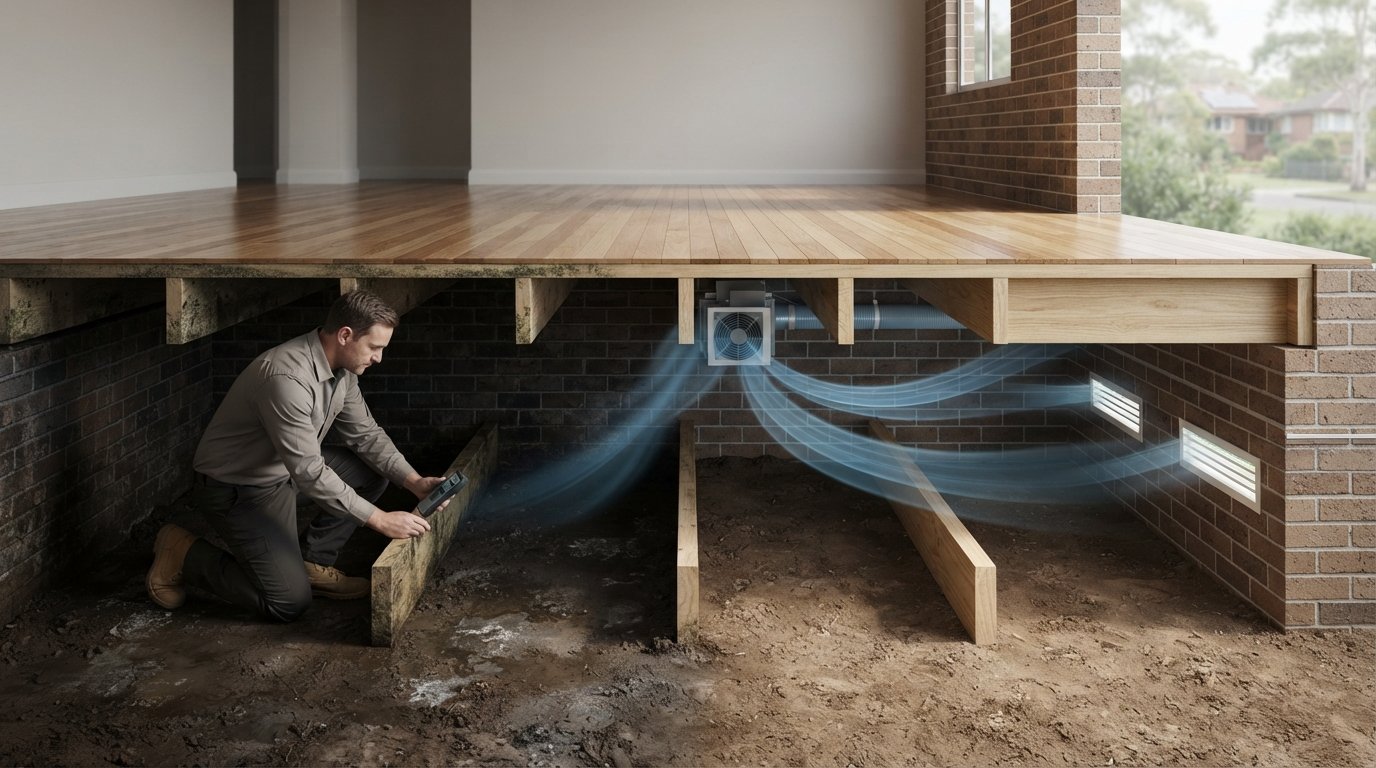
Adequate ventilation means more than just having a window that opens. NSW regulations require habitable rooms to have sufficient airflow to prevent dampness. This includes functional exhaust fans in bathrooms and laundries that actually duct to the outside air. A common structural breach is the lack of subfloor ventilation. When air can’t circulate beneath the floorboards, moisture builds up and rises through the house. You can test functionality simply: a working exhaust fan should be able to hold a single sheet of toilet paper against the vent through suction. If it can’t, the ventilation is inadequate.
Urgent Repairs vs. Routine Maintenance
Mould isn’t always classified as an “urgent repair,” but it qualifies if it stems from an urgent event like a burst pipe or a serious roof leak. It also becomes urgent if the growth makes the property unsafe or insecure. According to the Tenants’ Union of NSW mould factsheet, landlords must respond to urgent repairs as soon as possible. If they don’t, tenants have a statutory right to authorise a licensed tradesperson to fix the issue, with a cap of $1,000. The landlord must then reimburse the tenant within 14 days of receiving the receipts. For any dispute regarding mould in a rental property who is responsible that exceeds this amount, you’ll need to apply to NCAT for an urgent order.
- Routine Maintenance: Minor surface spots caused by seasonal humidity.
- Urgent Repair: Rapid growth following a flooding event or structural failure.
- Habitation Breach: Extensive infestations that render bedrooms or living areas unusable.
5 Steps to Resolve a Rental Mould Dispute
Don’t let a mould dispute drag on for months. You need a clear strategy to protect your health and your finances. Determining mould in a rental property who is responsible requires more than just an opinion; it requires a systematic paper trail. If your landlord or agent is dismissing your concerns, follow this five-step escalation pathway to force a resolution.
- Step 1: Immediate Written Notification. Send an email or letter to the property manager the moment you spot growth. Include clear photos and a description of the affected rooms.
- Step 2: Document Everything. Keep a log of dates, communications, and any health symptoms you’re experiencing. Photograph damage to personal items like clothes or furniture.
- Step 3: Serve a Notice of Breach. If the landlord fails to act within a reasonable timeframe, use the formal “Notice to Remedy Breach of Tenancy Agreement.” This is a legal trigger for further action.
- Step 4: Seek Mediation. Lodge a free dispute application with NSW Fair Trading. They can inspect the property and issue Rectification Orders to the landlord.
- Step 5: Apply to NCAT. If mediation fails, the NSW Civil and Administrative Tribunal (NCAT) can issue legally binding orders for repairs, compensation, or rent reductions.
Gathering Evidence That Holds Up
Success at a tribunal hearing depends entirely on the quality of your evidence. While your own photos are a start, they don’t prove the source of moisture. Professional mould testing is vital for NCAT hearings because it provides an objective air quality and moisture report. This technical data proves whether the infestation is caused by structural failure or lifestyle factors. You should also track humidity levels using a hygrometer and maintain a “Notice of Disrepair” log to show how long the issue has persisted. To ensure your case is airtight, book a professional mould inspection today to gather the necessary technical proof.
Seeking Compensation or Rent Reduction
When building-induced dampness renders parts of your home unusable, you’re entitled to financial relief. Data from 2026 shows that NCAT commonly awards rent reductions ranging from 20% to 50%, depending on the proportion of the property lost to the infestation. You can also claim compensation for damaged goods up to a jurisdictional limit of $15,000. However, you must never stop paying your rent. Unilateral rent withholding is a breach of your lease and can lead to eviction. Instead, continue your payments and seek an official rent reduction or compensation order through the proper legal channels.
Professional Remediation: The Only Permanent Solution
Stop relying on supermarket bleach or vinegar to solve a structural health hazard. While these DIY methods might whiten a surface stain, they fail to address the underlying fungal colony. Bleach is primarily water; it removes the pigment but leaves the mycelial roots intact within porous materials like plasterboard. This creates a dangerous cycle where the moisture in the cleaning agent actually feeds the next growth spurt. When you are trying to settle the debate of mould in a rental property who is responsible, remember that a cosmetic clean does not satisfy the legal requirement for a “reasonable state of repair.” Only professional remediation ensures the property is truly safe for habitation.
A professional approach focuses on the root cause of the moisture. Whether it’s structural drying after a leak or installing a subfloor ventilation system, the goal is to eliminate the environment that allows spores to thrive. This is the only way to protect the landlord’s asset and the tenant’s health simultaneously. Don’t waste time on repetitive surface cleaning that ignores the airborne threat lingering in your living space.
The Goldmorr System Advantage
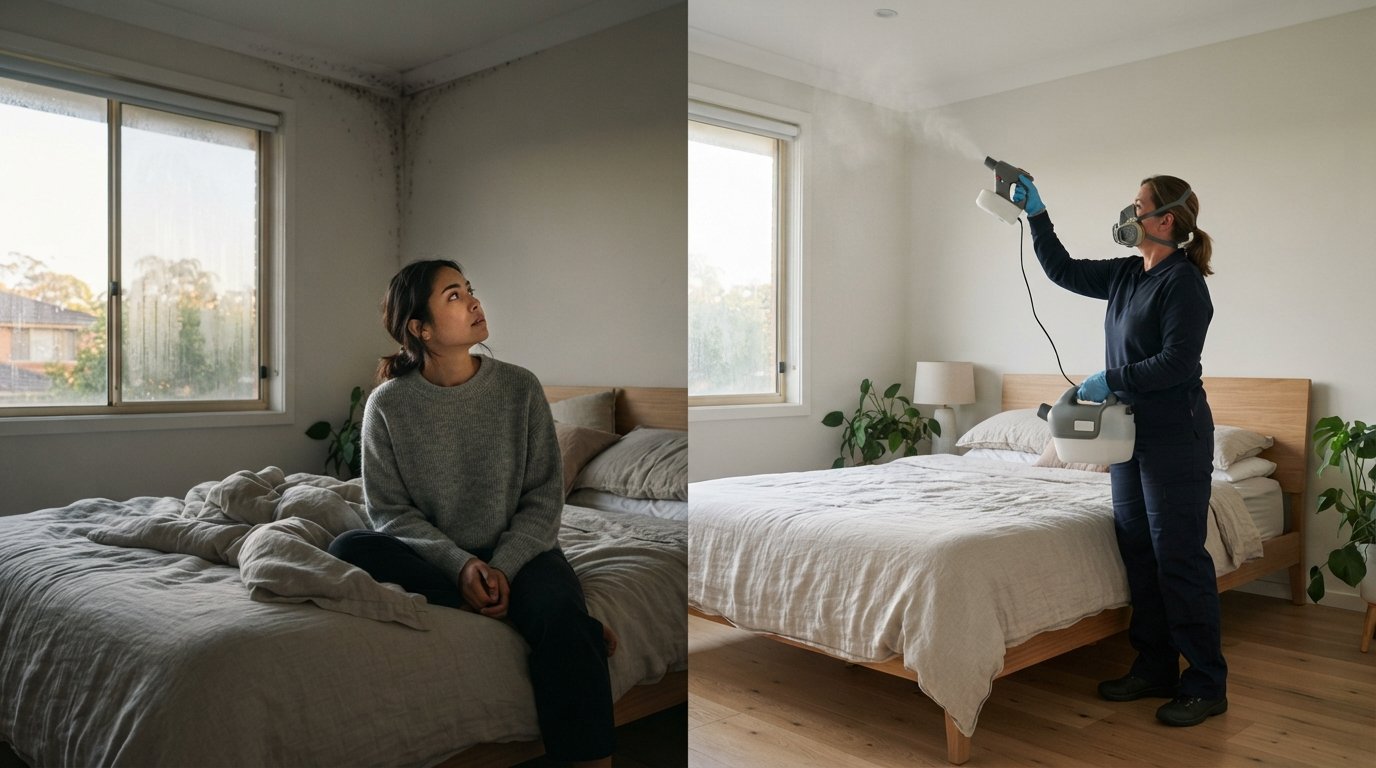
We utilize the Goldmorr System to provide a level of decontamination that standard cleaning services cannot match. This proprietary methodology uses biodegradable fogging to eliminate both surface and airborne spores. Unlike traditional scrubbing, this fogging process reaches into wall cavities, ceiling voids, and behind heavy furniture where colonies often hide. It’s a systematic, evidence-based approach that restores air quality quickly.
This system is specifically designed to be safe for tenants, pets, and the environment. You don’t have to worry about harsh chemical residues or long-term toxicity. Comparing this to a standard “end-of-lease” clean is like comparing a surgical procedure to a band-aid. We provide a comprehensive solution that targets the invisible spores trapped in your carpets and upholstery, ensuring the air you breathe is free from microbial contamination.
Long-Term Prevention for Landlords
For property owners, the ROI of professional mould removal in Sydney is undeniable. Constantly re-painting over damp spots is a sunk cost that masks a growing liability. Investing in high-quality mechanical exhaust fans and ensuring subfloor vents are clear of obstructions prevents the moisture buildup that leads to expensive NCAT disputes. A proactive maintenance strategy is always cheaper than a tribunal-ordered rent reduction or a $15,000 compensation claim.
Take control of your property’s health before the situation escalates into a legal or medical crisis. Whether you’re a tenant needing evidence or a landlord needing a permanent fix, the first step is a technical assessment. Book a professional mould inspection today to identify exactly where the moisture is coming from and who is responsible for the fix. Our specialists will provide the clear, authoritative report you need to resolve your dispute and restore your home to a healthy state.
Restore Your Home’s Safety and Your Legal Rights
Living with toxic spores isn’t just unpleasant; it’s a direct threat to your health and your financial security. You now have the roadmap to determine mould in a rental property who is responsible by focusing on the root cause of moisture. Whether you’re dealing with a structural failure or a ventilation dispute, technical documentation is your only path to a fair resolution. Don’t let a musty smell turn into a costly tribunal battle or a chronic respiratory issue.
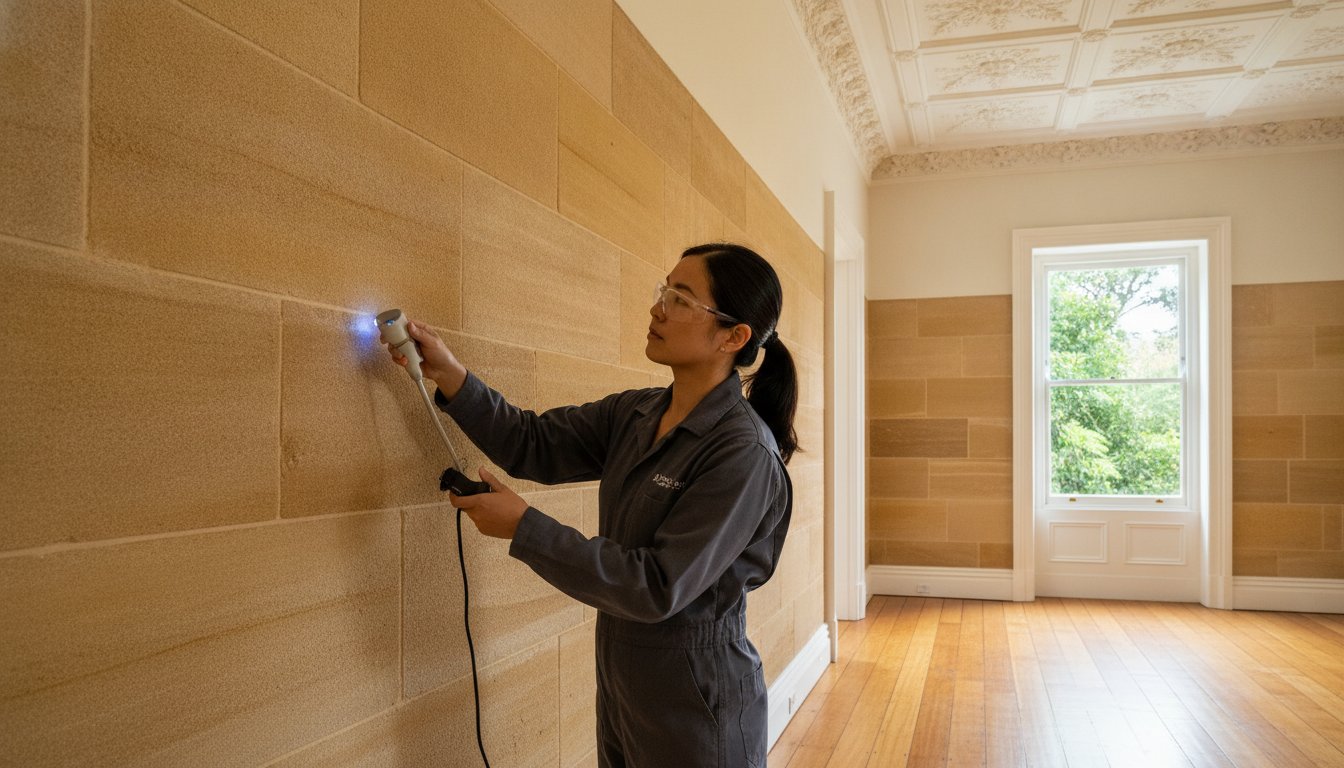
As Sydney’s trusted remediation specialists, we provide the evidence you need to settle disputes once and for all. Our expert moisture mapping creates a definitive paper trail for NCAT, while our specialised Goldmorr System fogging eliminates the airborne threat at the source. It’s time to stop the cycle of temporary cleaning and start living in a healthy, mould-free environment. Get a Professional Mould Inspection to Settle Your Dispute and regain your peace of mind. You deserve a home that is safe, dry, and fit for habitation.
Frequently Asked Questions
Is a landlord responsible for mould in a rental property in NSW?
Landlords are legally responsible for mould caused by structural defects, failed waterproofing, or inadequate ventilation design. Under the Residential Tenancies Act 2010, they must maintain the property in a reasonable state of repair. If the infestation stems from a leaking roof or fractured pipes, the landlord must fund the remediation. However, the question of mould in a rental property who is responsible depends on the moisture source. Structural failures are always the owner’s liability.
Can I break my lease early because of mould in NSW?
You can break your lease early if the mould makes the property “unfit for habitation” under Section 52. This usually requires a formal Notice of Termination or an order from NCAT. You must provide evidence that the infestation is a serious health risk or structural failure. Don’t just walk out; follow the legal pathway to avoid losing your bond. Seek a professional inspection to document the severity before taking this drastic step.
Can I get a rent reduction for mould in my apartment?
You are entitled to a rent reduction if the mould renders parts of your home unusable. NCAT commonly awards retrospective reductions between 20% and 50% for loss of amenity. You must continue paying your full rent while the dispute is active to avoid being in breach of your lease. Apply to the tribunal for a formal order. Documenting exactly how much floor space is affected by the spores will strengthen your claim for compensation.
What happens if a tenant causes mould by not opening windows?
If a tenant causes mould through negligence, such as never opening windows or disabling exhaust fans, they are responsible for the cleaning costs. Landlords can claim these costs from the rental bond at the end of the tenancy. It’s your duty to keep the premises reasonably clean and ventilated. To avoid disputes, ensure you use rangehoods while cooking and move furniture away from external walls to allow air circulation throughout the rooms.
Is mould considered an urgent repair in NSW?
Mould is considered an urgent repair if it results from a burst pipe, serious roof leak, or makes the property unsafe. While not specifically listed in Section 62, it falls under damage that makes a home insecure. If your landlord fails to act, you can authorise repairs up to $1,000. Ensure you use a qualified tradesperson and provide the landlord with a written notice and receipts within 14 days to secure your mandatory reimbursement.
How do I prove the mould isn’t my fault?
Proving that you are not liable requires objective technical evidence. Start by reviewing your original condition report to show pre-existing dampness. The most effective way to determine mould in a rental property who is responsible is through professional moisture mapping. This identifies structural leaks or rising damp that a visual check might miss. Use an independent report from a specialist to prove the moisture source is a building defect rather than a lifestyle choice.
Does bleach kill mould permanently in rental properties?
Bleach does not kill mould permanently on porous surfaces like plasterboard or grout. It simply whitens the surface pigment while the water content in the bleach actually feeds the mycelial roots. This leads to rapid regrowth and persistent airborne spores. To achieve a permanent solution, you need professional remediation using the Goldmorr System. This biodegradable fogging process eliminates the infestation at the source without damaging your property or leaving behind toxic chemical residues.
What should I do if my landlord ignores my mould report?
If your landlord ignores your report, you must escalate the issue immediately. Serve a formal “Notice to Remedy Breach” to create a legal paper trail. If they still don’t respond, lodge a dispute with NSW Fair Trading for free mediation. They can inspect the property and issue a Rectification Order to force the landlord to act. If all else fails, apply to NCAT for a legally binding repair order and potential compensation for any damaged personal belongings.