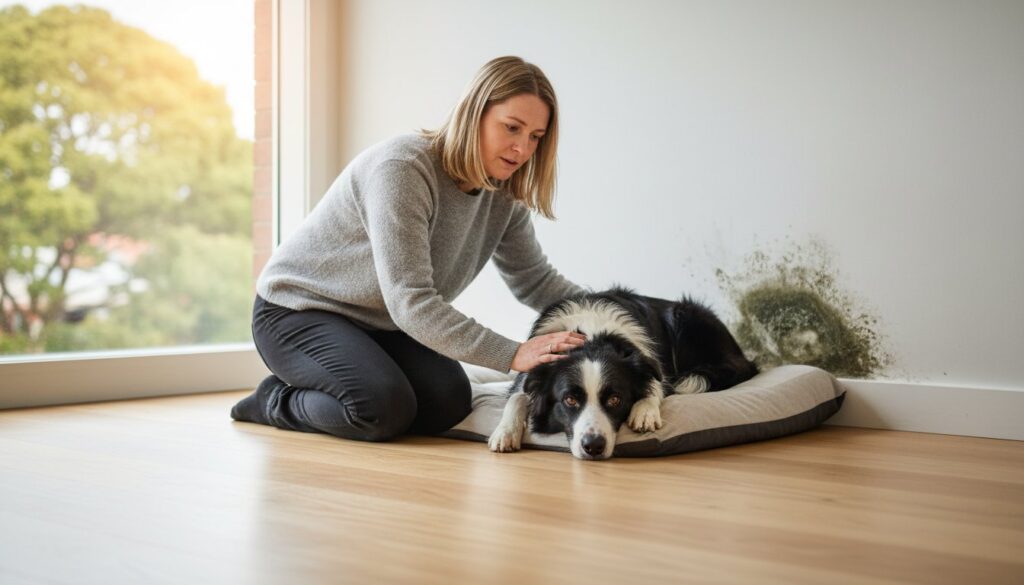
Last Tuesday, a client in Parramatta noticed her Border Collie was struggling with a persistent, dry cough that wouldn’t clear up despite two rounds of antibiotics. She eventually found a patch of black mould hidden behind the dog’s bedding in the laundry. It’s terrifying when your loyal companion is unwell and you can’t find the source of their distress. You want to protect them from harm, but vague symptoms often lead to confusion and expensive, inconclusive vet visits. If you’ve been asking yourself, can my dog get sick from mould, the reality is that pets are often more vulnerable than humans due to their smaller size and proximity to the floor. You’ll discover the 15 warning symptoms to watch for and how to safely clear your Sydney home to protect your furry family members. This guide outlines immediate steps for your pet’s health and explains how our professional, non-toxic remediation ensures your home stays a safe haven for everyone.
Key Takeaways
- Understand the biological risks and discover exactly how can my dog get sick from mould through common household exposure pathways like inhalation and skin contact.
- Identify the 15 critical warning signs of mould poisoning, ranging from persistent respiratory distress to sudden, unexplained changes in your pet’s appetite.
- Pinpoint the specific “danger zones” in Sydney homes where coastal humidity and salt air create high-risk environments for fungal growth.
- Follow an immediate action plan to safely relocate your pet and prepare the necessary information for a successful veterinary consultation.
- Learn why professional remediation using the pet-safe, biodegradable Goldmorr System is the most effective way to restore a healthy environment for your furry friends.
Understanding the Risks: Can My Dog Get Sick From Mould Exposure?
The short answer is yes. Dogs are highly susceptible to mould related illnesses. Because they are physically smaller and spend 90% of their time sniffing floors and corners, they encounter high concentrations of spores daily. If you are asking can my dog get sick from mould, the answer is a definitive yes. These fungi release a toxic secondary metabolite known as a mycotoxin. These toxins enter a dog’s system through inhalation, ingestion, or direct skin contact. Once inside, they can cause systemic inflammation and neurological distress.
Veterinary experts often refer to dogs as “sentinels” for household health. A dog’s resting respiratory rate is typically 15 to 30 breaths per minute, which is significantly faster than the average human rate of 12 to 16 breaths. This faster breathing means they inhale more airborne spores in a shorter period. You might notice your pet coughing or sneezing long before any human members of the household feel unwell. It is vital to distinguish between common surface mildew and toxic black mould. While mildew is an unsightly nuisance, black mould produces potent toxins that can lead to long term organ damage if left untreated.
Inhalation vs. Ingestion: Two Paths to Illness
Inhaling airborne spores is the most common route for respiratory distress. When spores settle in the lungs, they trigger chronic sneezing and nasal discharge. Ingestion is equally dangerous. Dogs often lick damp walls or chew on “smelly” toys that have sat in moist corners. These items are prime breeding grounds for fungi. Cross contamination occurs during grooming too. Spores cling to your dog’s fur after they roll on a contaminated rug. When they lick themselves clean, they swallow these toxins directly. This leads to digestive upset, vomiting, and lethargy.
Why Some Dogs are More Vulnerable
Age plays a massive role in how a pet reacts to spores. Puppies have developing immune systems that cannot easily fight off fungal invaders. Senior dogs often have existing heart or lung conditions that make them struggle for breath. Breed anatomy is another factor. Brachycephalic breeds, such as Pugs and French Bulldogs, already have narrowed airways. These flat faced dogs suffer significantly more when spores trigger inflammation. If your pet has pre-existing allergies, mould will exacerbate their symptoms. It can turn a mild case of asthma into a life threatening respiratory crisis. Don’t wait for symptoms to escalate. Professional remediation is the only way to ensure your pet’s environment is truly safe.
Recognising the Warning Signs: 15 Symptoms of Mould Poisoning in Dogs
Dogs are often the first to show signs of a toxic environment because of their smaller size and proximity to the floor where spores settle. If you’re asking can my dog get sick from mould, the answer is a definitive yes. Exposure often manifests through four primary physiological systems, and identifying these early can prevent long-term health complications. Mould isn’t just an eyesore; it’s a biological hazard that releases mycotoxins into your home’s air supply.
- Respiratory Distress: You might notice your dog struggling with laboured breathing or frequent wheezing. A persistent cough that doesn’t clear up with standard rest is a major red flag for spore inhalation.
- Digestive Upheaval: Sudden loss of appetite or refusal to eat favourite treats often signals internal distress. This is frequently accompanied by vomiting or significant changes in stool consistency. Research from the ASPCA on the dangers of moldy food highlights how quickly mycotoxins can disrupt a canine’s gastrointestinal tract.
- Neurological Red Flags: Extreme lethargy, muscle tremors, or a sudden lack of coordination, known as ataxia, are critical symptoms. These signs suggest the toxins are affecting the central nervous system.
- Dermatological Signs: Constant scratching, obsessive licking of the paws, and the rapid development of red, inflamed “hot spots” often indicate an allergic reaction to airborne spores.
Acute Toxicity vs. Chronic Exposure
The severity of the reaction depends on the duration of exposure. Acute poisoning happens fast. You might see a rapid onset of tremors or, in severe cases, bleeding from the nose or mouth. This is a medical emergency. Chronic low-level exposure is more subtle but equally damaging. It often presents as persistent ear infections that refuse to heal or a noticeable decline in coat quality. You may also notice behavioural changes; your dog might become irritable or start hiding in dark corners to cope with physical discomfort. If your pet’s health is declining, professional mould remediation is the only way to ensure your home is safe again.
The “Musty Smell” Connection
A dog’s nose contains up to 300 million olfactory receptors, making them incredibly sensitive to Volatile Organic Compounds (VOCs) produced by fungi. They will often detect a colony growing behind a skirting board long before you see it. Don’t mistake a persistent “doggy smell” for natural pet odour; it is frequently a sign of mould infestation in their bedding or nearby walls. If you can smell mould, your dog is already inhaling millions of spores. Our master technicians often find that what owners thought was a pet odour was actually a thriving colony of toxic black mould. Act quickly to protect your pet’s health before these symptoms escalate into permanent respiratory damage.
Where Mould Hides: Common Sydney Home Danger Zones for Pets
Sydney’s coastal climate creates a unique set of challenges for pet owners. With humidity levels frequently climbing above 70% during the summer months, your home can easily become a greenhouse for fungal growth. The combination of salt air and high moisture levels accelerates the breakdown of organic materials, providing the perfect food source for toxic spores. Many owners ask, can my dog get sick from mould, without realising the danger is often lurking in the very places their pets feel safest.
Laundry rooms and mudrooms are primary breeding grounds. These spaces combine heat from dryers with moisture from wet paws and damp towels. If your home has suffered from a previous leak, failing to invest in professional water damage repair can lead to chronic health issues for your dog. Mould thrives behind skirting boards and under cabinets long after the surface feels dry to the touch.
Outdoor areas aren’t exempt from these risks. Sydney backyards often harbour hidden threats in these common spots:
- Decaying leaf piles: Wet leaves trapped in guttering or corners of the yard produce high concentrations of Aspergillus.
- Damp garden mulch: Fresh mulch holds moisture, creating a fungal hotbed that dogs inhale while sniffing or digging.
- Dog houses: Wooden kennels placed on damp soil without proper clearance quickly develop floor-level rot.
The Subfloor Threat to Ground-Level Pets
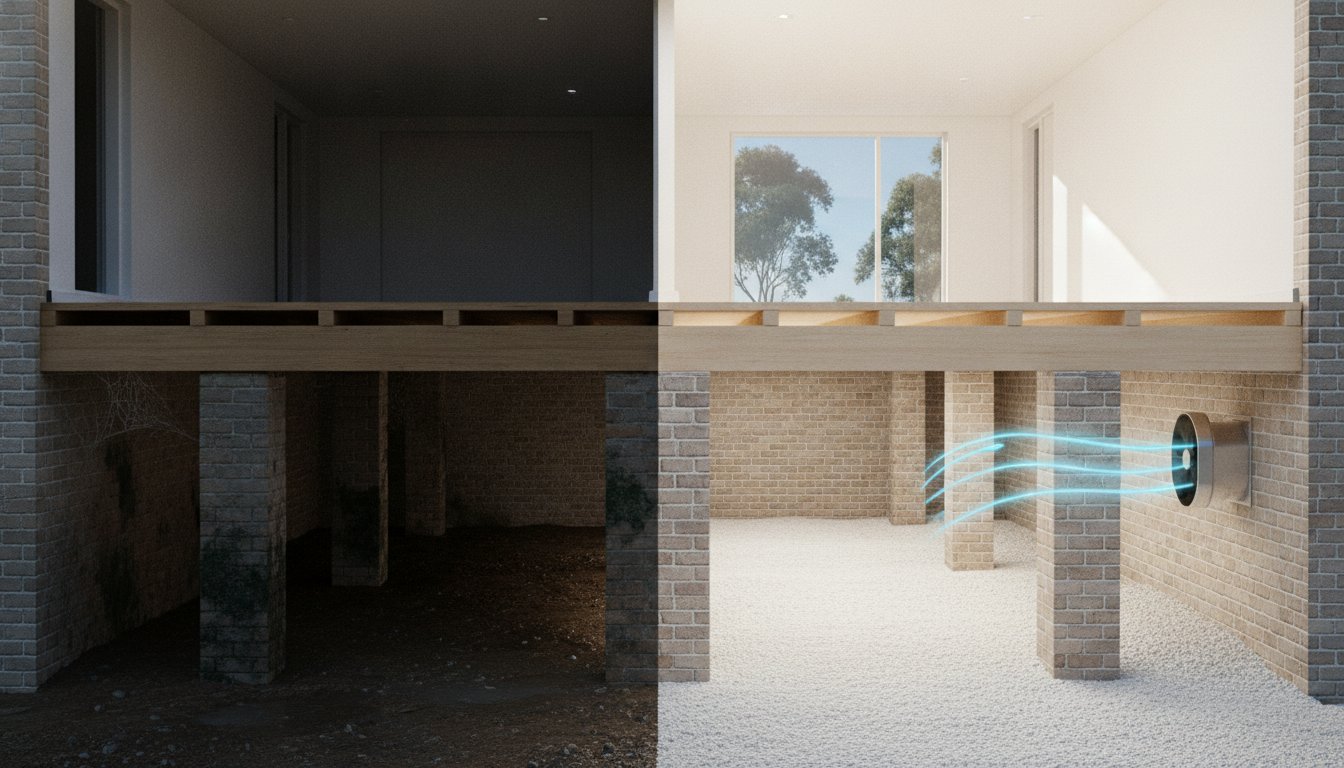
Poor subfloor ventilation is a silent killer in many Sydney bungalows and terrace houses. When air doesn’t circulate under the house, rising damp forces moisture up through the floorboards. This moisture settles directly into pet beds placed on the floor. Ground-dwelling pets face a 3x higher risk of respiratory infection than humans because they live in the “breathing zone” where spore concentration is highest. Watch for your dog avoiding their favourite sleeping spot; they often smell the dampness before you do.
Air Conditioning and Ductwork
Your split system or ducted AC can act as a delivery system for toxic spores. In multi-pet households, dander and fur clog filters, trapping moisture against the cooling coils. This creates a phenomenon known as “mould breath,” where the unit emits a faint earthy scent every time it cycles on. If you notice this smell, can my dog get sick from mould becomes a matter of “when” rather than “if.” Regular air duct cleaning is a non-negotiable step to ensure your cooling system isn’t circulating allergens that trigger canine asthma or persistent coughing.
Don’t wait for your pet to show severe symptoms. If you suspect mould is hiding in your subfloor or AC system, contact our master technicians today. We provide professional assessments to restore your home’s safety and your peace of mind.
Immediate Action Plan: What to Do if You Suspect Mould Toxicity
If you suspect your pet is suffering, don’t wait for the symptoms to disappear on their own. Mould spreads quickly and the health risks to your dog are serious. If you are asking, can my dog get sick from mould, the answer is a definitive yes, and immediate intervention is required to prevent long-term respiratory or neurological damage. Follow this four-step plan to secure your home and your pet’s health.
- Step 1: Immediate Relocation. Move your dog to a well-ventilated, mould-free environment immediately. Fresh air is the first line of defence to stop the continuous inhalation of toxic spores.
- Step 2: Consult a Veterinarian. Book an urgent appointment. Use your phone to take high-resolution photos of any visible mould in your home. These images help the vet identify if the species is a common allergen or a more dangerous variety like Stachybotrys chartarum.
- Step 3: Stop Using Bleach. Put the bleach away. Bleach fumes are often more toxic to a dog’s sensitive respiratory system than the mould itself. Since dogs have up to 300 million olfactory receptors, the harsh chemical scent can cause immediate distress and lung irritation.
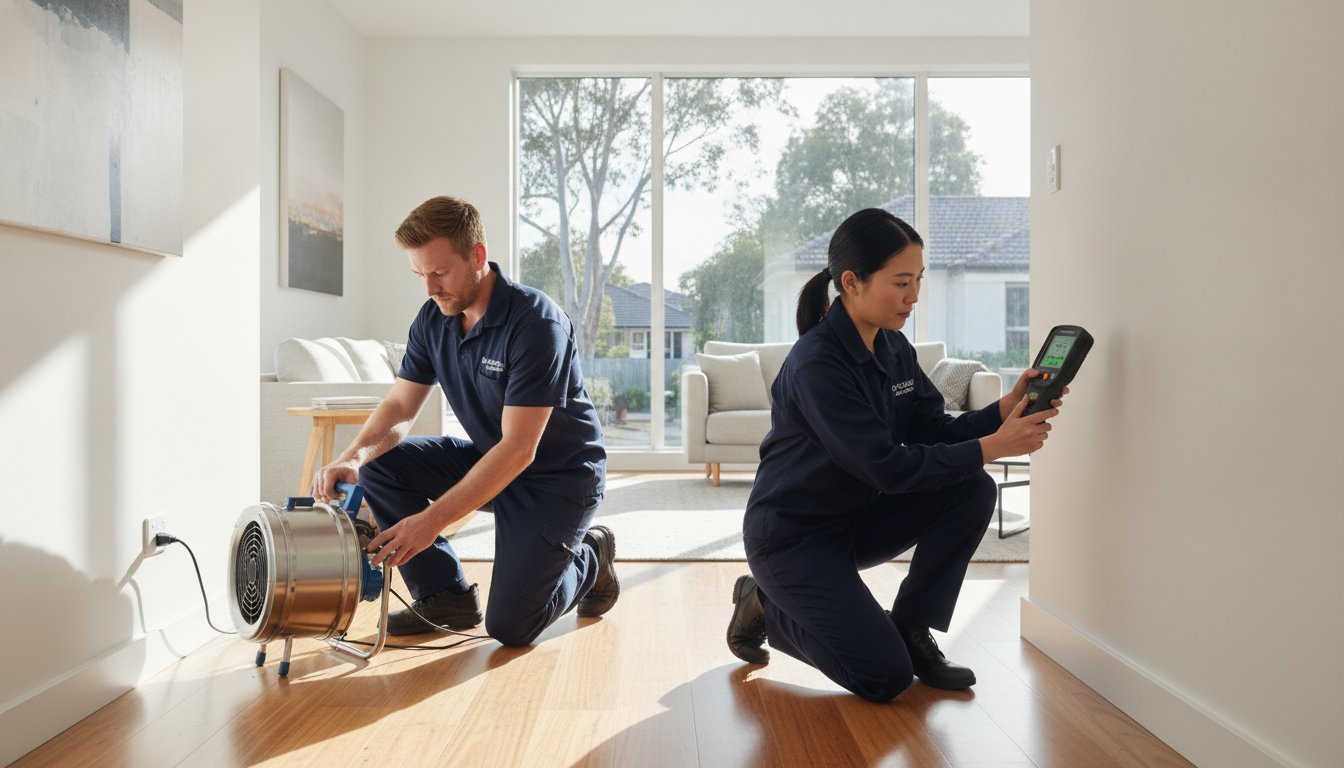
- Step 4: Book a Professional Inspection. Mould is an expert at hiding. You need a certified technician to identify hidden colonies inside wall cavities or above ceiling tiles that are invisible to the naked eye.
Veterinary Diagnosis and Treatment
Vets use several diagnostic tools to determine if a dog is suffering from environmental toxins. Common tests include comprehensive blood work to check for elevated white cell counts, skin scrapings for fungal irritations, and respiratory panels to assess lung capacity. Treatment protocols typically involve a course of targeted antifungals, antihistamines for allergic reactions, or oxygen therapy in severe cases. You can generally expect a recovery timeline of 14 to 21 days once the dog is removed from the contaminated area and professional remediation begins.
Safe Cleaning: Why DIY is Dangerous for Dogs
Attempting to scrub mould yourself often does more harm than good due to the “Disturbance Effect.” When you agitate a mould colony, it releases a concentrated cloud of millions of spores into the air. Your dog, being closer to the ground, inhales this concentrated burst instantly. Additionally, supermarket mould killers are not formulated for pet safety. These products leave toxic chemical residues on surfaces. Because dogs are frequent paw-lickers, they can ingest these chemicals, leading to secondary poisoning or chemical burns on their pads. Professional remediation is the only way to ensure 0% chemical residue while completely eliminating the spore load.
Don’t risk your pet’s health with ineffective DIY methods. Our master technicians use the industry-leading Goldmorr System to make your home safe again. Contact ABC Mould Cleaning Solutions today for a professional inspection and get peace of mind for your family.
Creating a Safe Haven: Professional Remediation for Pet-Friendly Homes
If you’ve spent days wondering “can my dog get sick from mould,” the answer is a definitive yes. Don’t risk your pet’s health with DIY sprays or supermarket cleaners that only mask the problem. These temporary fixes often leave behind the very spores that irritate a dog’s sensitive respiratory system. Our professional mould removal Sydney services utilize advanced technology designed specifically for occupied, pet-friendly homes. We prioritize the safety of your furry family members by using methods that eliminate the root cause without introducing harsh, lingering chemicals into your living space.
Mould spreads fast. It doesn’t just sit on the walls; it releases millions of microscopic spores into the air. Our team acts with urgency because we know that every day your dog breathes in these toxins, their risk of chronic illness increases. You can trust our team to provide you with peace of mind through a process that is as efficient as it is effective.
The Goldmorr Advantage for Pet Owners
We utilize the Goldmorr System because it’s the industry-leading solution for homes with animals. This system is non-toxic and entirely biodegradable, meaning you won’t need to vacate your home for days on end while toxic fumes dissipate. Our Master Technicians apply a specialized fogging process that reaches deep into carpets, upholstery, and hidden cracks where dogs often spend their time.
- Eliminating Airborne Spores: We go beyond surface cleaning. Our non-mechanical air scrubbing removes the invisible triggers for dog allergies.
- Master Technician Expertise: We identify hidden pockets of moisture that untrained eyes miss, ensuring the problem is gone for good.
- Safe and Fast: The biodegradable nature of our products means your pet can return to their favorite spot shortly after the treatment is complete.
The science behind our process is sound. By targeting the protein in the mould spore, the Goldmorr System neutralizes the threat instantly. It’s that simple. It’s that easy. We don’t just scrub away the “unsightly spread of mould,” we create a sterile environment where your dog can thrive without the threat of “can my dog get sick from mould” hanging over your head.
Preventing Recurrence in Sydney
Sydney’s humidity often stays above 70% during the summer months, which is the perfect environment for fungal growth. To stop the cycle of regrowth, we often recommend implementing subfloor ventilation. This mechanical solution addresses moisture at the source, preventing damp air from rising through your floorboards and into your pet’s bedding. Keeping your pet’s environment dry is the most effective long-term strategy for their health.
Make sure to wash pet bedding at 60 degrees Celsius regularly and use a dehumidifier in laundry rooms or bathrooms where moisture accumulates. If you notice a musty or earthy smell, don’t wait until the problem worsens. Send us images of your affected areas today to get an affordable quote. We’ll beat any written quote by 10%. Call us now for a free estimate and ensure your “best friend” stays safe for years to come.
Secure Your Home Against Hidden Pet Health Hazards
Your dog’s health shouldn’t be left to chance when it comes to toxic airborne spores. We’ve detailed the 15 critical symptoms of toxicity and identified common Sydney danger zones where moisture builds up in local properties. If you’re wondering, can my dog get sick from mould, the answer is a definitive yes. Exposure leads to serious respiratory distress and neurological issues that require immediate professional intervention. Don’t wait for these symptoms to escalate because the problem will only worsen over time.
Our Goldmorr Certified Master Technicians use a proven, scientific system to eliminate fungal threats at the source. We exclusively use safe, biodegradable, and pet-friendly cleaning agents that protect your furry family members without the use of harsh industrial chemicals. We’re committed to providing the most competitive service in New South Wales; we’ll beat any written quote by 10%. It’s that simple. It’s that easy. You can trust our team to restore your peace of mind and ensure your home remains a healthy sanctuary for every member of the family.
Protect your pet-Get a professional mould inspection and quote today!
Frequently Asked Questions
Is black mould more dangerous for dogs than other types?
Yes, black mould, scientifically known as Stachybotrys chartarum, is particularly hazardous because it produces mycotoxins that can lead to severe respiratory distress. While all fungi pose risks, this specific type is linked to pulmonary haemorrhage in animals. If you spot dark, slimy patches, don’t wait for symptoms to appear. Our master technicians use the Goldmorr System to eliminate these toxic spores and ensure your pet’s environment is safe again.
Can dogs get mould poisoning from eating old food or mulch?
Dogs frequently suffer from tremorgenic mycotoxin poisoning after ingesting mouldy organic matter like bread, cheese, or garden mulch. These toxins are fast acting and dangerous. If your dog eats spoiled food, you might notice muscle tremors or vomiting within 60 minutes. It’s a serious medical emergency that requires immediate veterinary intervention. Always secure your bins and keep pets away from damp garden beds where fungi thrive.
How long does it take for a dog to get sick from mould exposure?
The timeline for illness depends on the exposure method, but you might ask, can my dog get sick from mould quickly? In cases of ingestion, symptoms often start within 2 to 6 hours. For airborne exposure, it might take several days of breathing spores before you notice a persistent cough or lethargy. Because every dog reacts differently, you should monitor their breathing and energy levels daily if you suspect a hidden infestation in your home.
Can a dog recover from mould poisoning if the source is removed?
Most dogs will recover fully if you remove the source of the mould and seek prompt veterinary care. Recovery usually takes between 24 and 48 hours once the animal is in a clean environment and receiving supportive treatment. However, long term exposure can lead to permanent organ damage in 15% of severe cases. Professional remediation is the only way to guarantee the spores are gone, providing you with essential peace of mind.
Will an air purifier help my dog if there is mould in the house?
A HEPA air purifier can capture 99.97% of airborne spores, which provides temporary relief for your dog’s respiratory system. It doesn’t solve the underlying problem because it can’t reach the mould growing inside walls or under carpets. While it’s a helpful tool, it’s not a substitute for a professional biodegradable fogging process. You need to eliminate the colony at its root to prevent the continuous release of harmful toxins into your home.
What are the first signs of a mould allergy in dogs?
The first signs are usually skin related, with dogs scratching their ears or licking their paws incessantly. Unlike humans who sneeze, dogs often show environmental allergies through inflamed skin or recurrent ear infections. If you’re wondering can my dog get sick from mould, look for red patches on their belly. Approximately 30% of dogs with chronic skin issues are actually reacting to airborne spores trapped in the indoor environment.
Is it safe for my dog to be in the house during professional mould removal?
No, it’s best to remove your dog from the property while our team performs the remediation. The cleaning process can stir up a high concentration of spores that might overwhelm a pet’s smaller lungs. We prioritize safety for people and pets, so we recommend staying clear until the non mechanical air scrubbing is complete. Most of our residential treatments are finished in a single day, allowing your family to return to a healthy home quickly.
Can mould cause seizures or neurological issues in dogs?
Yes, mould exposure can lead to severe neurological symptoms including tremors, seizures, and loss of coordination. These issues are typically caused by tremorgenic mycotoxins found in fungi like Penicillium. If your dog starts stumbling or shaking uncontrollably, it’s an urgent situation. These toxins interfere with the nervous system and can be fatal if left untreated. Removing the contaminated material is the only way to stop the neurological threat to your pet.