
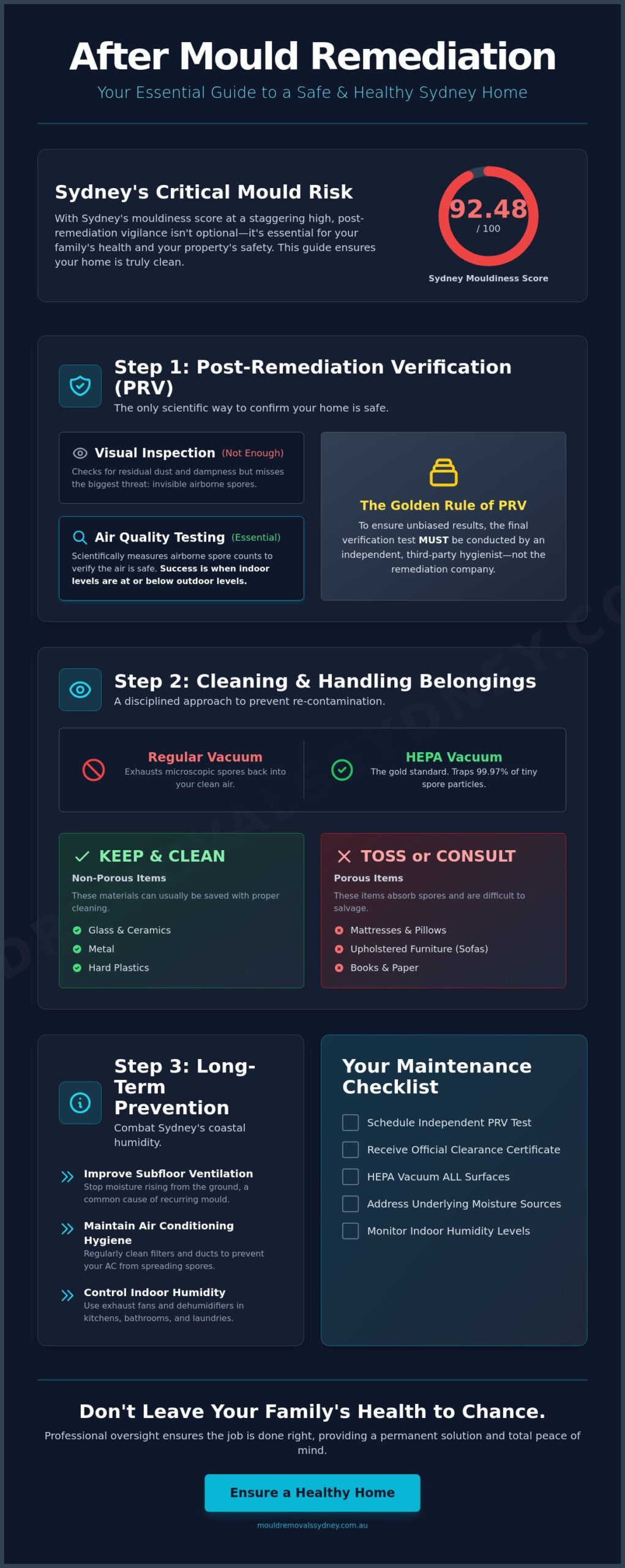
Your remediation team just left, but is the air in your Sydney home actually safe to breathe? You’ve invested significant resources into professional removal, yet the fear of a hidden spore or a returning damp patch often lingers. It’s common to feel overwhelmed by the cleanup or anxious about whether your furniture is truly safe to keep. With Sydney’s mouldiness score at a staggering 92.48 out of 100, you can’t afford to leave your recovery to chance.
Knowing what to do after mould remediation is complete is the only way to secure total peace of mind and protect your investment. This 2026 guide provides a clear, evidence-based protocol to verify that your home meets the AS-IICRC S520:2025 standard for environmental safety. You’ll discover the exact steps to purify your air, the truth about salvaging personal items, and how to manage persistent harbour fog. We provide the professional roadmap you need to transition from a contaminated site to a healthy, permanent sanctuary for your family.
Key Takeaways
- Understand why Post-Remediation Verification (PRV) is the only scientific way to confirm your indoor air is safe for occupancy.
- Master the “Keep or Toss” framework to safely salvage your belongings and learn why HEPA vacuuming is the gold standard for post-removal cleaning.
- Follow our definitive checklist on what to do after mould remediation is complete to establish a long-term moisture management plan.
- Discover how to combat Sydney’s unique coastal humidity through subfloor ventilation and specialized air conditioning hygiene.
- Learn how proprietary methodology and expert oversight provide a deeper, more permanent solution than basic surface treatments.
Post-Remediation Verification (PRV): Confirming Your Home is Safe
The remediation team has packed their gear, but your recovery process isn’t over yet. Knowing what to do after mould remediation is complete begins with the most critical safety step: Post-Remediation Verification (PRV). This isn’t just a final walk-through. It’s a scientific assessment that serves as the ultimate safety checkpoint for your property. You’ve invested in professional removal to protect your health; PRV is the evidence that the job was successful. Without it, you’re simply taking someone’s word that the air is safe to breathe.
Visual “cleanliness” is a dangerous metric for safety. You can’t see the microscopic spores that cause respiratory distress or trigger allergic reactions. This comprehensive guide to indoor mold details how these particles behave and why they persist long after the visible stains are gone. PRV confirms that airborne spore counts have returned to normal, healthy levels. It also provides you with a formal Clearance Certificate. This document is vital for insurance claims and maintaining your property’s market value, as the Australian Financial Complaints Authority (AFCA) uses the AS-IICRC S520:2025 standard to judge if remediation was technically sufficient.
Visual Inspection vs. Air Quality Testing
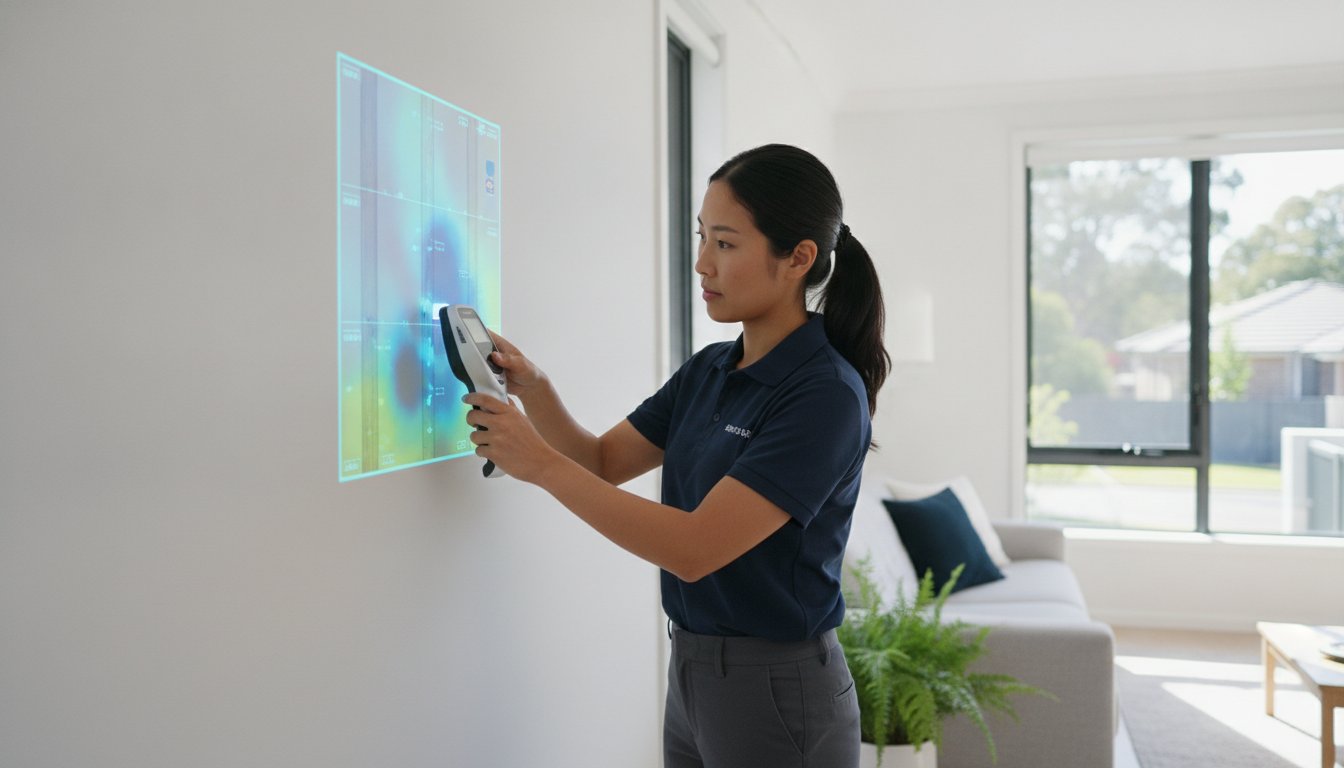
A professional inspector starts with a detailed physical assessment. They look for residual dust, overlooked dampness, and signs of structural moisture. However, the naked eye misses the most significant threats. Air sampling identifies hidden spores that may be circulating through your ventilation or settling on surfaces. In the industry, clearance is defined as the state where indoor spore counts are lower than, or equal to, the levels found in the outdoor environment. If your indoor counts are higher, the remediation hasn’t finished, and your home isn’t yet safe for occupancy.
The Role of Independent Third-Party Testing
To ensure total transparency, the company that performed the removal shouldn’t be the one conducting the final test. This avoids any conflict of interest and ensures the results are unbiased. An independent environmental hygienist provides a “green light” that your family can trust. When you review the lab report, look for species identification and concentration levels. High numbers of toxigenic species like Stachybotrys indicate a failed clearance. Obtaining this independent data is a non-negotiable part of what to do after mould remediation is complete if you want to ensure the root cause was truly eliminated. It transforms an expensive service into a verified, long-term solution for your Sydney home.
Cleaning and Restoration: Handling Belongings and Surfaces
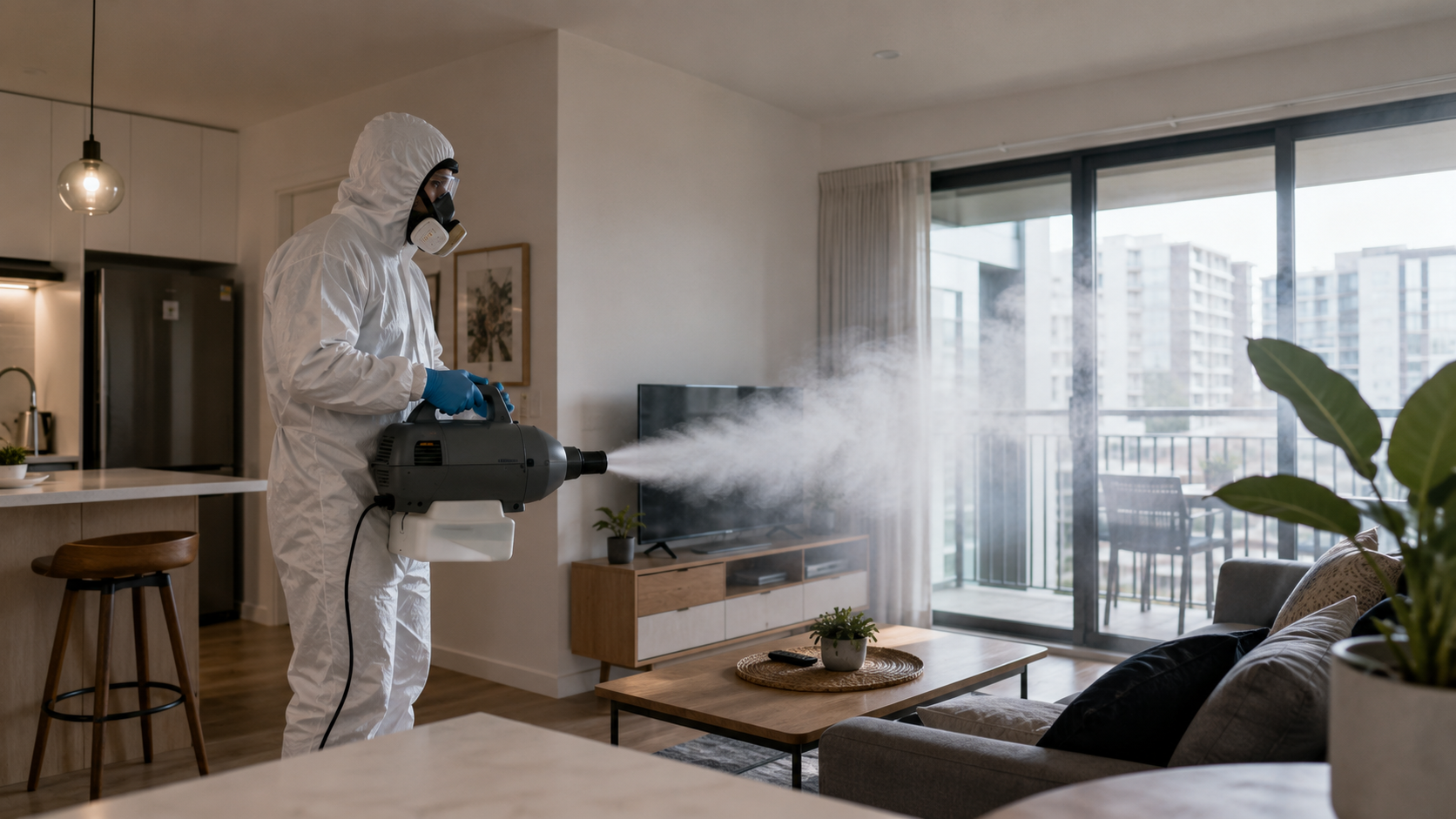
Once the specialized removal phase ends, the physical recovery of your space begins. Knowing what to do after mould remediation is complete requires a disciplined approach to your personal belongings. It’s not enough to simply wipe down a table; you must follow a strict “Keep or Toss” framework based on material porosity. Items that were inside the containment zone during treatment are often covered in settled spores and remediation dust. Handling these items requires precision to avoid cross-contaminating the rest of your home. Professional remediation often includes biodegradable fogging, which penetrates the fibres of delicate items to neutralise spores without causing water damage or chemical staining.
Standard household cleaning methods won’t suffice here. You must use a vacuum equipped with a HEPA filter, which is designed to trap 99.97% of particles as small as 0.3 microns. Using a regular vacuum is a mistake. It will simply exhaust the spores back into your freshly cleaned air. Following EPA guidelines on post-remediation verification, every surface must be meticulously cleaned of dust to ensure the environment remains safe. If you’re feeling overwhelmed by the volume of items, our mould cleaners in Sydney can assist with the heavy lifting and technical cleaning required.
Porous vs. Non-Porous Items: A Survival Guide
Non-porous materials like glass, metal, and plastic are generally salvageable. You can sanitise these with a damp cloth and a professional-grade antimicrobial solution. Porous items are more complex. Soft furnishings like couches and mattresses often act as sponges for spores. If the mould growth was extensive, disposal is usually the safest option. For personal electronics, you must carefully remove any black mould residue from vents and ports using compressed air and specialised wipes. This prevents the device from blowing spores into your face during use.
Air Scrubbing: The Final Step in Spore Removal
Remediation is a messy process that agitates millions of particles. Industrial air scrubbers are essential during the final 24 to 48 hours of recovery. These machines pull air through multiple filters to capture the fine dust created when drywall was removed or surfaces were scrubbed. We prioritise Air Purification & Scrubbing as a core service because it provides the final layer of protection your family needs. Don’t rush to turn these machines off. Let them run until the air feels crisp and the PRV testing confirms the environment is pristine.
The Sydney Strategy: Preventing Recurrence in a Coastal Climate
Sydney’s geography makes it a prime target for persistent fungal growth. The combination of Pacific Ocean humidity and harbour fog, which occurs more than 200 days per year, creates a relentless moisture load on your property. Understanding what to do after mould remediation is complete means shifting your focus from removal to environmental control. If you don’t address the underlying structural flaws, the spores will return. Often, this requires professional water damage repair to fix leaking pipes or compromised waterproofing that fuels the dampness.
A hygrometer is your most valuable tool for real-time monitoring. Place these devices in “danger zones” like bathrooms, laundries, and walk-in wardrobes to track moisture levels. According to the EPA Mold Cleanup Guide, maintaining dry conditions is the only way to prevent regrowth. Don’t wait for the smell of mildew to return before taking action. Check your readings daily to ensure your home remains a hostile environment for spores.
Managing Humidity in New South Wales
In Sydney, 60% relative humidity is the critical tipping point where mould begins to colonize surfaces. During humid summer months, use your air conditioning in “dry mode” to extract moisture from the air efficiently. Sydney’s recurring “La Niña” cycles significantly increase the volume of airborne moisture, making vigilant daily monitoring essential for every homeowner. Keep internal doors open to promote airflow and prevent stagnant air pockets from forming in corners.
The Importance of Subfloor Ventilation
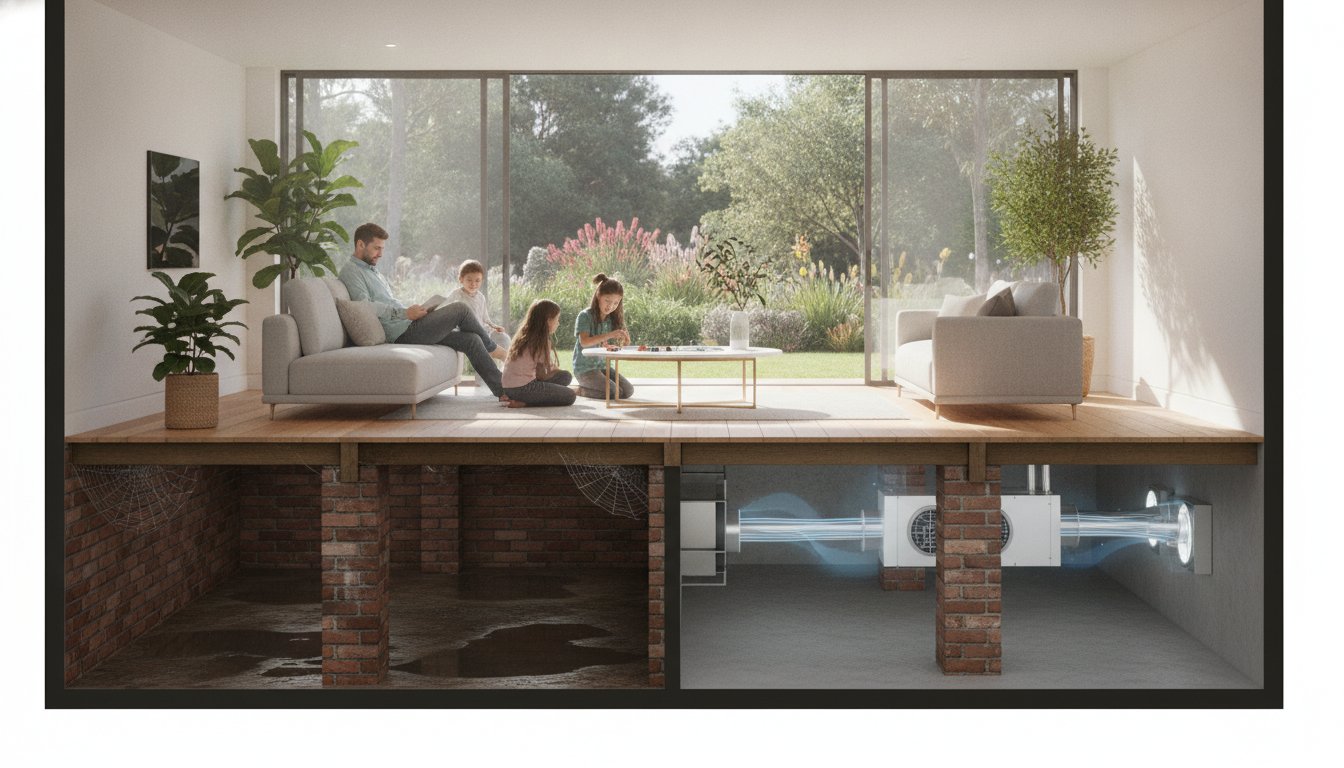
Moisture trapped in the dark, cool space beneath your floorboards is a silent threat to your indoor air quality. This dampness eventually migrates upward through porous building materials, feeding mould in your living areas. Inspect your external vents regularly for blockages like overgrown garden beds or debris. If your existing vents are insufficient for your home’s footprint, a professional subfloor ventilation system installation is the only permanent fix. It replaces stagnant, damp air with fresh, dry air, cutting off the moisture source at the foundation.
Post-Remediation Maintenance Checklist for 2026
You’ve cleared the air, but keeping it that way requires a proactive defense. Understanding what to do after mould remediation is complete means adopting a lifestyle of moisture management. Don’t wait for the problem to re-emerge. Sydney’s climate is unforgiving, and the spores you’ve removed are always looking for a new foothold. Establish a routine that prioritises airflow and surface dryness to protect your health and your property investment.
Your maintenance schedule should be divided into manageable phases. Daily ventilation for at least 20 minutes is non-negotiable. Weekly HEPA vacuuming prevents the buildup of organic dust that feeds new colonies. Monthly, perform a deep dive into “dark zones” like under-sink cupboards and behind heavy furniture. In Sydney, we recommend shifting your heavy cleaning focus to “autumn preparation.” As the humid summer fades and nights cool down, condensation risks skyrocket. Preparing your home in March and April prevents the damp winter issues common in New South Wales.
HVAC and Aircon Hygiene
Your air conditioner is the lungs of your home. Unfortunately, split-system units are perfect breeding grounds for fungi due to the constant moisture on cooling coils and fans. If you don’t schedule professional air conditioner cleaning every 6 to 12 months, you’re likely circulating spores throughout your living space. Similarly, dirty air ducts can re-contaminate a remediated room within hours of the removal team leaving. Professional maintenance ensures the internal components are free from biofilm and microbial growth that standard filters can’t stop.
Routine Environmental Monitoring
Stay alert to sensory cues and physical changes in your environment. Check window seals and door frames for beads of condensation every morning. This moisture is a signal that your indoor humidity is too high. Inspect “wet areas” like the laundry and bathroom for the faintest speck of mildew. Most importantly, trust your nose. The “sniff test” is a reliable indicator of hidden moisture. Never ignore a musty odour, even if you can’t see visible growth. It often points to a slow leak or rising damp that requires immediate professional attention.
To ensure your home remains a healthy environment, schedule regular mould inspection services to catch moisture issues before they become infestations.
Why Professional Oversight Matters After the Cleanup
Completing the physical removal of fungi is a significant milestone, but the safety of your property depends on the quality of the oversight that follows. Knowing what to do after mould remediation is complete involves more than just a cursory glance at your walls. It requires a strategic transition from active “remediation” to a permanent state of “prevention.” Professional specialists provide the technical backing and evidence-based methodology needed to ensure that the environment remains hostile to spores. At ABC Mould Cleaning Solutions, we don’t just clear the visible problem; we provide the expert backing and long-term support necessary to restore your peace of mind.
Relying on amateur or general cleaning alternatives often leads to a cycle of recurrence. We distinguish ourselves through a systematic approach that combines high-level technical solutions with a competitive price-match guarantee. This ensures you receive the highest standard of care without compromising on value. Our goal is to transition your home from a contaminated site to a verified sanctuary, backed by professional inspections that confirm your air quality meets the strict 2026 safety standards.
The Goldmorr Advantage
Standard cleaning often fails because it ignores the spores hidden deep within the structure of your home. We utilize the Goldmorr System, a proprietary methodology that provides a deeper level of elimination than traditional scrubbing. This system employs biodegradable fogging to reach microscopic spores tucked away in wall cavities, ceiling voids, and other inaccessible areas. Because the solution is non-toxic, it’s entirely safe for Sydney families and pets to return to the space shortly after application. Crucially, the Goldmorr System targets both surface mould and airborne contaminants simultaneously, ensuring that no lingering spores are left to settle and restart the infestation.
Your Ongoing Support Team at ABC
Our commitment to your property doesn’t end when the equipment is packed away. We help Sydney residents navigate the complex aftermath of mould removal by providing clear, actionable recovery plans. Whether you manage a residential home or a large commercial facility, we offer affordable, professional solutions tailored to your specific moisture profile. Understanding what to do after mould remediation is complete is much simpler when you have a dedicated team of experts ready to assist with follow-up inspections or ventilation assessments. Contact us today to book your post-cleanup audit and secure the long-term health of your indoor environment.
Secure Your Home’s Healthy Future Now
You now have the professional roadmap to maintain a safe, spore-free environment. Success depends on moving beyond simple surface cleaning to a dedicated protocol of verification and moisture control. By implementing Post-Remediation Verification and maintaining a strict humidity threshold, you protect both your family’s health and your property’s structural integrity. Understanding what to do after mould remediation is complete is the final step in breaking the cycle of recurrence in Sydney’s challenging coastal climate.
Don’t leave your recovery to chance. As Sydney’s #1 professional and affordable mould experts, we provide the specialized oversight you need to ensure permanent results. Our team utilizes the world-class Goldmorr System to eliminate hidden threats; we include comprehensive Air Purification & Scrubbing in our services to refresh your indoor air immediately. We are ready to help you transition from a state of concern to a state of total resolution.
Get Your Free Post-Remediation Quote and Peace of Mind Today. Your journey to a healthier home starts with one simple action. We are here to ensure your space remains a safe sanctuary for years to come.
Frequently Asked Questions
Is it safe to stay in my house during and after mould remediation?
Yes, it’s generally safe to stay in the home if the affected area is properly sealed off with professional containment barriers. However, occupants with severe respiratory issues or weakened immune systems should relocate until the process is finished. Once the treatment is done and the air has been purified through scrubbing, you can return to the space with confidence. Always wait for the final verification results before allowing children or pets back into the remediated zone.
How long do I need to wait before moving back into a remediated room?
You should wait at least 24 to 48 hours before moving back into a remediated room. This timeframe allows industrial air scrubbers to complete their final cycles and ensures all airborne particulates have settled or been captured. Rushing back into the space can disturb fine dust before the final HEPA vacuuming is finished. Patience is essential when deciding what to do after mould remediation is complete to ensure your long-term safety.
Do I need to throw away my mattress if it was in a room with mould?
You must typically dispose of a mattress if it shows visible growth or was in a room with high spore concentrations. Mattresses are highly porous; fungal hyphae can penetrate deep into the internal foam and springs where cleaning agents cannot reach. While surface cleaning might look successful, the internal contamination remains a health risk. It’s safer to replace these items rather than risk re-contaminating your freshly remediated environment.
What is a “clearance certificate” and why do I need one?
A clearance certificate is a formal document issued by an independent environmental hygienist after successful testing. It serves as legal and scientific proof that the indoor air quality has returned to safe, normal levels. You’ll need this certificate for insurance claims, property disclosures during a sale, and for your own peace of mind. It confirms that the remediation was performed according to the AS-IICRC S520:2025 industry standards.
How can I tell if the mould is coming back after remediation is complete?
You can identify a potential recurrence by monitoring for musty odours, new water stains, or persistent condensation on windows. Use a hygrometer to ensure your indoor humidity stays below 60% consistently. If you notice a “fuzzy” texture on surfaces or if your allergy symptoms return, the moisture source hasn’t been fully resolved. Regular inspections are the best way to catch these early warning signs before they escalate into a full infestation.
Will the smell of mould disappear immediately after the professional treatment?
The musty odour should dissipate significantly within 24 hours of a professional treatment. If we use biodegradable fogging, the scent of the mould is often replaced by a neutral or slightly botanical smell immediately. Lingering odours usually suggest that some porous materials still hold moisture or that ventilation is insufficient. Open your windows for cross-flow air if the weather is dry to help flush out any remaining scents.
Should I run my air conditioner or dehumidifier after the remediation is done?
You should absolutely run your air conditioner or a dedicated dehumidifier to maintain a dry environment. In Sydney, setting your aircon to “dry mode” is a highly effective way to pull moisture from the air during humid periods. Keeping your relative humidity between 30% and 50% is a critical part of what to do after mould remediation is complete. This mechanical moisture control prevents new spores from germinating on your walls.
Can I paint over a wall immediately after it has been remediated?
No, you shouldn’t paint immediately. You must wait until the structural materials, such as plasterboard or timber, have reached an acceptable moisture content level, usually below 15%. Painting too soon traps residual moisture behind the new coat, which will cause the paint to bubble and the mould to return. Use a moisture meter to verify the wall is bone dry before applying an antimicrobial primer and your final topcoat.