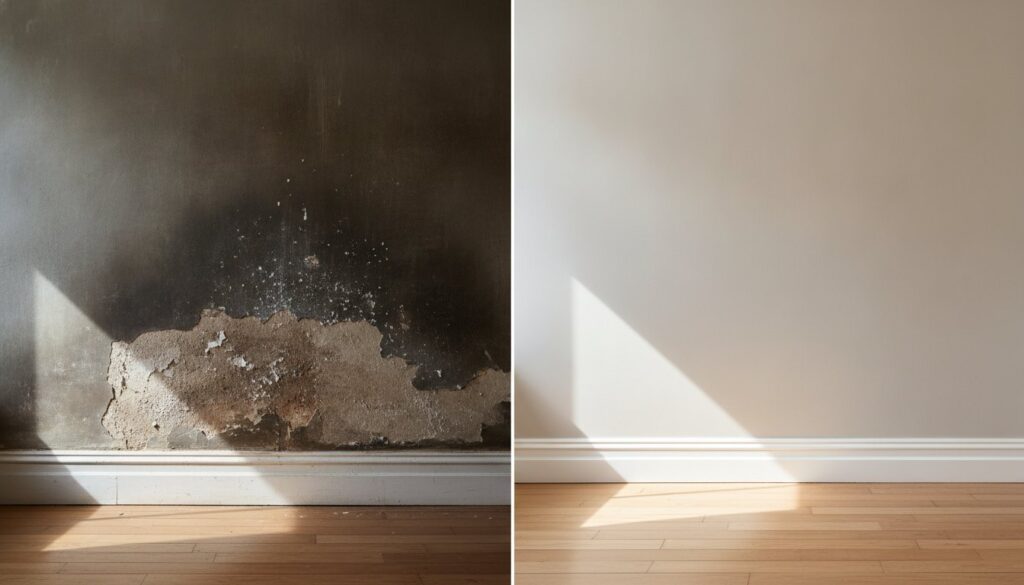
Did you know there is a 60% chance that a pre-1960s home in Sydney’s inner-west currently has active rising damp? If you’re preparing to list your property, this isn’t just a cosmetic issue; it’s a potential deal-breaker. You might be asking, can you sell a house with rising damp in the current 2026 market? The short answer is yes, but the legal and financial stakes have never been higher. As of June 1, 2026, the new mandatory Edition of the Contract for Sale has tightened compliance, making transparency more critical than ever.
We understand the stress of watching a building inspector’s moisture meter climb while you worry about a collapsed sale or a massive price reduction. It’s frustrating to feel like your equity is evaporating into a damp, salt-stained wall. This guide provides the clarity you need regarding your legal obligation to disclose material facts under the Residential Tenancies Act. We’ll show you how to protect your final sale price and provide a permanent, warrantied fix that satisfies even the most cautious buyers.
We’ll explore the real-world costs of remediation, the risks of non-disclosure, and how our specialized Goldmorr System and subfloor ventilation can turn a major liability into a certified selling point for your home.
Key Takeaways
- Understand the mandatory disclosure requirements in NSW to ensure your sale remains legally compliant and avoids costly post-settlement disputes.
- Discover the hidden financial impact of the “sniff test” and how musty odours can trigger aggressive price reductions from potential buyers.
- Resolve the question of can you sell a house with rising damp by comparing the risks of low-ball “as-is” offers against the benefits of professional remediation.
- Learn how the Goldmorr System provides a fast, biodegradable solution to clear building inspections and restore property value without harsh chemicals.
- Explore how installing subfloor ventilation serves as a permanent, warrantied fix that increases buyer confidence and protects your home’s future structural health.
Can You Legally Sell a House with Rising Damp in NSW?
You can legally put your property on the market, but the question of can you sell a house with rising damp without legal friction depends entirely on your transparency. Rising damp occurs when ground moisture travels upward through porous masonry via capillary action. It’s essential to understand what rising damp is and why it qualifies as a “material fact” under NSW Fair Trading guidelines. While the traditional principle of “Caveat Emptor” (buyer beware) once protected sellers, modern legislation has shifted the burden of honesty onto the owner.
The Residential Tenancies Act and the Property and Stock Agents Act require you to disclose significant health or safety risks. If you hide structural damp behind a fresh coat of paint or a strategically placed piece of furniture, you’re inviting a legal nightmare. As of June 1, 2026, the mandatory 2026 Edition of the Contract for Sale has further streamlined these disclosure requirements, making it harder for sellers to claim ignorance of property defects.
The Risk of Non-Disclosure
Hiding moisture issues is a high-risk gamble that rarely pays off. Most buyers in the current Sydney market are savvy. They won’t skip a professional building inspection. When a moisture meter detects high levels in the walls, the trust between you and the buyer evaporates instantly. This often leads to a collapsed sale or a demand for a price reduction far exceeding the actual cost of repairs. Intentionally concealing damp can lead to post-settlement lawsuits, where you may be held liable for the cost of remediation and legal fees.
Rising Damp in the Sydney Climate
Sydney’s unique geography and architectural history make it a hotspot for moisture problems. Many older homes in suburbs like Balmain, Newtown, and Glebe were built on sandstone foundations or double-brick footings. While beautiful, sandstone is incredibly porous. When combined with Sydney’s high humidity, it creates the perfect environment for ground water to migrate into your walls. Rising damp is a structural issue that requires professional intervention to stop the cycle of damage and salt accumulation. Don’t assume a buyer will overlook it; in a competitive market, it’s a glaring red flag that signals potential neglect.
How Rising Damp Affects Your Property Valuation
Rising damp doesn’t just damage your bricks; it damages your bottom line. When you ask can you sell a house with rising damp, you must account for the psychological “neglect tax” buyers apply. A damp property signals to a bidder that the home hasn’t been maintained. This leads them to wonder what other structural secrets are hidden beneath the floorboards. In the competitive Sydney market, buyers have high expectations, and dampness is a glaring sign of a high-maintenance liability.
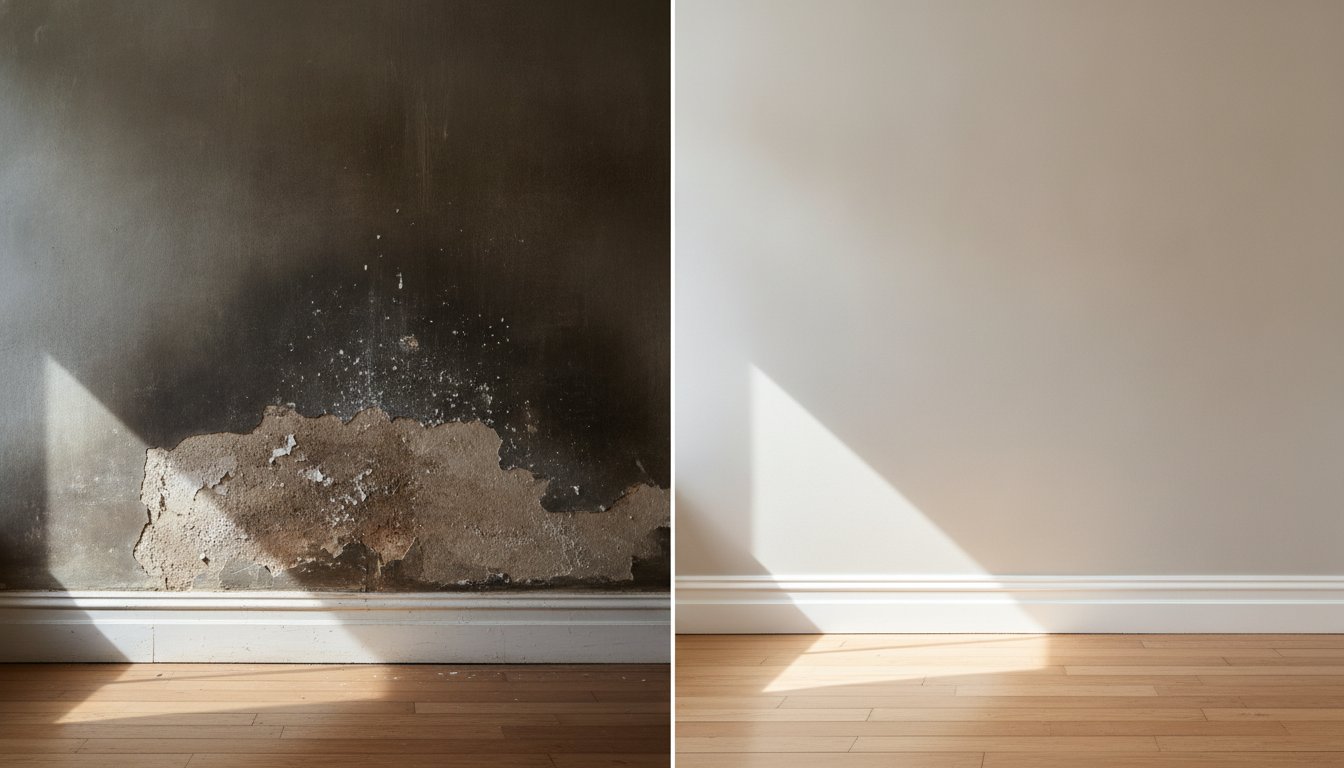
The “sniff test” is a real phenomenon in real estate. Potential buyers often smell a problem before they see it. That unmistakable musty odour suggests stagnant air and organic decay. This sensory red flag instantly lowers a buyer’s mental valuation. It frequently results in offers 10% to 20% below the asking price as bidders factor in the perceived “worst-case scenario” for repairs. They aren’t just deducting the cost of the fix; they’re deducting for the stress and uncertainty of the project.
Your vendor disclosure obligations are only one part of the puzzle. You also have to satisfy the buyer’s lender. If a bank valuer identifies active rising damp, they may classify the property as “unacceptable security.” This can lead to a mortgage refusal for your buyer. It effectively kills the deal before it reaches settlement, regardless of how much the buyer loves the home’s character.
The “Deal Breaker” Factor
First-home buyers and young families are particularly sensitive to moisture issues. They often lack the surplus cash to handle major remediation after purchase. It’s vital to distinguish between minor window condensation and chronic rising damp. The latter is a primary cause of toxic black mould, which triggers immediate health concerns for parents. If a building report highlights active moisture, most family buyers will walk away without a second thought.
Airborne Spores and Buyer Health
Visible stains are only the tip of the iceberg. Health-conscious buyers worry about invisible airborne spores that can exacerbate asthma or allergies. To make a home truly market-ready, you need to address the air quality, not just the aesthetics. Professional mould inspection services provide the data needed to reassure skeptical bidders. A certified report showing clean air and dry walls can be the difference between a record-breaking sale and a property that languishes on the market for months.

Fixing Rising Damp vs. Selling “As-Is”
Deciding whether to invest in repairs or list your property “as-is” is a critical financial crossroads. While the short answer to can you sell a house with rising damp is technically yes, doing so without remediation puts you at a severe disadvantage. Selling “as-is” often feels like the path of least resistance. However, this strategy usually triggers the “as-is” trap, attracting low-ball investors and professional flippers who specialize in distressed assets. These buyers don’t pay market value. They look for problems like rising damp to justify aggressive price reductions that far exceed the actual cost of repair.
Calculating the return on investment (ROI) is straightforward. If the cost of professional remediation is significantly less than the potential 10% to 20% price drop mentioned earlier, fixing the issue is the only logical choice. Remediation unlocks the largest pool of buyers: families and owner-occupiers. These buyers rely on bank financing and require a clean building report. By removing the dampness, you remove the primary obstacle to a premium sale price and ensure your property appeals to the widest possible audience.
The Pitfalls of Cosmetic Cover-ups
Don’t fall for the temptation of a quick “patch and paint” job. It’s a recipe for legal and financial disaster. Rising damp is persistent. Ground moisture will push through new paint within weeks, often before the ink is dry on the contract. Modern building inspectors use thermal imaging cameras and high-sensitivity moisture meters that see straight through fresh cosmetic layers. Discovering a cover-up during the cooling-off period destroys your reputation and often leads to a collapsed settlement. It’s better to be honest and provide a professional solution than to be caught hiding a defect.
The Value of a Transferable Warranty
Professional mould removal sydney services provide more than just a clean wall. They provide a certificate of remediation and a transferable warranty. This documentation transforms a property liability into a certified selling point. You can confidently tell prospective buyers that the issue has been professionally addressed using the Goldmorr System. This shifts the narrative from “this house has a damp problem” to “this house has a guaranteed dry environment.” Providing this level of security justifies your asking price and ensures a smooth, hassle-free settlement for both parties.
The 3-Step Strategy to Restore Sale Value
To answer the question of can you sell a house with rising damp for a premium price, you must move beyond temporary fixes. A systematic, evidence-based approach is required to satisfy both building inspectors and nervous buyers. We use a proven three-step strategy that addresses the surface damage, the airborne health risks, and the underlying structural cause. This process ensures your property is market-ready and legally compliant.
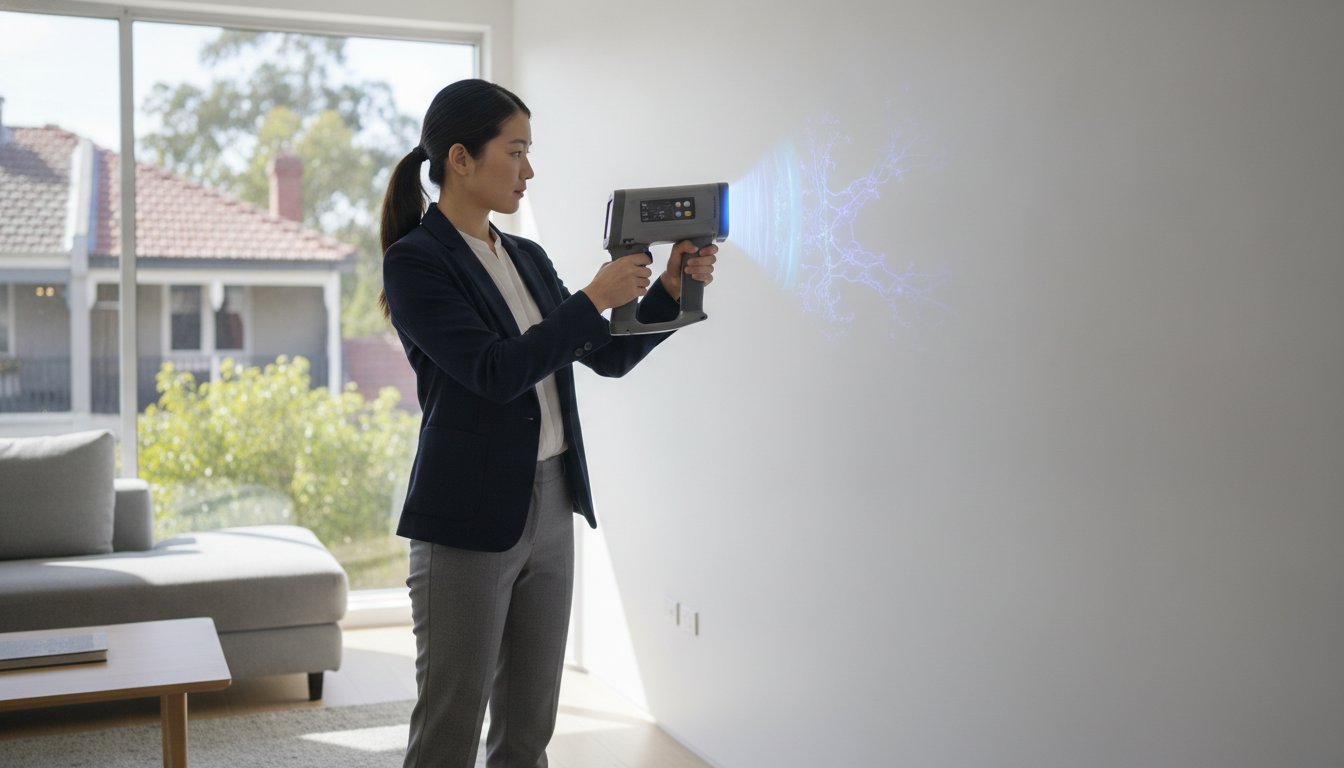
The first step involves a mould inspection service to map the moisture. Our specialists use advanced moisture meters to determine exactly how far the ground water has climbed. We don’t guess; we provide a data-driven report that identifies the severity of the issue. This transparency builds trust with potential buyers from the start.
The second step is remediation using the specialized Goldmorr System. This process involves biodegradable fogging that is safe for residents but highly effective at eliminating mould. It’s a fast way to clear a building inspection without the need for destructive renovations. Finally, we address the root cause by installing a subfloor ventilation system. In Sydney’s humid climate, stagnant air beneath your floorboards is often the primary driver of dampness. Installing a subfloor ventilation system serves as a significant value-add for the property’s future health, giving buyers the confidence they need to commit.
Identifying the Source
Not all moisture is the same. It’s vital to distinguish between rising damp, penetrating damp, and simple condensation. We look for specific causes of rising damp such as blocked weep holes, faulty drainage, or failed damp-proof courses. Using moisture meters during this phase proves the effectiveness of the treatment and provides a clear “before and after” for the sales folder.
Treating the Surface and the Air
Visible stains are only half the problem. Airborne spores carry the musty smell that instantly drives buyers away. We use air purification and scrubbing to remove these odours and restore a fresh, neutral scent to the home. This biodegradable fogging process is safe for everyone and prepares the walls for final cosmetic touch-ups. When the air is clean and the walls are dry, your home is ready for the most rigorous building reports.
Why Sydney Sellers Choose ABC Mould Cleaning Solutions
Sydney’s real estate market moves fast. When you’re asking can you sell a house with rising damp, you don’t have months to wait for traditional, invasive building works. ABC Mould Cleaning Solutions specializes in the unique architectural challenges of Sydney’s older suburbs. We understand that an upcoming auction date creates a non-negotiable deadline. Our team provides the specialized expertise and fast-turnaround inspections required to keep your sale on track while ensuring full legal compliance. We offer a systematic path from discovery to resolution.
Our reputation is built on competent authority. We present our staff as highly trained specialists who address serious structural threats using an evidence-based approach. We know that moisture is more than just a stain on the wall; it’s a threat to your property’s safety and well-being. By choosing a professional remediation partner, you demonstrate to potential buyers that you’ve taken the health of the home seriously.
Our Proprietary Goldmorr Process
Our approach centers on the Goldmorr System. This is a non-invasive, highly efficient alternative to traditional chemical treatments that often require weeks of drying time. By using biodegradable fogging and air scrubbing, we remove the need for aggressive demolition of your internal walls. This saves you thousands in unnecessary repair costs before you even list the property. The Goldmorr System targets mould at a molecular level to eliminate spores and neutralize the musty odours that deter buyers. It’s a safe, evidence-based solution for families and pets. It provides the “clean bill of health” your building report needs to satisfy a bank valuer.
Expert Subfloor Ventilation Installation
Treating the surface is only half the battle. To provide a permanent fix that a buyer can trust, you must address the root cause. Most Sydney moisture issues stem from poor airflow beneath the home. We design and install custom subfloor ventilation systems specifically for Sydney’s sandstone footings and brick-pier foundations. These systems pull damp, stagnant air out from under your home and replace it with fresh, dry air. This constant cycle of air movement is the only way to stop the ground moisture from migrating into your masonry.
This improved airflow protects the structural integrity of your floor joists and prevents the capillary action that causes rising damp. It transforms a damp house into a dry, healthy investment. Don’t let a moisture meter reading ruin your auction day. Contact our team for a mould inspection before you list your home. We provide the professional documentation and warrantied results that satisfy even the most cautious solicitors and buyers. Our goal is to move you from a state of concern to a state of resolution in as few steps as possible.
Secure Your Property Equity and Guarantee a Smooth Sale
Selling a property in Sydney’s competitive 2026 market requires transparency and structural integrity. You now understand that while the answer to can you sell a house with rising damp is technically yes, the legal and financial risks of ignoring the issue are substantial. Modern NSW disclosure laws and savvy building inspectors mean that hidden moisture will eventually surface. Addressing the root cause now protects your final sale price and prevents the “as-is” trap that attracts low-ball investors.
By utilizing the specialized Goldmorr System and custom subfloor ventilation, you transform a property liability into a certified selling point. As Sydney’s leading experts in moisture control, we provide the fast, professional service needed to meet your auction deadlines while ensuring your home passes every inspection. Don’t let ground moisture evaporate your hard-earned equity. Get a Professional Mould Inspection Before You List Your Home to ensure your settlement stays on track. You can move forward with confidence, knowing your property is safe, dry, and ready for a record-breaking result.
Frequently Asked Questions
Do I have to disclose rising damp when selling a house in Sydney?
Yes. Under current NSW legislation, you must disclose “material facts” to potential buyers. Rising damp qualifies as a significant defect because it impacts the health and safety of the property. The 2026 Edition of the Contract for Sale has tightened these transparency rules. If you fail to disclose the issue and a buyer discovers it later, you could face legal repercussions or a rescinded contract. Honesty is the only way to ensure a compliant sale.
How much does rising damp devalue a property?
The devaluation often far outweighs the actual repair cost. Bidders typically demand a price reduction of 10% to 20% to cover the perceived risk and the stress of future renovations. Because dampness signals a lack of maintenance, buyers often assume there are other hidden structural problems. When you consider can you sell a house with rising damp, remember that professional remediation restores buyer confidence and protects your final sale price from aggressive low-ball offers.
Can a buyer pull out of a sale if rising damp is found?
Yes, especially if the moisture is discovered during the building inspection or cooling-off period. Most Sydney property contracts include a clause regarding satisfactory building reports. If an inspector finds active moisture that wasn’t disclosed, the buyer has a legal pathway to withdraw their offer without penalty. Beyond the legalities, a discovery like this destroys the buyer’s trust. A collapsed sale often leaves your property with a tainted reputation, making it much harder to attract the next bidder.
Is rising damp a structural defect?
Yes. Rising damp is a structural issue that involves the failure of the damp-proof course and the slow degradation of masonry. As ground water rises, it carries salts that crystallize inside the bricks and mortar, causing them to crumble over time. If left untreated, this moisture can eventually rot floor joists and compromise the stability of the walls. It is a serious condition that requires specialized intervention to preserve the home’s long term structural integrity and safety.
Can I just use a dehumidifier to fix rising damp before an open house?
No. A dehumidifier is a cosmetic temporary fix that only addresses airborne moisture. It does nothing to stop the capillary action of ground water moving through your masonry. While it might reduce a musty odour for an hour, it won’t bypass a building inspector’s moisture meter or thermal imaging camera. Relying on such methods is a high risk gamble. It often leads to a collapsed settlement once the true extent of the dampness is revealed during the inspection.
How long does it take to professionally treat rising damp?
Professional treatment using our specialized Goldmorr System is designed for maximum efficiency. Most remediation and air purification projects are completed in just a few days. This fast turnaround is essential for sellers who need to meet strict auction or photography deadlines. Unlike traditional methods that involve weeks of drying and heavy construction, our systematic approach restores your home to a market-ready state quickly. This ensures your sales campaign stays on schedule without any stressful delays or interruptions.
Does home insurance cover rising damp in Australia?
Most standard Australian home insurance policies exclude rising damp from their coverage. Insurers typically classify dampness as “gradual deterioration” or a maintenance issue rather than a sudden, accidental event. Because the damage occurs over a long period, the financial responsibility for remediation almost always rests with the property owner. This makes it even more important to resolve the issue professionally before listing your home, as you cannot rely on an insurance claim to cover the remediation costs.