Clean before handing back the keys, and aim to finish before the final inspection. A final mould clean before handing back the keys gives you time to check the work while you still have access to the property. If you’ve already returned the keys, get approval from the property manager or landlord before going back to clean.
Moving out is demanding, and mould is easy to miss in shower grout, around windows and in poorly ventilated areas. This guide explains when to clean, which spots to check and how to document the result. You’ll also learn how to compare the property’s condition with your entry records and what to do if mould may be linked to an unresolved leak or dampness. Work through the checks room by room, follow your tenancy instructions, and keep clear photos and written records before returning the keys.
Key Takeaways
- Finish cleaning before handing back the keys so you can inspect the work while you still have access.
- Check easy-to-miss spots such as grout, skirting boards, cupboard corners and bathroom exhaust fan covers.
- Keep dated photos and relevant entry and exit condition reports to document the property’s condition and the cleaning completed.
- Compare mould concerns with the property’s condition at the start of the tenancy, and report leaks or damp issues promptly.
- Tenancy rules differ across Australia, so use your state or territory’s requirements and your property’s condition report as a guide.
Skirting boards, corners and overlooked areas
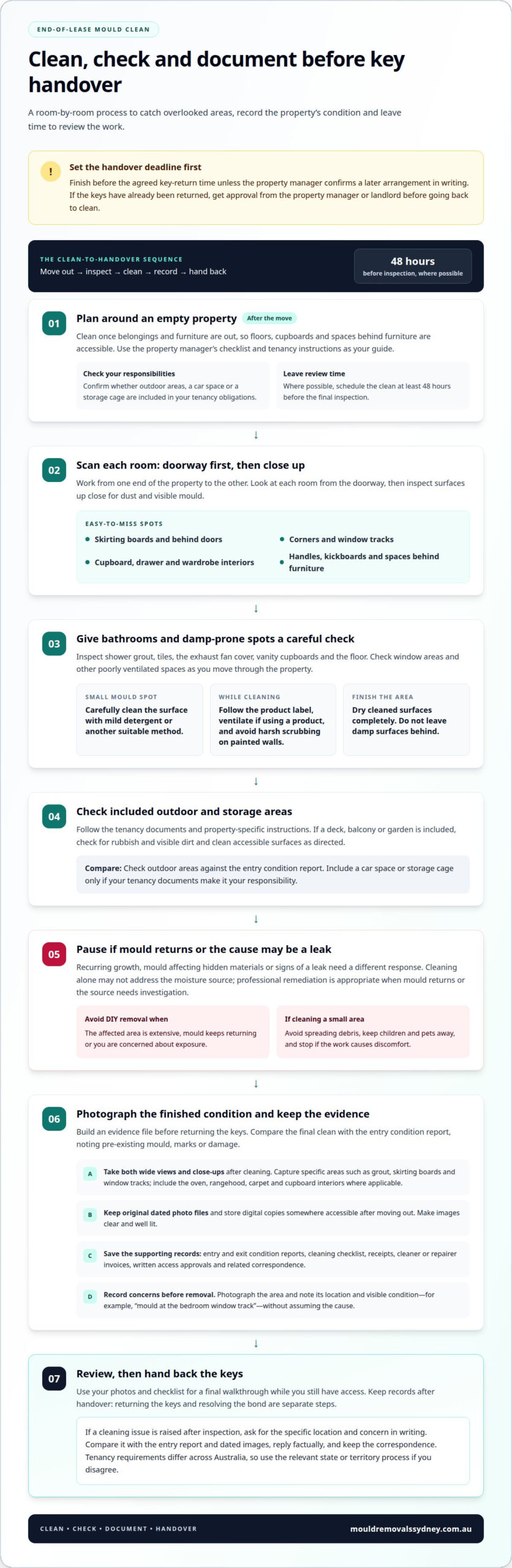
Use the property manager’s cleaning checklist, then work through the property from one end to the other. Check each room from the doorway and up close. Look along skirting boards, behind doors, in corners and around window tracks, where dust and visible mould can be easy to miss. Take care with painted surfaces, as aggressive scrubbing or unsuitable products can damage the paint.
Empty every cupboard, drawer and wardrobe, then wipe inside and outside surfaces, handles and kickboards. Check corners for crumbs, dust or grease, as well as storage areas and spaces previously covered by furniture. In a Sydney strata apartment, check whether your lease makes you responsible for the car space or storage cage. Include them in your clean if the tenancy documents say they are your responsibility.
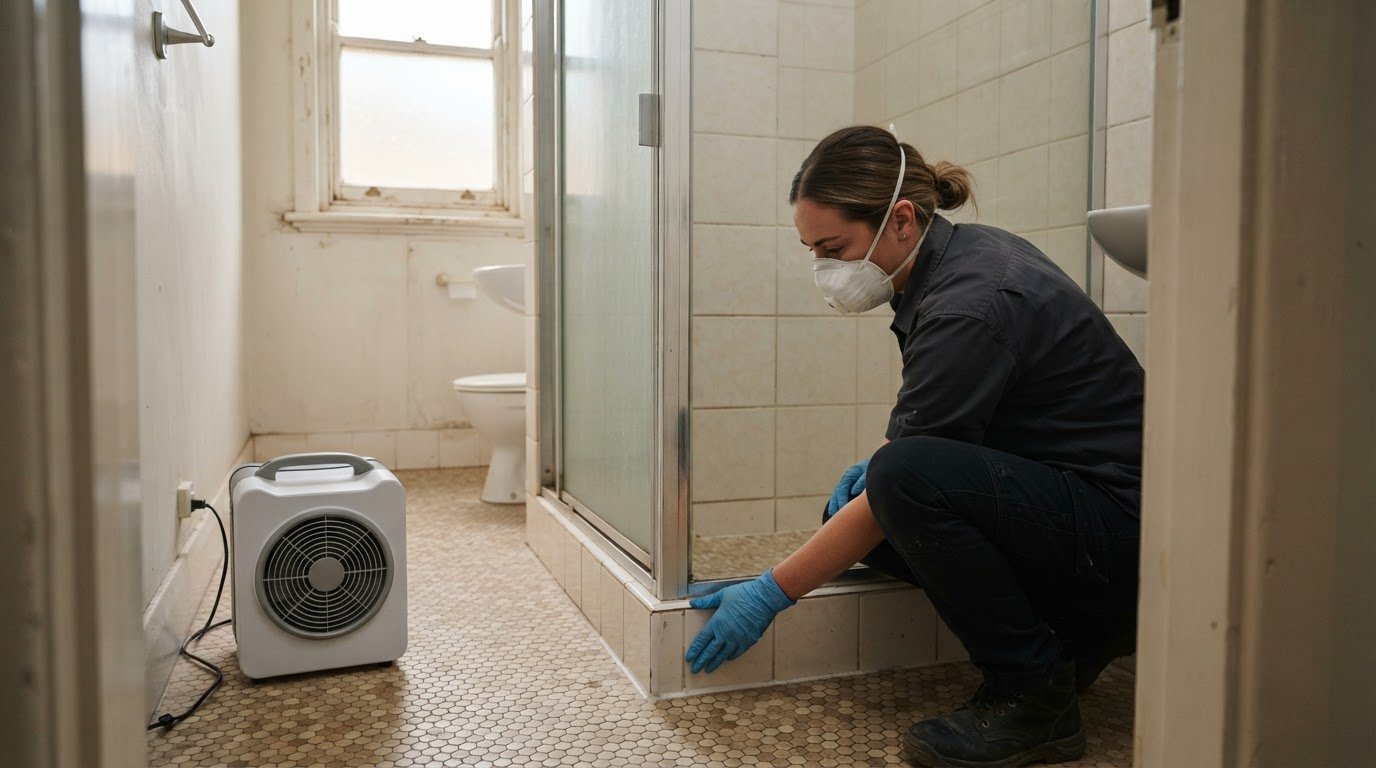
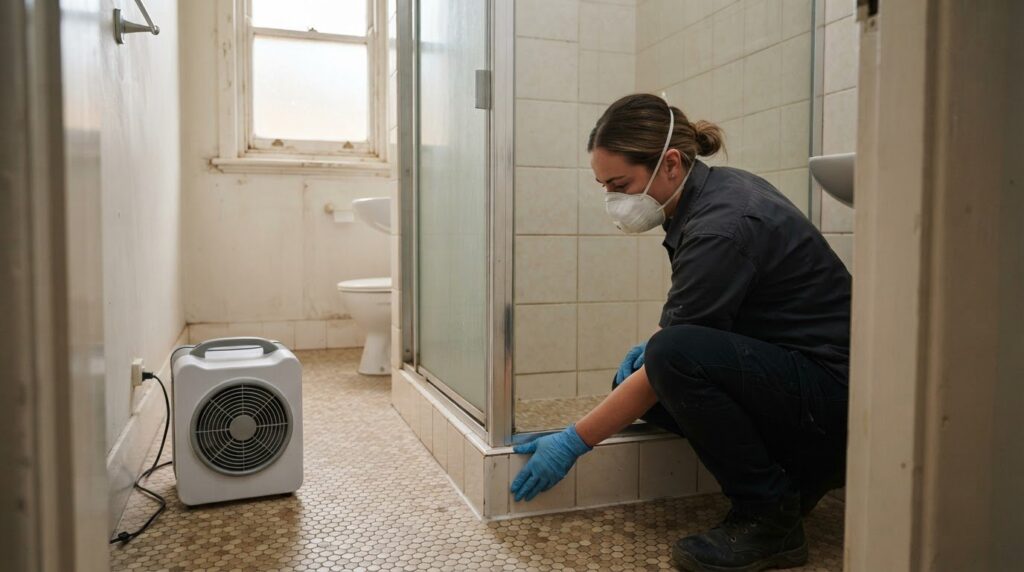
In the bathroom, inspect shower grout, tiles, the exhaust fan cover, vanity cupboards and the floor. Carefully clean small areas of mould on shower grout with mild detergent or another suitable method, then dry the area completely. Follow the product label and ventilate the room if you use a cleaning product. Avoid harsh scrubbing on painted walls, and don’t leave damp surfaces behind. Include corners and less obvious surfaces in your final walkthrough.
Check outdoor areas as required by your tenancy documents and property-specific instructions. If a deck, balcony or garden is included, look for rubbish and visible dirt, and clean accessible surfaces as directed. Compare these areas with the entry condition report. For rubbish bins, one suggested approach is to soak them for several hours in hot water with several cups of vinegar, then scrub and dry them.
Small mould spots may be suitable for careful surface cleaning, but recurring growth, mould affecting hidden materials or signs of a leak need a different response. Professional mould remediation is appropriate when mould returns or the moisture source needs investigation, as cleaning alone may not address the cause. A landlord may seek mould-cleaning costs from the bond if you are responsible, but any claim depends on the entry condition, fair wear and tear, and the cause. Compare the claim with your condition report and photos, request specific details in writing, and use the relevant state or territory process if you disagree.
For a small affected surface, use mild detergent, avoid spreading debris and dry it fully. Mould particles and cleaning-product fumes can be unpleasant to breathe, so avoid DIY removal if the affected area is extensive, the mould keeps returning or you’re concerned about exposure. Keep children and pets away while cleaning, and stop if the work causes discomfort.
Documenting cleaning issues and completed work
Build an evidence file before returning the keys. Keep dated photographs, the entry and exit condition reports, written access approvals and any cleaner’s invoice together. These records show the property’s condition at the start, what you cleaned and when you recorded its final inspection-ready condition. Store digital copies somewhere you can access after moving out.
Photograph each room after cleaning, using both wide views and close-ups. A wide image can show the room’s overall condition; close-ups can capture specific areas such as shower grout, skirting boards or window tracks. Include the oven, rangehood, carpet and cupboard interiors where applicable. Make the images clear and well lit, and keep the original dated files rather than relying only on edited copies.
Use the property’s entry condition report as your comparison point. Note pre-existing marks, mould or damage, and keep relevant photographs from the start of the tenancy. If you notice a concern during the final clean, photograph it before attempting removal. Add a short note describing its location and visible condition, such as “mould at the bedroom window track,” rather than assuming what caused it.
Keep the cleaning checklist and receipts with your photos. If you hired a cleaner or repairer, save the invoice and any written description of the work completed. Record which areas were included, such as bathroom surfaces, the rangehood filter or accessible carpet. If someone needs access after key handover, keep the written approval and agreed access details. These documents help establish what work was done and under what arrangement.
If the property manager raises a cleaning issue after inspection, ask for the specific location and concern in writing. Compare it with the entry condition report and your dated images before agreeing to additional work. In a Sydney rental, this comparison can help distinguish a new cleaning issue from a pre-existing condition or fair wear and tear. Keep your reply factual, attach relevant evidence and save the correspondence.
Returning the keys and resolving the bond are separate steps, so retain your records after handover. A tidy evidence file can help you respond clearly if the landlord disputes the bond cleaning or asks about a particular surface. If a written condition report notes a separate concern around a split-system unit, keep it distinct from mould on walls or grout; split system air conditioning cleaning is a separate cleaning consideration.
Timing a clean after moving out
Finish lease cleaning before the agreed key-return time. Treat that time as your deadline unless the property manager confirms a later arrangement in writing. Cleaning before handover lets you inspect the rental while you still control access. It also gives you time to address missed areas before the final inspection.
Plan the clean around the move, not the inspection alone. Once furniture and belongings are removed, floors, cupboards and spaces behind furniture become accessible. A practical schedule is to clean after the move, with the property empty, and book the clean at least 48 hours before the final inspection where possible. This leaves time to review the work and handle small oversights.
Use a room-by-room sequence so unfinished areas don’t get overlooked during a busy moving day. Start with rooms that are already empty, then finish the kitchen and bathroom after their last use. Check that the shower is dry, cupboards are empty and any windows or tracks included in the lease are clean. Keep the condition report nearby to compare the property’s state with its original condition.
- Remove boxes and possessions before cleaning, because they can hide dust and limit access.
- Vacuum carpets and accessible edges after other dusty tasks, because debris can settle during cleaning.
- Clean hard floors near the end, because cleaning walls and surfaces can drop dust onto them.
- Photograph completed rooms before key handover, because the images record their condition at that point.
Leave enough time for a final walkthrough before returning the keys. Work systematically from one end of the rental to the other. Open cupboards, check corners and inspect each room from the doorway and up close. If the property manager provided a checklist, compare every item with the completed work. Note anything that needs attention while you still have access.
If you’ve already handed back the keys, don’t assume you can re-enter. Get approval from the property manager or landlord before arranging another clean. Australian tenancy procedures differ by state and territory, so there is no single national rule for access after handover. Keep any permission in writing, including the agreed access arrangement.
Returning the keys and resolving the bond are separate steps. If an inspection identifies a cleaning issue after handover, respond promptly where possible. Ask which area needs attention, compare the concern with the condition report and keep the exchange in writing. A clear record can help if you later dispute whether the issue existed before the tenancy or resulted from cleaning after moving out.
Mould removal in Australia: Tenant vs Landlord
Responsibility depends on the mould’s cause, the property’s condition at move-in and the tenancy rules in your state or territory. Tenants are responsible for keeping a rental reasonably clean and telling the landlord about damage or disrepair as soon as possible. Landlords are responsible for providing a rental property in a reasonably clean state. These responsibilities can overlap when mould appears during a tenancy.
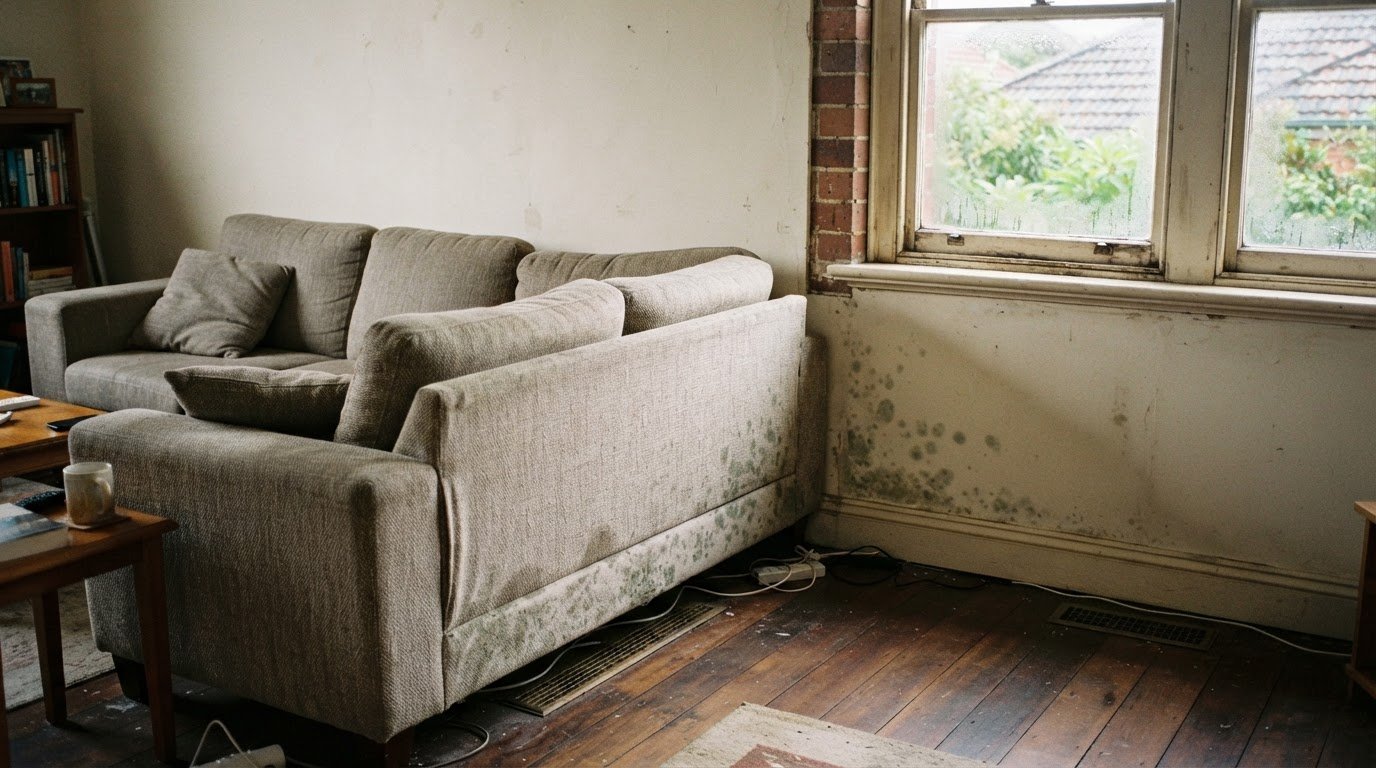
Separate surface cleaning from the underlying moisture problem. For example, mould on shower grout may need cleaning, while recurring growth near a leaking window may indicate disrepair that needs attention. Tenants should reduce indoor humidity where possible and report leaks or plumbing problems promptly. Removing visible mould without reporting a leak may leave the moisture source unresolved.
Use the entry condition report and dated photographs to establish what was present at the start. In Queensland, tenants aren’t responsible for pre-existing damage or poor condition. They must leave the property in the same condition as at the start, less fair wear and tear. Dirt, grime, grease and tenant-caused damage aren’t considered fair wear and tear there. The cause and timing of mould therefore matter if responsibility is disputed.
- Compare the affected area with the entry condition report, because pre-existing mould or damage changes the context.
- Photograph new mould and nearby signs of moisture, because the location may help explain the issue.
- Tell the landlord promptly about a leak or plumbing problem, because timely reporting creates a record of the repair concern.
- Keep messages, inspection notes and cleaning records together, because they show what each party knew and did.
At the end of a tenancy, consider any bond claim in light of the documented condition and the cause of the mould. A tenant may be responsible for cleaning if they failed to keep the property reasonably clean, while a pre-existing problem or unresolved disrepair points to a different issue. Don’t assume every patch automatically proves tenant responsibility. Ask for the specific area and reason behind any proposed cleaning charge, then compare the claim with the entry report and your records.
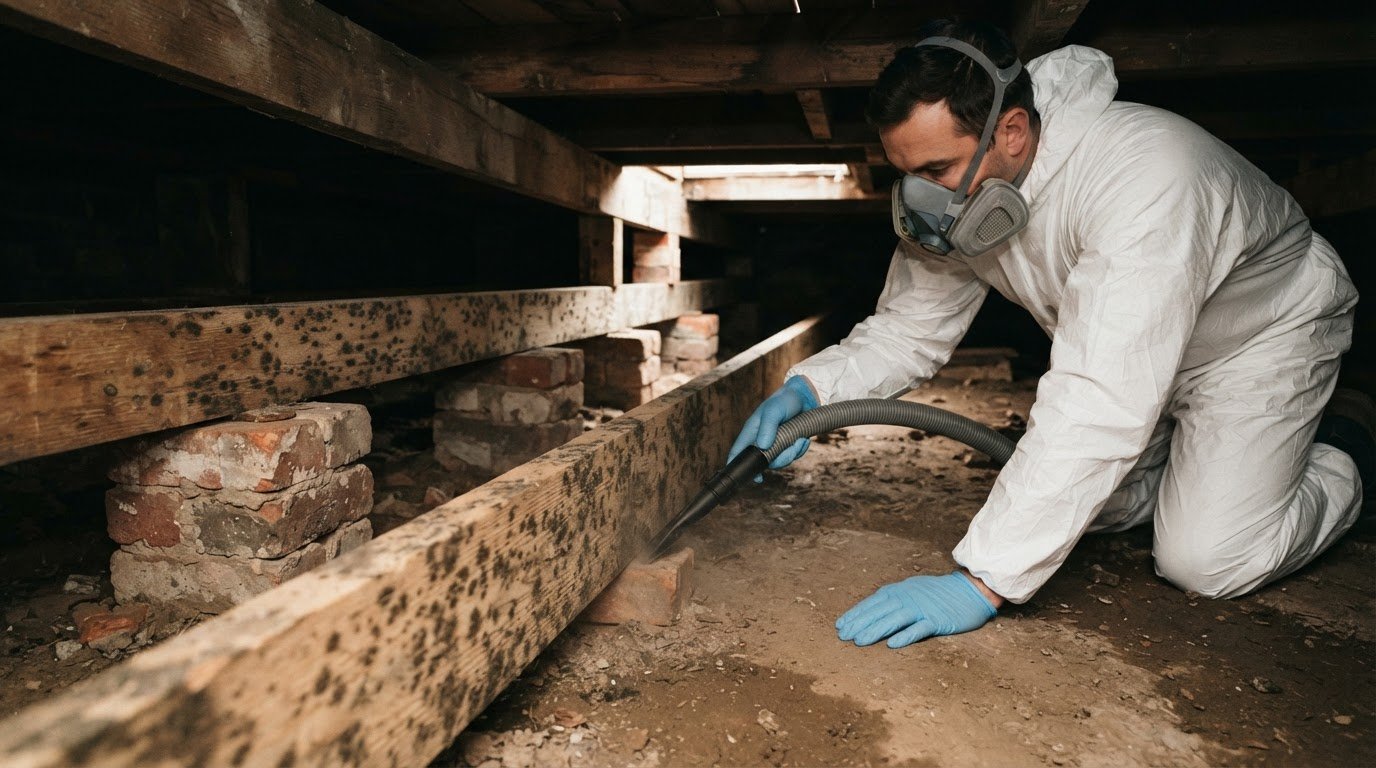
If mould returns after cleaning, spreads beyond a small surface or appears alongside persistent dampness, treat it as more than a routine vacate clean. Notify the landlord promptly about the moisture or repair issue. Extensive or recurring mould may call for an inspection and professional remediation. Clear records can help distinguish a cleaning concern from a maintenance problem, without delaying action on either.
What do Australian state and territory tenancy laws say about mould and end-of-lease cleaning?
Australia has no single national rule for every end-of-lease cleaning dispute. Tenancy procedures differ between states and territories, so the applicable law and agreement depend on the rental’s location. Across the country, tenants are generally expected to return a property in its original condition, allowing for fair wear and tear. Compare the entry condition report with the property’s condition at handover, rather than treating every mark or mould patch as the tenant’s responsibility.
In New South Wales, the Residential Tenancies Act 2010 governs rental tenancies, alongside the Residential Tenancies Regulation 2019. Tenants must keep the property reasonably clean and report damage or disrepair promptly. A mould issue linked to a leak should therefore be reported as a repair concern, not treated only as a cleaning task. For a bond claim, the condition at the start, the cause of mould and the records of any reports help clarify the dispute.
In Victoria, section 63 of the Residential Tenancies Act 1997 requires tenants to leave the property in a condition consistent with its entry condition report, allowing for fair wear and tear. Carpet-cleaning requirements may depend on the property’s condition at the start of the tenancy. This rule concerns carpets, not a blanket requirement to hire professional cleaners for every mould spot.
Queensland tenants must leave the property in its starting condition, less fair wear and tear. They aren’t responsible for pre-existing damage or poor condition. Return the completed exit condition report to the property manager or owner. Keep the entry report and relevant photographs so you can compare an affected bathroom wall or window area with its original state. A report of a leak can also help distinguish a maintenance concern from surface cleaning.
In other states and territories, use the local tenancy rules together with your agreement. A property manager may provide a cleaning checklist, but the entry condition report remains important when assessing the original condition. Check requirements for carpets, furnished items or outdoor areas against the relevant documents. Don’t assume a professional-cleaning clause overrides the applicable tenancy rules.
- Locate the entry report and compare the mould-affected area with its recorded condition.
- Keep dated photos and written reports of leaks, dampness or repairs.
- Separate a surface-cleaning task from mould linked to unresolved disrepair.
- Review the relevant state or territory process before responding to a bond claim.
If mould persists or appears connected to a moisture problem, arrange professional mould remediation to address the affected area and investigate the concern systematically.
ABC Mould Cleaning Solutions: Mould Cleaners Sydney
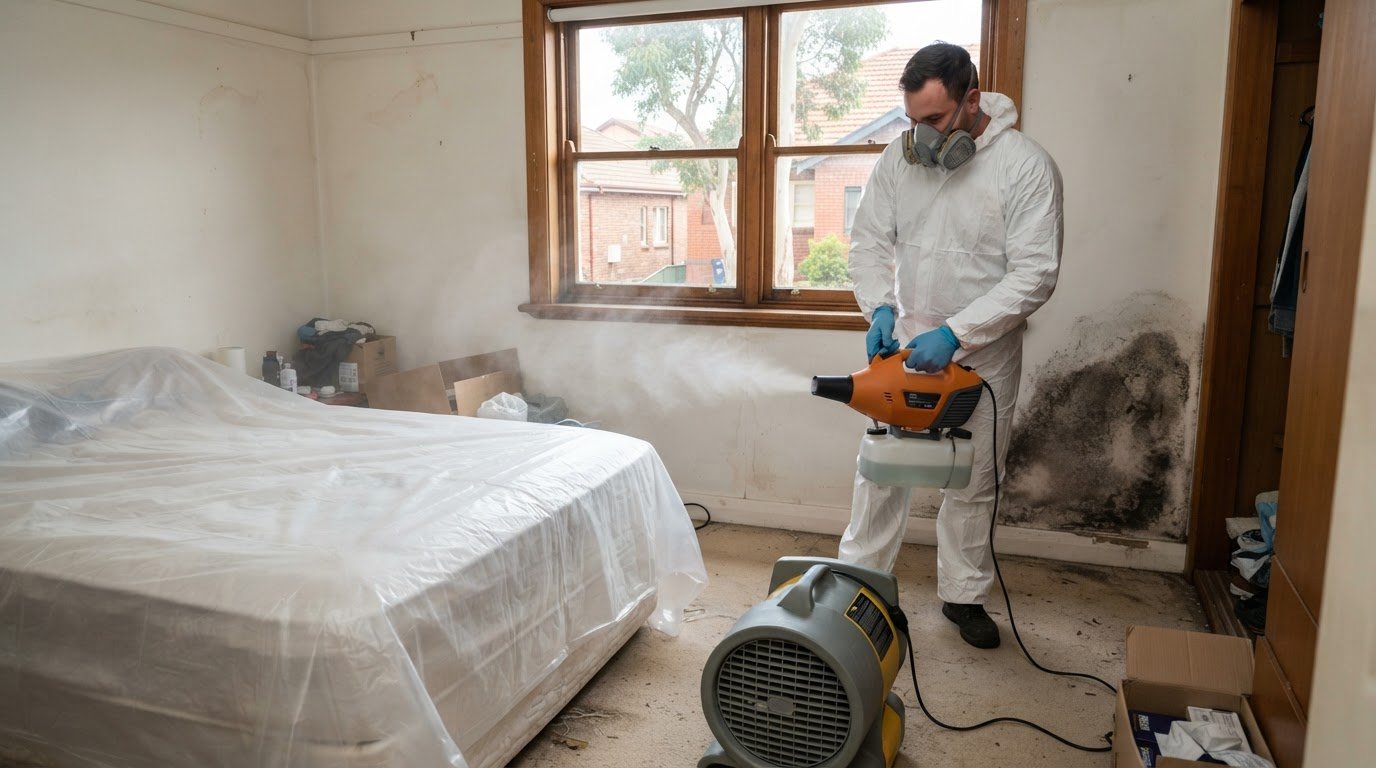
ABC Mould Cleaning Solutions can help when mould keeps returning, affects several areas or appears linked to dampness. Its Mould Inspection Services assess affected areas, while Mould Remediation addresses mould on surfaces and airborne spores. Air Purification & Scrubbing can support remediation when airborne spores are a concern.
For a rental handover, an inspection can help clarify the extent of the mould and identify areas needing attention. Share its location and relevant observations, such as recurring growth near a bathroom or window. This gives the team useful context to assess the property and plan appropriate work.
If you’d like help with a mould concern before returning the keys, contact ABC Mould Cleaning Solutions.
Make the handover your next clear step
The final clean should close out your tenancy, not obscure an unresolved moisture problem. Before access ends, consider whether the mould is limited to a surface or keeps returning in the same area. That distinction can help you decide whether cleaning is the only task or whether the dampness also needs attention. Keep communication with the property manager clear and focused on what you observed.
If you find a fresh patch, note its location and condition before cleaning. If it appears near a leak or persistent dampness, report the concern rather than treating it solely as a cleaning issue. A clear handover record helps keep the mould concern separate from unrelated marks or cleaning tasks.
Plan the final mould clean before handing back keys around the property’s condition and any outstanding concerns, not only the inspection date. If recurring or widespread mould makes the next step unclear, professional advice can help you decide how to proceed. Discuss your mould concern with ABC Mould Cleaning Solutions and move towards handover with a clear plan.
Frequently Asked Questions
Is it better to clean before or after the final inspection?
Clean before the final inspection, while you still have access to the rental. This gives you a chance to review the property and address overlooked areas before the inspection. If the inspection time is fixed, plan the clean around it and leave time for a final walkthrough. Prioritise areas named in your tenancy documents, such as bathroom grout or a balcony included in the agreement.
Can you collect the keys again to finish cleaning?
Only return after the property manager or landlord approves access. Once you’ve handed back the keys, don’t assume you can collect them or enter independently. Request written approval and agree on an access time before arranging another clean. Keep the approval with your tenancy records. If access isn’t approved, ask the property manager to explain the reported cleaning issue and the next steps.
What if the inspection happens after the keys are returned?
If an inspection identifies a cleaning concern after handover, ask the property manager to describe the issue and its location in writing. Respond promptly where possible, and keep the conversation focused on the specific item. For example, clarify whether the concern is mould on shower grout or a separate damp patch. Returning the keys and resolving the bond are separate steps, so keep relevant correspondence and records.
What does a final mould clean before handing back rental keys include in Australia?
A final clean includes checking for visible mould on relevant surfaces, especially bathroom grout, shower areas and window surrounds, then cleaning suitable surfaces and drying them completely. The exact clean depends on the property, tenancy documents and condition report. A recurring patch or mould linked to dampness may need more than surface cleaning. Don’t treat a routine clean as a substitute for reporting a leak or other disrepair.
What evidence should tenants collect after cleaning mould before returning the keys?
Keep dated photographs of affected areas before cleaning and of the finished surfaces afterwards. Add the entry and exit condition reports, written notices about mould or leaks, access approvals and any cleaner’s invoice. For useful comparisons, photograph the same area from a similar angle and retain the original files. Keep messages with the property manager alongside these records to make the timeline of reporting, cleaning and inspection clear.