A quick wipe can clear visible mould without resolving the dampness behind it. For bedroom mould removal in Sydney, professional help is worth considering when the affected area is larger than roughly one square metre, the mould keeps returning, or there are signs of moisture behind walls or furniture.
It’s understandable to weigh the cost carefully, especially when mould affects the room where you sleep. The right approach depends on the extent of the growth, the materials affected and the underlying moisture. A quote should reflect the work the bedroom needs, rather than assume a one-size-fits-all price.
This guide explains what professional removal can involve, what shapes the scope of work and when remediation makes sense. It also covers practical ways to improve airflow and reduce the chance of mould returning, helping you decide what to do next.
Key Takeaways
- Improve bedroom airflow by opening the window daily and leaving space between furniture and external walls.
- Look beyond visible patches: dampness, poor ventilation and affected materials can all influence whether mould returns.
- Professional removal is worth considering when mould covers more than roughly one square metre or keeps coming back.
- A professional service can include inspection, mould removal, air purification and recommendations to help prevent further growth.
- Address the moisture source as well as the visible mould to reduce the risk of recurrence.
Preventing mould with ventilation and dehumidification
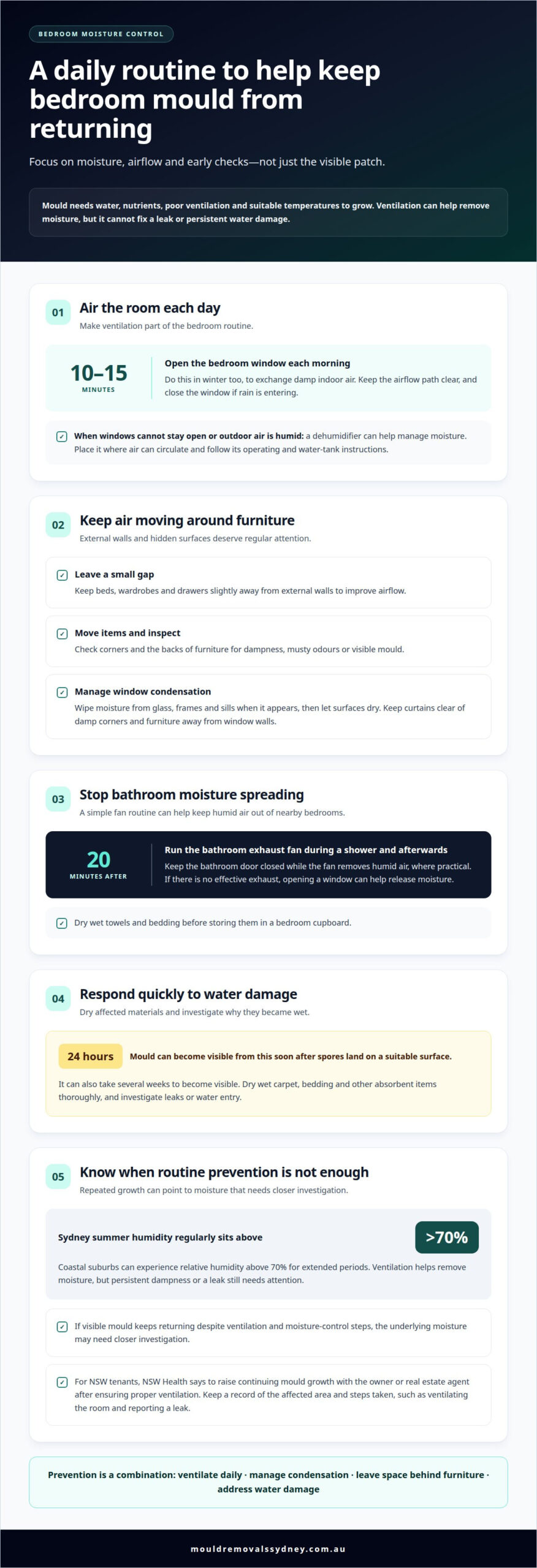
Moisture control is the first step in preventing bedroom mould from returning. Mould needs water, nutrients, poor ventilation and suitable temperatures to grow. In Sydney, summer humidity regularly sits above 70%, while coastal suburbs can experience relative humidity above 70% for extended periods. Ventilation helps remove moisture, but it cannot fix a leak or persistent water damage.
Build a simple daily routine. Open the bedroom window for 10-15 minutes each morning, including in winter, to exchange damp indoor air. Keep the airflow path clear, and close the window if rain is entering. A dehumidifier can help manage moisture when outdoor air is humid or windows cannot stay open. Place it where air can circulate, and follow its operating and water-tank instructions.
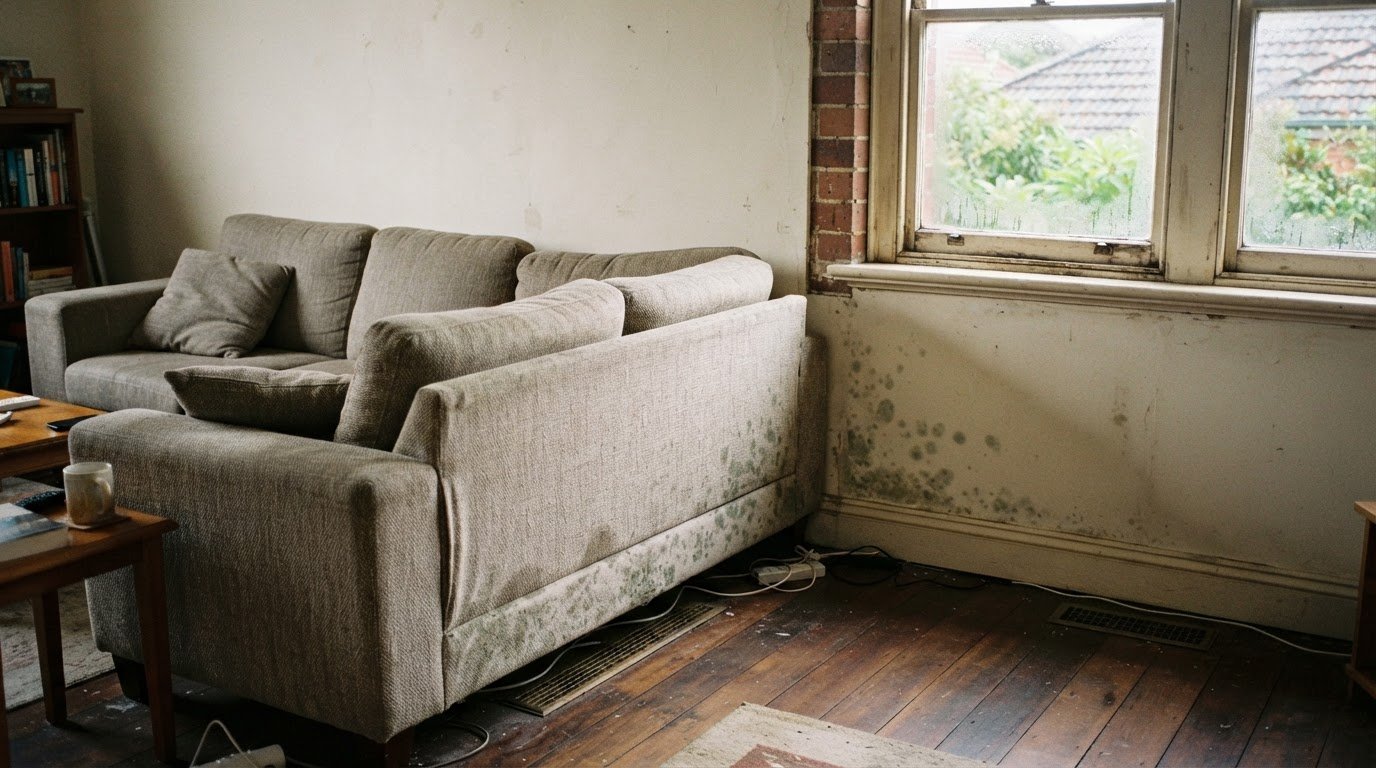
Condensation often collects behind beds, wardrobes and drawers against external walls. Leave a small gap between furniture and the wall, and move items periodically to inspect the surface. This improves airflow and makes early signs easier to spot. Check corners and furniture backs for dampness, musty odours or visible mould.
Pay regular attention to windows too. Wipe condensation from the glass, frames and sills when it appears, then let the surfaces dry. Keep curtains clear of damp window corners and avoid pushing furniture against window walls. If mould appears around a sill, look for ongoing moisture rather than repeatedly wiping the patch without addressing its source.
For bathrooms, run the exhaust fan during a shower and for 20 minutes afterwards. Keep the bathroom door closed while the fan removes humid air, where practical, so moisture does not spread into nearby bedrooms. If the bathroom has no effective exhaust, opening a window can help release moisture. Dry wet towels and bedding before storing them in a bedroom cupboard.
Act quickly after water damage. Dry wet carpet, bedding and other absorbent items thoroughly, and investigate the cause of leaks or water entry. Mould can become visible from 24 hours to several weeks after spores land on a suitable surface. Drying the affected materials and correcting the moisture source reduces the chance of new growth.
For NSW tenants, NSW Health says that if mould continues growing after tenants have ensured proper ventilation, they should raise the issue with the owner or real estate agent. Keep a record of the affected area and the steps taken, such as ventilating the room and reporting a leak, to make the concern clear.
Prevention works best as a combination: ventilate daily, manage condensation, leave space behind furniture and address water damage. If visible mould keeps returning despite these steps, the underlying moisture may need closer investigation.
What does a mould cleaning service include?
Bedroom mould removal should assess the affected room, treat contaminated surfaces and consider the source of moisture. The work depends on whether mould affects a painted wall, carpet, furniture or several materials.
Room assessment and treatment process
An assessment identifies visible mould, affected materials, dampness and possible moisture entry. For instance, staining behind a wardrobe may point to a different issue than mould on a window frame. The findings help determine which surfaces need treatment and whether further inspection is appropriate.
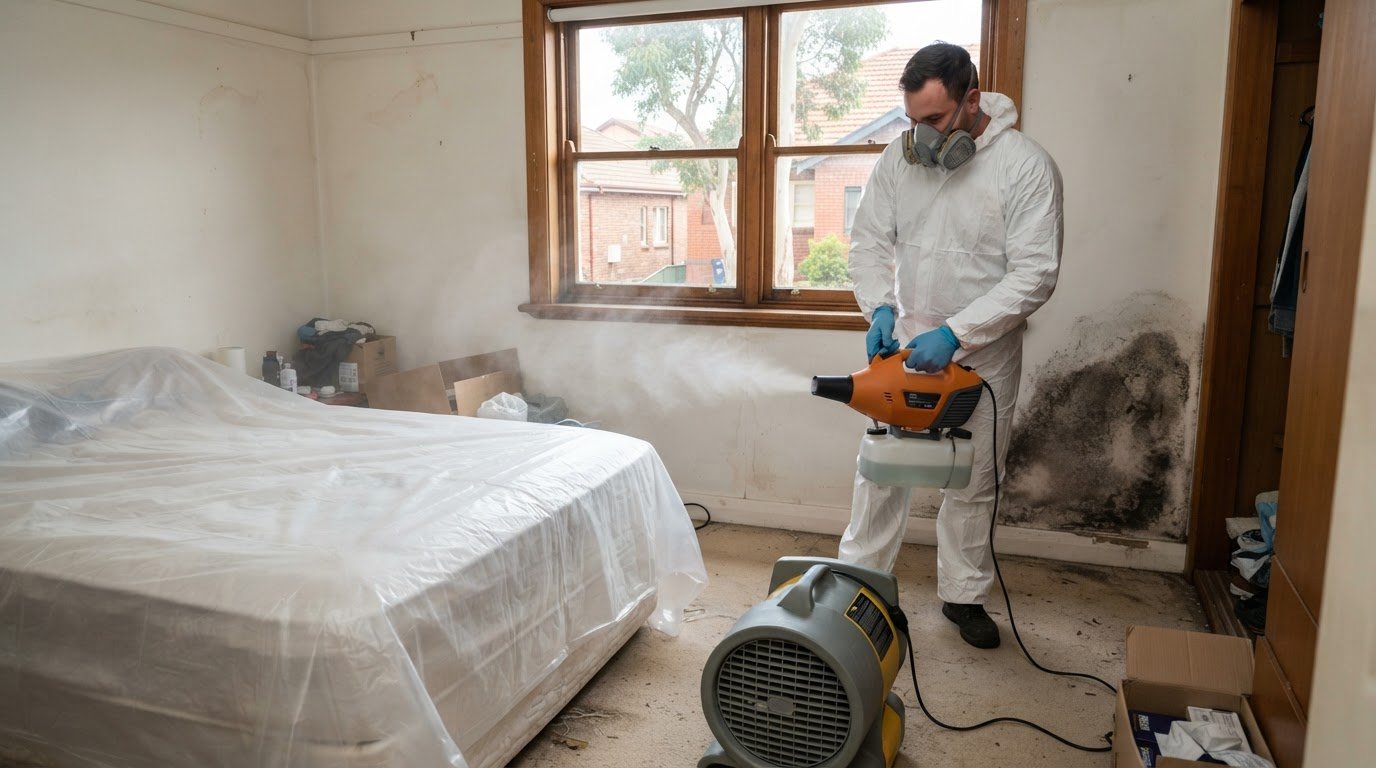
Cleaning then targets the identified areas, with measures to limit mould spores spreading during work. Air scrubbing machines may operate 24 hours a day during remediation. Customer accounts also show why expectations matter: one person reported leaving their unit for five hours while work was carried out.
Treated surfaces and contents
Treatment may cover walls, ceilings, window frames, carpet, furniture and other affected bedroom contents. The method depends on the material and its condition. A hard surface may be treated in place, while porous items need closer assessment because mould or moisture can extend below the visible surface.
Carpet removal may be considered if contamination or dampness has affected the carpet and underlay. Cleaning only the visible patch can leave the underlying problem untouched. An inspection helps distinguish surface marks from broader contamination and assess whether contents can be treated or need removal.
Occupant access during treatment
Whether occupants can stay depends on the treatment method, work area and precautions. Follow the instructions for the specific job, including any advice about leaving the room or restricting access while equipment operates.
Customer experiences after treatment vary. One customer returned three hours after completion and noticed a faint residual bleach smell; another reported a slight bleach-type smell a week later. These accounts don’t predict what to expect after every job. Ask about re-entry guidance and ventilation for the treatment being used.
Safety, health and repair considerations
For small cleaning tasks, wear gloves, eye protection and a well-fitted mask, and avoid disturbing dry mould. Mould may cause health issues, particularly for people with asthma or allergies. Keep children away from the work area, especially during cleaning that may disturb spores.
In a Sydney rental, NSW Health advises tenants to raise continuing mould growth with the owner or real estate agent after ensuring proper ventilation. Surface cleaning isn’t a substitute for building repairs where persistent leaks, damp materials or structural damage are present. Mould can damage a house, so an inspection can help identify whether the source needs attention beyond cleaning.
If recurring growth or hidden dampness complicates the assessment, professional mould inspection can help clarify which surfaces and moisture issues need attention.
Is professional mould removal worth the cost in Sydney?
Professional treatment can be worthwhile when bedroom mould covers more than roughly one square metre, keeps returning, or affects materials beyond a washable surface. A small, isolated patch may be manageable with careful cleaning, but a spreading area or recurring growth calls for attention to moisture and mould spores, not just visible marks. The decision depends on the affected area, material, access and likely cause.
For a practical guide, a Level 1 infestation is described as covering less than one square metre. A Level 3 infestation involves an area exceeding 10 square metres or significant structural contamination. These descriptions help convey the difference between a contained patch and extensive contamination. They aren’t a substitute for assessing the room: a smaller patch may still need investigation if it returns or follows water damage.
There isn’t one fixed cost for every Sydney bedroom. The price depends on the circumstances and is provided after a quote request. Key factors include the size of the affected area, the number and type of surfaces, access to contaminated spaces, and whether the work involves inspection, treatment or moisture-related damage. A wall patch and damp carpet with affected underlay, for example, require different scopes of work.
Professional help can also distinguish between service needs. Mould Inspection Services assess where growth is present and what may be contributing to it. Mould Remediation addresses contamination through a planned treatment process. If mould is visible across bedroom walls, carpet and furniture, the scope needs to account for each material rather than treat one surface and assume the whole room is clear.
Sydney and its surrounding regions include a variety of homes and building conditions. An older terrace, for example, may have different moisture pathways from a newer apartment. The service area is Sydney and surrounding regions, but the work required depends on the property and affected room. A treatment suited to one building may not suit another.
To judge value, compare the proposed scope with the problem you need solved. Does it identify the affected materials, describe the treatment, and address the suspected moisture source? A quote focused only on visible mould may not cover dampness beneath carpet or behind furniture. If growth is larger than roughly one square metre, recurring, or linked to structural contamination, professional assessment and remediation can provide a more complete response than repeated surface cleaning.
Removing mould from bedroom walls and behind furniture
Mould on a wall may be only the visible part of a wider moisture problem. Check the affected surface, nearby ceiling and bedroom contents before choosing a cleaning method.
Wall, ceiling and contents treatment
Start by noting where growth appears: on a bedroom wall, ceiling corner, window reveal or nearby item. Check for bubbling paint, damp plaster or a musty smell that remains after airing the room. These signs can help distinguish surface marks from material damage that may need more than routine cleaning.
For small areas on suitable surfaces, full-strength vinegar kills around 80% of mould species. The recommended approach for walls and ceilings is to leave undiluted vinegar on mould for at least an hour, then clean the treated area. Test a small, inconspicuous patch first, because liquids can affect paint and finishes. Don’t assume bleach or another surface product has resolved moisture inside a wall.
Inspect bedroom contents too. Check the backs of bedside tables, fabric headboards and stored clothing for dampness or visible growth. Hard, non-porous items may be easier to clean than absorbent materials, where mould can extend beyond the visible patch. If plaster, paint or furniture remains damp or damaged, identify the moisture source before repeating surface treatment.
Mould behind furniture
Carefully move the bed, wardrobe or drawers to expose the wall and floor behind them. Mould can develop in these hidden spaces when airflow is restricted and condensation persists. Check skirting boards, external walls and furniture backs, not just the centre of the visible patch. Photographing the area before cleaning can help track whether growth spreads or returns.
After treating a surface, let it dry thoroughly before moving furniture back. Keep furniture a small distance from external walls to improve airflow, and avoid packing items tightly into damp corners. If mould extends beneath carpet, into plaster or across several surfaces, seek a deeper assessment rather than repeatedly wiping it.
Identifying black mould on walls
Black marks describe colour, not a confirmed mould type. Growth may look dark, spotty or smudged, but appearance alone can’t identify its species. Check whether the patch is expanding, returning after cleaning, or accompanied by dampness and a persistent musty odour. These clues matter more than colour when deciding whether closer inspection is needed.
A small, isolated patch on a sound, washable surface may suit careful cleaning. Extensive or recurring growth, damaged plaster, or mould continuing inside a wall calls for professional assessment and remediation. Avoid dry brushing, which can disturb mould and spread spores around the bedroom. Address the moisture source as well as the visible mark, or the same area may grow again.
Bedroom mould removal and remediation
Bedroom remediation addresses visible growth and the conditions that support it. A prompt inspection helps establish where mould is present, which materials are affected and whether moisture may be entering from elsewhere.
Professional mould remediation typically takes between 1 and 5 days. The timeframe depends on the affected area, the materials involved, access and the drying required. A bedroom with mould on one accessible surface needs a different work plan from a room with contaminated carpet, wall cavities or water-damaged contents.
An inspection considers the bedroom as a connected space, not just a patch on a wall. It can include walls, ceilings, carpet, furniture, window areas and signs of moisture. This matters because mould may be visible in one place while the conditions enabling it occur elsewhere. A persistent musty odour may also warrant investigation, even if growth isn’t obvious.
The treatment plan should match the materials. Remediation may involve cleaning affected surfaces, managing airborne spores and drying damp areas. Air scrubbing and dehumidification may form part of the process where the room’s condition calls for them. Industrial-grade dehumidifiers are used in Sydney remediation for 48 to 72 hours in some cases. Drying helps address moisture, but it doesn’t repair a leak or another source of water entry.
Moving furniture and belongings can reveal concealed mould and provide access to affected surfaces. Assess items before returning them to the bedroom, particularly if they’re damp or show visible growth. Carpet may need separate attention if moisture has reached the underlay. Treating only the wall above it could leave a source of recurring contamination in place.
After deep cleaning, keep an eye on the treated area. Visible mould patches may reappear 14 days after a deep clean, so renewed growth deserves attention rather than another quick wipe. Recurrence can indicate that moisture remains or that another affected material needs assessment. A follow-up visual check of walls, corners, carpet and furniture can help identify changes early.
Remediation is most useful when it connects inspection, treatment and moisture management. That joined-up approach matters in bedrooms because occupants may spend 6-8 hours during sleep in the room. If mould is extensive, keeps returning or appears alongside damp materials, arrange an assessment promptly instead of relying on repeated surface cleaning.
For a bedroom with recurring or widespread growth, arrange professional mould remediation to assess the affected room and determine the appropriate treatment.
ABC Mould Cleaning Solutions
ABC Mould Cleaning Solutions can help when bedroom mould keeps returning, affects several surfaces or appears linked to hidden moisture. Its process can combine inspection, mould remediation and air purification, with recommendations to help reduce future growth.
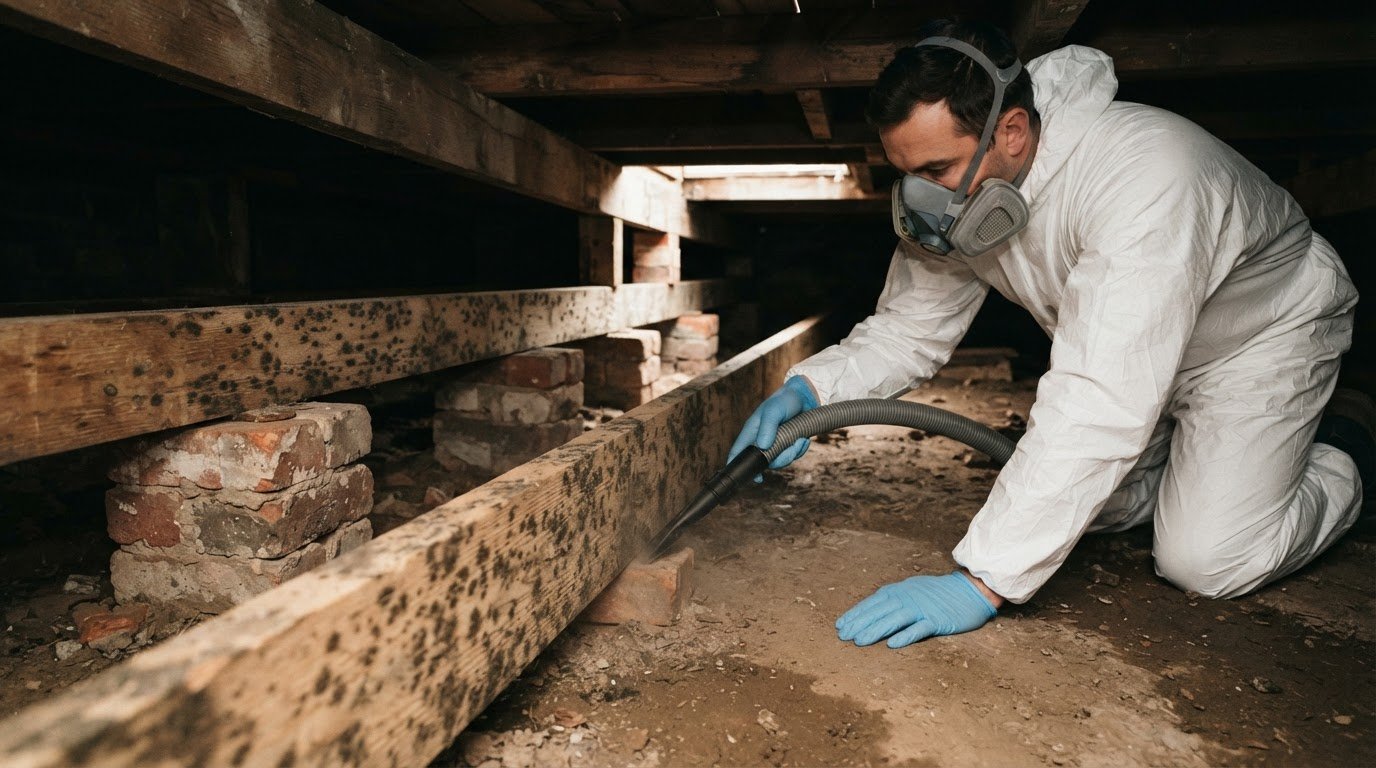
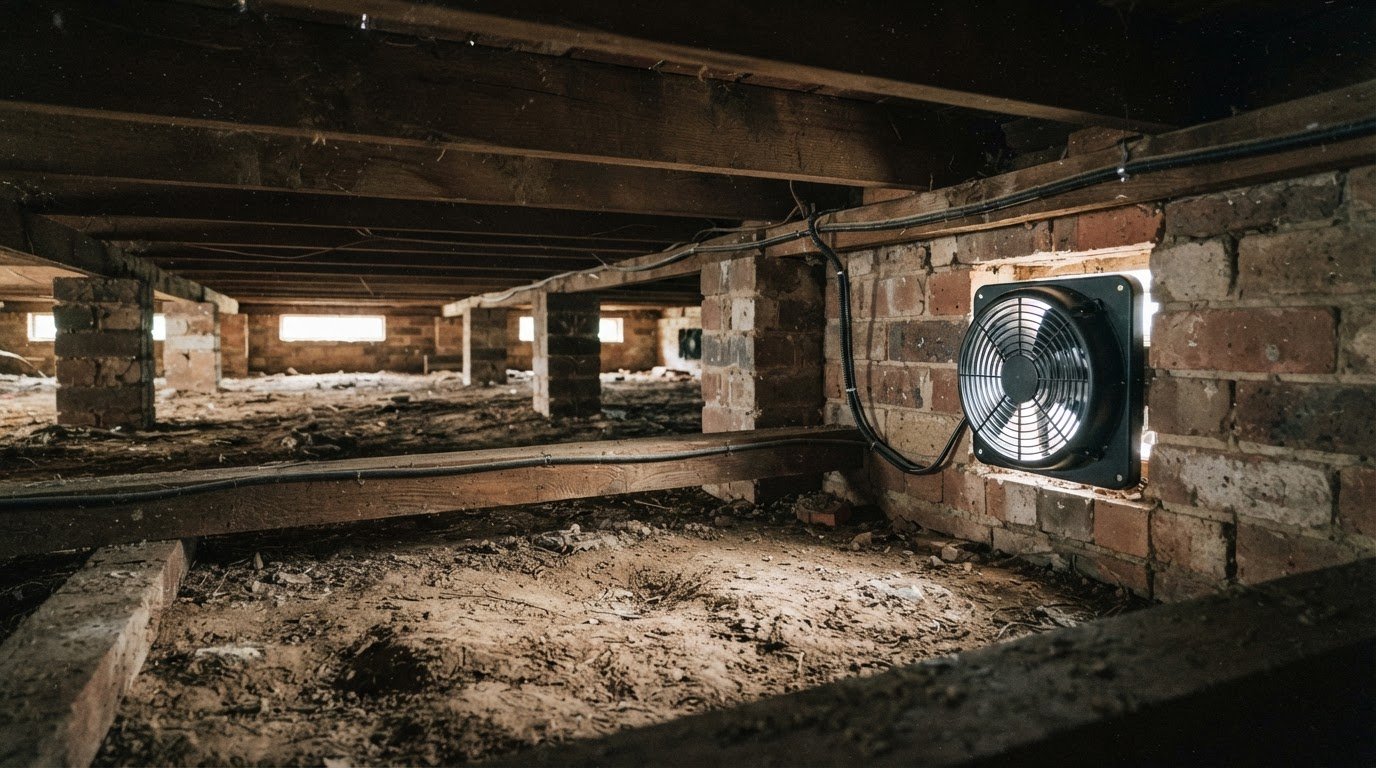
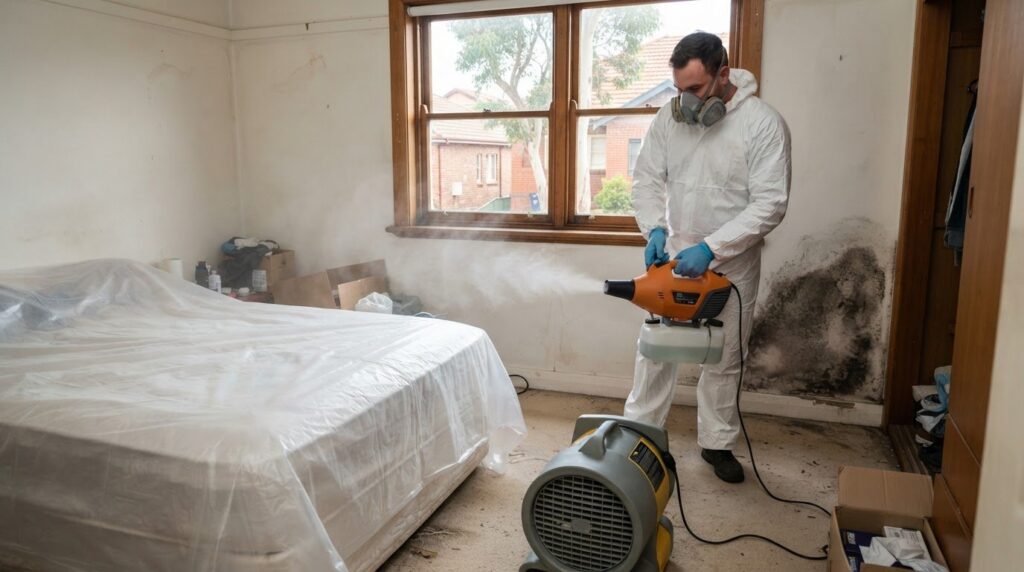
The team uses the Goldmorr System, a biodegradable fogging process designed to address surface mould and airborne spores. Goldmorr products are applied only by Goldmorr-approved and trained master technicians. An inspection helps identify affected areas and guide treatment, rather than focusing only on visible patches. If dampness beneath the bedroom or in a subfloor contributes to the problem, subfloor ventilation may also be relevant.
For persistent or widespread bedroom mould, contact ABC Mould Cleaning Solutions to discuss the issue and next steps.
Take the next step towards a clearer bedroom
Before deciding what to do, note where mould appears, which materials are affected and whether it returned after cleaning. These details give an assessment a useful starting point. For professional bedroom mould removal in Sydney, the next step is understanding the room’s specific needs, not treating every patch as the same problem.
ABC Mould Cleaning Solutions provides Mould Inspection Services and Mould Remediation, with Air Purification & Scrubbing available as part of its offerings. This can help address visible growth and indoor-air concerns, while an inspection considers the affected areas and appropriate response. The aim is a considered plan for the bedroom, rather than guesswork.
If mould is recurring or you’re unsure how far it extends, contact ABC Mould Cleaning Solutions to discuss your bedroom. A clear next step can make the problem feel more manageable.
Frequently Asked Questions
Can I stay in my house during the mould remediation process?
Whether you can stay depends on the treatment method, work area and access instructions for your job. Keep children and pets away from the active work zone, and follow directions about room entry and ventilation. ABC Mould Cleaning Solutions states that all treatments are safe for pets, people, and the environment. Its Goldmorr System uses a biodegradable fogging process, applied only by Goldmorr-approved and trained master technicians. Goldmorr has supplied mould-removal solutions since 1998.
Does home insurance cover the cost of mould removal in NSW?
Home insurance cover for mould in NSW depends on your policy wording and the circumstances that caused the damage. A gradual moisture issue and a sudden water event may be treated differently under individual policies, so don’t assume either is covered. Photograph affected rooms and belongings, keep records of when you noticed the problem, and review your policy’s claim process before arranging work that could affect the evidence.
What is mould?
Mould is a type of fungus that grows through tiny structures and releases spores into the air. It can develop on materials such as walls, carpet, wood, paper and clothing when moisture and suitable conditions are present. A visible patch shows growth on a surface, but mould may also be concealed behind furniture or within damp materials. Colour alone doesn’t identify the mould species.
Why does mould keep coming back in my Sydney home?
Mould often returns because moisture remains, even after visible growth has been cleaned away. A patch may reappear near a leaking window, damp carpet or wall that stays wet behind a wardrobe. Recurrence in the same spot is a useful clue: note where it returns and whether nearby materials feel damp. Treating the growth without addressing the moisture source leaves the conditions for regrowth in place.
What causes mould in bedrooms in Sydney homes?
Bedroom mould develops when moisture combines with surfaces and conditions that support growth. Common examples include window condensation, dampness after water damage, humid air or limited airflow behind furniture. A leak can also affect carpet, plaster or stored belongings. In Sydney, coastal humidity can contribute to indoor moisture, but the likely cause in a particular bedroom depends on where dampness appears and how the room is used.
How to safely remove bedroom mould in Sydney?
For a small patch on a suitable surface, protect your hands and eyes, wear a well-fitted mask, and avoid dry brushing or scraping mould. Clean gently using a method suited to that material, then dry the area and address the moisture source. Don’t disturb extensive growth or damp, damaged materials. If mould covers several surfaces, keeps returning or may extend inside walls, arrange an inspection instead of repeating surface cleaning.
When should you hire a professional mould removal service in Sydney?
Arrange professional help when mould keeps returning, affects several materials, follows water damage or appears to extend beyond the visible surface. An inspection can assess the affected areas and possible moisture source, helping determine whether cleaning alone is appropriate. ABC Mould Cleaning Solutions offers Mould Inspection Services and Mould Remediation. Mycotoxin testing referrals are also available as an optional service for situations where that referral is sought.
How much does professional mould remediation cost in Sydney?
The cost depends on the affected area, materials, access and work required, and is provided after a quote request. ABC Mould Cleaning Solutions offers same-day quotes via photo assessment for many cases. It also states, “We Will Beat Any Written Quote By 10%.” Ask for a quote that explains the proposed scope, including which surfaces need treatment and whether moisture-related work is involved.