Mould alone doesn’t automatically end a tenancy. In NSW, breaking a lease due to mould may be an option if the premises become wholly or partly uninhabitable: under section 109 of the Residential Tenancies Act 2010, a tenant may give an immediate termination notice in that situation, except where it results from a breach of the tenancy agreement.
It’s understandable to want to leave when damp and mould affect your home, but the cause, severity and landlord’s response matter. This guide explains who is responsible for addressing mould, what to report and document, and when repairs may be urgent. It also outlines how compensation or a rent reduction may work and what to consider before ending a lease, so you can better understand your rights and options.
Key Takeaways
- Responsibility for mould depends on its cause: building defects and inadequate ventilation can point to landlord repairs, while moisture buildup linked to tenant behaviour may affect responsibility.
- Report mould and damp in writing as soon as you notice them, and keep records such as photos, repair requests and responses.
- Act promptly when a leak or safety issue is involved. Whether a repair is urgent depends on the fault and its effect on the property’s safety and habitability.
- Severe mould may support ending a tenancy if the premises become wholly or partly uninhabitable, but leaving without following the legal process can expose you to a break fee.
- Depending on the circumstances, tenants may seek a rent reduction or compensation for losses; evidence of the mould, its effects and the landlord’s response can matter.
Who is responsible to treat mould?
Responsibility depends on what caused the mould and whether the landlord or tenant acted on the problem. NSW residential tenancies law sets out landlord obligations for repairs and habitable premises.
Landlord and Tenant Responsibilities
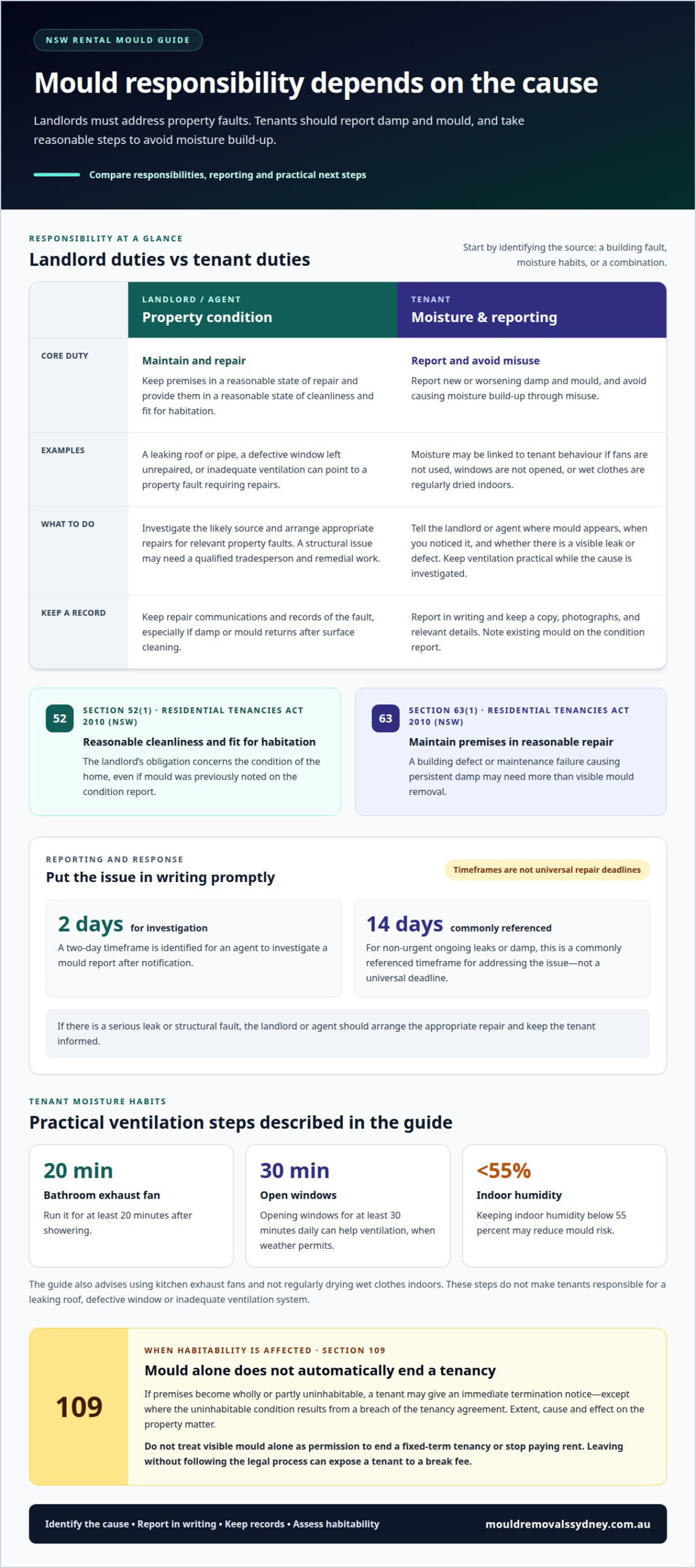
Responsibility for mould is shared: landlords must address property problems, while tenants must report mould and avoid causing moisture build-up through misuse. Identifying the cause helps clarify what repairs are needed and who may be responsible. For example, mould linked to a building fault raises different issues from moisture that builds up because a bathroom fan is not used.
A landlord’s repair obligation does not end because mould appears on the condition report. Landlords must keep the rental property in a reasonable state of repair, including when the report records existing mould. Tenants should still report new or worsening damp and mould during the tenancy, so the cause can be investigated and the problem addressed before it spreads.
Mould Caused by Property Defects
When mould results from a building defect or maintenance failure, the landlord is responsible for arranging the necessary repairs. Examples include a leaking roof or pipe, a defective window left unrepaired, or inadequate ventilation. These faults can cause persistent dampness, so removing visible mould alone may not resolve the underlying problem.
If a structural problem is involved, the landlord or agent should arrange repairs by a qualified tradesperson and may need remedial work to restore the affected area. A written report from the tenant helps identify the location and visible signs of the problem. Keep records of the fault and repair communications, especially if damp or mould returns after surface cleaning.
Habitable Rental Premises
Under section 52(1) of the Residential Tenancies Act 2010 (NSW), landlords must provide residential premises in a reasonable state of cleanliness and fit for habitation. Section 63(1) requires landlords to maintain premises in a reasonable state of repair. These obligations apply to the condition of the home, not simply whether a tenant previously noted mould.
Mould may indicate a serious underlying issue if it stems from structural defects, plumbing problems or inadequate ventilation. The landlord must address relevant property faults and maintain the premises. Whether mould affects habitability depends on its extent, cause and effect on the property. These details also matter when deciding whether the home remains suitable to occupy.
Reporting and Repair Timeframes
Notify the landlord or property manager in writing as soon as you notice mould or damp. Describe where it appears, when you noticed it, and any visible leak or defect. Keep a copy of your message and photographs. This creates a clear record and helps the agent investigate the likely source.
An agent should investigate a mould report without delay; a two-day timeframe is identified for that investigation after notification. For non-urgent ongoing leaks or damp, 14 days is a commonly referenced timeframe for addressing the issue, not a universal repair deadline. If the cause is a serious leak or structural fault, the landlord or agent should arrange the appropriate repair and keep the tenant informed about the response.
Tenant obligations to ventilate and report mould
Mould can cause respiratory illness and other serious health problems. If conditions make the premises wholly or partly uninhabitable, section 109 of the Residential Tenancies Act 2010 (NSW) allows a tenant to give an immediate termination notice, except where the uninhabitable condition results from a breach of the agreement.
Tenants can reduce avoidable moisture by using bathroom and kitchen exhaust fans, opening windows when weather permits, and not regularly drying wet clothes indoors. Run the bathroom exhaust fan for at least 20 minutes after showering. Opening windows for at least 30 minutes daily can also help ventilation, while keeping indoor humidity below 55 percent may reduce mould risk.
These steps don’t make tenants responsible for a leaking roof, defective window or inadequate ventilation system. However, mould may be attributed to tenant behaviour if moisture builds up because fans aren’t used or windows aren’t opened. Record any existing mould on the condition report, and promptly notify the landlord or agent if new dampness or growth appears. State where it is developing and note relevant circumstances, such as condensation that persists despite ventilation.
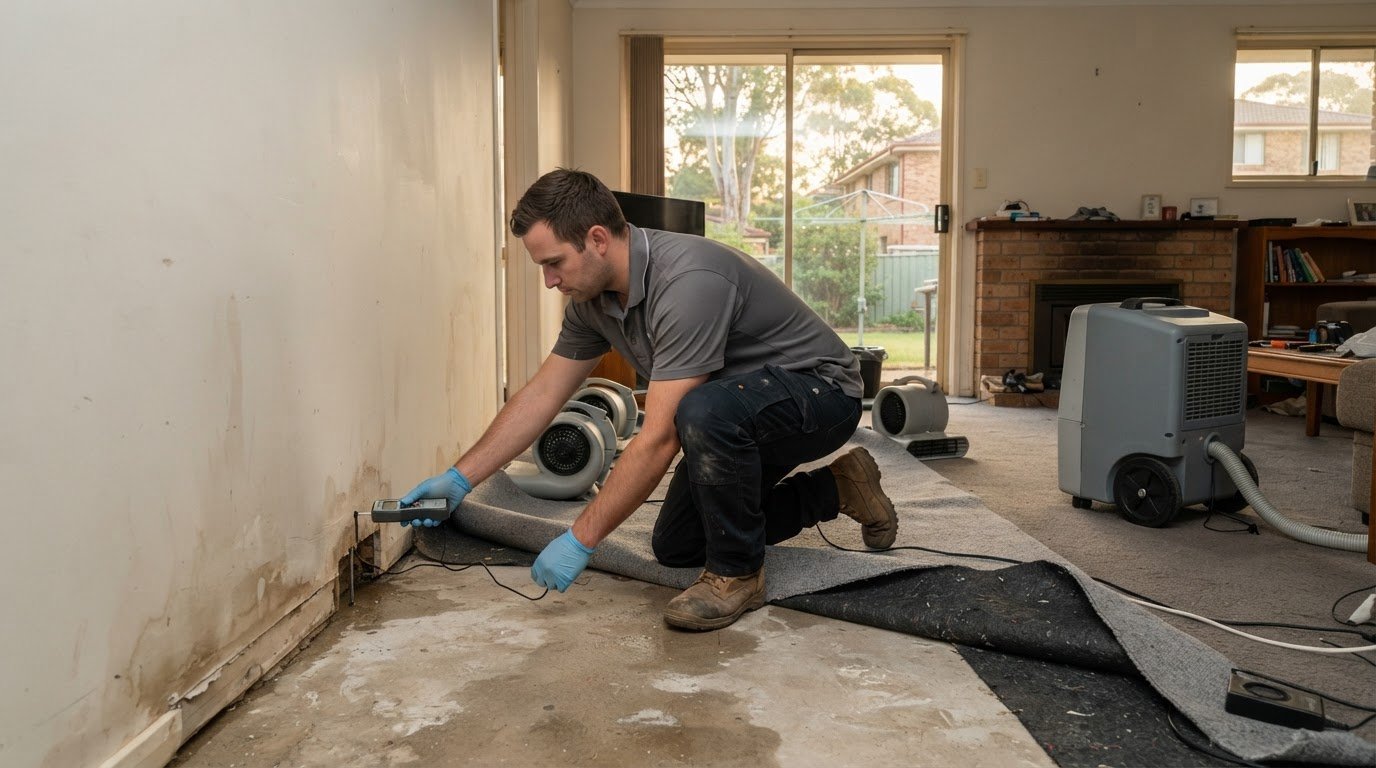
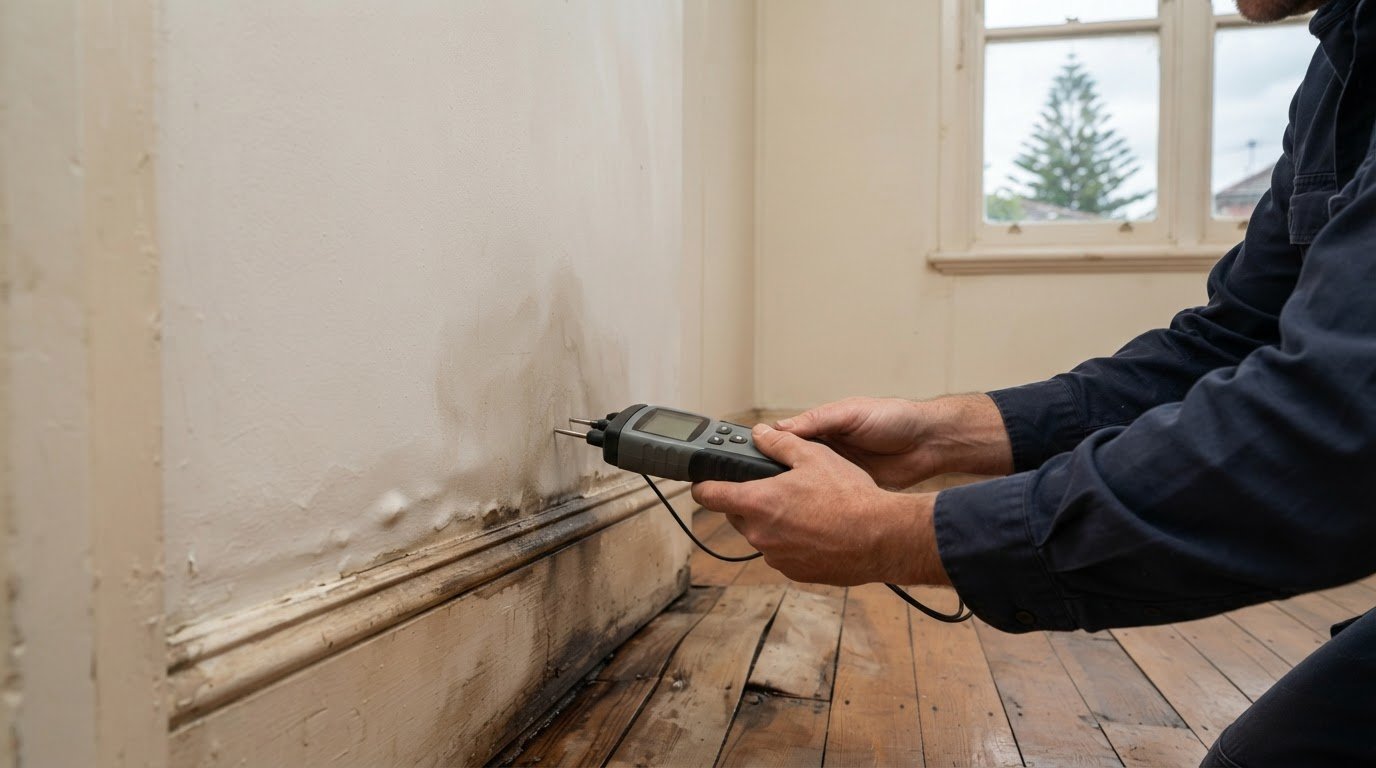
Keep your actions consistent while the landlord investigates. Use fans, ventilate rooms where practical, and avoid leaving wet clothes indoors for extended periods. These details can help clarify whether mould is linked to a building defect, moisture habits, or both. If the source or extent is unclear, a professional mould inspection can help identify affected areas and potential causes.
Don’t treat visible mould alone as permission to end a fixed-term tenancy or stop paying rent. If you’re considering early termination, get advice from the Tenants Union of NSW or a tenancy advocate before taking action that could breach the agreement.
Leave and consider formal termination only where the legal conditions are met, including premises becoming wholly or partly uninhabitable under section 109. For health advice about mould, call a local Public Health Unit on 1300 066 055. If the home remains habitable, report the problem and pursue repairs rather than assuming mould alone ends the tenancy.
Is mould considered an urgent repair in NSW?
Mould isn’t automatically an urgent repair in NSW. Urgency depends on the cause and whether the fault makes the rental unsafe or creates health risks.
Reporting and Requesting Repairs
Send the landlord or agent a written repair request describing the mould, affected rooms, visible moisture and any suspected leak. Include dated photographs and keep a copy of your message. A clear report establishes when the problem was raised and gives the agent information to investigate.
Ask for the source of moisture to be assessed, not only the visible mould cleaned. For example, recurring growth near a ceiling may need investigation for a roof leak. If the agent doesn’t respond, send a second written request and ask for a response within 14 days. Keep the request and any reply together.
Mould and Urgent Repairs
A mould issue may involve an urgent repair if a fault makes the property unsafe or creates health risks. A burst pipe, serious leak, or other unsafe fault can require urgent action. In those cases, the landlord must respond within 24 to 48 hours. A small patch of mould without an urgent underlying fault won’t automatically meet that test.
Describe any immediate hazard in your report. For example, explain if a serious leak is soaking a wall and mould is developing nearby. If mould affects common property in a strata building, report it in writing to the strata manager or self-managing owners corporation. The location matters because the building’s common-area repair process may apply.
Breach Notices and Repair Applications
If the landlord doesn’t address a non-urgent repair request, a formal breach notice can give them a further 14 days to deal with the mould issue. State the repair problem clearly and retain a copy of the notice and delivery record. The notice creates a documented step before escalating a repair dispute.
If repairs remain outstanding after the applicable deadline, a tenant can apply to the NSW Civil and Administrative Tribunal for orders relating to repairs. Applications about repairs, compensation for losses, or rent paid during disrepair must be made within 3 months of the landlord missing the repair deadline. Keep photographs, requests, notices, and responses to show the timeline.
For process information, NSW Fair Trading’s call centre is available on 13 32 20, Monday to Friday, 8:30am-5pm. A complaint or repair application is different from permission to stop paying rent; mould alone doesn’t authorise withholding rent. Keep meeting rent obligations while using the repair process, unless an agreement or Tribunal order changes what you must pay.
Breaking a lease because of mould
Severe mould may support ending a NSW tenancy, but mould alone doesn’t automatically release a tenant from the agreement. The key legal question is whether the premises have become wholly or partly uninhabitable.
Section 109 of the Residential Tenancies Act 2010 (NSW) allows a tenant to give an immediate termination notice if the premises become wholly or partly uninhabitable. An exception applies if the uninhabitable condition results from a breach of the tenancy agreement. That distinction matters: a tenant’s notice should rely on the condition of the home, not simply dissatisfaction with unresolved mould.
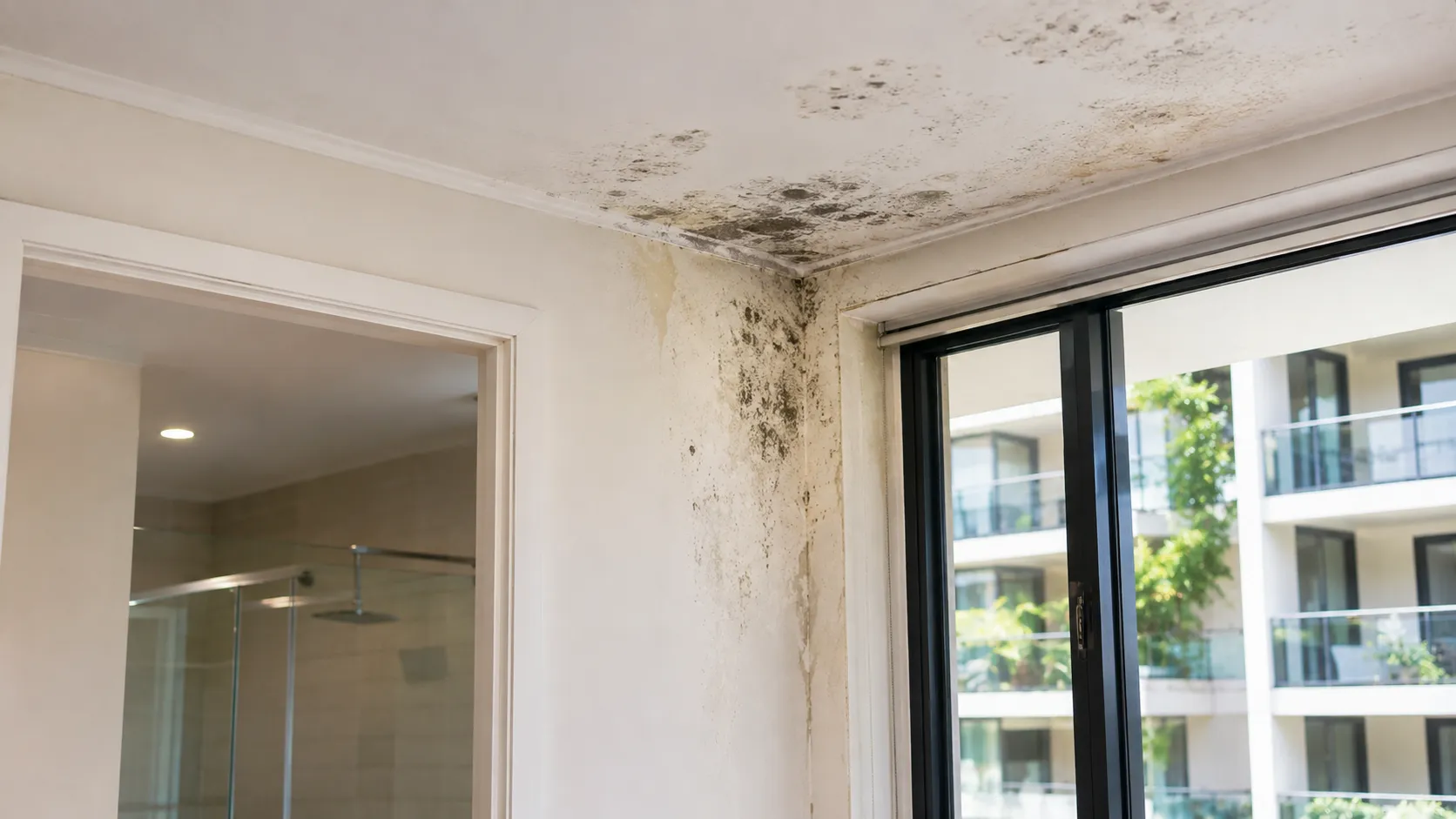
Consider how extensive the mould is and which areas it affects. Mould confined to one bathroom may have a different impact from severe growth across a bedroom, ceiling, carpet and insulation. The underlying cause matters too. A leaking roof, defective window or inadequate ventilation may point to a property problem, while moisture caused by a tenant’s conduct could complicate responsibility.
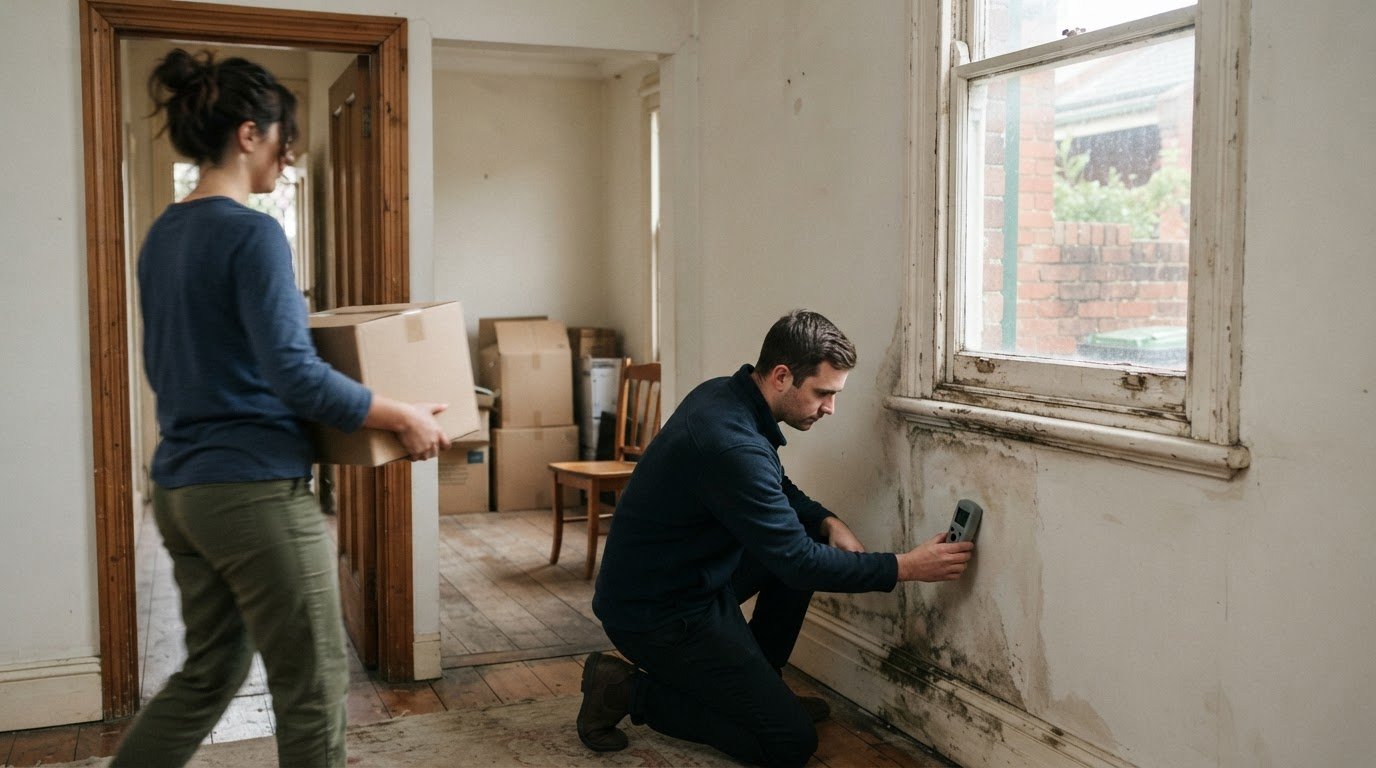
Evidence helps establish the property’s condition and the timeline. Keep dated photographs, copies of written repair requests, the landlord’s responses, and relevant inspection or repair records. Note which rooms are affected and whether the problem worsens or returns. If the mould appeared close to the start of the tenancy, record when, as this may indicate pre-existing damage.
The landlord’s response is relevant too. A tenant may have grounds to seek early termination if severe mould makes the home uninhabitable and the landlord fails to act after a reasonable opportunity to fix the problem. Written reports and follow-up messages can show when the landlord was notified and whether they had an opportunity to respond.
Before giving an immediate termination notice, compare the facts with section 109 and the condition of the premises. A repair delay or visible mould does not by itself establish that the property is uninhabitable. If the legal threshold isn’t met, leaving before the fixed term ends may be treated as an ordinary early termination, with a break fee potentially payable under the tenancy agreement.
Don’t stop paying rent just because mould is present. If you’re considering breaking a lease due to mould in NSW, organise your evidence and get tenancy advice before acting. Records of the mould’s severity, its effects on the home, the likely cause and the landlord’s response can help distinguish an uninhabitability issue from a repair dispute.
Landlord obligations for mould in NSW rentals
In NSW, a landlord must maintain the rental property in reasonable repair and fit for habitation. The Residential Tenancies Act 2010 sets out these responsibilities, while the Residential Tenancies Regulation 2019 also governs tenancy rights. Mould can engage those duties when it results from building defects, inadequate ventilation, or maintenance failures. The cause matters: surface cleaning alone may not address a leaking roof or continuing dampness.
Adequate ventilation is one of the seven minimum standards rental properties must meet to be fit to live in. If a ventilation fault contributes to mould, the landlord may need to address the fault and arrange work to restore affected areas. The landlord’s obligation to maintain the property continues even if mould appears on the condition report. In your report, distinguish visible mould from suspected moisture sources, such as a leak or failed ventilation.
Reduced use of the premises may also affect rent. Mould may affect how much tenants can use the property and could be relevant to a rent reduction claim. The NSW Civil and Administrative Tribunal can order rent reductions during remediation and compensation for damaged belongings. Tenants seeking a rent reduction for disrepair must apply before the tenancy ends.
Tribunal decisions show how outcomes can reflect the affected rooms and duration. In Bunbury v Fletcher, tenants affected by mould received a 25% rent reduction. In Waller v Pacorp Holdings, the Tribunal awarded a 25% reduction for mould and inadequate ventilation, covering 64 weeks from October 2015 to January 2017. These decisions illustrate possible remedies, not automatic amounts for every rental dispute.
Compensation can cover separate losses. Keep evidence of damaged items, their condition and the link to mould. The outcome depends on the evidence and losses claimed.
For orders concerning repairs, compensation, or rent paid during disrepair, tenants must apply within 3 months of the landlord missing the repair deadline. Keep dated reports, photographs, repair records, and receipts together. A landlord’s failure to address a building defect may support a claim, but a Tribunal assesses the circumstances and evidence. Apply before the deadline, and seek a rent reduction before the tenancy ends.
ABC Mould Cleaning Solutions
ABC Mould Cleaning Solutions can help assess mould in a rental property and address the contamination, while tenancy decisions remain separate from remediation. If the source or spread is unclear, Mould Inspection Services can help identify affected areas and possible causes. Mould Remediation and Air Purification & Scrubbing address mould and airborne spores; Subfloor Ventilation System Installation may help where subfloor ventilation contributes to damp conditions.
These services can support tenants, landlords, or property managers dealing with persistent mould, but they don’t determine whether a tenancy is legally uninhabitable or can be ended. Keep repair notices and tenancy records separate from inspection and remediation records. For help assessing or treating mould in the property, contact ABC Mould Cleaning Solutions.
Choose your next step with confidence
If you’re weighing up breaking a lease due to mould in NSW, treat the tenancy decision and the property problem as separate issues. Write a short timeline of what’s happening: where mould remains, how the condition is changing and what outcome you need next. This gives you a clearer basis for deciding whether to pursue repairs, seek tenancy advice or plan a move.
Don’t let uncertainty about the lease delay action on persistent mould. A practical next step is to have the affected property assessed to clarify the source and extent of the problem. Keep that information with your tenancy records and use it to guide the next conversation.
Contact ABC Mould Cleaning Solutions to discuss the mould affecting your property. With clearer information about the problem, you can take the next step calmly and confidently.
Frequently Asked Questions
Can I break my lease because of mould in NSW?
Possibly, if mould makes the premises wholly or partly uninhabitable. Section 109 of the Residential Tenancies Act 2010 (NSW) allows an immediate termination notice in that situation, unless the condition resulted from a breach of the tenancy agreement. Mould by itself doesn’t automatically end the lease. Consider the severity, affected areas, cause, and landlord’s response before deciding whether the legal test applies.
How long does a landlord have to fix mould in NSW?
There isn’t one timeframe for every mould problem. For non-urgent ongoing damp or leaks, 14 days is a commonly referenced timeframe for addressing the issue. A serious leak or fault making the property unsafe may be an urgent repair, with a 24 to 48-hour response timeframe. These timeframes relate to different circumstances, so describe the underlying fault clearly when requesting action.
When does mould make a rental property unfit to live in under NSW tenancy law?
Mould may make a rental wholly or partly uninhabitable when its severity and effects prevent safe occupation of all or part of the premises. The assessment turns on the actual condition, not simply the presence of visible mould. For example, evidence that severe growth has made a room unusable is more relevant than a small patch that doesn’t affect occupation. Section 109 addresses premises that become wholly or partly uninhabitable.
Can a tenant in NSW end a lease early because of mould?
Yes, a tenant may give an immediate termination notice under section 109 if the premises become wholly or partly uninhabitable, except where that condition results from the tenant breaching the agreement. A landlord’s failure to act after a reasonable opportunity to fix severe mould may also support seeking early termination. If the legal threshold isn’t met, leaving during a fixed term may result in a break fee under the agreement.
What evidence is needed to break a lease due to mould in NSW?
There isn’t a single required evidence checklist, but records can help show the mould’s severity, cause and effect on occupation. Keep dated photographs of affected rooms, the condition report, written repair requests and replies from the landlord or agent. A report identifying affected areas or the likely source may also help. If belongings are damaged, retain photographs and purchase or repair records to document those losses separately.
What steps should a tenant take to report mould to the landlord or agent in NSW?
Send a written report as soon as you notice mould or damp. Identify each affected room, describe visible moisture or suspected leaks, attach dated photographs, and ask for the underlying cause to be investigated. Keep a copy of your message and any response. If there’s no action on a non-urgent issue, send a second written request and ask for a response within 14 days.
How long does a landlord have to repair mould or its underlying cause in NSW?
The timeframe depends on whether the underlying fault is urgent. A non-urgent ongoing leak or damp issue commonly has a 14-day timeframe for addressing it. A serious leak or fault that makes the property unsafe can require a response within 24 to 48 hours. An agent should investigate a mould report without delay, with a two-day investigation timeframe after notification identified for that step.
Can a NSW tenant apply to NCAT for mould repairs or to end a tenancy?
A tenant can apply to the NSW Civil and Administrative Tribunal for repair orders and, in relevant cases, compensation or rent-related orders. Applications concerning repairs, compensation for losses, or rent paid during disrepair must be made within 3 months of the landlord missing the repair deadline. Ending a tenancy under section 109 is a separate process: the tenant may give an immediate termination notice if the premises meet that section’s uninhabitability test.