Safety comes first after water damage, not salvaging belongings. For water damage restoration in the Northern Beaches, stay clear of contaminated water and areas with electrical hazards. Don’t enter a flooded room if you’re unsure it’s safe.
Soaked floors, damaged furniture and spreading water are stressful to deal with. What you can see may not show the full extent of the damage: moisture can remain behind walls, beneath floors and inside building materials.
This guide covers what to do first, how moisture mapping with meters and thermal imaging can locate hidden water, and which materials may be suitable for drying. You’ll also learn why rugs, carpets and lounges need prompt attention, what affects restoration, and what support is available across the Northern Beaches and Sydney. The aim is to help you take sensible next steps, limit further damage and understand what happens during a professional assessment.
Key Takeaways
- Keep clear of contaminated water and areas with possible electrical hazards while you assess the situation from a safe place.
- Moisture meters and thermal imaging can help locate water hidden behind walls, beneath floors and inside building materials.
- Prompt assessment and drying can help limit further damage and reduce the risk of lasting marks on rugs, carpets and lounges.
- What can be dried depends on the affected material, how wet it is and whether moisture has reached concealed areas.
- Learn what restoration support covers across the Northern Beaches and Sydney, and when mould inspection or remediation may also be relevant.
What should you do after water damage?
First, keep clear of contaminated water and electrical hazards. Once access is safe, arrange an assessment to identify the water source, affected materials and immediate risks.
Emergency Flood Restoration
Emergency restoration starts with safety and damage assessment. The team identifies whether water came from a storm, a burst pipe or sewage, then plans extraction and drying. A 24/7 flood emergency line can take calls at any hour, but call handling and arrival time are separate. Ask what immediate steps will follow your report and whether the affected area needs to be isolated.
Once it’s safe to enter, restoration may involve removing standing water, drying affected areas, and cleaning or sanitising materials as appropriate. Prompt action can help limit secondary damage to nearby flooring and walls. Don’t walk through floodwater to move belongings, especially if electrical equipment is wet or sewage may be present.
Insurance Cover and Exclusions
In NSW, insurance cover depends on the policy wording and the cause of the damage. A sudden pipe failure may be treated differently from floodwater, a gradual leak or damage linked to maintenance. Check your policy’s definitions and exclusions for the specific event, and record the damage before cleanup if it’s safe.
Contact your insurer to understand its claim process and documentation requirements. Note when the damage began, its apparent source and which rooms are affected. Photos can document water levels, damaged belongings and visible staining. Don’t delay urgent safety measures to gather records, and avoid areas with electrical risks or contaminated water.
Floodwater and Damp Building Risks
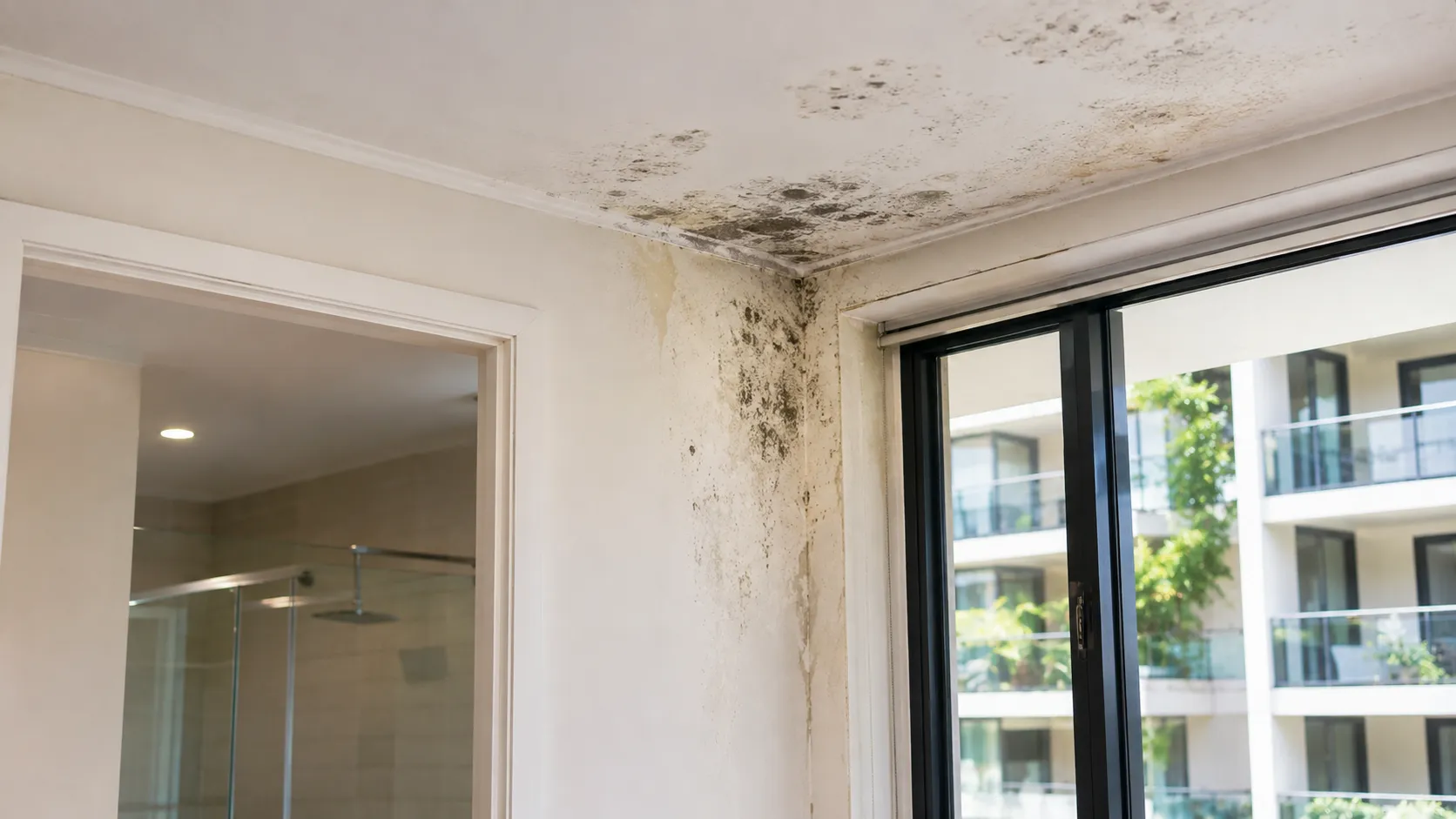
Floodwater may carry sewage and other contaminants. Avoid direct contact, and keep children and pets away. Wet electrical equipment and standing water can create a shock risk. Damp materials also need prompt attention: hidden moisture can persist in walls, floors and cavities, encouraging mould and contributing to deterioration.
Don’t enter a flooded room if the power may still be live. Treat sewage-affected materials as contaminated, not as ordinary household spills. If dampness remains after visible water is removed, an inspection can help identify moisture behind finishes and determine what needs drying or removal.
Water damage can result from stormwater, leaking pipes, appliance failures or water entering through a roof. Each source can affect different parts of a property; for severe plumbing or sewer line failures, teams like A&V Drain Corp. highlight how specialized drain repairs and pipe replacements are crucial to stopping water at the source. A washing-machine leak, for example, may soak flooring and nearby cabinetry, while stormwater can spread through several rooms. Assessment considers the source, water category, affected materials and immediate safety concerns.
Commercial flooding can disrupt stock, equipment and access to work areas. A restoration assessment maps the affected spaces and identifies priorities for water extraction and drying. In an office, that may mean isolating a wet room while checking adjacent floors and wall cavities for moisture. Water damage restoration in the Northern Beaches should address the source and spread, not just visible puddles.
Use this sequence while arranging help:
- Move people away from contaminated water and electrical hazards.
- Stop the water source only if it’s safe to do so.
- Keep affected areas clear and document visible damage from a safe position.
- Arrange assessment, water extraction, drying and cleaning appropriate to the water source.
Moisture mapping with thermal imaging and meters
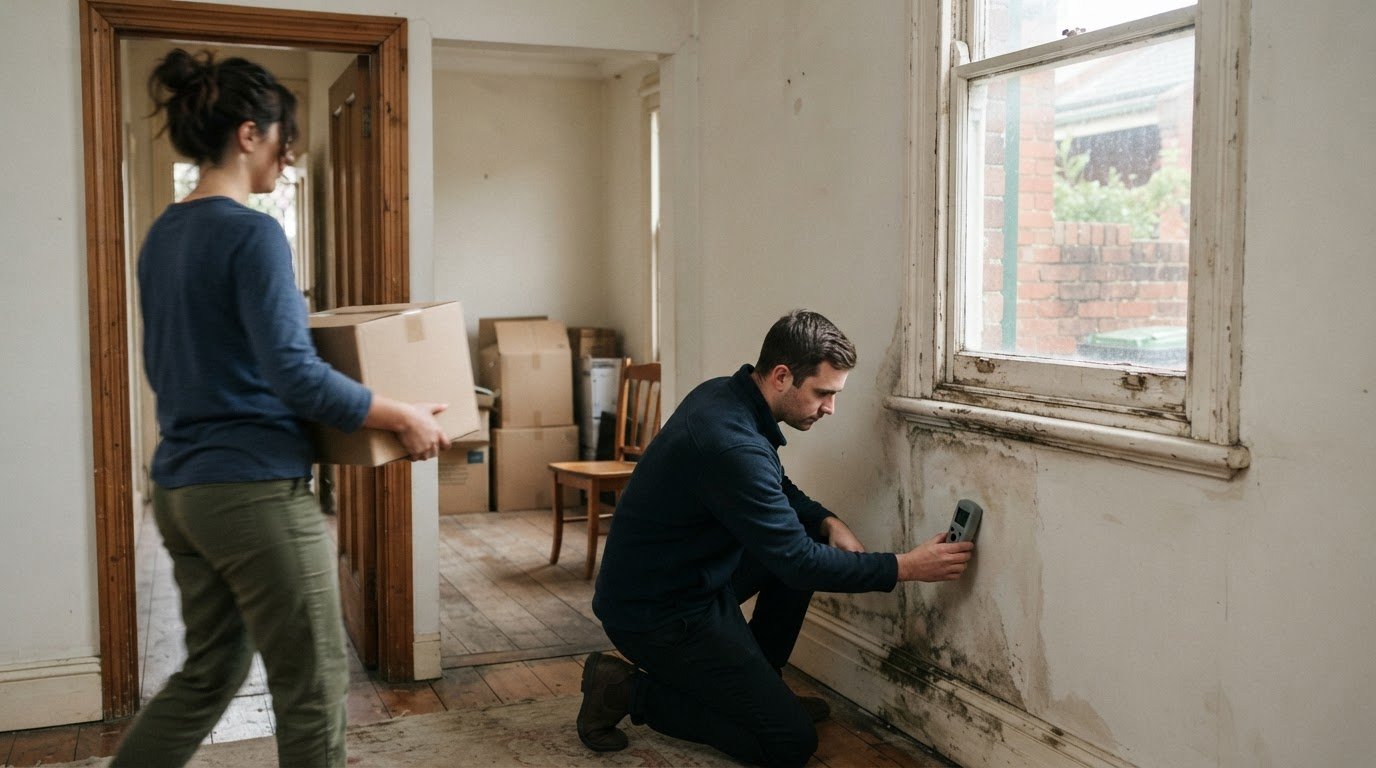
Floodwater can travel beyond visible wet patches, leaving moisture under floors, behind walls and inside structural materials. Moisture mapping combines targeted inspection with repeat measurements to locate affected areas and guide drying.
Thermal Imaging and Moisture Meters
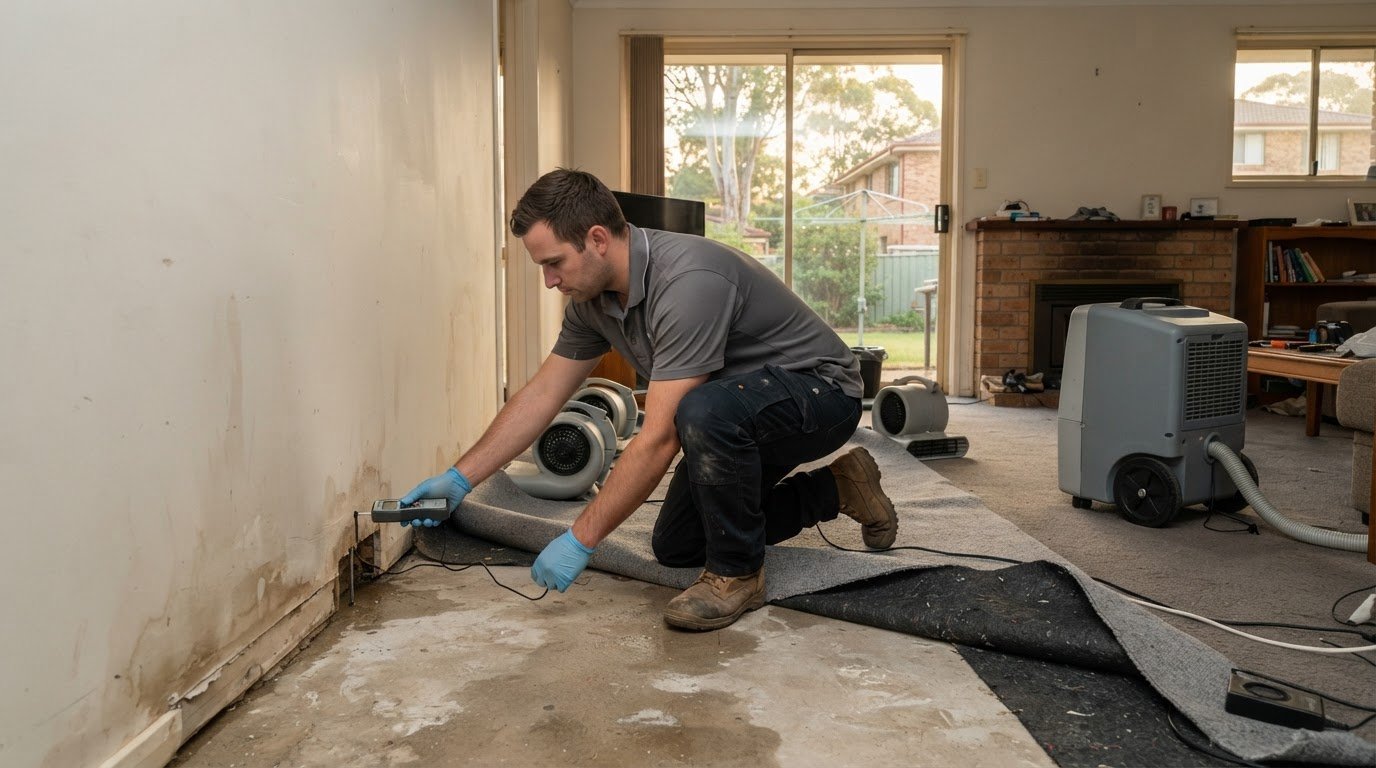
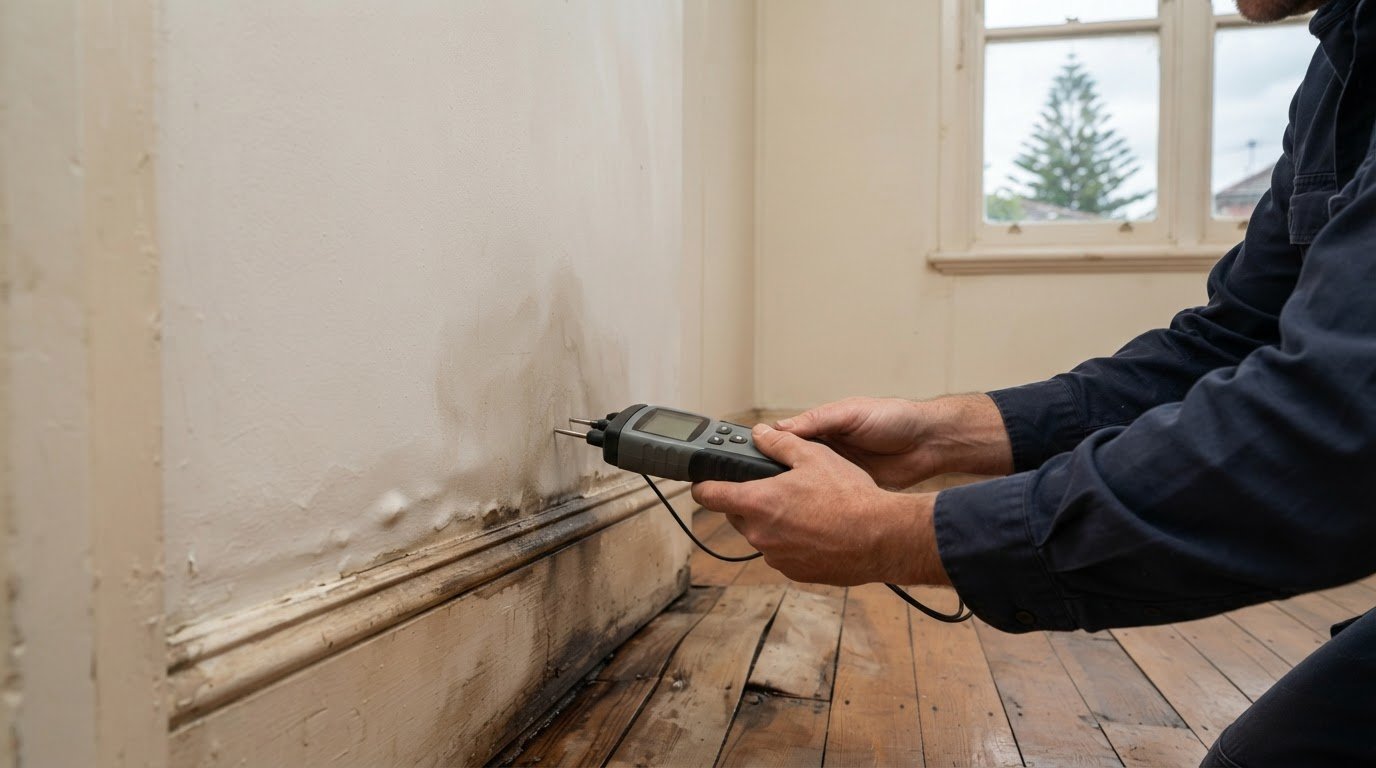
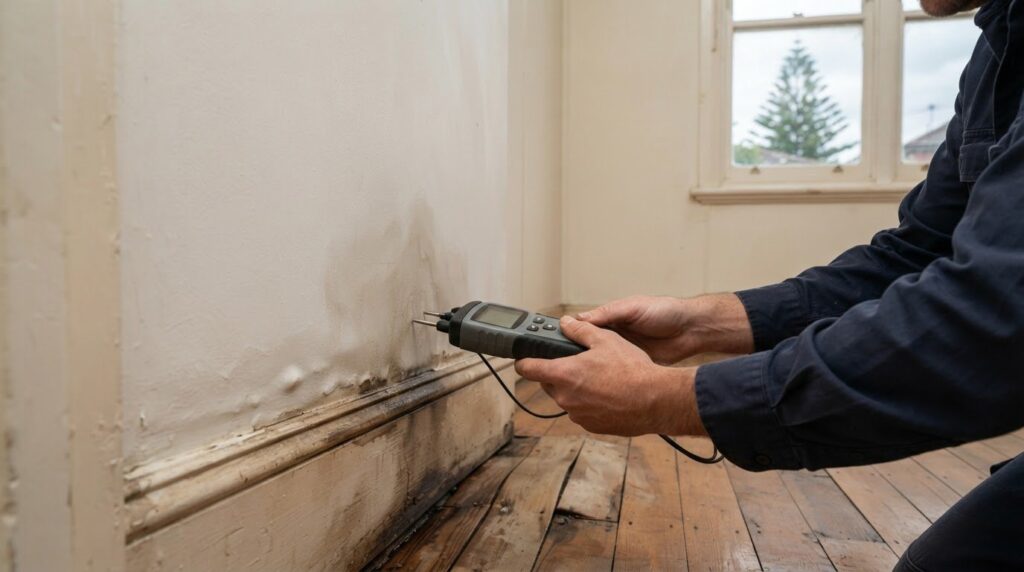
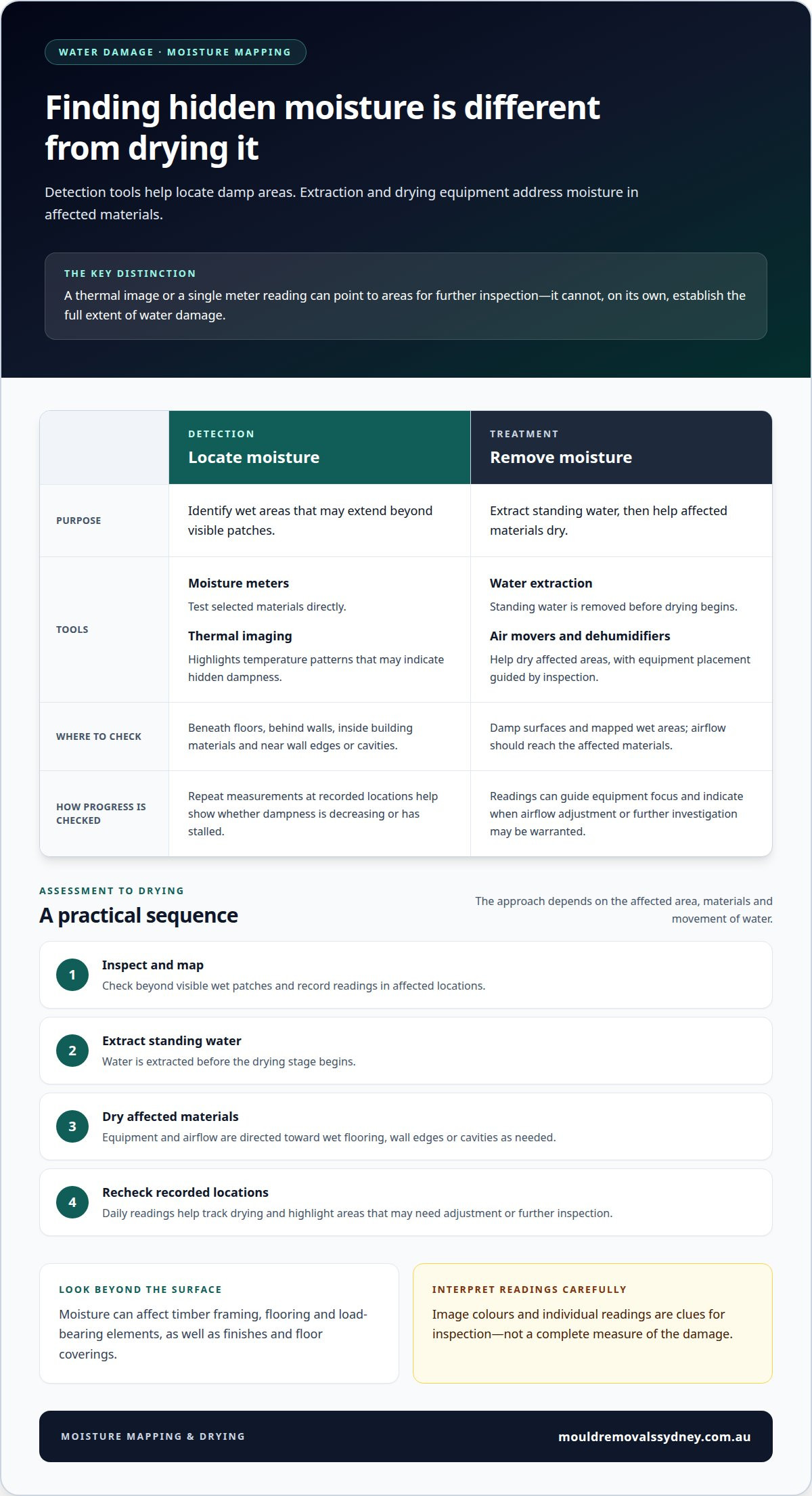
Thermal imaging highlights temperature patterns that may indicate hidden dampness, while a moisture meter tests selected materials directly. Together, these tools help identify where further inspection may be needed, including behind walls or beneath flooring. Image colours or a single reading alone can’t establish the full extent of water damage.
Professional drying may be appropriate when moisture remains in building materials or has spread beyond the visible wet area. If mould is present or moisture has supported its growth, mould remediation may also be needed. An inspection helps distinguish surface dampness from moisture within cavities and structural materials.
Moisture Detection and Treatment Equipment
Detection equipment identifies wet areas; drying equipment helps remove moisture from affected materials. Depending on the inspection, this may involve moisture meters, thermal imaging, air movers and dehumidifiers. Equipment placement matters: airflow should reach damp surfaces, while readings help track whether concealed areas are drying.
After flooding, standing water is extracted before drying begins. Technicians can use readings from mapped locations to focus equipment on wet flooring, wall edges or cavities. The type and amount of equipment depend on the affected area, materials and water movement. Drying only the visible surface may leave moisture behind.
Structural Moisture Assessment and Drying
A structural assessment looks beyond paint and floor coverings. Moisture can affect timber framing, flooring and load-bearing elements, weakening materials over time. Inspectors use mapped readings to identify damp zones and check nearby surfaces, especially where water has travelled beneath finishes or into wall cavities.
During drying, readings taken daily at recorded locations show whether dampness is decreasing or has stalled. Comparing the same points can reveal where airflow needs adjusting or further investigation is warranted. Drying continues according to the materials’ readings, not simply because the surface feels dry.
Moisture mapping can explain why a room smells musty even after visible water has been removed. Excess moisture in a building can contribute to mould and rising damp; untreated water damage can also weaken flooring, walls and structural elements. Persistent damp patches, staining or musty odours call for further assessment, not repeated surface cleaning.
Once the moisture source is addressed, drying can be targeted to the mapped areas. An inspection for hidden mould can help when dampness or mould remains after a water event. Clear readings and a record of affected locations also help show whether drying is progressing or whether additional treatment is needed.
Water-damaged rugs, carpets and lounges
Water can soak through carpet pile into the underlay and floor beneath. Rugs and lounges also retain moisture in their fibres and cushioning, so a dry-looking surface may not show their full condition.
Carpet Lifting and Underlay Drying
When water has soaked through carpet, an assessment checks the underlay and floor beneath. If those layers are wet, lifting an affected section can expose trapped moisture and allow targeted drying. The decision depends on how far the water has spread, the flooring material and the carpet’s condition.
For example, a damp patch beside a wall may extend beneath nearby carpet. Drying only the pile could leave moisture below. Mapping the affected areas helps determine where lifting is needed and whether the underlay can be dried or needs removal.
Wet Carpet Drying and Restoration
Restoration begins by removing standing water from the carpet and surrounding floor. Extraction reduces moisture in the fibres, while drying equipment moves air across affected surfaces. The approach depends on the carpet type, the extent of saturation and whether water reached the underlay.
Cleaning decisions depend on the water source and the carpet’s condition. A rug soaked by a clean indoor leak calls for a different assessment from one exposed to contaminated floodwater. Inspection helps determine whether restoration is appropriate or the material needs removal; for heavily contaminated or unsalvageable furnishings, services like Copper State Junk Removal & Hauling illustrate how prompt hauling helps clear waterlogged debris so drying and remediation can proceed safely.
Act promptly when water reaches a carpet, rug or lounge. Timely remediation can help reduce the risk of permanent stains and discolouration. Blotting may remove some visible water, but it won’t extract moisture trapped in dense pile, cushion filling or carpet underlay.
For a lounge, an assessment considers wet upholstery, seams and removable cushions. Moisture can remain inside a cushion even when the outer fabric feels dry. If the design allows, separating cushions exposes damp areas for inspection and helps guide drying. Avoid putting a wet cushion back against the frame.
Keep a record of visible damage as restoration progresses. Note which rugs, carpet sections and furnishings were affected, and photograph staining or changes in condition. These details can help distinguish existing marks from water-related discolouration and track areas that need further inspection.
- Carpet: Check whether moisture has reached the underlay and flooring.
- Rugs: Inspect both sides and the floor beneath before returning a rug to its place.
- Lounges: Check cushion interiors and seams, not only exposed upholstery.
Drying decisions should reflect the material’s condition and how far water penetrated. If carpet or furnishings remain damp, a professional assessment can guide extraction, cleaning and drying, helping prevent overlooked moisture from affecting nearby materials.
Response times and 24/7 emergency availability
After flooding, a prompt response matters because standing water can spread into flooring, furniture and subfloor spaces. Ask what happens after the emergency call, not only how quickly someone may arrive.
Northern Beaches Emergency Response
For a Northern Beaches property, a useful first response identifies immediate safety risks, the water source and affected rooms. A local restoration service lists a target response within 1 hour, plus same-day evaluation and drying setup. Treat these as stated targets, not a promise that every flood event receives identical attendance or equipment.
When you call, share the suburb, water source and visible spread. Mention sewage, wet electrical areas, affected furniture or water beneath the floor. These details help assess urgency and plan the first steps.
Round-the-Clock Water Damage Response
An emergency line available 24 hours a day, 365 days a year lets property owners report damage outside standard business hours. The call should establish what has happened and whether residents can safely remain in unaffected parts of the home. Follow safety instructions and stay away from contaminated water or electrical hazards.
Taking a call, arriving on site and setting up drying equipment are different stages. Ask what the response includes: assessment, water extraction, equipment placement or guidance while attendance is arranged. Clear answers help you understand the next step without assuming every task happens immediately.
Emergency Response Times
A stated target of within 1 hour gives a specific benchmark to discuss, while actual timing can depend on the incident and access conditions. Same-day evaluation and drying setup are also listed by a Northern Beaches restoration service. Clarify whether the quoted timeframe refers to a call-back, arrival, assessment or equipment setup.
During an emergency, explain whether water is still entering the property and whether the affected area is accessible. Subfloor flooding, for example, may require different access arrangements from water across an open living-room floor. Accurate details help prioritise the response.
When comparing local restoration services, consider reviews, documented qualifications and emergency response details. Look for recent reviews describing communication and completed work, and check what any stated certification covers. ABC Mould Cleaning Solutions provides water damage restoration; its assessment focuses on the affected property and the work required.
Use a short call checklist so key details are not missed:
- Location: Give the Northern Beaches suburb and property access details.
- Source: Describe stormwater, a leak or possible sewage contamination.
- Impact: Note affected rooms, furniture and any subfloor water.
- Timing: Ask whether the response target means arrival, assessment or drying setup.
Prompt attendance can limit further damage to nearby materials, but equipment placement should follow an assessment. A wet lounge room may need extraction first, while water beneath flooring calls for attention to concealed moisture. A clear response plan links the emergency call to the work needed at the property.
Northern Beaches and Sydney service coverage
Service coverage matters because water damage can affect homes and businesses across the Northern Beaches and wider Sydney. When arranging restoration, give the response team the property’s suburb, access details and a clear description of the affected rooms.
Water damage can affect different property types, from a coastal home with water entering through a roof to a commercial site in Sydney with flooding across several rooms. The assessment should focus on the individual property: water source, affected materials, access and any concealed moisture.
A service area list doesn’t explain what restoration at a particular address involves. The process should cover the initial assessment, extraction, drying and checks for lingering moisture. Those steps matter whether water has affected a bathroom, living area or flooring beneath a commercial workspace.
For a Northern Beaches property, describe the location and the route water took through the building. Stormwater entering one room, for example, may spread along the floor into a hallway. In a Sydney unit, a leak from an upper level may affect the ceiling below as well as the original room. These details help define the inspection area.
When water is visible in one place, the affected area may extend beyond the surface marks. Restoration planning should consider nearby walls, floor edges and cavities, not just the room where the water first appeared. If moisture remains, drying and inspection can help address the risk of lasting damage or mould.
For commercial premises, explain which rooms are affected and whether staff, stock or equipment are nearby. A wet office corridor, for example, may require a different access plan from a flooded storage area. Clear site details help organise an assessment around the property’s layout and immediate safety concerns.
Use these practical details when describing your location:
- Property location: State the Northern Beaches or Sydney suburb and access arrangements.
- Water path: Identify where water entered and which rooms or levels it reached.
- Affected materials: Mention visible water on flooring, walls, furniture or bathroom surfaces.
- Site type: Explain whether the property is residential or commercial, and note access restrictions.
The takeaway is simple: precise location details help connect service coverage with the work your property needs. To arrange an assessment for water damage, share the suburb, water source and affected areas.
ABC Mould Cleaning Solutions: Water Damage Restoration
ABC Mould Cleaning Solutions provides Water Damage Restoration for homes and businesses affected by flooding or leaks. If dampness remains after water is removed, Mould Inspection Services can help identify affected areas, while Mould Remediation addresses established mould. Air Purification & Scrubbing is also available when air treatment is needed.
Choose support according to the problem: Water Damage Restoration for water-affected property, inspection for suspected hidden mould, or remediation when mould is present. These services address different stages of a water event, and not every case requires the same response.
Contact ABC Mould Cleaning Solutions to discuss water damage at your property and the support you need.
Take the Next Step Towards a Dry, Healthy Property
Once the immediate damage is under control, focus on protecting the property over time. Lingering dampness or visible mould may call for a closer inspection rather than surface cleaning alone. Effective water damage restoration in the Northern Beaches should address affected materials and continuing moisture concerns.
ABC Mould Cleaning Solutions provides Mould Inspection Services to identify mould concerns, Mould Remediation to address mould, and Air Purification & Scrubbing when air treatment is needed. These services can support the next stage if water damage has left dampness or mould concerns behind.
Explain what happened, which areas were affected and what remains visible. This gives the team a clear starting point for discussing suitable support for your property.
Contact ABC Mould Cleaning Solutions to discuss the next step. A clear plan can help you move forward with confidence.
Frequently Asked Questions
Need help now?
If water is still entering your property, move away from the affected area and contact emergency services if anyone faces immediate danger. For restoration support, call ABC Mould Cleaning Solutions on 0488 866 853. Explain the water source, your suburb and whether the water may contain sewage. Don’t enter a flooded area with electrical hazards, and keep children and pets away until it’s safe.
Which water damage restoration companies service Sydney’s Northern Beaches?
ABC Mould Cleaning Solutions provides water damage restoration across Sydney and surrounding areas. The company also offers mould inspection and remediation where water damage is accompanied by mould concerns. Goldmorr has supplied mould-removal solutions since 1998, and its products are applied only by Goldmorr-approved master technicians. All treatments are safe for pets, people and the environment. Optional mycotoxin testing referrals are available. Its stated price-match wording is: “We Will Beat Any Written Quote By 10%.”
What areas and suburbs are covered by Northern Beaches water damage restoration services?
ABC Mould Cleaning Solutions serves Sydney and surrounding areas, including the Northern Beaches. Coverage is described regionally rather than through a suburb-by-suburb list here. When describing a property, give its suburb, access details and whether it’s a house, unit or commercial site. For example, noting a unit’s level and shared access can help clarify how the affected rooms can be reached.
How quickly can a water damage restoration team respond on the Northern Beaches?
A Northern Beaches restoration service states a target response within 1 hour, with an emergency line available 24 hours a day, 365 days a year. It also lists same-day evaluation and drying setup. These are service targets, not a fixed arrival time for every incident. During the call, explain whether water is still entering and whether the property has safe access.
What are the steps for water damage restoration after a burst pipe, storm or flood?
The process starts by making the site safe and identifying the water source. For a burst pipe, stop the flow if it’s safe; after a storm or flood, avoid contaminated water. The team then assesses affected materials and plans extraction, followed by drying and cleaning or sanitising as needed. A ceiling leak, for example, may require checking the room below, not just the roof space.
How long does water damage drying and restoration usually take?
Drying time varies by property. It depends on how far water travelled, which materials were affected and whether moisture remains concealed. A wet surface may dry sooner than saturated flooring or a wall cavity. Restoration teams use moisture readings to track progress and adjust drying equipment. Ask how readings are compared over time and which areas still need attention before work is complete.
What should Northern Beaches residents do immediately after water damage, before help arrives?
Keep people and pets away from contaminated water, wet electrical equipment and unsafe rooms. If it’s safe, stop the water source and move dry belongings out of its path. Photograph damage from a safe location, and note when the leak, stormwater or flooding began. Tell the restoration team about sewage, affected rooms and access limits. Don’t lift heavy furniture or enter a flooded subfloor area if conditions are unsafe.