
Why are you paying A$950 a week to share your bedroom with toxic airborne spores? In a market where Sydney median rents have surged by over 10% in the last year, you should not have to compromise on your health or safety. You already know that the damp, musty smell in your home is a serious risk to your well-being and your personal belongings. It is completely unfair to pay premium prices for a substandard property that is not fit for habitation.
We understand the stress of feeling stuck between a stubborn real estate agent and a spreading health hazard. This guide teaches you exactly how to negotiate rent reduction due to mould by using proven legal steps and professional evidence. You will gain the confidence to demand a fair price while ensuring the property owner takes immediate action to restore your home to a safe, dry condition. It is about moving from a state of anxiety to a position of competent authority.
We will outline the 2026 NSW tenancy requirements, the specific evidence you need to collect, and the exact language to use in your formal negotiations. It is time to stop feeling powerless and start taking professional action to secure your peace of mind and your financial rights. It is that simple.
Key Takeaways
- Understand your legal rights under the NSW Residential Tenancies Act 2010 to ensure your Sydney home meets mandatory “fitness for habitation” standards.
- Learn why professional air quality testing and expert reports offer far more leverage than basic photos when proving the severity of a mould infestation.
- Master the formal notification process and discover exactly how to negotiate rent reduction due to mould using a clear, evidence-based timeline.
- Gain the confidence to escalate unresolved disputes to the NSW Civil and Administrative Tribunal (NCAT) to protect your health and your finances.
- Identify why industry-leading remediation like the Goldmorr System is the only way to permanently eliminate spores and restore your property’s full rental value.
Knowing Your Rights: The NSW Residential Tenancies Act and Mould
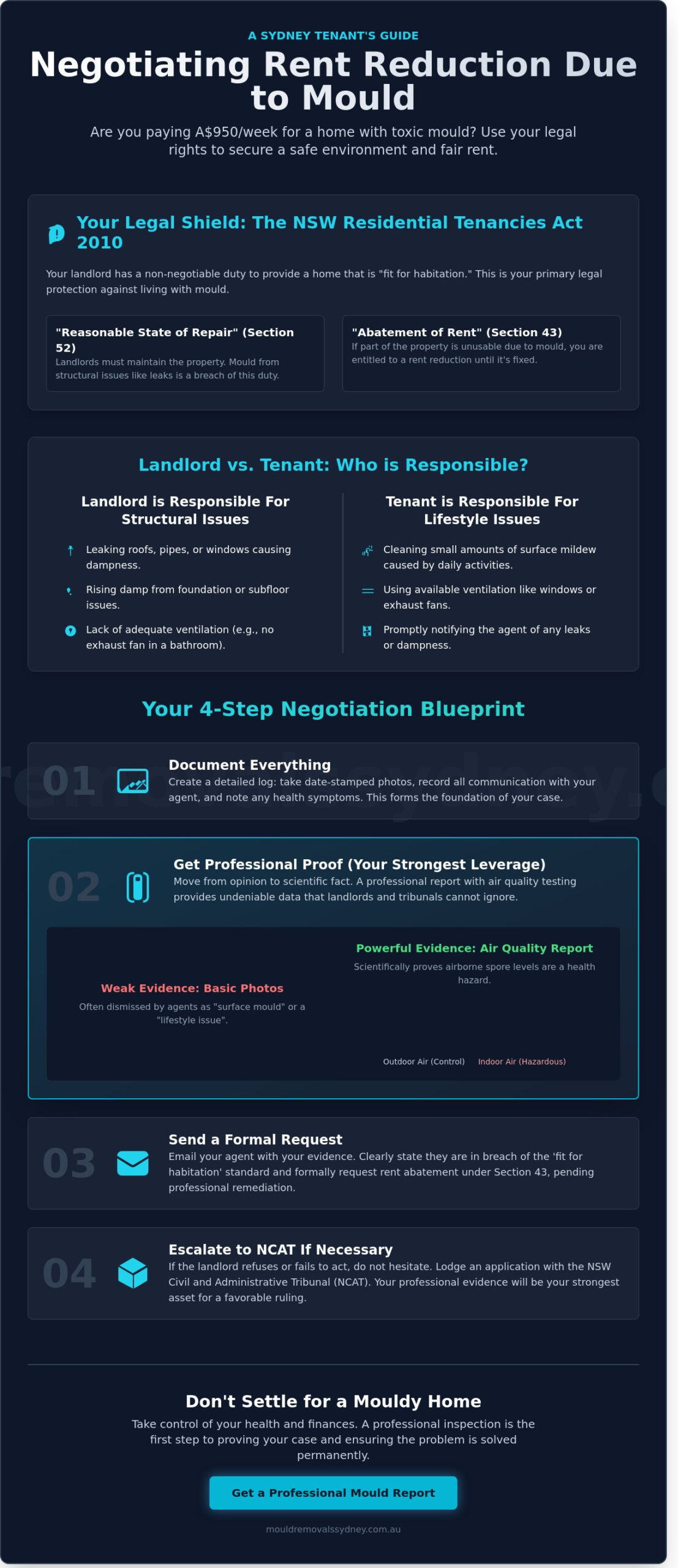
The NSW Residential Tenancies Act 2010 is your primary shield when mould threatens your home. In Sydney’s humid coastal climate, mould isn’t just an eyesore; it’s a structural and health hazard that requires immediate professional attention. Under Section 52 of the Act, landlords have a fundamental obligation to provide and maintain the premises in a “reasonable state of repair.” This is a legal mandate. If your home has developed toxic growth, understanding how to negotiate rent reduction due to mould starts with knowing that the law supports your right to a safe environment. When a property becomes partially unusable because of dampness, Section 43 of the Act allows for an “Abatement of Rent,” which is a formal decrease in rent payments until the property is restored to a liveable state.
The “Fit for Habitation” Standard in 2026
Since the critical legislative updates on March 23, 2020, NSW law has strictly defined what makes a property liveable. To be fit for habitation, a property must meet seven minimum standards. These include adequate ventilation, functional plumbing, and effective drainage. Structural dampness caused by failing waterproof membranes or cracked foundations is a direct breach of your standard residential tenancy agreement. According to current NSW Fair Trading guidelines, a property is fit for habitation only if it is “safe to live in and meets basic requirements for ventilation, light, and structural integrity.”
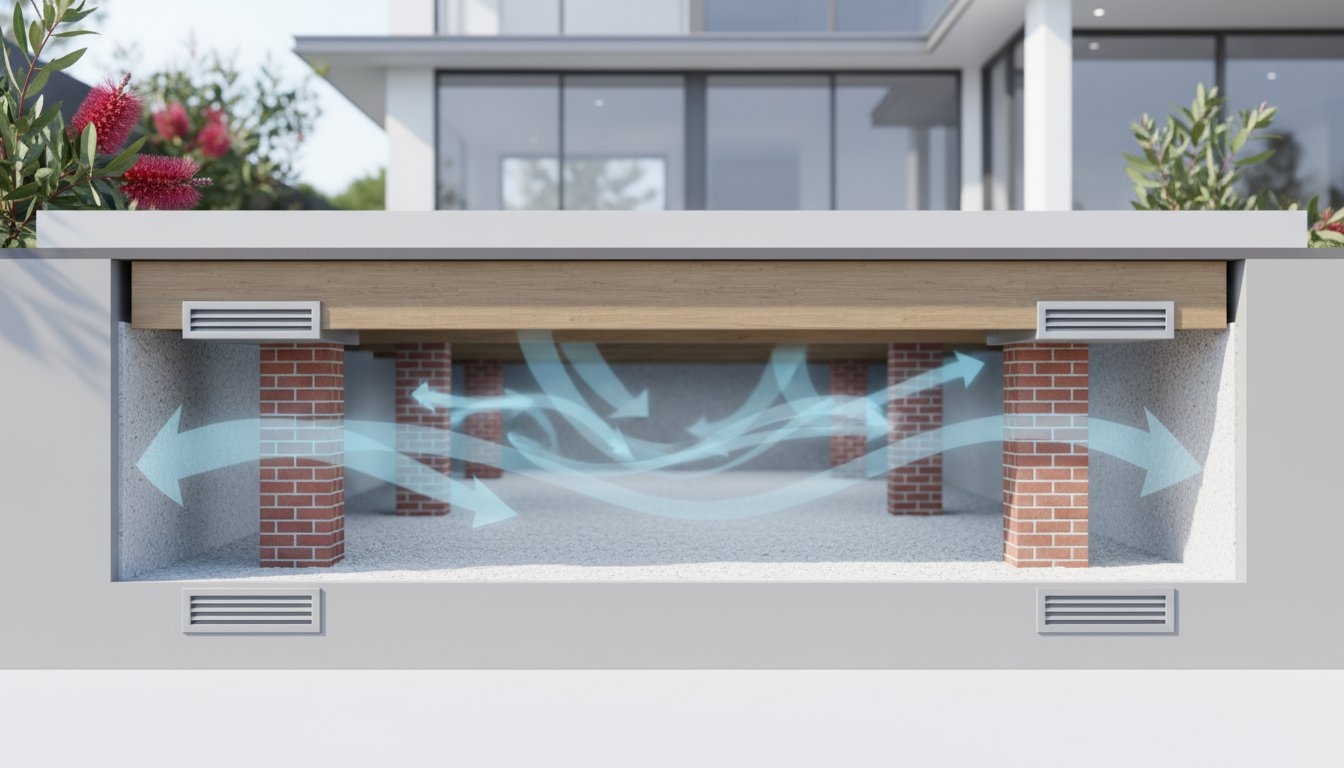
If these standards aren’t met, the landlord is in breach of contract. We see many cases where poor subfloor ventilation leads to stagnant air, creating a breeding ground for spores. This is a structural failure, not a lifestyle choice. Tenants shouldn’t pay full price for a property that compromises their well-being.
Who is Responsible for Mould in a Rental?
Determining liability is the first step in building your case for a rent reduction. Landlords are responsible for “structural” issues. This includes rising damp, leaking roofs, blocked guttering, and failed plumbing inside walls. These defects often lead to serious health effects of mould, making the space dangerous for occupants. You must notify the agent as soon as you spot a problem to ensure they can’t claim “contributory negligence” later.
Tenants are responsible for “reasonable” cleaning of surface mildew and ensuring they don’t cause excessive moisture through lack of care. However, don’t let a property manager dismiss your concerns with the “just open a window” excuse. If a bathroom has no exhaust fan or a bedroom has a leaking window seal, opening a window won’t solve the underlying moisture ingress. Professional remediation is the only way to ensure safety. Knowing these distinctions is vital when learning how to negotiate rent reduction due to mould effectively. If the landlord fails to act on structural repairs, you have clear grounds to seek a price adjustment through the NSW Civil and Administrative Tribunal (NCAT).
Building Your Case: Why Professional Evidence is Your Best Leverage
Your smartphone photos of black spots on a ceiling are a start, but they rarely win a legal dispute. Landlords and property managers often dismiss visual evidence as “surface mould” or “tenant lifestyle issues” like poor ventilation. To learn how to negotiate rent reduction due to mould effectively, you need data that proves the property is breach of the residential tenancy agreement. A professional mould inspection provides this by moving the conversation from your opinion to scientific fact.
Air quality testing for airborne spores is the most critical piece of evidence you can own. It identifies the concentration of toxic particles that you can’t see but are actively breathing. If the spore count inside your living room is 60% higher than the outdoor control sample, the property is a documented health hazard. This technical data aligns with Tenants’ Union of NSW advice regarding the landlord’s duty to provide a fit and habitable home.
Documenting a “loss of amenity” is your next step. This means identifying specific parts of the home you can no longer use. If you’ve had to seal off a second bedroom because of a musty smell, you are paying for space you don’t have. Keep a detailed timeline of every communication. If you sent your first email on 12 March and received no reply by 15 March, that 72-hour gap proves negligence. A clear log of delays strengthens your position on how to negotiate rent reduction due to mould by providing an objective baseline of the landlord’s failure to act.
The Power of a Professional Mould Audit
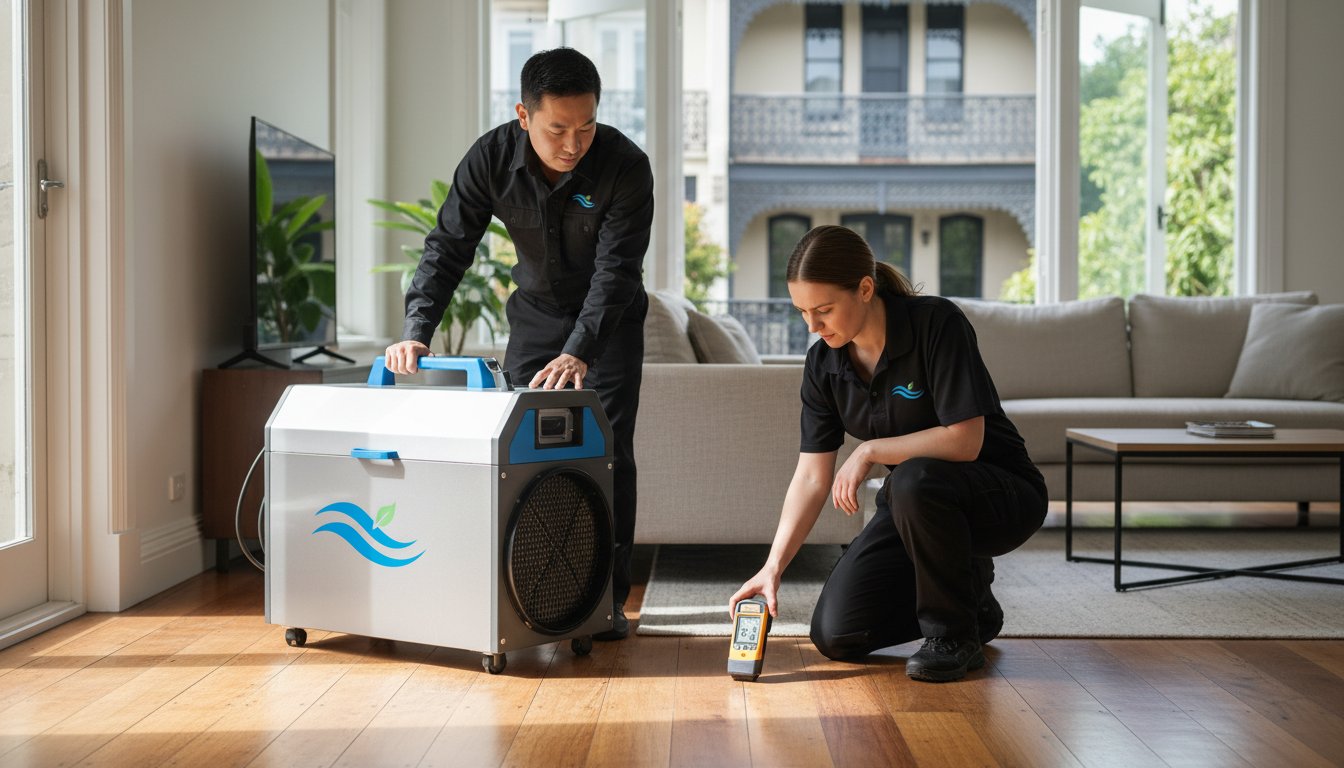
Our certified master technicians identify moisture sources hidden behind drywall or under floorboards using thermal imaging. We provide a comprehensive assessment using the Goldmorr System to identify the root cause of moisture, whether it’s a structural leak or rising damp. An expert report from a technician categorises the health risks as “serious” and “urgent.” This forces the landlord to treat the issue as an emergency repair rather than a cosmetic fix. Before you send your next email, consider getting a professional assessment to secure your legal standing.
Calculating the Desired Rent Reduction
Use a logical framework when asking for a refund. If 25% of your floor space is affected by mould growth, start your negotiation by asking for a 25% reduction in your weekly rent. For a Sydney apartment costing A$900 per week, this equates to a A$225 weekly discount. You should also factor in the replacement cost of personal items, such as a A$400 leather sofa or A$1,200 worth of ruined clothing. Rent reduction should be backdated to the day you first notified the agent or landlord about the mould issue. It’s that simple. It’s that easy.
The Negotiation Process: How to Request a Rent Reduction
Securing a lower rent price isn’t about complaining; it’s about facts. You’re paying for a safe, habitable home. When mould takes over, the property no longer meets the standard you signed for. Learning how to negotiate rent reduction due to mould requires a methodical approach that protects your rights as a Sydney tenant.
- Step 1: Formal Notification. Never rely on a phone call or a casual text. Send a formal email or letter to the landlord or agent immediately. This starts the legal clock.
- Step 2: Provide a Clear Deadline. Give the landlord a reasonable timeframe to fix the issue. In NSW, 7 to 14 days is the standard expectation for remediation to begin.
- Step 3: Present Your Case. Combine your evidence with a specific request. If you’ve lost the use of a bedroom, a 20% to 30% reduction is a realistic starting point.
- Step 4: Manage the Counter-Offer. Agents often try to offer a one-off “cleaning credit” instead of a weekly reduction. Stay firm if the mould remains a recurring health threat.
- Step 5: Finalise in Writing. Once you reach an agreement, ensure it is documented in a signed variation of the lease to prevent future “unpaid rent” claims.
Drafting the Perfect Negotiation Letter
Your letter must be professional and firm. Use specific legal terminology to show you understand your rights. Mention a “breach of agreement” regarding the landlord’s duty to provide a property that is “fit for habitation.” Describe the situation as a “loss of amenity,” which is the legal basis for a rent decrease. Attach clear, date-stamped photos of the affected areas and include this black mould identification guide to prove you’re dealing with a serious biological hazard rather than simple “dust.”
Communication Tips for Sydney Renters
Keep every interaction within the official rental portal or via email. If an agent calls you, follow up with a summary email saying, “As discussed on the phone…” to create a paper trail. Many tenants fear a “retaliatory eviction” for speaking up. However, the Tenants’ Union of NSW notes that you are protected under the Residential Tenancies Act if you are simply asserting your right to a safe home. You also have a duty to “mitigate your loss.” This means you should move furniture away from damp walls and keep the area as ventilated as possible while waiting for professional remediation. Taking these steps shows you are a responsible tenant, which strengthens your position when discussing how to negotiate rent reduction due to mould with a stubborn landlord.
When Landlords Refuse: Escalating to NCAT and Beyond
If your landlord ignores your requests or offers an insulting discount, you must escalate. The NSW Civil and Administrative Tribunal (NCAT) is the legal authority for resolving tenancy disputes in Sydney. It’s a formal setting where a Member hears both sides and makes a legally binding decision. While it’s less formal than a court, you need to be prepared. Taking a dispute here ensures the landlord cannot simply ignore the unsightly spread of mould in your home.
Before filing your application, understand the risks. While NCAT provides a path to justice, the process takes time, often four to six weeks for a hearing. You must continue paying your full rent during this period. Stopping payments leads to rent arrears, which gives the landlord legal grounds to evict you. Never withhold rent as a negotiation tactic. It’s a legal trap that will ruin your case and your rental history.
- Date-stamped photos showing the progression of the mould.
- Copies of every email and text sent to the landlord or agent.
- Medical certificates if the spores caused respiratory issues or skin irritation.
- Independent reports from building inspectors or mould experts.
- A detailed log of how the mould impacted your daily life.
Applying for a Rent Reduction Order
You can apply for an order stating the rent is excessive because the property’s condition has dropped. The Tribunal determines “value” by looking at how much of the home is unusable. If a bedroom is closed off due to toxic growth, the Member may grant a 20% to 40% reduction backdated to when you first reported the issue. You can also seek compensation for damaged furniture or clothes. Use actual replacement costs or professional cleaning quotes to justify these figures. Knowing how to negotiate rent reduction due to mould at this level requires hard data, not just complaints.
Seeking an Order for Repairs
A temporary rent discount is helpful, but it doesn’t fix the underlying health risk. An “Order for Repairs” is often your most powerful tool. The Tribunal can legally mandate that the landlord hire professional mould removal services to address root causes like rising damp or leaking pipes. If the landlord ignores an NCAT order, they face heavy fines and further legal action. This pressure usually forces immediate action to restore your home’s safety and air quality.
Don’t let a stubborn landlord compromise your safety. If you need expert evidence for your hearing or immediate remediation, contact our master technicians today for a professional assessment and quote.
Solving the Root Cause: Professional Remediation for Rent Restoration
Wiping surface mould with vinegar or supermarket sprays is a temporary fix that fails to address the invisible threat. These DIY methods only treat what you can see. They leave behind millions of airborne spores that continue to impact your health and the building’s structural integrity. To successfully master how to negotiate rent reduction due to mould, you must advocate for a solution that restores the property to a “fit for habitation” state. Professional remediation is the only way to ensure the problem doesn’t return within weeks. Landlords often prefer the cheapest option, but a recurring mould issue leads to higher costs and potential legal disputes at the NSW Civil and Administrative Tribunal (NCAT).
Professional air scrubbing and high-grade extraction are essential components of a real solution. Without these, the musty smells and respiratory irritants remain trapped in carpets, curtains, and wall cavities. We position professional remediation as the best outcome for both parties. It protects the tenant’s health and stops the landlord’s asset from rotting. It’s a pragmatic, results-driven approach that ends the cycle of complaints and temporary fixes.
The Goldmorr Advantage for Tenants and Landlords
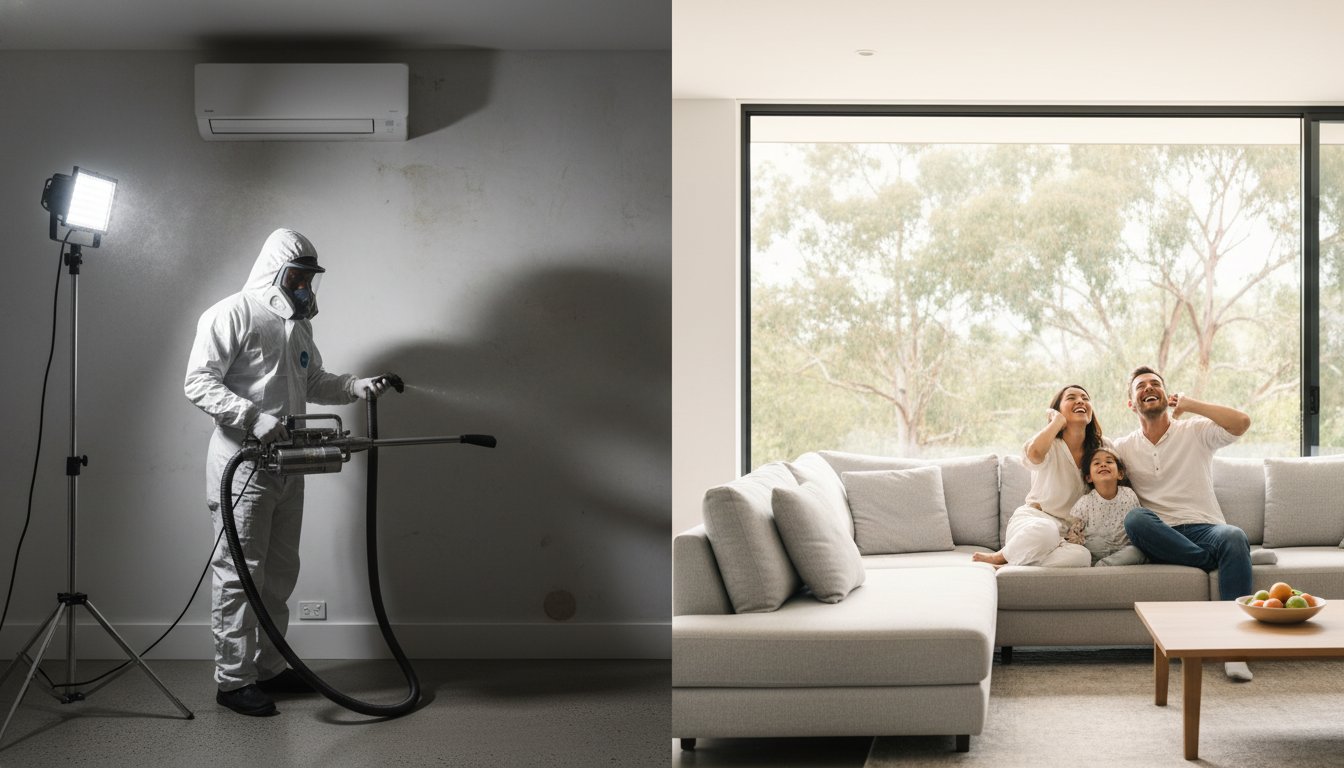
Our master technicians utilize the Goldmorr System, an industry-leading approach that goes beyond simple scrubbing. We use a non-toxic, biodegradable fogging process that’s completely safe for your children and pets. This system doesn’t just kill surface growth; it eliminates the invisible spores floating in your living spaces. Because the process is highly efficient, we can often restore a home in just a few hours. This minimizes disruption for you and protects the landlord’s long-term investment. By using professional air purification, we remove the “musty smell” permanently, ensuring the air you breathe is clean and safe.
Next Steps: Get Your Evidence and Your Health Back
Your strongest leverage in any rent negotiation is a professional assessment. A detailed inspection report identifies the moisture source and the extent of the contamination. It moves the conversation from “opinion” to “expert fact.” Once our work is complete, we provide a Certificate of Clearance. This document is vital for your records. It proves the property is safe and habitable, which allows the landlord to justify the property’s value while giving you the peace of mind you deserve. Don’t settle for a quick wipe-down that ignores the root cause. You have a right to a healthy home and a fair price. Book your professional mould inspection today to secure your health and your rights. It’s that simple. It’s that easy.
Take Control of Your Living Conditions Today
You don’t have to live in a damp, unsafe environment while paying full price for your Sydney rental. Under the NSW Residential Tenancies Act 2010, your landlord is legally obligated to maintain the property in a reasonable state of repair. Success in these disputes depends on professional evidence and clear communication. Learning how to negotiate rent reduction due to mould ensures you protect your finances while waiting for essential repairs. If your property manager refuses to cooperate, you can escalate the matter to the NSW Civil and Administrative Tribunal (NCAT) for a formal rent abatement order. Don’t wait until the spores spread further or health issues arise. Our IICRC Certified Master Technicians use the safe, biodegradable Goldmorr System to eliminate the root cause and restore your peace of mind. We will beat any written quote by 10%, giving you the most affordable path to a certified, mould-free home. Get a Professional Mould Inspection Report to Back Your Claim. You deserve a safe space, and we’re here to help you secure it.
Frequently Asked Questions
Can I stop paying rent if my house has mould?
No, you must never stop paying your rent, as this is a breach of your tenancy agreement in NSW. Even if the property is severely affected, withholding rent gives the landlord grounds to issue a termination notice for arrears. Instead, continue your payments and apply to the NSW Civil and Administrative Tribunal (NCAT) for a formal rent reduction or compensation order while the issue is being resolved.
How much rent reduction can I ask for due to mould in Sydney?
You can typically ask for a rent reduction between 10% and 50% based on the portion of the home you can’t use. For example, if one bedroom in a two-bedroom Sydney apartment is unusable, a 25% reduction is a standard starting point for negotiations. In 2024, NCAT cases have frequently awarded 15% to 20% reductions for partial loss of amenity due to persistent dampness and spores.
Is mould considered an emergency repair in NSW?
Mould is classified as an emergency repair if it poses an immediate risk to your health or safety. Under the Residential Tenancies Act 2010, landlords are required to provide a property in a reasonable state of repair. If the infestation is spreading rapidly or causing respiratory issues, it’s an urgent matter. You should demand professional remediation immediately to ensure the structural integrity of the building and your own well-being.
Can my landlord evict me for asking for a rent reduction?
No, your landlord cannot legally evict you for requesting repairs or a rent reduction. This is known as a retaliatory eviction and is prohibited under Section 115 of the NSW Residential Tenancies Act. If you receive a termination notice within 90 days of making a complaint, you can apply to NCAT to have the notice declared void. Protect your rights by keeping all your requests in writing.
How do I prove the mould is the landlord’s fault?
You prove the landlord is at fault by documenting structural defects like leaking pipes, roof leaks, or failing damp proof courses. Take clear photos of the damage and keep a log of all maintenance requests. Professional reports from certified technicians are the strongest evidence. These experts can identify if the moisture is coming from a building failure rather than tenant habits like drying clothes indoors.
What if the landlord offers a dehumidifier instead of a rent reduction?
A dehumidifier is a temporary fix for moisture levels and doesn’t solve the root cause or compensate you for a damaged living environment. When learning how to negotiate rent reduction due to mould, remind the landlord that running a machine increases your electricity bill by roughly A$2 to A$5 per day. It’s not a substitute for professional remediation or a fair reduction in your weekly rent payments.
Does the landlord have to pay for my hotel if the mould is severe?
Yes, the landlord is responsible for alternative accommodation costs if the property is deemed uninhabitable. If you’re forced to stay in a hotel, keep all receipts for stays typically ranging from A$180 to A$350 per night in Sydney. You can claim these costs back through NCAT if the landlord refuses to pay. Alternatively, you can negotiate a 100% rent abatement for every day you’re out of the home.
Can I claim compensation for clothes ruined by mould?
You can claim compensation for personal items like clothes and furniture if the damage happened because the landlord failed to maintain the property. Provide evidence of the items’ value using receipts or current market replacement prices. In NSW, tenants often successfully claim between A$500 and A$3,000 for property damage in mould disputes. It’s essential to show that you tried to clean and protect your items once the mould appeared.