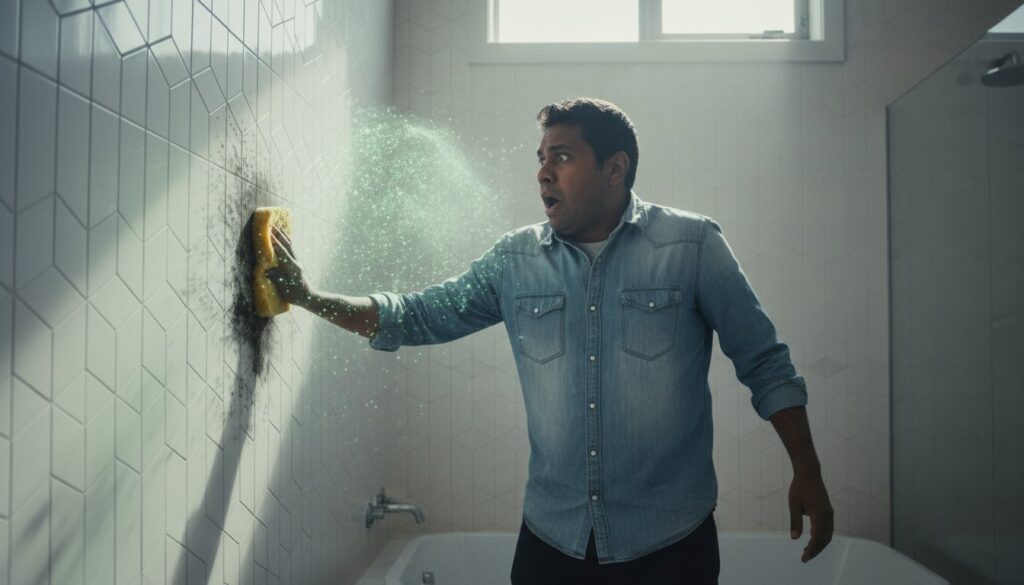
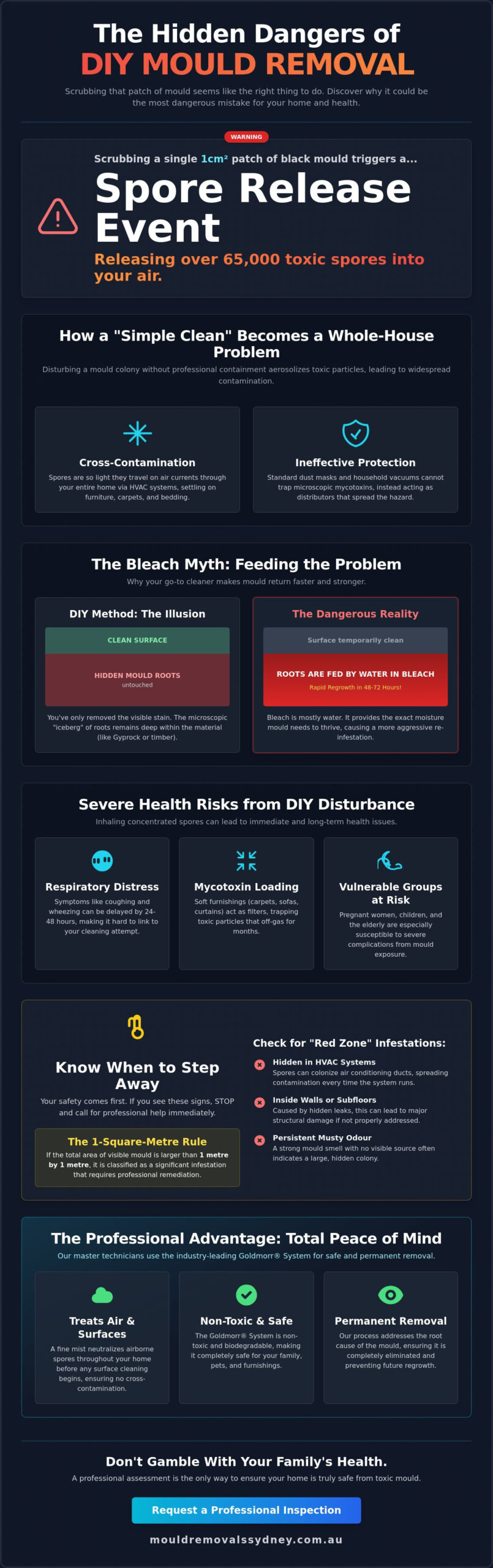
Did you know that scrubbing a single square centimetre of black mould can release over 65,000 toxic spores directly into your breathing zone? It’s a frightening reality for many Australian homeowners. You see an unsightly patch in the bathroom and your first instinct is to grab a sponge and some bleach to protect your family from respiratory illness. It feels like the responsible choice, but the risks of cleaning black mould yourself are often far more dangerous than the mould itself. When you disturb these colonies without professional containment, you aren’t just cleaning. You’re effectively cross-contaminating your entire property.
You’re likely feeling anxious about structural damage or the conflicting advice regarding vinegar versus chemical cleaners. We understand that stress. This article will explain why common DIY methods fail to reach the root of the problem and how to identify when a situation requires a certified master technician. You’ll learn the science behind spore dispersal and how the industry-leading Goldmorr System ensures permanent removal rather than a temporary surface clean. We’ll provide the clarity you need to make an informed decision for your home’s safety and your peace of mind.
Key Takeaways
- Learn why scrubbing mould triggers a massive “Spore Release Event” that spreads microscopic contamination far beyond the visible patch.
- Discover the critical health risks of cleaning black mould yourself, from immediate respiratory reactions to long-term mycotoxin loading in your soft furnishings.
- Uncover the “Bleach Myth” and why water-based household cleaners often provide the exact moisture mould needs to return faster and stronger.
- Identify when to step away using the “1-Square-Metre Rule” and how to spot “Red Zone” infestations hidden in HVAC systems or subfloors.
- Explore how our master technicians use the non-toxic Goldmorr System to treat both air and surfaces for total peace of mind.
Why Cleaning Black Mould Yourself is Often More Dangerous Than the Mould Itself
You see a dark patch on the wall and reach for a scrub brush. Stop. The risks of cleaning black mould yourself often outweigh the immediate benefit of a clean surface. When you physically agitate a colony, you trigger what master technicians call a Spore Release Event. This is a massive airborne contamination where the fungus ejects millions of spores as a survival mechanism. You aren’t just removing a stain; you’re filling your breathing zone with toxic particulates that settle on your furniture, bedding, and carpets.
The Science of Spore Disturbance
Physical scrubbing breaks mould colonies into millions of microscopic, inhalable fragments. These particles are so light they remain suspended in the air for hours after you’ve finished cleaning. Cross-contamination is the spread of spores to unaffected rooms via HVAC systems and internal air currents. In Sydney homes, air pressure changes caused by coastal winds or exhaust fans pull these spores through wall cavities and under floorboards. This turns a localized issue into a whole-house health hazard that requires much more expensive remediation later.
Standard household equipment offers zero protection. A typical dust mask from a hardware store allows microscopic mycotoxins to pass straight through the fabric into your lungs. Even high-end household vacuums lack the industrial-grade seals required to trap mould. Instead of capturing the hazard, your vacuum acts as a distribution tool, aerosolizing mycotoxins across your living spaces. Understanding the risks of cleaning black mould yourself means acknowledging that your home equipment isn’t designed to handle hazardous biological materials.
Stachybotrys Chartarum: Not Your Average Mildew
It’s vital to distinguish between common bathroom mildew and toxic black mould. What is black mould? Technically known as Stachybotrys chartarum, this fungus produces mycotoxins that can lead to severe respiratory distress and neurological symptoms. Unlike dry mildews, black mould is naturally sticky and slimy. This “bio-film” makes it incredibly difficult to remove from porous surfaces like Gyprock or timber without professional-grade solvents that penetrate the material. If you want to identify the specific type in your home, check our guide on what is black mould for Sydney homeowners.
Sydney’s coastal humidity acts as a constant catalyst for rapid regrowth. When you attempt a DIY fix, you usually only remove the visible surface. The microscopic “iceberg” remains hidden deep within the building substrate. With local humidity levels frequently hitting 75% or higher, those remaining roots will re-infest your home within 48 to 72 hours. Professional remediation is the only way to ensure the source is neutralized permanently. It’s that simple. It’s that easy.
The Hidden Health Risks of DIY Mould Disturbance
Scrubbing a patch of mould might seem like a simple weekend chore, but the risks of cleaning black mould yourself often outweigh the cost of professional help. When you disturb a colony with a brush or a cloth, you release millions of microscopic spores into the air. These spores don’t just land on the floor; they float throughout your home for hours. You might feel fine initially, but respiratory reactions are often delayed by 24 to 48 hours after the exposure occurs. This lag time makes it difficult for homeowners to connect their sudden illness to the cleaning attempt they finished two days prior.
Soft furnishings like carpets, curtains, and sofas act as massive filters. They trap these disturbed spores in a process known as “mycotoxin loading.” Even if the wall looks clean, your living room rug could be harbouring toxic particles that continue to off-gas for months. This is why pregnant women, children, and the elderly must never be present during any cleaning attempts. Their immune systems are more vulnerable to the health effects associated with mould exposure, which can lead to severe complications in high concentrations. Professional remediation ensures these vulnerable groups aren’t breathing in concentrated toxins.
Respiratory and Neurological Symptoms
Inhaling concentrated spores during a DIY attempt allows particles to bypass your body’s natural nasal filters. These spores travel deep into the lower respiratory tract. You’ll likely experience chronic coughing or persistent sinus congestion shortly after. Many Sydney homeowners also report “brain fog,” a cognitive impairment linked to mycotoxin inhalation that affects focus and memory. Don’t ignore these signs. Always seek medical advice if symptoms persist after a mould encounter. If you’re feeling overwhelmed by a sudden spread, it’s safer to contact a master technician for a professional assessment.
Sensitization and Long-term Exposure
A single heavy exposure during a failed DIY cleaning can cause permanent mould sensitivity. This means your body will react aggressively to even trace amounts of mould in the future. It’s a common trigger for adult-onset asthma or worsening allergic rhinitis. In many Sydney households, pets are the first to show signs of illness. Because cats and dogs spend more time near floor level where spores settle, their lethargy or skin irritations are often the first warning signs of a toxic environment. Failed DIY attempts also lead to significant psychological stress. Seeing the mould return within 14 days of cleaning creates a cycle of anxiety that impacts your overall well-being. Using the risks of cleaning black mould yourself as a lesson, it’s clear that professional intervention is the only way to break this cycle.
The “Bleach Myth” and Why Household Cleaners Fail
Many homeowners reach for a bottle of bleach at the first sign of a dark patch. This is one of the biggest risks of cleaning black mould yourself. While the stain might vanish, the organism stays alive. Bleach is a surface-level oxidiser. It strips the colour from the mould, making it invisible to the naked eye, but it doesn’t kill the underlying structure. You’re effectively painting the mould white rather than removing it.
The chemical reality is that mould survives through a network of roots called hyphae. These roots grow deep into your walls and ceilings. When you apply bleach, the chlorine stays on the surface while the water component soaks in. Understanding basic facts about mould helps you realise that surface wiping is just an aesthetic fix, not a biological solution. You aren’t killing the infestation; you’re watering it.
DIY cleaners also carry immediate physical dangers. Mixing different household products is a recipe for disaster. If you mix bleach with ammonia or certain acidic cleaners, you can create toxic gases like chloroform or chloramine. These fumes cause immediate respiratory distress, dizziness, and chemical burns to your lungs. Even natural remedies like vinegar or clove oil often fail. While they have mild antifungal properties, they lack the professional-grade surfactants needed to penetrate porous materials and kill the colony at its source.
Bleach vs. Porous Surfaces
Bleach cannot penetrate porous materials like gyprock, timber, or tile grout. The chemical molecules are simply too large to reach the hyphae embedded deep within the substrate. Bleach is 90% water, which feeds the underlying fungus. Once the chlorine evaporates, the remaining moisture provides the perfect environment for the mould to return with a vengeance. This creates a cycle of regrowth that is often more aggressive than the original patch. Master technicians don’t rely on these surface-level “fixes” because they understand the biological reality of mould survival.
The Cost of Regrowth
The financial risks of cleaning black mould yourself add up quickly. A single bottle of “mould killer” from a hardware store might cost A$15 to A$25, but you’ll find yourself buying it every fortnight as the patches return. This “cheap” DIY habit often masks a growing problem inside your wall cavities. When mould is left to thrive in the structure of your home, it leads to wood rot and degraded gyprock.
If you wait until the problem worsens, you could face expensive structural demolition. Replacing wall linings or floorboards can cost thousands of dollars in labour and materials. Professional remediation stops the damage before it requires a builder. For a permanent solution, you should hire mould removal Sydney experts who use the industry-leading Goldmorr System. This scientific approach ensures the mould is gone for good, saving you from future repair bills. It’s that simple. It’s that easy.
When to Step Away: A Safety Checklist for Sydney Homeowners
You might think a bottle of bleach and a scrub brush can solve the problem. It won’t. Scrubbing often releases thousands of spores into your breathing zone, significantly increasing the risks of cleaning black mould yourself. You need to identify when a small patch is actually the tip of a dangerous iceberg. If you don’t have professional containment equipment, you are likely spreading the infestation to every other room in your house.
Evaluating the Infestation Size and Source
- Step 1: Measure the visible area. The industry standard is the 1-square-metre rule. If the mould covers an area larger than a dinner plate, stop immediately. Large-scale colonies require HEPA filtration and negative air pressure to clean safely.
- Step 2: Check for structural dampness. Mould is a symptom of a moisture problem. If your walls feel cold and damp or the paint is bubbling, you likely need water damage repair to address a leaking pipe or roof failure before cleaning begins.
- Step 3: Inspect your HVAC. If you see dark spots on your vents or registers, the mould is inside your air conditioning system. DIY cleaning here is useless. It just blows toxic spores into your bedrooms every time the fan turns on.
Sydney-Specific Warning Signs
Sydney architecture presents unique challenges that make DIY attempts dangerous. Older terraces in suburbs like Surry Hills or Balmain often suffer from rising damp. If you see salt crusting on lower walls, the moisture is coming from the ground through the subfloor. A surface scrub won’t fix a 100-year-old structural issue. In modern high-rise apartments, mould often signals a building-wide ventilation failure. If your windows are constantly dripping with condensation, the risks of cleaning black mould yourself include missing the systemic airflow problem. The mould will return within 7 to 10 days if the underlying cause isn’t fixed by a master technician.
Don’t ignore your nose. A persistent musty or earthy smell is a clear sign of a hidden colony. Mould often grows behind wallpaper, inside wall cavities, or under floorboards where you can’t see it. If you smell it but can’t find it, you have a “Red Zone” situation. Our team uses the Goldmorr System to identify and eliminate these hidden threats without the need for massive demolition. It’s that simple. It’s that easy.
Don’t wait until the problem worsens. Contact Mould Removals Sydney today for a professional inspection and a quote that we promise to beat by 10%.
Professional Remediation: The Goldmorr System Advantage
Don’t gamble with your family’s health by attempting to scrub away toxic growth. The risks of cleaning black mould yourself often outweigh the perceived savings; DIY methods usually disturb colonies and send millions of spores into your ventilation system. ABC Mould Cleaning Solutions provides a safer, scientifically backed alternative through the Goldmorr System. This industry-leading approach eliminates mould at the source without leaving any toxic chemical residues behind.
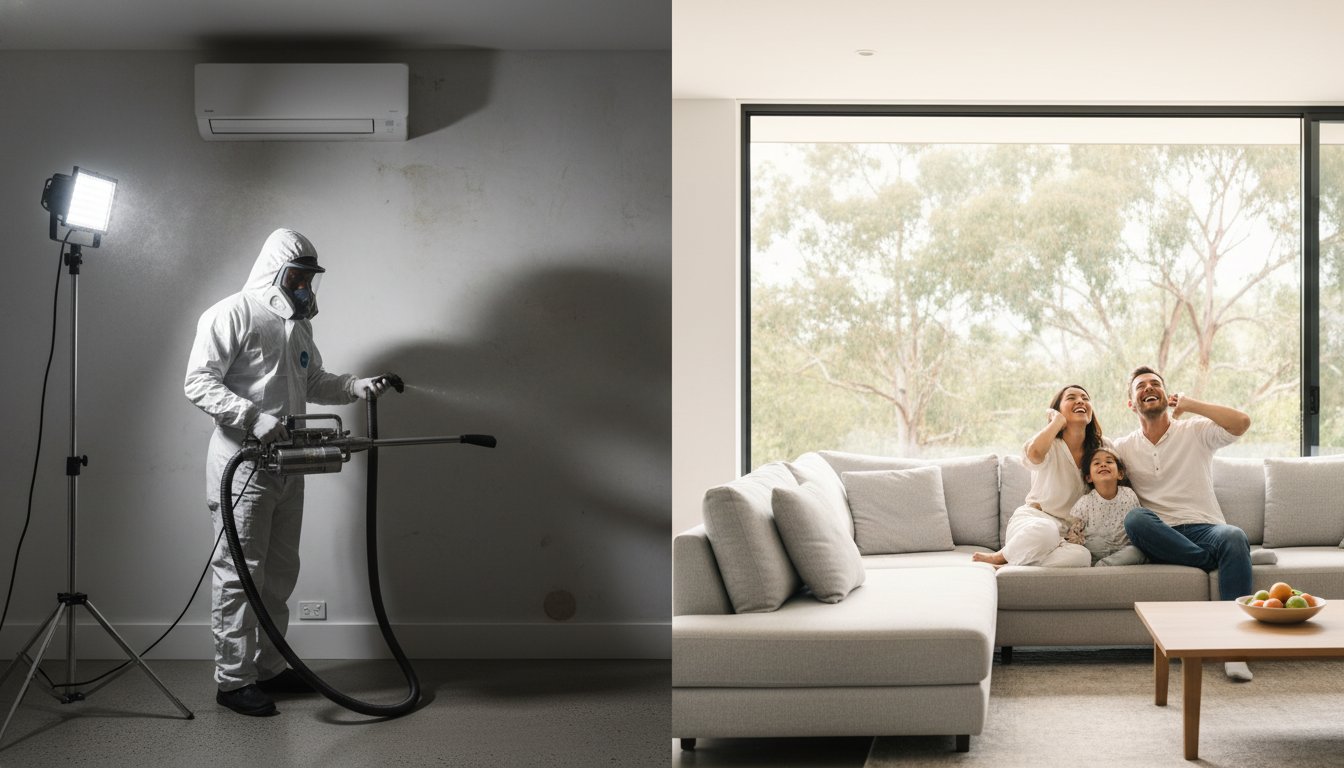
Our master technicians use a specialised fogging process. Unlike traditional cleaning, this treats the entire volume of air in a room, not just the visible spots on the walls. It ensures that invisible, airborne threats are neutralised instantly. We’re the trusted choice for Sydney property owners because we combine this advanced technology with a deep understanding of local building biology.
Surface Removal vs. Air Purification
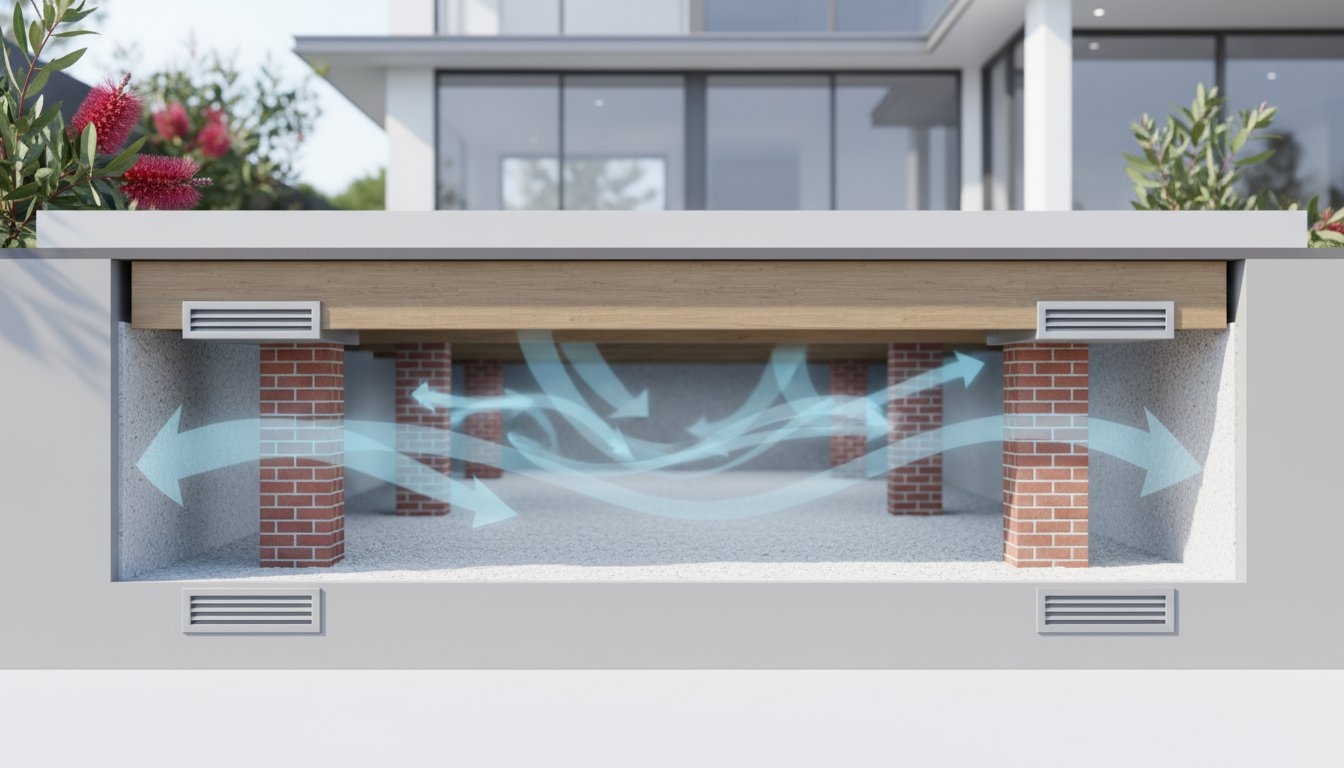
Wiping a wall only solves half the problem. Our team employs non-mechanical air scrubbing techniques designed to capture 99.97% of microscopic spores. We use biodegradable, pet-safe, and family-safe cleaning agents that won’t irritate your respiratory system. Beyond cleaning, we identify the environmental triggers. If your home suffers from poor subfloor ventilation or rising damp, we provide specific recommendations to fix the root cause for good.
The 3-Step Peace of Mind Process
Our team has streamlined our service to make it as efficient as possible for busy Sydney residents. The process is designed for speed and total transparency.
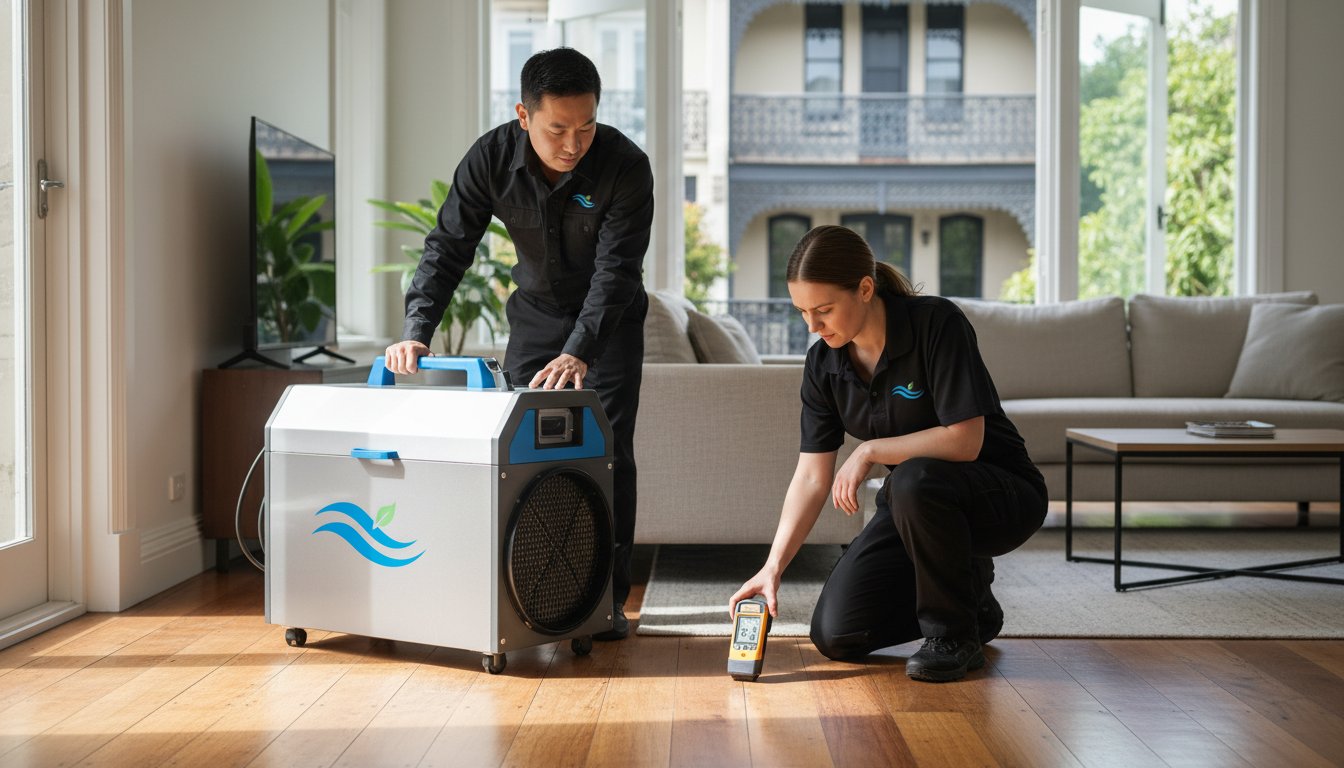
- Step 1: Professional inspection and image-based quoting. You don’t have to wait days for a technician; just send us your photos for a fast estimate.
- Step 2: Rapid remediation using the Goldmorr fogging system to sanitise your living space.
- Step 3: Post-treatment advice and a preventative plan to ensure the mould never returns.
Every emergency situation requires immediate action. That’s why we offer same-day response for emergencies across the Sydney metropolitan area. We’re also committed to being the most affordable professional service in the region. We’ll beat any written quote by 10%, ensuring you get world-class remediation at the best possible price. It’s that simple. It’s that easy.
Protect Your Family with Professional Mould Remediation
Don’t let a small patch of mould turn into a major health crisis. Attempting to scrub away infestations often backfires by releasing millions of microscopic spores into your breathing zone. The risks of cleaning black mould yourself include severe respiratory irritation and the accidental cross-contamination of your entire property. Household cleaners like bleach usually fail because they only mask surface stains while the fungal roots continue to thrive deep within your walls.
Our Certified Goldmorr Master Technicians use a proven, scientific system that’s completely safe for your pets, family, and the environment. We provide a permanent solution that restores your peace of mind without the dangers of DIY disturbance. We’re committed to providing the most effective service in Sydney. We will beat any written quote by 10% to ensure you receive expert care at an affordable price.
It’s that simple to restore your home to a clean, healthy state.
Frequently Asked Questions
Can cleaning black mould make you sick immediately?
Yes, you can experience health symptoms within minutes of disturbing a mould colony. When you scrub or wipe the surface, you release millions of spores into your immediate breathing zone. According to NSW Health, this exposure can trigger instant sneezing, watery eyes, and skin rashes. For the 1 in 9 Australians with asthma, these airborne particles can cause a severe respiratory flare-up before you even finish cleaning.
What happens if you accidentally breathe in black mould while cleaning?
Inhaling spores during DIY attempts allows microscopic toxins to lodge deep in your lung tissue and sinuses. The risks of cleaning black mould yourself include exposure to 100,000 spores per cubic metre when a colony is agitated. This can lead to fungal infections or chronic respiratory issues. Our master technicians use specialized air scrubbing equipment to capture these particles, ensuring your family doesn’t breathe in dangerous contaminants during the process.
Is it safe to clean black mould with bleach and a mask?
No, cleaning with bleach is ineffective and often dangerous for your health. Bleach is 90% water, which actually feeds the mould roots hidden inside porous materials like gyprock. Most hardware store masks don’t provide a 100% airtight seal against microscopic spores either. We use the Goldmorr System because it’s a scientific, biodegradable solution that eliminates mould without the harsh fumes or the regrowth risks associated with bleach.
How do I know if the mould I found is toxic black mould?
You cannot determine if mould is toxic just by looking at it; only laboratory analysis can confirm the presence of Stachybotrys chartarum. While many moulds appear dark, only a physical sample test can identify the specific strain. About 15% of household mould cases in Sydney involve highly toxic varieties that require professional containment. Don’t take the risk of guessing. Send us images of your mould today for a professional assessment and peace of mind.
Why does my mould keep coming back after I clean it with vinegar?
Vinegar only kills approximately 82% of mould species, which means nearly one fifth of the colony remains active after you finish. If the underlying moisture source isn’t fixed, the surviving fungus will recolonise the area within 14 days. Our 3-step process doesn’t just clean the surface; it addresses the airborne spores and the root cause of the infestation. It’s that simple and that easy to get a permanent solution.
When should I call a professional mould remover in Sydney?
You should call a professional if the mould covers an area larger than 1 square metre or if it has spread to your HVAC system. Professional intervention is also vital if the mould is growing on porous surfaces like insulation or carpets. We are trusted local experts who handle these serious threats with a proven system. Don’t wait until the problem worsens because it will. Call us now to schedule your cleaning.
Can I stay in my house while mould is being professionally removed?
Yes, in 90% of residential cases, you can remain in your home while our master technicians work. Our Goldmorr System uses non-toxic, biodegradable products that are completely safe for pets, children, and the environment. Most of our Sydney mould remediation jobs are completed within 24 hours. We focus on restoring your safety and well-being quickly so you can enjoy your home without any lingering health anxieties or musty smells.
Does home insurance cover professional mould removal?
Most Australian insurance policies only cover mould removal if it resulted from a sudden “defined event,” such as a storm or a burst pipe. If the mould is caused by gradual issues like poor ventilation, it’s excluded from 95% of standard policies. Check your specific Product Disclosure Statement for details. To help with the cost, we promise to beat any written quote by 10%, ensuring you get an affordable, expert solution for your property.