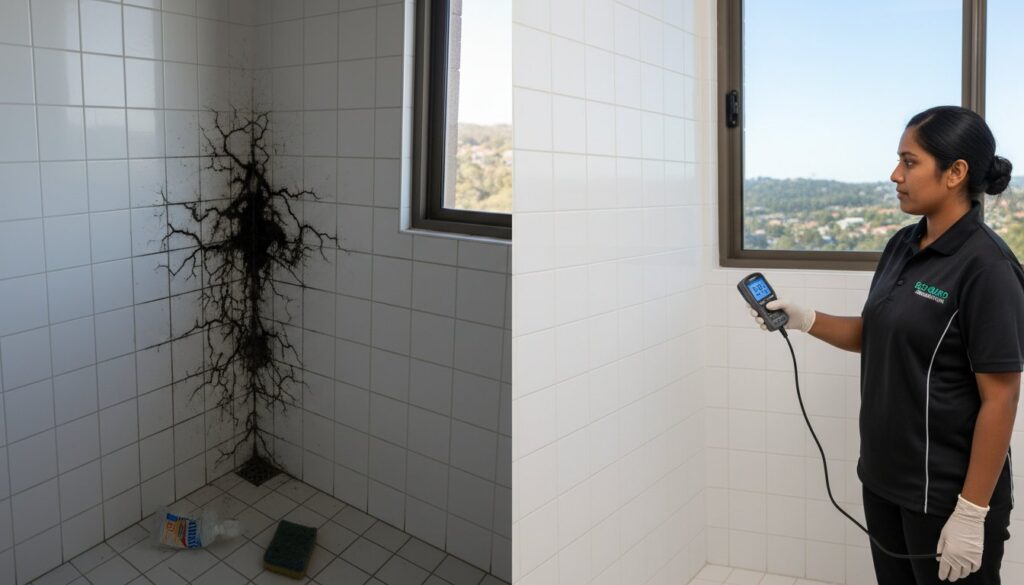
Wiping away visible black spots on your ceiling doesn’t solve a mould problem. It just hides the evidence while the real danger continues to grow behind your walls. You aren’t alone if you feel like you’re losing the battle against recurring dampness. When comparing mould remediation vs mould removal, many Sydney property owners mistakenly believe they are paying for the same thing. However, choosing the wrong one could mean you’re just throwing money at a temporary fix. According to the 2021 Australian Census, over 20% of households reported issues with dampness or mould, yet most people still rely on ineffective surface sprays.
It’s exhausting to scrub your bathroom every weekend only to see those fuzzy patches return a few days later. You deserve to feel safe in your own home without the constant anxiety of health risks or property damage. This guide reveals the critical differences between surface cleaning and permanent remediation to save your health and your property value. We’ll explain the scientific Goldmorr System and show you exactly how our master technicians provide a permanent solution that finally gives you back your peace of mind.
Key Takeaways
- Learn why surface cleaning alone is often a temporary fix and how to restore your property’s safety by addressing the root cause of growth.
- Understand the critical distinction between mould remediation vs mould removal to avoid accidentally spreading invisible, toxic spores through your home.
- Discover the 5-step professional framework, including moisture mapping and containment, that stops infestations from returning and protects your property value.
- Identify when a mould problem is safe for DIY and when the 1-square-metre rule makes hiring a master technician essential for your health.
- Find out how the industry-leading Goldmorr System specifically targets Sydney’s unique humidity challenges to provide a safe, biodegradable, and permanent solution.
The Core Difference: Defining Mould Removal vs Mould Remediation
Finding fungal growth in your home is stressful. You want it gone immediately. However, choosing the wrong service can lead to wasted money and recurring health issues. In the Sydney property market, the terms are often used interchangeably by general cleaners, but there is a massive technical gap between mould remediation vs mould removal. Understanding this distinction is the first step toward protecting your property and your health.
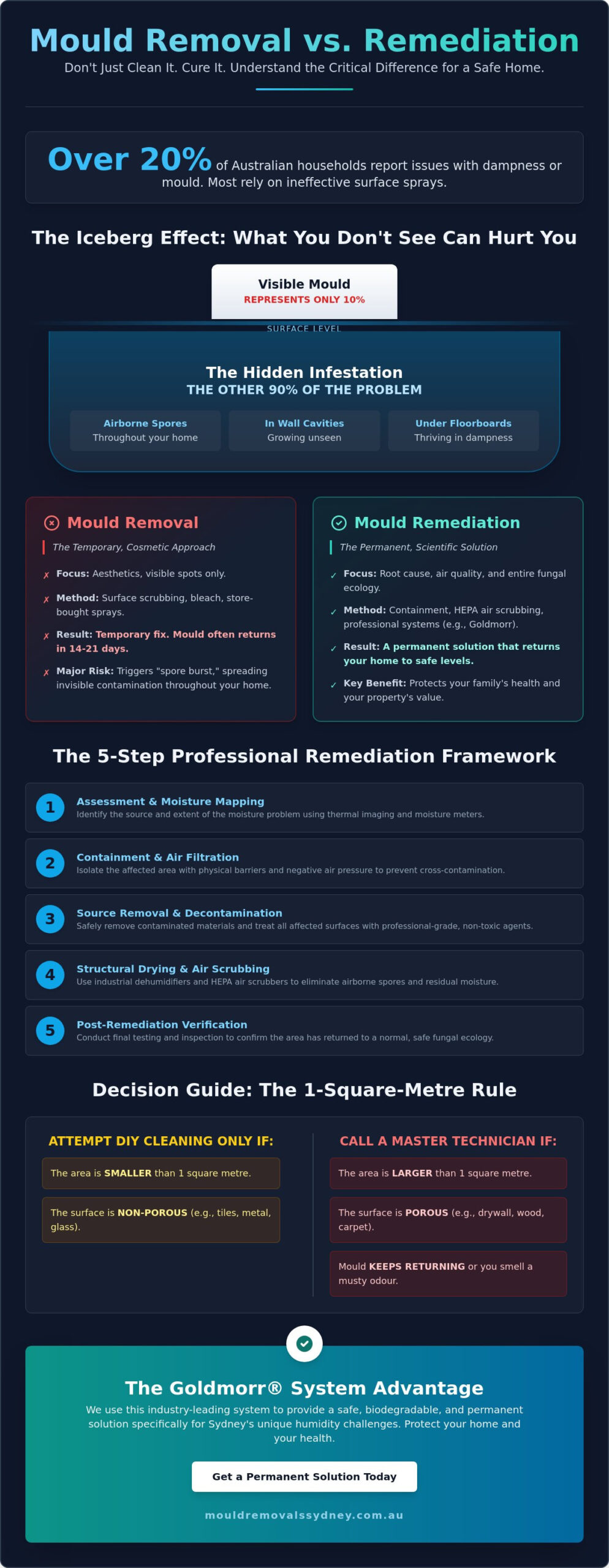
Most general cleaning companies in Sydney offer removal because it’s fast and requires no specialist equipment. They treat mould like common dirt. But mould is a biological hazard, not a stain. When you only address the visible spots, you’re dealing with the “Iceberg Effect.” Industry data indicates that visible growth typically represents only 10% of the total infestation. The other 90% remains hidden in wall cavities, under floorboards, or suspended in the air you breathe. Professional remediation handles the whole problem, while removal just scratches the surface.
What is Mould Removal? (The Cosmetic Approach)
Mould removal is a surface-level solution. It focuses on aesthetics and immediate sanitisation of non-porous materials. If you have a small patch of mildew on bathroom tiles or a metal window frame, a simple removal process might suffice. This usually involves scrubbing with store-bought “mould killers” or bleach. While the surface looks clean, these products often fail to penetrate porous materials like gyprock or timber. You aren’t fixing the problem; you’re just masking it. Without addressing the underlying environment, the mould will return within 14 to 21 days.
What is Mould Remediation? (The Scientific Approach)
Mould remediation is a comprehensive, multi-step process. It returns your property’s fungal ecology to levels that are safe for human habitation. Unlike simple cleaning, remediation addresses the root cause, such as high humidity or hidden pipe leaks. It involves professional containment to prevent cross-contamination and the use of high-grade equipment like HEPA air scrubbers. Understanding The Science of Airborne Spores is critical here. Remediation focuses on these invisible threats that cause respiratory issues and that distinct, earthy smell.
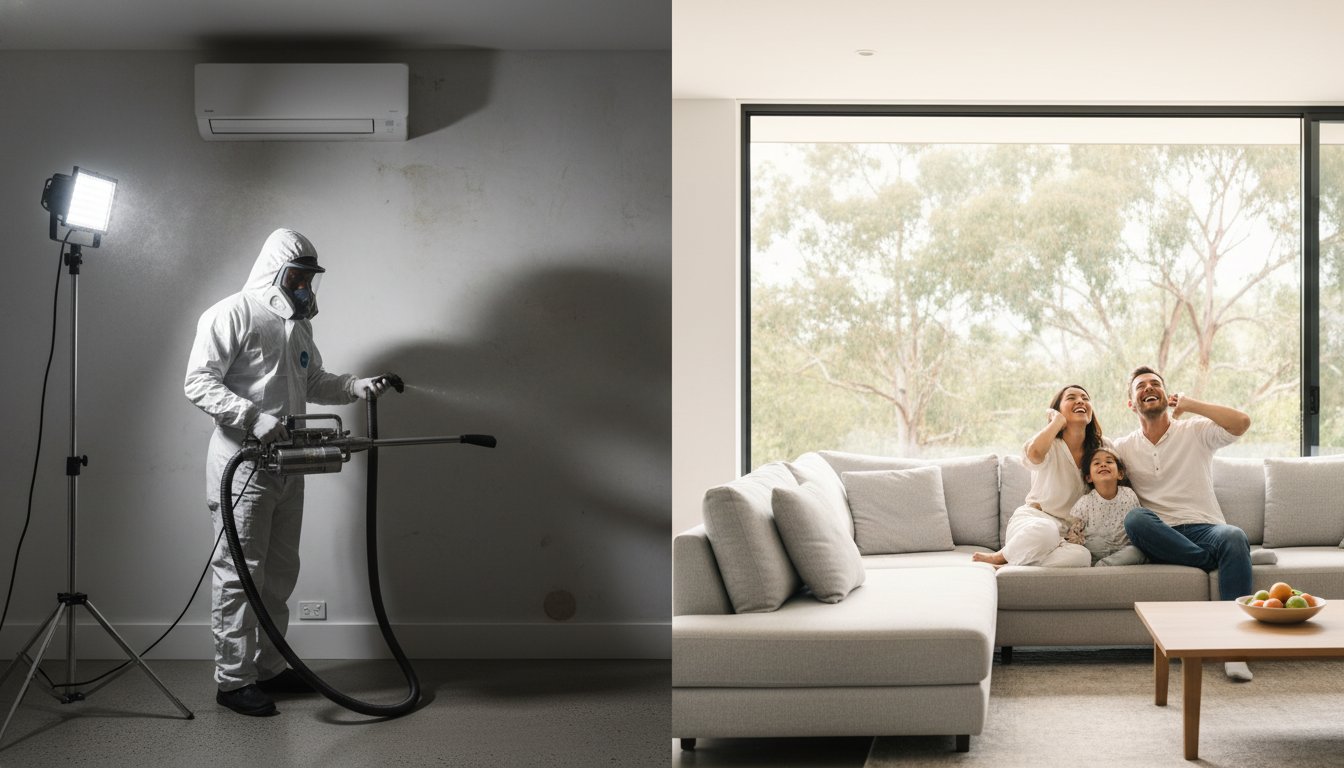
At Mould Removals Sydney, we use the industry-leading Goldmorr System. This isn’t just a wipe-down. It’s a proven system that includes biodegradable fogging to eliminate spores in the air and structural drying to ensure the fungus doesn’t return. Don’t wait until the problem worsens. If you see mould, the structural integrity of your home and your family’s health are already at risk. Send us images today for a fast, affordable quote and get the peace of mind you deserve. It’s that simple. It’s that easy.
Why Surface Removal Fails: The Science of Airborne Spores
Wiping a patch of mould off your wall feels satisfying, but it is often a scientific mistake. Mould spores are microscopic. They usually measure between 3 to 40 microns, which is small enough to stay suspended in the air for hours. These invisible particles travel through your home on air currents and settle deep within your HVAC system. This is where the debate of mould remediation vs mould removal becomes critical for Sydney homeowners. Simple removal treats the symptom, but remediation addresses the invisible atmospheric threat that threatens your family’s health.
When you scrub a dry colony without professional containment, you trigger a “spore burst.” This defensive mechanism releases millions of reproductive units into your living space. Without a Professional Mould Remediation Framework followed by master technicians, these spores relocate and start new colonies in hidden wall cavities. Porous materials like drywall and timber have a high probability of retaining deep-seated hyphae, or mould roots, even after the surface looks clean. You cannot just wipe these away; they require professional-grade neutralisation to prevent a total structural infestation.
The Danger of Disturbing Mould Colonies
Disturbing a colony without containment is like blowing on a dandelion. The spores scatter instantly. Professional remediation uses negative air pressure and industrial HEPA filtration to trap 99.97% of particles as small as 0.3 microns. This is non-negotiable because those spores will otherwise settle in your vents. If you have recently dealt with an infestation, scheduling air duct cleaning ensures your ventilation does not recirculate the problem through every room in the house.
Mycotoxins and Health: Beyond the Visible Patch
Mycotoxins are metabolic byproducts of certain fungal species. These toxic compounds can linger in the air and on surfaces long after the visible mould is gone. If you are experiencing persistent coughing, skin irritation, or chronic fatigue, you might be reacting to black mould spores in your indoor environment. Effective remediation focuses on neutralising these toxins at a molecular level using the Goldmorr System. This scientific approach ensures your home is safe for kids and pets. Don’t wait for your symptoms to worsen. Our team can assess your property and provide a permanent solution that restores your peace of mind.
The 5-Step Professional Mould Remediation Framework
Professional remediation isn’t a simple cleaning job. It’s a scientific process designed to return your property to a safe, pre-loss condition. When you look at the differences between mould remediation vs mould removal, the framework below is what ensures the root cause is killed and won’t return. Our master technicians follow a strict system to ensure your peace of mind.
- Step 1: Comprehensive Inspection. We use moisture mapping to find the exact leak source.
- Step 2: Containment. We set up physical barriers to stop spores from spreading.
- Step 3: Air Purification. We use non-mechanical scrubbing and fogging to clear the air.
- Step 4: Surface Treatment. We remove non-salvageable materials and treat structural surfaces.
- Step 5: Post-Remediation Verification (PRV). We ensure spore counts have returned to normal levels.
Phase 1: Identification and Containment
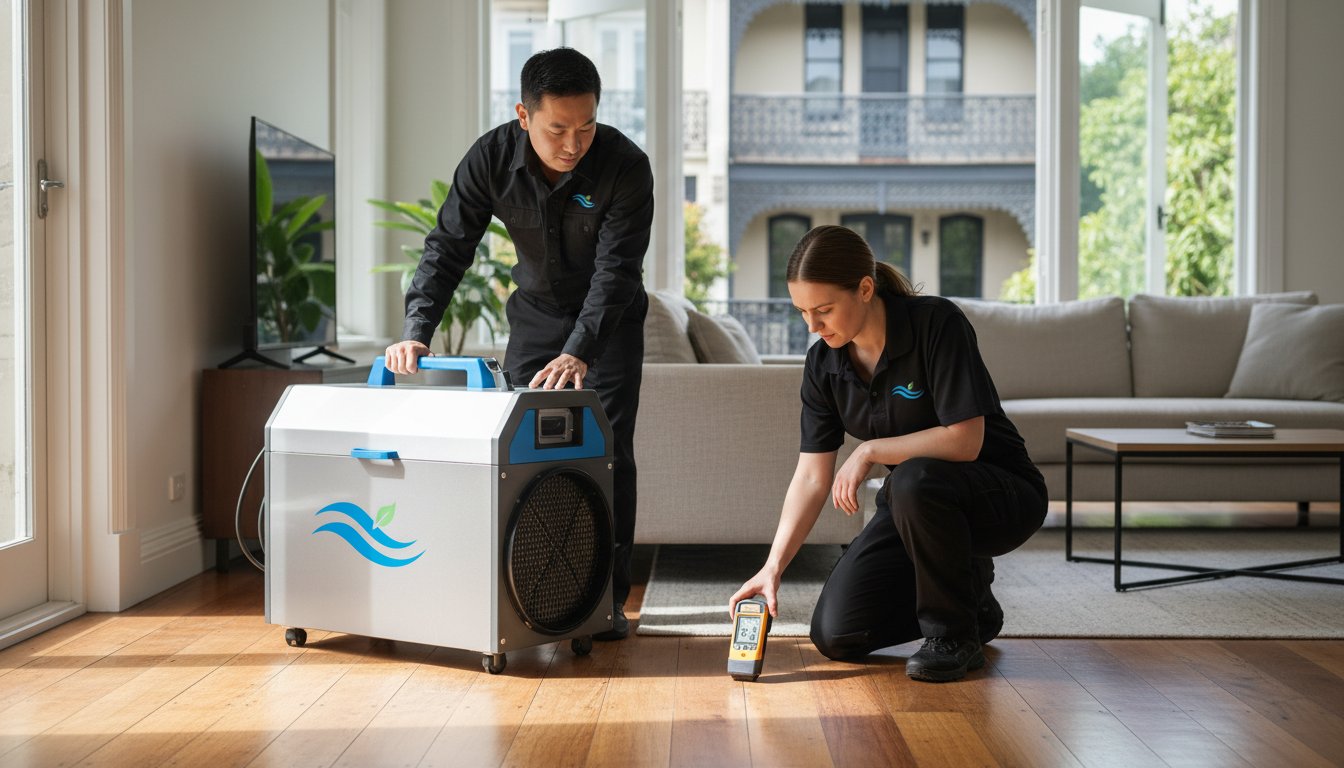
We don’t guess where the moisture is. Our team uses thermal imaging cameras and moisture meters to detect hidden damp behind plasterboard and under floorboards. Identifying the water source is the most critical part of remediation because mould can colonise a damp area within 48 hours. This Decision Guide highlights how water damage must be managed to maintain healthy indoor air quality. Once the source is found, we set up zip-wall barriers and negative air pressure machines. This prevents cross-contamination, ensuring that while we work, agitated spores don’t drift into your living areas. It’s about total isolation and safety.
Phase 2: Treatment and Air Scrubbing
Standard cleaning often fails because it can’t reach inside wall cavities. We use a biodegradable fogging process that penetrates deep into structural voids to neutralise spores. This is where the mould remediation vs mould removal distinction becomes vital. We don’t just scrub the surface; we address the air you breathe. Our mould removal sydney experts utilise the industry-leading Goldmorr System and non-mechanical air scrubbing technology to capture microscopic particles. This phase also includes structural drying. We ensure timber and masonry reach dry-standard levels so the environment no longer supports fungal growth. Our approach is fast, effective, and safe for your family. It’s that simple. It’s that easy.
Decision Guide: When is Simple Cleaning Enough?
Deciding between a quick scrub and a professional intervention is critical for your property’s safety. If you misjudge the scale of the infestation, you risk spreading millions of microscopic spores throughout your ventilation system. You need to evaluate the situation using four specific criteria before picking up a sponge. Understanding the difference in mould remediation vs mould removal starts with an honest assessment of the damage.
- The 1-Square-Metre Rule: This is the standard industry threshold. If the visible growth covers an area larger than 1 square metre, DIY methods are insufficient. Large-scale growth requires professional containment to prevent cross-contamination.
- Surface Porosity: Hard, non-porous surfaces like glass, tile, or metal window frames are usually safe for surface cleaning. Porous materials like gyprock, carpet, and untreated timber trap spores deep within their fibres where sprays can’t reach.
- Recurrence Patterns: New growth from a one-off event, such as leaving a window open during a storm, is often a surface issue. If mould returns to the same spot after you’ve cleaned it, the root cause is structural and requires remediation.
- Occupant Sensitivity: Your health is the priority. If anyone in the home suffers from asthma, chronic allergies, or is immunocompromised, don’t attempt to disturb the mould yourself. Even small amounts can trigger respiratory distress.
When DIY “Removal” is a Safe Option
You can usually handle minor maintenance if the growth is localized and the cause is obvious. Small patches of mildew on bathroom grout or metal window frames are often manageable. These issues typically stem from surface condensation rather than internal leaks. Use safe, non-toxic cleaners rather than harsh bleach, which often fails to kill the roots. If the patch is under 10cm by 10cm and the surface is solid, a thorough scrub and improved ventilation are often enough to solve the problem. It’s that simple.
When Professional “Remediation” is Mandatory
Professional intervention is non-negotiable when the contamination is extensive or hidden. If you find mould covering more than 1 square metre, you’re dealing with a colony that requires specialized air scrubbing. This is essential following significant water damage repair needs where moisture has seeped into structural cavities. Our master technicians use the Goldmorr System to eliminate these threats at the source.
You must call an expert if you detect musty, earthy smells but cannot see any growth. This indicates hidden colonies behind walls or under floorboards. Understanding the nuances of mould remediation vs mould removal ensures you aren’t just painting over a dangerous problem. We provide the peace of mind you need to ensure your air is safe to breathe again.
Don’t wait for the problem to worsen. Send us images of your mould issue today for a fast, affordable quote.
Professional Remediation in Sydney: The Goldmorr Advantage
Sydney’s climate is a double-edged sword. While the coastal lifestyle is iconic, the high humidity levels and the record-breaking 2,536mm of rainfall recorded in 2022 have made mould a persistent threat to local properties. When you’re weighing up mould remediation vs mould removal, the local environment usually dictates the solution. Surface cleaning is a temporary fix that fails to address Sydney’s damp subfloors and porous sandstone foundations.
We use the Goldmorr System, a world-leading remediation process that sets the gold standard for safety and effectiveness. This system uses biodegradable products that are safe for your children and pets. Unlike traditional methods that rely on harsh chemicals, the Goldmorr process includes a non-mechanical air scrubbing phase. This targets invisible airborne spores, ensuring your indoor air quality is restored to healthy levels. We don’t just hide the problem; we eliminate it using scientific, industry-leading techniques.
- Fast Response: Mould doesn’t wait, and neither do we.
- Biodegradable Fogging: Total room decontamination without toxic residues.
- Cost-Effective: We will beat any written quote by 10%.
- Master Technicians: Expert handling of serious structural threats.
Why Sydney Homes Require Specialized Remediation
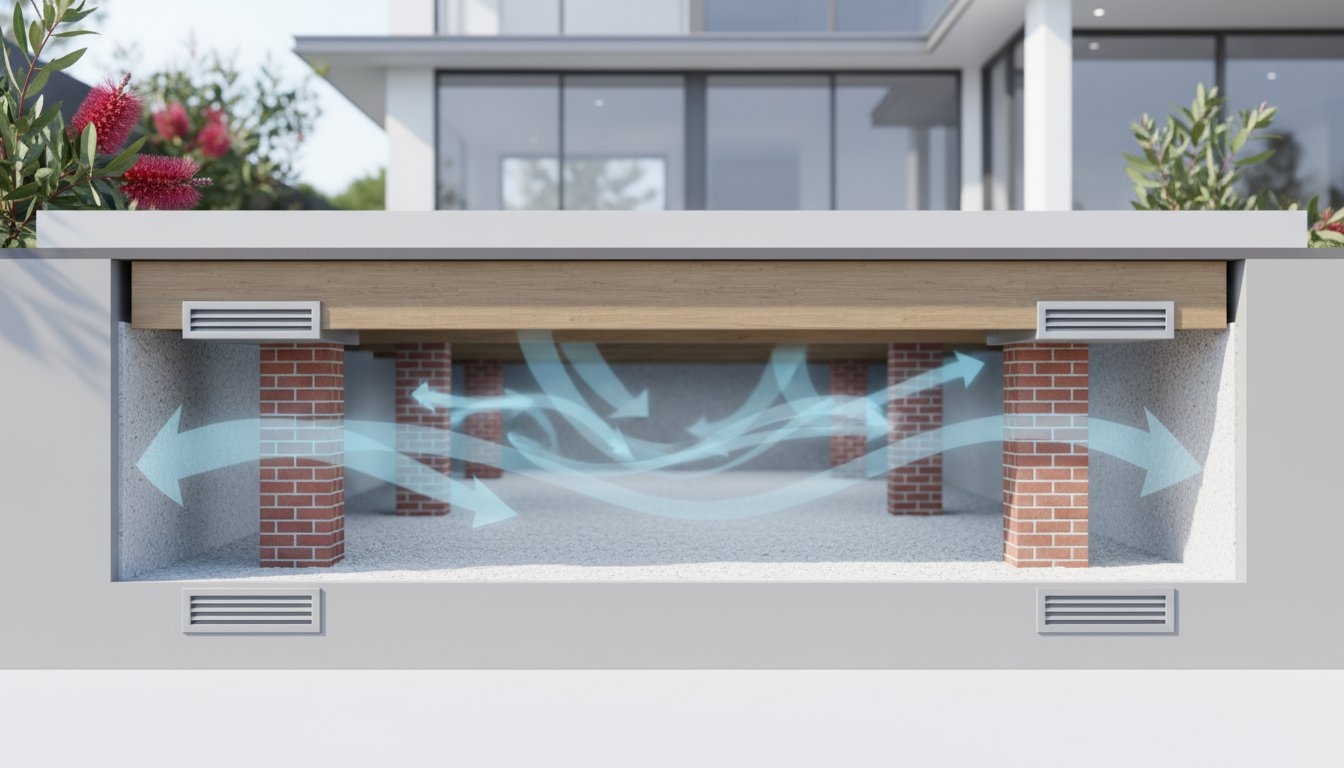
Sydney properties face unique structural challenges that require more than a generic cleaning service. Many older homes in the inner west and eastern suburbs sit on sandstone foundations. These foundations act like a sponge, drawing moisture from the ground through capillary action. Without professional subfloor ventilation and moisture management, this leads to chronic rising damp. Our local expertise ensures we identify these structural flaws. We focus on long-term prevention by managing the airflow and moisture levels that allow mould to thrive in the first place.
The ABC Mould Cleaning Solutions Guarantee
You shouldn’t have to wait for peace of mind. Our streamlined process is designed for maximum efficiency. You can send us images of your mould issue via your smartphone, and we’ll provide an affordable quote almost immediately. This removes the friction and gets our Master Technicians to your door faster. We’re committed to restoring your home to a safe, healthy environment quickly and professionally. It’s that simple. It’s that easy.
Don’t let mould compromise your health or your property’s value. Contact Sydney’s mould remediation experts today for a permanent solution that protects your home for the long term.
Take Control of Your Indoor Air Quality Today
Choosing between mould remediation vs mould removal means deciding between a surface level wipe-down and a scientific solution that targets microscopic airborne spores. While simple cleaning might make a wall look better for a few days, the IICRC S520 Standard for Professional Mould Remediation confirms that treating the air is just as vital as cleaning the surface. Our IICRC Trained Master Technicians use the industry-leading Goldmorr System to eliminate the root cause of the infestation. This proven process uses safe, biodegradable, and pet-friendly treatments that protect your family while restoring your property. Don’t wait for the problem to worsen and cause structural damage or respiratory issues; it’s time to act. You deserve the peace of mind that comes from a permanent fix. We’re committed to providing the most effective service in Sydney at the best price possible. It’s that simple. It’s that easy.
Get a Free Mould Remediation Quote & We’ll Beat Any Written Offer by 10%
Let’s get your home back to a healthy, mould-free state today.
Frequently Asked Questions
Is mould remediation really necessary for a small amount of mould?
Yes, mould remediation is necessary because surface cleaning alone doesn’t address invisible airborne spores or the root cause of the growth. Even a small patch of 10 square centimetres can release millions of spores into your home environment. Professional remediation identifies the moisture source and treats the air to prevent immediate regrowth. Don’t wait until the problem worsens because it will. Addressing it early saves you from future structural damage and health risks.
Can I stay in my house during the mould remediation process?
You can often stay in your home if the affected area is confined to a single room that can be fully sealed. Our master technicians use containment barriers and non-mechanical air scrubbing to keep the rest of your property safe. However, if the mould covers more than 10 square metres or requires extensive structural work, we may recommend vacating for 24 hours. We prioritize your safety and will provide a clear recommendation after the initial inspection of your property.
How long does professional mould remediation typically take?
Professional mould remediation typically takes between 1 and 3 days for most residential properties in Sydney. A small bathroom treatment might take 4 hours, while a whole-house remediation involving the Goldmorr System takes longer. The duration depends on the moisture levels and the size of the contamination. We provide a specific timeline once you send us images of the affected areas. It’s a fast, efficient process designed to restore your peace of mind quickly.
Does home insurance usually cover mould remediation or just removal?
Home insurance usually covers mould remediation only if it results from a defined event like a burst pipe or flash flooding. Most Australian policies exclude mould caused by gradual wear, poor ventilation, or high humidity. According to the Financial Rights Legal Centre, you must prove the mould is a direct consequence of a covered claim. Check your Product Disclosure Statement for specific exclusions regarding gradual seepage or hygiene issues. Understanding the difference between mould remediation vs mould removal is vital for these claims.
What is the average cost difference between removal and remediation in Sydney?
Remediation costs more than simple removal because it involves air purification and source identification. While basic surface removal might cost a few hundred dollars, comprehensive remediation projects in Sydney often range from A$500 to A$5,000 depending on the scope. We offer a competitive advantage by promising to beat any written quote by 10%. This ensures you get a professional, scientific solution at the most affordable price in the local market. Knowing the facts about mould remediation vs mould removal helps you choose the right service level.
How do I know if the mould remediation was successful?
You know the process is successful when there’s no visible growth, no musty odour, and post-remediation air samples return to normal levels. We use the Goldmorr System to ensure surfaces are sterile and the air is clear of spores. Success is defined by a 0% recurrence rate when the underlying moisture issue is fixed. If you still smell an earthy scent after 48 hours, the remediation hasn’t addressed the hidden spores. Our master technicians provide a final walkthrough to confirm the results.
What happens if I just ignore the mould and keep cleaning it myself?
Ignoring the need for professional help leads to recurring growth and potential respiratory issues. DIY cleaning with bleach only masks the problem; it doesn’t kill the roots on porous surfaces. Over 25% of Australian homes experience mould issues that worsen when untreated. Persistent mould eats through drywall and timber, leading to expensive structural repairs. It’s better to act now before the unsightly spread becomes a major financial burden. Send us images today for an affordable quote.
Is the fogging process used in remediation safe for pets and children?
The biodegradable fogging process used in our Goldmorr System is completely safe for pets, children, and the environment. It targets airborne spores without leaving toxic residues on your furniture or flooring. We ask that you remain out of the room during the actual application, but you can return to the space within 3 hours. It’s a non-toxic, industry-leading solution that provides peace of mind for your whole family. It’s that simple. It’s that easy.