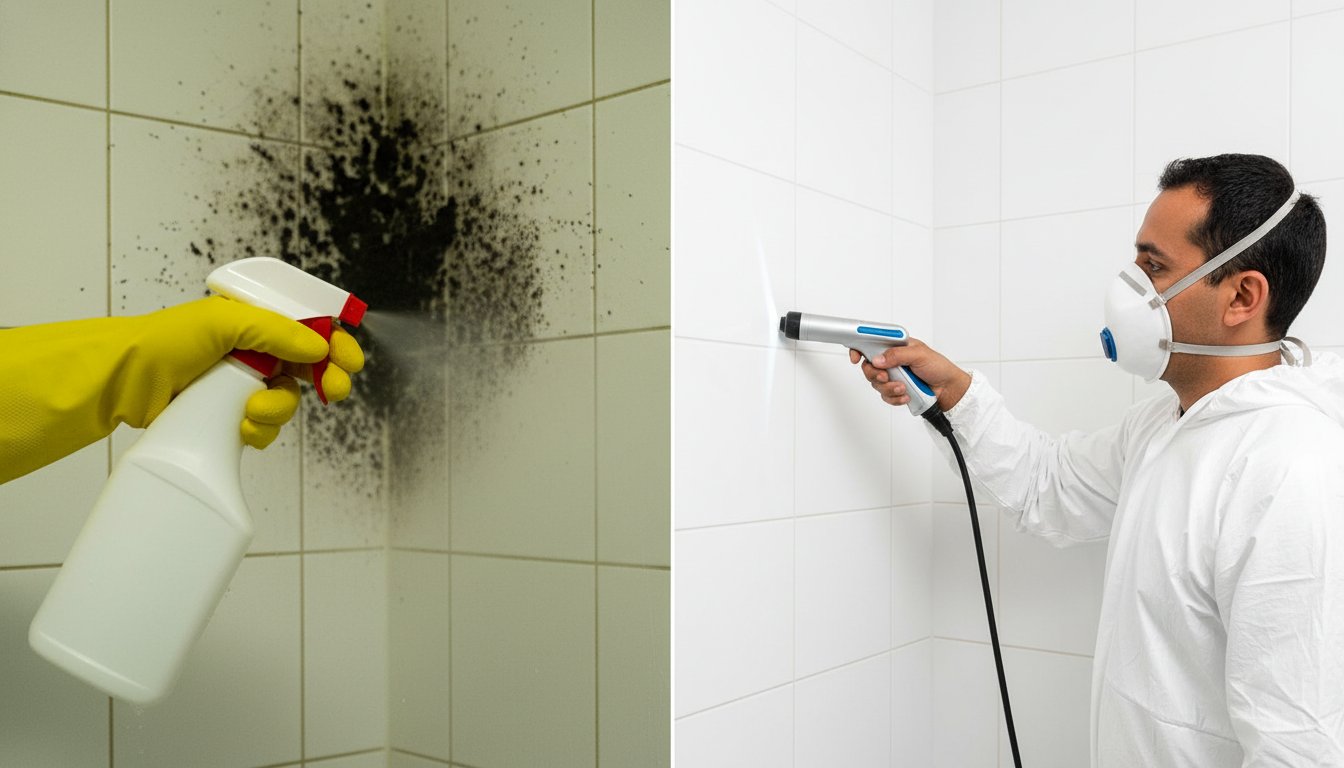
It’s a familiar story for many Sydney homeowners: you see those ugly black spots in the bathroom, you reach for a bottle of Exit Mould, and for a little while, the problem seems to disappear. But is that quick spray truly solving the problem, or just hiding it? If you’re tired of the harsh chemical smell, frustrated that the mould keeps returning, and worried about what you’re really exposing your family to, you’ve arrived at the right place.
The truth is, there’s a critical difference between cleaning surface stains and performing a professional remediation that eliminates the mould at its source. This guide will break down what DIY products can and can’t do, helping you make an informed decision between a temporary fix and a permanent solution. It’s time to stop the endless cycle of spraying and scrubbing and learn how to achieve a safe, healthy, and truly mould-free home for the long term.
What is Exit Mould and How Does It Actually Work?
Walk into almost any Australian home, and you’ll likely find a bottle of Exit Mould under the sink. It has become the go-to, off-the-shelf product for tackling those unsightly dark spots that appear in bathrooms and laundries. While it delivers a fast visual result, it’s crucial to understand that its primary function is as a powerful surface cleaner and stain remover, not a comprehensive mould remediation solution.
The effectiveness of this popular spray comes down to one key active ingredient: Sodium Hypochlorite. This chemical is a form of bleach, a potent oxidising agent known for its ability to kill germs and whiten stains. When you spray it on a mouldy surface, it immediately begins to break down the pigments in the mould, effectively bleaching the dark colour away. This process is why it appears to work so quickly. However, understanding the complex nature of Indoor mold reveals that simply removing the visible stain doesn’t eliminate the underlying problem.
The Power of Bleach for Surface Stains
The immediate visual satisfaction from using a bleach-based cleaner is undeniable. Sodium Hypochlorite is highly effective at whitening mould stains on hard, non-porous surfaces like glazed tiles, porcelain, and some plastics. By killing the surface growth and bleaching the remaining stain, it makes the area look sparkling clean. This rapid transformation is what makes it so appealing for a quick bathroom tidy-up, but it’s important to recognise this as a cosmetic fix.
Application and Intended Use
Exit Mould is designed for convenience as a simple ‘spray and rinse’ solution. Its intended use is for small, manageable mould problems on appropriate surfaces. It is best suited for:
- Minor dark spots appearing on shower grout.
- Small patches on silicone seals around sinks and bathtubs.
- Superficial mould growth on hard, waterproof surfaces.
While effective for these minor tasks, it does not penetrate porous materials like wood, plasterboard, or ceiling paint. On these surfaces, the bleach may clean the stain, but the mould’s “roots” (hyphae) remain untouched, ready to regrow and release airborne spores. This is the critical difference between a surface clean and a professional remediation.
The Hidden Dangers and Limitations of DIY Bleach Sprays
While a spray like exit mould can deliver a fast, visible result by bleaching surface stains, this cosmetic fix masks a much deeper problem. It addresses what you can see, but completely ignores the underlying mould colony and the hazardous conditions it creates. Don’t be fooled by the temporarily clean appearance; true mould remediation goes far beyond what any off-the-shelf bleach spray can achieve.
The truth is, relying on these products often makes the situation worse. It provides a false sense of security while the mould continues to thrive and spread behind the scenes, posing a significant risk to your property and your family’s health.
Why Bleach Fails on Porous Surfaces
Mould isn’t just a surface stain; it’s a living organism with roots (called hyphae) that grow deep into porous materials like plasterboard, wood, and grout. Bleach is primarily composed of water. When you spray it onto these surfaces, the chlorine component quickly evaporates, leaving the water behind. This water soaks into the material, feeding the mould’s roots and encouraging deeper, more aggressive regrowth. It may remove the colour, but the mould structure remains, ready to reappear stronger than before.
The Unseen Threat: Airborne Mould Spores
The most significant danger that DIY sprays don’t address is the one you can’t see: airborne mould spores. A single mould colony can release millions of microscopic spores into the air. Spraying or scrubbing at the mould disturbs it, sending even more of these particles into your home’s air. These spores are the primary way mould spreads to other rooms, and inhaling them can lead to respiratory issues, allergic reactions, and other serious health problems. A surface spray does nothing to purify the air you breathe.
Safety Concerns and Surface Damage
The harsh chemicals in products like exit mould present their own set of risks. The strong fumes can cause respiratory irritation, headaches, and dizziness, especially in poorly ventilated spaces like bathrooms and laundries. Furthermore, bleach is a corrosive agent that can discolour painted walls, damage fabrics, and eat away at tile grout over time. Many homeowners attempting DIY removal lack the proper Personal Protective Equipment (PPE), exposing themselves directly to these chemicals. Global authorities have long highlighted the dangers of using bleach for mould, confirming it is not an effective or safe long-term solution.
Professional Mould Remediation: A Comprehensive Approach
When you’re faced with persistent mould, the professional approach goes far beyond the ‘spray and wipe’ method offered by products like Exit Mould. A certified Mould Removalist doesn’t just treat the visible stain; we implement a scientific, multi-step remediation plan designed to eradicate the entire mould colony, identify the source, and ensure it doesn’t return. This is the critical difference between a temporary cosmetic fix and a lasting, healthy solution for your home.
Step 1: Inspection and Root Cause Analysis
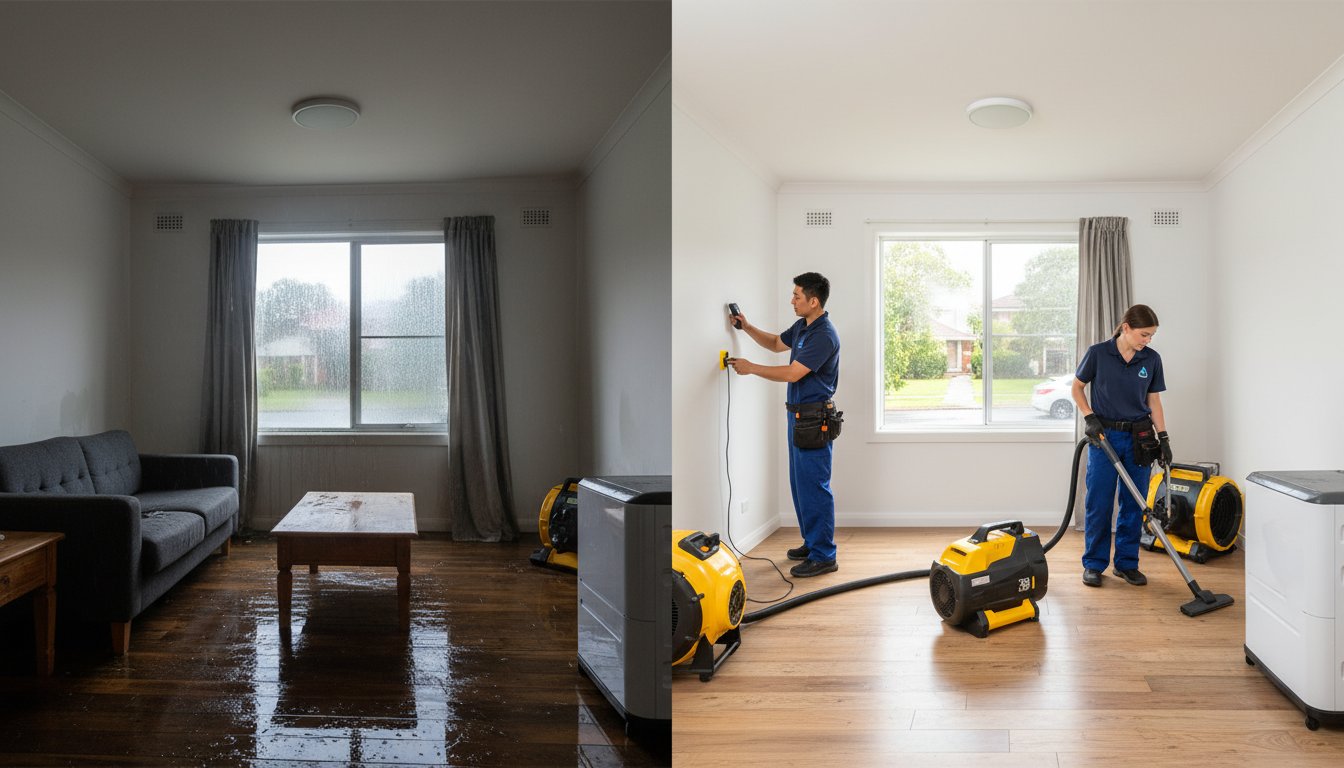
Our first step is always investigation, not application. A professional technician uses specialised equipment, like moisture meters, to find the hidden source of the dampness fueling the mould growth. We identify the full extent of the problem-even behind walls and under floors. Fixing the root cause, whether it’s a slow leak or poor ventilation, is the only way to guarantee the mould won’t come back.
Step 2: Containment and Air Purification
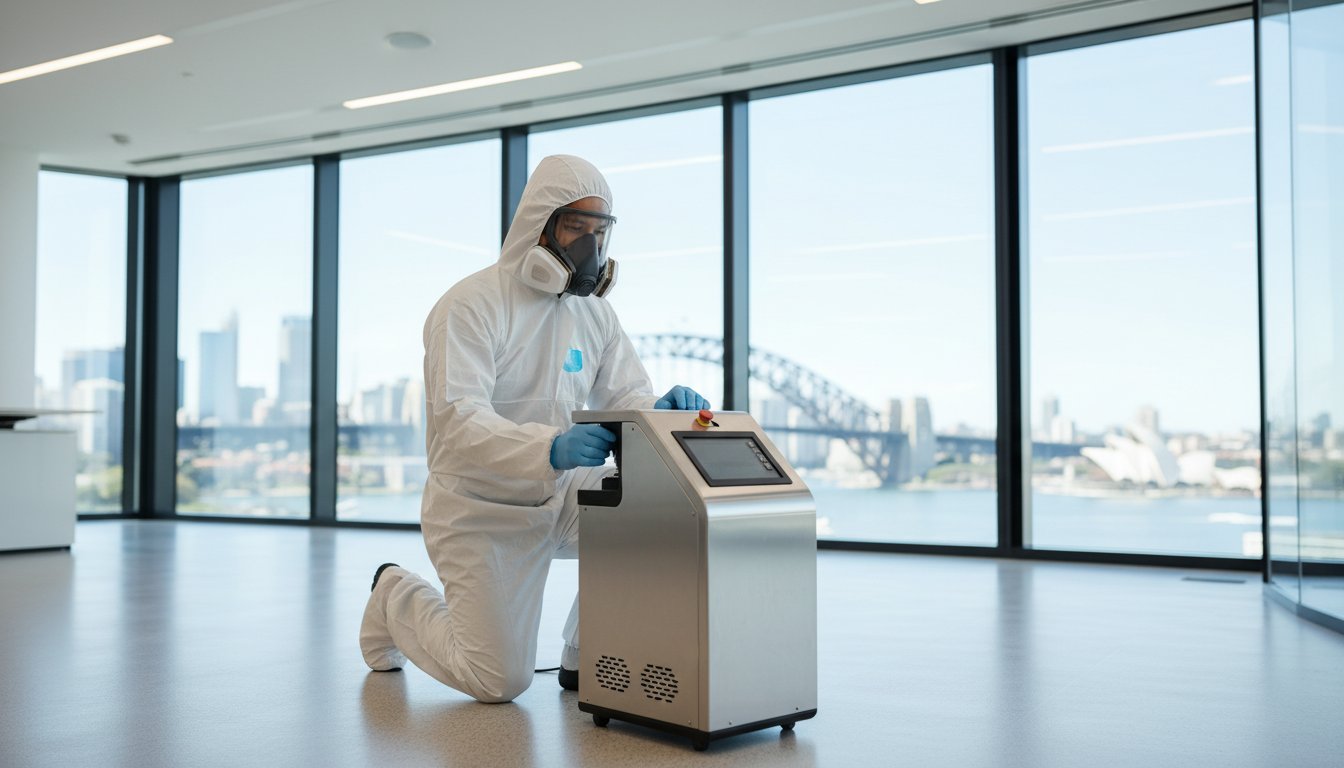
Mould spores are microscopic and travel easily through the air. Disturbing a mould colony can spread contamination throughout your property. To prevent this, we seal off the affected area using containment barriers. We then deploy industrial-grade HEPA air scrubbers. These powerful machines run continuously to capture airborne spores, purifying the air and ensuring your home is safe to breathe in again.
Step 3: The Goldmorr System for Removal
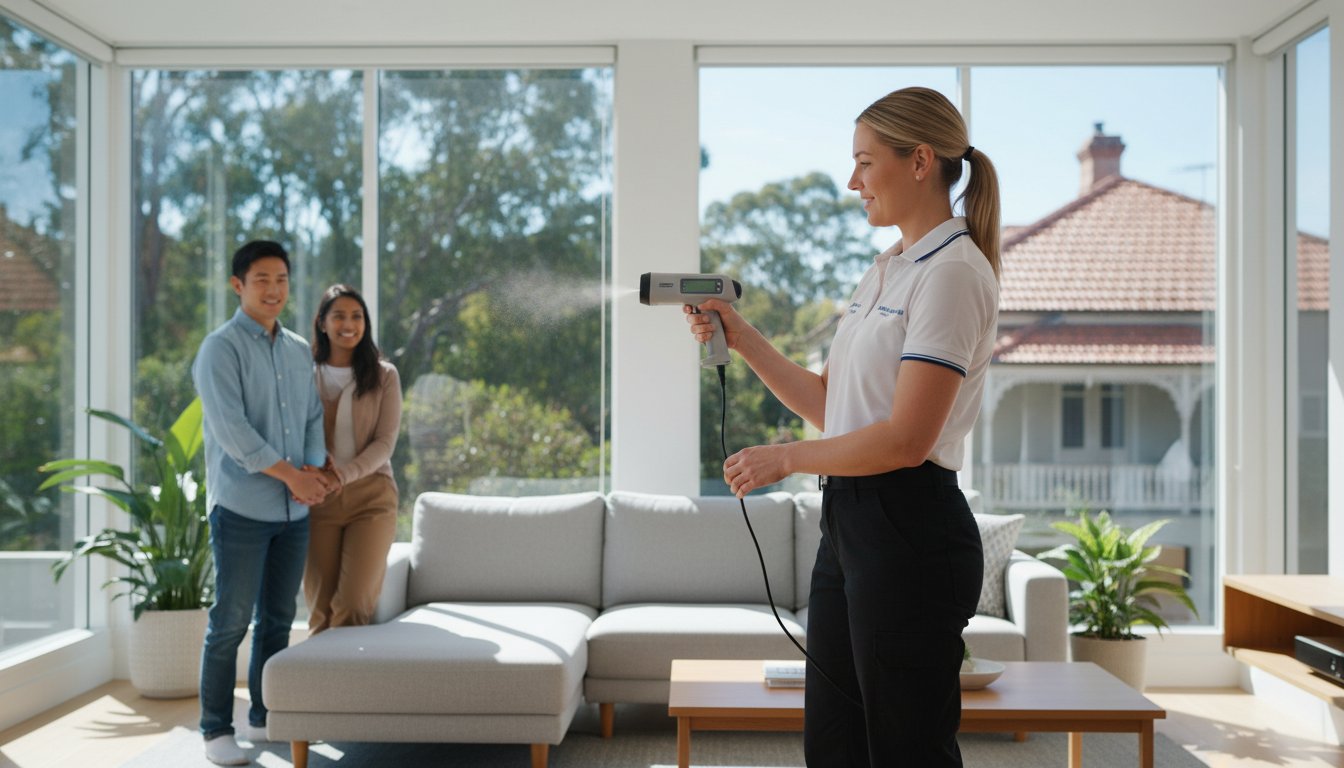
We use the industry-leading Goldmorr System, a process that relies on specialised, non-bleach based agents to kill mould at its source. Unlike harsh chemicals that can damage surfaces and pose health risks without proper safety measures, as highlighted in NSW Health advice on mould, our system is both effective and safe. A final fogging process eliminates any remaining spores, providing a level of deep clean that a surface spray like Exit Mould simply cannot achieve.
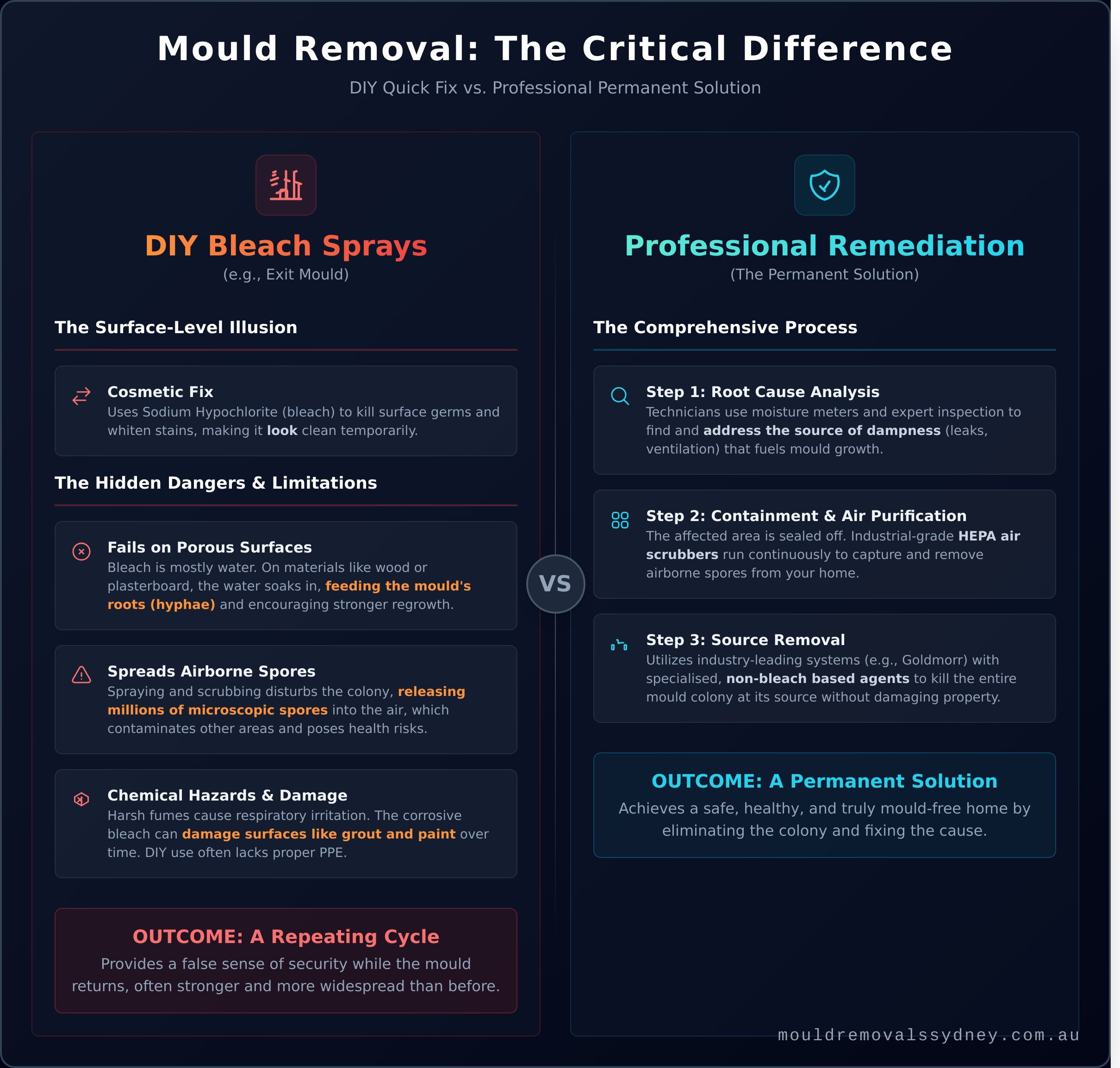
Exit Mould vs. Professional Service: A Side-by-Side Comparison
When you discover mould, the immediate goal is to remove it. However, the method you choose has vastly different outcomes for your property and your family’s health. Understanding the differences between a quick spray like Exit Mould and a professional remediation service is crucial. Let’s break down the key factors to help you make the right decision.
Effectiveness & Permanence
The biggest distinction lies in the result. A DIY spray offers a temporary, cosmetic fix, while a professional service delivers a permanent solution.
- Exit Mould: These products are typically bleach-based cleaners. They are effective at removing the surface stain of mould, making the wall or ceiling look clean. However, they do not eliminate the mould’s root system (hyphae) embedded within porous materials like plasterboard or wood, nor do they remove airborne spores. As a result, the mould almost always returns.
- Professional Service: A certified Mould Removalist addresses the problem at its source. We identify and help resolve the moisture issue that allowed mould to grow in the first place. Our remediation process safely removes contaminated materials and treats the area to kill mould at its roots, ensuring it doesn’t come back.
Safety & Health Impact
Your family’s wellbeing is paramount. While a DIY approach seems simple, it can introduce risks that a professional service is trained to prevent.
- Exit Mould: The harsh chemical fumes from bleach-based sprays can be overpowering and pose a risk to those with asthma, allergies, or respiratory sensitivities. Scrubbing mould can also release millions of spores into the air, spreading contamination to other parts of your home and increasing health risks.
- Professional Service: Safety is our top priority. We use controlled processes, including setting up containment zones to stop cross-contamination and employing commercial-grade air scrubbers to capture airborne spores. This protects your family from exposure to both harmful mould and harsh chemicals.
True Cost Over Time
A cheap initial price can be deceptive. The true cost of mould removal is not just the price of a bottle, but the long-term expense of an incomplete solution.
A spray cleaner might only cost A$10-A$15, but you will likely be buying it again and again as the mould reappears. This cycle ignores the escalating hidden costs of ongoing structural damage to your property and potential health issues from chronic mould exposure. A professional service is a higher upfront investment, but it is a one-time cost for a permanent solution. It protects your property’s value and prevents future expenses.
Don’t let a small problem become a costly one. Get a free, no-obligation quote today and invest in your home’s health and safety.
When to DIY vs. When to Call a Sydney Mould Removalist
Deciding between a DIY solution and professional mould remediation can be confusing. While a quick spray with a product like Exit Mould might seem like an easy fix for a small spot in the shower, understanding the limits of these products is crucial for your property’s health and your family’s safety. Making the wrong choice can lead to recurring mould, structural damage, and ongoing health risks. Here’s a straightforward guide to help you assess your situation accurately.
Scenarios for a DIY Approach
For truly minor and isolated incidents, a DIY approach can be effective. You can consider tackling the problem yourself only when all of the following conditions are met:
- The mould patch is very small: The affected area should be less than the size of a dinner plate and confined to one spot.
- It’s on a hard, non-porous surface: Think glazed tiles, a ceramic sink, or sealed countertops. These surfaces don’t allow mould to grow deep roots.
- You have fixed the moisture source: You’ve identified and resolved the minor cause, such as improving ventilation in a steamy bathroom or fixing a tiny leak.
Clear Signs You Must Call a Professional
Using a surface cleaner like Exit Mould on a serious infestation is like trimming the leaves of a weed-it doesn’t kill the root system. Don’t risk your health or property; it’s time to call a professional Mould Removalist immediately if you notice any of these red flags:
- The mould covers a large area: If the mould patch is larger than one square metre, it is considered a significant contamination that requires professional equipment and containment.
- It comes back repeatedly: If you clean the mould and it returns, it means the underlying cause and hidden spores have not been addressed.
- You notice a strong, musty smell: This distinct odour is a tell-tale sign of hidden mould growing behind walls, under floors, or in your ceiling cavity.
- The mould is on porous materials: Drywall (gyprock), wood, carpet, and insulation are like sponges for mould. Surface cleaning cannot penetrate these materials to remove the infestation.
- Someone in your home is vulnerable: If anyone in your household suffers from asthma, allergies, respiratory issues, or is immunocompromised, you must not attempt a DIY removal due to the risk of releasing harmful airborne spores.
If your situation involves any of the signs above, the problem is beyond a simple fix. For a safe, effective, and permanent solution, contact a certified Sydney Mould Removalist to ensure your home is healthy and mould-free. It’s that simple.
The Final Verdict: Protecting Your Sydney Home from Mould
When it comes to protecting your property and family, the choice is clear. While a spray bottle of exit mould can temporarily hide a small surface stain, it doesn’t address the underlying infestation or the airborne spores that pose a genuine health risk. True mould remediation requires a professional approach that identifies the moisture source, contains the area, and safely eliminates the problem for good, preventing its return.
Don’t leave your home’s health to a temporary fix. As Sydney’s trusted Mould Removalists, our Approved Master Technicians use the proven Goldmorr System for lasting, effective results. We are so confident in our service and value that we promise to beat any written quote by 10%. It’s that simple.
Worried about mould? Don’t guess. Get a professional assessment and a free quote today! Take the definitive step towards a safer, healthier home environment.
Frequently Asked Questions
Can’t I just use vinegar instead of Exit Mould to kill mould?
While vinegar has mild antifungal properties, it is often ineffective on porous surfaces like plasterboard or wood where mould roots can grow deep. Products like Exit Mould are stronger but primarily act as surface cleaners. Neither DIY solution addresses the underlying moisture issue or eliminates airborne spores, which is critical for preventing regrowth. For a truly effective and lasting solution, professional assessment is always recommended to tackle the problem at its source.
How do I know if mould has spread behind my walls or under the floor?
A persistent, musty odour that doesn’t disappear with cleaning is a major red flag. Other signs include discoloured or peeling paint, warped walls, or buckled floorboards with no obvious cause. If you spot mould growing near skirting boards or power outlets, it is highly likely there is a larger, hidden problem. Don’t wait for the problem to worsen; a professional inspection can confirm the extent of the growth and prevent serious structural damage.
Is professional mould removal in Sydney really worth the cost?
Absolutely. While professional services can range from several hundred to a few thousand dollars (A$), it’s an investment in your property’s value and your family’s health. Unchecked mould can cause costly structural damage and lead to significant health risks. A professional Mould Removalist not only eliminates the mould safely but also identifies and addresses the moisture source, providing a long-term solution that DIY products simply cannot offer. It provides peace of mind and protects your biggest asset.
What makes the Goldmorr System different from other professional cleaning methods?
The Goldmorr System is a proven, two-part process that treats both the visible mould and the invisible airborne spores. First, we use a non-mechanical air scrubber to fog the entire indoor space, eliminating spores that cause re-infestation. Second, we apply a safe, biodegradable solution to surfaces to remove the visible mould stains. This comprehensive approach ensures a healthier indoor environment and is much more effective than simply spraying and wiping visible contamination.
How can I prevent mould from coming back after a professional treatment?
Preventing mould is all about controlling moisture. Ensure your home has adequate ventilation, especially in wet areas like bathrooms and laundries, by consistently using exhaust fans. Promptly fix any leaks in your roof, pipes, or windows. Try to maintain indoor humidity below 50% by using dehumidifiers during damp Sydney weather. Simple habits like wiping down shower walls and opening windows regularly make a huge difference in keeping your home mould-free.
Does Exit Mould actually kill mould or just bleach it?
Products like Exit Mould contain sodium hypochlorite, a powerful bleach. This chemical is very effective at removing the dark stain mould leaves behind, making the surface look clean. While it does kill surface-level mould, it struggles to penetrate porous materials to eliminate the root system (mycelium). As a result, the mould often regrows from these roots. Professional remediation is required to ensure the entire organism is safely and completely eliminated.