
You turn on your car’s air conditioner expecting cool, refreshing air, but instead, you’re hit with a musty, damp smell. That unpleasant odour is more than just embarrassing; it’s a warning sign of mould and bacteria thriving deep within your AC system, circulating potentially harmful airborne spores throughout your vehicle. Don’t wait for the problem to worsen-because it will. Before you resign yourself to an expensive mechanic bill that could run into hundreds of dollars, understand that there is a reliable, effective solution you can perform yourself.
This comprehensive 2026 guide is your expert resource for getting rid of mould smell in car air conditioner systems for good. We will walk you through proven, step-by-step DIY methods that attack the problem at its source, not just mask it with a cheap air freshener. You will learn exactly how your car’s AC works, how to safely eliminate the existing mould, and the simple preventative habits to ensure you and your passengers breathe clean, fresh air on every single drive. Take control of your car’s air quality and enjoy that peace of mind today.
Key Takeaways
- The musty ‘dirty sock’ odour in your car is a clear sign of mould growing on the AC’s evaporator core, a problem caused by trapped moisture.
- Your first step in getting rid of mould smell in car air conditioner is a targeted DIY approach, beginning with the often-overlooked cabin air filter.
- Master the simple ‘Dry-Out’ technique-this is the single most effective habit to keep your AC system dry and prevent mould from returning.
- Learn to recognise the critical signs that your DIY efforts have failed, such as a quickly returning odour, which indicates you need professional intervention.
Why Your Car AC Smells Musty: Unmasking the Mould Problem
If you’ve turned on your car’s air conditioning only to be hit with a foul, musty odour-often described as ‘dirty socks’ or a ‘wet basement’-you’re not just dealing with an unpleasant smell. This is a classic warning sign of mould and bacteria thriving deep within your AC system. For anyone serious about getting rid of mould smell in car air conditioner, understanding the cause is the critical first step. The problem originates from a dark, damp environment created by the normal operation of your vehicle’s AC, turning your car into a delivery system for harmful airborne spores.
The Culprit: Your AC Evaporator Core
Tucked away behind your dashboard is the evaporator core, the component responsible for cooling the air. Think of it like a very cold can of drink on a humid day; moisture from the warm air passing over it condenses into water. To understand exactly why this component gets so cold and wet, it’s helpful to know how car air conditioning works. This constant moisture, combined with the dark enclosure, creates a perfect breeding ground. Dust, pollen, skin cells, and other organic debris get sucked into the system, stick to the wet core, and become a food source for mould and bacteria. This is an extremely common issue, especially in humid climates like Sydney’s.
Health Concerns of Inhaling Mould Spores
That musty smell is more than just an annoyance; it’s a direct threat to your health. When you run the AC or fan, the system blows millions of mould spores directly into the cabin for you and your passengers to inhale. This can trigger a range of allergic reactions and health issues, including:
- Persistent sneezing and coughing
- Itchy, watery eyes
- Headaches and sinus congestion
- General respiratory irritation
For individuals with asthma, existing mould allergies, or compromised immune systems, the risks are even greater. Simply hanging an air freshener from your mirror does nothing to solve this problem. It only masks the odour, allowing the hazardous mould to continue growing and affecting your air quality. Effective removal is not about covering the smell-it’s about eliminating the source.
Your DIY Battle Plan: Step-by-Step Guide to Eliminating AC Mould Odour
Before you begin, your safety is paramount. You are dealing with mould spores, so always wear a protective mask (P2 or N95) and gloves. Work in a well-ventilated area, like an open garage or driveway, to avoid inhaling contaminants. Tackling this issue is not just about comfort; it’s about protecting your health from the proven health risks of mould and bacteria lingering in your vents. This guide provides two effective methods for getting rid of mould smell in car air conditioner systems.
Step 1: Locate and Replace the Cabin Air Filter
Your first target is the cabin air filter. This component is the frontline defence against airborne particles and is often the primary source of the musty odour. It’s typically located behind the glove box. Consult your car’s manual for precise instructions. Replacing a dirty, moisture-logged filter is a non-negotiable first step. For superior long-term results, consider upgrading to a charcoal-activated or HEPA filter, which offers better filtration of mould spores and odours.
Step 2 (Method A): Using an Air Conditioner Treatment Bomb/Fogger
An AC ‘bomb’ or fogger is a simple aerosol can that releases a fine mist. This mist is drawn into the air intake and circulates through the entire ventilation system, killing mould and bacteria in the ducts and vents.
How to Use an AC Bomb:
- Start your car’s engine and turn the air conditioning on to its highest fan speed and coldest setting.
- Ensure the system is set to recirculate mode to close off outside air intake.
- Place the can on the floor of your car (usually the passenger footwell) and activate the locking nozzle.
- Immediately exit the vehicle, closing all doors and windows. Let the can empty completely and the AC run for 10-15 minutes.
- Turn off the engine and open all doors to air out the car for at least 15-20 minutes before driving.
- Pros: Extremely easy to use, treats the entire system including all ductwork.
- Cons: Less targeted. May not penetrate and remove heavy mould buildup on the evaporator core itself.
Step 3 (Method B): Applying Evaporator Foam Cleaner
This method is more direct and highly effective. It uses a specialised foam cleaner with a long application tube to target the evaporator core-the primary breeding ground for mould. The foam expands to clean the core’s fins before breaking down and exiting through the AC drain hose.
How to Use Foam Cleaner:
- Locate the evaporator drain hose, which is usually found on the firewall in the engine bay or underneath the car on the passenger side.
- Feed the applicator tube as far up the drain hose as it will go.
- Dispense the entire can of foam into the hose. The foam will expand and coat the evaporator.
- Wait for the time specified in the product instructions (typically 15-30 minutes) for the foam to work and liquefy.
- You will see the dirty liquid draining out from the hose underneath your car.
- Pros: Directly targets the source of the mould, providing a deep and effective clean.
- Cons: More difficult, as it requires you to locate and access the evaporator drain hose.
For a deeper dive into system maintenance and preventative measures, see our comprehensive guide on Stop AC Mould: Air Conditioner Cleaning Tips.

Future-Proof Your Fresh Air: Simple Habits to Prevent Mould’s Return
You’ve successfully eliminated the foul odour, but the battle isn’t over. The final, critical step in getting rid of mould smell in car air conditioner is prevention. Mould thrives on moisture, so the core principle is simple: a dry AC system is a mould-free system. Adopting a few easy habits will protect your vehicle and your health, ensuring you breathe clean, fresh air on every drive across Australia.
Don’t let your hard work go to waste. Implement these professional-grade habits to keep your car’s air pure.
Master the ‘AC Dry-Out’ Technique
This is the single most effective habit you can adopt to stop mould before it starts. The goal is to dry the evaporator core-the part that gets cold and collects condensation-before you turn off the car. It’s a simple process that takes just a few minutes at the end of your trip.
- Five Minutes to Freshness: About 5 minutes before you reach your destination, press the A/C button to turn off the cooling compressor.
- Keep the Fan On: Leave the fan running. This blows ambient air across the wet evaporator, drying it out completely and robbing potential mould spores of the moisture they need to grow.
Making this a regular habit is your number one defence against that recurring musty smell.
Regular Maintenance and Smart Parking
Beyond the ‘Dry-Out’ technique, a few other smart habits can make all the difference. Regularly check that your AC drain hose isn’t clogged; you should see a small puddle of clear water under your car after running the AC on a humid day. If you don’t, the hose may be blocked. This proactive maintenance is a cornerstone of prevention, a point reinforced in AutoZone’s guide to eliminating AC odors. Additionally, simple choices help:
- Park Smart: Whenever possible, park in sunny, dry spots to help reduce ambient interior humidity.
- Run the Heat: Occasionally, run your car’s heater on full blast for 5-10 minutes to help evaporate any lingering moisture deep within the vents.
- Change Your Filter: Replace your cabin air filter every 12-18 months, or as recommended by your manufacturer. A clogged filter restricts airflow and can trap moisture.
Finally, never treat your car like a locker. Leaving damp gym clothes, wet towels, or umbrellas inside creates a perfect breeding ground for mould, undermining all your efforts at getting rid of mould smell in your car air conditioner for good.
When DIY Fails: 5 Signs You Need a Professional Mould Removalist
While DIY solutions can be effective for minor musty odours, they often just mask a deeper problem. If you’ve tried sprays and bombs with little success, your car’s AC system likely needs expert attention. Don’t ignore the warning signs-a persistent mould issue won’t fix itself and can pose serious health risks to you and your passengers.
Watch for these five clear indicators that your DIY approach isn’t working and it’s time to call a professional:
- The Smell Returns Within Weeks: You treat the AC, the air smells fresh for a week, but then the musty odour comes roaring back. This is a classic sign that the DIY product only killed surface-level mould, leaving the core colony deep within the evaporator or ducts untouched.
- You See Visible Mould: If you spot green, black, or white fuzzy growth on or around your air vents, the infestation is already well-established. What you can see is only a fraction of what’s hidden inside the system.
- The Smell is Exceptionally Strong: A faint musty smell is one thing; a pungent, overpowering odour that hits you the moment you open the door suggests a heavy, deep-seated infestation that retail products simply cannot handle.
- Your Allergies Worsen in the Car: Do you find yourself sneezing, coughing, or experiencing itchy eyes or a runny nose specifically when driving? Your car’s AC could be blasting mould spores directly into the cabin, triggering allergic reactions or asthma symptoms.
- You Suspect a Water Leak: If you notice damp carpets, a perpetually fogged-up windscreen, or a sweet smell (coolant), a leak is the likely culprit. No amount of mould treatment will work until the moisture source is fixed.
Why DIY Treatments Have Limits
Off-the-shelf “mould bombs” and aerosol sprays are designed for mild cases. They struggle to penetrate and eliminate a heavy, established mould colony that has taken root in your AC evaporator. Furthermore, they may not neutralise all airborne spores and are completely ineffective if the root cause is a persistent water leak from a cracked seal or a faulty heater core.
The Professional Advantage
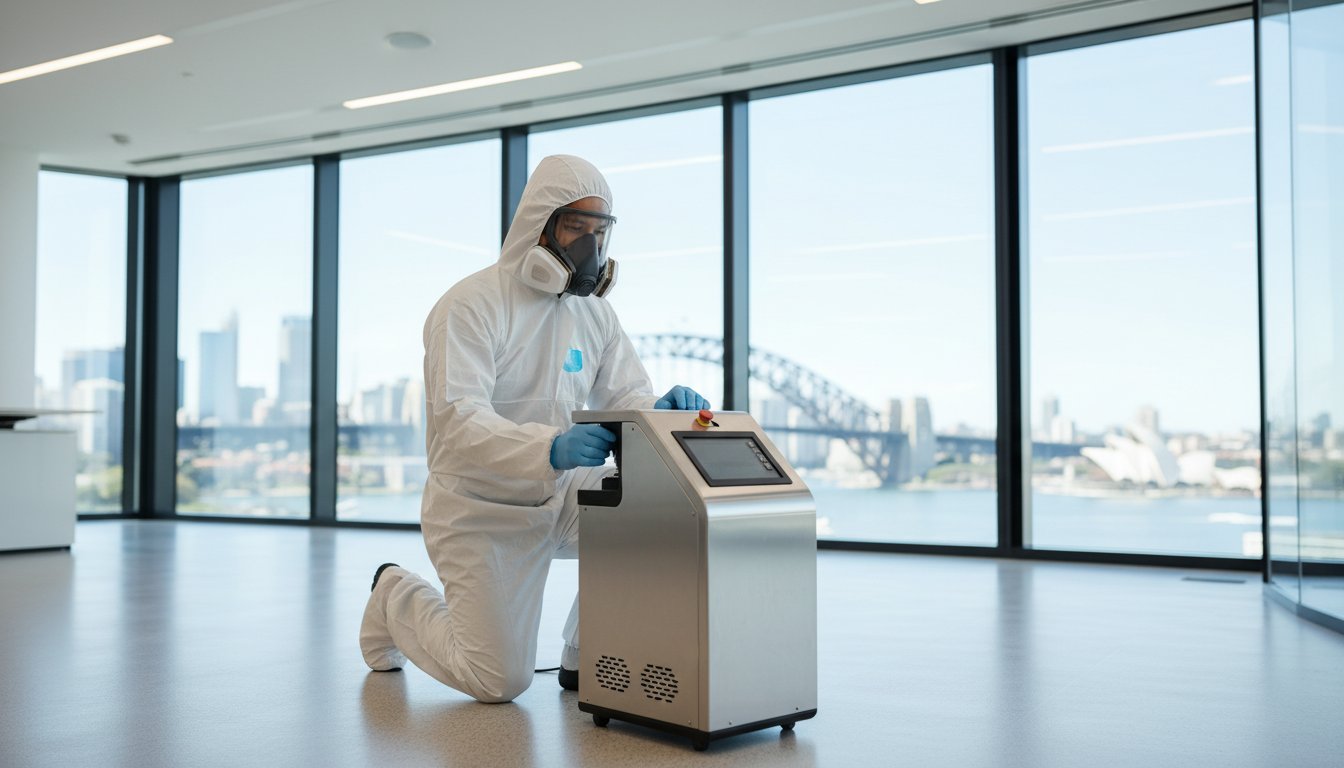
When it comes to completely getting rid of mould smell in car air conditioner systems, a professional has the upper hand. Our certified technicians use specialised equipment like borescopes to inspect deep inside the system and tools to physically clean the evaporator coil. We identify and advise on fixing underlying water leaks, ensuring the problem doesn’t return. Our commercial-grade treatments safely eliminate the mould colony at the source, restoring clean, healthy air to your vehicle.
If these signs sound familiar, don’t wait for the problem to worsen. Get a free estimate from our experts today.
The Definitive Fix: Professional AC Cleaning & Air Purification
While DIY sprays and bombs offer a temporary fix, they rarely solve the underlying issue. They can’t penetrate the hidden components of your ventilation system where mould thrives. For a guaranteed, long-term solution, a professional deep clean is the only way to physically remove the source of the odour and restore healthy air quality to your vehicle.
Our expert technicians go far beyond a simple spray treatment. We use specialised diagnostic tools and cleaning equipment to access and meticulously clean the entire system. Our process focuses on physically removing the mould biofilm-the slimy, embedded colony of microorganisms-from the evaporator core and ductwork, not just killing the surface growth. This is the critical difference in permanently getting rid of mould smell in car air conditioner systems.
Our Proven Mould Remediation Process for Vehicles
We follow a systematic, results-driven process to ensure every trace of mould is eradicated from your car’s AC system safely and effectively.
- Step 1: Detailed Inspection. Our technicians first conduct a thorough inspection using specialised cameras to confirm the source and determine the extent of the mould contamination within your AC system.
- Step 2: Deep Cleaning & Removal. We dismantle key components to gain direct access to the evaporator, fan, and ductwork. We then use high-pressure steam and specialised tools to physically scrub and remove all mould biofilm and debris.
- Step 3: Industry-Leading Treatment. Once the system is clean, we apply an industry-leading, non-toxic anti-microbial treatment that eliminates any remaining mould and prevents its return.
Beyond the AC: Total Cabin Air Quality
An infested AC system doesn’t just pump out a bad smell; it blasts microscopic mould spores throughout your entire car. These spores settle into your carpets, upholstery, and headliner, creating a risk of cross-contamination and posing a health risk. Simply cleaning the AC isn’t enough.
We complete our service with a total cabin treatment. Our advanced air purification and fogging process neutralises any lingering airborne spores, ensuring your entire vehicle interior is sanitised. This comprehensive approach restores a truly clean, healthy, and safe environment for you and your passengers.
Don’t just mask the smell. Schedule your professional car AC cleaning in Sydney now.
Breathe Easy: Your Definitive Fix for Car AC Mould
You now have a clear roadmap for tackling that persistent musty odour in your car. While DIY cleaning and preventative habits are excellent first steps, they often mask the underlying problem. Successfully getting rid of mould smell in car air conditioner for good means eliminating the mould at its source, including the hidden spores that generic cleaners miss. Don’t let a contaminated AC system compromise the air you and your family breathe on every drive.
When the smell returns or you suspect a deep-seated infestation, it’s time to call in the professionals. ABC Mould Cleaning Solutions, Sydney’s trusted local experts, provides a permanent solution where off-the-shelf products fail. We use the industry-leading Goldmorr System, a process that is guaranteed to eliminate mould and airborne spores safely and effectively, restoring fresh, clean air to your vehicle.
Why wait until the problem worsens? Don’t put up with a smelly car. Call ABC Mould Cleaning Solutions’ Sydney experts for a fast, free quote! Take back your vehicle and enjoy the peace of mind that comes with breathing healthy air on every journey.
Frequently Asked Questions
Can the mould smell in my car’s air conditioner make me sick?
Yes, it absolutely can. That musty odour is a direct sign of airborne mould spores being circulated throughout your vehicle’s cabin. Continuous inhalation can trigger allergic reactions, asthma attacks, headaches, and other respiratory problems. For individuals with compromised immune systems, the elderly, or children, the health risks are significantly more serious. Do not ignore this warning sign; it requires immediate professional attention to ensure your driving environment is safe.
How much does it cost to get mould professionally cleaned from a car AC system?
In Australia, a professional car air conditioning mould treatment typically costs between A$150 and A$400. The price varies based on your vehicle’s make and model, as well as the severity of the infestation. A comprehensive service should include cleaning the evaporator coil, vents, and ductwork with a specialised anti-microbial solution. Be wary of very cheap offers, as they may only mask the smell rather than eliminate the hazardous mould colony at its source.
Will spraying Lysol or vinegar into my car’s vents get rid of the mould smell?
No, this is a common myth and an ineffective solution. While products like Lysol or vinegar may temporarily mask the smell, they cannot penetrate deep enough into the AC system to kill the mould colony on the evaporator core. In fact, spraying liquids like vinegar can introduce more moisture, potentially making the problem worse over time. True eradication requires a professional-grade fogging treatment designed specifically for automotive AC systems.
How often should I change my car’s cabin air filter to prevent smells?
To maintain optimal air quality and prevent odours, you should replace your car’s cabin air filter every 15,000 to 25,000 kilometres, or at least once a year. If you regularly drive in areas with high pollution or dust, or if you suffer from allergies, consider changing it more frequently. A clean filter is a critical preventative measure, but remember it will not solve an existing mould problem deep within the system.
Is it safe to run the car AC if I can smell mould?
It is not safe to operate your car’s AC if you can smell mould. Activating the system actively circulates millions of harmful spores directly into the air you breathe, increasing your exposure and health risks. The first step in getting rid of mould smell in car air conditioner systems is to stop using it immediately. Keep the windows open for ventilation until you can have the system professionally decontaminated by a certified technician.
What’s the difference between mould and mildew in a car?
Mould and mildew are both types of fungi, but they differ in severity. Mildew is a surface-level fungus, often appearing as a flat, powdery patch of grey or white. Mould, on the other hand, is typically fuzzy or slimy and can be black, green, or other colours. Crucially, mould penetrates beneath the surface of materials, causing more significant damage and posing a much greater health risk due to the toxic nature of its airborne spores.