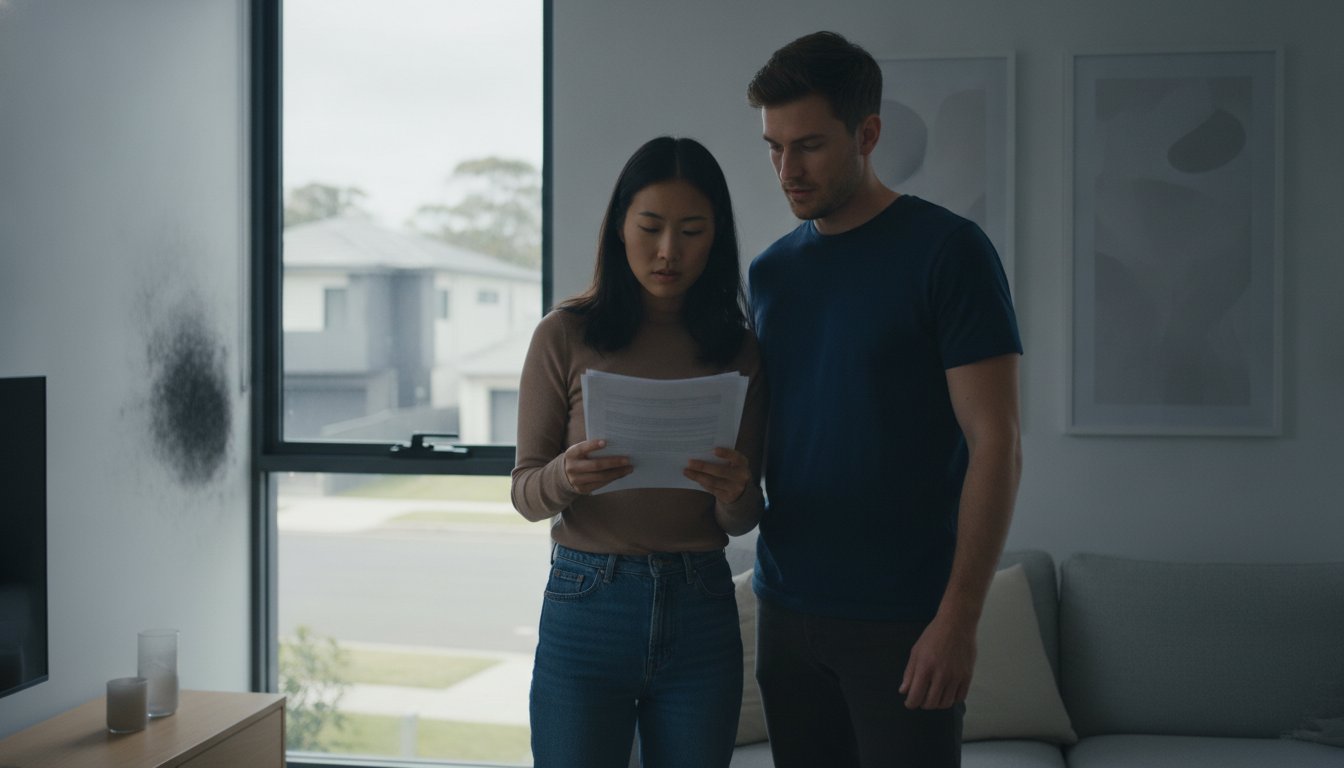
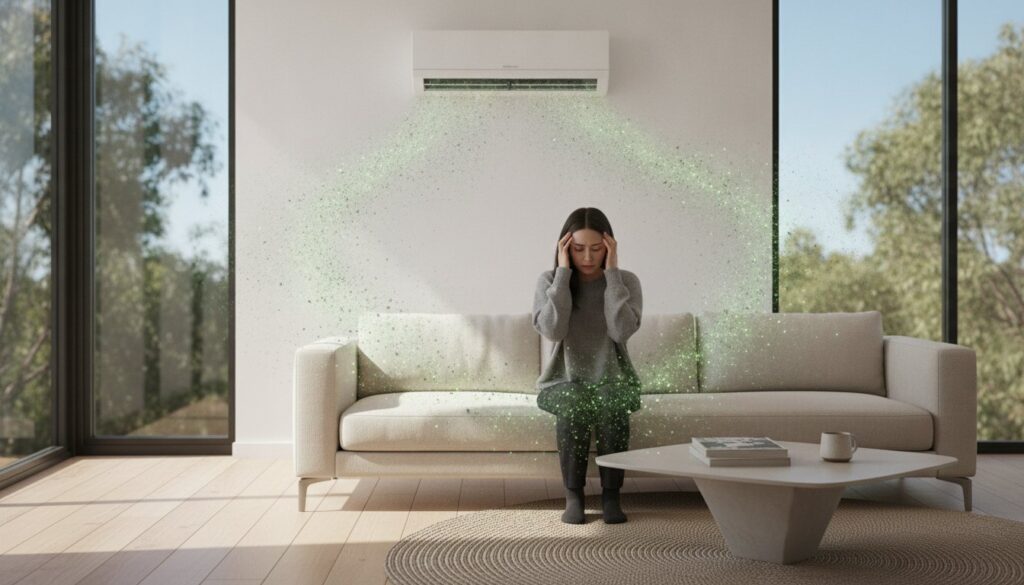
What if the cooling system you rely on for comfort is actually a breeding ground for invisible threats? If you find yourself constantly reaching for tissues or battling a persistent headache, you have to ask: Is your Aircon making you sick? It is a valid concern for property owners who notice a strange, musty odour every time the unit kicks in. You aren’t imagining the irritation in your throat or the heaviness in your chest. These are often the first signs that your air conditioner has transitioned from a climate control tool into a biological lung pumping mould spores directly into your living space.
We understand the anxiety that comes with the fear of toxic black mould exposure. The World Health Organization estimates that up to 30% of buildings have indoor air quality issues that lead to health complaints. This article explores how hidden contamination impacts your health and how professional remediation can restore your home’s air quality. You’ll learn to identify the specific symptoms of Sick Building Syndrome and the systematic steps required to resolve respiratory irritation. We will show you how to gain total confidence that your AC is blowing clean, safe air once again.
Key Takeaways
- Understand how your AC unit acts as a delivery system for pathogens, transforming your indoor environment into a site for Sick Building Syndrome.
- Identify the seven critical warning signs of respiratory distress and sinus pressure to answer the question: Is your Aircon making you sick?
- Recognize why standard filter rinsing only addresses 10% of the problem and how DIY cleaning can accidentally spread toxic spores throughout your home.
- Learn how specialized Goldmorr System fogging and professional air scrubbing eliminate airborne pathogens to restore your air quality and safety.
Is Your Aircon Making You Sick? Understanding Sick Building Syndrome
Living in Sydney means relying on climate control to escape the coastal humidity. However, your comfort shouldn’t come at the cost of your health. When you ask, “Is your Aircon making you sick?” you’re likely experiencing a phenomenon known as Sick Building Syndrome (SBS). In the context of modern Australian homes, SBS describes a situation where occupants experience acute health effects that appear linked to time spent in a building, yet no specific illness can be identified. It’s a serious issue that impacts productivity and well-being.
It’s a common misconception that the cold air itself causes illness. In reality, your air conditioning unit doesn’t create the sickness; it acts as a high-speed delivery system for pathogens. Inside the dark, damp internal components of your unit, mould and bacteria thrive. When you turn the system on, it blasts these microscopic contaminants into your breathing zone. This is significantly different from “cold air sensitivity,” which is a temporary reaction to temperature. True microbial contamination leads to persistent inflammatory responses that don’t just disappear when you put on a jumper. Sydney’s coastal environment provides the perfect recipe for this issue. High humidity levels combined with dust accumulation inside the unit create a nutrient-rich breeding ground for fungal growth.
The “AC Flu”: Why You Feel Better When You Leave Home
Have you noticed that your “cold” seems to vanish within 30 minutes of stepping outside? This is the hallmark sign of an aircon-related health issue. We often call it the “AC Flu.” Breathing recirculated, contaminated air has a cumulative effect on your immune system. You might feel sluggish, develop a scratchy throat, or experience watery eyes while the unit is running. The psychological stress of not knowing what is triggering your symptoms adds another layer of exhaustion. Don’t ignore these patterns. If your home makes you feel worse than the outdoors, your AC is likely compromised.
Microbial Contamination vs. Poor Ventilation
Stagnant air is a major contributor to poor indoor environments. Even when your AC is off, spores trapped in the ductwork or on the coils can settle into your living spaces. This problem is often exacerbated by poor subfloor ventilation, which allows rising damp to increase the overall moisture load in your home. Air conditioning units concentrate these airborne pollutants by pulling them through a central system and redistributing them at high velocity. This concentration makes the air inside your home significantly more polluted than the air outside. Without professional intervention, you’re simply cycling toxins through your living room.
Why Your AC is a Breeding Ground for Mould and Bacteria
Your air conditioning unit is essentially a dark, damp, and enclosed box. These are the exact conditions required for microbial colonies to flourish. While the system provides cool air, its internal architecture creates a perfect storm for contamination. If you’ve been asking, “Is your Aircon making you sick?” the answer often lies in the invisible ecosystem developing behind the plastic casing. Split systems and ducted units are particularly vulnerable because they provide both the moisture and the shelter that mould requires to take root.
The evaporator coil is the primary culprit in this process. As warm air from your room passes over these freezing coils, moisture condenses on the metal fins. This creates a constant supply of water. In a clean system, this liquid drains away. However, air conditioners also act as giant vacuum cleaners, pulling in skin cells, pet dander, and household dust. This organic matter sticks to the wet coils, providing a rich food source for mould. Once established, these colonies can grow rapidly, turning your cooling system into a biohazard. This often results in “dirty sock syndrome,” a sharp, musty bacterial odour that signals your unit is overdue for a professional mould inspection.
The Role of Condensation and Drainage
Sydney’s high dew points place an immense strain on AC drainage systems. During humid summer months, your unit can produce litres of condensate every hour. If the drain pan becomes slightly blocked by dust or slime, standing water accumulates. This stagnant pool becomes a nursery for fungi and bacteria. Many modern units feature “Auto-Clean” or “X-Fan” modes designed to dry the coils, but these are often insufficient. They rarely run long enough to remove deep-seated moisture from the back of the coil or the blower fan, leaving the unit damp and ready for the next growth cycle.
Pathogens Commonly Found in Dirty AC Units
Several dangerous pathogens thrive in these environments. Aspergillus and Cladosporium are the most frequent finds, both of which are known triggers for respiratory distress. In rare, poorly maintained commercial systems, even Legionella can become a risk. These microorganisms are resilient. They often survive in a dormant state during the dry winter months, only to reactivate the moment you switch to cooling mode. When the fan starts, these mould spores and bacterial fragments become aerosolised. They are blasted into your breathing zone, contributing directly to The sick building syndrome. This immediate release of biological particulates is why symptoms often peak shortly after the system is turned on. You aren’t just cooling the room; you’re effectively “seeding” it with allergens.
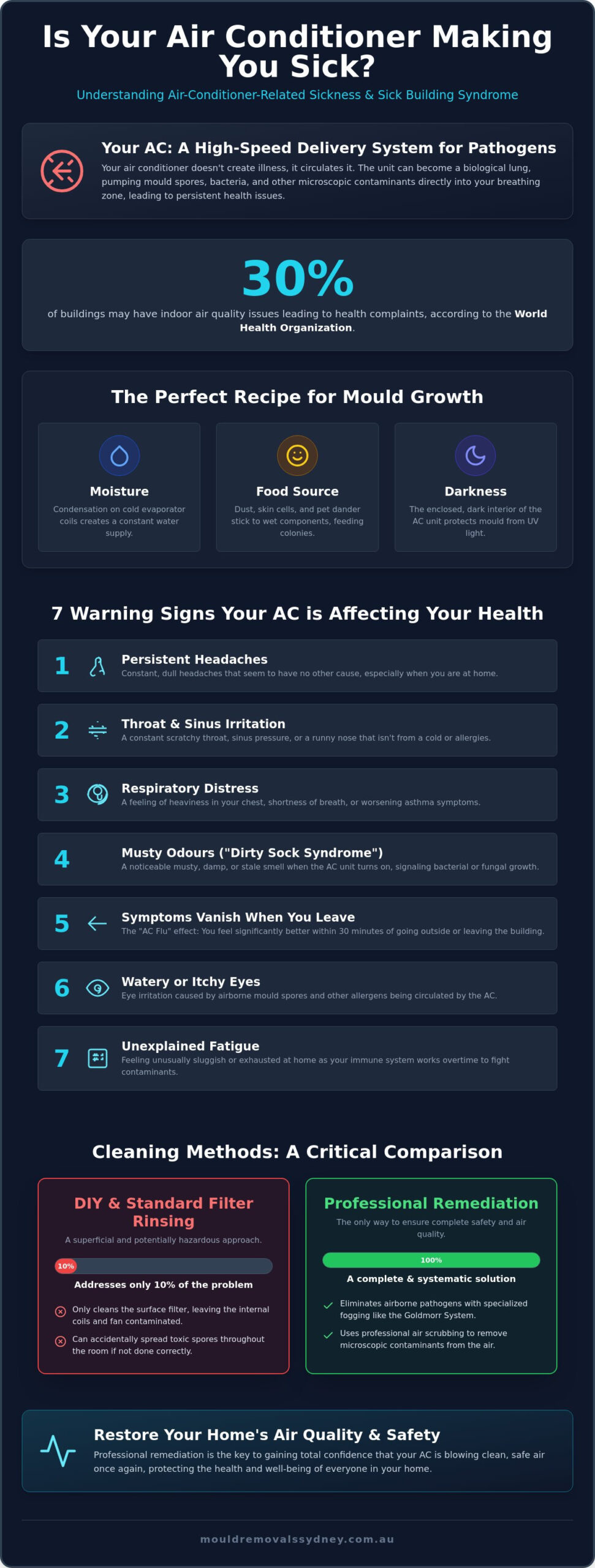
7 Warning Signs Your Air Conditioner is Impacting Your Health
Identifying the source of physical discomfort can be difficult when symptoms develop gradually. If you feel “off” but cannot pinpoint why, you must ask: Is your Aircon making you sick? Your body often detects environmental toxins before your eyes do. Don’t dismiss these signals as simple seasonal allergies. Look for these seven specific warning signs that your cooling system has become a health liability.
- Respiratory Distress: Unexplained sneezing, coughing, or wheezing that starts shortly after the unit is turned on.
- Chronic Headaches: Persistent sinus pressure and throbbing caused by the inhalation of fine biological particulates.
- Fatigue and Dizziness: A constant immune response to spore inhalation can leave you feeling exhausted. Research from the Harvard T.H. Chan School of Public Health indicates that poor indoor air quality significantly impairs cognitive function.
- Dry Skin and Eye Irritation: While often blamed on dry air, itchy eyes and skin rashes are frequently biological reactions to circulating mould fragments.
- Persistent Sinus Congestion: A “stuffy” feeling that only occurs indoors, suggesting your nasal passages are reacting to airborne irritants.
- Frequent Respiratory Infections: If you’re catching “colds” more often than usual, your AC might be suppressing your immune system.
- Unpleasant Odours: A distinct “musty” or “vinegar” smell is a definitive sign of active microbial growth inside the unit.
Respiratory Issues and Pre-existing Conditions
Vulnerable occupants face the highest risks when an air conditioner becomes contaminated. Asthma sufferers, the elderly, and young children have more sensitive respiratory systems. Children are particularly susceptible to AC-borne allergens because their lungs are still developing and they breathe more rapidly than adults. If someone in your home has a compromised immune system, exposure to these pathogens can lead to serious complications. You can find more detail on identifying these risks in our guide on black mould symptoms. Protect your family by addressing the root cause of these irritants immediately.
The “Sniffle Test”: Identifying the Source
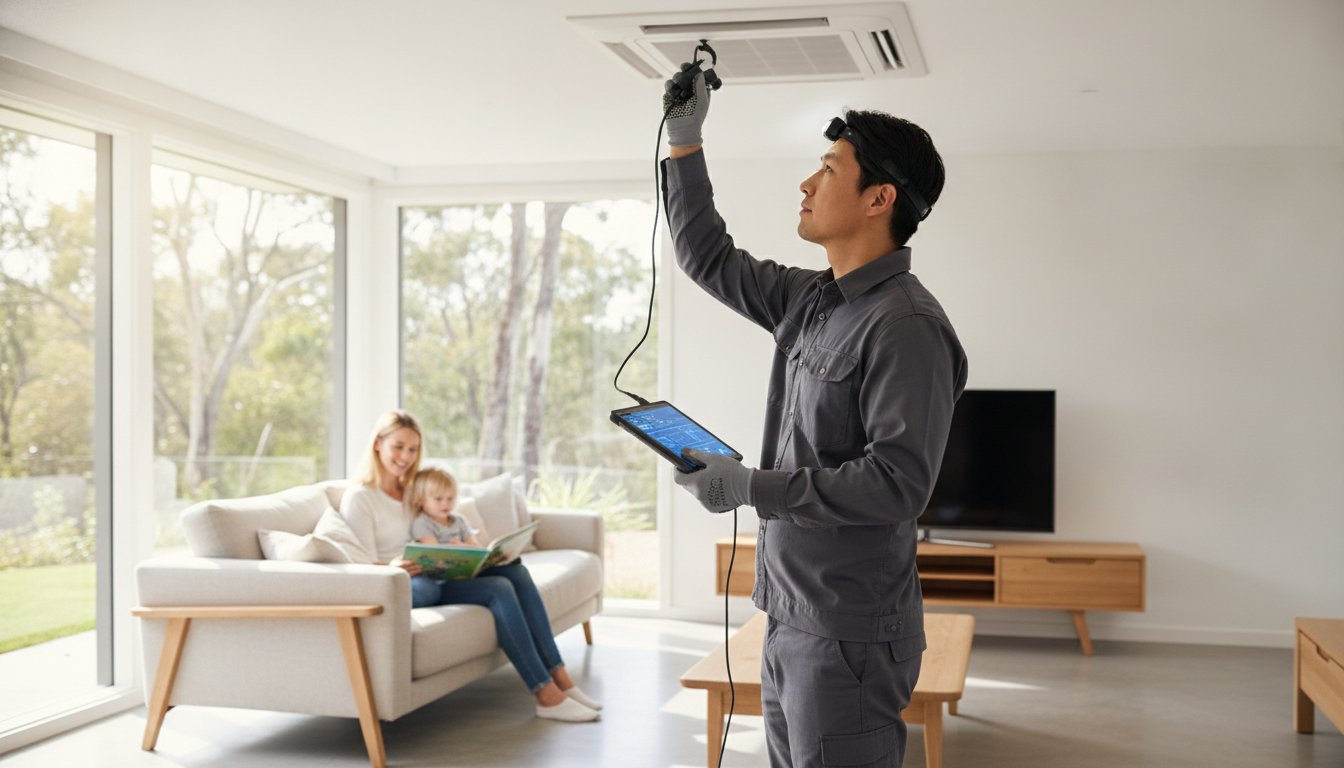
You don’t need to be an expert to perform a basic inspection. Start by checking your vents for visible “spotting” or clumps of black dust. This is often a sign that the internal contamination has reached a critical level. Perform the flashlight test by shining a high-powered light into the louvres of your split system. Look closely at the internal blower wheel; if you see fuzzy growth or black specks, the unit is compromised. When a musty smell becomes overwhelming, it’s no longer a maintenance issue. It’s a medical emergency for your home’s environment. Take action before these symptoms escalate into long-term health problems.
Professional Aircon Cleaning vs. Standard Filter Rinsing
Most Sydney homeowners believe that a quick rinse of the plastic mesh filters is enough to maintain a healthy home. This is a dangerous misconception. If you’re asking, “Is your Aircon making you sick?” you must understand that filter maintenance only addresses about 10% of the internal contamination. While filters trap large dust particles, they cannot stop microscopic mould spores and bacteria from colonising the wet, dark interior of your unit. The real threat lives deep on the evaporator coils and the cylindrical blower wheel, areas that remain completely untouched by standard homeowner maintenance.
Attempting a DIY deep clean often creates more problems than it solves. Without specialised equipment, you risk aerosolising dormant spores, effectively blasting them directly into your face and throughout the room. Surface wiping might make the unit look clean, but it doesn’t achieve true decontamination. Professional remediation requires a systematic, evidence-based approach to eliminate the biological load at its source. We use medical-grade antimicrobial treatments that penetrate deep into the cooling fins to ensure every pathogen is neutralised. Don’t settle for a cosmetic fix when your respiratory health is on the line.
Why DIY Mould Removal Often Fails
Many people reach for bleach or clove oil when they spot growth, but these “remedies” are often counterproductive. Bleach is highly corrosive to the delicate aluminium fins of your AC unit and often fails to kill the root system of the mould. Clove oil can leave a sticky residue that actually acts as an adhesive for more dust, creating a “rebound effect” where the mould returns faster and more aggressively than before. Using the wrong chemicals can also void your manufacturer’s warranty and damage sensitive electronics. This is why choose professional mould removal from specialists who understand the chemistry of remediation.
The Professional Remediation Checklist
A legitimate professional air conditioner cleaning near me must involve more than a simple spray and wipe. Our specialists follow a rigorous protocol to ensure your air quality is fully restored. A comprehensive service should always include:
- Complete decontamination of the evaporator coil using pH-neutral, antimicrobial solutions.
- Deep cleaning of the blower wheel and fan blades to restore airflow and remove fungal clumps.
- Sanitisation of the internal chassis and the drain pan to prevent standing water issues.
- The use of high-efficiency air scrubbing to capture any dislodged particulates during the process.
Once the physical cleaning is complete, we focus on long-term prevention. If you want to breathe clearly again, you need more than a service; you need a total air quality reset. Contact our team to schedule a professional mould inspection and take the first step toward a healthier home environment.
Restoring Air Quality with ABC Mould Cleaning Solutions
Restoring your home’s air quality requires a level of precision that general maintenance companies simply cannot provide. If you’ve spent weeks wondering, “Is your Aircon making you sick?” it’s time to stop guessing and start remediating. At ABC Mould Cleaning Solutions, we don’t just wipe surfaces. We utilize a systematic, evidence-based approach to eliminate pathogens from your entire ventilation network. Our Sydney-wide expertise in air duct cleaning ensures that every inch of your system, from the intake vents to the internal chassis, is treated with medical-grade care.
We are proud to be a leader in remediation through our use of the Goldmorr System. This proprietary methodology allows us to address the root cause of Sick Building Syndrome without the need for aggressive, toxic chemicals. We back our specialized expertise with a bold price-match guarantee. If you find a comparable professional service at a lower price, we’ll match it. Our team holds full professional certification, giving you the confidence that your property is in the hands of highly trained specialists who prioritize your safety.
Our Goldmorr Fogging Process
The cornerstone of our air quality restoration is our biodegradable fogging technology. This process delivers a “one-two punch” to mould colonies. First, we remove visible growth from the unit’s internal components. Second, we deploy a non-toxic fog that reaches deep into the internal crevices that mechanical scrubbing cannot touch. This fog effectively neutralizes airborne spores throughout the room, ensuring that the air you breathe is as clean as the unit itself.
Safety is our absolute priority. The Goldmorr System is completely safe for pets and children, allowing you to return to your home shortly after the treatment is complete. To ensure no particulates are left behind, we employ high-capacity air scrubbing. These machines filter the air during and after the cleaning process, capturing microscopic debris and ensuring your indoor environment is truly safe. This holistic approach is why professional remediation is the only way to achieve lasting results.
Book Your Sydney Mould Inspection Today
Don’t wait for respiratory symptoms to escalate into a long-term health crisis. If you suspect your air conditioning is compromised, take immediate action to protect your family. We’ve simplified the path to resolution through our streamlined digital inquiry process. You don’t need to wait for a technician to visit just to get an initial assessment. Our team is ready to provide the expert guidance you need to reclaim your home’s air quality.
Simply take a few clear photos of your AC vents or any visible spotting and send them to us. Our experts will review the media and provide a preliminary analysis of the situation. This modern efficiency removes friction and gets you closer to clean air faster. Contact ABC Mould Cleaning Solutions for an expert assessment today. We’re ready to restore your safety and well-being with a hassle-free experience. Let’s clear the air and get your home back to its best.
Take Control of Your Indoor Environment Today
You shouldn’t have to live with persistent headaches or respiratory irritation in your own home. We’ve established that hidden mould colonies often transform your cooling system into a delivery method for pathogens. If you’ve been asking, Is your Aircon making you sick? the reality is that standard filter rinsing can’t reach the root of the problem. True safety requires a systematic approach that targets both surface growth and airborne spores to restore your well-being. Professional remediation is the only dependable path to a healthy indoor environment.
Our specialists provide a Sydney-wide service with 24/7 emergency response for urgent air quality threats. We utilize the Goldmorr System for 100% spore eradication, supported by specialized Air Scrubbing and Fogging technology. This evidence-based methodology ensures your air is clean and your family is protected from the risks of toxic exposure. Breathe easy again; book your Sydney professional AC mould clean today! You deserve the confidence that comes with a healthy, odour-free home. Let us restore your safety and peace of mind starting today.
Frequently Asked Questions
Can a dirty air conditioner cause a sore throat?
Yes, a dirty unit is a common cause of persistent throat irritation. When your system is contaminated, it circulates fine dust, bacteria, and fungal fragments directly into your breathing zone. These particulates irritate the mucous membranes, leading to inflammation and that familiar scratchy feeling that often vanishes once you leave the building.
How often should I have my air conditioning professionally cleaned in Sydney?
You should schedule a professional deep clean at least once every 12 months. In Sydney’s humid coastal suburbs, we often recommend more frequent inspections to combat the rapid moisture buildup on evaporator coils. Regular maintenance prevents the unit from transitioning into a delivery system for pathogens and ensures your indoor air remains safe for all occupants.
Is the “musty” smell from my AC dangerous?
A musty odour is a definitive warning sign of active microbial growth inside your unit. These smells are actually microbial volatile organic compounds (mVOCs) released as fungi and bacteria colonise the internal components. Inhaling these spores and gases can trigger the inflammatory responses associated with Sick Building Syndrome, confirming the suspicion: Is your Aircon making you sick?
To effectively address these issues, you can explore Specialized Odour Detection and Elimination Services options to identify and neutralize the specific microbial sources causing these unpleasant smells.
Will cleaning my AC filters stop me from getting sick?
Cleaning your filters is helpful, but it won’t stop the root cause of aircon-related illness. Filters only trap about 10% of larger debris; the real biological threat lives on the internal coils, fans, and drain pans. You need professional decontamination to reach the areas where mould and bacteria actually thrive and reproduce.
Can mould from the AC spread to my walls and furniture?
What is the Goldmorr System used by ABC Mould Cleaning Solutions?
The Goldmorr System is our proprietary remediation methodology that ensures 100% spore eradication. It utilises a biodegradable fogging technology that reaches deep into the internal crevices of your AC unit to neutralise airborne pathogens. This system provides a comprehensive solution that standard surface wiping or retail cleaning products simply cannot achieve.
Does air conditioning cause sinus infections?
Air conditioning units don’t directly cause infections, but they create the environmental conditions that trigger them. By circulating concentrated levels of allergens and bacteria, they cause chronic inflammation in your sinus cavities. This irritation can eventually lead to full-blown sinus infections, particularly in children and the elderly with more sensitive respiratory systems.
How much does professional aircon mould removal cost in Sydney?
The cost of professional remediation depends on the type of system you have and the severity of the microbial growth. A medical-grade decontamination is a specialized process that involves more than just a basic service. We provide an assertive price-match guarantee and a streamlined digital inquiry process to ensure you get the most efficient and cost-effective solution for your property.