
What if the council isn’t the first place to resolve mould in a Northern Beaches rental? Northern Beaches Council landlord mould obligations can be confusing because council functions, tenancy responsibilities and professional mould remediation are separate matters. When mould appears, landlords and tenants may be concerned about the condition of the property, possible moisture damage and who should act first.
Under NSW tenancy law, landlords generally need to keep a rental property reasonably fit for habitation and in a reasonable state of repair. How those obligations apply depends on the circumstances and the source of the moisture. The council doesn’t determine private landlord liability.
This guide outlines general landlord and tenant responsibilities, when a moisture or building issue may need attention, and where Northern Beaches Council and NSW Fair Trading fit in. It also explains what to record, who to contact and when a mould inspection or remediation service may help clarify the extent of the problem and possible moisture pathways. Prompt action and clear records can help everyone understand what has been reported and what happens next.
Key Takeaways
- Northern Beaches Council landlord mould obligations sit within a wider NSW tenancy framework. Council involvement is separate from deciding private rental responsibilities.
- Identifying whether moisture may relate to water entry, condensation or ventilation can help guide investigation and next steps.
- Record dates, affected areas, communications, photographs and visible moisture to support a clear response.
- Work through the report, inspection, possible moisture source and follow-up. If the issue remains unresolved, check the appropriate agency or support pathway.
- A professional mould inspection or remediation may help assess or treat the problem, but it doesn’t replace investigating the moisture source or meeting tenancy responsibilities.
Northern Beaches Council landlord mould obligations: what the question really means
Mould in a rental can leave tenants worried about the condition of their home and landlords unsure what to investigate. The phrase Northern Beaches Council landlord mould obligations can refer to two different things: the council’s local functions and a landlord’s responsibilities under NSW tenancy law. These roles aren’t interchangeable.
Northern Beaches rental properties are covered by NSW tenancy rules. The Residential Tenancies Act 2010 (NSW) is a relevant starting point, but the appropriate response depends on the circumstances and current law. Mould can also raise concerns about indoor conditions; for general background, see this overview of the dangers of indoor mould.
Does Northern Beaches Council set landlord mould rules?
No. Local council functions and private tenancy obligations are different. A council doesn’t decide a landlord’s liability under a tenancy agreement, and you shouldn’t assume it investigates every mould report or resolves disputes between a renter and landlord.
If the concern may involve environmental health or a building-related issue, check Northern Beaches Council’s current guidance to see whether it handles that type of enquiry and how to raise it. For a rental dispute about repairs or tenancy responsibilities, NSW Fair Trading is generally a more relevant starting point. Check current official pathways before contacting an agency.
Which NSW rules should landlords check?
Start with the Residential Tenancies Act 2010 (NSW) and current NSW Fair Trading guidance for rental properties. The general framework includes providing and maintaining premises in a reasonably fit state for habitation and keeping them in a reasonable state of repair. The cause of mould matters: water entry, condensation and ventilation concerns may call for different investigations and responses.
Check official guidance for applicable provisions and legislative changes rather than relying on summaries alone. This is particularly important if responsibility is disputed or the source of moisture is unclear.
General guidance explains the usual framework; it isn’t a case-specific legal assessment or a decision about who is liable. Keep that distinction in mind when looking up Northern Beaches Council landlord mould obligations. Seek tenancy or legal advice if you need an assessment of a particular situation.
NSW landlord duties when mould affects a rental home
Mould is visible, but an effective response may need to look beyond the affected surface. Under the Residential Tenancies Act 2010 (NSW), landlords have general obligations to provide and maintain rental premises in a reasonably fit state for habitation and in a reasonable state of repair. How those duties apply depends on the property and circumstances. Check the Act and current NSW Fair Trading rental guidance for the applicable rules.
The Tenants’ Union of NSW mould factsheet also discusses mould, repairs and tenancy responsibilities. Treat general summaries as a starting point, not a ruling on a particular dispute.
Repairs, maintenance and the mould source
Cleaning or treating visible mould may not resolve the problem if moisture continues to enter or build up. A leak, persistent damp or limited ventilation could be relevant, but mould’s appearance alone doesn’t establish its cause or who is responsible. Investigation may be needed before responsibility can be assessed.
As a practical step, note where mould appears and whether there are signs of dampness or water entry. Arrange an appropriate investigation and consider possible repairs or other responses once the source is clearer. These are sensible management steps, not separate statutory requirements in every case. Check NSW Fair Trading guidance and current legislation to understand how repair obligations apply to the specific circumstances.
Landlord and tenant responsibilities are fact-dependent
Responsibility can depend on the cause, the property’s condition, what each party knew, when the issue was reported and what happened next. A tenant’s day-to-day use of a home may form part of the circumstances, but tenants shouldn’t automatically be held responsible for structural defects. Equally, mould alone doesn’t prove that a landlord caused it.
Keep communication clear and in writing. A tenant can report the location and visible signs, while a landlord can acknowledge the report and outline next steps for inspection or repair. Avoid assigning blame before there’s evidence. Dated photographs, observations of moisture and a record of communications can help show how the issue develops and what has been done.
In summary: NSW law sets general repair and habitability duties, while the facts determine how those duties apply to a particular mould problem. If the extent or possible source is unclear, a professional mould inspection may help inform a practical response; confirm service coverage before arranging one. An inspection can support investigation, but it doesn’t replace addressing the moisture source or seeking legal advice where liability is disputed.
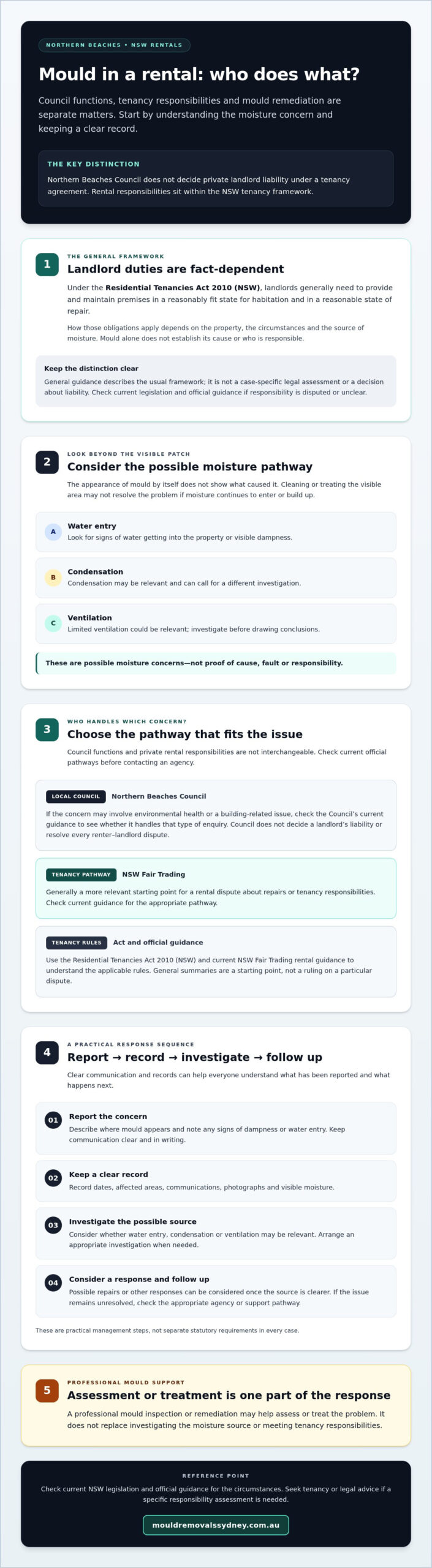
Landlord, tenant or Council: who should handle each mould concern?
Choosing the right contact can help prevent a mould report from getting lost between agencies. Use this guide to identify where to ask, not to decide who is legally responsible. The Northern Beaches Council landlord mould obligations question involves distinct roles: the landlord or property manager handles tenancy communication and the property response, while council and NSW tenancy bodies have different functions.
| Who | Typical role | Useful next step |
|---|---|---|
| Landlord or property manager | Receives the tenant’s report and considers inspection, repairs or other action under the tenancy and applicable NSW law. | Respond in writing, assess the reported conditions and arrange appropriate access or investigation. |
| Tenant | Reports the issue and shares relevant observations. The cause and responsibility need to be assessed on the facts. | Send a dated written report with affected locations, when mould appeared and any visible moisture. |
| Northern Beaches Council | May be relevant to certain environmental health or building concerns within its remit. It doesn’t determine private landlord liability or resolve every tenancy dispute. | Check Council’s current contact channels and guidance to confirm whether it accepts an enquiry of this type. |
| NSW tenancy bodies | NSW Fair Trading provides tenancy information and is a usual initial contact for rental disputes. NCAT can deal with applications for tenancy orders. | Check each body’s current guidance and process before lodging an enquiry or application. |
When to contact the landlord or property manager
Report the mould promptly in writing. Identify each affected room or surface, when you first noticed it and any signs such as damp patches or water entry. Attach dated photographs and keep copies of the report and repair requests. These records help establish what was reported and when.
Landlords and tenants should arrange reasonable access for an inspection or repairs through the applicable tenancy process. Confirm proposed times in writing and follow current NSW requirements for entry and notice.
When Council or a NSW tenancy body may be relevant
If the concern appears to involve environmental health or a building matter, check Northern Beaches Council’s current guidance before deciding whether to contact it. Council involvement depends on the issue and its remit, so don’t assume it will investigate or intervene.
For a tenancy disagreement, consult NSW Fair Trading’s current rental guidance. If the matter proceeds to a formal dispute, check NCAT’s information about applications and orders. The appropriate pathway depends on the circumstances, and no agency outcome is guaranteed. This table can help identify where to ask next, but it can’t determine liability in an individual case.
A practical response checklist for Northern Beaches landlords
A calm, documented response turns a mould report into practical next steps. This checklist supports record-keeping and investigation; it doesn’t replace legal responsibilities or determine liability. For significant water damage, consult Water Damage Repair: Your Emergency Guide for Sydney Homes for related guidance.
- Acknowledge the report. Confirm you’ve received it and clarify which rooms or surfaces are affected. Ask when the issue appeared and whether the tenant noticed dampness, leaks or other changes.
- Record the conditions. Note affected locations, visible mould, odours and reported moisture. Save messages, photographs, inspection notes, repair records and contractor findings. Keep original evidence where possible, and document the area before work begins.
- Arrange an inspection. Organise appropriate access to assess the reported areas and check for possible moisture pathways. Don’t state a cause as fact until it has been assessed.
- Address the source and the mould. Consider the findings when deciding what response may be needed. Treating visible mould alone may not resolve an ongoing moisture problem or reveal affected hidden areas.
- Follow up. Record work arranged and completed, communicate the next steps and check whether the mould or moisture returns.
What to record before work begins
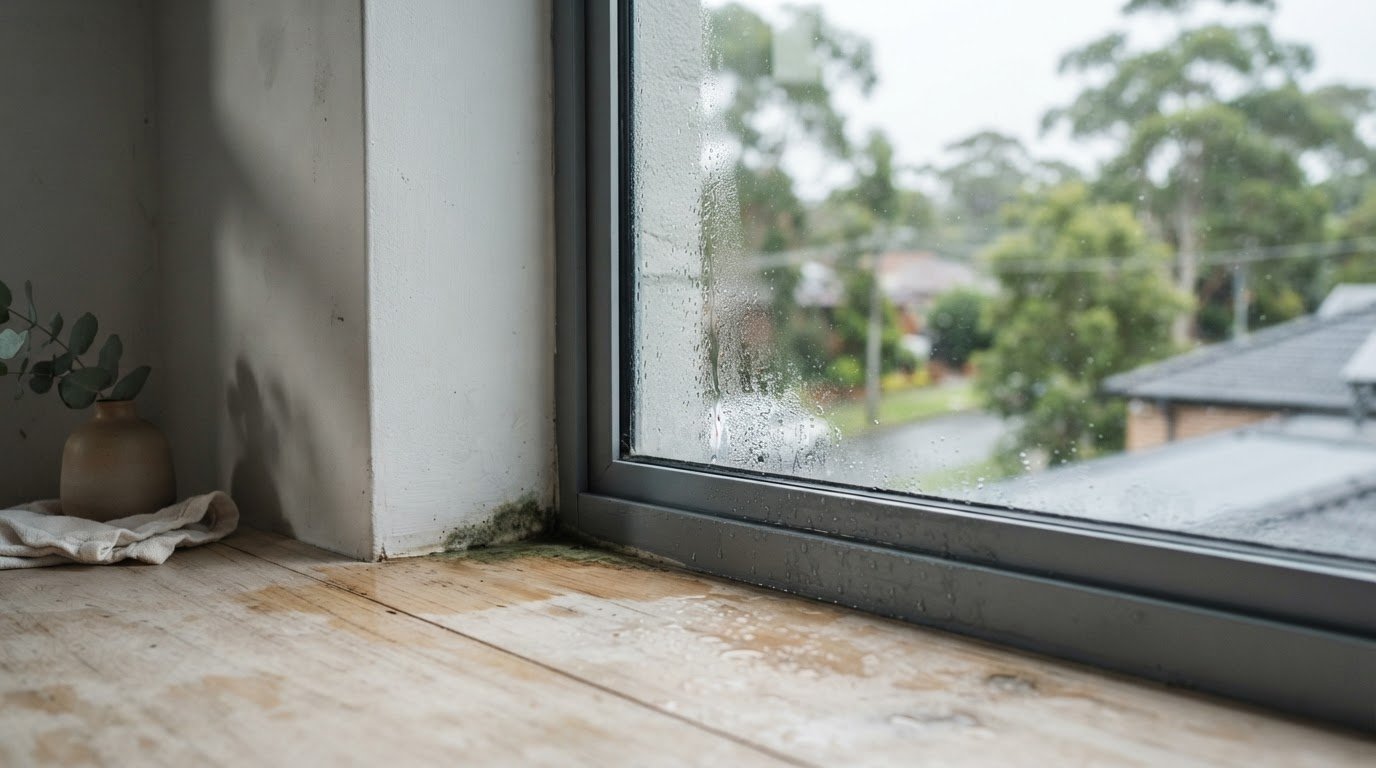
Be specific. Note the date, room, exact location and visible condition, such as mould on a wall, dampness near a window or a reported leak. Keep tenant communications with dated photographs and any inspection or repair records. A timeline helps show what was observed and what happened next, without making unsupported claims about the cause.
When mould inspection or remediation may help
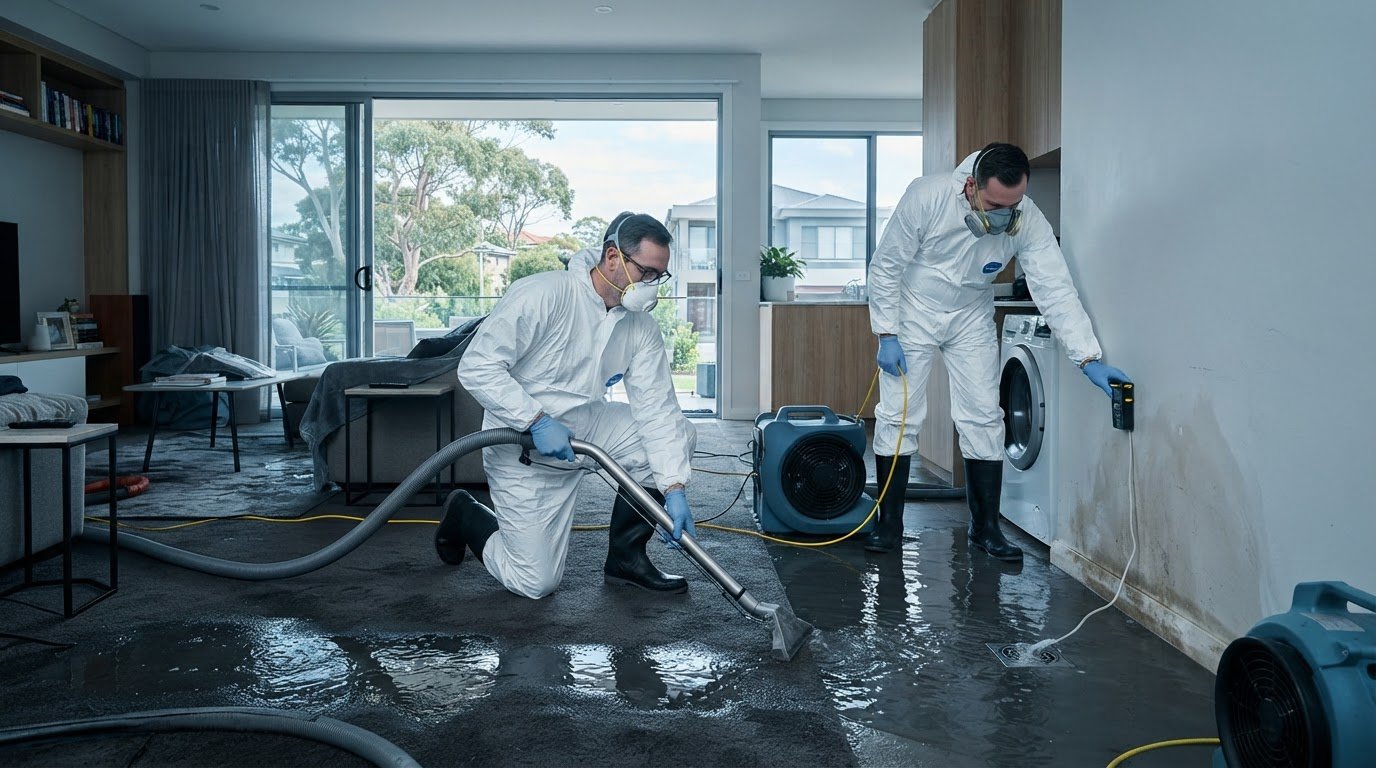
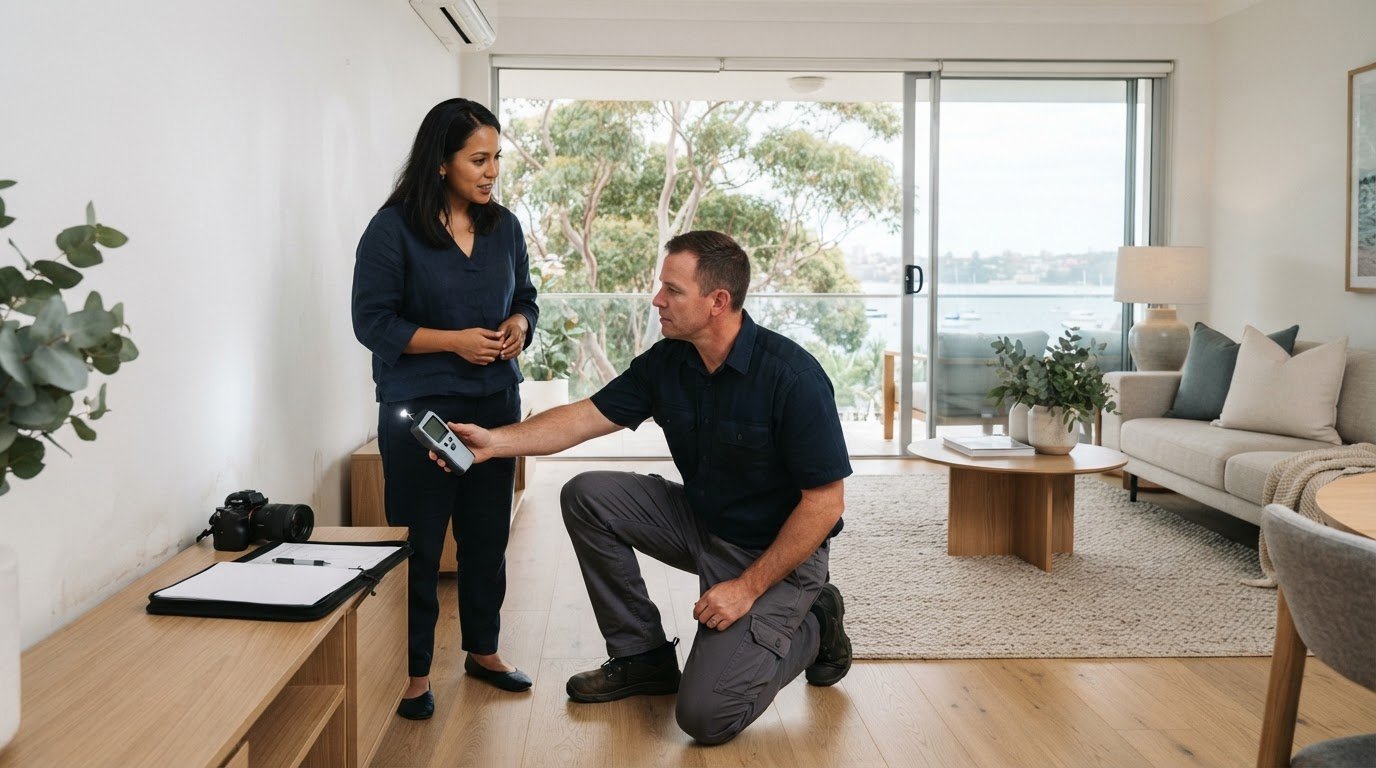
A professional mould inspection may be useful if growth is widespread or recurring, or appears alongside unresolved water damage. An assessment can help clarify the visible extent of mould and possible moisture pathways. Remediation addresses mould, while the moisture source may need separate attention. For general background, see What is Mould? A Complete Guide for Australian Homeowners.
If the extent or possible source remains unclear, consider arranging a professional mould inspection. Confirm service coverage and scope before booking. Professional support can inform a practical response, but it doesn’t determine tenancy liability or replace applicable landlord duties.
Professional mould support after a landlord receives a report
Professional help can clarify what is visible and what may need further investigation, but it serves a different purpose from tenancy advice or building repairs. An inspection assesses affected areas and may identify possible moisture sources. Remediation treats mould, while air purification is a separate service focused on the indoor air environment. Repairs to a leak or another moisture source may also be needed, since treating visible growth alone may not address the conditions allowing it to return.
These services are options, not automatic legal requirements, and they don’t replace a landlord’s responsibilities under NSW tenancy law. An assessment can inform property decisions, but it can’t determine legal liability or guarantee that a specific cause has been established.
What a mould inspection can clarify
An inspection may help document the visible extent of mould and assess possible moisture pathways, including areas affected by dampness or water entry. The findings can inform whether remediation or further investigation may be appropriate. Don’t treat them as a definitive explanation of cause unless the assessment supports that conclusion.
If mould is associated with water damage, the property may need a separate response to the moisture problem. For additional context, consult Water Damage Repair: Your Emergency Guide for Sydney Homes. Keep records of findings and distinguish observed conditions from conclusions about their cause.
Choose a practical next step for the property
If the main uncertainty is legal, check current NSW Fair Trading information or speak with an appropriately qualified adviser. If the extent or possible source of mould is unclear, consider requesting a professional inspection. Explain the property’s location, where mould is visible, when it was noticed and whether there are signs of ongoing moisture. This information can help clarify what assessment may be suitable.
ABC Mould Cleaning Solutions provides mould inspection, remediation and air purification services, and uses the Goldmorr System for remediation. Its biodegradable fogging process targets surface mould and airborne spores. The company also offers water damage restoration and subfloor ventilation systems, which may be relevant where moisture is part of the concern. Confirm the current process and whether the Northern Beaches property is within the service area before arranging an assessment. Professional services can provide findings and treatment options within their scope; they don’t decide landlord liability or replace legal advice, and remediation doesn’t necessarily repair the underlying moisture source.
Keep the next steps clear: preserve your records, seek tenancy guidance if responsibility is disputed, and arrange an assessment if it would help clarify the mould concern. Base decisions on documented conditions and appropriate advice.
Take the next step with clear records and the right support
The key to handling Northern Beaches Council landlord mould obligations is identifying which issue needs attention: tenancy responsibilities, a possible building or environmental concern, or the mould and moisture conditions themselves. Council doesn’t decide private landlord liability. NSW tenancy rules provide the general framework, while the facts of the property shape how responsibilities apply.
Respond to a mould report by recording what’s visible, communicating in writing and arranging appropriate investigation. Keep the possible moisture source in view, since treating mould alone may not address the conditions behind it. If responsibility is disputed, check current NSW Fair Trading information or seek advice from an appropriately qualified adviser.
ABC Mould Cleaning Solutions provides mould inspection and remediation services across Sydney and surrounding regions. Confirm Northern Beaches coverage and current service details before arranging an assessment. If you’d like professional help assessing a mould concern, request a professional mould assessment.
Clear documentation and a considered next step can make a stressful issue more manageable. Move forward one step at a time.
Frequently Asked Questions
Does Northern Beaches Council make landlords remove mould?
No, Northern Beaches Council doesn’t determine a landlord’s private tenancy duties or automatically require mould removal in every rental. Landlord responsibilities are primarily considered under NSW tenancy law, while Council may handle certain environmental health or building-related enquiries within its remit. Check Northern Beaches Council’s current guidance to confirm whether it accepts your type of enquiry, and consult current NSW Fair Trading information about rental-property responsibilities.
Are landlords responsible for mould in a rental property in NSW?
Responsibility depends on the applicable NSW rules and the circumstances of the property. Landlords have general obligations concerning habitability and reasonable repair, but mould alone doesn’t establish its cause or who is responsible. Water entry, property condition, ventilation, notice and the actions of the parties may all be relevant. Document the issue and check current NSW Fair Trading guidance; seek qualified legal advice if responsibility is disputed.
Can a tenant report mould to Northern Beaches Council?
A tenant can check Northern Beaches Council’s current contact pathways to see whether the concern fits an environmental health or building-related function. Describe the issue accurately and provide relevant observations, such as affected areas or visible moisture. A Council enquiry isn’t automatically a tenancy complaint or a ruling on landlord liability. For a disagreement about rental repairs or responsibilities, also review NSW Fair Trading’s current guidance on tenancy matters.
What should a landlord do after a tenant reports mould?
Acknowledge the report in writing and record when it arrived, where mould is visible and any reported dampness or leaks. Keep dated photographs, messages and inspection or repair notes. Arrange appropriate access to assess the affected areas, then investigate possible moisture sources before deciding what work may be needed. Follow up with the tenant about next steps and record actions taken. Avoid assigning a cause before it’s assessed.
What happens if a landlord does not respond to a mould complaint?
If a landlord hasn’t responded, keep copies of the original written report, follow-up messages, photographs and other relevant records. A tenant can review current NSW Fair Trading guidance to understand possible tenancy pathways and check whether further contact or a formal process may be appropriate. NCAT information may also be relevant if considering an application. Outcomes depend on the facts, so seek qualified legal guidance for advice about an individual dispute.
Does a landlord have to pay for professional mould removal?
Whether a landlord must pay for professional mould removal depends on the cause, the property’s condition, applicable tenancy rules and the circumstances. A professional inspection or remediation service is an option for assessing or treating mould, not a legal decision about who must pay. Inspection findings may help clarify the visible extent and possible moisture sources, but they don’t automatically determine liability. Check current NSW guidance or seek legal advice if payment is disputed.