
Beyond the Quote: Why the Initial Removal Fee is Just the Tip of the Iceberg
When you receive a quote for professional mould remediation, the initial figure can be startling. It’s natural to focus on that number alone. However, this upfront fee is merely the tip of the iceberg. The visible mould on your walls and the cost to remove it are what you can see, but the most severe financial and personal impacts-the truly hidden costs of mould damage-are often lurking just out of sight.
The real consequences develop when an infestation isn’t handled correctly and professionally from the very start. Don’t wait until the problem worsens-because it will. Throughout this guide, we’ll uncover these deeper issues, which fall into three critical categories:
- Devastating structural decay to your property.
- Serious, ongoing health risks for your family or staff.
- Escalating and unexpected financial burdens.
What is Considered ‘Mould Damage’?
Mould damage is far more than an unsightly stain on your plasterboard. Mould is a living organism that survives by digesting organic materials. For a comprehensive overview of mould and its lifecycle, you’ll see it actively breaks down timber frames, eats through wallpaper, and destroys carpets. This destructive process weakens your property’s core structure from within, turning what seems like a surface problem into a deep-seated and expensive structural threat.
The False Economy of DIY and ‘Mould Killers’
It’s tempting to reach for a A$5 bottle of supermarket ‘mould killer’ or bleach, believing you’re saving money. This is a dangerous and costly mistake. Surface sprays cannot penetrate porous materials to eliminate the mould’s root system, nor can they treat the millions of airborne spores ready to start new colonies. This failure to properly remediate the source is what directly leads to the very hidden costs of mould damage we’ll explore, ensuring the problem always returns, often worse than before.
Hidden Cost #1: The Escalating Cost of Structural & Property Damage
That dark patch on your wall or ceiling is more than just an unsightly stain; it’s the sign of a destructive force eating away at your property from the inside out. Beyond the visible spread and the well-documented health risks of mould exposure, the silent destruction of your home’s structure is one of the most significant hidden costs of mould damage. The longer you wait, the more this damage multiplies, turning a simple remediation job into a major structural overhaul.
Don’t make the mistake of underestimating what mould is doing to your home. Acting fast is the only way to protect your investment.
Damage to Building Materials
Mould requires organic material to survive, and unfortunately, many essential building materials provide the perfect food source. It doesn’t just sit on the surface; it actively digests and weakens the materials it infests.
- Plasterboard and Gyprock: What begins as a stain quickly penetrates the paper and gypsum core. The material becomes soft, brittle, and eventually crumbles, requiring complete replacement. In Sydney, replacing even a small section of mould-damaged plasterboard can cost between A$250 – A$500+ per panel once labour and materials are factored in.
- Wooden Structures: Mould can lead to wood rot, compromising the integrity of timber studs, floorboards, and even critical roof trusses. This damage is often hidden behind walls, silently weakening your home’s framework.
- Insulation: Fibreglass and foam insulation become saturated mould reservoirs. Once contaminated, they cannot be cleaned and must be completely removed and replaced, a costly and labour-intensive process.
Damage to Personal Belongings and Furnishings
The destruction doesn’t stop at your walls. Porous items absorb mould spores and moisture, making them difficult or impossible to salvage. Often, replacement is the only safe option.
- Soft Furnishings: Upholstered furniture, mattresses, curtains, and carpets are prime targets. Deep contamination makes them unsalvageable.
- Clothing and Textiles: While some items can be saved with specialised cleaning, many will be permanently stained or damaged.
- Irreplaceable Items: Paper-based belongings like books, precious photos, and important documents can be destroyed, representing a priceless sentimental loss.
Subfloor and HVAC System Contamination
Two of the most overlooked and expensive areas for mould damage are your subfloor and HVAC system. In Sydney’s humid climate, damp, poorly ventilated subfloor areas are a common breeding ground for mould, which can rot floor joists and spread upwards into your living space. Similarly, your air conditioning system can circulate airborne spores throughout the entire property, requiring professional duct cleaning or even a full system replacement. Addressing these issues often requires expert intervention, and installing an effective subfloor ventilation system is a crucial preventative solution to stop the problem at its source.

Hidden Cost #2: The Toll on Your Health and Productivity
While the physical damage to your property is alarming, one of the most significant hidden costs of mould damage is the impact on the health of you and your family. Airborne mould spores can turn your home or workplace into a hazardous environment, leading to a range of health issues that create both physical and financial burdens. Don’t wait until the problem worsens-because it will.
Persistent coughing, unexplained rashes, itchy eyes, and a constantly runny nose are common early warning signs. For those with asthma or allergies, mould exposure can trigger severe reactions. As outlined in the official NSW Health advice on mould, some people are more sensitive than others, and the health risks should not be underestimated. Ignoring these symptoms doesn’t just prolong discomfort; it leads to tangible financial costs that are often overlooked.
Direct Medical Expenses
The financial drain from mould-related health issues adds up quickly. These out-of-pocket expenses are a serious consequence of delaying professional mould remediation and can include:
- GP and Specialist Visits: Consultations with a GP and referrals to specialists like allergists or respiratory physicians in Sydney can cost hundreds of dollars.
- Medications and Treatments: The ongoing cost of prescriptions for antihistamines, asthma inhalers, and steroid creams can become a significant recurring expense.
- Diagnostic Testing: In severe cases, doctors may recommend specific tests to check for mycotoxin exposure, which can be costly and are often not covered by Medicare.
Lost Income and Reduced Productivity
The health impact of mould extends directly to your ability to earn a living. Taking sick days means lost wages-for a contractor or casual worker, that income is gone for good. Even for salaried employees, exhausting sick leave can lead to unpaid time off. Furthermore, there’s the problem of ‘presenteeism’: showing up to work while feeling unwell. Your focus is diminished and your efficiency plummets. This productivity loss is another of the insidious hidden costs of mould damage, affecting not just adults in the workplace but also children’s attendance and concentration at school.
Hidden Cost #3: The Long-Term Financial Fallout
A mould problem that seems contained today can create a ripple effect of financial damage for years to come. Beyond the immediate cleanup, some of the most significant hidden costs of mould damage surface when you try to sell your property or deal with your insurer. These long-term consequences can easily dwarf the initial remediation expense if not handled professionally from the start.
Decreased Property Value and Sales Complications
A documented history of mould is a major red flag for potential buyers. In a competitive market like Sydney, this can significantly impact your property’s market value. More importantly, under NSW law, sellers have a legal obligation to disclose known material facts, which can include severe, persistent mould infestations. A standard pre-purchase building inspection will almost certainly uncover any lingering moisture or visible mould, potentially derailing a sale or forcing you into costly last-minute repairs and major price negotiations.
The Insurance Minefield
Many Australian homeowners are shocked to discover their standard home and contents insurance policy does not cover mould removal. Insurers typically classify mould growth as a maintenance issue resulting from gradual water ingress, poor ventilation, or humidity-all issues the homeowner is expected to manage. The primary exception is when mould is a direct result of an insured event, such as water damage from a sudden burst pipe or a storm-damaged roof. Even then, the claims process can be complex. Be warned: having a property flagged for mould issues can lead to increased premiums or even policy non-renewal.
Recurring Remediation and Prevention Costs
Attempting to fix a persistent mould problem with store-bought sprays often leads to a frustrating and expensive cycle. The mould returns, and you spend more money on ineffective solutions. A single, professional remediation treatment is designed to address the root cause, saving you money over time. However, preventing its return requires vigilance and often further investment in measures such as:
- High-capacity dehumidifiers for damp areas.
- Installation or upgrade of subfloor ventilation systems.
- Ongoing maintenance to fix leaks and control humidity.
Protecting your property’s long-term value means acting decisively to eliminate mould for good. Worried about these costs? Get a free, no-obligation assessment today.
How Professional Remediation Becomes Your Smartest Financial Move
As we’ve seen, mould damage goes far beyond a few unsightly spots on the wall. From declining property values and expensive structural repairs to ongoing health issues and the loss of personal belongings, the hidden costs of mould damage can quickly spiral into tens of thousands of dollars. Faced with these staggering potential expenses, the upfront cost of professional mould remediation is not just a purchase-it’s a crucial investment in protecting your property and your family’s well-being.
Attempting a DIY fix with store-bought chemicals is a false economy. These methods only clean the visible surface mould, leaving the underlying cause untouched. This allows the problem to return, and the cycle of damage and cost to continue. A professional approach is the only way to stop the problem for good.
Addressing the Source: Surface Mould vs. Airborne Spores
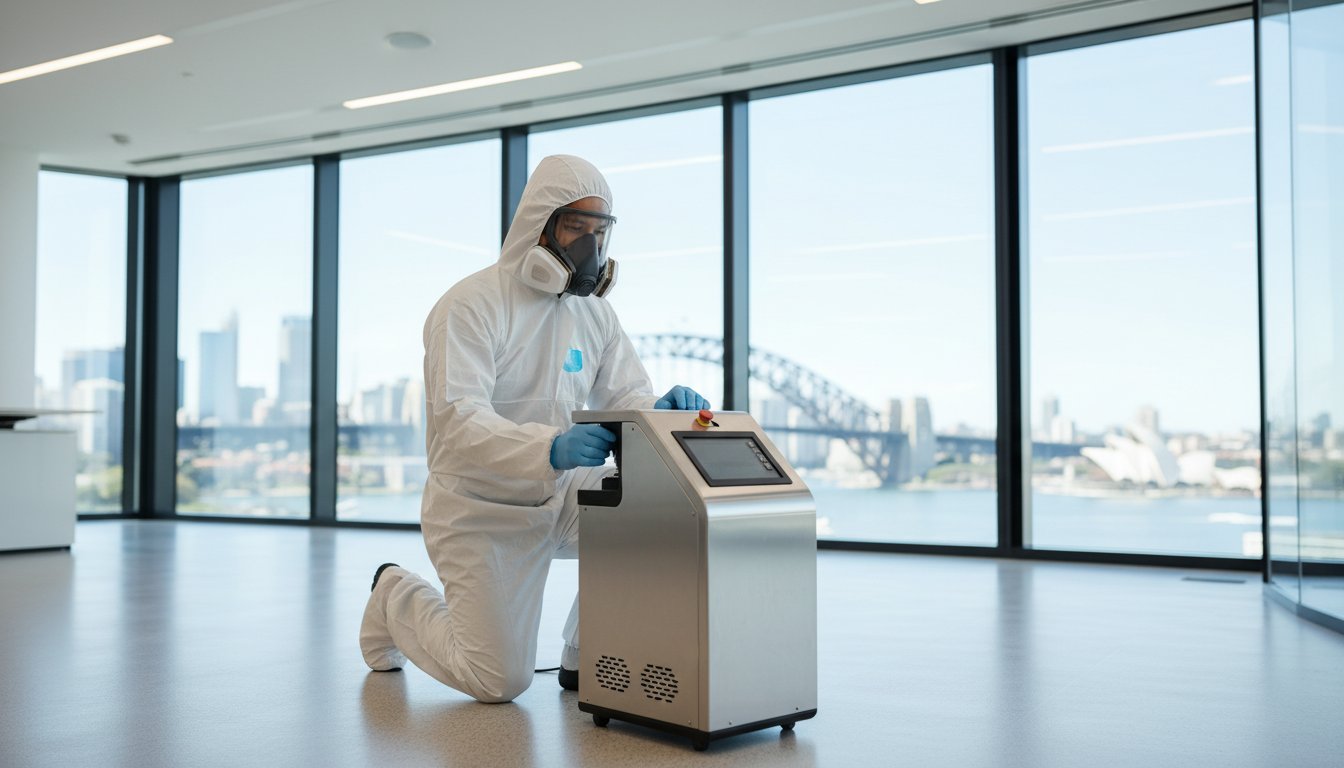
The real enemy in a mould infestation isn’t just what you can see; it’s the millions of microscopic, airborne spores circulating through your property. Our industry-leading Goldmorr System addresses this root cause with a specialised, non-toxic fogging process. This process eliminates unseen spores from the air and surfaces, breaking the cycle of regrowth and ensuring the mould doesn’t return. This is how we protect your most valuable investments: your health and your home.
The Value of a Treatment Guarantee
Peace of mind has significant financial value. When you engage our certified master technicians, you’re not just paying for a service; you’re investing in a guaranteed result. Our treatment warranties ensure that the job is done right the first time, protecting you from the recurring costs and stress of a mould problem that keeps coming back. Don’t pay twice for a job that should have been done professionally from the start.
Calculating Your Return on Investment
Consider this: the fee for a comprehensive, professional mould treatment is a fraction of the cost of replacing entire walls of gyprock, remediating a contaminated HVAC system, or losing a potential buyer for your home. By acting decisively, you prevent the minor issue from becoming a major financial disaster. Choosing an expert solution is, without a doubt, the most cost-effective path forward to eliminate the long-term hidden costs of mould damage.
Don’t wait until the problem worsens-because it will. Protect your property and your finances today. Contact our expert team now for a free, no-obligation assessment. It’s that simple.
Your Smartest Investment: Eradicating Mould for Good
When you spot mould in your Sydney home, it’s easy to focus on the initial removal fee. But as we’ve explored, that quote barely scratches the surface. The real hidden costs of mould damage manifest in escalating structural repairs, ongoing health issues, and a significant decline in your property’s long-term value. Letting the problem linger is a gamble you can’t afford to lose.
The most cost-effective decision is to act decisively with professional remediation. As Sydney’s trusted local experts, we use the industry-leading Goldmorr System to eliminate mould at its source, safeguarding your property and your well-being. This isn’t just a cleaning service; it’s a permanent solution that prevents future financial fallout and restores your peace of mind.
Don’t wait for the damage to worsen. Stop hidden costs from spiralling. Send us photos for a fast, free quote! We will beat any written quote by 10%, ensuring you get an expert solution that protects your biggest investment. Take action today and secure your home’s future.
Frequently Asked Questions About Mould Damage
Does home insurance in Australia typically cover mould damage?
Generally, most Australian home insurance policies do not cover mould damage caused by gradual issues like poor ventilation, condensation, or slow leaks. These are often considered maintenance problems. However, you may be covered if the mould is a direct result of an insurable event, such as a burst pipe or storm damage. Always check your specific Product Disclosure Statement (PDS) or contact your insurer to be certain, as policies vary significantly.
How much can mould actually decrease my property’s value in Sydney?
A significant mould infestation can dramatically reduce your property’s value in the competitive Sydney market, potentially by 10% to 25% or even more. Buyers are wary of the associated health risks and remediation expenses. The presence of mould is a major red flag during building inspections, often leading to lower offers or buyers walking away entirely. Addressing it professionally is crucial to protecting your investment and avoiding these significant financial losses.
What are the first signs of hidden mould I should look for?
The most common first sign of hidden mould is a persistent musty or earthy smell that you can’t locate. You should also look for visual clues like peeling or bubbling paint, warped walls or floorboards, and unexplained dark stains or discolouration on ceilings, in corners, or near skirting boards. These are all indicators of a moisture problem behind the surface, where mould thrives. Don’t ignore these early warnings; investigate them immediately.
Is it cheaper to fix the moisture source first or remove the mould?
You must always fix the moisture source first. Removing mould without eliminating the leak, condensation, or humidity that caused it is a complete waste of time and money. The mould will inevitably return, often within weeks. A professional mould remediation expert will always prioritise identifying and resolving the water problem to ensure our treatment is effective and provides a permanent solution. It is the only cost-effective approach.
Can I be compensated by my landlord for health costs caused by mould?
In NSW, landlords have a legal obligation to provide a safe and habitable property. If mould growth is due to their failure to perform necessary repairs (like fixing a known roof leak), you may be able to seek compensation for related health costs through the NSW Civil and Administrative Tribunal (NCAT). It is vital to document everything: report the issue in writing, keep medical records, and seek professional advice on your rights as a tenant.
What’s the average cost for professional mould removal in Sydney?
The cost for professional mould removal in Sydney varies based on the size and severity of the infestation. A small, contained job in a bathroom might cost between A$500 and A$1,500. For larger areas or more complex issues involving multiple rooms, costs can range from A$3,000 to over A$10,000. For an accurate, affordable quote based on your specific situation, send us images of the affected area. We will beat any written quote by 10%.
How long does it take for mould to cause serious structural damage?
Mould can begin to grow within 24-48 hours of a water event. While it won’t cause structural damage that quickly, a long-term, unchecked infestation can be devastating. Over months and years, mould will feed on and rot organic materials like timber framing, floorboards, and plasterboard, weakening the structural integrity of your home. Acting fast with a professional solution is the only way to prevent this costly, long-term damage.
Are mould testing and inspection fees worth the cost?
Absolutely. A professional inspection is a critical investment that saves you money in the long run. It accurately identifies the type of mould, the full extent of the contamination (including what’s behind walls), and pinpoints the moisture source. This ensures the remediation plan is comprehensive and effective, preventing regrowth. Skipping this step is a false economy that can lead to some of the worst hidden costs of mould damage when the problem returns.