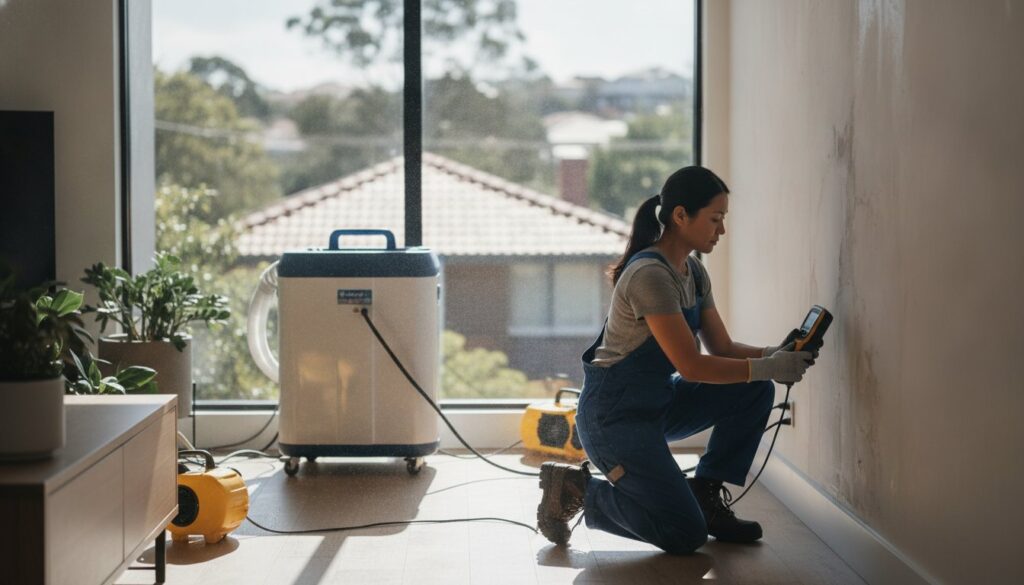
If you wait more than 48 hours to professionally dry your property, you aren’t just dealing with water anymore; you’re dealing with a biological hazard. Mould can begin colonising damp building materials in as little as 24 to 48 hours. Many Sydney homeowners believe they can manage a leak with a few towels and a household fan, but a professional water damage remediation timeline requires much more precision. You’re likely feeling the weight of this ticking clock while worrying about hidden rot behind your walls or the health of your family. It’s a stressful situation that demands immediate, expert action to prevent permanent damage.
We understand that the uncertainty of the drying process is often more exhausting than the initial leak. This guide provides the clarity you need during a property crisis. We promise to give you a comprehensive day-by-day breakdown of exactly what to expect during the first seven days of restoration. You’ll learn how specialists use advanced air scrubbing and moisture mapping to secure your home. We’ll walk through everything from the initial emergency extraction to the final verification that your property is dry, safe, and mould-free.
Key Takeaways
- Learn why the first 24 hours are the “Golden Hour” for moisture mapping and emergency water extraction.
- Understand the 48-hour tipping point when damp materials become a breeding ground for hazardous mould growth.
- Follow a professional water damage remediation timeline to ensure your Sydney home is structurally dry rather than just dry to the touch.
- Identify how specific building materials and water categories can alter the speed and complexity of your restoration.
- Discover how specialized air scrubbing and the Goldmorr System provide a safer, more efficient path to total property recovery.
Phase 1: The First 24 Hours of Water Damage Remediation
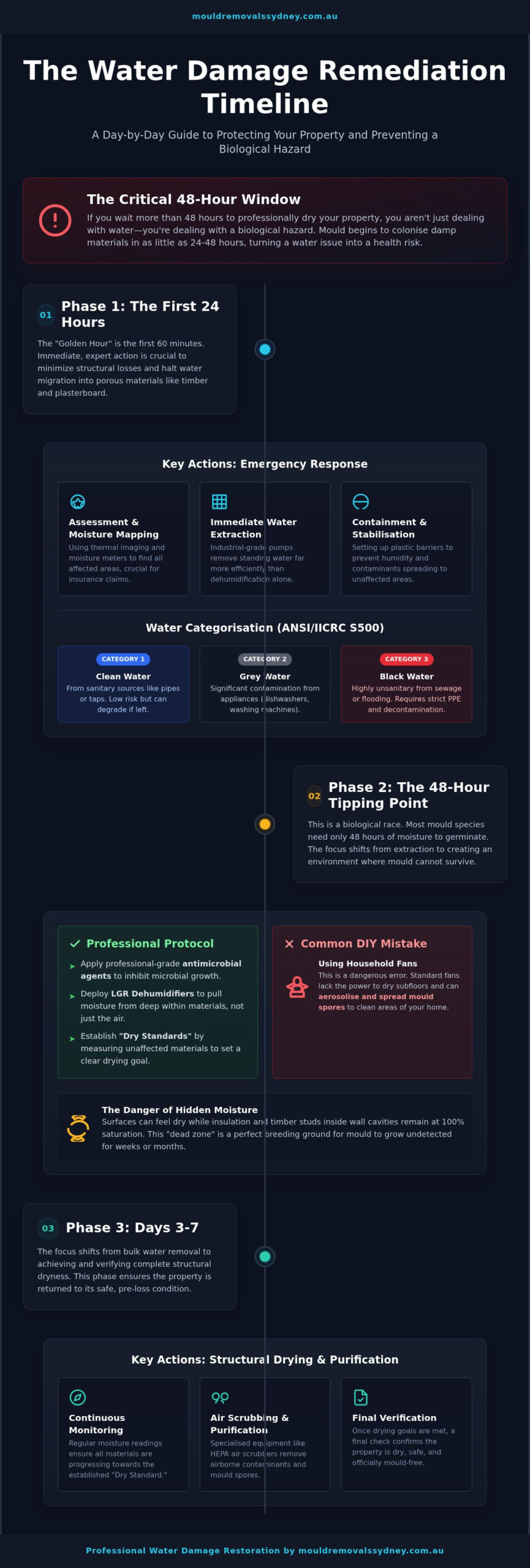
The clock starts the second water enters your property. In the restoration industry, we call the first sixty minutes the “Golden Hour.” This is your best chance to minimise structural losses and prevent a long, expensive recovery. Every minute water sits, it migrates deeper into porous materials like timber floors and plasterboard. A professional water damage remediation timeline begins with a rapid, 24/7 emergency response to stabilise the environment before the 48-hour mould window opens. Speed isn’t just about convenience; it’s about stopping the physical degradation of your home’s foundation.
Emergency Assessment and Water Categorisation
Our specialists first identify the source. This could be a burst flexi-hose in a Surry Hills apartment or a storm surge following a Sydney East coast low. We immediately classify the Water damage into one of three categories based on the ANSI/IICRC S500 standard. Category 1 involves clean water from sanitary sources. Category 2, or grey water, contains significant contamination from appliances like dishwashers. Category 3 is black water from sewage or outdoor flooding. This is highly unsanitary and requires strict PPE and aggressive decontamination protocols. We use thermal imaging and moisture meters to create a digital moisture map. This evidence is vital for your insurance claim. We encourage you to submit digital media via our inquiry process to help us assess the severity instantly.
Immediate Water Extraction and Stabilisation
Extraction is the most critical step in the first day. We don’t just use shop-vacs; we deploy industrial-grade submersible pumps and high-volume extractors to remove standing water. This physical removal is significantly more efficient than relying on dehumidification alone. During this phase, we make hard decisions about unrestorable materials. Saturated carpet underlay and certain types of insulation act like sponges. They hold moisture against the subfloor and must be removed immediately to allow the structure to breathe. We also set up containment zones using heavy-duty plastic sheeting. This prevents humid air and potential contaminants from drifting into unaffected rooms. By the end of the first 24 hours, your home should be free of standing water and ready for the deep drying phase. This proactive approach is the only way to protect your property’s long-term value.
Phase 2: The 48-Hour Mould Prevention Window
The second day of your recovery is a biological race. While the first 24 hours focused on extraction, the next 24 hours are about preventing a secondary disaster: mould colonisation. In the professional water damage remediation timeline, 48 hours is the definitive tipping point. This is because most mould species require a minimum of two days of moisture to begin the germination process and anchor themselves into your building’s substrate. If you haven’t achieved significant structural drying by this point, you aren’t just drying a floor; you’re managing a growing ecosystem.
Many Sydney homeowners attempt to solve this by pointing household fans at a damp patch. This is a dangerous mistake. Standard fans lack the static pressure to reach moisture trapped deep within timber or subfloors. Even worse, they can aerosolise existing spores, spreading them to unaffected parts of your home. Professional remediation transitions from surface-level extraction to deep structural dehumidification using LGR (Low Grain Refrigerant) technology. This ensures we pull moisture out of the air and the materials simultaneously, creating an environment where mould simply cannot survive.
Stopping Mould Before It Starts
Prevention requires more than just dry air. We apply professional-grade, biodegradable antimicrobial agents to all affected surfaces to inhibit microbial growth while the drying equipment works. These non-toxic treatments are a key part of the EPA guidelines on mold cleanup, ensuring that any dormant spores don’t have the opportunity to thrive. We monitor progress by establishing “Dry Standards”-a baseline moisture level for unaffected materials in your home-and using moisture meters to ensure every square centimetre meets that goal. Understanding what is mould and how it spreads helps you see why this 48-hour window is non-negotiable for property safety.
The Danger of Hidden Moisture in Wall Cavities
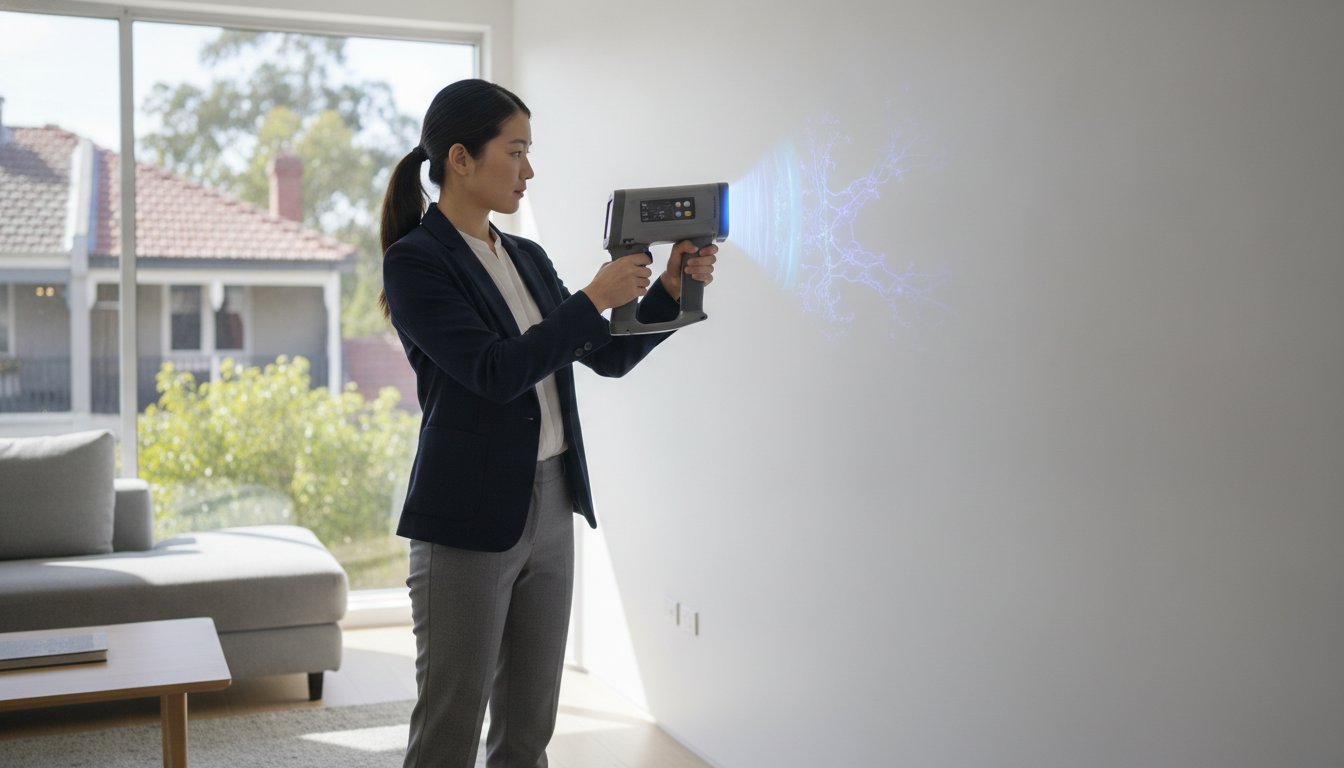
Visible dryness is often a lie. In Sydney’s humid climate, Gyprock can feel dry to the touch while the insulation and timber studs behind it remain at 100% saturation. This creates a “dead zone” where mould can grow undetected for weeks. We use thermal imaging cameras to identify these cold spots of trapped moisture without tearing down your walls unnecessarily. If moisture is detected in cavities or under cupboards, we may use targeted “injectidry” systems to force warm, dry air into those voids. If you suspect moisture is lingering behind your skirting boards, it’s vital to have a professional mould inspection to verify the structural integrity of your home and stop hidden damage in its tracks.
Phase 3: Structural Drying and Air Purification (Days 3-7)
By the third day, the surface of your walls or floors might feel dry to the touch. This is a deceptive stage where many homeowners make the mistake of turning off their equipment too early. Achieving a successful water damage remediation timeline requires reaching “structural dryness,” which is a far deeper metric. We follow the industry standard for professional water damage restoration to ensure that the moisture content inside the core of your timber studs and concrete slabs has returned to a safe, pre-loss condition. If we stop before this point, the remaining internal moisture will eventually migrate to the surface, causing paint to peel and mould to bloom weeks later.
To achieve this deep drying, we deploy Low Grain Refrigerant (LGR) dehumidifiers. Unlike standard units, LGR technology is designed to remove water vapour from the air even in very low humidity environments. This creates a “vapour pressure differential” that literally pulls moisture out of dense building materials. Our technicians visit your Sydney property daily during this phase to monitor progress. We use moisture probes to take readings from the same spots every 24 hours, adjusting the position of air movers and dehumidifiers to hit our drying targets with surgical precision.
Deploying the Goldmorr System for Air Quality
Drying the structure is only half the battle; we must also address the air you breathe. We use the Goldmorr System to ensure your indoor environment remains healthy during the restoration. This involves using biodegradable fogging to neutralise any airborne mould spores that may have been disturbed. We also install HEPA air scrubbers that constantly cycle the air, removing microscopic contaminants and eliminating that heavy, damp odour. This process makes the property safe for occupants and ensures that when our equipment is removed, your home is truly clean, not just dry.
Deep Structural Dehumidification
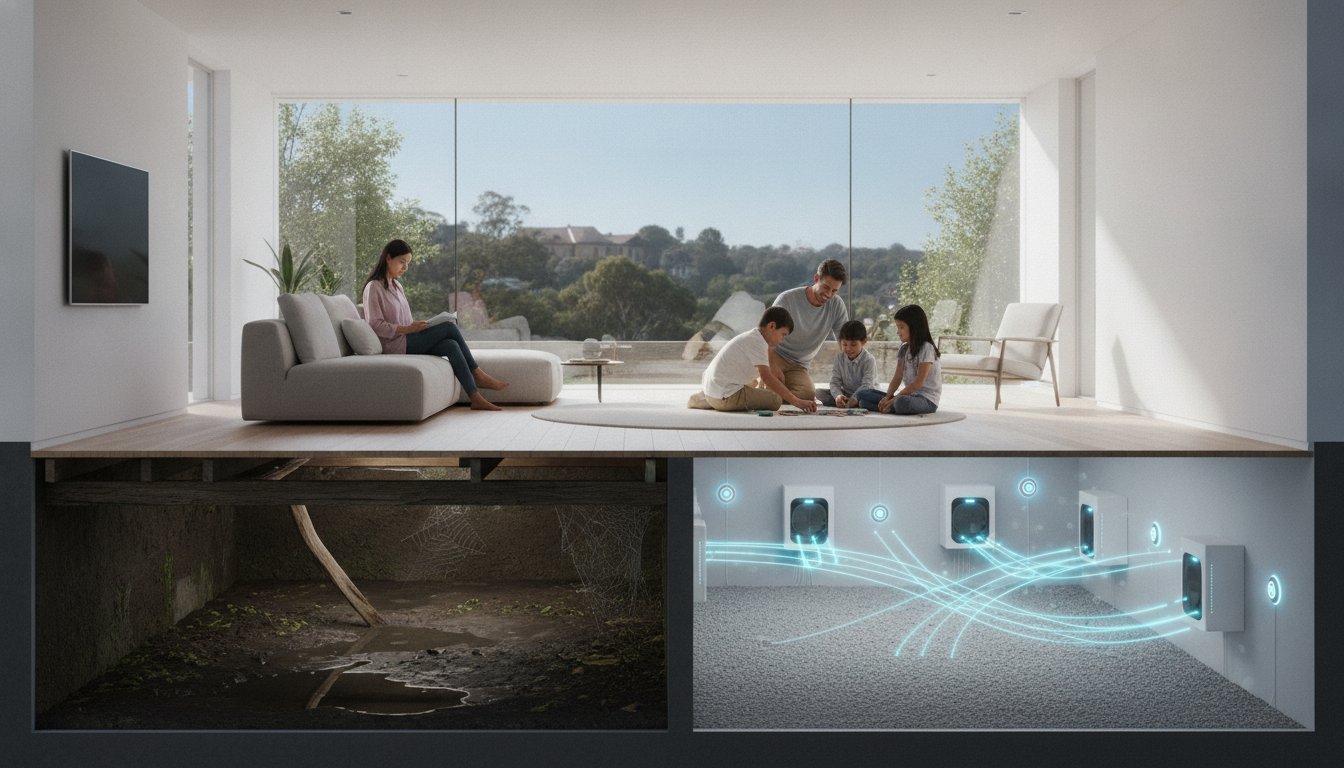
Sydney properties frequently deal with the “wicking effect,” where moisture travels upward through porous materials like brickwork or concrete. This capillary action can draw water into areas far from the original leak. We pay particular attention to subfloor areas, as moisture trapped in these dark, low-airflow zones is the leading cause of structural rot and recurring mould. If your property lacks adequate airflow beneath the floorboards, we may recommend a permanent subfloor ventilation system. This provides a long-term solution to keep your foundations dry and prevent future water damage from taking hold after the initial remediation is complete.
Factors That Can Delay Your Remediation Timeline
While we aim for a standard seven day recovery, several variables can stretch the water damage remediation timeline. You shouldn’t expect a flooded laundry from a sewage backup to dry as quickly as a clean water pipe burst. The complexity of the project depends on the type of water, the density of your building materials, and even the current weather in New South Wales. Understanding these factors helps you set realistic expectations for your property’s restoration.
The Impact of Water Category on Safety
Environmental Factors in New South Wales
Sydney’s coastal humidity is a significant hurdle. On a humid day in the Northern Beaches or the Western Suburbs, the outdoor air is already saturated. This slows down the evaporation rate significantly because the air cannot hold more moisture. We use “closed drying systems” where we seal the affected area and control the indoor environment entirely. This is the only way to combat the high outdoor humidity in NSW. During prolonged rain events, the risk of secondary damage increases, making the use of LGR dehumidifiers essential to maintain the water damage remediation timeline. Insurance delays can also occur during the “Scope of Works” approval process, though we provide digital media and moisture maps quickly to help adjusters move your claim forward.
If your property has been affected by contaminated water or high humidity, don’t wait for the damage to spread. Contact our specialists for immediate water damage restoration to secure your home today.
The ABC Mould Solution: Professional Water Damage Restoration
Protecting your property from structural decay requires a partner who understands the high stakes of a flood or leak. We provide a 24/7 emergency response across Sydney because we know that every hour counts toward your water damage remediation timeline. Our team doesn’t just place fans and walk away; we use a systematic, evidence-based approach to stabilise the environment and stop the spread of saturation. We provide the emotional relief and technical security you need during a property crisis, ensuring that your home returns to a safe, pre-loss condition as quickly as possible. By managing the entire process, we allow you to focus on your family while we handle the heavy lifting of structural recovery.
Why Sydney Homeowners Trust ABC Mould Cleaning Solutions
Our commitment to excellence is anchored in the Goldmorr System, a proprietary methodology that uses biodegradable fogging to eliminate airborne mould spores. This process is significantly faster and more effective than traditional methods, protecting your family from the respiratory risks associated with damp environments. We use non-toxic, family-safe products that ensure your home is clean without leaving behind harsh chemical residues. If you’re facing an active emergency right now, our water damage repair guide provides essential first steps to take while our specialists are in transit to your door. We also provide comprehensive reporting for your insurance company, including moisture maps and thermal images, to ensure your claim is handled smoothly. After the drying is complete, we offer post-remediation recommendations, such as installing subfloor ventilation, to stop moisture from returning to your foundations.
Next Steps: Reclaiming Your Property
The final phase of the water damage remediation timeline is scientific verification. We conduct rigorous clearance testing to prove that moisture levels have reached “dry standards” and that your air quality is fully restored. To simplify your journey, we’ve streamlined our digital inquiry process; just submit photos or videos of the damage through our mobile-friendly platform for an immediate expert review. This modern efficiency gets our technicians on-site with the right industrial equipment faster than ever. We’re dedicated to providing a hassle-free experience that transitions you from concern to total resolution in just a few steps. Don’t let moisture linger and cause permanent structural damage. Contact our Sydney specialists today for a professional assessment and take back control of your home. We’re ready to help you restore safety and well-being to your property.
Secure Your Property and Prevent Mould Today
Managing a flood or a leak is a race against biology. You now understand that the first 48 hours are the most critical for preventing mould colonisation and that a professional water damage remediation timeline requires specialised equipment to reach structural dryness. Don’t risk your home’s value or your family’s health by relying on surface-level DIY drying methods. Our team uses the Goldmorr System and biodegradable, non-toxic solutions to ensure your property is safe, dry, and clean.
We provide a 24/7 emergency response across Sydney to stop saturation before it leads to permanent structural decay. You’ve seen how factors like humidity and water categories can complicate recovery; having an expert partner ensures these challenges don’t derail your restoration. Our specialists are ready to provide the technical expertise and emotional relief you need during this stressful time. You can reclaim your home and your peace of mind with one simple action.
Take the first step toward a healthy environment. Request an Urgent Water Damage Assessment in Sydney and let our experts handle the rest. We’re here to ensure your property is restored quickly and correctly. Your home deserves a professional recovery.
Frequently Asked Questions
How long does it take for mould to grow after water damage?
Mould can begin to colonise damp building materials within 24 to 48 hours of initial water exposure. This rapid growth makes the first two days of your water damage remediation timeline the most important for professional intervention. Once spores anchor into porous surfaces like Gyprock or timber, they become significantly harder to remove without demolition. Acting fast is the only way to prevent a minor leak from becoming a biological hazard.
Can I stay in my house during the water damage restoration process?
You can often stay in your home during clean water (Category 1) drying, but Category 3 sewage events require immediate evacuation for health reasons. The industrial dehumidifiers and air movers used are loud and create a high-heat environment that some occupants find uncomfortable. Our specialists assess the safety and noise levels during the initial inspection to give you a clear recommendation based on your specific situation and family needs.
Does insurance cover the full water damage remediation timeline?
Most standard Australian home insurance policies cover professional restoration if the damage was caused by a sudden, accidental event like a burst pipe. However, many insurers exclude gradual damage caused by long-term leaks or poor maintenance. We provide detailed moisture mapping and digital reports to help your insurer understand the scope of work and the necessity of each step in the drying process. Always check your specific Product Disclosure Statement for coverage limits.
Will fans alone dry out my water-damaged carpet?
No, household fans are insufficient because they only evaporate surface moisture while leaving the underlay and subfloor saturated. This trapped water creates a perfect environment for hidden mould to thrive beneath your feet. Professional restoration requires LGR dehumidifiers to pull moisture out of the air and industrial air movers to force dry air through the carpet fibres and into the substrate below. Without this deep drying, the carpet will eventually rot.
What is the difference between water mitigation and water restoration?
Water mitigation focuses on immediate damage control, such as water extraction and the removal of unsalvageable materials to prevent further loss. Water restoration is the broader process of returning your property to its pre-damage condition. This includes structural drying, sanitisation, and any necessary repairs to flooring or walls. Both phases are essential parts of a successful water damage remediation timeline. Mitigation stops the problem from getting worse, while restoration fixes it entirely.
How do I know if the drying process is actually finished?
The process is only finished when scientific moisture meters confirm that materials have reached their “dry standard” baseline. Surfaces often feel dry to the touch long before the internal core of a timber stud or concrete slab is safe. We perform daily monitoring and a final clearance check to ensure no hidden pockets of moisture remain. This evidence-based approach is the only way to guarantee that mould won’t return once the equipment is removed.
Is the fogging process used in remediation safe for pets and children?
Yes, the Goldmorr System fogging we use is biodegradable and non-toxic, making it safe for families and pets once the treatment has settled. We prioritise air purification and scrubbing to ensure your indoor environment is healthier than it was before the damage occurred. Our technicians provide specific instructions on when it’s safe to re-enter the treated zones. We focus on using chemicals that are effective against spores but gentle on the surrounding environment.
How much does professional water damage restoration cost in Sydney?
Costs vary significantly based on the water category, the size of the affected area, and the duration of the drying process. A Category 1 clean water leak in a single room is far more affordable than a Category 3 sewage backup that requires extensive material removal and biohazard decontamination. We offer transparent assessments and provide the detailed documentation your insurer needs. This ensures the focus remains on quality results that protect your property’s long-term market value.