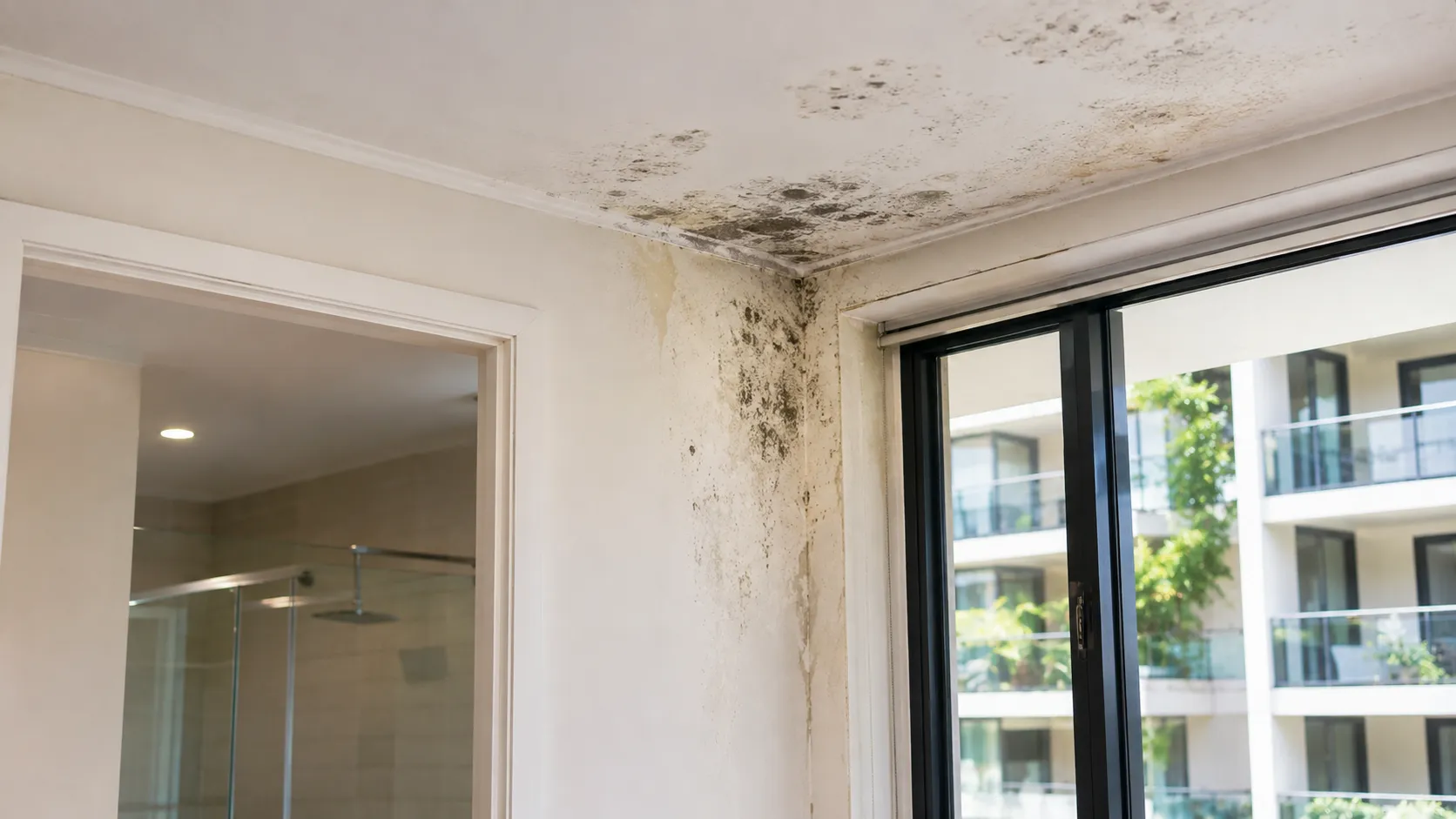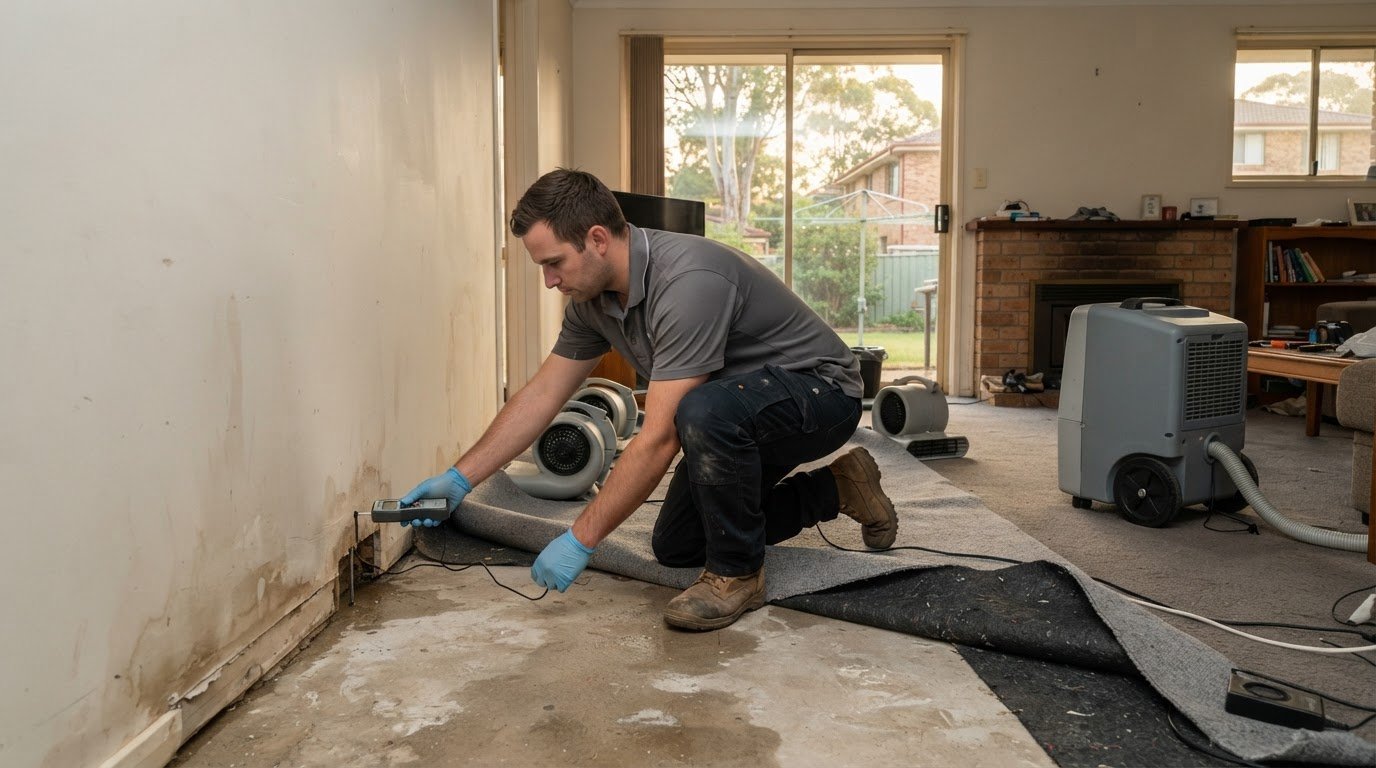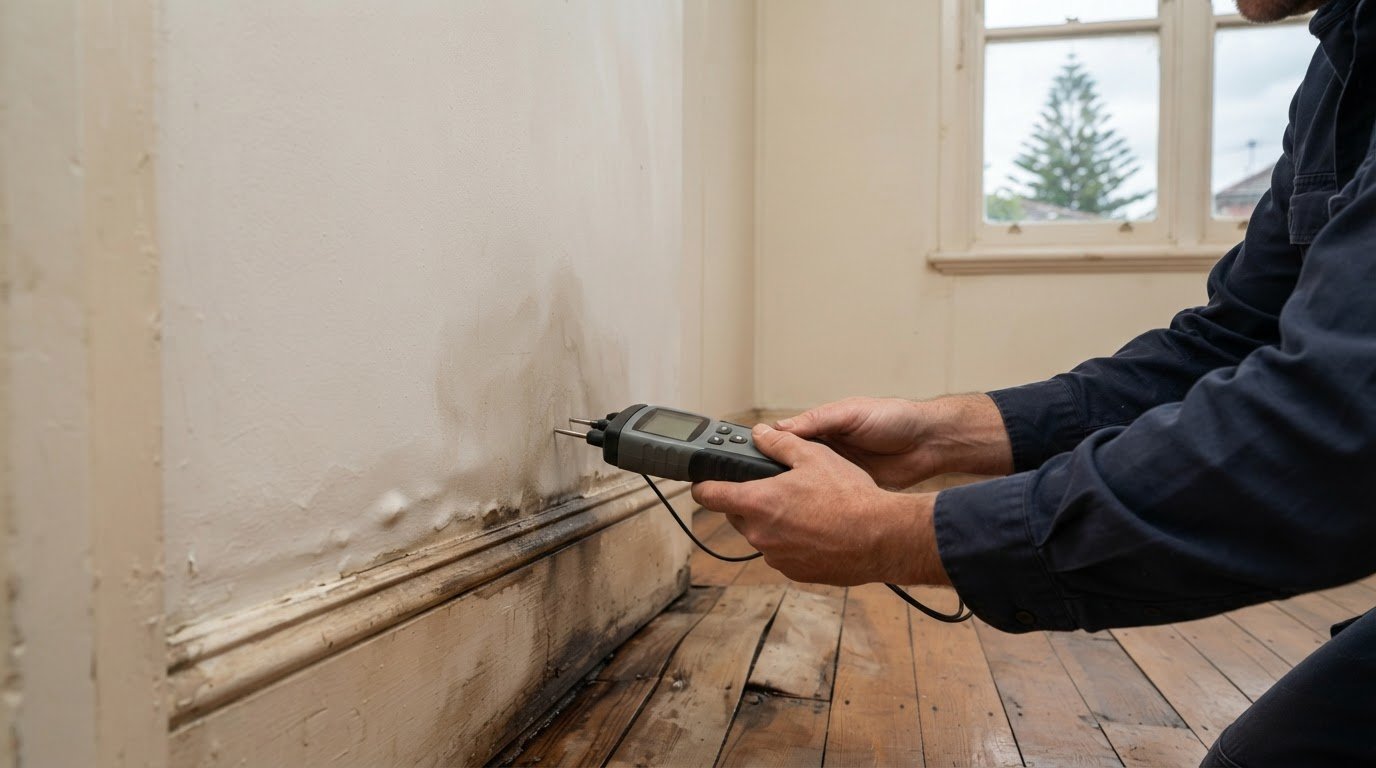

Is a persistent cough making its way through your family, or have you noticed a strange, musty smell the moment you switch on your air conditioner for relief from the heat? These aren’t just minor annoyances; they are often the first warning signs of a hidden threat. Many homeowners are unaware of the serious mould in split system health effects, which can turn your source of comfort into a direct source of airborne contaminants that your family breathes in every day.
If you’re worried those black spots inside your unit are toxic or wonder if your family’s recurring symptoms are connected to your AC, you’ve come to the right place. This guide exposes the dangerous reality of a contaminated air conditioner. We’ll help you identify the specific health risks, confirm if your AC is making you sick, and outline the professional steps needed to protect your home’s air quality for good.
Key Takeaways
- Your split system’s dark, damp internal components create the perfect environment for dangerous mould to grow and thrive unseen.
- The mould in split system health effects are serious, ranging from allergy-like symptoms to severe respiratory issues as the unit circulates airborne spores.
- Children, the elderly, and individuals with asthma or compromised immune systems face a significantly higher risk from contaminated indoor air.
- Simply spraying your AC vents is ineffective; only professional remediation can safely access and eliminate the hidden mould colony at its source.
Why Your Split System is a Perfect Breeding Ground for Mould
Your split system air conditioner is designed for comfort, but its internal workings create the perfect, hidden environment for mould to thrive. Understanding why this happens is the first step in preventing the serious mould in split system health effects that can impact your family. The problem lies in a simple, but dangerous, combination known as the ‘mould triangle’.
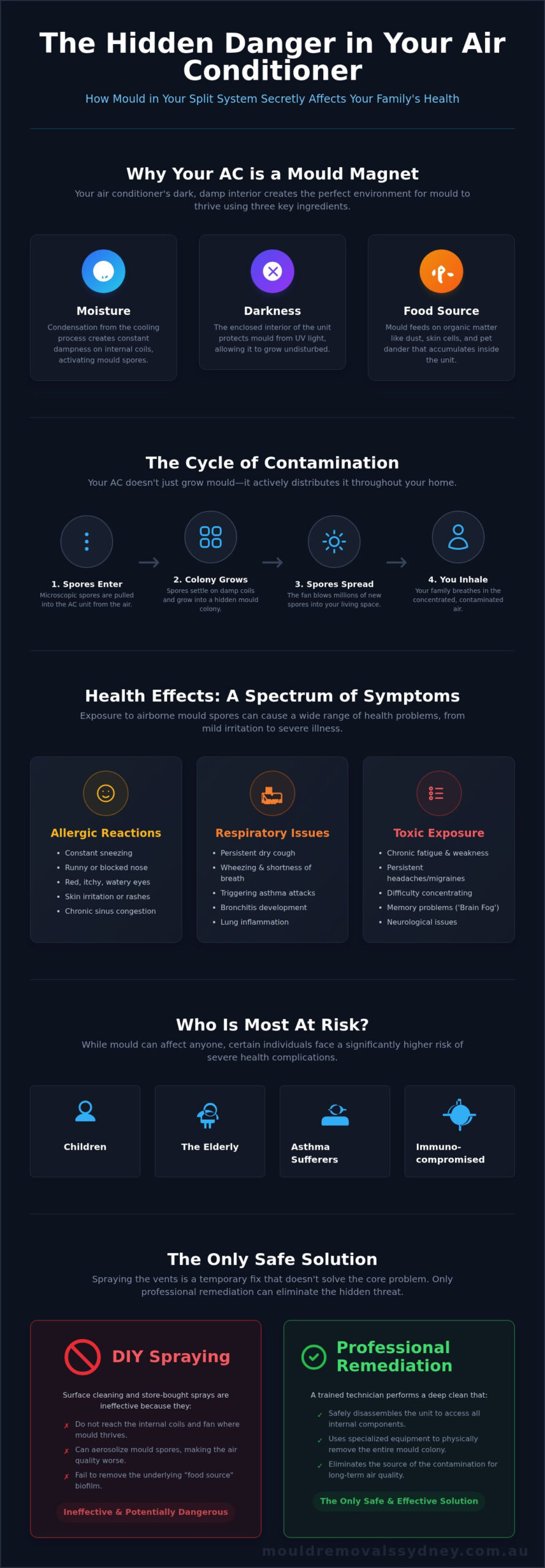
For mould to grow, it needs three key things, all of which are abundant inside your AC unit:
- Moisture: The cooling process naturally creates condensation on the internal evaporator coils. This constant, dripping dampness is the primary ingredient mould needs to activate and multiply.
- Darkness: The enclosed, dark interior of your split system protects mould spores from the damaging effects of UV light, allowing colonies to grow and flourish completely undisturbed.
- Food Source: Mould isn’t picky. It feeds on the organic matter that gets pulled into your unit every day, including dust, skin cells, pet dander, and other microscopic debris that builds up on the coils and fan.
This combination turns your air conditioner from a source of relief into a potential contamination source, circulating harmful spores throughout your home every time you turn it on.
The Mould Growth Cycle Inside Your AC Unit
Mould spores are microscopic and are always present in the air. They are drawn into your split system through the return air vent. Once inside, they find the damp evaporator coils and drain pan, where they settle and begin to colonise. As the mould grows, it produces millions of new airborne spores. The unit’s fan then acts as a high-powered delivery system, blowing these contaminants directly into the air you breathe, compromising your indoor air quality.
Common Types of Mould Found in Air Conditioners
Several types of mould are commonly found lurking in air conditioners. These often include species like Aspergillus, Penicillium, and Cladosporium. While many people worry specifically about Stachybotrys chartarum (often called ‘toxic black mould’) due to its ability to produce mycotoxins, it’s crucial to understand that any type of mould can be a problem. Prolonged exposure to any of these species can contribute to the wider health effects of indoor mould, making professional removal essential for your family’s well-being.
The Direct Health Effects: How AC Mould Makes You Sick
Think of your split system air conditioner as the lungs of your home. When it’s clean, it circulates fresh, cool air. But when it’s contaminated with mould, it breathes a concentrated dose of microscopic spores directly into your living space. This constant, enclosed exposure is the primary danger. The full spectrum of mould in split system health effects ranges from mild, persistent annoyances to severe, debilitating illnesses.
A clear warning sign is feeling unwell at home but noticing your symptoms improve when you leave the house for work or errands, only for them to return shortly after you get back. This is your body telling you that your indoor air quality is compromised.
Respiratory Symptoms: Coughs, Wheezing, and Asthma Attacks
When you inhale mould spores, they directly irritate the sensitive tissues of your throat and lungs. This often leads to a persistent, dry cough or a wheezing sound as you breathe. For individuals with asthma, this is a serious threat, as mould is a well-known trigger that can cause severe and sudden attacks. Ongoing exposure can lead to more serious conditions like bronchitis or, in some cases, hypersensitivity pneumonitis-an immune system disorder causing lung inflammation.
Allergic Reactions: Skin Irritation, Itchy Eyes, and Sinusitis
For many people, the first sign of a problem is an allergic reaction. The body’s immune system overreacts to the presence of mould spores, leading to a host of frustrating symptoms. You may experience:
- Constant sneezing and a runny or blocked nose
- Red, itchy, and watery eyes
- Skin irritation, including rashes or hives
- Chronic sinus congestion and recurring headaches
These symptoms are often mistaken for seasonal hay fever, but unlike pollen, the source is inside your home, providing no relief.
Toxic Mould Exposure: Headaches, Fatigue, and ‘Brain Fog’
Certain types of mould, such as Stachybotrys chartarum (often called black mould), can produce toxic compounds known as mycotoxins. The health effects of these toxins go beyond simple allergies. As detailed in the comprehensive EPA guide to mould, exposure to mycotoxins can lead to serious neurological issues. Residents often report chronic fatigue that sleep doesn’t fix, persistent headaches or migraines, difficulty concentrating, and a general feeling of ‘brain fog’. Ignoring these severe symptoms of mould exposure is not an option; it’s a direct threat to your well-being.
While removing the mould source is the first critical step, addressing the lingering health impacts is equally important. For individuals experiencing chronic fatigue, respiratory weakness, or other physical symptoms after prolonged exposure, seeking professional support is key to recovery. Specialized services in exercise physiology, such as those offered by MoveMed, can help manage these conditions and restore overall well-being.
Who Is Most at Risk? Identifying Vulnerable Individuals
While airborne mould spores can affect anyone, some groups are far more susceptible to the serious health risks posed by a contaminated air conditioner. Your home should be a safe haven, but a unit circulating mould becomes a direct source of illness. Long-term exposure doesn’t just trigger existing conditions; it can cause healthy individuals to develop chronic sensitivities over time. If anyone in your household falls into these high-risk categories, immediate professional action is critical.
Infants, Children, and the Elderly
The very young and the elderly are particularly vulnerable to indoor air pollutants. A child’s respiratory and immune systems are still developing, making them less equipped to fight off the effects of mould spores. This can lead to frequent colds, persistent coughs, and an increased risk of respiratory infections. Similarly, older adults may have compromised immune systems, making it harder for their bodies to handle the constant exposure, which can aggravate underlying health issues.
Individuals with Asthma and Existing Allergies
For people with asthma or respiratory allergies, a mouldy split system is a significant threat. Mould is a well-known and potent trigger that can lead to more frequent and severe asthma attacks. The constant release of spores will worsen symptoms of hay fever, sinusitis, and other allergies. According to leading authorities like the US EPA, the health effects of mold exposure range from nasal stuffiness and wheezing to severe reactions in sensitive individuals. Don’t risk making a manageable condition worse.
The Immunocompromised
This group faces the most severe risks. Individuals with weakened immune systems-such as those undergoing chemotherapy, living with autoimmune diseases, or who have had organ transplants-are dangerously susceptible. For them, exposure to common household moulds can lead to opportunistic and invasive fungal infections in the lungs and other parts of the body. The potential mould in split system health effects escalate from allergic reactions to life-threatening conditions.
Protecting your family starts with ensuring the air they breathe is clean and safe. If you notice a musty smell or can see mould growth, don’t wait for symptoms to develop. Contact a professional mould remediation service to restore healthy air quality to your home.
Taking Action: Why Professional Remediation is the Only Safe Solution
You’ve identified the musty smells, seen the black spots, and understand the serious health risks associated with a mouldy air conditioner. Now it’s time to act. However, reaching for a bottle of bleach or a supermarket spray is not only ineffective-it’s dangerous. Tackling a mould infestation requires a professional, scientific approach to protect your home and your family.
The Dangers of DIY AC Mould Cleaning
Attempting to clean a contaminated split system yourself can make the problem significantly worse. Here’s why a DIY approach is a risk you shouldn’t take:
- Superficial Results: Spraying the external vents does nothing to address the contamination deep within the unit. The real problem lies in the evaporator coils, drain pan, and fan barrel, which are inaccessible without proper disassembly.
- Spore Proliferation: Scrubbing or disturbing visible mould causes it to release millions of microscopic spores into the air. This single action can drastically increase the spore count in your room, worsening your indoor air quality and amplifying the very mould in split system health effects you are trying to solve.
- Hazardous Chemicals: Common cleaners like bleach are corrosive, release harmful fumes, and are not effective at killing mould on the porous surfaces inside an AC unit.
What a Professional AC Mould Clean Involves
A professional mould remediation service is the only way to guarantee the complete and safe removal of contamination. Our certified technicians perform a comprehensive deep clean that a DIY attempt can never match. The process involves dismantling the unit to access every internal component, using specialised, non-toxic cleaning agents that kill mould at its source and flush out all contaminants from the coils and fan. This ensures the source of the problem is completely eliminated. Don’t risk your health. Get a fast, free quote for a professional clean.
The Goldmorr System: Eliminating Spores from the Unit and the Air
Cleaning the air conditioner is only half the battle. To provide a lasting solution and truly eliminate the mould in split system health effects, we must also treat the invisible spores in the air. Our industry-leading Goldmorr System treats the entire room, not just the unit. We release a fine, non-toxic, and biodegradable fog that neutralises airborne mould spores on contact. This crucial step ensures the mould doesn’t simply re-contaminate the freshly cleaned unit, giving you peace of mind and clean, healthy air to breathe.
Breathe Easier: Your Final Step to a Mould-Free Home
As we’ve uncovered, your split system air conditioner can quickly become a hidden source of illness, circulating harmful mould spores throughout your home. From persistent allergies and respiratory issues to more severe reactions in children and the elderly, the mould in split system health effects are a serious risk you cannot afford to ignore. Attempting to clean it yourself often fails to eliminate the problem at its source, allowing the mould to return and compromise your air quality again.
Don’t wait for the problem to worsen. Taking decisive, professional action is the only way to safeguard your family’s wellbeing. As Sydney’s trusted local experts in mould remediation, we provide a definitive solution, not just a temporary fix. Our certified technicians use the industry-leading Goldmorr® System to guarantee the complete and safe removal of mould from your air conditioner. We are so confident in our service and pricing that we will beat any written quote by 10%.
Protect Your Family’s Health. Get a Free Quote for Your AC Clean Today!
Restore the clean, healthy air in your home and gain the peace of mind you deserve. It’s that simple.
Frequently Asked Questions About Mould in Air Conditioners
Can mould in my split system cause long-term health problems?
Yes, prolonged exposure can lead to serious long-term health issues. The health effects of mould in a split system are not to be underestimated and can include chronic respiratory conditions, sinus infections, worsened asthma, and even impacts on the immune system. Ignoring the problem allows harmful spores to constantly circulate in your home, putting your family’s well-being at risk. Don’t wait for symptoms to worsen-because they will.
Is black mould in an air conditioner more dangerous than other types?
While “black mould” has a dangerous reputation, the truth is that any type of mould growing in your aircon is a threat to your health. Different mould species can trigger allergic reactions and respiratory problems. The colour of the mould is less important than its presence. All visible mould indicates a contamination that is releasing spores into your air and requires immediate, professional remediation to ensure it is safely and completely removed.
Will just cleaning the filter solve the mould problem in my AC?
No, cleaning the filter is only a minor part of the solution. Mould thrives deep within the unit on the evaporator coils, fan barrel, and in the drain pan where moisture collects. A dirty filter can contribute to the problem, but simply cleaning it leaves the primary mould colony intact. A professional deep clean is the only effective way to eradicate mould from the internal components and prevent it from returning quickly.
How often should I get my air conditioner professionally cleaned to prevent mould?
For most Australian homes, we recommend a comprehensive professional clean at least once every 12 months. This is best done just before the peak summer or winter season. If you live in a particularly humid area, have household members with allergies or asthma, or run your unit constantly, you may benefit from a professional service every 6 months to ensure optimal air quality and prevent mould growth before it starts.
What are the first signs of mould in a split system I should look for?
The most common first sign is a persistent musty or damp smell when you turn the air conditioner on. You should also perform a visual check for any black, green, or dark specks on the air vents or directional louvres. In some cases, you may notice an increase in allergy symptoms, such as sneezing, coughing, or itchy eyes, only when you are in the room with the unit running. These are clear signals to act now.
Can the smell of mould from an AC make you sick even if you can’t see it?
Absolutely. That distinct musty odour is caused by gases (MVOCs) released by the mould as it grows and digests material. Inhaling these gases and the invisible airborne spores can cause headaches, fatigue, nausea, and respiratory irritation. The smell itself is a warning that you are breathing in contaminants. If you can smell it, your health is already being exposed to the risks, and a professional inspection is essential.