
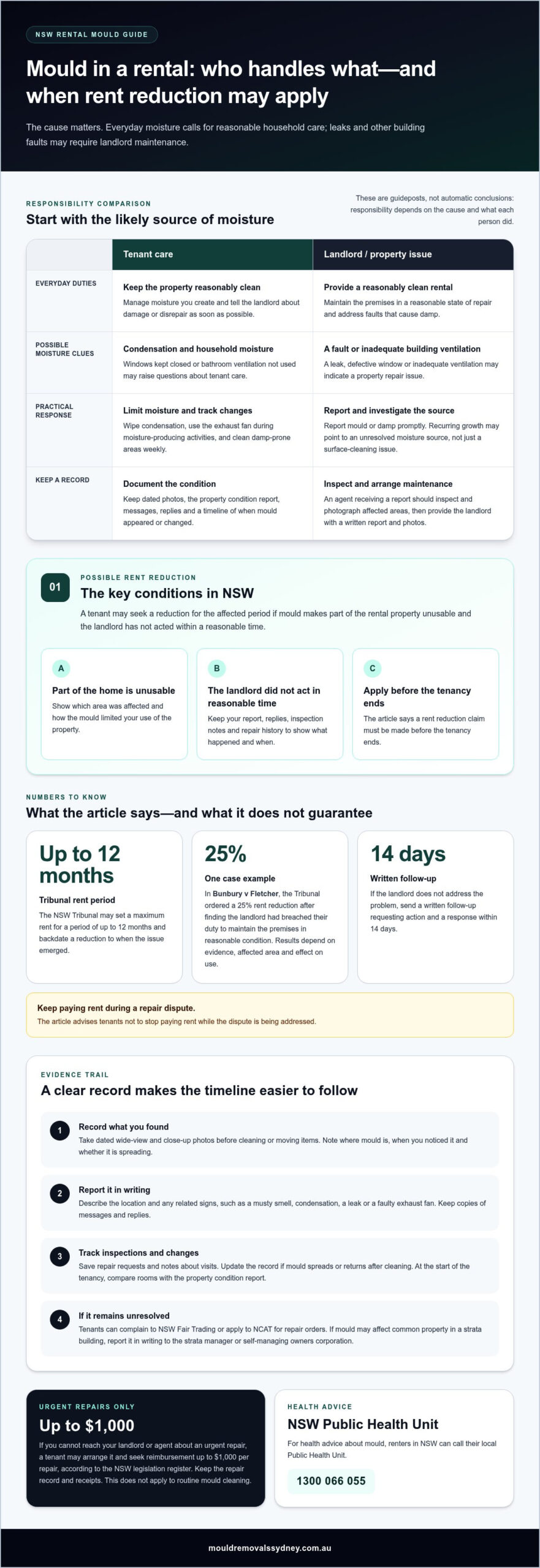
In NSW, mould may support a rent reduction claim if it makes part of your rental home unusable and the landlord has not acted within a reasonable time. You must apply before the tenancy ends. A mould prevention checklist for renters in NSW can help you manage everyday moisture while documenting the problem and reporting damp or mould promptly.
It’s understandable to wonder whether mould is your responsibility, your landlord’s, or both. The cause matters: tenants should keep the property reasonably clean and report damage or disrepair, while landlords are responsible for addressing underlying property problems, such as leaks or structural moisture.
This guide explains how rent reduction claims work, what to do when moisture comes from a building fault, and how ventilation and regular cleaning can help limit mould. It also explains when surface cleaning may not be enough, so you can take practical steps and keep a clear record of what’s happening in your home.
Key Takeaways
- Report mould and damp promptly, and keep dated photos and copies of your communications.
- Responsibility often depends on the cause: everyday moisture management differs from leaks or building defects.
- Ventilation and regular cleaning can help limit mould, but recurring growth may point to an unresolved moisture source.
- Keep paying rent while a repair dispute is being addressed, and understand the steps available if the landlord doesn’t act.
- For persistent mould or concerns about hidden moisture, professional inspection and remediation can help identify what needs attention.
Who is responsible for mould in a rental property in NSW?
Responsibility depends on what caused the mould and what each person did. NSW tenants must keep the property reasonably clean and tell the landlord about damage or disrepair as soon as possible. Landlords must provide the rental property in a reasonably clean state and address faults that cause damp, such as leaks. Mould linked to everyday moisture may also raise questions about ventilation and cleaning.
Report mould or damp to your landlord or property manager promptly, even if the affected area looks small. Send a dated email or message describing where it is, when you noticed it and whether it is spreading. Mention related signs, such as a musty smell, condensation, a leak or a faulty exhaust fan. A written report gives the agent clear details to pass on to the landlord and records when you raised the issue.
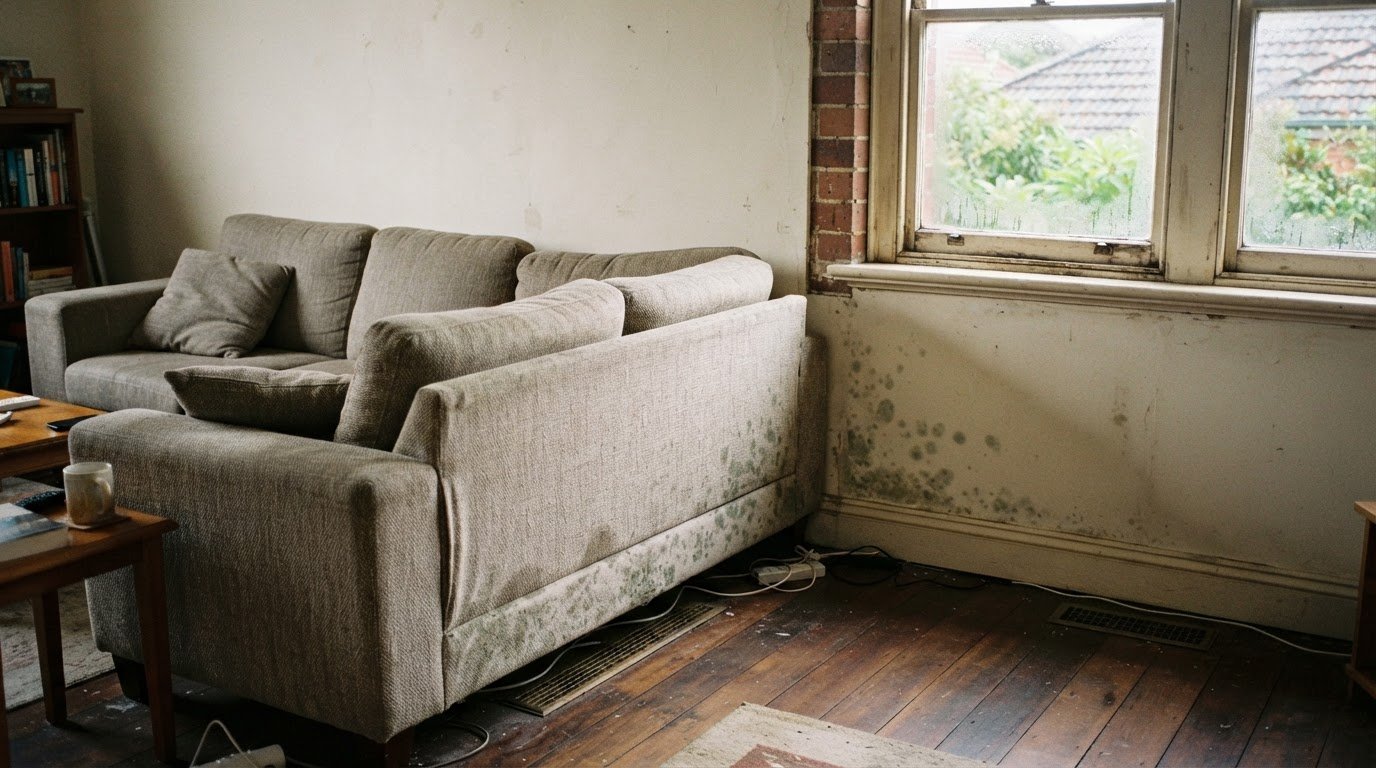
Take clear photographs before cleaning or moving items. Include a wide view of the room and close-ups showing the extent of the mould. Keep the original dated images, along with copies of messages, replies and repair arrangements. If mould was visible when you moved in, record its location and condition in your property condition report, then send the agent the same photos and description. Keep a copy of the report and note any changes.
When an agent receives a mould report, they should inspect and photograph the affected areas, then give the landlord a written report and photos. Keep your own timeline of the report, inspection, maintenance visits and follow-up messages. If an inspection identifies mould affecting common property in a strata building, report it in writing to the strata manager or self-managing owners corporation for action.
Keep your evidence organised so it is easier to follow the cause and the response:
- Save the property condition report and dated photos of each affected area.
- Record when you noticed mould, reported it and received a response.
- Keep repair requests and notes about leaks, damp patches or ventilation problems.
- Update the record if mould spreads or returns after cleaning.
If you cannot reach your landlord or agent about an urgent repair, a tenant may arrange it and seek reimbursement up to $1,000 per repair, according to the NSW legislation register. Keep the repair record and receipts. This applies to urgent repairs, not routine mould cleaning.
For health advice about mould, renters in NSW can call their local Public Health Unit on 1300 066 055, according to NSW Health. A clear report, dated evidence and repair history help distinguish household moisture from a fault requiring maintenance.
Can a tenant get a rent reduction for mould?
Yes. In NSW, a tenant may seek a rent reduction for the affected period if mould makes part of the rental property unusable and the landlord has not acted within a reasonable time. Apply before the tenancy ends. Keep evidence showing when the mould appeared, which areas it affected and how it limited your use of the property.
Tenants are responsible for keeping the rental reasonably clean and managing moisture they create. The tenancy agreement may set out responsibilities for mould, mildew and dampness. For example, condensation that builds up when windows stay closed or bathroom ventilation is not used may raise questions about tenant care. A leak, defective window or inadequate ventilation may instead indicate a property repair issue.
For a daily routine, wipe condensation from windows and walls, and use the exhaust fan during activities that create moisture. Each week, clean damp-prone areas and check corners, window frames and bathroom surfaces for new spots. This practical mould prevention checklist for renters in NSW helps you show that you’ve taken reasonable steps while keeping new growth visible.
At the start of your tenancy, compare each room with the property condition report. Record existing mould, damp patches, condensation or a faulty fan, then send dated photos and a written note to the agent. Keep copies of the report and messages. This evidence helps distinguish pre-existing mould from changes during the tenancy and makes later repair discussions more specific.
The NSW Tribunal may set a maximum rent for a period of up to 12 months and backdate a reduction to when the issue emerged. In Bunbury v Fletcher, the Tribunal ordered a 25% rent reduction after finding the landlord had breached their duty to maintain the premises in reasonable condition. Outcomes turn on evidence, the affected area and the effect on use.
Mould may be beyond routine tenant cleaning if it spreads across several areas, returns after surface cleaning, or affects materials such as carpet, timber or insulation. If moisture continues or the source seems hidden, document the problem and report the underlying concern rather than relying on repeated surface cleaning.
If the landlord doesn’t address the problem, send a written follow-up requesting action and a response within 14 days. NSW tenants can complain to NSW Fair Trading or apply to NCAT for repair orders; don’t stop paying rent during a repair dispute.
For advice, NSW Fair Trading provides mould guidance, and renters can call their local Public Health Unit on 1300 066 055, according to NSW Health. If mould keeps returning despite cleaning, professional mould remediation may help address the problem beyond routine household care.
Landlord responsibility for structural moisture problems
In NSW, landlords must keep rental premises in a reasonable state of repair and fit for habitation. Section 63 of the Residential Tenancies Act 2010 requires landlords to maintain the premises, considering the property’s age, rent and prospective life. This obligation matters when mould stems from a building fault, rather than moisture created through ordinary household activities.
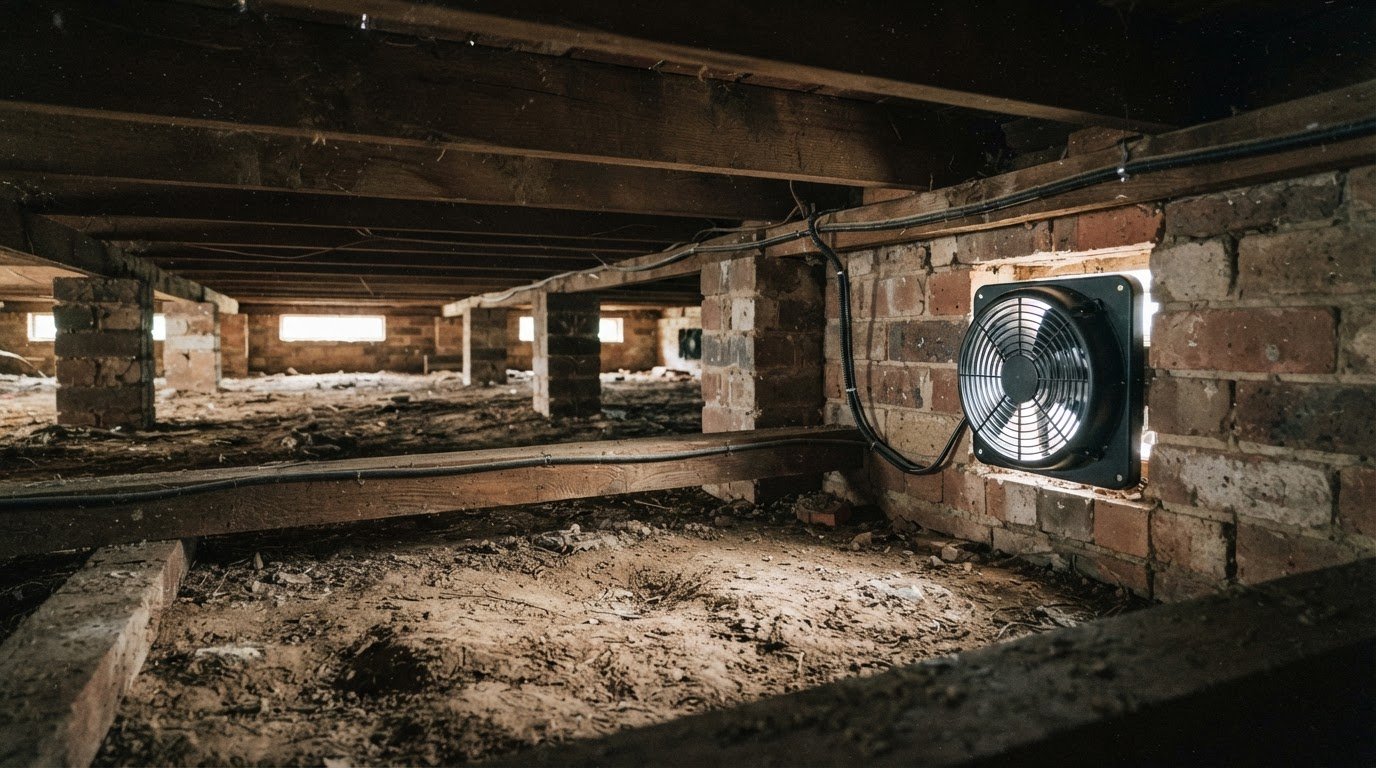
A leaking roof, cracked pipe, defective window or failed waterproofing can let moisture enter or remain inside. Rising damp and inadequate subfloor ventilation can also create persistent damp conditions. Report these signs and allow the landlord or agent to investigate. The landlord is responsible for addressing underlying property issues tenants cannot reasonably control, including leaks and structural faults.
Responsibility can involve both parties. Tenants should keep the rental reasonably clean, use available ventilation and report disrepair promptly. Landlords must arrange maintenance for building problems and provide adequate ventilation. If mould appears beside a window that will not close properly, or returns after you reported a leak, those details can help explain why surface cleaning alone has not resolved the cause.
Landlord maintenance can reduce moisture entering or becoming trapped in the property. Useful checks include confirming bathroom exhaust fans vent outside, clearing gutters and downpipes, and inspecting drainage and subfloor ventilation. A fan that only recirculates moist air may not remove humidity effectively. Landlords should also investigate recurring condensation if defective windows or limited ventilation may be contributing.
For non-urgent repairs, NSW law does not set one exact response timeframe. Landlords must act within a reasonable time, taking the nature of the fault into account. A continuing leak needs prompt attention because moisture can spread into walls, ceilings or flooring. Fourteen days is a commonly referenced benchmark for addressing the cause of ongoing leaks or damp, not a universal statutory deadline.
A burst pipe, serious leak, blocked drain or fault making the property unsafe may require urgent repair and immediate action. Tenants should describe the fault clearly in writing and explain any immediate safety concern. The landlord or agent should assess the reported damp promptly for a possible structural cause, then communicate repair timing as work proceeds.
If the landlord does not address a reported fault, keep a timeline of your notice, replies and changes in the affected area. Dated photographs can show whether damp spreads while repairs are delayed. NSW tenants may complain to NSW Fair Trading or apply to NCAT for repair orders if mould-related repairs remain unresolved. Your evidence should connect the mould to the reported building problem and show its effect on the property.
Does bleach kill mould in a rental?
Mouldy surfaces can be cleaned with diluted bleach, mild detergent or diluted vinegar, then dried completely. Cleaning may remove visible growth, but it will not fix the moisture source. Mould regrowth after surface cleaning typically occurs within two to six weeks, so pay attention if spots return.
In NSW rentals, mould can develop when surfaces stay damp or humidity remains high. Leaks and other building faults can create ongoing moisture; condensation and indoor activities can also contribute. To prevent mould, remove condensation, ventilate rooms and report leaks or recurring damp patches rather than relying on repeated cleaning alone.
Choose a cleaning approach that suits the affected area and material. Mould can appear on walls, wallpaper, ceilings, bathroom surfaces, carpets, wood and insulation exposed to water, dampness or high humidity. A small spot on a wipeable surface differs from growth affecting carpet or insulation. Dry cleaned areas completely, then watch for dampness or visible regrowth.
For regular moisture management, focus on simple checks around the home:
- Wipe condensation from windows and walls when it appears.
- Clean areas prone to moisture, including bathroom surfaces.
- Keep furniture slightly away from walls to allow airflow.
- Reduce moisture sources such as humidifiers, fish tanks and indoor plants.
- Notice damp or musty areas and report leaks or damage to the agent.
Unflued gas heaters can add moisture indoors, so include them among the sources you monitor. If a bathroom wall repeatedly develops mould, note whether the exhaust fan works and report any fault. These observations help distinguish surface cleaning needs from maintenance problems that require the landlord’s attention.
The Residential Tenancies Act 2010 frames responsibilities around reasonable cleanliness, reporting disrepair and maintaining rental premises. Tenants should take reasonable steps to manage everyday moisture, while landlords must address underlying property faults they can control. For example, wiping condensation is a tenant action; repairing a leaking roof is a property maintenance issue.
Keep dated photos if mould returns after cleaning, and record the affected material, location and any dampness. For example, a persistent patch on wallpaper after a leak is useful evidence when requesting an investigation into the cause. Report recurring growth in writing, especially if the source may be concealed behind a wall or beneath flooring.
Surface cleaning is no substitute for investigating persistent moisture or repairing building damage. If mould returns within two to six weeks, review your photos and report the recurrence alongside the original maintenance request. This record keeps attention on both the visible mould and the conditions allowing it to grow.
Ventilation during showering, cooking and clothes drying
Showering, cooking and drying clothes release moisture into a rental property. If humid air stays indoors, condensation can settle on windows, walls and other cool surfaces. Use an exhaust fan or open a window during these activities, then let the damp air escape. Small daily habits can reduce lingering moisture.
After showering, run the bathroom exhaust fan for 20 minutes. Keep the bathroom door closed while showering, then open it when the fan has cleared humid air. If there’s no working fan, open a window where weather and privacy permit. Report a faulty fan to the property manager, especially if condensation or damp patches persist.
Cooking also adds moisture. Use a rangehood or open a window while boiling, steaming or simmering food. Covering pots can limit steam escaping into the room. If a kitchen window fogs during cooking, wipe away the condensation and improve airflow. These steps help manage humidity, but they will not repair a leak or building fault.
Clothes drying needs care. Avoid drying laundry indoors on portable lines where possible, as indoor drying without airflow can increase indoor humidity by 30%. If outdoor drying isn’t practical, ventilate the room by opening windows and doors when weather permits. Keep laundry away from cold walls, and check nearby surfaces for condensation.
- Use exhaust fans or open windows while showering, bathing and cooking.
- Run the bathroom fan for 20 minutes after showering.
- Ventilate rooms during indoor laundry drying, when conditions allow.
- Wipe visible condensation from windows and walls.
- Report a broken fan or persistent dampness to the property manager.
Ventilation is also a rental-property standard, not only a tenant habit. Adequate ventilation is one of the seven minimum standards NSW rental properties must meet to be fit to live in. NSW rental ventilation requirements meet the 2019 updated minimum housing requirements. A property with no effective airflow may need maintenance, particularly if moisture keeps accumulating despite reasonable ventilation practices.
At the start of a tenancy, record a faulty exhaust fan or windows that will not open in the condition report. If an issue appears later, report it in writing and describe the room, ventilation problem and any dampness. NSW Fair Trading provides advice about mould for tenants, landlords and agents. A serious leak or fault affecting safety may require urgent repair, so report it promptly.
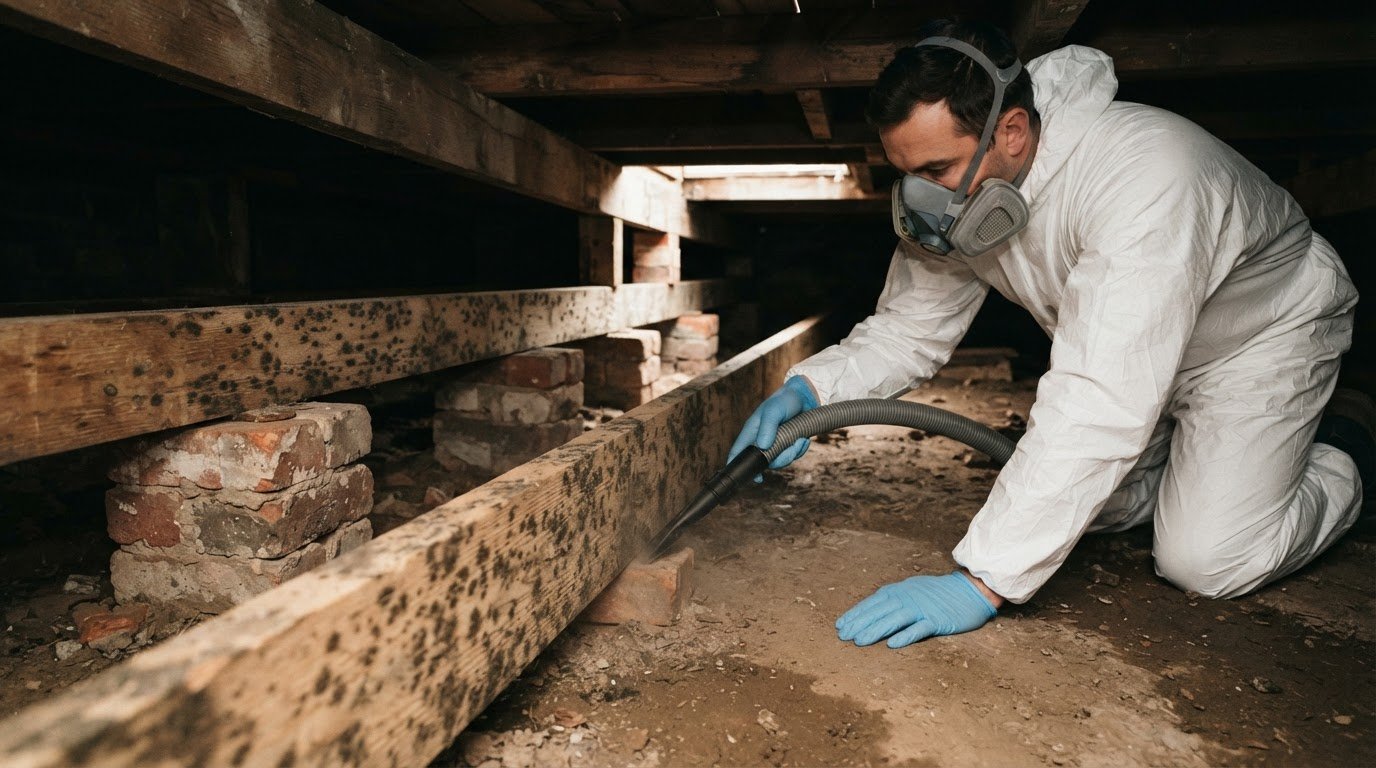
If dampness persists beneath the home despite normal ventilation, raise the concern with the landlord because subfloor conditions may need attention. Discuss whether subfloor ventilation system installation is appropriate for the property, rather than treating recurring mould as a surface-cleaning problem.
ABC Mould Cleaning Solutions: Air Purification & Scrubbing
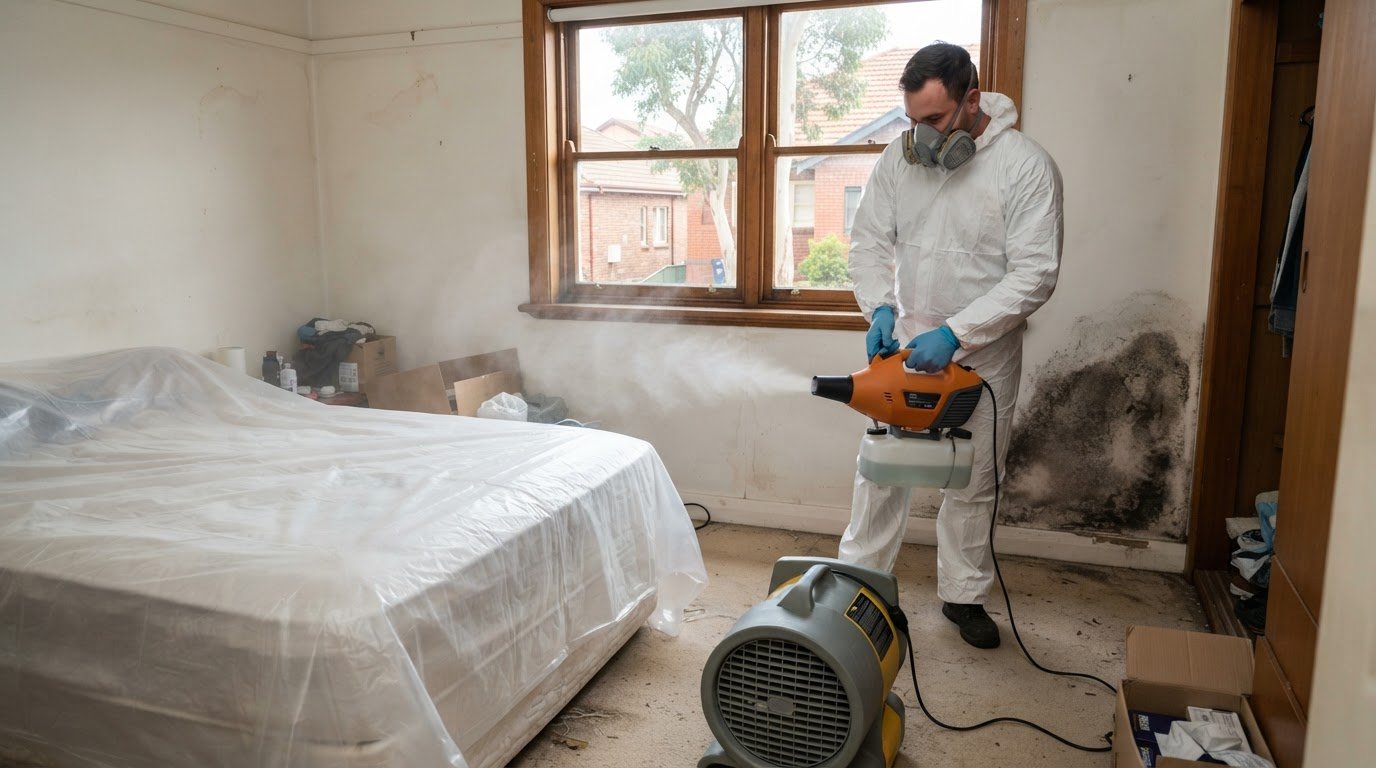
ABC Mould Cleaning Solutions can help when mould returns after cleaning or affects several areas. Its Mould Inspection Services assess affected spaces, while Mould Remediation addresses mould growth beyond routine household cleaning. Air Purification & Scrubbing is also available as part of its mould services.
For renters, professional mould work complements, rather than replaces, reporting a leak or structural fault to the landlord or property manager. Keep dated photos and share details about recurring damp so the moisture source can also be addressed. If subfloor moisture is a concern, Subfloor Ventilation System Installation may be relevant to the property.
Contact ABC Mould Cleaning Solutions to discuss mould concerns in your rental home.
Take the next step towards a drier home
Use your mould prevention checklist for renters in NSW as a living record, not a one-off task. Add new damp patches, recurring condensation and maintenance updates as they arise. This timeline can make future conversations about the property clearer and help you see whether conditions are changing.
If mould persists or spreads, a professional assessment can help clarify the next practical step. ABC Mould Cleaning Solutions offers Mould Inspection Services, Mould Remediation, and Air Purification & Scrubbing for affected properties. These services can complement household prevention efforts, while concerns about building faults should still be reported to the landlord or property manager.
Choose a next step that fits what you’re seeing: keep monitoring small, manageable moisture issues, or seek help when mould keeps returning. Contact ABC Mould Cleaning Solutions to discuss mould in your rental home and move forward with a clearer plan.
Frequently Asked Questions
How do I prove mould is the landlord’s responsibility?
Build a record showing where the mould appeared, when it started and what conditions may be causing it. Compare dated photos with your entry condition report, then note signs such as water staining, a leaking roof or a defective window. Keep written repair requests and inspection findings together. Evidence linking mould to a building fault can help distinguish a landlord maintenance issue from moisture associated with household activities.
Is mould considered an urgent repair in NSW?
Mould alone is not automatically an urgent repair. The underlying fault matters: a burst pipe, serious leak, blocked drain or fault making the property unsafe qualifies as urgent and must be actioned immediately. Report mould linked to a serious leak or unsafe conditions promptly as part of that repair. Describe the hazard clearly to the landlord or agent, and record when you reported it.
What if the landlord says the mould is the tenant’s fault?
Respond in writing with specific evidence rather than arguing over blame. Explain when the mould appeared, where it is, whether it followed a leak or ventilation fault, and what steps you’ve taken to manage everyday moisture. Attach dated photos and relevant details from the condition report. Ask for the suspected cause to be investigated. Tenant cleaning and ventilation responsibilities do not remove a landlord’s duty to address structural faults or leaks.
What ventilation and heating practices help prevent mould in NSW rentals?
Use exhaust fans or open windows when showering, cooking or using a clothes dryer, and let humid air leave the room. Avoid unflued gas heaters, which can add moisture indoors. Adequate ventilation is one of the seven minimum standards NSW rental properties must meet to be fit to live in. If a fan or window does not work, report the defect rather than relying on heating to dry the room.
How should renters manage condensation, laundry, and indoor humidity to prevent mould?
Wipe condensation from windows and walls when it forms, and avoid drying laundry indoors without airflow. Indoor laundry drying without airflow can increase indoor humidity by 30%. If indoor drying is unavoidable, open windows or doors when weather permits and keep clothes away from damp walls. Limit other moisture sources, such as humidifiers and indoor plants, and report condensation that persists despite these steps.
What are the landlord’s and tenant’s responsibilities for mould under NSW rental law?
Tenants must keep the rental reasonably clean and tell the landlord about damage or disrepair as soon as possible. Landlords must provide the property in a reasonably clean state and maintain it in a reasonable state of repair, including addressing structural moisture sources. The Residential Tenancies Act 2010 governs these tenancy responsibilities. The likely cause matters: everyday moisture management differs from repairing a leaking roof or defective window.
How quickly must a NSW landlord respond to mould or water leaks, and what counts as urgent repairs?
There’s no exact statutory timeframe for non-urgent repairs; landlords must act within a reasonable time. A burst pipe, serious leak, blocked drain or fault making the property unsafe is an urgent repair and must be actioned immediately. For urgent repairs involving a serious leak or unsafe conditions, the response timeframe is 24 to 48 hours. Agents should investigate mould reports promptly and keep landlords informed.
How should renters document and report mould to their landlord or agent in NSW?
Send a dated written report identifying the affected room, approximate location and visible signs, such as staining or dampness. Attach clear photographs, including a wider view for context, and describe any suspected leak or ventilation fault. Save the message, replies and inspection notes together. If mould was present when you moved in, record it in the condition report and send the agent supporting photos to document the original condition.