Scrubbing your walls with bleach isn’t just ineffective; it’s often the reason your spores keep coming back stronger. With over 20% of NSW residents reporting mould infestations in the past year, you aren’t alone in this exhausting cycle. You’ve likely spent hours cleaning only to see those dark patches reappear weeks later, bringing respiratory issues and anxiety about structural damage with them. It’s frustrating to feel like your home is working against your health. This guide reveals how to achieve a certified mould-free property using the latest 2026 professional standards and non-toxic technology. By securing expert black mould removal Sydney services, you can finally eliminate the root cause of dampness rather than just masking the symptoms. We’ll walk through the critical AS-IICRC S520:2025 remediation benchmarks, explore why Sydney’s coastal climate requires specialized subfloor ventilation, and provide a clear roadmap to a safe, breathable home for your family.
Key Takeaways
- Learn why Sydney’s coastal humidity creates a year-round “mould greenhouse” that requires specialized remediation strategies.
- Discover why scrubbing with bleach is counterproductive and how it actually triggers the release of millions of airborne spores.
- Follow a systematic, professional black mould removal Sydney process that utilizes HEPA filtration and moisture mapping for permanent results.
- Identify the symptoms of “Sick Building Syndrome” to protect infants and immunocompromised residents from toxic exposure.
- Master long-term prevention by controlling relative humidity levels and installing high-performance subfloor ventilation systems.
Understanding Black Mould in the Sydney Climate
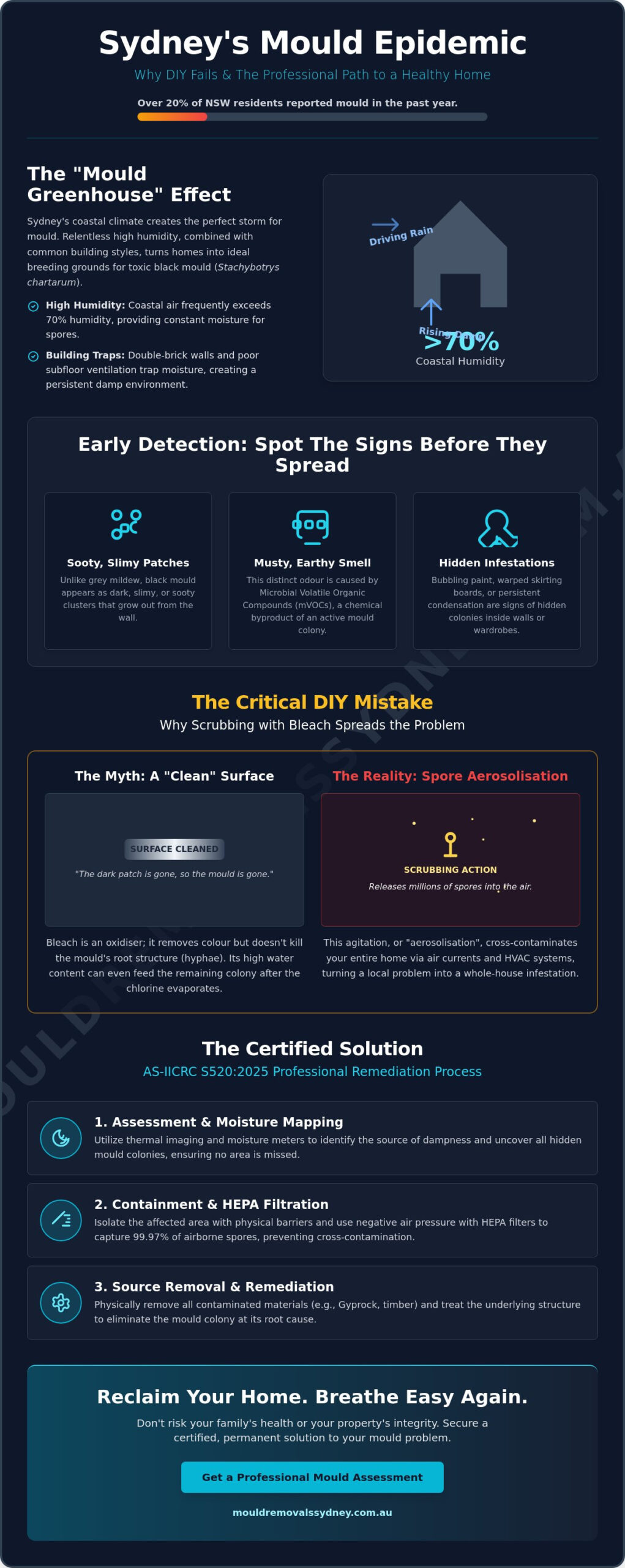
Black mould isn’t just a cosmetic nuisance; it’s a resilient biological hazard. Scientifically known as Stachybotrys chartarum, this greenish-black fungus thrives on cellulose-rich building materials like Gyprock, ceiling tiles, and timber. Unlike common mildew that sits on the surface, this specific strain produces mycotoxins that can compromise your indoor air quality. In a city like Sydney, where coastal humidity often exceeds 70%, your property can quickly become a “mould greenhouse” if moisture isn’t strictly managed.
Effective black mould removal Sydney requires an understanding of why our local environment is so hospitable to fungi. While Western Sydney deals with trapped heat and poor airflow, the harbour-side and coastal suburbs face relentless salt-laden humidity. This moisture infiltrates building envelopes, providing the perfect hydration for dormant spores to colonize. You must differentiate between aesthetic mildew, which is easily wiped away, and deep-rooted black mould that anchors itself into the porous structure of your home.
Why Sydney Homes are Prone to Infestation
Sydney’s weather patterns, particularly the frequent East Coast Lows, bring prolonged periods of high rainfall and driving winds. These events force moisture into wall cavities through micro-cracks in the facade. Older suburbs like Paddington, Balmain, and Surry Hills often feature double-brick construction. While durable, these thick walls lack modern thermal breaks and frequently trap condensation between the layers. Without adequate subfloor ventilation, rising damp becomes an inevitability rather than a risk. This creates a permanent reservoir of moisture that feeds mould colonies from the ground up.
Identifying the Signs Before They Spread
Early detection is your best defense against escalating remediation costs. Look for these specific indicators in your property:
- Sooty Patches: Unlike the light grey dusting of mildew, toxic black mould appears as slimy, dark, or sooty clusters that seem to “grow” out of the wall.
- Microbial Volatile Organic Compounds (mVOCs): That distinct, earthy, or musty smell is actually a chemical byproduct of the mould’s metabolic process. If you can smell it, the colony is active.
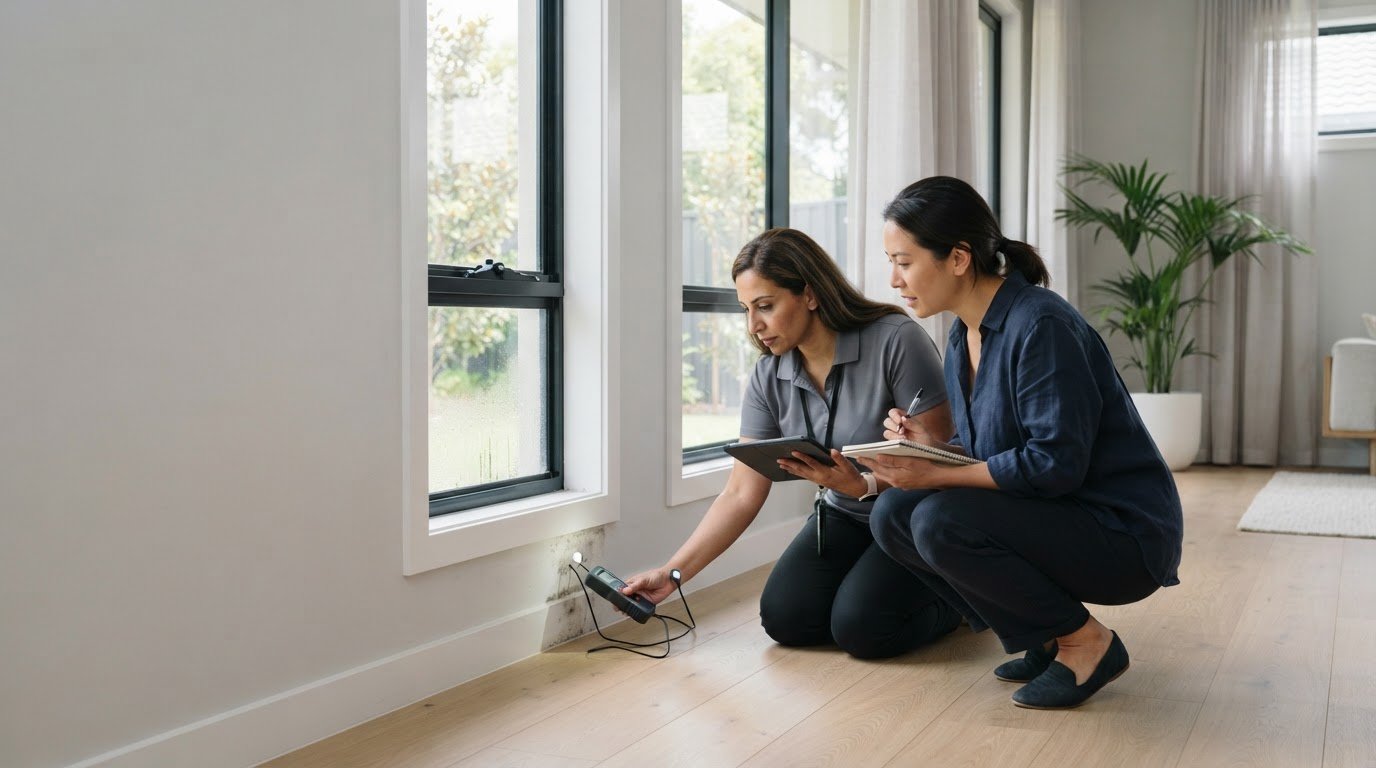
- Hidden Infestations: Moisture mapping often reveals that black mould is colonizing the dark, damp spaces behind skirting boards or inside built-in wardrobes.
Don’t wait for visible clusters to appear across your ceilings. If you notice bubbling paint or persistent condensation on your windows, the environmental conditions are already primed for a breakout. Professional black mould removal Sydney specialists use thermal imaging to find these hidden threats before they impact your family’s health. Identifying the root cause of the dampness is the only way to ensure the spores don’t return after the next big rain event.
The Dangers of DIY Black Mould Removal
Most homeowners reach for a bottle of supermarket bleach the moment they spot a dark patch. This is a critical mistake. Bleach is an oxidiser that removes colour, but it doesn’t solve the underlying biological problem. For effective black mould removal Sydney residents must understand that “white” doesn’t mean “gone.” While the surface looks clean, the microscopic roots remain alive and ready to regrow as soon as the chemical dries.
When you scrub a mould colony, you trigger a survival mechanism called aerosolisation. This physical agitation releases millions of microscopic spores into the air instantly. Without professional containment, these spores drift into your air conditioning vents and settle in carpets or soft furnishings across your home. This cross-contamination turns a small, localised issue into a whole-house infestation within hours. You aren’t just cleaning; you’re accidentally seeding your entire property with toxic fungi.
Inhaling these concentrated spores without a P2 respirator and non-porous PPE exposes you to high levels of mycotoxins. The CDC provides extensive documentation on the health effects of mold exposure, highlighting risks ranging from chronic sinus infections to severe respiratory distress. Attempting to handle a significant infestation without specialist equipment puts your long-term health at unnecessary risk.
Common DIY Failures: Bleach vs. Clove Oil
Clove oil is often touted as a natural alternative because it can kill spores on contact. However, it lacks the penetrative power required for heavy infestations in timber or drywall. Because bleach is primarily composed of water, it actually provides a vital moisture source for the underlying mould hyphae once the surface chlorine evaporates. You aren’t killing the mould; you’re watering it. These retail solutions fail to address the porous nature of building materials, leaving the infestation to fester out of sight.
When “Cleaning” Makes it Worse
Using a standard household vacuum on mould is one of the fastest ways to contaminate your property. Most vacuums lack HEPA filtration, meaning they suck up spores only to blast them out the exhaust in a fine mist. This neglect often leads to structural decay, requiring extensive water damage repair that could have been avoided with professional intervention. If you’re unsure about the extent of your infestation, it’s safer to request a professional assessment before you touch the area.
Landlords in NSW face significant liability if they attempt “quick fixes” on tenanted properties. Under the Residential Tenancies Act 2010, providing a property in a “reasonable state of repair” requires addressing the root cause of the moisture. A failed DIY attempt that leads to tenant illness can result in costly tribunal hearings and compensation claims. Professional remediation provides the documentation and results needed to meet these legal obligations with confidence.
Our Professional Mould Remediation Process
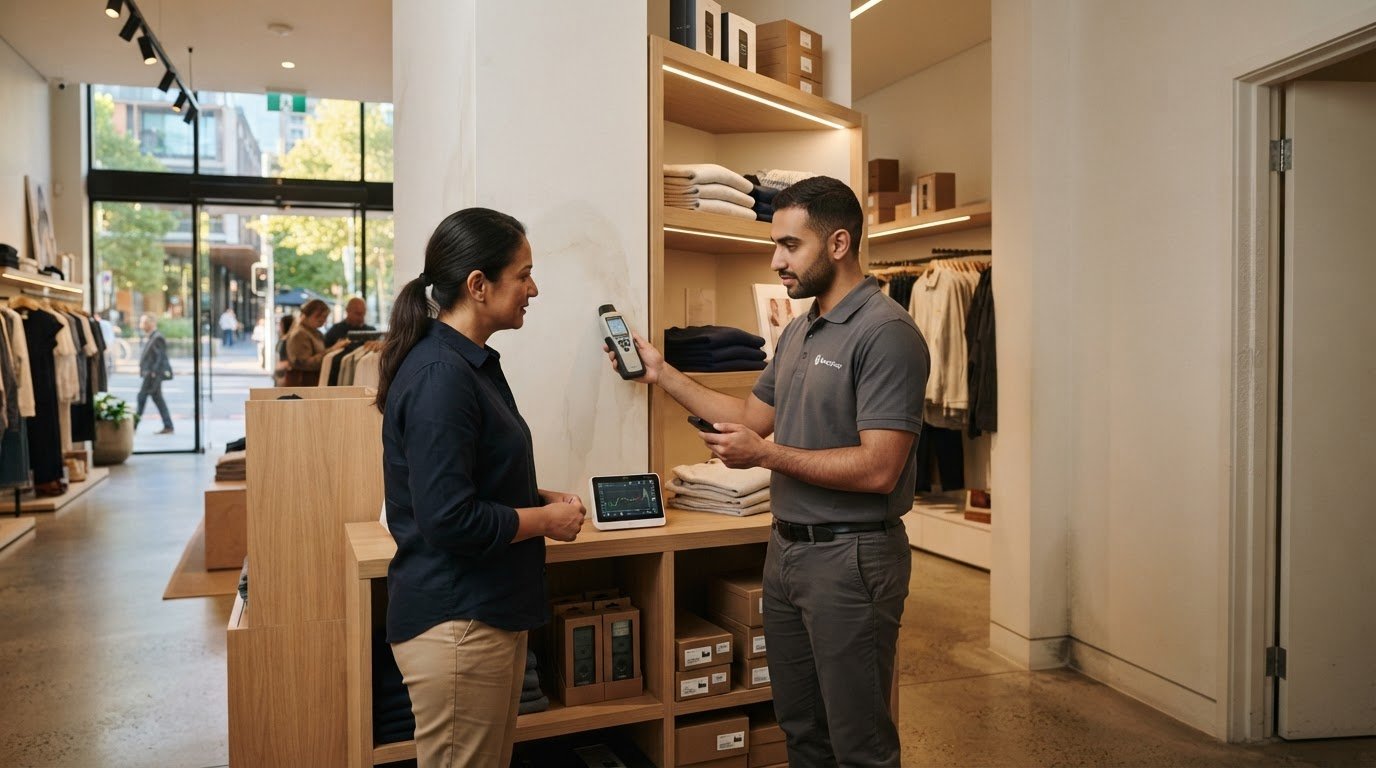
Eliminating toxic spores requires more than a surface wipe; it demands a forensic approach to building science. Our protocol for black mould removal Sydney follows the rigorous AS-IICRC S520:2025 standards to ensure your property isn’t just clean, but clinically safe. We don’t guess where moisture is hiding. We use advanced moisture mapping and thermal imaging to track the water source fueling the infestation. Adhering to NSW Health mould guidelines, our team prioritizes the total eradication of the colony to protect your family’s long-term well-being.
Our systematic five-step remediation process includes:
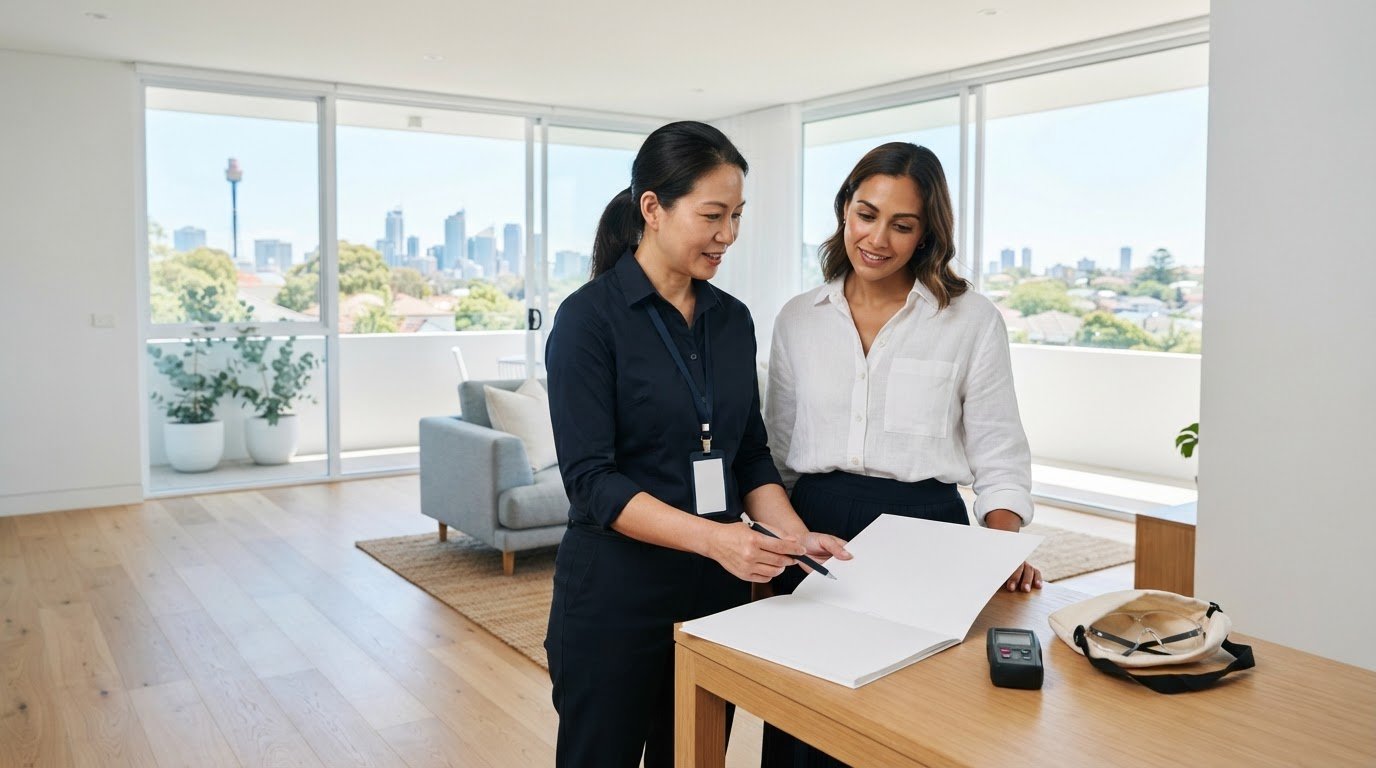
- Step 1: Comprehensive Inspection. We identify the specific mould strain and map moisture levels within your walls and subfloors.
- Step 2: Containment. We establish physical barriers and negative air pressure zones to prevent spores from escaping into unaffected rooms.
- Step 3: Surface Eradication. We apply the proprietary Goldmorr System to eliminate the biological roots of the mould.
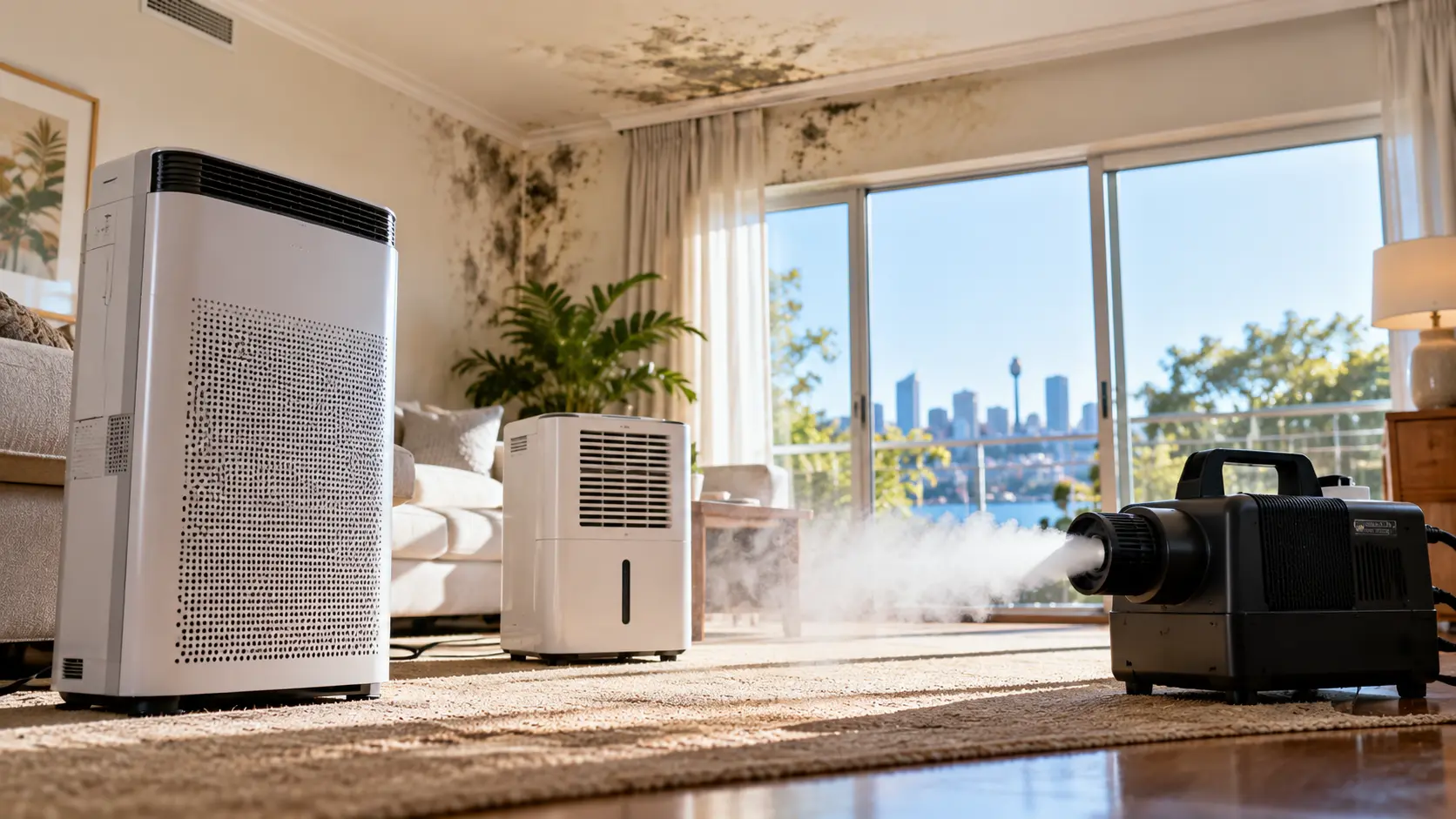
- Step 4: Airborne Fogging. We deploy a non-toxic fog to neutralise spores floating in the air and hidden in wall cavities.
- Step 5: Verification. We provide a post-remediation report confirming that the moisture source is resolved and the air quality is restored.
The Goldmorr System: Why We Use It
We rely on the Goldmorr System because it’s a world leader in biodegradable, non-toxic remediation. Unlike harsh industrial chemicals that require days of evacuation, these formulations are safe for children and pets almost immediately after application. The fogging component is particularly effective for Sydney’s terrace houses and apartments. It penetrates deep into structural voids and ceiling spaces where manual scrubbing can’t reach. This ensures that every dormant spore is neutralised, significantly reducing the risk of a secondary breakout during the next high-humidity cycle.
Air Purification and Scrubbing Technology
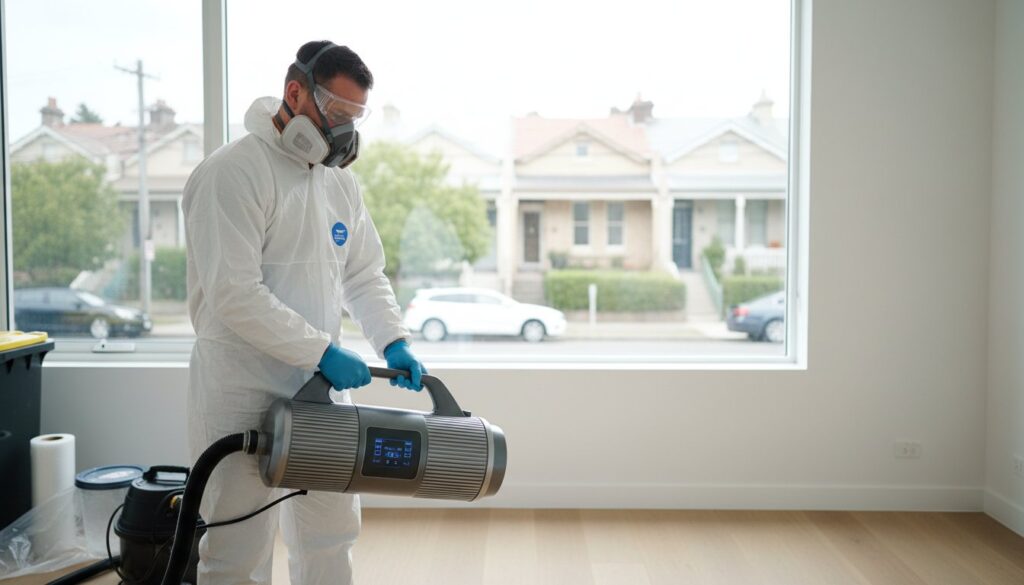
Removing the visible black stain is only 50% of the job. The invisible threat lies in the millions of spores suspended in your indoor air. We deploy industrial-grade HEPA 500 Air Scrubbers that cycle the air in your room multiple times per hour, capturing particles as small as 0.3 microns. This technology effectively “washes” the air, removing the mycotoxins and microbial volatile organic compounds (mVOCs) responsible for that persistent musty smell. Once the air scrubbing is complete, we verify the results to ensure your home meets the highest safety benchmarks before we sign off on the project.
Health Risks and Property Impact of Neglect
Neglecting a mould problem in a Sydney property is a gamble with both your health and your financial equity. When spores are left to colonize, they trigger what is known as “Sick Building Syndrome,” a condition where occupants experience acute health effects linked to time spent in a specific building. This isn’t just a case of the sniffles. For those requiring expert mould removal Sydney, the primary concern is the accumulation of mycotoxins within the indoor environment. Mycotoxins are toxic secondary metabolites produced by fungi that can cause significant biological harm.
Vulnerable groups face the highest risks. Infants, the elderly, and the immunocompromised are particularly susceptible to the inflammatory responses triggered by high spore counts. While a healthy adult might only notice minor irritation, these groups can suffer from severe respiratory distress and long-term allergic sensitization. Professional intervention is the only way to ensure these toxins are fully removed from the air and surfaces.
Respiratory and Neurological Symptoms
Exposure to toxic black mould manifests in various ways, often starting with subtle irritations that escalate over time. Common symptoms include:
- Chronic coughing and wheezing
- Persistent skin irritation or rashes
- Red, itchy, or watery eyes
- “Brain fog,” memory issues, or chronic fatigue
- Sinus congestion and headaches
These symptoms are often the result of the body’s persistent inflammatory response to inhaled spores. Unlike common dust, these biological particles are designed to bypass the body’s initial filters, settling deep in the lung tissue. This constant exposure can lead to chronic conditions that persist long after you leave the affected room.
Protecting Your Investment
Beyond the health implications, black mould is a biological engine of destruction. It feeds on cellulose, the primary organic compound found in drywall, timber framing, and floorboards. If left untreated, the mould literally consumes the structural integrity of your home. This leads to warped walls, rotting studs, and compromised subfloors. In the competitive Sydney property market, visible mould or a “musty” odor is a massive red flag for buyers. Persistent issues frequently lead to failed building inspections, forcing sellers to slash prices or undertake emergency structural repairs.
Landlords have a strict legal duty under NSW Fair Trading to ensure a property is fit for habitation. Failure to provide professional black mould removal Sydney can lead to rent reductions or compensation claims if the tenant’s health is affected. Addressing the issue early is always more cost-effective than replacing structural timber or facing legal action. If you suspect your property is compromised, book a professional mould inspection today to safeguard your asset and your tenants.
Preventing Mould Recurrence in Sydney
Sydney’s coastal climate makes prevention a continuous battle. If your indoor relative humidity stays above 60%, mould will return regardless of how well you’ve cleaned. Professional black mould removal Sydney is the cure, but environmental control is the preventative medicine. You must address the moisture source at its origin. Often, this means looking beneath your feet at the subfloor voids that trap Sydney’s persistent ground moisture. Without a plan to manage this humidity, you’re simply waiting for the next colony to bloom.
A professional mould inspection is the most effective first step for long-term prevention. Our specialists use advanced diagnostic tools to identify thermal bridges and moisture ingress points that aren’t visible to the naked eye. By mapping these risks, we can recommend structural or mechanical changes that stop the damp before it feeds a new infestation. It’s about creating an environment where fungi simply cannot survive.
Mechanical Ventilation Solutions
Older Sydney properties, especially those with double-brick foundations, frequently suffer from rising damp. Passive vents are rarely enough to move the volume of air required to keep subfloors dry. We install high-performance subfloor ventilation systems that use mechanical fans to extract damp air and replace it with fresh, dry air. This process lowers the dew point under your home, preventing moisture from seeping through floorboards and into your living space. It’s a permanent solution for a persistent Sydney problem.
Your HVAC system can either be your best ally or your worst enemy. Regular air conditioner cleaning is vital because dust-clogged coils provide both a food source and a moisture trap for spores. For homes with chronic condensation issues on windows and walls, Positive Input Ventilation (PIV) systems offer a sophisticated solution. These systems constantly replace stale, humid air with filtered air from outside, creating a slight positive pressure that pushes moisture out of the building envelope.
Maintenance Checklist for Homeowners
Effective prevention requires a proactive approach to property maintenance. Sydney’s intense storm events can overwhelm guttering systems in minutes. If your downpipes are blocked, water can back up into wall cavities, creating a hidden breeding ground for fungi. Stay ahead of the risk with these steps:
- Monitor Humidity: Use a digital hygrometer to ensure your indoor air stays between 45% and 55% relative humidity.
- Exhaust Management: Ensure bathroom and laundry exhaust fans are vented directly to the outside, not into the roof cavity.
- Leak Detection: Regularly check under sinks and behind appliances for slow drips that can saturate cabinetry.
- Storm Prep: Clear gutters and downpipes before the summer storm season to prevent overflow into the building.
If you’ve noticed a suspicious patch or a new musty smell after heavy rain, don’t wait for it to spread. Our streamlined digital inquiry process allows you to send a photo of the affected area directly to our specialists for an instant expert opinion. Taking action early with professional black mould removal Sydney experts ensures you stop the cycle of recurrence before it becomes a structural emergency. It’s time to breathe easy in a home that’s truly dry and safe. Give us a call today and let’s get it sorted.
Secure Your Home Against Toxic Mould
Toxic black mould is a serious biological threat that requires more than a surface-level fix. You now understand how Sydney’s unique humidity cycles fuel these colonies and why DIY methods like bleach only worsen the problem by agitating dormant spores. Relying on scientifically proven remediation is the only way to protect your property’s structural integrity and your family’s long-term health. Our IICRC Certified Remediation Experts are specialized Goldmorr System Technicians who ensure every spore is neutralized, both on porous surfaces and within the air you breathe. We stand by our specialized methodology with a bold Price Match Guarantee for any professional quote, ensuring you receive the highest standard of black mould removal Sydney at the best possible value. Don’t let persistent dampness compromise your peace of mind or your respiratory well-being any longer. Take the final step toward a certified mould-free environment and restore the safety of your property today. It’s time to stop the cycle of regrowth for good.
Get a Free Quote for Professional Black Mould Removal in Sydney
Frequently Asked Questions
Is black mould removal expensive in Sydney?
Professional costs vary based on the infestation’s scope and the required structural drying. While small jobs might be manageable, extensive property remediation involves specialized equipment like HEPA air scrubbers and moisture mapping technology. Investing in professional black mould removal Sydney prevents the much higher costs of structural timber replacement or recurring failed DIY attempts. We provide clear, transparent assessments to help you make the best decision for your asset.
How long does the professional mould removal process take?
Most residential remediation projects are completed within one to three days. The specific timeline depends on the size of the affected area and whether subfloor drying is necessary to prevent recurrence. We prioritize efficiency to minimize disruption, using fast-acting Goldmorr formulations that allow for rapid site clearance. You’ll receive a specific timeframe following your initial inspection and moisture mapping assessment, ensuring you can plan your week with certainty.
Can I stay in my house while the mould is being removed?
You can often remain in the property, though we usually recommend vacating the specific rooms under containment. Our technicians establish negative air pressure zones to ensure spores don’t migrate to your living areas. Because we use non-toxic, biodegradable products, re-entry times are significantly shorter than traditional chemical treatments. We’ll advise you on the safest plan for your family during the containment phase to ensure total peace of mind.
Does the Goldmorr System kill the roots of the mould?
Yes, the Goldmorr System is specifically designed to penetrate porous surfaces and eliminate the biological roots. Unlike bleach, which only whitens the surface, this proprietary formulation reaches deep into materials like timber and drywall. This total eradication is followed by airborne fogging to ensure no dormant spores remain in wall cavities or ceiling voids. It’s a comprehensive approach that ensures the colony is biologically dead, not just hidden.
Will the mould come back after professional treatment?
Mould won’t return if the underlying moisture source is permanently resolved. Our post-remediation report identifies the specific cause of dampness, such as poor subfloor ventilation or structural leaks. If you follow our preventative recommendations and maintain relative humidity below 60%, your home will remain mould-free. We focus on solving the environment, not just the visible growth. This results-driven strategy is why we’re considered leaders in long-term property protection.
Is black mould more common in certain Sydney suburbs?
Suburbs in the Eastern Suburbs, Inner West, and Northern Beaches face higher risks due to coastal humidity and older building styles. According to the Australian Mould Index, Sydney’s harbour-side areas maintain an extreme risk level year-round. Double-brick terraces in the City and Inner South also experience frequent issues because they often lack modern damp-proofing. These specific microclimates require specialized knowledge of Sydney’s unique environmental pressures to manage effectively.
What is the difference between mould remediation and just cleaning mould?
Remiation is a clinical process that involves identifying the moisture source, containing spores, and purifying the air. Simple cleaning only addresses the visible stain on the surface. For effective black mould removal Sydney, we use HEPA 500 air scrubbers to remove microscopic toxins from your indoor environment. This ensures the air is safe to breathe, which a standard wipe-down cannot achieve. We focus on restoring the health of the entire building.
Can black mould cause permanent damage to my walls?
Yes, persistent mould growth can compromise the structural integrity of Gyprock and timber framing. Fungi consume the cellulose within these materials, leading to rot, warping, and eventual structural failure. If you notice bubbling paint or soft spots in your drywall, the damage is already progressing beneath the surface. Immediate professional intervention is required to save the building material from total replacement. Acting quickly is the only way to avoid a major renovation.