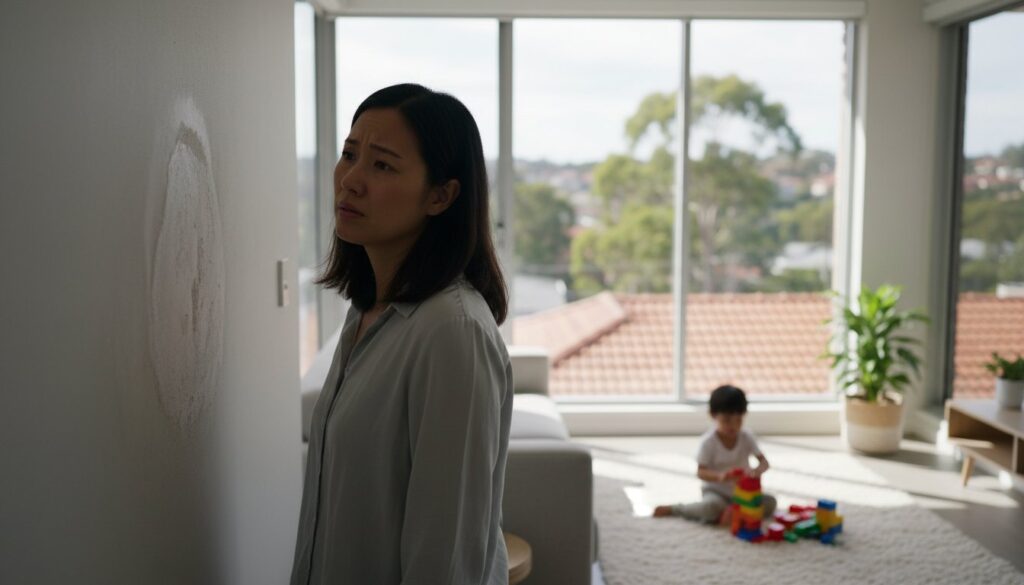
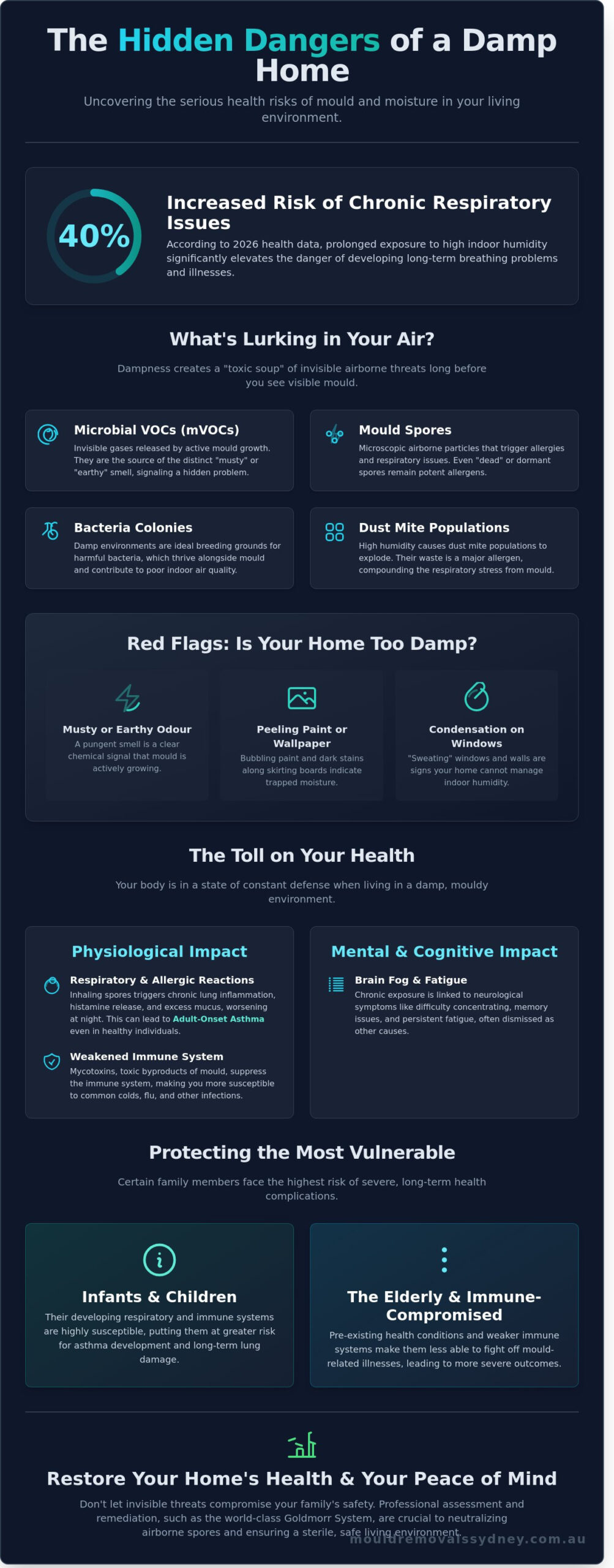
What if the persistent sinus pressure you’ve felt for the last 45 days isn’t a seasonal allergy, but a warning sign from your walls? Many Sydney homeowners dismiss a musty smell as a minor nuisance, but the health effects of living in a damp house are far more sinister than a bit of peeling paint. According to 2026 health data, prolonged exposure to high indoor humidity can increase the risk of chronic respiratory issues by up to 40 percent. You’re right to feel frustrated when DIY sprays fail to stop the spread of dark spots in your laundry, leaving you worried about what your family is inhaling every night.
You deserve to feel safe in your own home, not anxious about invisible “black mould” spores. We’ll help you discover the serious physiological and mental health risks of chronic dampness and how to protect your family from invisible airborne threats. This guide provides a clear breakdown of the link between moisture and illness, offering you a professional path to a sterile, safe living environment that finally restores your peace of mind.
Key Takeaways
- Identify the hidden dangers beyond visible growth, including how invisible microbial compounds (mVOCs) compromise your indoor air quality.
- Uncover the serious health effects of living in a damp house, from chronic respiratory stress to the proven link with adult-onset asthma.
- Learn to recognise the signs of “brain fog” and fatigue triggered by Sydney’s humid climate and damp living conditions.
- Protect your most vulnerable family members by understanding why infants and the elderly face the highest risk of long-term lung damage.
- Take decisive action with a professional restoration plan using the world-class Goldmorr System to ensure your home is safe and mould-free.
Understanding the Health Risks of Damp and Mouldy Environments
Living in a damp house isn’t just an aesthetic issue; it’s a serious medical concern for your family. In Sydney, coastal humidity often spikes above 75% during the summer and autumn months, turning excess moisture into a catalyst for rapid biological growth. Dampness is technically defined as unwanted moisture that accumulates in building structures through leaks, condensation, or rising damp. This moisture doesn’t just sit there. It interacts with building materials like plasterboard and timber to create a “toxic soup” of chemical and biological irritants. This process releases microbial volatile organic compounds (mVOCs). These are the invisible gases that cause that distinct “mouldy” smell and can impact your well-being long before you see a single black spot on the wall.
A damp environment is a thriving breeding ground for more than just fungi. It supports colonies of bacteria and triggers explosions in dust mite populations. Chronic exposure to these elements is why the health effects of living in a damp house are so documented by medical professionals. Research into structural dampness and health confirms that occupants in these buildings face a significantly higher risk of respiratory infections and inflammatory symptoms. You aren’t just breathing air; you’re inhaling a complex mixture of spores, fragments, and chemical byproducts. Understanding the health effects of living in a damp house is the first step toward protecting your family from long-term respiratory damage.
The Science of Airborne Spores
Mould spores are microscopic hitchhikers. They travel through residential HVAC systems and settle deep into carpets and upholstery. When indoor humidity levels exceed 60%, these spores germinate and begin “off-gassing” harmful compounds. Don’t be fooled by dried-out mould patches. Even “dead” or dormant spores are potent allergens. They remain structurally intact and can trigger the same respiratory reactions as live colonies. Our master technicians utilise the Goldmorr System to ensure these airborne threats are neutralised, rather than just moved around the room. We focus on total remediation because simply wiping a surface doesn’t stop the cycle of spore release.
Common Signs Your House is Too Damp
You’ll often smell the danger before you see it. That pungent, earthy odour is a chemical signal that mould is actively growing. In Sydney winters, look for “sweating” walls or heavy condensation on window glass. These are clear indicators that your home’s envelope is failing to manage moisture. Other red flags include:
- Peeling wallpaper or bubbling paint on internal walls.
- Dark stains or “tide marks” appearing along skirting boards.
- A heavy, “thick” feeling to the air in specific rooms.
Don’t ignore these warnings. If your home shows these signs, it’s already affecting your health. Send us images of the affected areas today to get a fast, professional assessment. It’s that simple. It’s that easy to start reclaiming your home’s air quality and your peace of mind.
Physiological Impact: Respiratory and Immune System Stress
Living in a moisture-laden environment does more than damage your property; it forces your body into a state of constant biological defense. Inhaling fungal fragments daily triggers chronic inflammation as your lungs struggle to clear microscopic debris. This persistent irritation is a primary driver behind the health effects of living in a damp house, often leading to conditions that don’t resolve with standard medicine. Your body isn’t designed to process a high volume of airborne spores 24 hours a day.
The link between damp housing and adult-onset asthma is well-documented. Healthy adults with no prior history of allergies can develop permanent respiratory issues after just six months of exposure to high indoor spore counts. Mycotoxins, the toxic byproducts of mould, further complicate this by suppressing the immune system. This makes it harder for your body to fight off common colds or the seasonal flu. You might also face hypersensitivity pneumonitis; this is a “hidden” lung disease that mimics pneumonia but is actually an allergic reaction to inhaled organic dust found in damp Sydney terraces.
Asthma and Allergy Exacerbation
The biological mechanism is straightforward. When you inhale spores, your body triggers a massive histamine release. This causes the airways to swell and produce excess mucus. You’ll likely notice that symptoms worsen at night. As temperatures drop in a Sydney bedroom, the relative humidity spikes. This often triggers mould to release a fresh wave of spores while you sleep. Research indicates that children in damp, poorly ventilated homes have a 40% higher risk of developing asthma before the age of 12. If you suspect your home is affecting your family, you should request a professional assessment to identify hidden moisture sources.
Skin Conditions and Eye Irritation
High indoor humidity levels, typically those exceeding 60%, create an ideal environment for damp-loving bacteria and dust mites. This often leads to severe eczema flare-ups and contact dermatitis. Your eyes are equally vulnerable. “Mould-induced” conjunctivitis causes persistent redness and itching that won’t clear up until the spores are removed from the air. This connection is highlighted in the UK government guidance on damp and mould, which notes that skin and eye irritation are among the most immediate physical responses to a damp environment. Don’t let a small leak turn into a chronic health struggle. Professional remediation is the only way to restore a safe living space and protect your family’s long-term wellbeing.
Beyond Breathing: Mental Health and the Sydney Climate Factor
While most people associate mould with coughing or sneezing, the health effects of living in a damp house extend far beyond the lungs. Living in a home that smells permanently of wet socks or shows visible black patches creates a constant state of low-level psychological stress. It’s an invisible burden that drains your energy and impacts your mental clarity. When your sanctuary feels “unhealthy,” your nervous system stays on high alert, leading to irritability and a sense of being overwhelmed by your own environment.
Neurological Symptoms and Fatigue
Recent research, including a 2023 study on environmental toxins, has linked prolonged mould exposure to cognitive impairment, often described as “brain fog.” This isn’t just a lack of coffee; it’s a physiological response to mycotoxins that can cross the blood-brain barrier. For many Sydney renters living in older, poorly ventilated terraces, “sick building syndrome” is a daily struggle. You don’t just feel tired; you feel heavy and mentally sluggish. This fatigue is compounded by poor sleep quality. High humidity levels in damp bedrooms prevent the body from cooling down naturally at night, leading to restless sleep and a cycle of chronic exhaustion that affects your work and personal life.
- Cognitive Decline: Difficulty concentrating or remembering simple tasks.
- Mood Disruptions: Increased anxiety levels tied to the persistent musty odour.
- Sleep Disturbance: Respiratory irritation and high humidity preventing deep REM cycles.
The Role of Sydney Subfloor Moisture
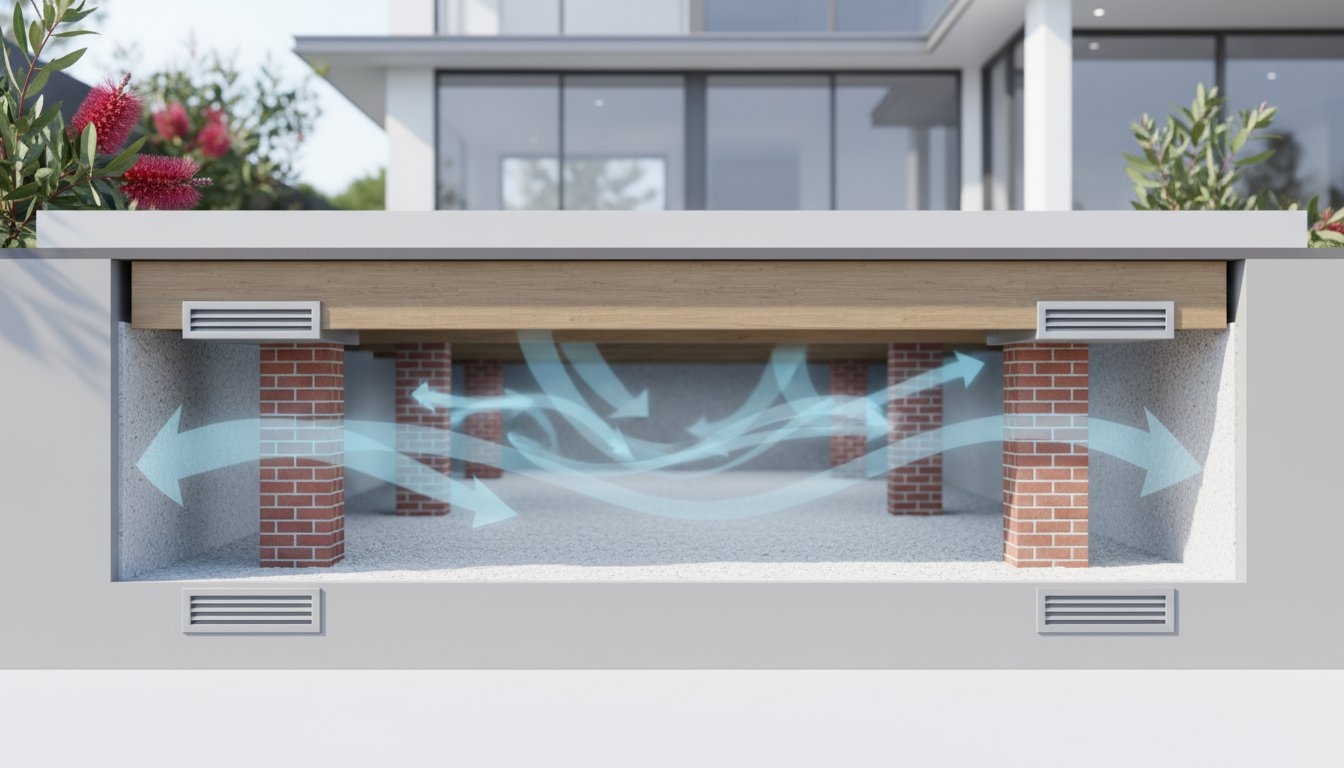
Sydney’s unique geography and architecture create a perfect storm for indoor dampness. Our coastal humidity often stays above 70% during the summer months, while the city’s iconic sandstone and double-brick foundations act like giant sponges. Rising damp occurs when ground water climbs through these porous materials. If your home has inadequate subfloor ventilation, that moisture has nowhere to go but up. It pushes through your floorboards, warping timber and feeding mould colonies hidden beneath your carpets.
Following heavy rain events, such as the record-breaking 2022 spills that saturated the Harbour City, many properties never fully dried out. This trapped subfloor moisture creates a permanent reservoir of humidity that keeps the health effects of living in a damp house active year-round. Don’t let your home’s foundation dictate your mental well-being. Identifying these moisture traps early is the only way to stop the cycle of mould growth and reclaim your peace of mind. It’s that simple. If the air feels heavy and the rooms smell earthy, the problem is likely beneath your feet.
Identifying Vulnerable Groups and Assessing Your Risk
The health effects of living in a damp house aren’t distributed equally across the population. While a healthy adult might only notice a scratchy throat or mild fatigue, the impact on vulnerable groups is often severe and life-altering. Sydney’s high humidity levels make this a constant concern for residents in older terrace houses or poorly ventilated apartments.
Infants and children suffer the most because their respiratory systems are still developing. They breathe faster than adults, which means they inhale a higher volume of spores relative to their body weight. Clinical studies indicate that exposure to dampness during the first 1,000 days of life is linked to a 40% increase in childhood asthma rates. This isn’t just a temporary cough; it’s a critical window where structural lung damage can become permanent.
The elderly and those with pre-existing conditions like COPD or heart disease also face heightened risks. Their immune systems are often less robust, making it harder for the body to clear out airborne toxins. If you’re using an inhaler more than twice a week, your home’s air quality is likely the culprit.
Protecting the Most At-Risk
Early childhood exposure affects lifelong health by scarring delicate lung tissue before it fully matures. For immune-compromised individuals, such as those undergoing chemotherapy or living with autoimmune disorders, the stakes are even higher. They face the risk of invasive aspergillosis, a serious fungal infection that can spread to the brain or kidneys. Don’t ignore your pets either. Because dogs and cats spend more time near floor level where moisture settles, their health is an early warning sign. If your pet has persistent skin irritations or a chronic cough, you likely have a hidden damp problem.
Professional Inspection vs. DIY Assessment
Many Sydney homeowners try to save money with “home mould kits” from hardware stores. These Petri-dish tests are notoriously unreliable because they only capture spores that happen to be in the air at that exact moment. They don’t identify the source or the species. A professional mould inspection uncovers what’s hidden behind the surface.
Our technicians use thermal imaging cameras to find moisture pockets trapped behind seemingly dry plasterboard. We look for structural failures like rising damp or leaking internal pipes that “cleaning” with vinegar or bleach can’t fix. If you see regrowth within 48 hours of cleaning, the problem is deep-seated. You need a scientific approach to restore your home’s safety.
Book a professional mould and moisture assessment today to identify the hidden risks in your home.
Restoring Home Health: Professional Remediation and Prevention
Don’t let mould compromise your family’s well-being any longer. The health effects of living in a damp house are progressive, meaning the longer you wait, the higher the risk of respiratory issues or chronic fatigue. Our master technicians use a proven four-step process to reclaim your home and restore a safe living environment.
Step 1: Source Identification. We don’t just clean the visible spots. We find the root cause. In Sydney, this is often a combination of high coastal humidity and poor subfloor airflow. We identify leaks or ventilation failures that allowed the moisture to take hold in the first place.
Step 2: Surface Decontamination. Using the industry-leading Goldmorr System, we treat all affected surfaces. This isn’t a simple wipe-down with supermarket chemicals. It’s a scientific decontamination process that eliminates mould colonies at the root without damaging your building materials.
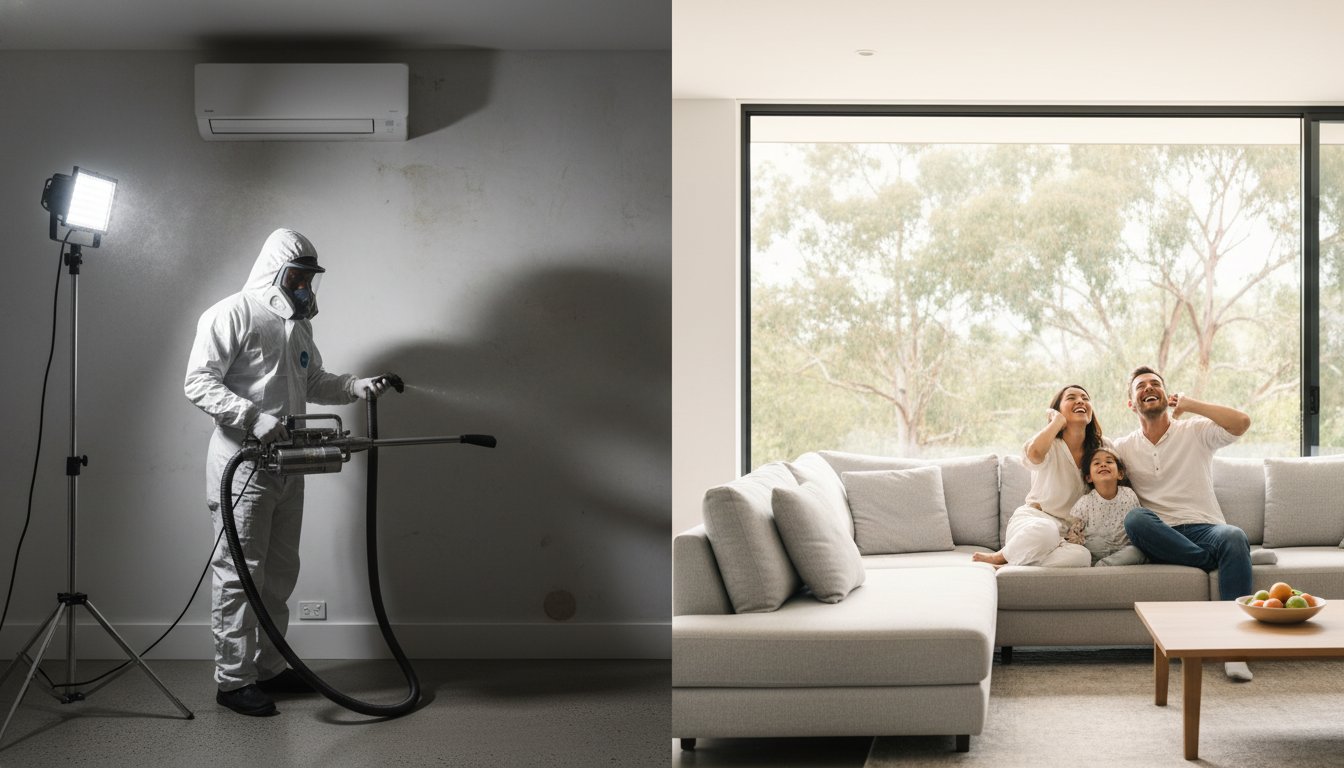
Step 3: Airborne Spore Elimination. This is the most critical stage for your health. We deploy a biodegradable fogging process. This non-toxic mist travels through the entire property, reaching into wall cavities and ceiling voids to neutralise the invisible spores that traditional cleaning methods miss.
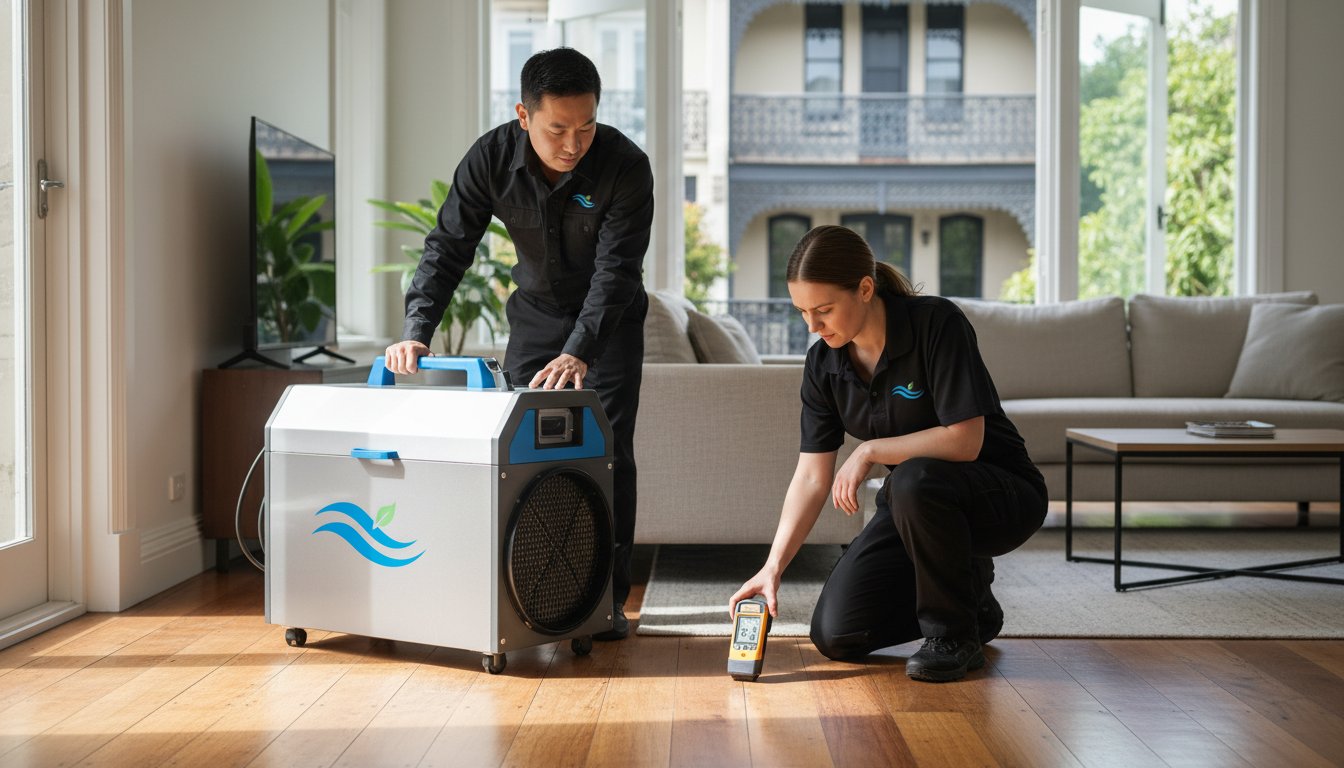
Step 4: Post-Remediation Air Scrubbing. To ensure your home is truly sterile, we use high-efficiency particulate air (HEPA) scrubbing units. These machines filter the air at a rate of several hundred cubic metres per hour, removing any remaining dead spores or fine particles.
The Goldmorr Advantage for Health
Our system is designed with your family’s safety as the priority. The biodegradable fogging we use is completely safe for children and pets, so you don’t have to worry about harsh chemical residues. While standard cleaners only handle what you can see, our method targets the microscopic airborne spores that trigger the worst health effects of living in a damp house. You get peace of mind knowing your home has been treated with a scientifically proven system used by world leaders in remediation.
Long-Term Prevention Strategies
Sydney’s climate requires a proactive approach to moisture management. Installing high-quality subfloor ventilation is essential for homes built on clay or sandstone, as it prevents ground moisture from rising into your living spaces. You should also prioritise regular air conditioner cleaning. AC units often act as “spore factories” if they aren’t professionally maintained, spreading contamination every time you turn them on.
We are committed to making your home safe and affordable. Our team will beat any written quote by 10% to ensure your family’s safety isn’t delayed by budget concerns. It’s that simple. It’s that easy. Contact us today for a professional assessment and take the first step toward a healthier home.
Take Control of Your Home’s Air Quality Today
Living in a damp environment isn’t just a cosmetic issue; it’s a direct threat to your family’s wellbeing. The health effects of living in a damp house range from chronic respiratory stress to weakened immune responses, especially during Sydney’s increasingly humid 2026 climate cycles. Research from the World Health Organization shows that occupants of damp or mouldy buildings have a 75% higher risk of respiratory symptoms and asthma. You shouldn’t wait for these symptoms to worsen before taking action. Our Master Technicians utilize the industry-leading Goldmorr System to eliminate spores at the source, ensuring your indoor air is clean and safe.
This process is completely biodegradable and safe for both your children and pets. We’re committed to making Sydney homes healthier, which is why we’ll beat any written quote by 10%. You deserve a home that supports your health, not one that compromises it. It’s that simple. It’s that easy. Take the first step toward a drier, safer living space right now.
Protect your family—Book a Professional Mould Inspection Today
Frequently Asked Questions
Can living in a damp house cause permanent lung damage?
Yes, prolonged exposure to the health effects of living in a damp house can lead to chronic respiratory conditions like asthma or hypersensitivity pneumonitis. A 2023 study by the University of Melbourne found that long-term dampness increases the risk of developing asthma by 40%. Once lung tissue becomes scarred from chronic inflammation, the damage is often irreversible. Don’t wait for your breathing to deteriorate. Call our master technicians to restore your air quality today.
What are the first signs that a damp house is affecting my health?
The earliest indicators are often persistent coughing, sneezing, and itchy eyes that worsen when you’re indoors. You might notice a 15% increase in morning congestion or unexplained headaches that disappear when you leave the property. These symptoms suggest your body is reacting to airborne spores. If you smell a musty odor or see an unsightly spread of mould, the environment is already compromising your respiratory system.
Is it safe to sleep in a room with a damp smell?
No, sleeping in a room with a musty smell is unsafe because your body inhales concentrated spores for 7 to 9 hours every night. This prolonged exposure can trigger acute allergic reactions or disrupt sleep patterns. The World Health Organization 2009 guidelines state that dampness and mould are associated with a 30% increase in respiratory infections. Protect your family by scheduling a professional inspection before the issue worsens; it’s the only way to ensure peace of mind.
How long does it take for a damp house to make you sick?
Symptoms can appear in as little as 24 to 48 hours for sensitive individuals, such as the 11% of Australians who suffer from asthma. Healthy adults might not notice significant health effects of living in a damp house for several weeks or months. However, the cumulative impact of breathing in toxins leads to chronic inflammation over time. We use the Goldmorr System to eliminate these risks quickly and provide an immediate, effective solution.
Will a dehumidifier solve the health risks of a damp house?
A dehumidifier only manages moisture levels; it doesn’t remove existing mould colonies or toxic spores from your surfaces. While it can maintain humidity below 60% to slow growth, it leaves the primary health threat active in your home. Professional remediation is the only way to ensure your environment is truly safe. Send us images of your damp areas today so we can provide a permanent, scientific solution that beats any written quote by 10%.
Can I remove mould myself if I have health concerns?
You shouldn’t attempt DIY removal if you have existing health concerns because scrubbing releases millions of spores into your breathing zone. Standard household cleaners often fail to kill the root of the infestation, leading to a 50% faster regrowth rate. Our master technicians use specialized equipment and a biodegradable fogging process to handle the danger safely. Don’t risk your well-being with ineffective off-the-shelf products; let the experts handle the remediation correctly.
What is the most dangerous type of mould found in damp Sydney homes?
Stachybotrys chartarum, commonly known as black mould, is the most hazardous variety found in Sydney’s humid climate. It produces mycotoxins that can lead to severe neurological symptoms and chronic fatigue. According to NSW Health, any visible mould growth in a damp house requires urgent professional attention to prevent serious illness. We provide a reliable, certified service to identify and eliminate these dangerous species from your property for good.
How does professional air scrubbing improve my health?
Professional air scrubbing improves your health by removing 99.97% of airborne particles as small as 0.3 microns. This non-mechanical process filters out spores, dust, and toxins that standard cleaning leaves behind. By purifying the air, we eliminate the triggers for respiratory distress and restore a safe living environment. It’s that simple. It’s that easy. Our industry-leading system provides the clean air your family deserves, giving you total peace of mind.