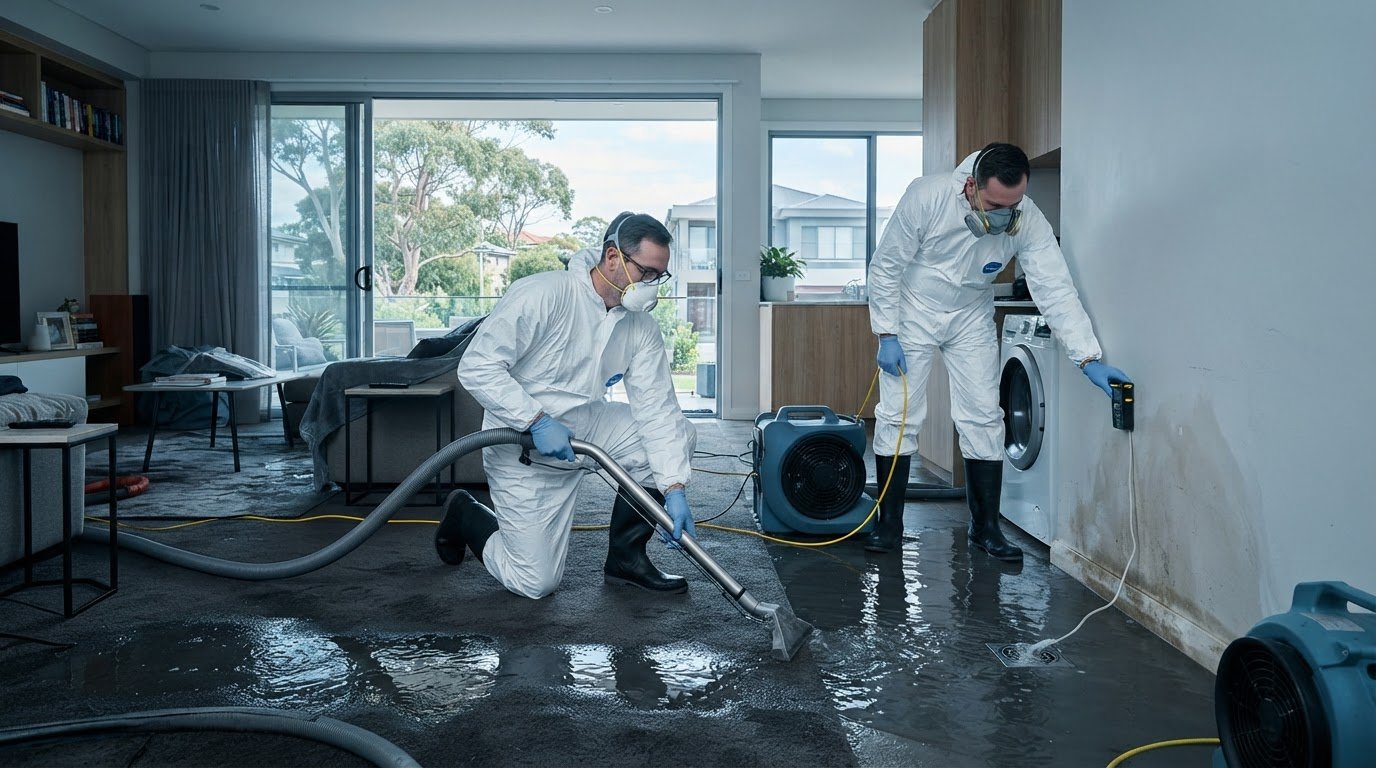

What if a damp patch behind stored goods is the warning your routine checks missed? Condensation, leaks and warm, moist air entering through gaps can create conditions for mould, even when a cold room looks clean. A reliable mould prevention plan for cold storage rooms tracks moisture at its source, not just the visible signs.
Cleaning alone won’t prevent recurrence if dampness continues. A consistent routine helps your team spot early warning signs, record changes and act before a problem spreads. The right response depends on the room, its equipment and what it stores.
This guide explains how to build a practical plan around assigned responsibilities, regular checks and clear records. You’ll learn what to inspect, how to respond to moisture and when routine upkeep should give way to specialist assessment.
Key Takeaways
- Cold temperatures alone don’t rule out mould. Damp surfaces and unresolved moisture sources still need attention.
- A practical mould prevention plan for cold storage rooms assigns responsibility for inspections, records, corrective action and review.
- Set inspection frequency around your site’s conditions and operating procedures rather than relying on a universal schedule.
- Follow stored-product and equipment guidance, and watch for condensation or persistent dampness.
- Recurring mould, extensive affected areas or suspected hidden contamination call for specialist assessment, not repeated surface cleaning.
Why a Cold Storage Room Needs a Mould Prevention Plan
A cold room can look clean while moisture gathers around a door seal, wall joint or concealed surface. A mould prevention plan for cold storage rooms is a repeatable system for managing moisture, identifying risk areas and responding to inspection findings. It gives staff a consistent way to spot changes, record them and follow up instead of relying on occasional cleaning or memory.
Refrigeration helps maintain conditions required for stored products, but cold temperatures alone don’t guarantee that surfaces and building materials will remain mould-free. Mould needs moisture and a suitable surface. You can read more about what mould is. In refrigerated spaces, humid air meeting a colder surface can contribute to condensation. Water ingress, leaks or damp materials can also leave moisture behind. The actual risk depends on the room’s design, use and equipment.
Persistent dampness deserves attention because it can affect surfaces, stored goods and operations. Prevention and remediation are different tasks: a routine plan can reduce risk and help detect problems early, but it won’t remove established mould. If growth is visible or keeps returning, investigate the moisture source and assess the affected area rather than treating routine upkeep as a complete remedy.
How mould risk can develop in a refrigerated room
Look beyond the room’s air temperature. Warm, humid air meeting cold surfaces can create condensation, while leaks or repeated wetting can keep materials damp. Seals, panel joints and corners may be more vulnerable than open surfaces. These are possible pathways, not proof of a particular cause. Focus checks on places where moisture could collect or remain unnoticed.
Early warning signs operators should recognise
Train staff to notice and record changes during routine observations. Warning signs include:
- Recurring condensation or damp patches.
- Musty odours, water staining or visible growth.
- Damp seals, corners, wall joints and areas around doors.
A warning sign is a reason to investigate, not confirmation of where moisture came from or how far an issue extends. Record the location, appearance and whether it recurs, then report the finding through the site’s maintenance process. Patterns in the records can help pinpoint where moisture control needs attention and when a closer assessment is warranted.
How Refrigeration, Humidity and Condensation Influence Cold Room Mould
Cold room mould risk follows a simple chain: moisture is present, a surface becomes damp, and the dampness persists. Refrigeration supports storage conditions for particular products, but it doesn’t make moisture disappear. A practical prevention routine tracks moisture alongside room conditions and equipment performance.
Condensation is moisture from the air that collects as liquid water on a surface colder than the surrounding air. It may appear where humid air meets cold panels, pipework or other surfaces. A damp patch is a clue to investigate, not proof of the cause. Room design, loading patterns, cleaning practices and refrigeration equipment all affect conditions on site.
Where moisture and condensation can come from
Each door opening can let warmer, humid air enter. Loading and unloading may increase that exchange, especially if doors remain open or seals don’t close properly. Other possible sources include leaks, blocked drainage and cleaning residues left wet on floors or surfaces. Treat these as investigation points, not assumed causes in every facility.
Record where and when moisture appears. For example, condensation that returns near a doorway after busy loading periods may point to a pattern worth investigating. Standing water near a drain calls for a drainage check. Set room temperature and humidity according to the stored products and equipment guidance rather than applying a generic target to every cold room.
Why equipment and building checks belong in the plan
Inconsistent cooling or airflow may contribute to localised damp conditions, but observations need to be verified on site. During routine checks, inspect door seals, visible pipework, drainage and accessible wall-floor junctions. Note unusual temperature variation, recurring wet spots or equipment concerns, then refer refrigeration repairs to qualified refrigeration personnel. Don’t adjust operating settings without considering product and equipment requirements.
For stored goods, follow the facility’s food-safety procedures and applicable Australian requirements. Environmental checks support those procedures, but don’t replace them. Keep records of moisture observations and maintenance concerns so staff can identify patterns and follow up appropriately.
If repeated dampness or visible growth persists despite routine checks, a specialist mould inspection and assessment can help assess affected areas and possible moisture sources.

Mould Prevention Options for Cold Storage Rooms: What Each Can and Cannot Do
A reliable mould prevention plan for cold storage rooms combines actions that address different parts of the risk. Housekeeping helps keep surfaces clean. Moisture-source correction tackles the conditions that allow dampness to persist. Equipment maintenance supports stable operation, while specialist assessment helps investigate established or recurring mould.
Cleaning visible growth without correcting persistent moisture can leave the conditions for recurrence in place. Choose cleaning products and methods in line with facility procedures, surface requirements and product instructions. If the source is a leak, drainage problem or refrigeration fault, cleaning alone won’t fix it.
Routine cleaning versus correcting the moisture source
Routine cleaning supports hygiene and helps staff notice changes. It’s suitable for scheduled upkeep carried out under site procedures, but it can’t repair a damaged seal, resolve a maintenance issue or fix a concealed leak. Corrective work targets the cause of wetting, while equipment maintenance addresses faults that may affect room conditions. Record issues and refer technical repairs to the appropriate personnel.
Use each response for its purpose. Don’t choose a chemical or method based on appearance alone. The surface, site conditions and stored products matter. Follow facility procedures and product instructions for cleaning tasks, and escalate unexplained or recurring dampness for investigation.
| Option | Purpose | Suitable use and limits |
|---|---|---|
| Preventive maintenance | Reduce avoidable moisture and identify changes early. | Routine cleaning and equipment checks support prevention, but won’t remove established mould or repair an unaddressed fault. |
| Corrective repairs | Address a specific moisture or equipment problem. | Use when checks identify issues such as leaks, drainage concerns or damaged seals. Repairs don’t by themselves assess or remediate mould already present. |
| Professional remediation | Assess and address established mould and affected areas. | Consider when growth recurs, is widespread or appears linked to persistent unexplained dampness. Remediation should be paired with source-focused recommendations to reduce recurrence risk. |
When inspection or professional remediation is appropriate
Arrange specialist assessment when visible growth keeps returning, affected areas are widespread or dampness persists without a clear explanation. An inspection can help assess visible mould, determine affected areas and investigate possible moisture sources. Air purification and scrubbing may form part of a broader response, but they don’t replace correcting the moisture cause. For background on mould and its conditions, read What is Mould? A Complete Guide for Australian Homeowners.
Keep the distinction clear: prevention reduces risk, repairs address a source, and remediation responds to existing mould. Bringing in the right action at the right time makes follow-up more focused and reduces reliance on cleaning alone.
How to Build a Cold Storage Room Mould Prevention Plan
A practical mould prevention plan for cold storage rooms turns observations into assigned actions. Set inspection frequency according to the room’s conditions, operating procedures and relevant requirements. There’s no universal interval that suits every facility. Make sure staff know who checks the room, who records issues and who follows up until they’re resolved.
A practical inspection and record-keeping checklist
Use a consistent process so small changes don’t get lost between shifts. Include accessible surfaces, door areas and equipment in routine observations. Record each finding alongside maintenance and cleaning documentation already used at the facility.
- Assign responsibility. Name the role responsible for checks, reporting and follow-up.
- Inspect. Look for condensation, leaks, musty odours, staining, visible growth and changes around doors or seals.
- Record. Log the date, location, observation, immediate action, responsible person and follow-up outcome. Include moisture events and maintenance concerns.
- Correct. Address an identified source through the facility’s established repair or maintenance process.
- Escalate. Seek further assessment if growth recurs, affected areas are extensive or dampness remains unexplained.
- Review. Check whether actions resolved the issue and adjust the routine if records show repeat problems in a particular area.
Keep the log factual. For example, record where condensation appeared and whether it returned after an action, rather than assuming the cause. Maintain cleaning and maintenance records alongside existing operational documentation so patterns can be reviewed over time.
What to do when the plan finds a problem
If water is actively entering or equipment appears faulty, report it promptly and use the site’s established repair process. Refer refrigeration faults to qualified refrigeration personnel. Protect stored goods according to the facility’s food-safety procedures and applicable requirements. Verify current Australian and NSW food-premises requirements, as well as product-specific storage guidance, rather than relying on generic online targets.
For related moisture issues, see Water Damage Repair: Your Emergency Guide for Sydney Homes. If findings point to visible mould, recurring growth or possible hidden contamination, specialist inspection can help assess affected areas and potential moisture sources. ABC Mould Cleaning Solutions provides mould inspection and remediation, with recommendations aimed at reducing recurrence.
For additional background, explore specialist mould inspection services.
When a Cold Room Needs Specialist Mould Assessment and Remediation
Routine checks are useful, but some findings need closer assessment. Escalate the issue if mould keeps returning after cleaning, visible growth covers an extensive area, moisture persists without an obvious source, or contamination may be hidden behind panels or within building materials. These signs don’t identify the cause on their own, but they warrant investigation rather than repeated surface cleaning.
A mould prevention plan for cold storage rooms helps operators recognise when routine upkeep is no longer enough. Record what staff have observed, where it appears and whether it has recurred. Share relevant maintenance and moisture records during an assessment so the response can reflect the room’s use, equipment and site conditions.
What a specialist assessment can clarify
A specialist inspection can assess visible mould, affected surfaces and plausible moisture sources. The right scope depends on what’s present, which materials are affected and how the room operates. A professional response may include remediation and recommendations focused on reducing recurrence. Read more about Professional Mould Removal for a related overview of specialist remediation.
Treatment planning in a cold room needs careful attention to site conditions and facility procedures, especially where stored goods or food-contact areas may be involved. ABC Mould Cleaning Solutions uses the Goldmorr System, a biodegradable fogging process that targets surface mould and airborne spores. Treatment planning should take the specific site and operating conditions into account.
How to reduce the chance of mould returning
Remediation works best as part of a broader response. Address the moisture issue, follow the facility’s repair and cleaning procedures, then continue the documented prevention routine and check that corrective actions have held. Air purification and scrubbing can support the response, but they don’t replace moisture control or repair an ongoing source.
For recurring mould or unclear moisture sources, a professional assessment can help clarify affected areas and practical next steps. Arrange a professional mould assessment.
Make Moisture Checks Part of Cold Room Operations
A dependable mould prevention plan for cold storage rooms starts with moisture control, not cleaning alone. Assign responsibility for inspections, record condensation, leaks and other warning signs, and follow up to confirm corrective actions have worked. Set check frequency around your site’s conditions, procedures and applicable requirements.
Keep room settings aligned with stored products and equipment guidance. If mould keeps returning, affected areas are extensive or dampness has no clear source, routine upkeep may not be enough. A specialist assessment can help identify affected surfaces and possible moisture sources, while remediation should be paired with practical steps to reduce recurrence.
ABC Mould Cleaning Solutions provides commercial mould inspection and remediation across Sydney and surrounding regions. Air purification and scrubbing can form part of the broader response. The company’s Goldmorr System uses a biodegradable fogging process targeting surface mould and airborne spores.
If mould is recurring or its source remains unclear, arrange a professional mould assessment. A consistent routine and timely action help your team respond with greater confidence and protect cold room operations.
Frequently Asked Questions
Is mould possible in a cold storage room?
Yes, mould can grow in a cold storage room because low temperatures don’t automatically prevent it. Moisture, damp surfaces and enough time can still create conditions for growth. Condensation, leaks and wet cleaning residues are possible warning signs, not proof of a specific cause. Document where and when you notice dampness or growth, then investigate persistent moisture. Don’t assume refrigeration alone will resolve a recurring problem.
How do I prevent mould in a cold storage room?
Use a consistent routine to check for condensation, leaks, drainage problems and damaged door seals. Record findings, assign someone to follow up, and confirm that corrective actions have worked. Cleaning supports hygiene, but it’s only one part of prevention and won’t fix an ongoing moisture source. Follow facility procedures, equipment guidance and applicable food-safety requirements. Set room conditions for the stored products and equipment rather than relying on generic temperature or humidity targets.
Can refrigeration stop mould from growing?
No, refrigeration isn’t a guaranteed mould-prevention measure. It helps maintain storage conditions suited to particular products, but moisture and damp surfaces still need attention. Check areas around doors, wall joints and drainage points for recurring condensation or visible growth. Follow product-specific storage guidance and the equipment’s operating instructions. If dampness keeps appearing, record its location and timing, then investigate instead of assuming colder settings will prevent mould or correct the underlying issue.
What should a cold room mould inspection include?
A practical inspection checks for visible growth, water staining, musty odours, condensation and leaks, including in moisture-prone areas such as door seals, corners and wall-floor junctions. Note equipment or building concerns for appropriate follow-up. The inspection scope depends on site conditions and the signs observed. Keep dated records of findings, actions and rechecks. If mould is persistent or extensive, a specialist assessment can help evaluate affected areas and possible moisture sources.
How often should a cold storage room be checked for mould?
There’s no single inspection frequency that suits every cold room. Set a documented schedule based on operating conditions, cleaning procedures, moisture history, equipment guidance and relevant requirements. Check promptly after a leak or refrigeration issue, and record what was found and what action followed. Review the schedule if dampness or mould recurs, or if site conditions change. Consistent checks matter more than applying an arbitrary interval that doesn’t fit the facility.
What happens if mould keeps returning in a cold room?
Recurring mould may mean moisture is still present, the source hasn’t been corrected, or affected areas need further assessment. Record where and when growth appears, check for persistent dampness or leaks, and follow site procedures to protect stored goods. A professional inspection can assess the affected area and possible moisture sources, then inform remediation and prevention recommendations. Recurrence is a signal to investigate, not simply repeat surface cleaning.
Can mould be removed without fixing a leak or condensation problem?
Visible mould may be treated, but leaving an ongoing moisture source can increase the chance it will return. Effective follow-up pairs appropriate remediation with investigation and correction of the underlying dampness. The right approach depends on the affected materials, site conditions and operational requirements, so there’s no universal treatment method for every cold room. Keep monitoring after corrective work and record rechecks to see whether the moisture or growth returns.