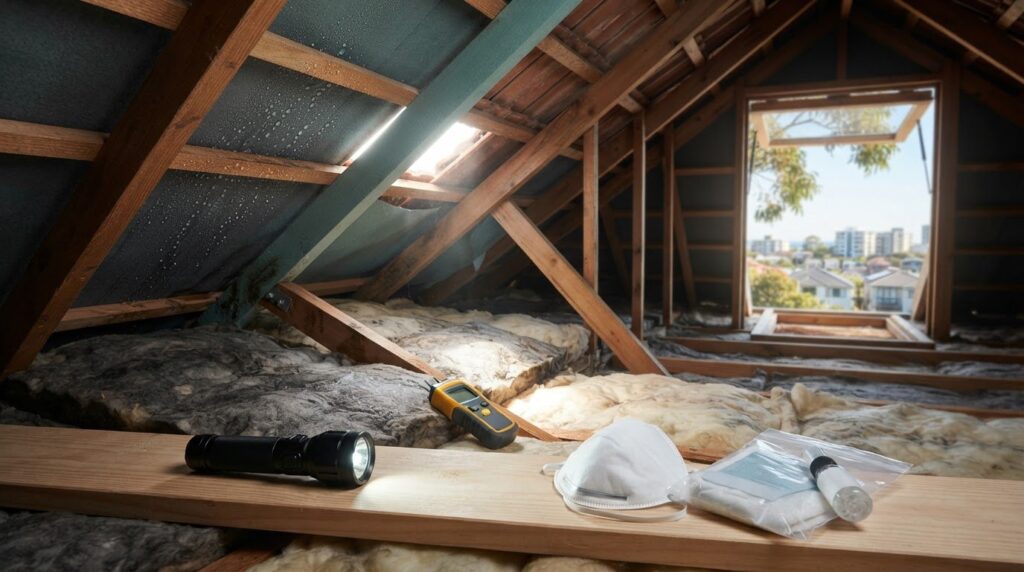
What if the patch of mould you can see is only a small part of the problem? Mould in attic roof space Sydney homes can develop out of sight, above ceilings or in insulation, when roof leaks, condensation or limited airflow leave materials damp. Cleaning visible growth may improve how a surface looks, but it won’t stop mould returning if moisture continues to enter or build up.
A lasting response starts by investigating the moisture pathway, then treating the contamination. This guide explains common causes and warning signs, and shows how moisture-source correction, mould remediation and air purification each play a different role. You’ll learn why an inspection helps establish the extent and likely source before treatment is selected, and how professional remediation can address visible mould and airborne spores. ABC Mould Cleaning Solutions uses the Goldmorr System, including biodegradable fogging, as part of a broader approach. Fogging complements remediation; it doesn’t replace correcting ongoing moisture. By the end, you’ll know what to observe and how to take a practical next step.
Key Takeaways
- A musty smell, ceiling stains or damp insulation can indicate possible roof-space mould, but these signs need assessment before you can establish the cause or extent.
- Roof leaks, condensation, plumbing leaks and limited airflow can all contribute. Finding the moisture pathway helps reduce the chance of recurrence.
- For mould in attic roof space Sydney homes, inspection, moisture-source correction, mould removal and air purification have different, complementary roles.
- If you suspect mould, avoid disturbing the area. Note where and when signs appear, any odour and any known leaks.
- ABC Mould Cleaning Solutions combines inspection, remediation, air purification and prevention recommendations to guide the next step.
Mould in a Sydney roof space: signs homeowners may notice first
It’s understandable to be concerned about possible mould above the ceiling, especially when the roof cavity is difficult to inspect. A mark or musty smell alone doesn’t confirm an infestation. Roof-space mould is fungal growth associated with persistent moisture on a suitable surface. For a general overview of mould and how it grows, see What is mold?
Clues in Sydney homes can include a persistent musty odour indoors, ceiling staining, visible growth around a roof-space access hatch, or insulation that looks damp or compressed. These signs warrant attention, but none reveals the source or extent by itself. Roof design, materials and exposure vary between properties, so the warning signs can differ from one home to another.
What signs of roof-space mould can appear inside the home?
A lingering odour or new ceiling mark can point to concealed moisture, although other causes are possible. Mould may be out of sight above plasterboard, on roof materials or around stored items, particularly when the affected area can’t be seen from the access point. Don’t rely on smell or a single mark to diagnose the problem. Note where signs appear, when you first noticed them and whether they change after rain or known water entry. This information can help an inspection focus on likely areas and moisture pathways.
When should you avoid entering the roof cavity?
Don’t enter if access is unsafe, visibility is poor or you’re unsure whether the ceiling structure can support you. Roof cavities can have unstable or obstructed areas, and disturbing suspected mould or insulation may spread dust and particles. Instead, photograph visible signs from a safe position and record their location. An assessment can help determine what’s present and where further investigation is needed.
- Musty odour: Note which rooms or access points it affects.
- Ceiling staining: Record the location and whether the mark changes.
- Visible growth or damp insulation: Photograph it from a safe distance without touching it.
These observations give an inspector a useful starting point, but they don’t replace assessing the roof space. The visible clue inside the home may be separate from the affected area above it. If you suspect mould in attic roof space Sydney properties, avoid disturbing the cavity and arrange an inspection to assess the extent and likely source.
Why mould develops in Sydney attic and roof spaces
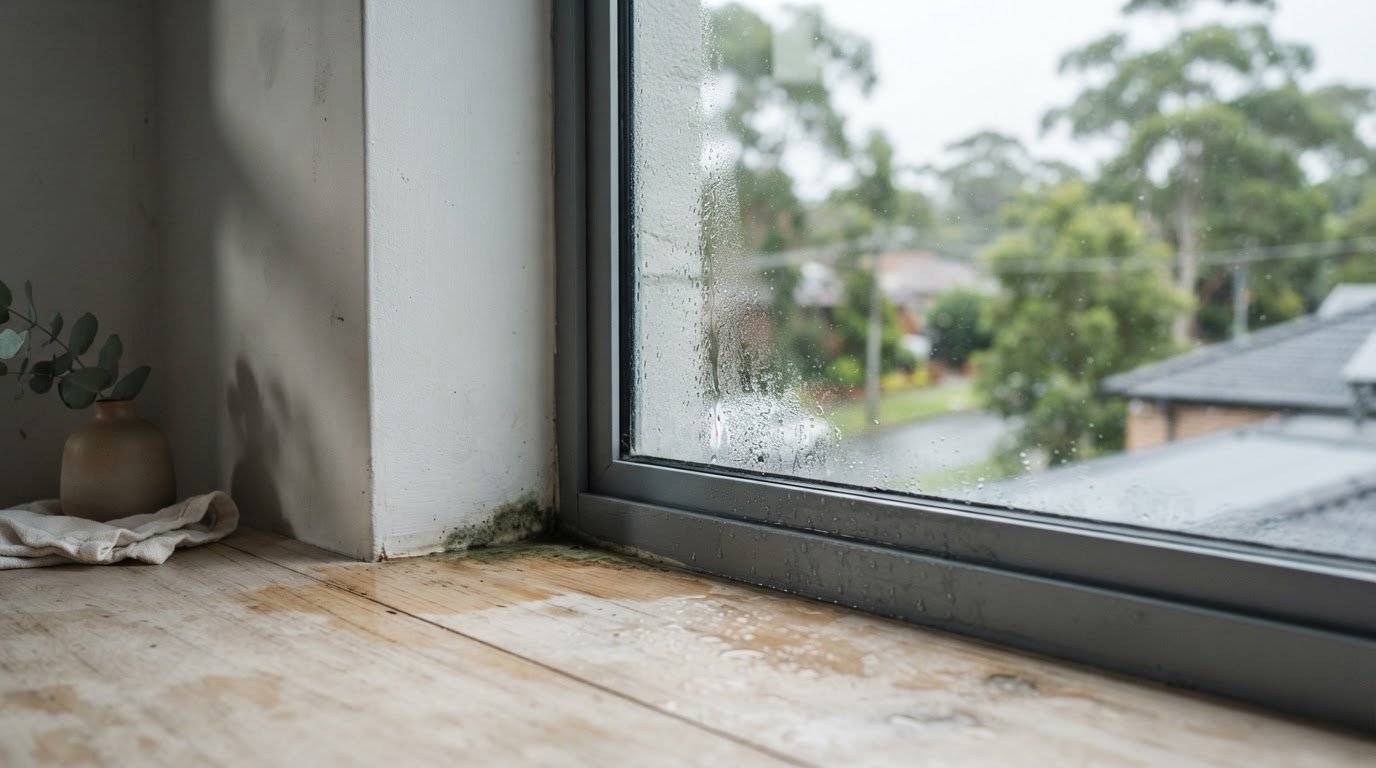
Persistent moisture allows mould to grow on suitable materials. In a roof cavity, water may enter from outside, travel from plumbing or form as condensation. The cause isn’t always obvious from visible growth. Insulation, roof framing and stored items can hold dampness, leaving affected areas concealed.
Mould is a sign of moisture; the source of that moisture needs investigating. The EPA guide to mold and moisture also explains why moisture control is central to managing mould. Conditions differ between Sydney properties depending on roof design, materials and exposure. An inspection should consider the specific roof space rather than assume one cause or prescribe the same ventilation change for every home.
Could a roof leak be causing mould in the roof space?
Water can enter around roof coverings, flashing or penetrations, then dampen nearby surfaces. A localised stain or patch of growth may help direct an inspection, but it can’t confirm a leak or show where water entered. If you’ve noticed water after rain or a storm, record when it happened and where signs appeared. That history can help an assessor investigate the likely pathway.
Can condensation and poor airflow create roof-space moisture?
Condensation forms when warm, humid air meets a cooler surface, leaving moisture behind. If damp air doesn’t disperse effectively, condensation may contribute to persistent moisture in a roof cavity. Limited airflow is one possible factor, not a diagnosis on its own. The roof-space layout and conditions need assessment before deciding whether ventilation changes are appropriate.
Other moisture pathways matter too. A plumbing leak can introduce water into the cavity, while damp insulation or stored materials may retain moisture even after the original source has stopped. Mould in attic roof space Sydney homes can therefore have several contributing factors, or a source that isn’t directly below the visible mark. Avoid assuming that cleaning or ventilation alone will solve the problem before the moisture pathway is understood.
Keep a record of known leaks, water entry, staining and any changes you’ve noticed. An inspection can assess the affected area and likely moisture source, helping guide the next step. If roof-space mould is a concern, arrange a mould inspection.
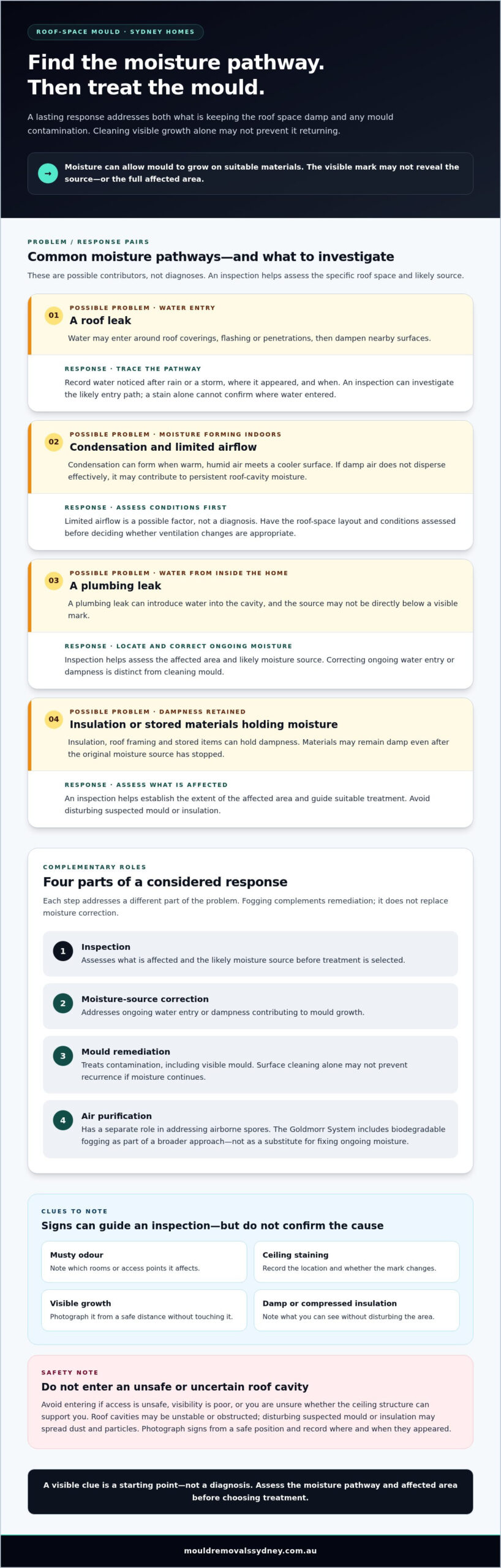
Comparing roof-space mould responses: moisture repair, cleaning and air purification
Cleaning visible growth may improve a surface’s appearance, but it won’t stop mould returning if moisture continues to enter or accumulate. For mould in attic roof space Sydney homes, a thorough response considers both the moisture source and the contamination. Inspection helps clarify what’s affected and which steps suit the conditions in the roof space.
| Approach | What it addresses | When it may be relevant |
|---|---|---|
| Moisture-source correction | Ongoing water entry or dampness contributing to mould growth. | When inspection identifies a roof leak, water damage or another moisture pathway. |
| Mould remediation | Visible mould contamination on affected surfaces and materials. | When mould is found and treatment can be selected for the affected area. |
| Air purification | Airborne particles, including spores, as a complementary part of remediation. | When it forms part of a broader treatment plan for the inspected space. |
| Inspection | The location and extent of suspected mould, plus clues to its likely source. | Before choosing treatment, especially when growth or the moisture pathway is concealed. |
What does fixing the moisture source achieve?
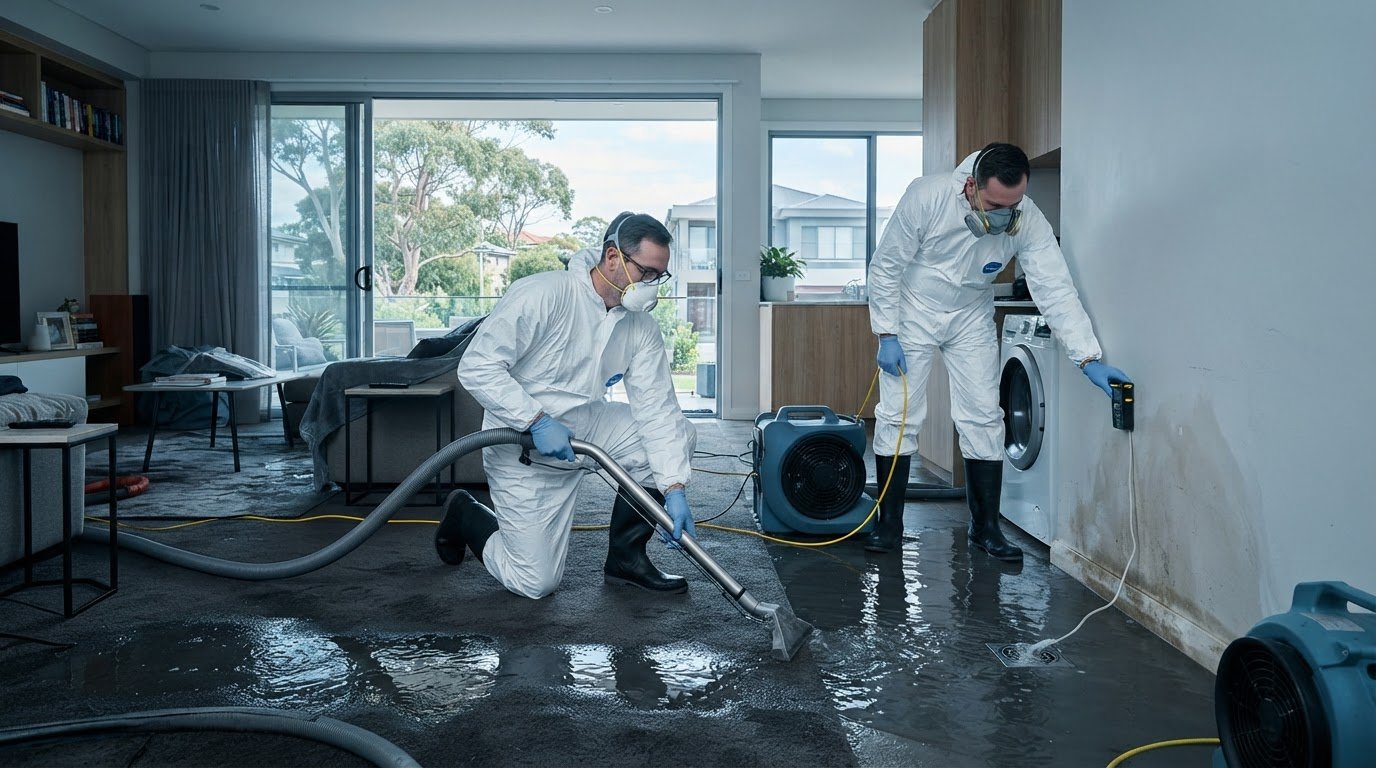
Correcting the source helps reduce ongoing dampness. A roof leak or water intrusion needs appropriate repair, while identified water damage may call for restoration. ABC Mould Cleaning Solutions provides water-damage restoration when water intrusion has affected a property. Mould treatment alone can’t prevent new moisture from entering, so fogging or air treatment shouldn’t be mistaken for a repair to an active leak.
What do mould remediation and air purification address?
Remediation addresses mould contamination on affected surfaces and materials; air purification complements it by addressing airborne spores. ABC Mould Cleaning Solutions uses the Goldmorr System, which includes a biodegradable fogging process to address surface mould and airborne spores. Fogging is one part of a comprehensive approach, not a substitute for dealing with persistent moisture. Inspection helps establish the extent of the issue and guide a treatment plan suited to the space.
These steps work together, but they aren’t interchangeable. Cleaning without addressing an ongoing moisture source leaves dampness that can continue to support growth. Correcting a leak without treating contamination leaves the affected area to be addressed. An inspection connects the findings to the appropriate combination of source correction, remediation and air purification, rather than relying on a single treatment for every roof-space problem.
What to do if you suspect mould in your Sydney roof space
Take a measured approach. Document what you notice without entering the cavity or disturbing suspected mould. A clear record helps an inspection focus on the right areas and consider possible moisture sources.
- Leave the area undisturbed. Don’t touch suspected growth, move affected insulation or stored items, or enter an unsafe roof cavity.
- Record visible signs from a safe position. Note where ceiling marks appear, when you first noticed them and whether there’s a musty odour.
- Consider recent water entry. Write down known roof leaks, storm-related water entry or plumbing leaks, including when and where they occurred.
- Arrange an assessment. An inspection can assess visible evidence, likely moisture sources and appropriate treatment options.
If you’re dealing with active water damage, see this Sydney water damage repair guide for information on the next steps.
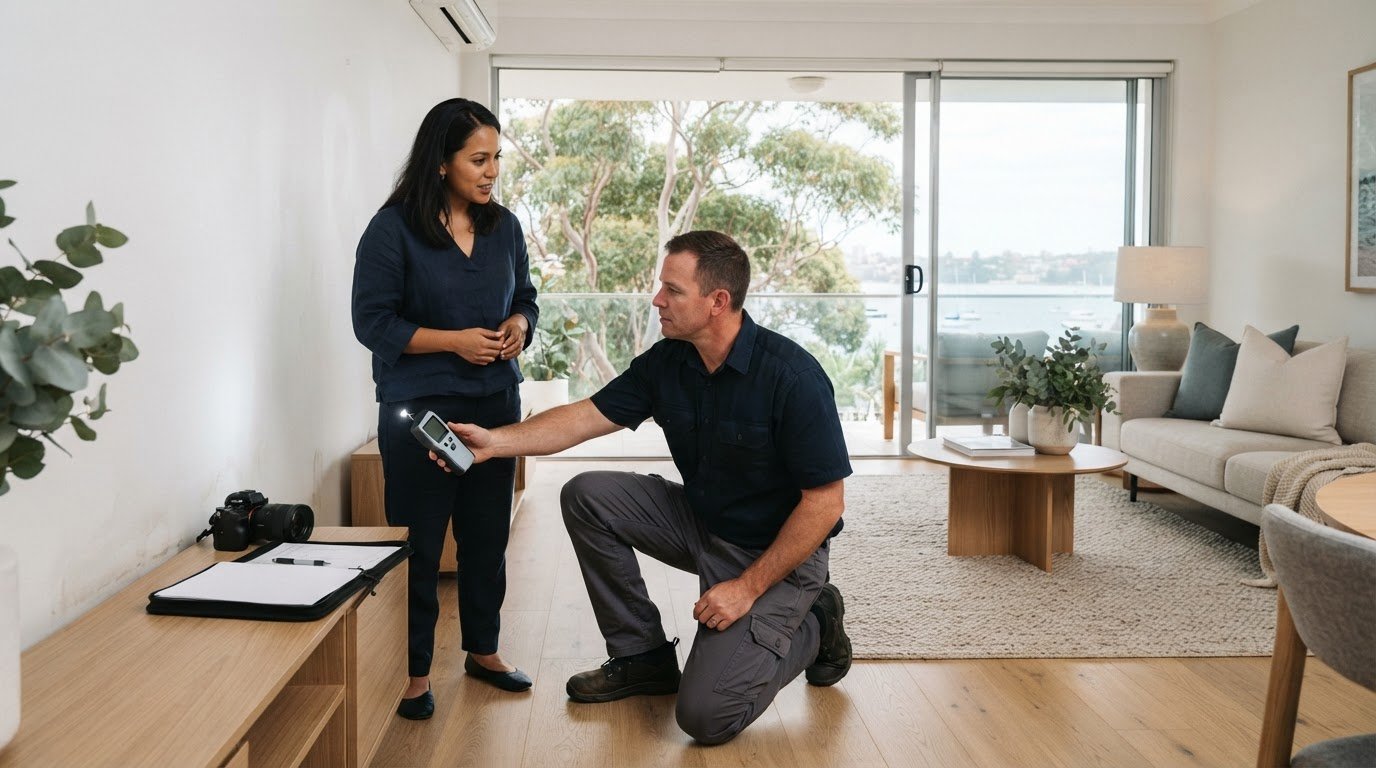
How is a professional roof-space mould assessment approached?
An assessment considers the affected area and signs of moisture that may be contributing to the problem. Share the location and timing of any odour or visible staining, along with details of known leaks. These details build a clearer picture, while the assessment helps establish what can be observed in the roof space. The findings guide a mould-removal and air-purification plan suited to the conditions, rather than assuming every cavity needs the same treatment.
What you can safely observe
- Photograph ceiling stains or visible signs from a safe location.
- Record when and where odours or marks appear.
- Note known leaks or water entry.
Leave to the assessment
- Entering a cavity with unsafe access, poor visibility or uncertain ceiling structure.
- Disturbing suspected mould, insulation or affected stored materials.
- Deciding on treatment or ventilation changes without assessing the roof space.
How can you reduce the chance of mould returning?
Start with the inspection findings. Address identified moisture entry or water damage, then follow recommendations suited to the roof-space conditions instead of applying a generic ventilation fix. After treatment, monitor for a renewed musty odour, dampness or staining. If signs return, record where and when they appear so the moisture source can be reassessed.
If you’re concerned about mould in attic roof space Sydney properties, arrange a professional mould inspection.
Professional mould removal for Sydney roof spaces: the next step
A practical treatment plan starts with assessment, not guesswork. Establish what’s affected and investigate likely moisture conditions, then select treatment for the contamination identified. This sequence matters because removing visible mould without addressing ongoing moisture can leave conditions that support further growth.
What can a tailored mould remediation plan include?
ABC Mould Cleaning Solutions inspects the roof space to assess the affected area and likely moisture source, then uses the findings to guide mould removal and prevention recommendations. Air purification complements the treatment of visible mould by addressing airborne spores. The Goldmorr System includes a biodegradable fogging process to address surface mould and airborne spores. Fogging is part of a broader remediation approach, not a substitute for correcting ongoing moisture, and treatment is selected for the conditions found.
If inspection identifies relevant water damage, water-damage restoration may also form part of the response. Each step has a distinct purpose: addressing the moisture contributor, treating identified contamination and complementing that work with air purification. No single method suits every roof cavity.
How can Sydney homeowners take the next step?
Describe what you’ve noticed, where it appears, when it began and whether you know of any leaks or water entry. You can also share photos if they can be taken safely from outside the roof cavity. Don’t climb into an unsafe space or disturb suspected mould to get a closer view. These details can help guide an assessment, but they don’t replace inspecting the affected area.
Explore the Sydney mould removal service overview to learn more about the service. For help with mould in attic roof space Sydney properties, request help with roof-space mould. An assessment can turn uncertainty into a practical plan based on the conditions found.
Take the next step towards a clearer roof-space plan
Musty odours, staining or damp insulation can signal a concern, but they don’t reveal the full extent or cause. For mould in attic roof space Sydney homes, a sound response begins by assessing the space and likely moisture pathway, then choosing treatment for the contamination identified. Cleaning alone may not address ongoing water entry.
ABC Mould Cleaning Solutions serves Sydney and surrounding regions with mould inspection, removal, air purification and prevention recommendations. Its approach uses the Goldmorr System, including a biodegradable fogging process to address surface mould and airborne spores. Fogging complements remediation; it doesn’t replace correcting persistent moisture.
Take the next step with help with mould in your Sydney roof space. An inspection can clarify the affected area and guide a practical response based on the conditions found.
Frequently Asked Questions
Is mould in an attic roof space dangerous?
Visible mould in an attic indicates a moisture concern, but appearance alone can’t identify the species or establish an individual’s health risk. A mark may also have another cause, so assessment is needed before drawing conclusions. Avoid touching or disturbing suspected growth. Arrange an inspection, particularly if the affected area appears extensive or there’s known water damage, so the space and likely moisture source can be assessed.
What causes mould in a Sydney roof space?
Persistent moisture allows mould to develop in a roof space. Possible causes of mould in attic roof space Sydney homes include a roof leak, condensation, a plumbing leak or limited airflow, but these are possibilities, not a diagnosis. Roof design and exposure affect what should be investigated. An inspection can assess the affected area and help identify the likely moisture source before treatment is selected.
Can mould grow in roof insulation?
Mould may grow where roof insulation or other cavity materials remain damp, but the material needs to be assessed in place. A stained or damp-looking section doesn’t prove mould is present. Don’t pull apart or disturb insulation unnecessarily, as this may spread dust or particles. An inspection can assess suspected contamination alongside the moisture conditions, helping determine whether the insulation is affected and what response may be appropriate.
How do you remove mould from an attic roof space?
Start by assessing the roof space and investigating the moisture source, then select remediation for the contamination found and address any identified water damage. Treatment of affected surfaces and air purification have different roles: one addresses visible mould, while the other addresses airborne spores. The approach should suit the site conditions. Avoid entering or disturbing a roof cavity yourself if access or safety is uncertain.
Will mould come back if the roof leak is not repaired?
Continuing moisture can allow mould to return after cleaning or treatment, though recurrence isn’t certain in every case. Investigate and correct the moisture source alongside remediation, rather than relying on surface treatment alone. If a roof leak is identified, it needs appropriate repair to reduce further water entry. Follow recommendations tailored to the roof space, then monitor for renewed dampness, odour or visible signs.
Does roof-space mould remediation remove airborne spores?
Remediation addresses affected mould, while air purification addresses airborne spores. These tasks complement each other but aren’t identical, and no method should be described as making a property completely spore-free. ABC Mould Cleaning Solutions uses the Goldmorr System, which includes a biodegradable fogging process to address surface mould and airborne spores. Inspection helps guide treatment suited to the affected roof space.
Should I enter my roof space to check for mould?
Don’t enter if access, visibility, footing or the ceiling structure is uncertain. Avoid disturbing suspected mould or insulation, as doing so may spread dust or particles. Instead, record signs you can see safely, such as ceiling staining, and note any musty odour or history of leaks. Arrange an assessment to investigate the roof cavity and likely moisture source without putting yourself at risk.