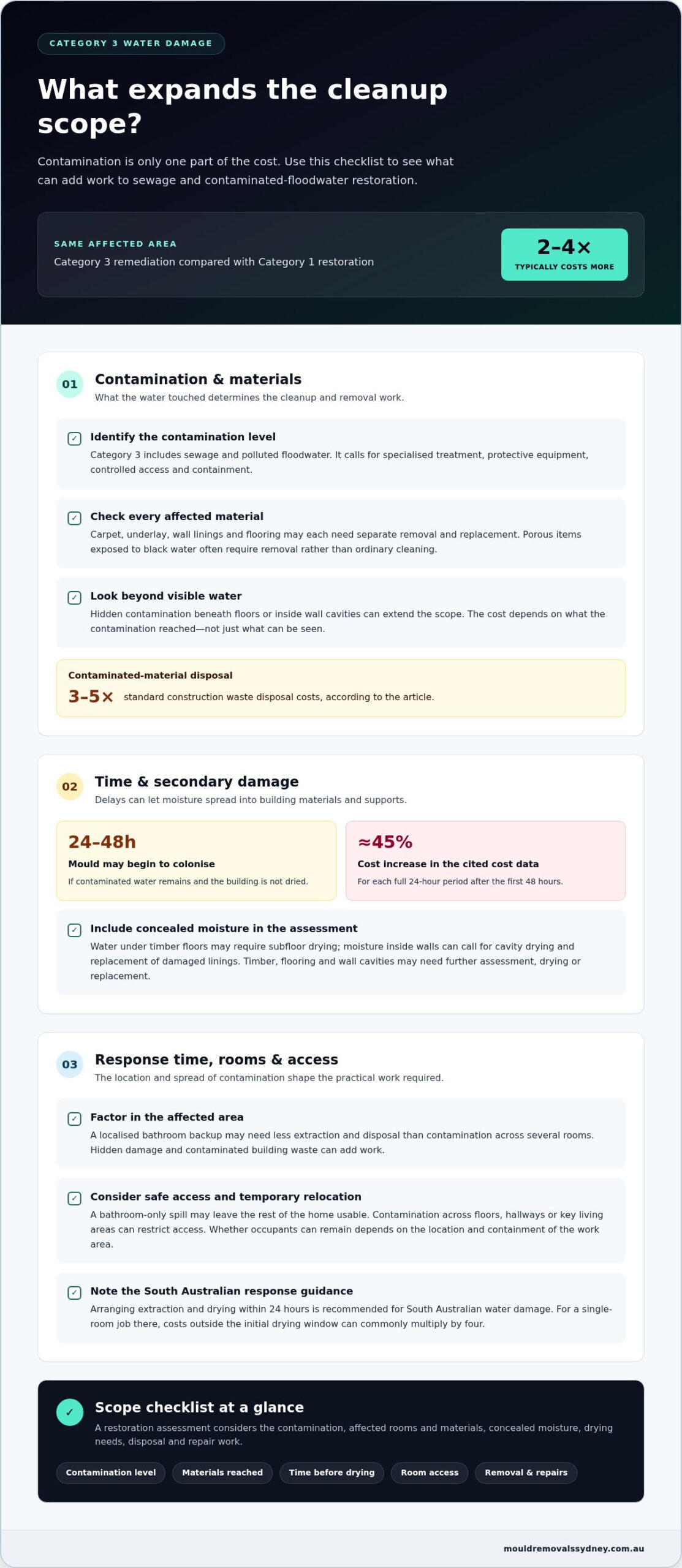
Contamination can drive the cost far more than the amount of water alone. For the same affected area, Category 3 remediation typically costs 2 to 4 times more than Category 1 restoration. Sewage backups and contaminated floodwater are examples of Category 3 black water, which requires specialised cleanup.
If you’re worried that a sewage spill will mean a much bigger bill, the extent of contamination is only part of the picture. The affected rooms, materials, drying needs and repairs all influence the final scope of work. This guide explains what Category 3 water damage means, what affects cleanup costs, how restoration works and whether home insurance may cover sewage damage in Australia.
You’ll also see why Category 3 cleanup can cost more than Category 1 restoration, and what happens when contaminated water reaches carpets, walls or other porous materials. Knowing what drives the work can help you understand the next steps and respond promptly.
Key Takeaways
- Category 3 water includes sewage and contaminated floodwater, so cleanup involves more than removing visible water.
- For the same affected area, Category 3 remediation typically costs 2 to 4 times more than Category 1 restoration.
- The extent of contamination, damaged materials, drying requirements and repair work all shape the restoration scope and cost.
- Insurance may cover sudden and accidental sewage overflow, but policy wording and the circumstances of the damage matter.
- Learn what extraction, drying and sanitisation involve, and when air purification or mould remediation may help address remaining concerns.
What Is Category 3 Water Damage?
Category 3 water damage involves highly contaminated water, including sewage and some floodwater. Its contamination level changes the cleanup, material removal and safety measures restoration requires.
Contamination Classifications
Water damage categories describe contamination severity: Category 1 is clean water, Category 2 is contaminated grey water, and Category 3 is highly contaminated black water. A leaking tap is an example of a Category 1 source, while water containing soaps or mild pathogens may fit Category 2. Sewage backup and polluted floodwater are Category 3 examples. The category matters because it guides extraction, decontamination and decisions about affected materials.
Water can also change category over time or after contact with contaminants. Untreated Category 1 or 2 water left for more than 48 hours may be classified as Category 3. Water that travels across a road, through dirty building materials or into sewage can also pick up contaminants. So the original source alone may not determine the final classification.
Australian restoration work may use standards as a framework for classifying water damage. According to IICRC, its S500:2025 standard classifies water damage into three categories based on contamination level. These standards inform restoration practice; they are not a substitute for assessing the water source and affected materials.
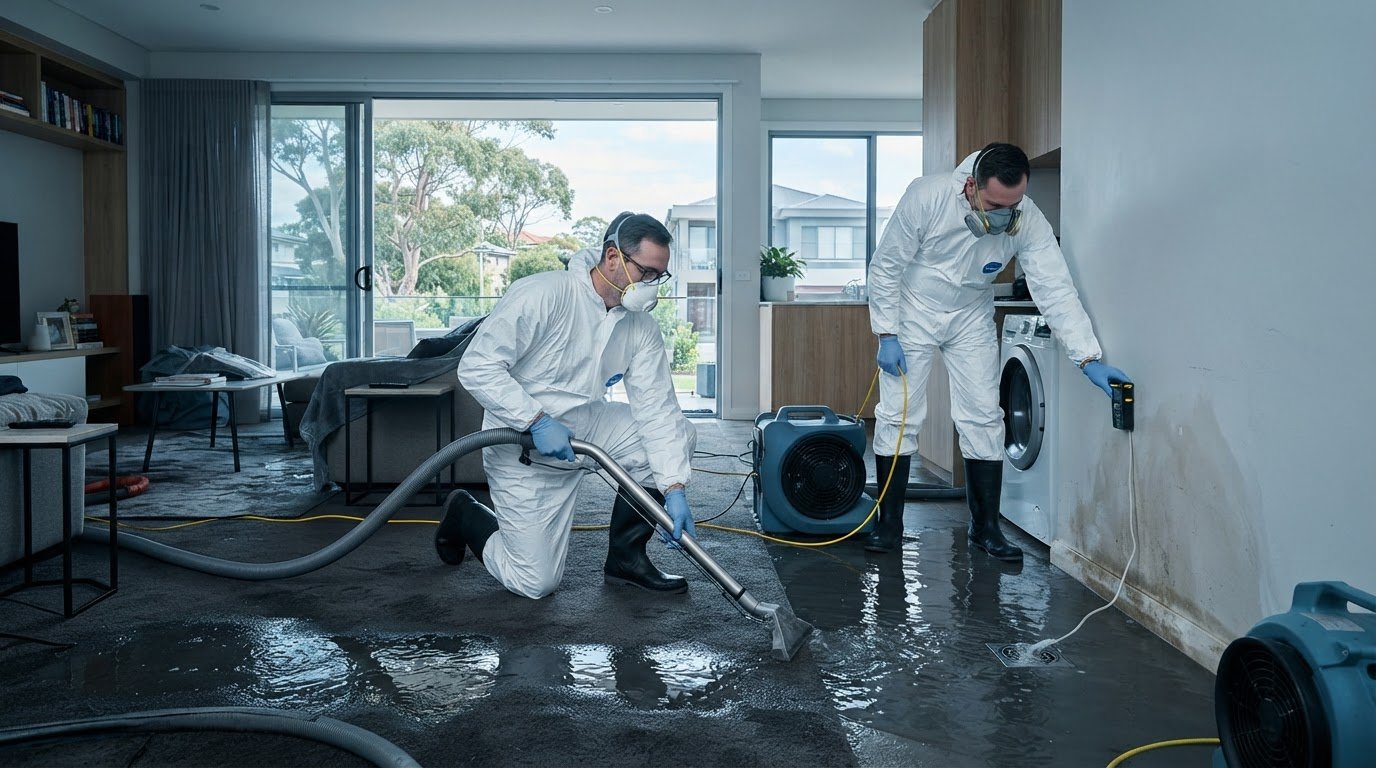
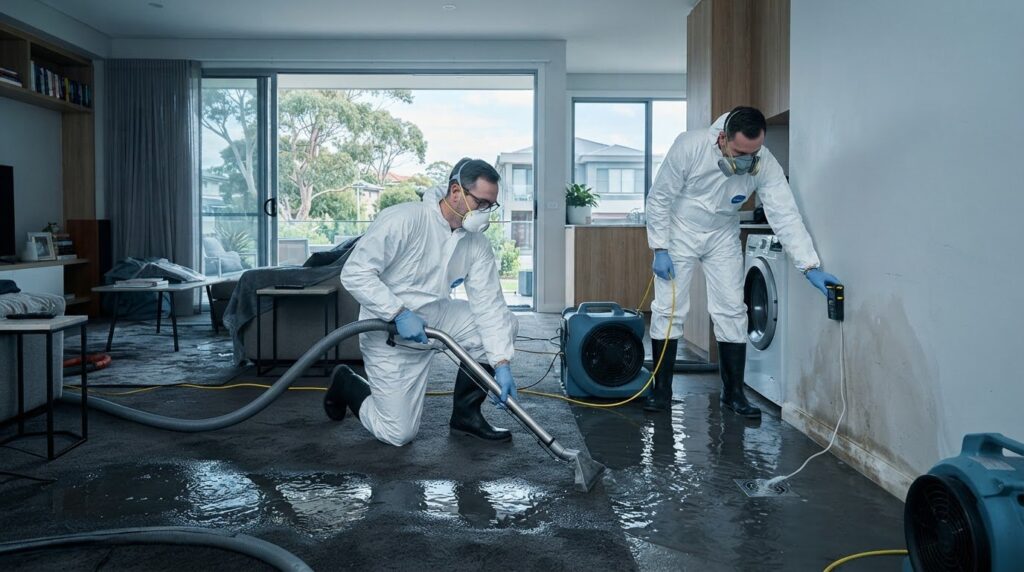
Category 3 sewage contamination is a health hazard and requires specialised treatment. Cleanup typically involves protective equipment, controlled access and containment to limit the spread of contaminated water and debris. Workers may isolate affected rooms, protect adjoining areas and use suitable personal protective equipment (PPE) while handling sewage-soaked materials. Carpet and other porous items exposed to black water often require removal rather than ordinary cleaning. Keep people and pets away from contaminated floors and surfaces until the affected area has been assessed and treated.
Sewage Cleanup Costs
Sewage cleanup costs reflect the work required to remove contaminated water, isolate the area, dispose of affected materials and clean remaining surfaces. The price depends on the specific damage and is provided after a quote request. The affected area, contamination, materials and restoration scope all shape the quote. A spill across several rooms may require more extraction, containment and material removal than a localised bathroom backup.
Carpet, underlay, wall linings and flooring can each add separate removal and replacement work. Hidden contamination beneath floors or inside wall cavities may also extend the restoration scope. The category 3 water damage cleanup cost therefore depends on what the contamination reached, not just the visible water.
Temporary relocation may be appropriate when sewage affects key living areas, access routes or multiple rooms. It depends on where the contamination is, how the work area is contained and whether occupants can safely avoid it. A bathroom-only spill may leave the rest of the home usable, while contamination across floors and hallways can restrict access. Restoration teams assess the affected rooms and work areas to determine whether the home can remain occupied during cleanup.
Factors that affect water damage restoration costs
The final restoration scope depends on the contamination, affected materials, depth of moisture and time before drying begins. Australian regional estimates show how sharply costs can vary with the extent of damage.
Australian Category 3 Cleanup Costs
Australian Category 3 cleanup costs vary with the affected area and the work needed to remove contaminated materials and restore the building.
These regional figures describe different job scopes, not a single national price. A sewage incident contained in one room may require less extraction and disposal than flooding across several rooms. Structural damage, timber affected beneath floors, and contaminated building waste can all add work. Disposal fees for contaminated building materials can be 3 to 5 times standard construction waste disposal costs.
Cleanup Delays and Secondary Damage
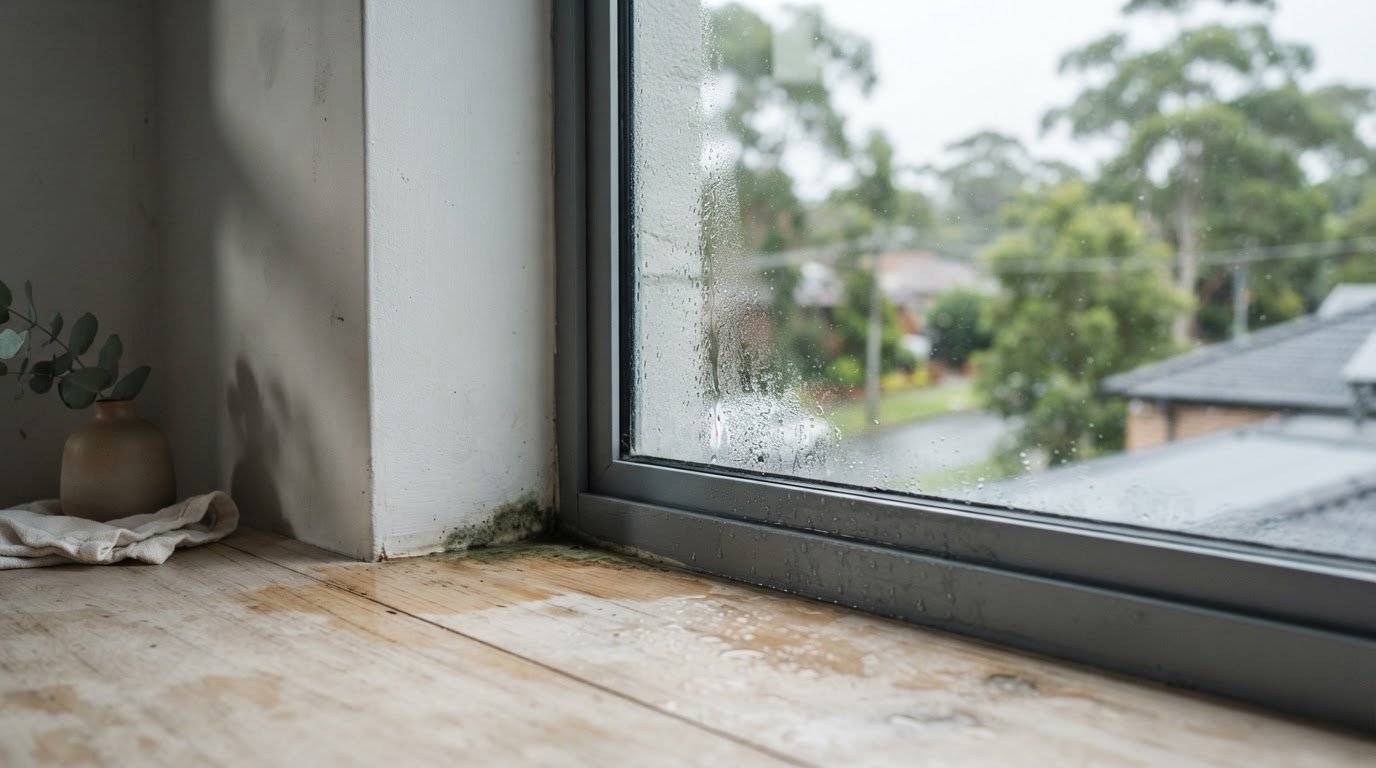
Delayed cleanup can expand the work when trapped moisture spreads into building materials or supports mould growth. Mould colonisation can begin within 24 to 48 hours if contaminated water remains and the building isn’t dried. Timber framing, flooring and wall cavities may then need additional assessment, drying or replacement.
Secondary damage changes the restoration plan, not just the affected surface. For example, water under timber floors may require subfloor drying, while moisture inside walls can call for cavity drying and replacement of damaged linings. In the cost data, restoration costs increase by about forty five percent for each full 24-hour period after the first 48 hours. Acting promptly limits the time water has to spread.
Response Time and Restoration Costs
Response time affects how much water remains in materials and how far it travels through the structure. For South Australian water damage, arranging extraction and drying within 24 hours is recommended. That early action can reduce the extent of secondary damage and the amount of material needing removal.
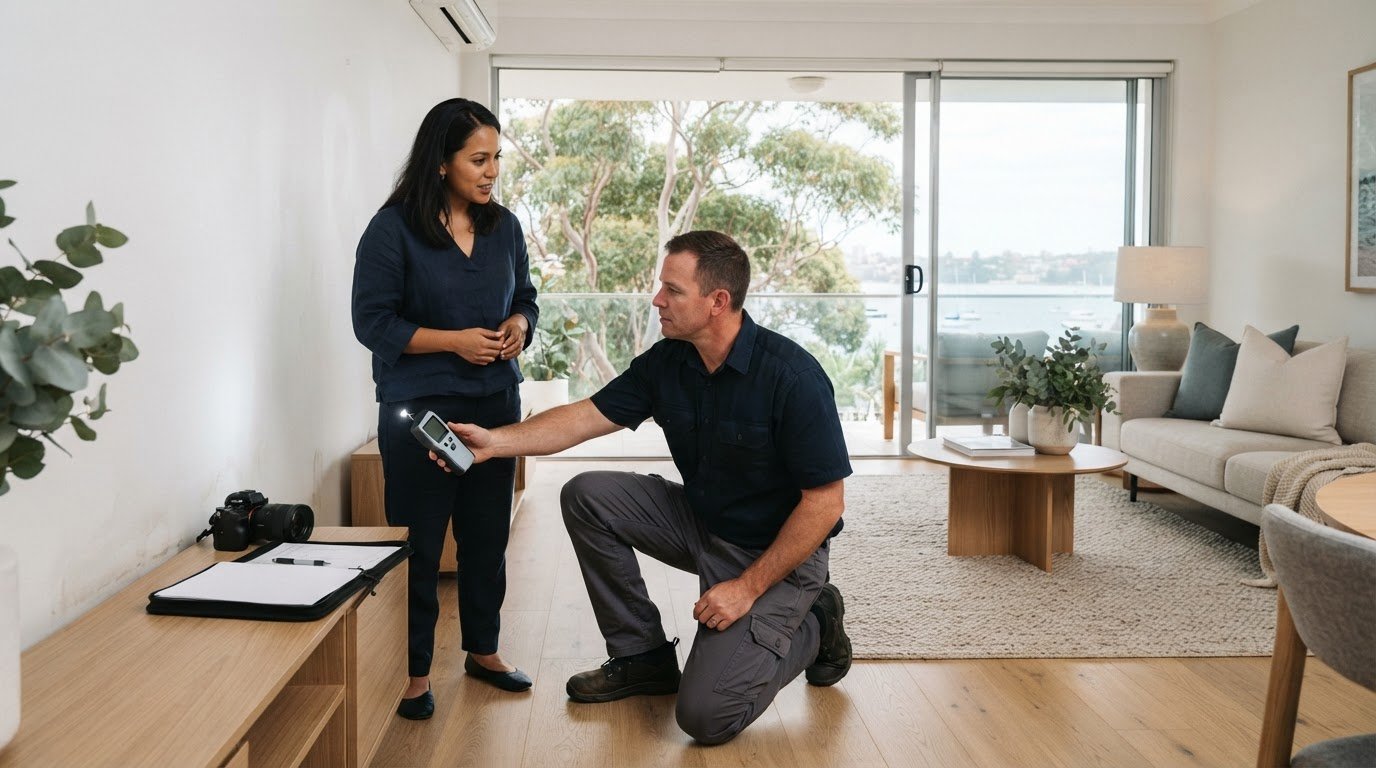
Once water has spread, an assessor needs to identify the affected rooms, concealed moisture and materials that cannot be retained. A certified technician can document moisture and contamination to establish the restoration scope. For a single-room job in South Australia, costs outside the initial drying window can commonly multiply by four. Prompt assessment and extraction are therefore practical steps to help control costs.
Structural Drying Costs and Duration
Structural drying removes moisture held in building materials, not just water visible on floors. The drying period depends on how far the moisture travelled and which materials absorbed it.
Timber, wall cavities and subfloors may retain moisture after surface water is removed. Drying equipment may need to stay in place while moisture levels are monitored, adding time when concealed areas remain wet. Ask for the affected rooms and drying scope to be documented in the restoration plan. If water damage also leads to mould concerns, mould inspection services can help assess affected areas.
Does insurance cover sewage damage?
Most Australian home and contents policies cover sudden and accidental sewage overflow, but the policy wording determines how a claim is handled. Water category helps describe contamination, while the event and its cause also matter.
Water Damage Categories and Claims
Water damage categories describe contamination severity, which helps explain the cleanup required for affected areas. A Category 3 sewage overflow differs from a clean-water leak, but the label alone doesn’t establish insurance cover. The policy’s terms, the source of water and whether the incident was sudden or gradual all inform how an insurer assesses the claim.
A sudden sewage overflow and long-standing water from an unresolved leak, for example, present different circumstances. A dishwasher leak also needs clear documentation: record when it began, what caused it and which rooms or materials were affected. Share those details alongside the restoration assessment so the claim describes the event, not only the visible standing water.
Policies often distinguish sudden accidental damage from damage linked to gradual deterioration or lack of maintenance. That distinction can matter even if microbial growth or contamination is discovered later. Describe the original incident clearly, then explain how the damage developed. Don’t assume that a contaminated-water classification alone determines whether an insurer will accept or decline a claim.
Insurance Assistance and Claims
Insurance assistance involves organising clear evidence of the event, affected property and work required for water damage restoration. If it’s safe, photograph visible water and damage before cleanup. Note when you discovered the damage, the suspected source, affected rooms and steps taken to limit further damage. Keep relevant communications, reports and invoices together for the claim.
Ask your insurer which documents it needs and keep a record of its responses. If sewage contamination requires urgent extraction or containment, document what was done and why. A written assessment can distinguish contaminated materials from unaffected areas, while dated photographs can show the damage before materials were removed. Together, these records give the insurer specific information to consider.
If an insurer disputes a claim under a gradual-damage or lack-of-maintenance exclusion, Australian policyholders can use the insurer’s internal dispute process and then AFCA. Set out the disputed decision, refer to relevant policy wording and attach supporting records. Keep the complaint focused on the cause, timing and evidence. For example, explain why you believe a sewage overflow was sudden and accidental, rather than leaving the circumstances unclear.
Coverage still depends on the policy and circumstances, so read the relevant exclusions and claim requirements closely. Category 3 contamination can require extensive cleanup, but the claim assessment concerns both the damage and how it happened. A clear timeline, photographs and restoration documents help present those facts in a consistent way.
Water extraction, drying and restoration stages
Category 3 restoration moves from water removal to decontamination, structural drying and repairs. Each stage addresses contaminated materials and moisture that extraction alone cannot remove.
Cleaning and Sanitisation Requirements
Cleaning and sanitisation remove sewage residue and contamination from affected surfaces after standing water is extracted. In Category 3 work, antimicrobial treatments are essential, and porous materials such as contaminated carpet usually require replacement. Cleaning only visible floors can miss residue beneath underlay, behind skirting or inside wall cavities.
Restoration teams isolate the work area, safely remove contaminated materials and clean salvageable surfaces before drying. A sewage spill across a tiled bathroom and carpeted hallway, for example, involves different material decisions. Tile may be cleaned and treated, while contaminated carpet and underlay usually need to be removed. These steps help prevent residue from spreading into adjoining rooms during remediation.
Disinfection and Clearance Checks
Disinfection treats cleaned surfaces, while structural drying addresses moisture retained inside walls, floors and cavities. Dehumidifiers and air-moving equipment support drying, but the equipment alone can’t confirm that concealed materials are dry. Moisture readings and written documentation help track conditions in affected areas and guide the next stage of restoration.
Category 3 work also requires extensive sanitisation because contaminated water can pose serious health risks. A clearance check can review visible cleanliness, remaining moisture and whether affected materials have been removed or treated. Keep records of the work completed and drying observations. Typical drying time varies with the water’s spread and building materials; Brisbane water-damage drying typically takes 3-7 days.
Plasterboard Drying or Replacement
Plasterboard decisions depend on contamination, saturation and drying results. In Category 3 remediation, plasterboard should be removed to at least 300 mm above the waterline. This allows removal of the contaminated section beyond the visible wet edge, rather than leaving affected board concealed behind the finish.
Plasterboard saturated by Category 3 water requires replacement. Replacement is also needed when it remains above safe moisture thresholds after 72 hours of professional drying. Drying in place may be unsuitable if the board has absorbed sewage or lost integrity. Removing affected sections exposes cavities for inspection, cleaning and structural drying before new plasterboard and finishes are installed.
After extraction, the team assesses hidden moisture in areas such as wall cavities and subfloors. Drying continues until readings show that affected building materials have reached suitable conditions for repair. For example, wet framing behind removed plasterboard may need to dry before the wall is closed. Clear records of removal, treatment and drying give property owners documentation of the restoration work completed.
Category 3 cleanup cost compared with Category 1
For the same affected area, Category 3 remediation typically costs 2 to 4 times more than Category 1 restoration, with typical overall project investments ranging from $5,000 to over $20,000 depending on the severity. The difference reflects contamination and the work required, not simply the volume of water. A clean-water burst pipe may need extraction and drying, while sewage contamination can require containment, sanitisation and removal of porous materials.
These varying cost ranges describe different incidents and aren’t a like-for-like quote for every property. The category 3 water damage cleanup cost depends on what was contaminated and how much material must be removed or repaired.
Why Category 3 Work Costs More
Category 1 water comes from a clean, controlled source, such as a burst pipe, rainwater or leaking faucet. If a washing machine hose overflows onto a hard floor and is dealt with promptly, affected materials may need less extensive treatment. The scope changes if moisture spreads beneath flooring or sits long enough to support mould growth.
Category 3 sewage or contaminated floodwater requires extra controls. Technicians must protect themselves, contain the affected area, remove contaminated materials and sanitise salvageable surfaces. Carpet and other porous materials usually require replacement after black-water contamination. An overflow that reaches underlay, flooring and wall linings therefore involves more removal and reconstruction than clean water confined to one surface.
Use these comparisons and typical incident examples to understand how contamination changes the work:
- Category 1: Clean water, such as a promptly addressed burst pipe, resulting in minimal health risk and lower drying costs.
- Category 3: Sewage or polluted water requiring specialised cleanup, biohazard disposal, and extensive sanitisation.
- Shared cost drivers: Affected rooms, hidden moisture, material damage and repair scope.
For instance, a minor Category 1 clean-water overflow might only require basic extraction and drying costing a few hundred to a couple of thousand dollars, whereas a Category 3 sewage backup affecting the same square footage often necessitates complete subfloor replacement, professional disinfection, and structural drying that pushes total expenditure well past $10,000. That example shows how the contaminated area and removal requirements can push costs beyond average ranges. Even a smaller spill may be costly if contamination reaches porous materials or concealed parts of the property.
Compare quotes by checking whether they cover the same stages: extraction, containment, contaminated waste removal, drying, sanitisation and repairs. Otherwise, a lower initial figure may exclude work another estimate includes. If lingering moisture raises concerns about mould growth after restoration, contact ABC Mould Cleaning Solutions to arrange a professional inspection to assess affected areas and determine whether remediation is needed.
ABC Mould Cleaning Solutions: Air Purification & Scrubbing
ABC Mould Cleaning Solutions offers Air Purification & Scrubbing for properties where airborne particles remain a concern after water damage. This service complements, but doesn’t replace, sewage extraction, contaminated-material removal or structural drying. Address the water source and affected materials first.
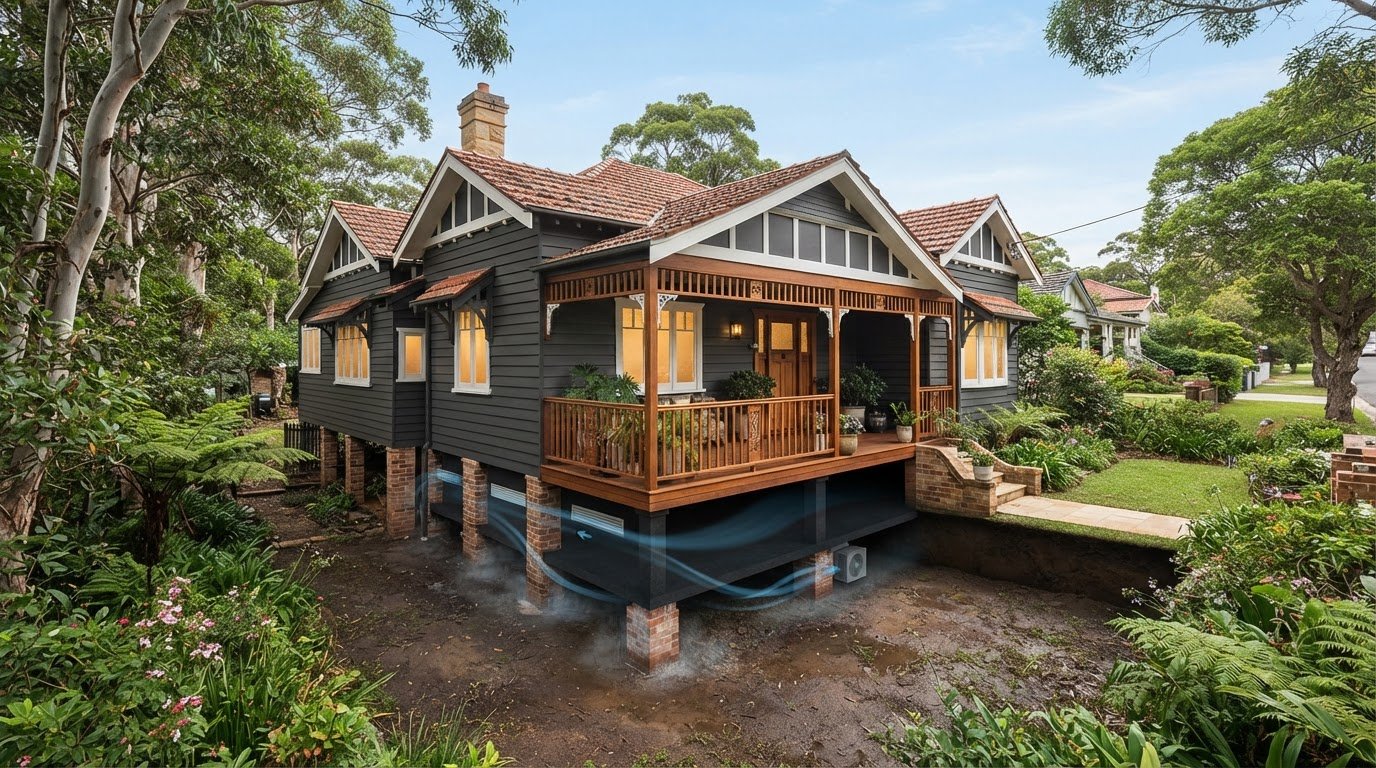
If dampness is followed by visible mould or persistent musty odours, Mould Inspection Services can assess the affected areas, and Mould Remediation can address mould contamination. Where moisture persists beneath a property, Subfloor Ventilation System Installation may also be relevant. The right next step depends on whether the concern is airborne particles, visible mould or ongoing subfloor moisture.
Contact ABC Mould Cleaning Solutions or visit mouldremovalssydney.com.au to discuss your property.
Plan Your Next Step With Confidence
Once the immediate cleanup is complete, focus on what the property needs next. Keep restoration records together, note any remaining odours or damp areas, and track concerns that emerge as rooms return to use. These details can help identify whether further attention is needed beyond the initial water damage work.
Understanding the category 3 water damage cleanup cost is only one part of planning. A clear picture of the remaining indoor environment can help you decide whether air purification, mould inspection or remediation is relevant. ABC Mould Cleaning Solutions offers Air Purification & Scrubbing, Mould Inspection Services and Mould Remediation for properties where airborne particles or mould concerns remain.
If you’re ready to discuss those concerns, contact ABC Mould Cleaning Solutions. Take the next step with a clearer view of what your property needs, and move forward with confidence.
Frequently Asked Questions
Can I Stay in My Home During Restoration?
You may be able to stay if the contaminated work area is isolated and essential facilities remain safely accessible. Avoid entering rooms with sewage, wet debris or active removal work. A spill affecting the only bathroom or the route to the kitchen, for example, may make staying impractical. Ask how containment separates the work zone from living areas, and follow site-safety directions throughout restoration.
How Quickly Should I Begin Restoration?
Begin restoration within 24 to 48 hours of discovering water damage. With sewage or other Category 3 contamination, act promptly and keep people and pets away from affected areas. While waiting for assessment, avoid walking through standing water or moving contaminated items between rooms. Record the discovery time and photograph visible damage from a safe location. These details can support both restoration planning and an insurance claim.
What Happens if I Delay Category 3 Cleanup?
Contamination can spread, and damp materials can develop further damage if cleanup is delayed. Mould colonisation can begin within 24 to 48 hours when contaminated water remains and the building isn’t dried. Moisture may also travel under flooring or into wall cavities, expanding the affected area. A delay can therefore add material removal, drying and repair work, even if the original sewage spill appeared confined.
What Is Category 3 Water Damage in Australia?
Category 3 water damage is highly contaminated black-water damage, including sewage backups and some floodwater. Australian restorers use the AS IICRC S500 Standard as a framework for classification; IICRC S500:2025 describes three categories based on contamination level. A toilet or sewer backup is a Category 3 example. Because contamination can present health hazards, keep clear of affected surfaces and leave assessment and cleanup to specialists.
How Much Does Category 3 Water Damage Cleanup Cost in Australia per Square Metre?
There isn’t a reliable per-square-metre figure in the available Australian cost estimates. Area alone can’t show whether sewage reached carpet, underlay, wall cavities or structural materials. The restoration scope depends on the contamination and material damage.
What Is the Average Total Cost to Clean Up Category 3 Water Damage in an Australian Home?
This is a total-cost range, not a guaranteed quote for every home. The total reflects the work involved, such as contaminated-material removal, drying and repairs, rather than the home’s overall size.
What Factors Affect Category 3 Water Damage Restoration Costs in Australia?
Costs depend on how far contamination has spread, which materials absorbed it and how much of the property needs drying or repair. A sewage spill on a bathroom’s hard floor has a different scope from one that reaches carpet, underlay and adjoining wall cavities. Delays can also allow moisture and mould growth to affect more materials. The cleanup plan reflects the damaged areas and the restoration work required.
How Do Category 3 Water Damage Cleanup Costs Compare With Category 1 and Category 2?
Category 3 remediation typically costs 2 to 4 times more than Category 1 restoration for the same area. Contamination severity affects the cleanup and material-removal work behind these comparisons.