
The obvious fix for a musty California bungalow might be the wrong one. Better airflow can help, but only if it addresses the conditions causing moisture to build up. If you’re considering ventilation solutions for california bungalow Australia, start by asking where the dampness may be coming from: beneath the floor, in indoor air, or through water entering the building. More than one source may be involved.
A ventilation upgrade shouldn’t be a guess or require compromising an older home’s character. First, follow the moisture clues and consider how air and dampness move through the house. This guide explains how to distinguish passive subfloor airflow from mechanical subfloor ventilation and room-level ventilation, and what to look into before making changes.
Airflow improvements in one area won’t necessarily resolve moisture elsewhere. An assessment of air quality, humidity, ventilation and structural dampness can help clarify whether subfloor cleaning, a subfloor ventilation system or another response is appropriate for your bungalow.
Key Takeaways
- Track where and when musty smells or damp patches appear, including whether they change after wet weather. This can help identify possible moisture pathways.
- Check visible subfloor openings and note signs of water entry before changing ventilation. Airflow alone won’t repair leaks or remove existing mould.
- Compare passive subfloor vents, mechanical subfloor ventilation and room-level exhaust by the area and moisture issue each is intended to address.
- Choosing ventilation solutions for california bungalow Australia starts with the property’s layout, condition and moisture clues, not a one-size-fits-all setup.
- ABC Mould Cleaning Solutions assesses air quality, humidity, ventilation and structural dampness, and provides subfloor cleaning and ventilation system installation in Sydney and surrounding areas.
Why California Bungalows in Australia Need a Ventilation Assessment
A persistent musty smell or damp patch can be unsettling, especially when it keeps returning and the source isn’t obvious. In an older home, moisture may relate to conditions beneath the floor, indoor humidity, water entering from outside, or a combination of factors. An odour or mould spot is a reason to investigate, not proof of a specific cause.
California bungalows share an architectural history, but no two properties have exactly the same airflow conditions. Floor layouts, subfloor access, renovations, landscaping and exposure to weather can all differ. Even neighbouring homes may have been altered in different ways over time. For context on the style’s history and features, see History and Characteristics of California Bungalows.
Effective ventilation planning starts by identifying where moisture is accumulating. Consider where signs appear and when they return before choosing ventilation solutions for california bungalow Australia. Better airflow may help manage conditions, but it won’t repair water entry or resolve every source of dampness.
What bungalow features can affect airflow beneath the floor?
Some bungalows have raised floors and an accessible subfloor; others have different construction or limited access. Don’t assume the space beneath your home has a standard layout. Where external openings are present, check whether they appear blocked. Garden beds, later landscaping, extensions or stored items can obstruct openings in some properties, although the effect depends on the site and arrangement.
Visible changes also matter. Owners concerned about heritage character may want ventilation planning to account for the appearance of external walls. Identifying existing openings and noting later alterations helps frame an assessment without assuming that visible changes are necessary.
Which signs suggest a closer look at ventilation?
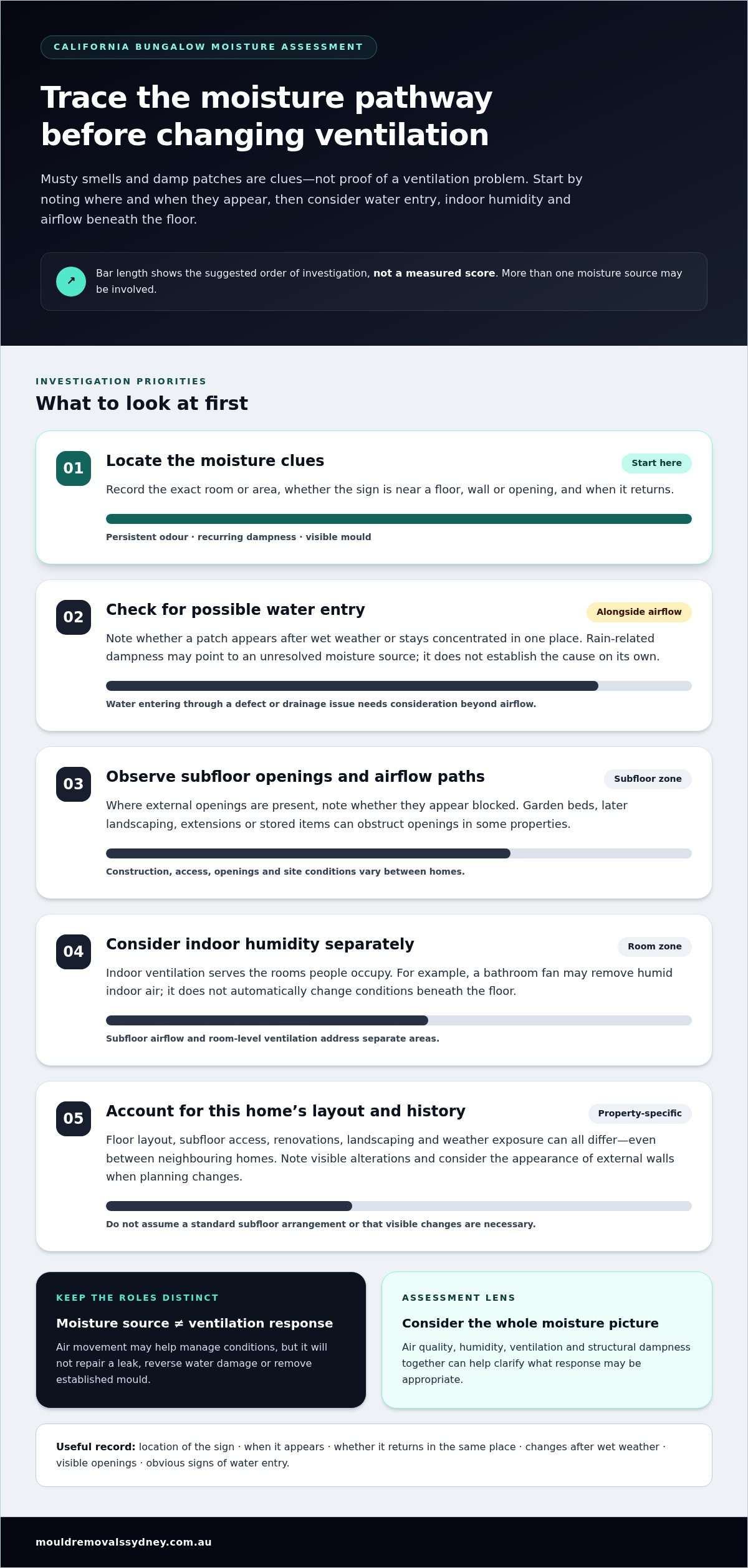
Pay attention to persistent musty odours, visible dampness or mould that returns after cleaning. Record the exact room or area, whether the sign is near a floor, wall or opening, and when it appears. Does the smell become stronger after wet weather, or is a patch confined to one location? These details provide useful context, but none proves that ventilation is the cause.
Consider patterns and possible water entry as separate clues. Dampness concentrated near a leak or appearing after rain may point to an unresolved moisture source that airflow changes alone won’t address. A musty smell across several areas may warrant checking more than one part of the home. Don’t treat a ventilation concern as a diagnosis: a moisture assessment should consider ventilation, humidity and structural dampness together.
- Note when odours or damp patches appear, including after wet weather.
- Record their location and whether they recur in the same place.
- Observe visible openings and obvious signs of water entry without disturbing the building fabric.
These observations turn a vague concern into a clearer record of the home’s moisture conditions and help guide what to investigate next.
How Ventilation and Moisture Move Through a California Bungalow
Ventilation describes air movement. Subfloor ventilation moves air beneath a suspended floor to help manage conditions in that space. Its usefulness depends on factors such as available openings, airflow paths, moisture and the surrounding site. It doesn’t guarantee that dampness will disappear. Increasing airflow won’t repair a leak or remove mould that is already established.
Moisture can enter or build up in different ways. Rainwater may reach a building through a defect or drainage issue, while moisture can also be present in the ground or generated indoors. Openings, obstructions and the shape of the site affect how air moves around a particular home. Understand the pattern before choosing ventilation solutions for california bungalow Australia.
A moisture source introduces or retains dampness; ventilation is a response intended to manage airflow and conditions beneath the floor. Keeping these roles separate helps avoid treating a vent as the answer to every damp problem.
How does subfloor airflow differ from indoor ventilation?
Subfloor airflow concerns the space below the floor. Indoor ventilation concerns air in the rooms people occupy, such as air exchanged through windows or exhausted from a kitchen or bathroom. These are separate zones, and airflow in one doesn’t automatically change conditions in the other.
For example, air might enter through an external subfloor opening and move beneath the floor towards another opening. Separately, a bathroom fan may remove humid air from indoors. This example won’t match every bungalow: floor construction, openings and alterations vary, so each airflow path needs to be considered on its own merits.
Why might ventilation alone not resolve dampness?
Air movement can’t stop water entering through a leak, reverse water damage or remove existing mould. If a damp area returns after rain, or moisture remains concentrated in one place, an unresolved water source may need attention alongside any ventilation concern. Changing airflow alone could leave that source in place.
Recurring or hidden dampness deserves a closer look rather than an assumption that a blocked vent is the whole problem. Consider whether signs point to indoor humidity, conditions beneath the floor or water entry, and whether more than one factor could be involved. An assessment of air quality, humidity, ventilation and structural dampness can help clarify an appropriate response.
If moisture keeps returning and the pathway isn’t clear, a tailored mould and moisture assessment can help guide the next step.
Comparing Ventilation Solutions for California Bungalows
There isn’t one ventilation setup that suits every California bungalow. The right response depends on where moisture is building up, what airflow paths exist, and whether water entry or mould also needs attention. Passive subfloor vents rely on natural airflow; mechanical subfloor ventilation uses powered airflow. Room-level ventilation serves indoor spaces, not the subfloor. The home’s style alone can’t determine which approach is suitable.
Use this comparison to understand each option’s purpose, then weigh it against the property’s conditions. Adding ventilation may not be enough if moisture is still entering or an existing source remains unresolved.
| Location | Intended role | Relevant conditions | Considerations for older-home character |
|---|---|---|---|
| Subfloor, passive vents | Encourage natural air movement beneath a suspended floor. | May be considered where suitable openings and airflow paths are present; obstructions and site conditions can affect movement. | Existing or heritage-style vents may be considered, but their appearance and suitability depend on the building. |
| Subfloor, mechanical ventilation | Use powered airflow to move air beneath the floor. | May be considered when assessment indicates passive airflow may not address the subfloor conditions. | Planning should account for the bungalow’s fabric and the placement of system components. |
| Indoor rooms, exhaust or ventilation | Manage air in occupied spaces, such as removing humid air from a room. | Relevant to indoor moisture and air exchange; it doesn’t directly ventilate the subfloor. | Room-level changes can be planned separately from visible exterior alterations. |
When might passive vents or mechanical subfloor ventilation be considered?
Passive vents rely on natural air movement, while mechanical systems use powered airflow. Neither works the same way in every property. The position and condition of openings, possible obstructions, subfloor layout and surrounding site all affect the assessment. Heritage-style vents may be worth considering where appearance matters, but they aren’t automatically suitable or sufficient. Match the approach to the observed conditions, not simply the bungalow’s age or style.
When should room-level ventilation or moisture-source work be considered?
A bathroom exhaust fan or other room-level ventilation serves indoor air. It won’t directly manage air beneath the floor. If the issue involves a leak or water damage, water damage restoration addresses a different need from subfloor ventilation installation. Similarly, mould removal is a separate response when mould is present, not a feature of ventilation equipment.
Consider what each action addresses: indoor humidity, subfloor airflow, water damage or existing mould. More than one response may be relevant, but improved airflow won’t stop an ongoing water source. A subfloor ventilation and moisture assessment can help clarify the next step for your property.
A Practical Checklist Before Changing Bungalow Ventilation
Before changing vents or adding equipment, make a clear record of what you’ve noticed. A musty smell that appears after rain, for example, is useful context but doesn’t identify the cause on its own. Careful observations help an assessment consider the location, timing and possible moisture pathways without disturbing an older home’s fabric.
What can owners safely observe before an assessment?
Keep to visible, accessible areas. Look for openings that appear blocked and note nearby garden beds, stored items or other external obstructions. Don’t dismantle vents, lift building elements or enter an unsafe space. A visual check can record clues, but it can’t reveal hidden structural dampness or confirm what is happening inside an enclosed subfloor.
- Record the symptoms. Note musty odours, visible mould and damp patches. Write down the room or exterior area, how often the sign returns and whether it changes over time.
- Inspect visible openings. From a safe position, record which vents are present and whether anything appears to obstruct them. Take photographs before moving items or making changes.
- Check for obvious water entry. Note visible leaks, water marks or signs of a recent water event. If water damage is apparent, ventilation changes alone won’t resolve it. The article “Water Damage Repair: Your Emergency Guide for Sydney Homes” provides relevant background on why water damage needs its own response.
- Document the conditions. Record when and where odours or damp patches appear, and whether they follow wet weather. Note changes such as renovations, landscaping or altered use of nearby spaces.
How should heritage and location shape planning?
Keep your notes and photographs before altering vents or bungalow features. A simple record can show whether symptoms cluster in one place, coincide with weather or appear after a change to the property. It won’t establish a diagnosis, but it helps keep the assessment grounded in what you’ve observed.
Use these observations to guide a property-specific discussion about ventilation solutions for california bungalow Australia, rather than choosing an upgrade based on the home’s style alone. ABC Mould Cleaning Solutions assesses air quality, humidity, ventilation and structural dampness, and provides subfloor cleaning and ventilation system installation in Sydney and surrounding areas.
Arrange a tailored mould and ventilation assessment to clarify the next step.
How ABC Mould Cleaning Solutions Can Help With Bungalow Ventilation
Choosing a response starts with understanding the moisture conditions, not assuming every bungalow needs the same setup. ABC Mould Cleaning Solutions provides mould inspection, subfloor cleaning and subfloor ventilation system installation in Sydney and surrounding areas. These services address related but distinct needs: an inspection assesses conditions, cleaning addresses the subfloor, and ventilation installation provides an airflow response where appropriate.
This property-specific approach matters because ventilation may not be the only issue. Signs of water entry, structural dampness or mould can change what needs attention. The aim is to consider the evidence before recommending a subfloor response, rather than treating a ventilation system as a universal fix.
What does a property-specific inspection consider?
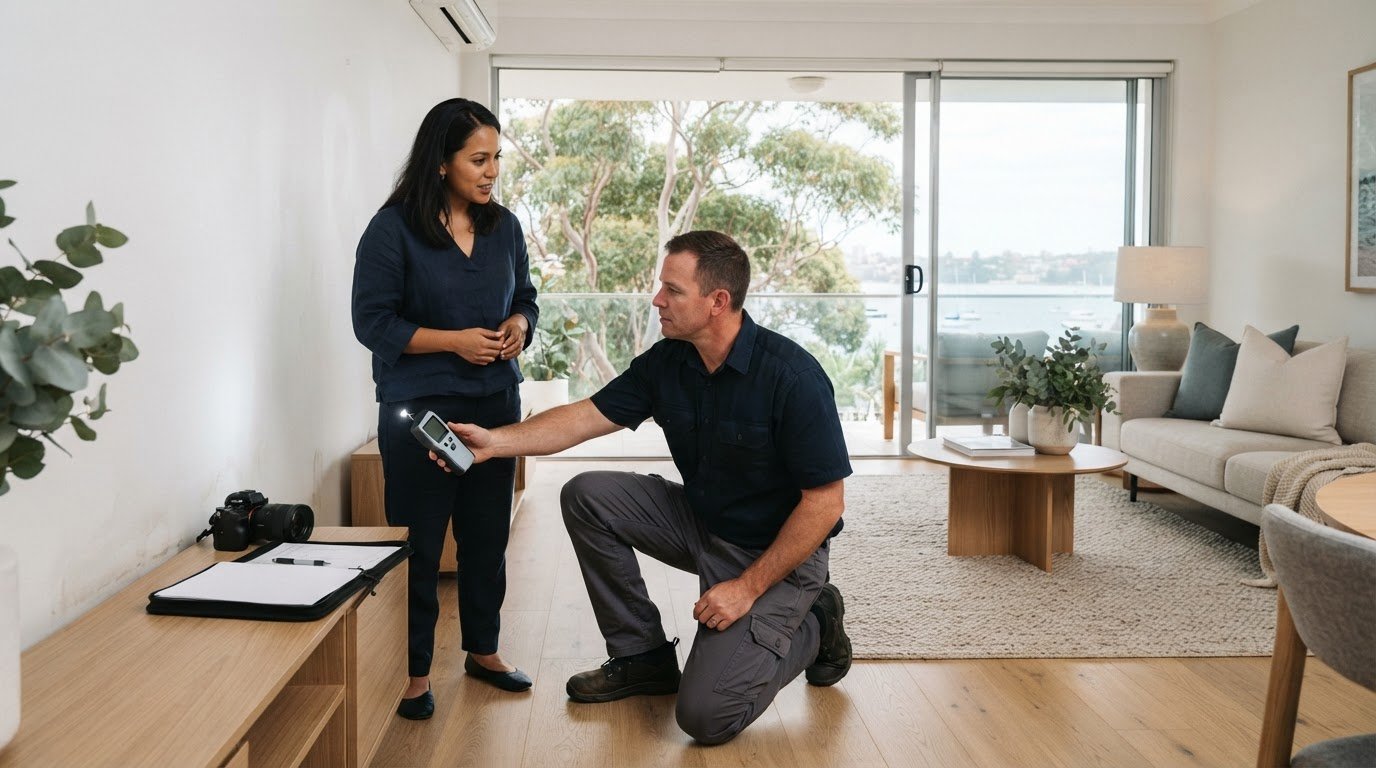
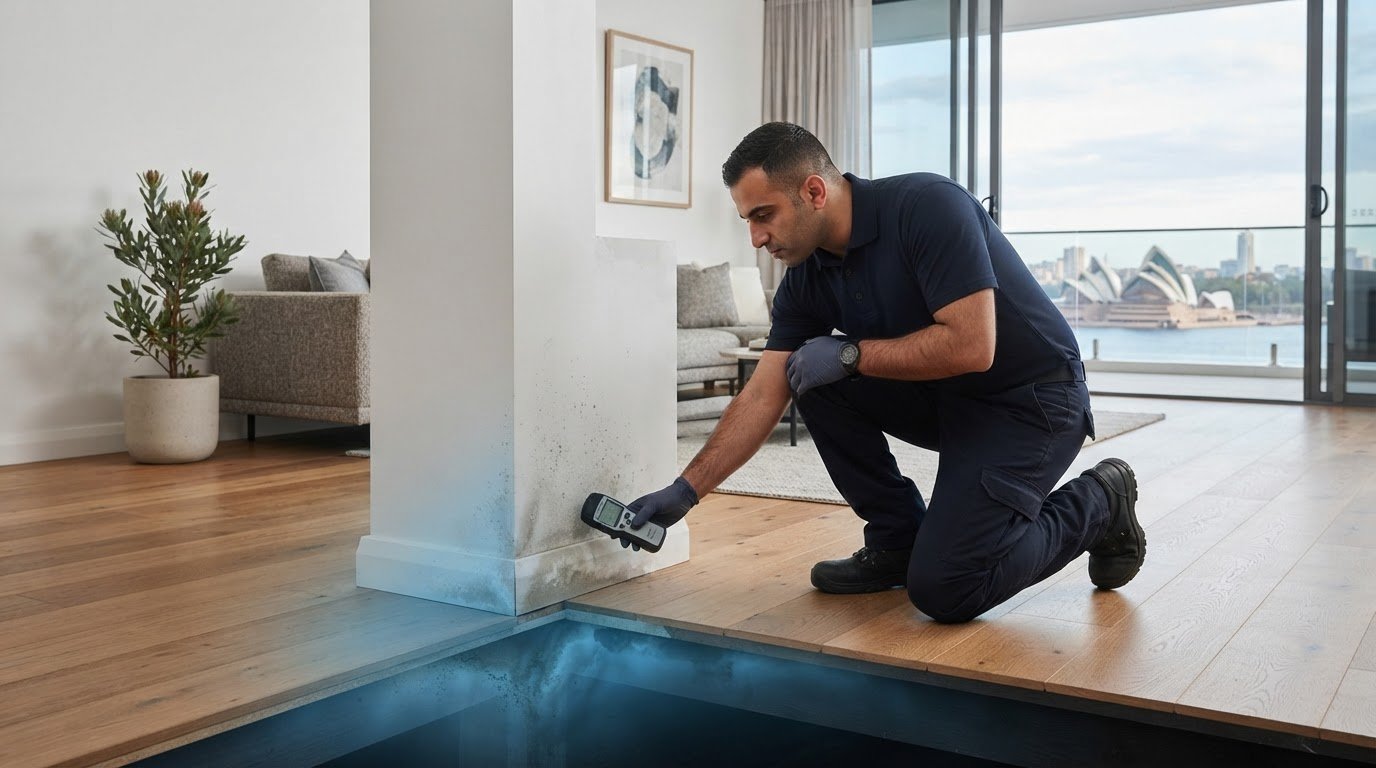
A mould inspection assesses air quality, humidity, ventilation and structural dampness. Considering these factors together helps build a clearer picture of conditions inside the home and beneath the floor, where accessible. It can also help distinguish a possible airflow concern from other moisture conditions that may need a different response.
Photos can support an initial assessment, but they can’t establish every hidden condition or replace every on-site inspection. For many cases, a photo assessment provides a same-day quote. An on-site inspection is available when deeper contamination is suspected. This approach uses the information available without promising a diagnosis from images alone.
What happens if mould or water damage is also present?
Subfloor ventilation installation, mould removal and water damage restoration are separate responses. Ventilation is intended to manage airflow beneath the floor; it doesn’t remove existing mould or repair water damage. If mould is present, removal may need to be considered separately, while water damage requires attention to the damage and moisture source.
ABC uses the Goldmorr System for mould removal. Goldmorr Group has supplied mould-removal solutions since 1998, and Goldmorr products may only be applied by Goldmorr-approved and trained master technicians. All treatments are safe for pets, people, and the environment. Optional mycotoxin testing referrals are also available.
For homeowners considering ventilation solutions for california bungalow Australia, ABC can consider inspection findings alongside subfloor cleaning and ventilation installation needs. We Will Beat Any Written Quote By 10%. For many cases, you can send photos for an assessment and same-day quote. Call 0488 866 853 to discuss the next step for your bungalow.
Take the Next Step Toward a Drier, Healthier Bungalow
Don’t let recurring dampness turn into a guessing game. The next step isn’t automatically adding vents. Build a clearer picture of where moisture is collecting and what response fits your home, so changes can be considered with care for the bungalow’s character.
Use the signs you’ve observed to guide a tailored assessment. The right ventilation solutions for california bungalow Australia should reflect the property’s actual conditions, not just its age or architectural style. With a clearer understanding of the moisture pathway, you can make an informed plan for the subfloor and any related concerns.
ABC Mould Cleaning Solutions can help you take that first step. Request a same-day photo assessment to discuss your bungalow’s moisture concerns and the appropriate next step. For many cases, photos can support a same-day quote, while an on-site inspection is available when deeper contamination is suspected.
A careful assessment can replace uncertainty with a practical way forward. Your bungalow’s next steps can be considered with confidence.
Frequently Asked Questions
Does every California bungalow in Australia need subfloor ventilation?
No. A bungalow’s architectural style alone doesn’t show whether its subfloor needs ventilation changes. A home with no recurring damp signs may have different needs from one with persistent odours or visible moisture beneath the floor. Construction, alterations and site conditions all matter. An assessment can help determine whether ventilation is relevant, rather than treating an upgrade as a standard requirement for every older home.
Can blocked subfloor vents contribute to dampness in a bungalow?
Yes, blocked openings may restrict airflow beneath a suspended floor, which can contribute to damp conditions. But a blockage doesn’t prove it’s the only cause. Water entry, ground moisture or other site conditions may also be involved. Note which openings appear obstructed and whether damp signs are nearby. Don’t remove building elements to investigate; a visible check can identify a clue, not reveal every hidden condition.
Is mechanical subfloor ventilation better than passive vents for an older home?
Not in every case. Passive vents depend on natural air movement, while mechanical systems use powered airflow. The relevant question is whether the existing airflow path suits the conditions beneath that particular floor. An obstruction or unusual subfloor layout, for example, may affect how air moves. A tailored assessment can help compare options and account for the home’s construction and visible character before any change is planned.
Can ventilation solve mould if water is still entering the subfloor?
No. Ventilation may help manage subfloor conditions, but it won’t stop an ongoing leak or remove water damage. If moisture continues entering, the source needs attention as a separate issue; otherwise, mould may persist or return. Mould removal is also distinct from ventilation installation. A useful plan identifies whether water damage, mould or airflow needs attention, and whether more than one response is appropriate.
Do heritage requirements affect ventilation changes to a California bungalow?
They can, depending on the property and its location. Heritage controls and council requirements aren’t uniform across Australia, so don’t assume a rule that applies to one bungalow applies to another. Before changing visible external features, identify whether the home has relevant heritage considerations and consult the applicable council guidance. This helps owners plan ventilation work with the building’s character and local requirements in mind.
How can I tell whether musty smells are coming from the subfloor?
You can’t confirm the source from smell alone. A musty odour that seems stronger near floorboards or in a particular room may be a useful clue, but indoor humidity, water entry or other concealed dampness could also contribute. Note the location, timing and whether the smell changes after wet weather. If you’re considering ventilation solutions for california bungalow Australia, treat these observations as assessment clues, not a diagnosis.
Can ABC Mould Cleaning Solutions provide a same-day quote from photos?
Yes, a photo assessment can provide a same-day quote for many cases. Photos help communicate visible signs, such as a damp patch or mould, but they can’t show every hidden condition or guarantee a diagnosis. If deeper contamination is suspected, an on-site inspection is available. Include clear images and a brief description of where the issue appears to support the initial assessment.