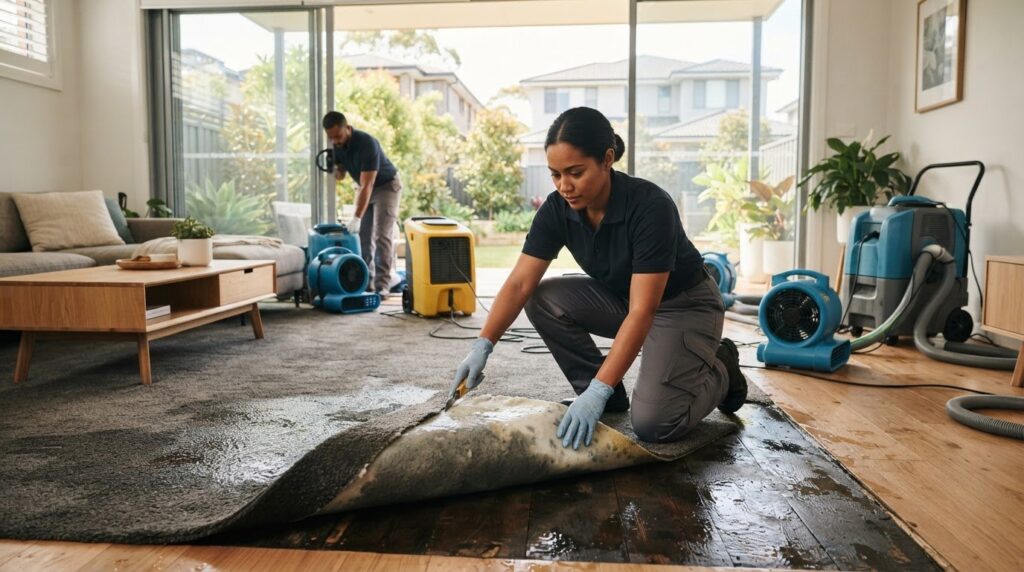
Surface water can disappear while moisture remains trapped in carpet and underlay. Mould can begin to grow in water-damaged conditions within 24 to 48 hours, so burst pipe water damage cleanup in Sydney needs to address more than what you can see. Towels and open windows alone may not dry the materials beneath the surface.
It’s understandable to focus first on the soaked carpet, but moisture can also reach flooring, walls and subfloor spaces. Acting promptly helps limit further damage and gives affected materials a better chance of drying thoroughly.
This guide explains what to do after a burst pipe or storm leak, how water removal and structural drying work, and why carpets need careful attention to reduce mould risk. You’ll also learn how the water source affects cleanup and what to expect from restoration.
Key Takeaways
- Stop a burst pipe at the water supply valve if it’s safe, and arrange a plumber to repair the pipe.
- Keep clear of flooded rooms if water may have reached electrical wiring; move furniture and photograph the damage when it’s safe.
- Cleanup needs to address water trapped beneath carpets and inside building materials, not just visible puddles.
- The water source matters: clean water from a burst pipe calls for a different response than grey water or sewage contamination.
- Inspection, mould remediation and air purification can help address moisture-related mould concerns after water damage.
Can water damage cause mould in carpets?
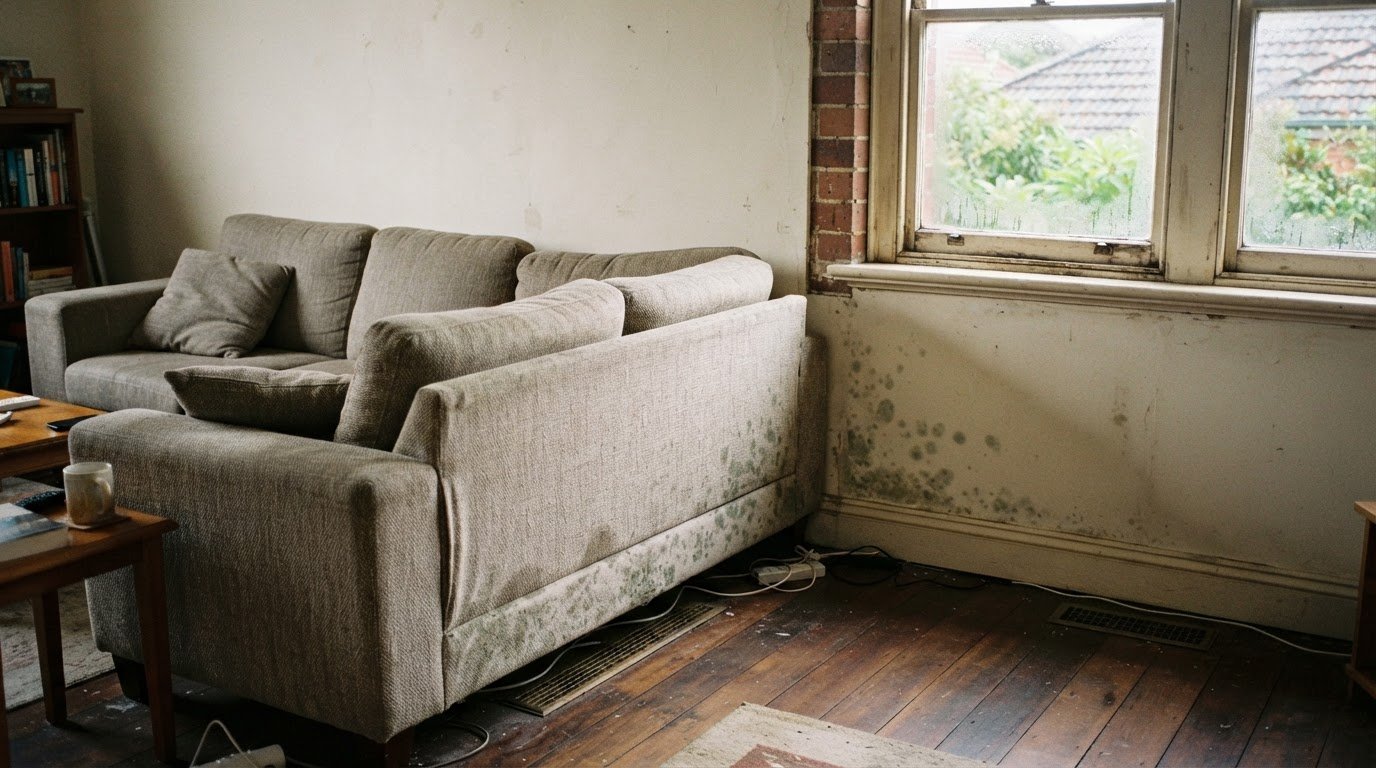
Yes. A burst pipe can soak carpet, underlay and the floor beneath. Mould may start to set in less than 24 hours, and can begin growing in water-damaged conditions within 24 to 48 hours. That makes wet carpet an urgent problem, even when the surface looks only damp. The time window is a reason to act promptly, not a guarantee that mould will appear at a set moment.
Opening a window and blotting visible water with towels won’t remove moisture trapped beneath the carpet. The pile may feel drier while the underlay remains wet against the floor. Moisture can also spread into skirting boards, wall cavities and subfloor materials. Each affected area needs attention, because drying only the visible patch can leave damp materials behind.
Preventing carpet mould starts with identifying how far the water travelled. Check carpet edges, corners, adjoining rooms and areas beneath furniture. A musty odour, discolouration or persistent dampness can signal that moisture remains. These signs don’t reveal the full extent of the damage, so include the underlay and structural materials in your assessment.
- Remove standing water promptly, rather than relying on towels alone.
- Move furniture from wet carpet to prevent moisture becoming trapped underneath.
- Keep people away from saturated areas until they can be assessed safely.
- Record visible damage with photographs before moving or removing affected items.
Carpet is only one part of the risk. Water reaching timber flooring, plasterboard or subfloor materials can damage finishes and leave persistent dampness. A soaked carpet beside a wall, for example, may conceal moisture along the skirting board. Structural drying must account for connected materials, not just carpet fibres.
Dehumidifiers can support drying, but placing one in a room doesn’t prove the carpet backing or underlay is dry. Effective prevention means removing moisture from affected materials and checking concealed areas. Airflow, how far the water spread and the materials involved all influence the drying approach. Don’t cover damp carpet with rugs or furniture, as this restricts airflow.
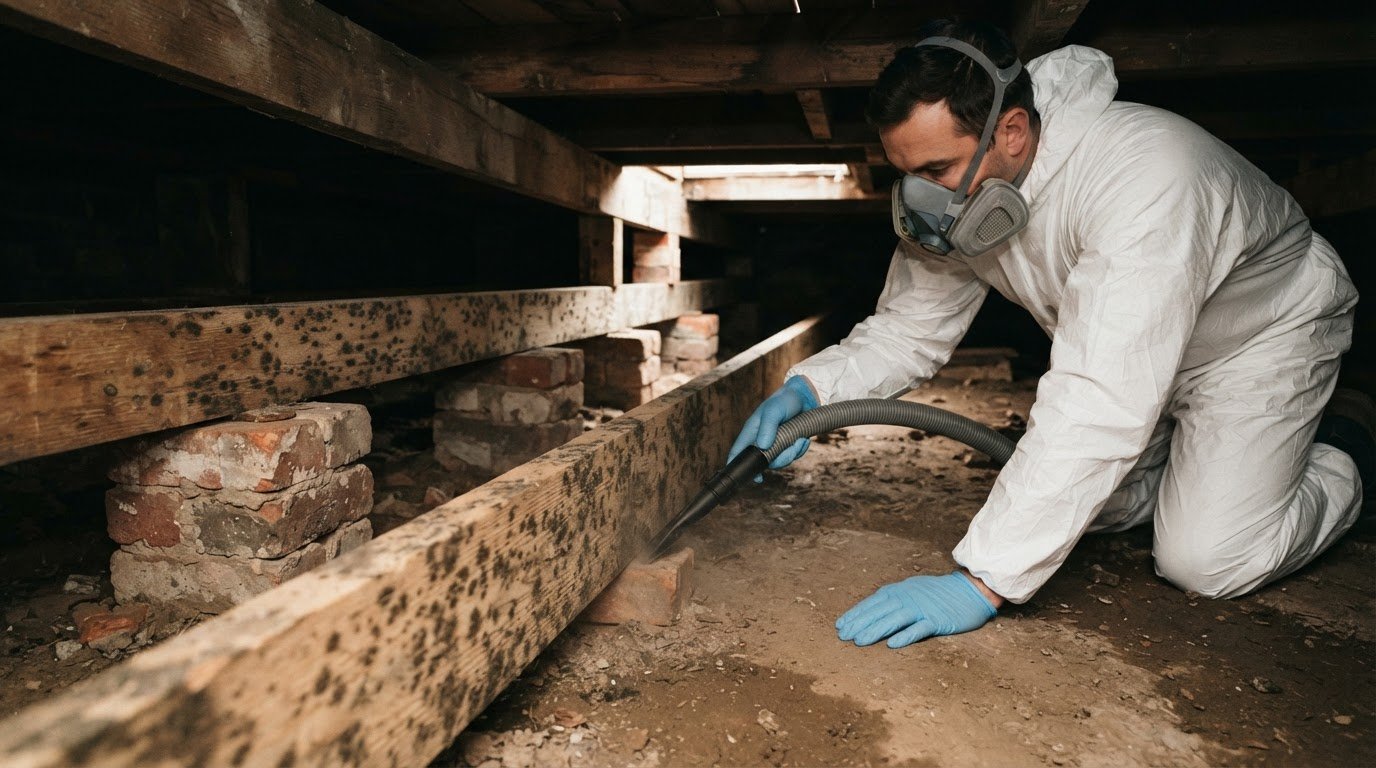
If mould is visible or a musty smell persists after water damage, mould remediation may be needed. Cleaning the carpet surface alone can miss growth or moisture in the underlay and adjoining structures. An inspection can help identify where mould is present and which materials need attention. Cleanup should also account for whether the water came from a clean source or was contaminated.
At home, damp carpet can make rooms unusable and leave odours that linger after surface cleaning. At a business, affected work areas may disrupt operations until drying and remediation are addressed. Prioritise the wettest rooms, record affected materials and arrange an assessment promptly. These steps help limit further moisture damage and inform your next decisions.
Standing water extraction
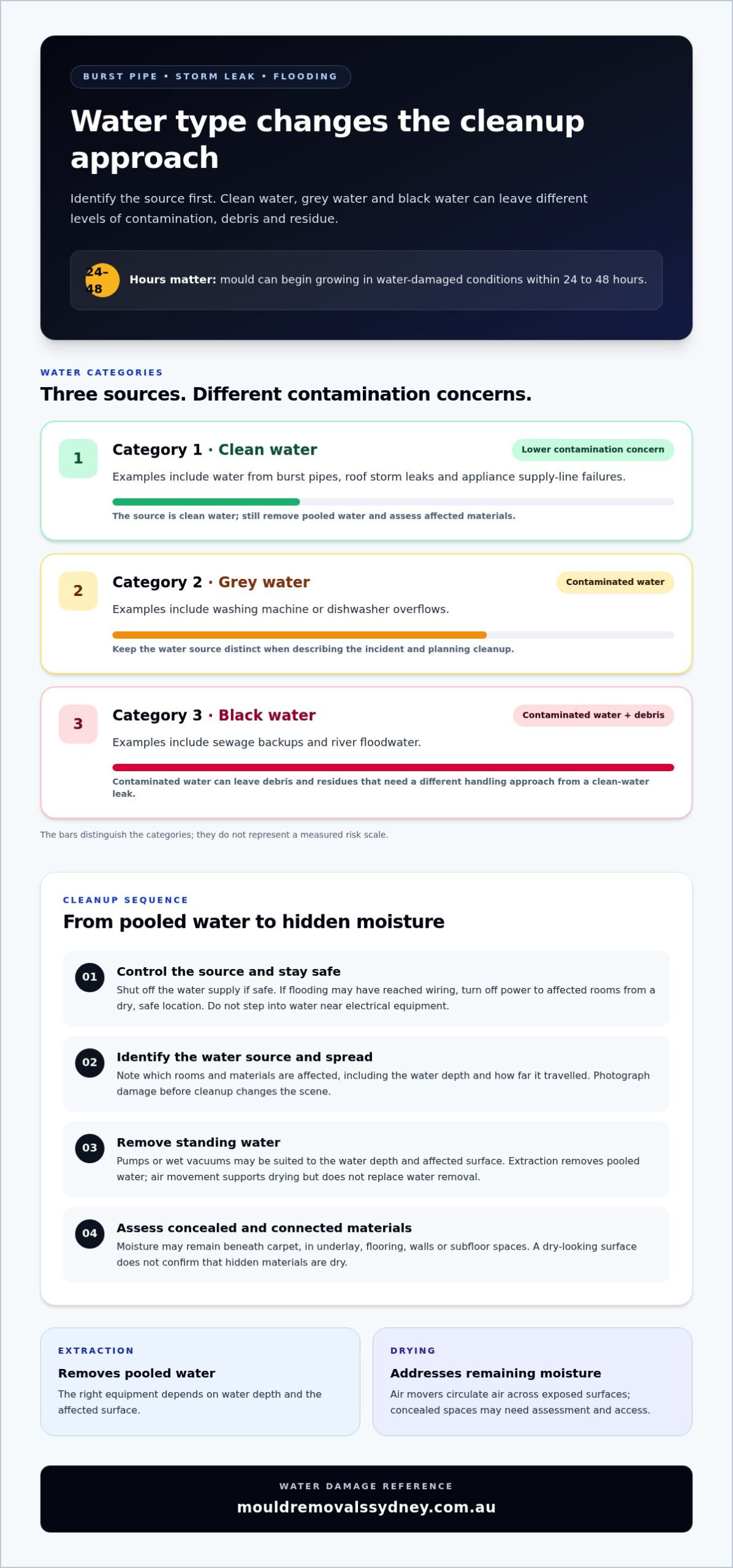
Standing water must be removed before drying and restoration can address wet building materials. After a burst pipe, shut off the water supply valve if it’s safe to reach. If flooding may have reached wiring, turn off power to affected rooms from a dry, safe location. Don’t step into water near electrical equipment. Once immediate hazards are addressed, identify where water has pooled and how far it has spread.
The water source guides the cleanup. Category 1 water includes clean water from burst pipes, roof storm leaks and appliance supply-line failures. Category 2 grey water includes washing machine or dishwasher overflows. Category 3 black water includes sewage backups and river floodwater. These categories matter because contaminated water can leave debris and residues that require a different handling approach from a clean-water leak.
Water extraction may involve pumps or wet vacuums suited to the water depth and affected surface. A shallow puddle on a tiled floor differs from water beneath floorboards or spread through carpet. Remove loose items and debris only if it’s safe, and keep contaminated materials separate from belongings that remain dry. Don’t use household equipment in standing water or near wet electrical connections.
Once bulk water is removed, restoration teams can assess what remains in flooring, walls and furnishings. Air movers circulate air across exposed surfaces, while extraction equipment removes pooled water. These steps serve different purposes: air movement supports drying but doesn’t replace water removal. Water trapped beneath a floating floor, for example, may require access to the concealed space before drying can begin.
- Stop the leak at its source if safe, then keep clear of electrical hazards.
- Note which rooms and materials were affected, including water depth and spread.
- Keep clean, grey and black water sources distinct when describing the incident.
- Photograph damage and debris before cleanup changes the scene.
Emergency flooding can happen outside ordinary business hours, prompting searches for 24/7 water extraction. That phrase concerns response availability, not a different extraction method. The key steps remain stopping the source, assessing water type, removing pooled water and preparing affected materials for drying. For example, a storm leak may need roof-water cleanup, while a sewage backup involves contaminated water and debris.
Once the water source is controlled, arrange an assessment of the affected rooms and materials. Extraction alone won’t resolve hidden moisture or determine whether flooring can be retained. If you need help with the next stages after a leak or flood, explore water damage cleanup support in Sydney.
Structural drying and dehumidification
After extraction, drying must address moisture inside building materials, not just damp surfaces. Damp carpet, underlay and subfloor materials can develop mould within 24 to 48 hours of water exposure.
Moisture Monitoring and Drying Equipment
Moisture monitoring helps locate damp areas and track drying progress. A technician can compare readings from affected materials with nearby unaffected areas, then adjust equipment placement. Dehumidifiers remove moisture from indoor air, while air movers circulate air across wet surfaces. In a commercial space, equipment hire may be an option, but the number and placement of units depend on the rooms, materials and extent of the water spread.
Carpet, Underlay and Subfloor Drying
Carpet, underlay and subfloor layers can each hold moisture. The carpet surface may feel dry while its backing or underlay remains damp, and water can collect beneath flooring. Drying plans should account for each layer and concealed spaces water has reached. If dampness persists beneath a carpet, lifting an edge for assessment can reveal whether the underlay or subfloor also needs attention.
Wet Carpet and Timber Floor Drying
Carpet and timber respond differently to water. Air movement across carpet can support surface drying, but the underlay and floor below still need assessment. Timber flooring may absorb moisture through its joints, causing boards to swell or distort. Position drying equipment to circulate air across affected areas, including edges, doorways and spaces beneath furniture. Moisture checks help show whether materials are drying evenly.
Commercial drying equipment may include dehumidifiers and air movers suited to the affected rooms. Hire equipment may suit a contained area, but larger premises can have moisture across multiple rooms, wall cavities or floor assemblies. The drying setup needs to match these conditions. A warehouse with wet concrete requires a different approach from an office with carpet and suspended flooring.
Keep a clear record of wet rooms, affected materials and moisture readings. Recheck areas near walls, thresholds and fixed cabinetry, where airflow may be limited. If readings remain elevated, equipment placement or access to concealed materials may need to change. A mould inspection can help identify concerns when dampness or odour remains after drying. Complete the drying assessment before replacing floor coverings or returning furniture to affected spaces.
How quickly should water damage be treated in Sydney?
Act as soon as it’s safe: water-damaged carpets and structures should ideally be attended to within the first 24 to 48 hours. Mould can begin developing in damp carpet, underlay and subfloor materials within 24 to 48 hours of exposure.
Emergency Response to Floods, Leaks and Burst Pipes
During a Sydney flood or leak, address immediate hazards first, then limit further water entry if it’s safe. Move furniture to a dry location, ventilate flooded areas when conditions allow, and photograph damage before cleanup changes the scene. For strata or commercial properties, record which units, rooms, shared corridors or work areas are affected. This helps coordinate access and supports a thorough restoration response.
Water damage restoration in Sydney can involve several connected spaces, particularly in strata buildings. Water may travel from an affected apartment into a hallway or neighbouring unit, so notify the relevant occupants or building contact. Keep people away from flooded rooms if water may have reached wiring. Restoration technicians need clear access to affected areas, including entrances and shared spaces.
Water Shutoff and Emergency Professional Support
To shut off water at home, locate the main water meter or isolation valve and turn its tap or lever to the closed position. If the burst pipe has a nearby isolation valve, closing it may stop the flow to that fixture. Don’t enter a flooded space to reach a valve if electrical hazards are possible. Have a licensed plumber repair the pipe, then arrange restoration for wet materials.
Call a plumber if a pipe has burst, a fitting is leaking or water continues to flow after shutoff. Contact a water damage restoration company promptly when water has spread into carpets, flooring, walls or other building materials. A reliable restoration response includes assessing affected areas, explaining the drying plan and monitoring moisture. The word “certified” alone doesn’t explain what work the property needs.
Electrical safety comes first. If flooding may have reached wiring, turn off power to affected rooms only from a dry, safe location. Don’t touch switches or electrical equipment while standing in water. If you can’t safely reach the switchboard, keep clear of the flooded area and wait for qualified assistance.
For strata managers and businesses, assign one contact to coordinate access, record affected units and share updates. A closed office or wet shared corridor can disrupt daily operations, while delayed access can slow inspection and drying. Photograph damage in each area, including belongings and building materials, and keep the records with the incident details.
Home insurance cover for burst pipes and resulting water damage depends on the policy wording, cause and exclusions. Photograph the damage, record when the leak was found, keep relevant documents and contact your insurer to follow its claims process.
Reduce the risk of repeat water damage by checking visible pipework, appliance hoses, roof areas and drainage for leaks or deterioration. Address small leaks promptly, and learn where the main shutoff valve is before an emergency. After repairs, watch previously affected rooms for renewed dampness or odour.
Burst pipe and storm damage cleanup
A burst pipe and a storm leak can both flood a Sydney property, but water may enter in different ways. A split pipe can release water inside a wall or beneath flooring, while roof damage can let rainwater reach ceilings and insulation. Cleanup must trace the water’s route, not just dry the visible surface. This helps locate hidden moisture and limit secondary damage.
After discovering a burst pipe, shut off its water supply valve if it’s safe to reach. Arrange for a plumber to repair the pipe rather than attempting the work without the necessary expertise. With a storm leak, prevent further rain from entering only if you can do so safely. Don’t climb onto a wet roof or enter a flooded room where electrical hazards may be present.
Once the source is controlled, take practical steps to protect the affected area and support cleanup:
- Move furniture and belongings to a dry location if the route is safe.
- Photograph wet ceilings, walls, flooring and damaged contents before cleanup.
- Ventilate flooded areas when it’s safe and outdoor conditions allow.
- Keep people away from rooms where water may have reached electrical wiring.
- Note which rooms, materials and contents were affected.
A storm leak may leave water above a ceiling, behind plasterboard or inside insulation. Water from a burst pipe can travel along a wall cavity and emerge far from the break. A wet patch on a hallway ceiling, for example, may be below a roof entry point elsewhere. The visible mark may not show the full extent of the damage, so restoration should account for adjoining surfaces and concealed spaces.
Cleanup also depends on the water source. A burst pipe or roof storm leak is identified as a Category 1 clean-water source in the restoration guidance. However, water can pick up contaminants as it moves through building materials or across dirty surfaces. Don’t treat sewage backups or river floodwater like a clean pipe leak. The source and route guide safe removal, debris handling and the drying plan.
For damage restoration in Sydney, sequence matters: control the leak, document the damage, remove water and debris, then dry affected materials before repairs or replacement. Painting over a damp ceiling, for example, can conceal ongoing moisture instead of resolving it. If rain has soaked insulation or a burst pipe has affected multiple rooms, have the full affected area assessed before closing surfaces.
Prompt, thorough cleanup can limit disruption to a home or business by identifying what needs drying and what needs repair. If a burst pipe or storm leak has left your property flooded, arrange water damage restoration support for the affected areas.
ABC Mould Cleaning Solutions: Air Purification & Scrubbing
ABC Mould Cleaning Solutions can help if water damage leaves visible mould, a lingering musty smell or concerns about airborne spores. Its Mould Inspection Services assess affected areas, while Mould Remediation addresses mould growth. Air Purification & Scrubbing can help when airborne spores are a concern.
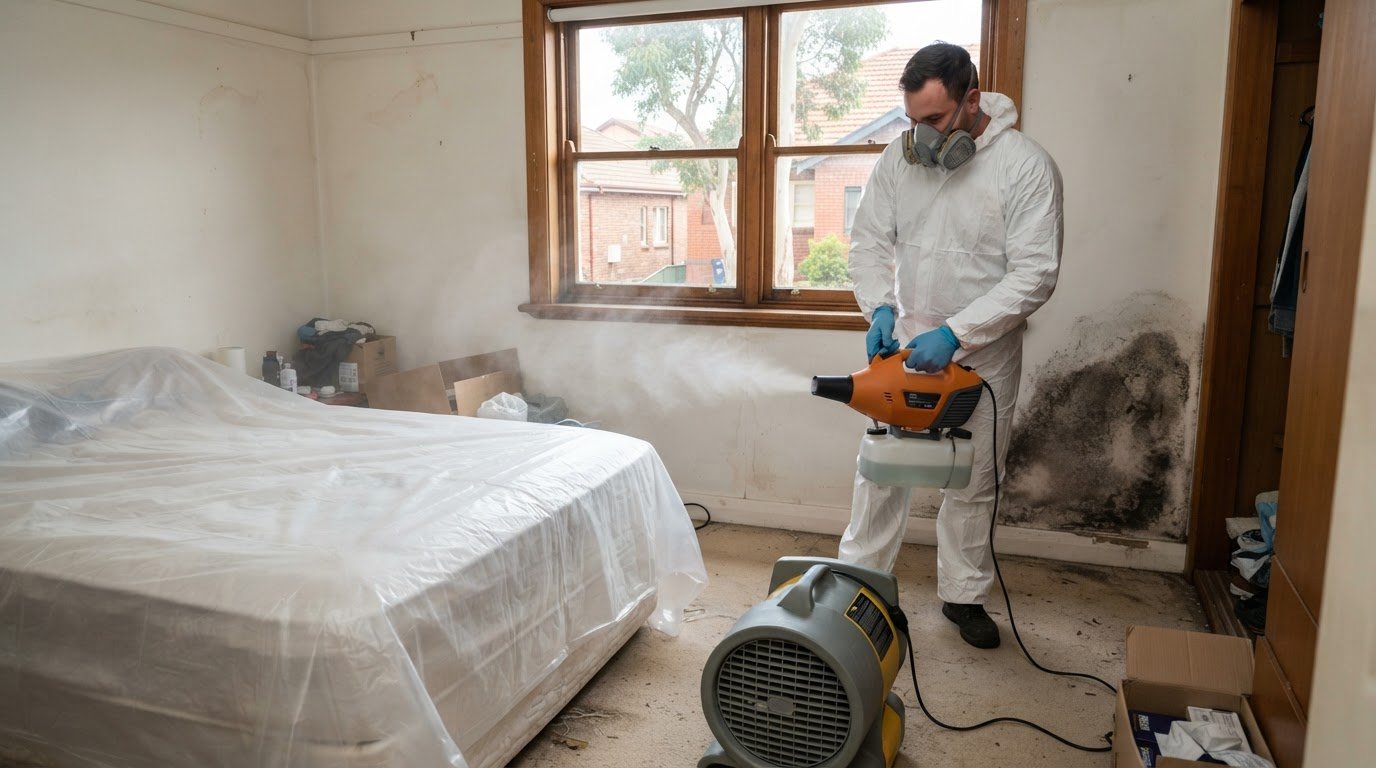
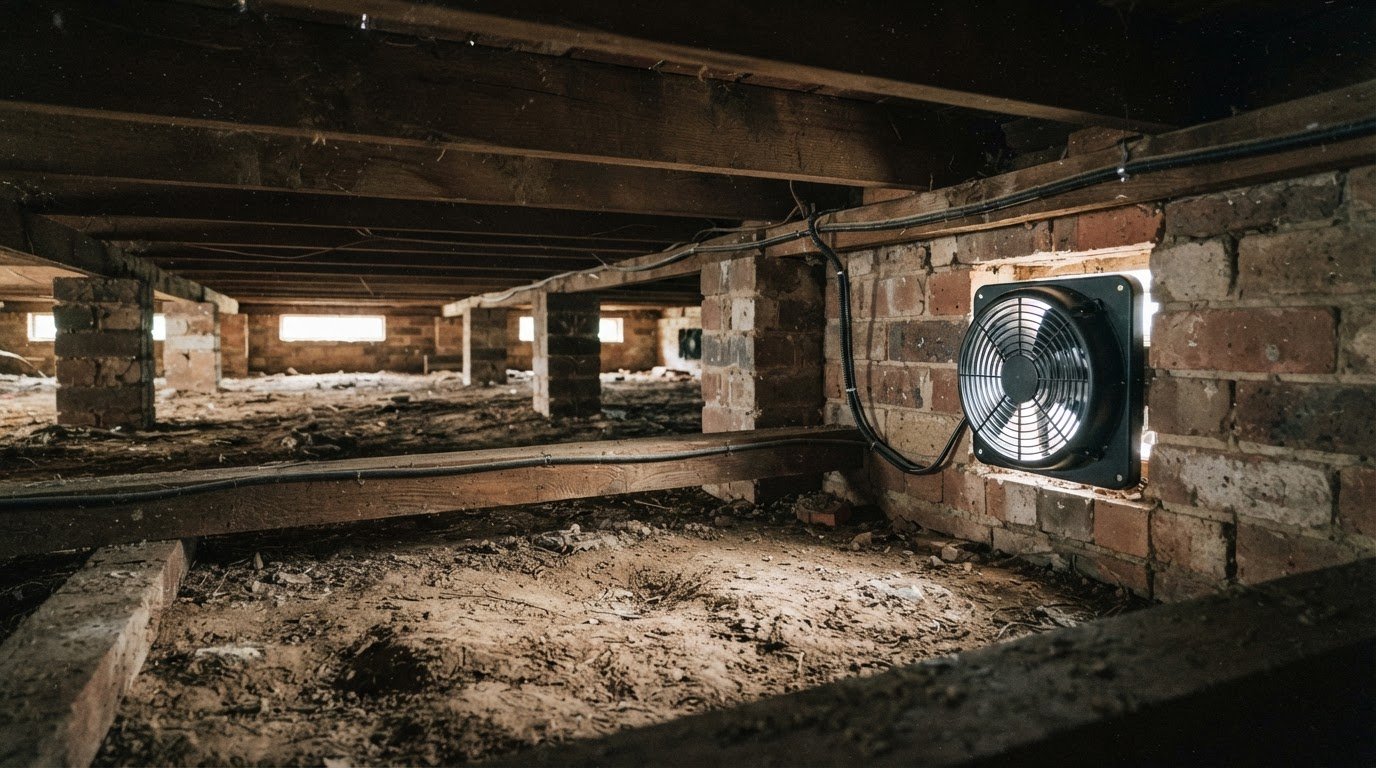
The team uses the Goldmorr System, a biodegradable fogging process designed to address surface mould and airborne spores. If dampness affects a subfloor, Subfloor Ventilation System Installation can help address conditions contributing to moisture buildup. These services complement water extraction and structural drying; they don’t replace repairing a burst pipe or drying wet building materials.
If mould concerns remain after a leak or storm, contact ABC Mould Cleaning Solutions to discuss the affected areas and next steps.
Make the Next Recovery Step Count
Once the immediate disruption is under control, let the condition of each affected space guide what happens next. A room that looks ready may still need attention before belongings return or normal routines resume. Base decisions on the property’s actual condition, especially where moisture, odour or visible mould remains. This helps avoid treating a quick cosmetic fix as a complete recovery.
For burst pipe water damage cleanup in Sydney, ABC Mould Cleaning Solutions can help with mould-related concerns that may follow water damage. Its Mould Inspection Services assess affected areas; Mould Remediation addresses mould growth, and Air Purification & Scrubbing supports air treatment. Choose the next step based on what the property needs, whether that means assessing a concern or addressing mould already present.
Take the next step with a clear account of the affected rooms and your concerns. Contact ABC Mould Cleaning Solutions to discuss your situation and move forward with confidence.
Frequently Asked Questions
What should I do in the first hour after flooding?
Prioritise safety, stop further water entry if you can do so safely, and keep people away from flooded rooms where electrical hazards may be present. Once it’s safe, note the affected rooms and photograph them before moving belongings. For example, capture water marks on walls as well as wet contents. If flooding affects a shared building, notify the strata contact to coordinate access and updates.
What should you do immediately after a burst pipe causes water damage in Sydney?
Shut off the water supply valve if it’s safe, then arrange for a licensed plumber to repair the pipe. Don’t attempt repairs without the necessary expertise. Keep clear of flooded areas if water may have reached wiring, and don’t touch switches from a wet area. For burst pipe water damage cleanup in Sydney, note where the water travelled, including adjoining rooms and spaces below the leak.
How does professional burst pipe water damage cleanup work, including water extraction and drying?
Cleanup generally involves controlling the leak, removing pooled water, assessing affected materials, and drying both concealed and visible areas. The water source informs the handling plan: a pipe leak differs from a washing machine overflow or sewage backup. Water beneath flooring, for instance, may require access before drying equipment can reach the damp space. Follow-up moisture checks help track whether materials are drying.
How long does burst pipe water damage cleanup take in Sydney?
How long drying takes depends on how far the water spread, which materials absorbed it and whether moisture is hidden behind walls or beneath flooring. A small affected area with accessible surfaces differs from a leak that reaches underlay, timber or wall cavities. Drying equipment and moisture checks help monitor progress. A room isn’t necessarily ready just because its visible surfaces feel dry.
What are the health risks of contaminated floodwater, dampness, and mould after a burst pipe?
Contaminated water and persistent dampness require careful handling. Floodwater may contain sewage or other contaminants, while damp carpet, underlay and building materials can support mould growth. Avoid direct contact with contaminated water and keep people away from affected areas until cleanup has addressed the source and materials. Don’t disturb visible mould or cover it with paint; arrange an assessment if growth or a musty odour remains.
What should you document and avoid doing before cleanup and repairs begin?
Photograph affected rooms, surfaces, belongings and the apparent water source before cleanup changes the scene. Record when you discovered the leak and which areas were affected, then keep relevant receipts or repair records together for your insurer. Don’t enter unsafe flooded rooms, use electrical equipment in wet areas or cover damp surfaces with rugs or paint. Document damaged items before discarding them.
How can you choose a reliable water damage restoration company in Sydney?
Choose a company that assesses the water source and concealed moisture, removes standing water, monitors structural drying, and addresses mould concerns. Arrange an on-site inspection, after which restoration pricing can be quoted.