The evidence needed for an NCAT mould hearing is usually more than one striking photo. A dated image can show where mould was visible, but it may not explain when it appeared, what may have contributed to it, or whether the concern was reported and addressed.
If you’re concerned the other party may dispute notice, responsibility or the adequacy of repairs, start by gathering records in date order. This checklist covers photographs, messages, property records and inspection findings, and explains what each can and cannot show.
Separate evidence that mould was present from evidence about possible moisture sources, responses to your concerns and impacts on you or the property. Prepare questions about any gaps in the timeline and check current NCAT directions for your matter. A professional mould inspection can document observed conditions and help identify possible moisture concerns, but it doesn’t decide legal responsibility or determine the hearing result.
Key Takeaways
- Focus your file on the facts in dispute and the orders you’re seeking, rather than collecting unrelated records.
- Use the evidence needed for NCAT mould hearing to build a clear timeline of discovery, communication, inspections and repairs.
- Label photos and records with dates and context so it’s easier to understand what each item shows.
- Organise your material with a concise chronology and index, then check current NCAT directions for filing and exchange requirements.
- Use inspection findings to understand observed mould and possible moisture concerns, without treating them as a decision on legal responsibility or the hearing outcome.
Evidence needed for an NCAT mould hearing: start with the issues in dispute
You don’t need a mountain of paperwork. You need a relevant, readable record that helps explain the issues in your case. Start with your NCAT application and the other party’s response. Note what each side agrees on, what is disputed and what orders you’re asking the Tribunal to make. Then gather material that relates to those points.
A photograph may show mould on a wall, but not when it appeared, whether it was reported, what happened after notice or what may have contributed to it. Keep those questions separate. Tenancy records provide context about the property and agreement. Photos and videos document observed conditions. Messages can show what was communicated and when, while repair and maintenance records may help trace inspections and work carried out.
Mould can have different causes, so its presence alone doesn’t prove how it developed or who was responsible. For general background on the health effects of indoor mould, see this overview. The evidence needed for an NCAT mould hearing depends on the issues raised in the application, the response and current Tribunal directions. NCAT considers the material before it and the applicable law. No single photo, message or report guarantees a particular outcome.
What does the evidence need to help establish?
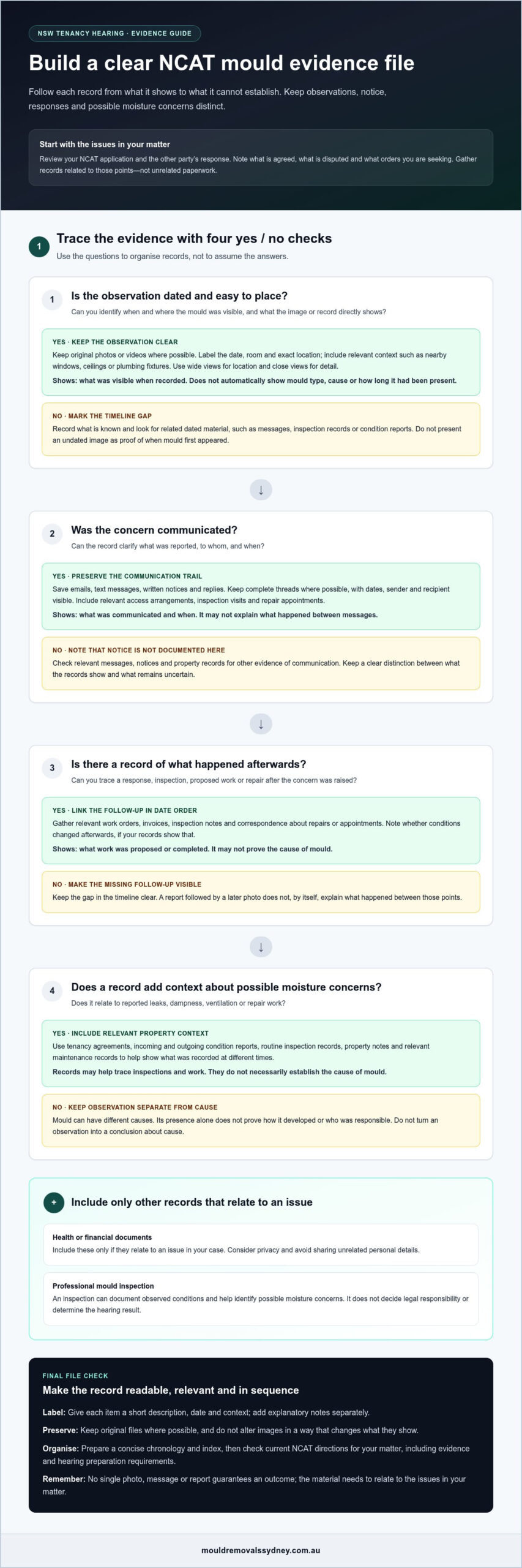
Use questions to organise the evidence, not to assume the answers. When was mould first observed? Where was it, and what did it look like? When and how was it reported? What response, inspection or repair followed? Did conditions change afterwards? Records may also help identify possible moisture concerns, but observations alone may not establish their cause.
For each item, ask what it directly shows and how it relates to an issue in dispute. A maintenance request may document a report, while a later photo may show conditions on a particular date. Neither necessarily explains what happened between those points.
Who should use this checklist, and what can it not do?
This checklist is for tenants, landlords and property managers preparing for a NSW tenancy hearing. It can help you put records in sequence and identify gaps, but it can’t decide which evidence NCAT will accept or predict the result. A property inspection may document observed mould conditions and help investigate possible moisture concerns. It doesn’t determine legal responsibility.
This article provides general information, not legal advice. Check the current NCAT directions for your matter, including instructions about evidence and hearing preparation. If you’re unsure how the law applies to your circumstances or what orders to seek, get case-specific legal advice.
NCAT mould hearing checklist: documents, photographs, and records to gather
Group your file so you can quickly find records and understand what each may clarify. The evidence needed for an NCAT mould hearing depends on the issues in your matter. Use this checklist as a starting point, not as a requirement to submit every item.
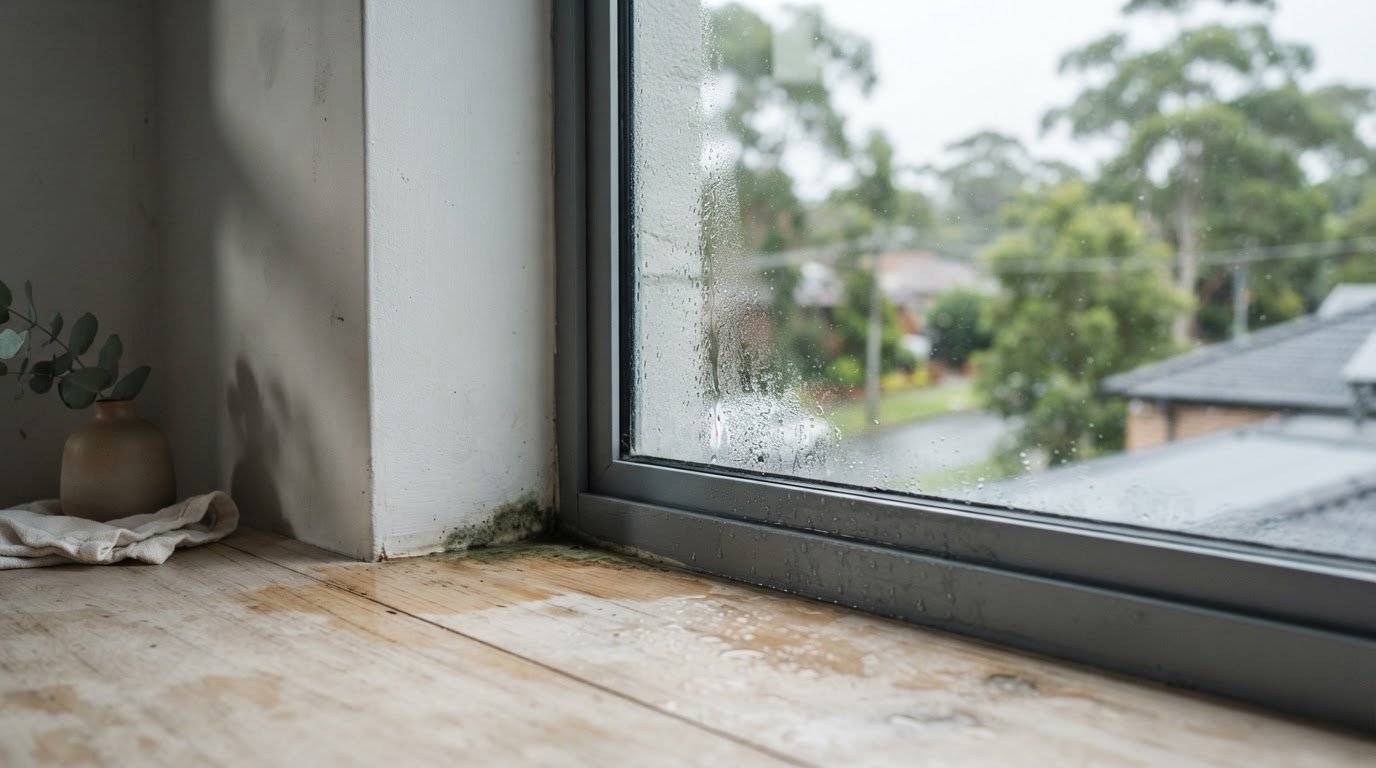
- Photographs and videos: Keep original files where possible. Record the date, room, exact location and relevant context, such as nearby windows, ceilings or plumbing fixtures. Take wide views to show where the affected area is, then close views for detail. Images document what was visible when taken; they don’t automatically establish mould type, cause or how long it had been present.
- Tenancy and condition records: Gather the tenancy agreement, incoming and outgoing condition reports, routine inspection records and relevant property notes. These may establish tenancy context or show what was recorded at different times.
- Communications and notices: Save emails, text messages, written notices and replies. Preserve complete message threads where possible, with dates, sender and recipient visible. Include access arrangements, inspection visits and repair appointments to help clarify what was communicated and when.
- Repairs and maintenance: Collect work orders, invoices, inspection notes and correspondence about reported leaks, dampness, ventilation or repairs. These records may show what work was proposed or completed, but may not prove the cause of mould.
- Health or financial documents: Include these only if they relate to an issue in your case. Consider privacy carefully and avoid sharing unrelated personal details. A document’s usefulness depends on the questions NCAT needs to consider.
Make each record easy to understand
Label each photo or document with a short description, such as “Bedroom, north wall, 12 May” or “Email reporting bathroom ceiling marks.” Keep a copy of the original and don’t alter images in a way that changes what they show. Add any explanatory notes separately.
For general background, read what mould is and how it develops. General information can explain concepts, but it doesn’t prove what caused mould in a particular home. For NSW renting guidance, consult the minimum housing standards information from NSW Fair Trading, and relate any material you rely on to the facts of your matter.
A professional mould inspection can document observed conditions and help identify possible moisture concerns. Keep that purpose distinct from deciding legal responsibility or predicting what NCAT will accept.
How to connect mould observations with notice, moisture, and responses
A chronological record can show how mould observations, reports and follow-up relate to one another. Keep it neutral: record what you observed, what was communicated and what happened next. Don’t turn a sequence of events into a conclusion about cause or responsibility unless the supporting material establishes that point.
Create a dated mould and communication timeline
List events from the start of the tenancy through discovery, reporting, inspections, repairs and later observations. Give each event a number and cross-reference its supporting item, such as a photo, message, inspection note or receipt. Include the date, people involved and a brief, factual description of what the record says.
- Tenancy start: Note relevant condition report entries or inspection records.
- First observation: Record when and where you noticed visible mould. If you don’t know the exact date, mark it as an estimate and note what supports it, such as a dated message or photo.
- Notice and response: Record when the concern was raised, who received it and any reply. Include proposed access, inspection or repair appointments, whether they went ahead and any documented changes.
- Follow-up: Add later observations and records of completed work. Note whether the visible condition changed, remained or returned, without assuming why.
Use precise wording. “Photo taken on 12 May shows dark marks near the bedroom window” describes an observation. “A roof leak caused the mould” states a cause and needs supporting evidence. This distinction helps keep the timeline credible and makes it easier to spot where records agree, differ or leave gaps.
Document possible moisture sources carefully
Record visible signs such as water staining, damp materials, condensation, a reported leak or a ventilation concern. Note the location, date and source of the information. If a tradesperson or inspector recorded an observation, attribute it to that record rather than presenting it as your own diagnosis. Appearance alone may not establish a building defect, the cause of mould or who is responsible.
For general context about how water damage and mould can relate, read the Sydney water damage repair guide. Background information doesn’t prove what happened at a particular property. NCAT’s guidance on evidence for a tenancy hearing can help you check current hearing preparation information. The evidence needed for an NCAT mould hearing should connect each event to a disputed issue, without treating the timeline alone as proof of legal liability.
For property-focused help documenting observed conditions and possible moisture concerns, explore professional mould inspection.
Prepare and present your NCAT mould evidence clearly
An organised file makes it easier to locate records and explain why they matter. Keep the material focused on the issues in your application or response, and follow the current directions for your case. Filing, service, deadlines and permitted formats may depend on those directions, so check them before sending or bringing anything. Don’t assume the same number of copies or format applies to every hearing.
Organise the evidence bundle
Use a simple index and group documents under clear headings, such as tenancy records, mould observations, communications and repair history. Number each item consistently, then use those labels in a short chronology. For example, “Photo 3” or “Email 5” should identify one specific record.
- Check readability: Make sure dates, filenames, message details and page numbers can be read.
- Match references: Confirm that the chronology’s labels match the documents and images in the bundle.
- Keep source material: Retain original files and a separate working copy. Avoid editing originals in ways that could change what they show.
- Stay relevant: Include material that relates to the application, response or Tribunal directions. Unrelated records can make key information harder to find.
For each item, prepare a short, neutral note explaining what it shows and which disputed issue it relates to. A message might show that a concern was reported on a particular date. A photograph might show visible marks in a room. Don’t claim either proves more than it does.
Plan for questions at the hearing
Practise describing events in date order. Be ready to explain what you personally saw, what someone else told you and which record supports each point. If you’re unsure of a date, say so and explain the basis for your estimate. Be clear about the limits of what you know.
Don’t overstate what photographs, general information or an inspection record establish about mould species, cause, health effects or responsibility. A property inspection may document observed conditions and help identify possible moisture concerns, but it doesn’t decide legal responsibility or guarantee that a report will be accepted as evidence. Present the evidence needed for an NCAT mould hearing accurately and in line with current directions.
If your matter is complex or you’re unsure what evidence to file or serve, seek case-specific legal advice. For property-focused help documenting mould conditions and possible moisture concerns, explore professional mould inspection services.
When a professional mould inspection can add useful property context
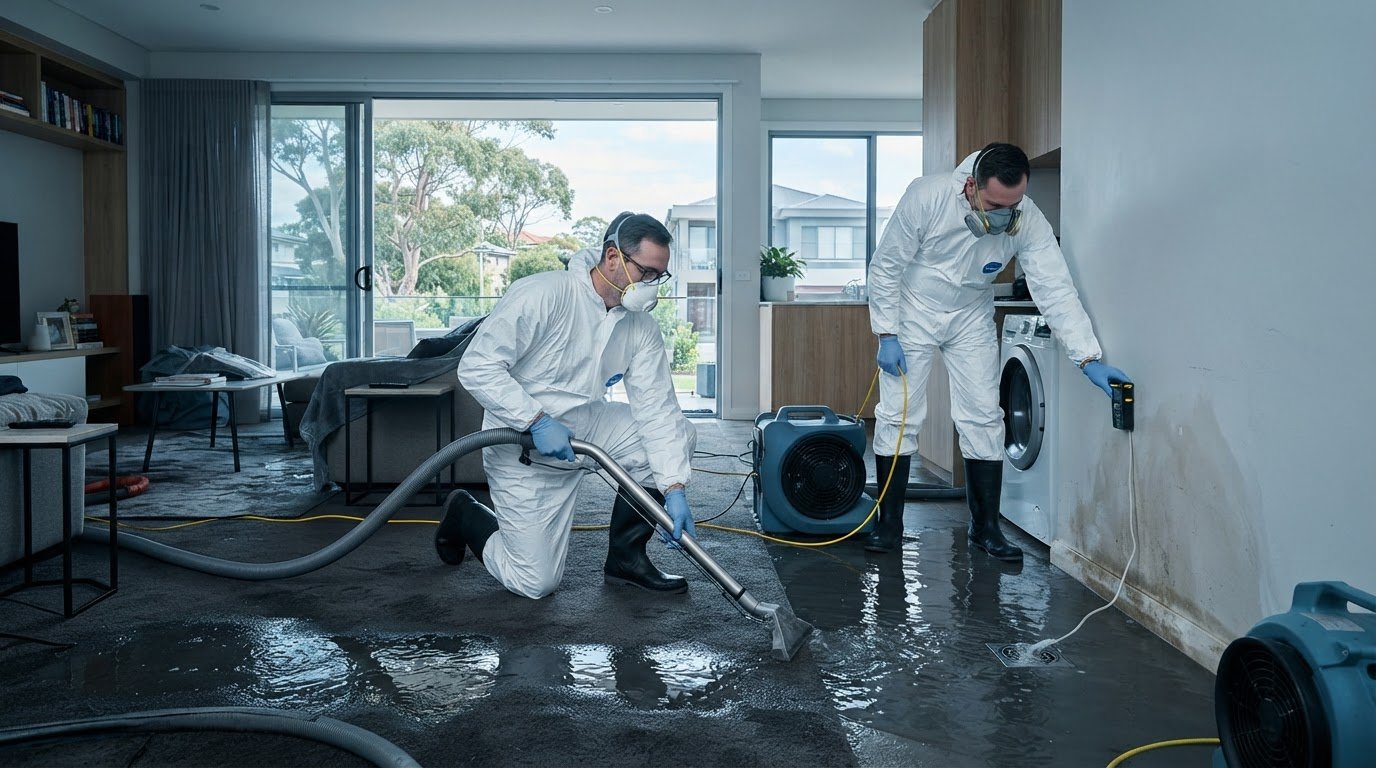
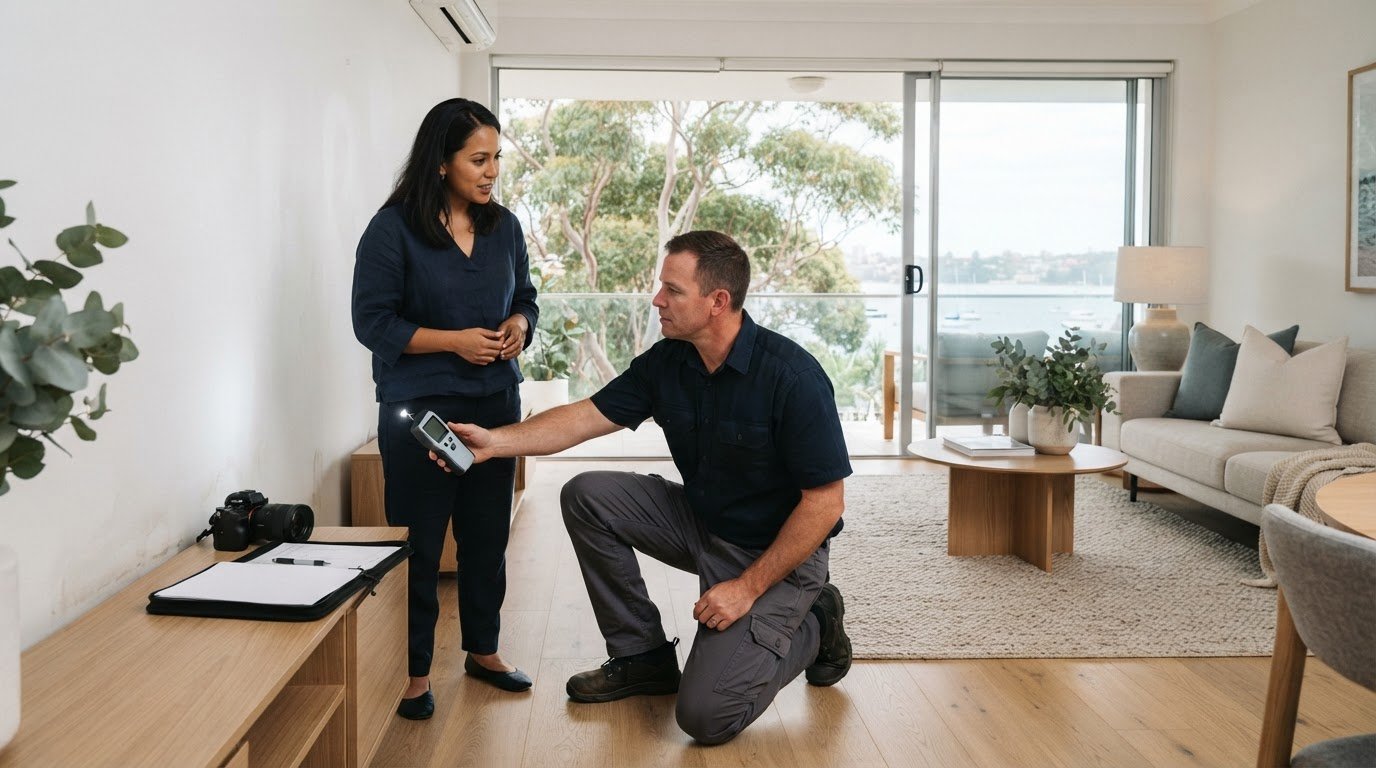
A professional inspection can add property-focused detail to the records you’ve gathered. It can document mould conditions observed during the inspection and help identify possible moisture concerns. This information can sit alongside dated photographs, notices, inspection notes and repair records to show what was observed at a particular time.
What a mould inspection may help document
An inspection can describe visible conditions and identify areas that may warrant further attention. It shouldn’t be treated as automatic proof of mould species, a definitive cause or a health effect. For example, a damp patch may be recorded as an observation, but identifying why it occurred may require further investigation and evidence.
Read any technical document carefully. Consider who prepared it, when observations were made, what methods or limitations it describes and how it relates to the issues in your dispute. Check current NCAT directions before relying on or submitting it. An inspection record isn’t guaranteed to be accepted as evidence, and it doesn’t determine the hearing outcome.
Address mould and moisture without confusing the processes
Property assessment and remediation address conditions at the property. Legal preparation focuses on the application, disputed facts and material required under the Tribunal’s directions. These are separate purposes. An inspection or remediation record may document work or observed conditions, but it doesn’t determine who was legally responsible or whether a party met a legal obligation.
ABC Mould Cleaning Solutions provides mould inspection and remediation in Sydney and surrounding regions, along with air purification and scrubbing. Its mould remediation uses the Goldmorr System, including a biodegradable fogging process. This describes the treatment approach, not proof of a cause or a guarantee about what NCAT will accept or decide.
Keep your next steps clear: address visible mould and possible moisture concerns as property issues, and prepare your hearing material separately. The evidence needed for an NCAT mould hearing depends on your particular dispute and current directions. For property-focused support, arrange a professional mould assessment.
Build a clearer record and take the next step
A useful hearing file is focused, chronological and easy to follow. Match each record to an issue in dispute, then distinguish what it directly shows from what it may suggest about timing, notice, moisture or repairs. Check current NCAT directions before filing or serving material. No single photograph or inspection record guarantees an outcome.
Keep property care and legal preparation separate. A professional inspection can document observed mould conditions and help investigate possible moisture concerns, but it doesn’t determine responsibility or decide what NCAT will accept. ABC Mould Cleaning Solutions provides mould inspection and remediation across Sydney and surrounding regions. Mould removal uses the Goldmorr System, including a biodegradable fogging process, with air purification and water damage restoration also available for property needs.
If visible mould or possible moisture issues need attention, arrange a professional mould assessment. Organise your hearing documents separately, and take the next step with a clearer picture of the property conditions and the evidence in your case.
Frequently Asked Questions
What evidence do I need for an NCAT mould hearing?
The evidence needed for an NCAT mould hearing depends on the issues in your application and response. It may include dated photos or videos, tenancy and condition reports, messages or written notices, inspection records, and documents about repairs or maintenance. Organise relevant items in date order and note what each shows. Evidence of visible mould is different from evidence about when it appeared, whether it was reported or what may have caused it.
Are photos enough evidence of mould at NCAT?
Photos can document visible conditions, but may not answer every question in a dispute. Take wide shots to show the room and location, along with close-ups of the affected area. Keep original files where possible and record dates and context. Photos alone may not establish when mould first appeared, its type or cause, or what response followed. Pair them with relevant messages, inspection records or repair documents where available.
Can I use a mould inspection report at an NCAT hearing?
You can organise a mould inspection report with your other relevant records, but don’t assume it will automatically be accepted or determine the outcome. Check current NCAT directions about evidence requirements and consider how the report relates to the issues in your case. Note what it records, when observations were made and any stated limitations. An inspection may document observed conditions and possible moisture concerns, but it doesn’t decide legal responsibility.
How do I prove when mould was reported to my landlord?
Use dated records that show what you sent, when you sent it and who received it. Relevant items may include emails, text messages, written notices or replies acknowledging the concern. Preserve complete message threads where possible, including dates and sender details. If you reported the issue by phone, note the date, people involved and what was discussed, then look for any follow-up message or inspection record that may support your account.
Do I need a mould test for an NCAT mould hearing?
Don’t assume a mould test is necessary in every case. The relevant evidence depends on what is disputed and what current NCAT directions require. A test may address a particular technical question, but it won’t necessarily establish when mould appeared, whether notice was given or who was responsible. Start by identifying the issues in your matter, then consider whether testing would provide relevant information beyond photos, communications and property records.
What happens if I do not have a professional mould report?
Not having a professional report doesn’t mean you have no relevant evidence. Dated photographs, tenancy records, messages, notices, inspection notes or repair documents may still help explain events. Organise what you have and be clear about what each item can and cannot show. If you arrange an inspection, treat it as property assessment, not a guarantee of legal proof or a particular hearing result.
How should I organise evidence for an NCAT hearing?
Prepare an index, a short chronology and clearly labelled documents grouped by topic, such as tenancy records, mould observations, communications and repairs. Give each item a consistent label and refer to it in the chronology. Check that dates and text are legible, keep original files and focus on material relevant to the application and response. Before filing or serving anything, check the current directions for your case, including deadlines and permitted formats.