
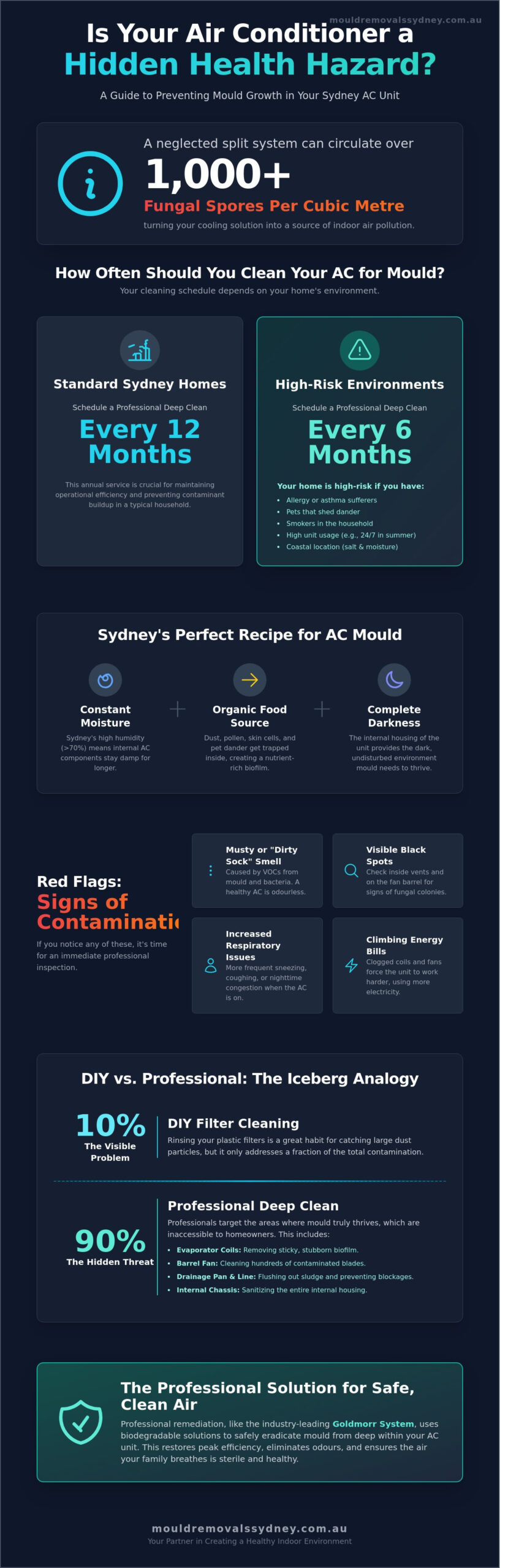
Did you know that a neglected split system can harbour over 1,000 fungal spores per cubic metre, turning your cooling solution into a serious health hazard? For many Sydney residents facing humidity levels above 70% during the summer, the question isn’t just about comfort; it’s about safety. We frequently hear from concerned locals asking how often should you clean your air conditioner for mould after they notice musty smells or start sneezing the moment the unit turns on. You shouldn’t have to worry about “dirty electricity” or toxic air in your own living room.
We understand the anxiety that comes with hidden biological growth, especially when your energy bills start climbing for no apparent reason. This guide provides the exact frequency your AC needs professional attention to ensure your family breathes sterile, safe air. You’ll discover the vital differences between simple dust buildup and dangerous mould colonies. We also preview the professional maintenance steps, including the industry-leading Goldmorr System, that restore your unit to peak efficiency. It’s time to take control of your indoor climate and get the peace of mind you deserve. It’s that simple.
Key Takeaways
- Discover exactly how often should you clean your air conditioner for mould to protect your family, with expert recommendations for both standard and high-risk Sydney households.
- Understand why Sydney’s unique humidity and dust levels turn your cooling coils into “mould magnets” and how to disrupt the growth cycle effectively.
- Learn to identify the critical red flags of contamination, including visible black spots and nighttime respiratory issues, before the problem worsens.
- Find out why DIY filter washing only addresses 10% of the issue and how to target the “invisible threat” lurking deep in your drainage pan and coils.
- Explore why professional remediation using the Goldmorr System offers a superior, biodegradable solution for restoring safe, clean air to your home.
The Short Answer: How Often Should You Clean Your AC for Mould?
For most Sydney households, the general consensus is that you need a professional deep clean every 12 months. This annual service ensures that your system operates efficiently and remains free from biological contaminants. However, determining how often should you clean your air conditioner for mould depends on your specific environment. If you live in a high-risk home with pets, smokers, or allergy sufferers, we recommend a professional inspection every 6 months. Failing to maintain this schedule allows Indoor mold to colonise the internal components, which can lead to serious health risks for your family.
It’s vital to understand the difference between routine maintenance and professional remediation. Rinsing your plastic dust filters every 30 days is a great habit, but it doesn’t touch the mould growing on the evaporator coils or the barrel fan. Mould remediation is a specialised process that involves deep cleaning the internal chassis to remove stubborn biofilms. In 2026, climate patterns in NSW have shown a 15% increase in average humidity levels compared to previous decades. This shift means Sydney units are working harder and staying damp for longer, making frequent professional checks more critical than ever before.
Factors That Increase Your Cleaning Frequency
Several variables can force you to clean your unit more often. High occupancy is a major factor. More people in a room means more shed skin cells, which provide a direct food source for mould spores. Coastal Sydney homes are also at higher risk due to elevated salt and moisture levels that accelerate corrosion and fungal growth. If your unit runs 24/7 during the peak of summer, the constant condensation creates a permanent damp zone inside the machine. In these cases, a 6-month cleaning cycle is the only way to guarantee air safety.
The “Musty Smell” Rule
You should never ignore a strange scent coming from your vents. Any odour is an immediate signal that you need a professional inspection. Some homeowners mistakenly believe an old air conditioner should have a “dusty” or “mechanical” scent, but this is a myth. A healthy AC unit should be completely odourless. VOCs are Volatile Organic Compounds produced by mould and bacteria that cause the distinct, musty smells often associated with contaminated air systems. If you smell it, the spores are already airborne. Don’t wait for the problem to worsen. Our master technicians use the Goldmorr System to eliminate these odours and restore your home’s air quality quickly and effectively. It’s that simple. It’s that easy.
Why Sydney Air Conditioners are Mould Magnets
Sydney’s climate creates a unique set of challenges for HVAC systems. While we enjoy the coastal lifestyle, your split system is constantly fighting a battle against high moisture levels. Cooling coils work by dropping the air temperature below the dew point, which naturally creates condensation. This water is supposed to drain away, but in our humid environment, the internal components often remain damp for days. When you consider how often should you clean your air conditioner for mould, you must account for this constant moisture cycle.
Moisture is only half of the equation. Mould also requires a food source. Sydney dust is rich in organic matter, including skin cells, pollen, and pet dander. As your AC pulls air through the filters, fine particles settle on the damp coils and fans, forming a sticky biofilm. This provides the perfect nutrient base for mould to thrive. Since the internal housing is completely dark, it acts as a high speed incubator for fungal colonies.
Professional standards highlight the risks of neglecting these systems. According to the EPA guidelines on duct cleaning, you should have your system inspected if there is visible mould growth or a musty odour coming from the vents. In a city like Sydney, waiting for visible signs often means the infestation is already severe.
The Sydney Humidity Factor
Sydney’s average relative humidity frequently sits between 65% and 75% during the summer months. Scientific research confirms that mould growth triggers once humidity levels consistently cross the 60% threshold. Coastal suburbs deal with salt air that can corrode protective coatings on coils, making them even more likely to trap spores. In Western Sydney, 40 degree heatwaves followed by intense afternoon storms create a pressure cooker effect. These rapid spikes in humidity lead to mould explosions inside air conditioning units within 48 hours.
The Biological Lifecycle Inside Your HVAC
The process starts when microscopic spores enter your home on your clothing or through open windows. Once they are sucked into the air intake, they bypass standard filters and land on the wet blower fan. The transition from a dormant spore to a growing network of mycelium happens in total darkness. Many homeowners try to use supermarket air fresheners to hide the smell, but these only mask a biological problem. Real remediation requires removing the colony at the root. If you notice a damp scent, you can request a professional assessment to stop the lifecycle before it affects your health.
Understanding the science behind your unit’s environment helps determine how often should you clean your air conditioner for mould. In our local climate, the combination of condensation, organic dust, and darkness makes regular maintenance a health necessity rather than a luxury.
Red Flags: Signs Your Unit is Already Contaminated
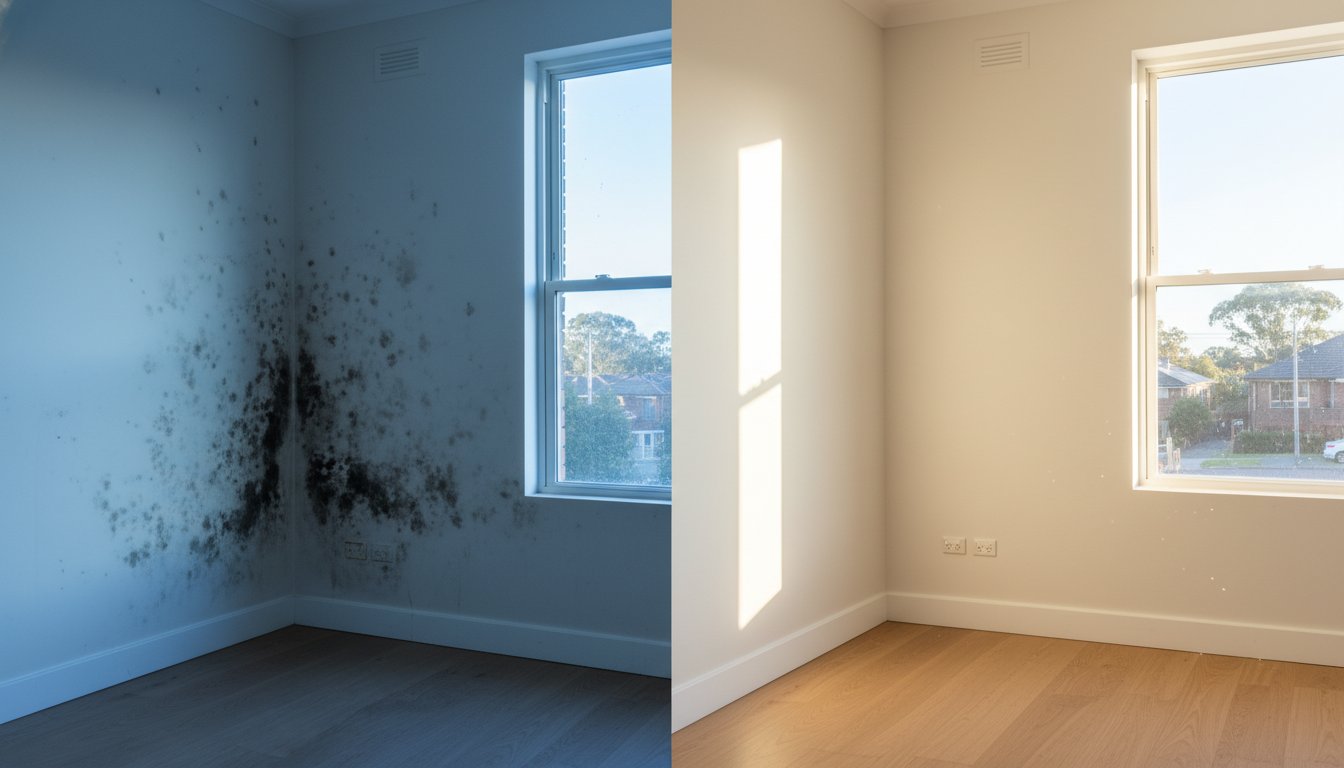
Identifying a mould infestation early can save you thousands in repair costs and protect your family’s health. While most homeowners ask how often should you clean your air conditioner for mould as a preventative measure, many units in Sydney already harbour active colonies. You need to act immediately if you notice visible black spots on the oscillating louvres or the internal fan blades. These spots aren’t just dirt; they’re often the “fruiting bodies” of mould releasing spores directly into your living space.
Performance drops are another critical indicator. If your electricity bill shows a 15% spike compared to the same period last year without a change in usage, your unit is likely struggling. Mould and dust create a thick biofilm on the evaporator coils, which restricts airflow and forces the compressor to run longer. This strain often leads to ice buildup on the coils. When air cannot exchange heat efficiently, the refrigerant temperature drops too low, causing condensation to freeze. This is a mechanical emergency that requires professional intervention before the motor burns out.
Health Symptoms to Watch For
Your body often reacts to poor air quality before you even see a physical spot. Many Sydney residents report “Sick Building Syndrome” in compact apartments in areas like Haymarket or Parramatta, where limited natural ventilation allows spores to concentrate. You might experience unexplained coughing, watery eyes, or a tight chest, particularly at night or right after waking up. These black mould symptoms are a direct result of inhaling mycotoxins. The WHO guidelines on dampness and mould confirm that occupants of damp buildings are at a 40% higher risk of asthma and respiratory infections. Children and the elderly are the first to show signs because their immune systems and smaller airways are more sensitive to these airborne irritants.
Visual Inspection Tips
Don’t wait for a professional to tell you there is a problem. Grab a high powered torch and shine it into the air outlet while the unit is switched off. Manually push the louvres open to see the cylindrical blower wheel. If you see “grey dust” that looks dry and flaky, it might just be household debris. However, if the buildup looks “fuzzy,” slimy, or has distinct circular patterns, you are looking at active mould. Determining how often should you clean your air conditioner for mould depends on what you find here. If the growth covers more than 10% of the visible surface, stop poking around. Disturbing the colony can send millions of spores into your carpet and furniture. At this stage, you must call a mould removal sydney expert to decontaminate the system safely using professional grade antimicrobials.
DIY Filter Cleaning vs. Professional Deep Cleans
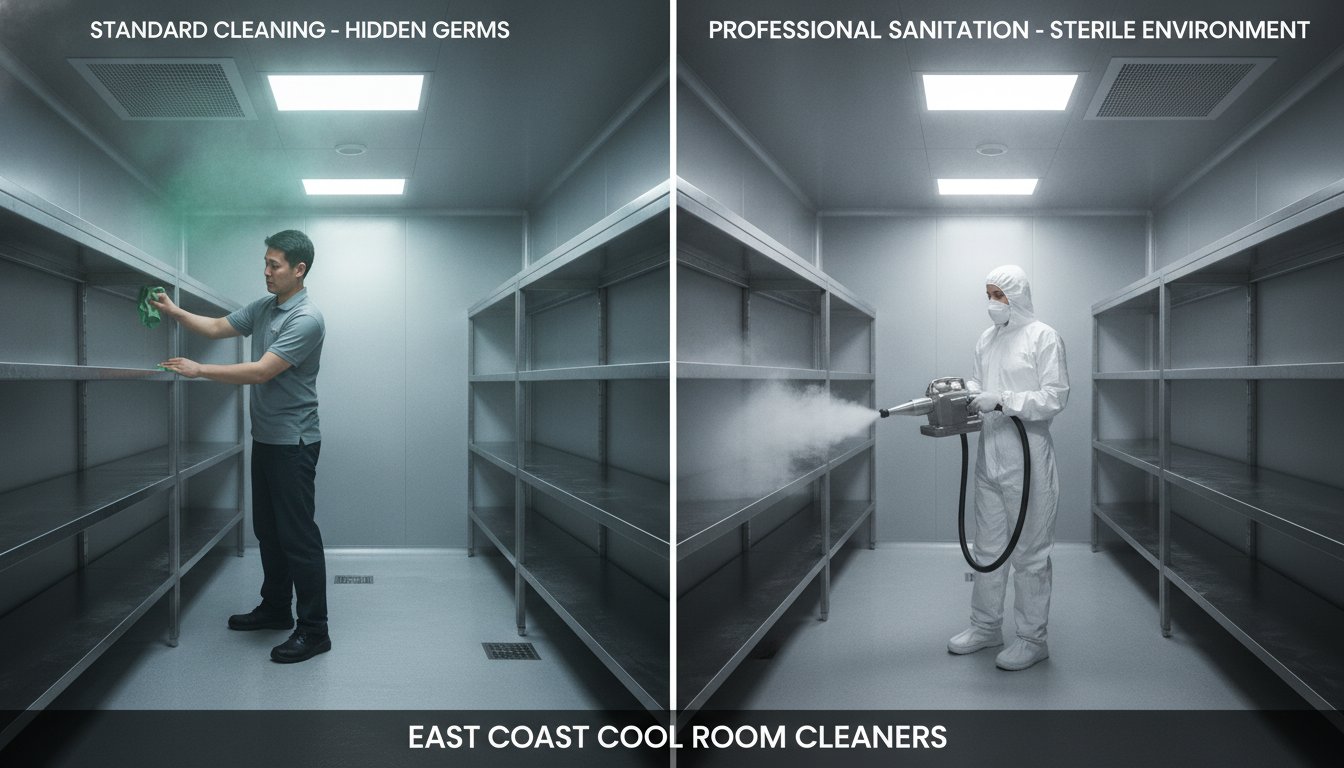
Washing your filters under a tap is a vital routine, but it only addresses roughly 10% of the potential mould growth inside your unit. While filters catch larger dust particles, they don’t stop microscopic spores from settling on the damp internal components. When you ask how often should you clean your air conditioner for mould, you must distinguish between basic maintenance and a deep clinical clean. DIY methods often miss the “Invisible Threat” lurking on the evaporator coils and the drainage pan. These dark, moist areas are the perfect breeding ground for toxic colonies that thrive in Sydney’s humid summers.
Attempting a deep clean yourself carries high risks for the untrained property owner. Using high-pressure hoses or stiff brushes can easily flatten the sensitive aluminium fins. Once these fins are bent or damaged, your unit’s heat exchange efficiency drops permanently. For complex ducted systems, the risks are even higher. Professional air duct cleaning ensures that spores aren’t just recirculated through every room in your home, which is a common side effect of superficial cleaning.
What a Professional Clean Includes
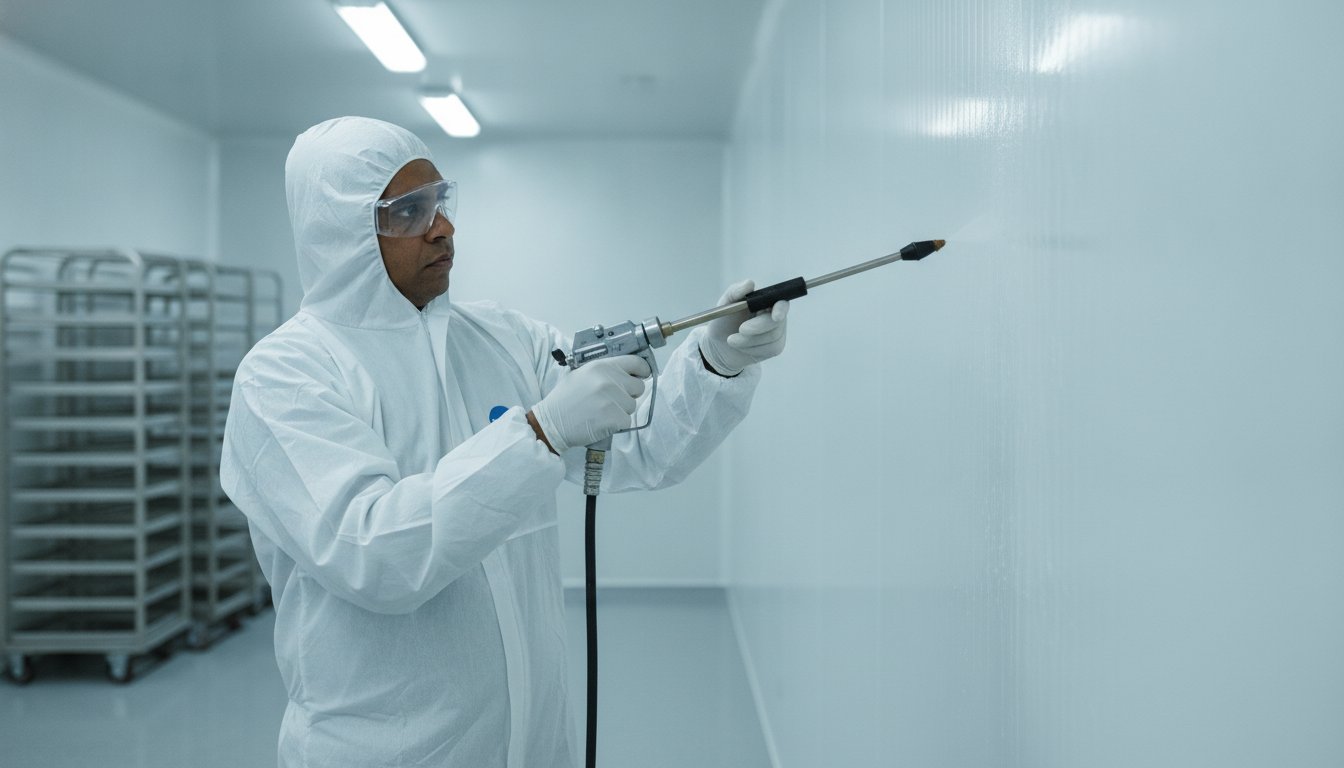
A master technician provides a level of decontamination that a standard vacuum cleaner cannot match. This process involves a full disassembly of the internal casing to expose the chassis and internal components. We apply a specialised anti-microbial treatment to the condensate tray and flush the drain line to prevent blockages and leaks. We pay specific attention to the fan barrel. This rotating cylinder is the most common site for heavy mould accumulation and is almost impossible to reach without professional disassembly and specialised pressure-cleaning bags.
The Cost of Neglect
Choosing to skip professional maintenance is a gamble with your finances. A standard professional service typically costs between A$150 and A$300. Compare this to the A$2,500 or more required for a full unit replacement if the system fails prematurely. Mould-clogged units force the compressor to work 20% harder to move air through the system. This extra strain significantly shortens the lifespan of the motor. You will also see your “Energy Star” efficiency rating plummet as the unit consumes more power to compensate for restricted airflow, leading to higher quarterly electricity bills.
Don’t let hidden mould compromise your air quality or your wallet. It’s time to restore your home to a safe, breathable environment. You can trust our team to provide you with peace of mind through a professional AC mould remediation today.
The ABC Solution: Professional AC Mould Remediation in Sydney
Sydney’s coastal humidity makes air conditioning units a prime target for fungal growth. While knowing how often should you clean your air conditioner for mould is vital for basic maintenance, professional intervention is necessary once a colony takes root. Our specialized Split System Aircon cleaning goes beyond the surface. We don’t just wipe down the plastic casing; we eliminate the microscopic threat living deep inside your unit’s coils and fans.
Our Master Technicians utilize a scientific approach to air purification. We combine non-mechanical air scrubbing with the industry-leading Goldmorr System to restore your indoor air quality. Don’t risk your family’s health with DIY sprays that only mask the odour. We provide a permanent solution that stops the cycle of reinfection. We’re so confident in our value that we will beat any written quote by 10%. You get world-class remediation at the most affordable rate in the city.
The Goldmorr Advantage
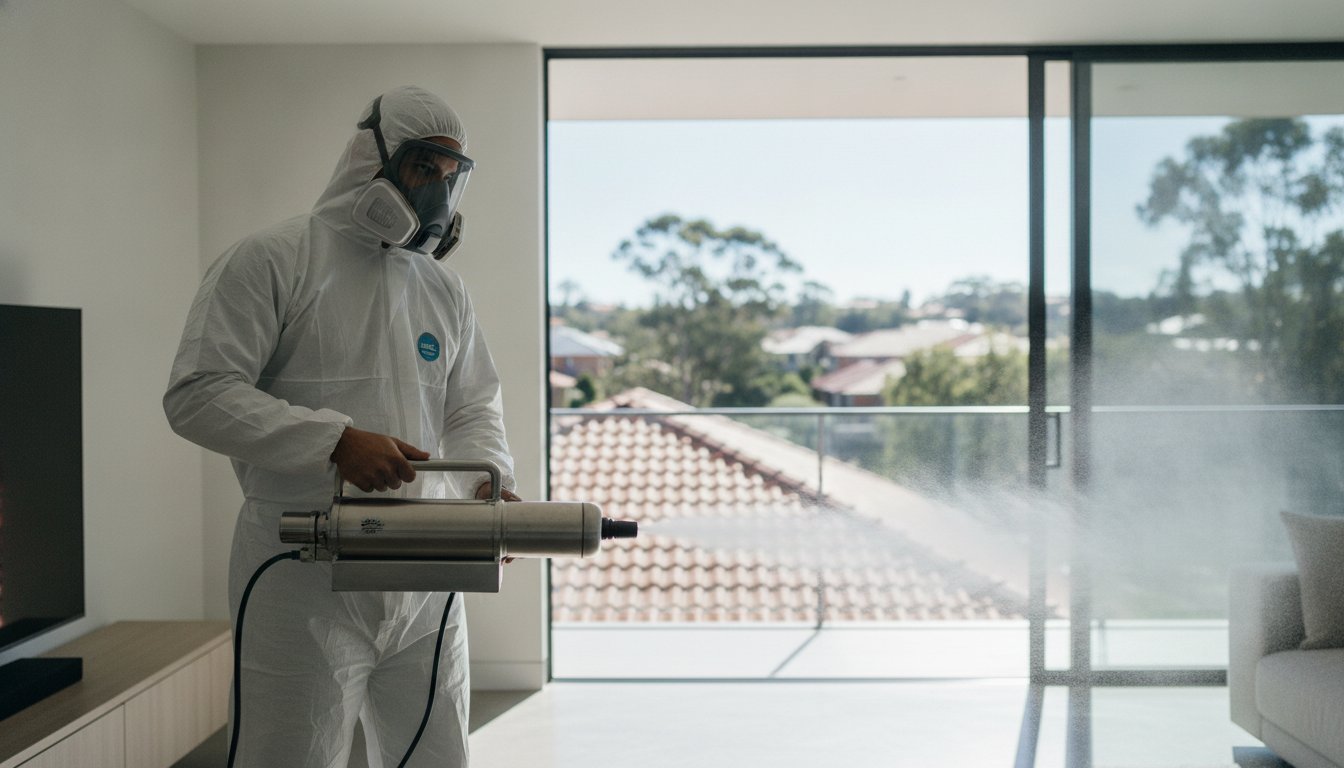
Traditional cleaning methods often rely on harsh, corrosive chemicals that can damage your AC components. The Goldmorr System is different. We use a specialized biodegradable fogging process. This mist penetrates deep into the internal mechanisms where physical scrubbing brushes can’t reach. It effectively neutralizes airborne spores throughout the entire system. It’s a comprehensive approach that standard cleaners simply can’t match.
- Safety first: Our solutions are 100% non-toxic and safe for children, pets, and sensitive individuals.
- Complete eradication: Fogging reaches every internal corner, ensuring no hidden clusters remain.
- Residual protection: The process leaves a protective barrier that prevents new mould from forming for months.
Understanding how often should you clean your air conditioner for mould usually leads to a twice-yearly recommendation. However, if your unit has been neglected, a professional deep clean is the only way to reset the environment. Our team handles the heavy lifting, ensuring your system runs efficiently and safely. It’s that simple. It’s that easy.
Booking Your Sydney Inspection
Mould won’t wait, and neither should you. We offer a 24/7 response for units affected by water damage or heavy infestations. If you’ve noticed a musty smell or visible black spots, act now before the problem spreads to your walls and carpets. You can Schedule Your Cleaning Now and breathe easier today.
Getting a quote is fast and stress-free. Send us images of your unit via our website or mobile. Our team will review the photos and provide an accurate, affordable quote within hours. We’ve helped thousands of Sydney homeowners reclaim their homes from mould since our founding. Don’t let your air conditioner circulate toxins. Trust our master technicians to get the job done right the first time.
Protect Your Home and Health Today
Sydney’s coastal humidity creates the perfect breeding ground for spores within your ductwork and coils. While cleaning your filters every 90 days is a great start, it doesn’t address the hidden contaminants deep inside the unit. Understanding how often should you clean your air conditioner for mould is vital for maintaining indoor air quality; experts recommend a professional deep clean at least once every 12 months. Waiting for visible growth or a musty odor often means the infestation is already severe. Our Certified Master Technicians utilize the industry-leading Goldmorr System to safely eradicate spores without damaging your system. We are committed to your safety and provide a 24/7 emergency water damage response for urgent issues. We’ll even beat any written quote by 10%, so you get the best protection at the best price. It’s that simple; it’s that easy.
Get a Free Estimate & Beat Any Quote by 10%
Take the first step toward a healthier home. You deserve the peace of mind that comes with professional remediation and a breath of fresh air.
Frequently Asked Questions
Can I use vinegar to clean mould out of my air conditioner?
You can use a white vinegar solution to clean surface mould, but it won’t reach the deep-seated spores inside the internal components. Vinegar kills approximately 82 percent of mould species, yet it often fails to penetrate the porous surfaces of the fan barrel or insulation. For a permanent solution, our master technicians use the Goldmorr System to ensure every hidden spore is eradicated safely.
How much does professional air conditioner mould cleaning cost in Sydney?
Professional cleaning costs depend on the unit type and the level of contamination present. According to 2024 Sydney market data, a standard split system deep clean typically ranges from A$150 to A$300 per unit. We are committed to providing affordable service and will beat any written quote by 10 percent. Send us images of your unit today for a fast, accurate estimate.
Will a dirty air conditioner make me sick?
Yes, a mouldy AC unit poses serious health risks to everyone in your home or office. Airborne spores can trigger respiratory issues, fatigue, and persistent allergic reactions. The World Health Organization links indoor dampness and mould to a 40 percent increase in the risk of asthma. Don’t wait until the problem worsens; our certified team uses non-mechanical air scrubbing to restore your safety immediately.
Is it normal for an AC to smell like dirty socks?
No, a dirty sock smell indicates a significant build-up of bacteria and mould within the evaporator coils. This odour occurs when moisture traps organic matter, creating a breeding ground for fungi. It’s a clear warning sign that you need to know how often should you clean your air conditioner for mould to prevent these smells from returning. Schedule your cleaning now to eliminate these musty scents.
How long does a professional AC mould removal service take?
A professional mould removal service for a standard split system usually takes between 60 and 90 minutes. Our 3-step process is designed for maximum efficiency, while larger ducted systems may require 3 to 4 hours of intensive work. We use industry-leading solutions to ensure the job is done right the first time. Its that simple. Its that easy.
Does my landlord have to pay for AC mould cleaning in NSW?
Landlords in NSW are generally responsible for mould remediation if the issue stems from structural problems or lack of maintenance. Under the Residential Tenancies Act 2010, owners must keep the property in a reasonable state of repair. If the air conditioner was included in your lease, the landlord must maintain it. Send us images of the unit to provide your property manager with a professional quote.
What happens if I never clean my air conditioner?
Neglecting your AC leads to mechanical failure, high energy bills, and severe health hazards. Dust and mould restrict airflow, forcing the motor to work 20 percent harder and increasing your power consumption. Eventually, the internal components will seize, leading to replacement costs exceeding A$2,000. Understanding how often should you clean your air conditioner for mould helps you avoid these expensive repairs and protects your well-being.
Can an air purifier help if my AC has mould?
An air purifier captures some airborne spores but it won’t fix the source of the growth inside your AC. Purifiers are a secondary defense rather than a primary solution. If mould is growing on your coils, the unit will continue to pump out millions of spores every minute. You need a professional biodegradable fogging process to kill the source. Trust our expert team to provide you with true peace of mind.