You can’t reliably identify mould by appearance alone. Colour and texture don’t establish its species or show how many spores are airborne. Indoor air quality testing for mould in Sydney can identify fungal species in collected samples and count spores, adding evidence that a visual inspection cannot provide on its own.
It’s understandable to want a clear answer after spotting growth or noticing a musty smell. A test result can help, but it needs context: where the sample was collected, what the inspection found and whether moisture is present all shape what the findings mean.
This guide explains what mould testing can identify, who analyses samples and how to interpret a report. You’ll also learn how results can inform remediation and clearance, and why indoor moisture matters when assessing whether mould may return.
Key Takeaways
- Learn how air sampling and surface testing answer different questions, and why the right method depends on the suspected source.
- Use a report’s sampling locations, findings and limitations to understand what the results mean for the property.
- See how temperature, ventilation and moisture conditions can help explain mould concerns; indoor relative humidity in Sydney homes should be kept consistently below 60%.
- Recognise when testing may help guide next steps, from investigating a persistent musty smell to assessing a space after remediation.
- Explore how inspection, remediation and air purification can fit into a practical response when mould or airborne concerns need attention.
Who analyses the mould samples?
A laboratory analyses collected samples, while an assessor chooses sampling locations and explains the findings. Air sampling and surface testing answer different questions, so the method should match the concern.
Laboratory Analysis of Samples
After collection, samples are sent to a laboratory for examination. Analysis can identify fungal species and count spores, helping distinguish material collected from a surface from spores captured in the air. The laboratory facility used for sample analysis is described as NATA-accredited. Read the report for the sample type, location, analysis method and limitations, not just the species name or count.
Air sampling and surface testing aren’t interchangeable. An air sample captures airborne material in a particular place and period; a surface sample examines material collected directly from visible growth or a suspect area. For example, air sampling can compare an occupied room with an outdoor control area, while a surface swab can identify mould on a patch of wall. Neither result alone maps every affected area.
Airborne and surface sampling should follow an assessor’s inspection, not replace it. Mould spores move continually through indoor and outdoor air, so an air result reflects conditions during collection. Surface sampling provides evidence from the material sampled. A sound plan records each location and sample type, then connects the results with visible growth, musty odours or moisture observations.
Choosing a Qualified Mould Assessor
Australia has no mould-work licensing regime, so a licence alone cannot establish an assessor’s competence. Look for a clear written sampling plan, relevant assessment experience and a report that identifies the laboratory and explains results in plain language. Check that the analysis facility is NATA-accredited for the relevant work. The assessor should distinguish observations from laboratory findings and explain why each sample location was selected.
Australian guidance focuses on exposure and building conditions rather than a single legal mould exposure limit. No single legal exposure limit applies to indoor mould in Australia, and typical indoor exposure does not present a risk of adverse health effects in most cases. Testing is most useful when it answers a defined question; controlling moisture remains central to limiting mould growth.
Before testing, note the rooms, musty smells, visible patches and any recent water entry. During the assessment, ask the assessor to record sample locations and whether each is an air or surface sample. Afterward, read the findings alongside inspection notes and moisture observations. If the report identifies mould, address the moisture source and use the results to plan appropriate remediation.
Air testing can detect airborne spores, but it cannot locate hidden mould by itself. A building inspection is needed when a musty smell persists, moisture is suspected behind a wall or under flooring, or growth keeps returning. For example, a wall cavity may need inspection even if an air sample from the room doesn’t identify the source.
Mould exposure can cause a runny nose, eye irritation, cough, congestion, sneezing or skin rash, and it can aggravate asthma. Children with asthma may need particular attention to symptoms in a building. A test measures mould in the sample, not a person’s health; consider reported symptoms and room use alongside the inspection findings.
Interpreting mould test results and reports
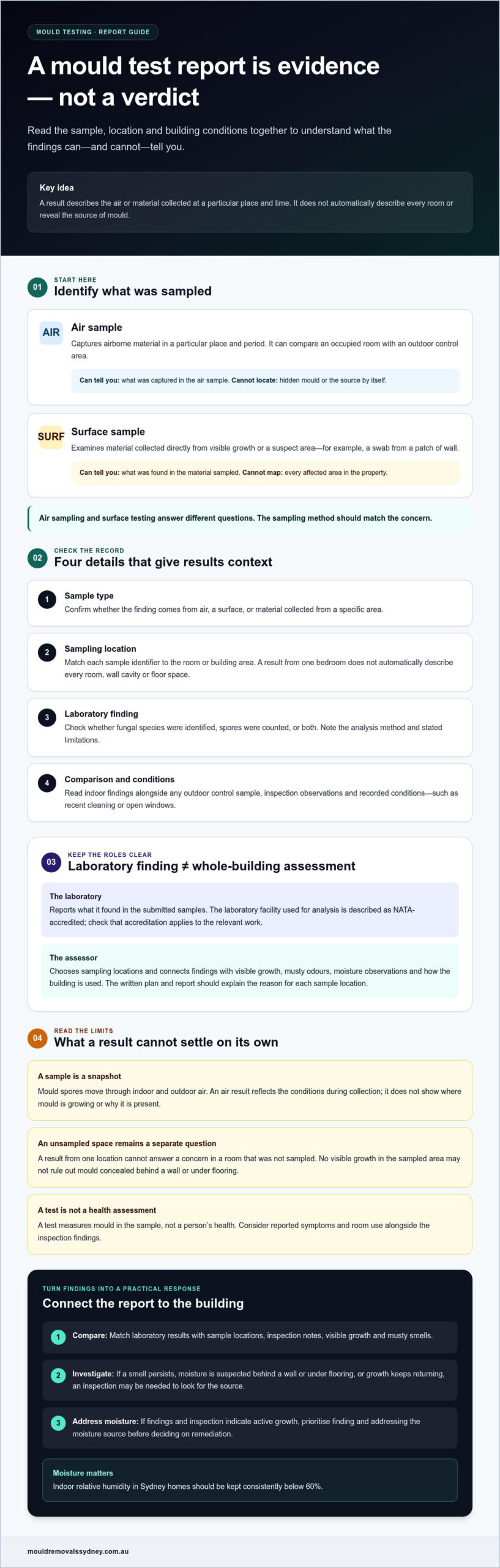
A mould report is most useful when you read its findings alongside sample locations, building conditions and the reason for testing. Don’t treat a species name or spore count as a stand-alone verdict about an entire Sydney property. First identify what was sampled, where it was collected and what question the assessment aimed to answer.
Start with the report’s sampling record. Compare indoor samples with any outdoor control sample, then check whether the locations reflect the rooms or concerns under investigation. A result from one bedroom describes that sampled location, not automatically every room, wall cavity or floor space. Note the collection date and any recorded conditions, such as recent cleaning or open windows, because they help explain the result.
- Sample type: Confirm whether the result is from air, a surface or material collected from a specific area.
- Location: Match each sample identifier to the room or building area listed in the report.
- Finding: Check whether the laboratory identified fungal species, counted spores, or reported both.
- Comparison: Read indoor findings alongside control samples and inspection observations.
Next, separate laboratory findings from the assessor’s interpretation. The laboratory reports what it found in submitted samples. The assessment connects those findings with visible growth, moisture observations, odours and how the building is used. For example, a report identifying spores in a room may support further investigation, but it doesn’t show by itself where mould is growing or why it is present.
Look for clear explanations of limitations. A sample represents the material or air collected at a particular place and time. If a musty smell persists in a room that wasn’t sampled, the report cannot settle that separate question. Likewise, a result without visible growth may not rule out mould concealed behind a wall or under flooring. The inspection scope matters.
Use the conclusions to define a practical next step. If the report and inspection indicate active growth, prioritise finding and addressing the moisture source before deciding on remediation. If the findings are unclear, ask the assessor to explain which observation or sample supports each recommendation. Keep the report, sample map and moisture notes together so follow-up work can target the same areas.
After remediation, clearance assessment should relate to the work completed and the areas treated. Compare its scope with the original findings: were the affected locations revisited, and are the stated criteria explained? A report that clearly documents its purpose and coverage is easier to use than a result presented without context. Where findings point to active growth, professional mould remediation can address the affected area and its underlying moisture conditions.
VOCs, temperature and relative humidity
Mould testing can form part of a broader indoor air quality assessment, but each measurement answers a different question. Relative humidity describes moisture in the air, temperature affects how that moisture behaves, and volatile organic compounds (VOCs) refer to another group of airborne chemicals. None of these readings identifies mould species by itself.
In Sydney homes, keep indoor relative humidity consistently below 60%. Higher humidity can support damp conditions, while controlling indoor moisture is generally the primary strategy for curbing mould development. A reading is a snapshot of the room and time measured, so consider where and when it was taken. A bathroom after a shower, for example, differs from a ventilated living room later in the day.
Temperature helps explain why a room’s moisture reading needs context. Relative humidity expresses how much water vapour is in the air compared with how much the air can hold at its temperature. Cooler surfaces, such as a window or exterior wall, can become condensation points when warm, moist air meets them. Look for recurring dampness around those surfaces, not only in the centre of the room.
VOCs are gases released by sources such as paints, adhesives, cleaning products, furnishings and some building materials. Their presence doesn’t establish that mould is present, and a VOC reading cannot identify fungal species. If a room smells musty or occupants report irritation, an assessor can consider whether VOCs or other air-quality parameters relate to the suspected problem. The likely or identified pollutants guide which measurements are useful.
Keep a simple record before an assessment. Note the room, time, temperature, humidity reading, recent ventilation and activities such as cleaning or painting. For example, a strong cleaning-product smell soon after use gives a different context from a persistent odour in a closed room. These details help distinguish a temporary source from an ongoing building concern.
Use readings to guide an investigation, not as a stand-alone diagnosis. If humidity remains above the Sydney home guidance, identify moisture sources such as leaks, condensation or inadequate ventilation. A single low reading doesn’t explain intermittent dampness, especially if the room was recently aired. Compare readings from relevant rooms and times, and connect them with visible condensation, water staining or musty odours.
Temperature, humidity and VOC measurements can help describe indoor conditions, but their meaning depends on the suspected source and sampling context. A moisture pattern can direct attention to a damp area; VOC findings can prompt investigation of products or materials. Where mould is suspected, pair these measurements with an inspection and appropriate mould sampling rather than treating any one reading as proof.
Airborne fungal spore identification
Air sampling can show which fungal spores were captured and how many were counted. Laboratory analysis identifies specific fungal species in submitted samples, while the assessor interprets those findings against the sampling locations and conditions. About 20 to 30 mould species are commonly found in Australian homes. A species name alone doesn’t establish where growth is occurring or whether it is active.
Context matters because mould spores move continually through indoor and outdoor air. An indoor sample can contain spores without proving that mould is growing in that room. Outdoor air provides a useful comparison: similar spores indoors and outdoors suggest a different pattern from spores concentrated in one indoor area. The report should identify sample locations and show how the assessor interpreted those comparisons.
Read the laboratory results in this order:
- Species: Note which fungal species the laboratory identified in each sample.
- Count: Check the reported spore count and the unit used by the laboratory.
- Location: Match each result to its room or sampling point.
- Comparison: Read indoor findings alongside outdoor controls and inspection observations.
The count and species profile describe the sample, not the whole building. For example, an elevated result from one room can direct attention to that space, but it cannot map every wall cavity or floor area. A low count from a single collection also doesn’t explain a musty odour elsewhere. The report’s sampling coverage limits the conclusions you can draw.
Species identification can help distinguish patterns, but it doesn’t replace a moisture investigation. Mould can grow on building materials when moisture or water, oxygen and an organic source are present. If a sample identifies fungal spores near a damp area, examine that area for moisture and possible growth. A laboratory result cannot, by itself, identify the moisture source.
Sampling conditions also shape interpretation. An assessor may collect samples in high-risk zones and outdoor control areas, then record where each was taken. Room use, ventilation and recent disturbance can affect what becomes airborne during collection. Read a result alongside its collection notes, rather than treating it as a permanent measurement of the room.
Use identification to answer a focused question: which spores were captured, where were they found, and what should be inspected next? If the report finds a pattern that aligns with visible dampness, investigate the affected building materials and moisture conditions. If results don’t match the concern, review whether the sampling locations covered the rooms or areas linked to the problem.
When should you test indoor air for mould in a Sydney home or workplace?
Testing is most useful when it answers a specific question about a room, building or remediation outcome. Consider indoor air sampling if a musty odour persists, occupants report recurring concerns in the same area, or visible growth doesn’t explain a suspected air issue. Indoor air quality testing for mould in Sydney can support an inspection, but shouldn’t replace checks for moisture or visible growth.
After a leak, flood or recurring condensation, first identify the affected materials and moisture conditions. Testing can help assess airborne spores in areas of concern, but an air result won’t locate concealed growth. For example, a persistent smell near a wall may call for a building inspection and moisture checks, even if the room’s air sample doesn’t point to a source.
In a workplace, record where and when concerns occur before deciding on sampling. Note whether symptoms or odours are linked to one meeting room, a particular work area or time spent inside. SESA distinguishes sick building syndrome, involving non-specific symptoms associated with poor indoor air quality, from building-related illness, which describes recognised diseases attributable to a building. SESA also notes that symptoms associated with sick building syndrome improve soon after a person leaves the building.
Testing may be appropriate in these situations:
- Persistent odour: A musty smell remains after the space is aired, especially near a damp area.
- Unexplained concerns: Occupants report issues in a particular room, but the source isn’t apparent during a visual check.
- After remediation: A follow-up assessment is needed to evaluate sampled areas against the work completed.
- Building investigation: Air results may help direct further inspection when moisture or hidden growth is suspected.
Timing affects what a sample represents. A room sampled after extensive ventilation may differ from its usual occupied conditions; recent cleaning or disturbance can also affect airborne material. Record the room’s use, ventilation and recent events, then ask the assessor to document sampling locations and conditions. Those details help interpret results for a home or workplace.
A mould assessment described for Sydney takes between 1 and 2 hours, depending on property size. It can include non-invasive inspection and moisture-meter checks for dampness behind walls or under floors. If visible mould and a moisture source are already clear, testing may add less value than addressing the source and affected materials. Choose indoor air quality testing for mould in Sydney when the findings can inform an investigation, remediation plan or clearance decision.
Set a clear purpose before arranging sampling: identify a suspected airborne issue, investigate an unresolved concern, or assess completed work. For persistent odours, recurring growth or workplace concerns tied to a specific area, arrange a mould inspection to help establish what needs investigating.
ABC Mould Cleaning Solutions: Air Purification & Scrubbing
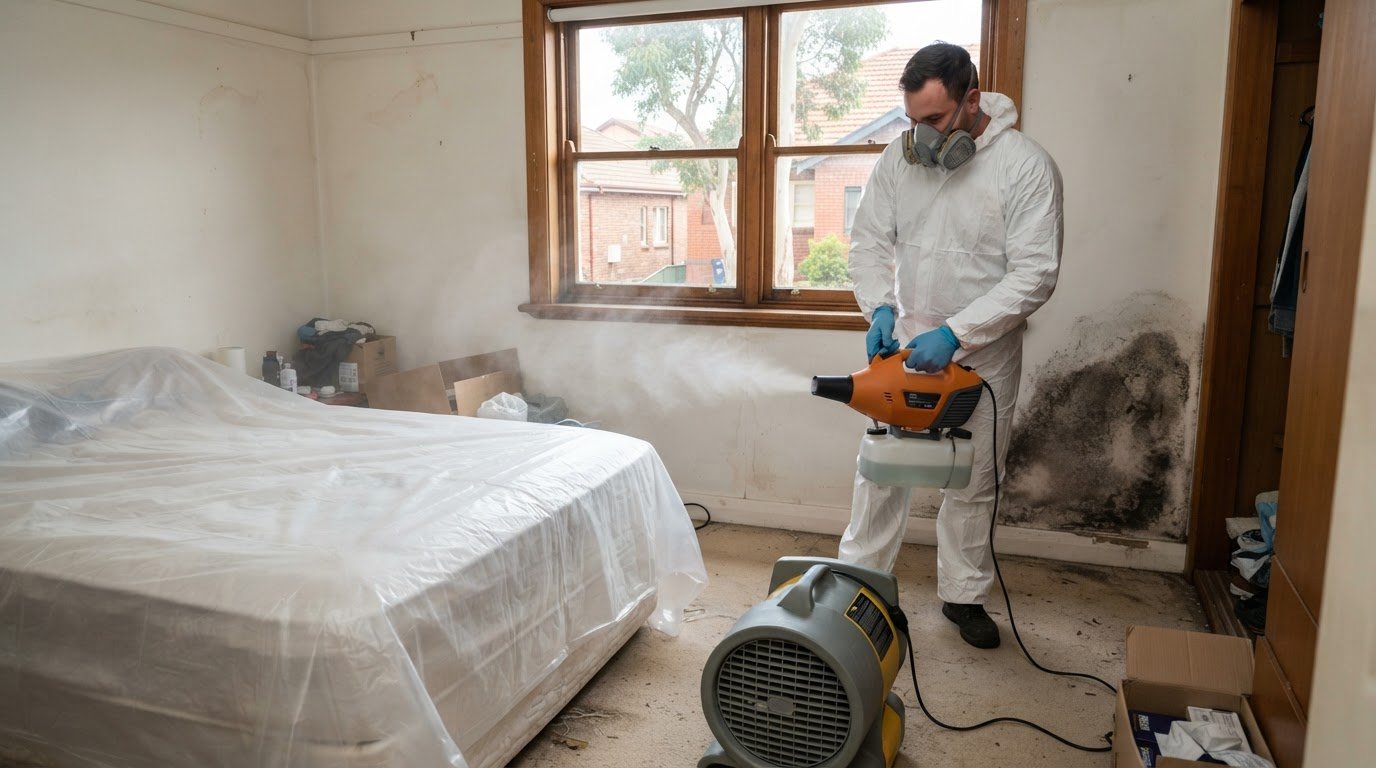
ABC Mould Cleaning Solutions can help turn mould findings into practical next steps with Air Purification & Scrubbing, Mould Inspection Services and Mould Remediation. An inspection can investigate visible growth, persistent musty odours or suspected moisture, while remediation addresses identified mould. Air purification and scrubbing can support the response when airborne concerns are part of the assessment.
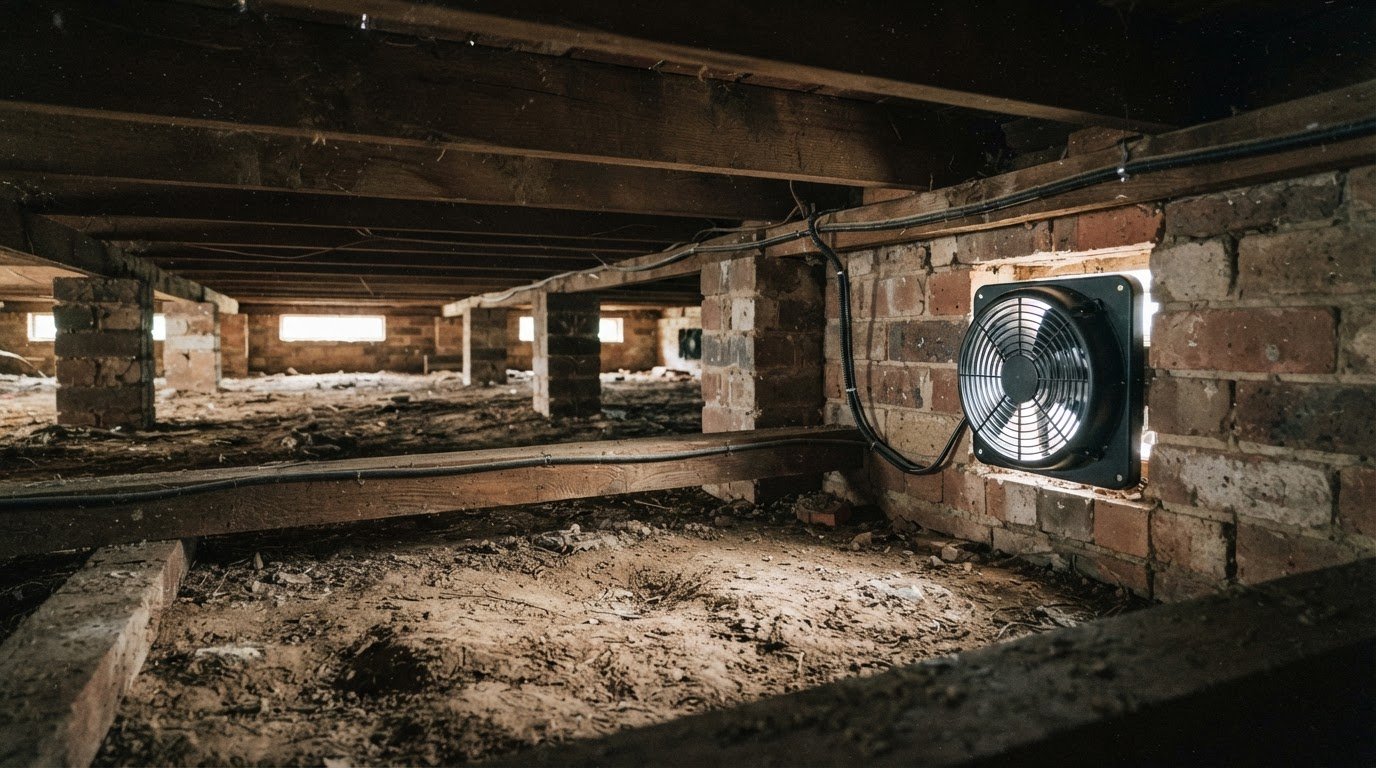
Choose the next step based on what the inspection and test results show. For example, visible mould alongside a moisture issue may call for remediation, while unexplained concerns may warrant an inspection first. Subfloor ventilation system installation is another option when subfloor conditions need attention.
Contact ABC Mould Cleaning Solutions or visit mouldremovalssydney.com.au to discuss the findings and suitable next steps.
Turn your findings into a clear next step
If you’re considering indoor air quality testing for mould in Sydney, first decide what you need the results to help you do. You might be investigating a recurring concern, planning work on an affected area or documenting conditions after work is complete. A clear purpose helps focus the assessment on relevant rooms and decisions.
Keep your observations and assessment documents together. A short record of where concerns occur, when you notice them and any changes in the property can guide the next conversation. Use that information to explain what remains unresolved and what you want addressed. An evidence-led next step can make a stressful property issue feel more manageable.
ABC Mould Cleaning Solutions can help you consider a suitable path forward based on your property concerns. Contact ABC Mould Cleaning Solutions to discuss your next step. Clear information can help you move forward with confidence.
Frequently Asked Questions
Can you tell what kind of mould it is just by looking at it?
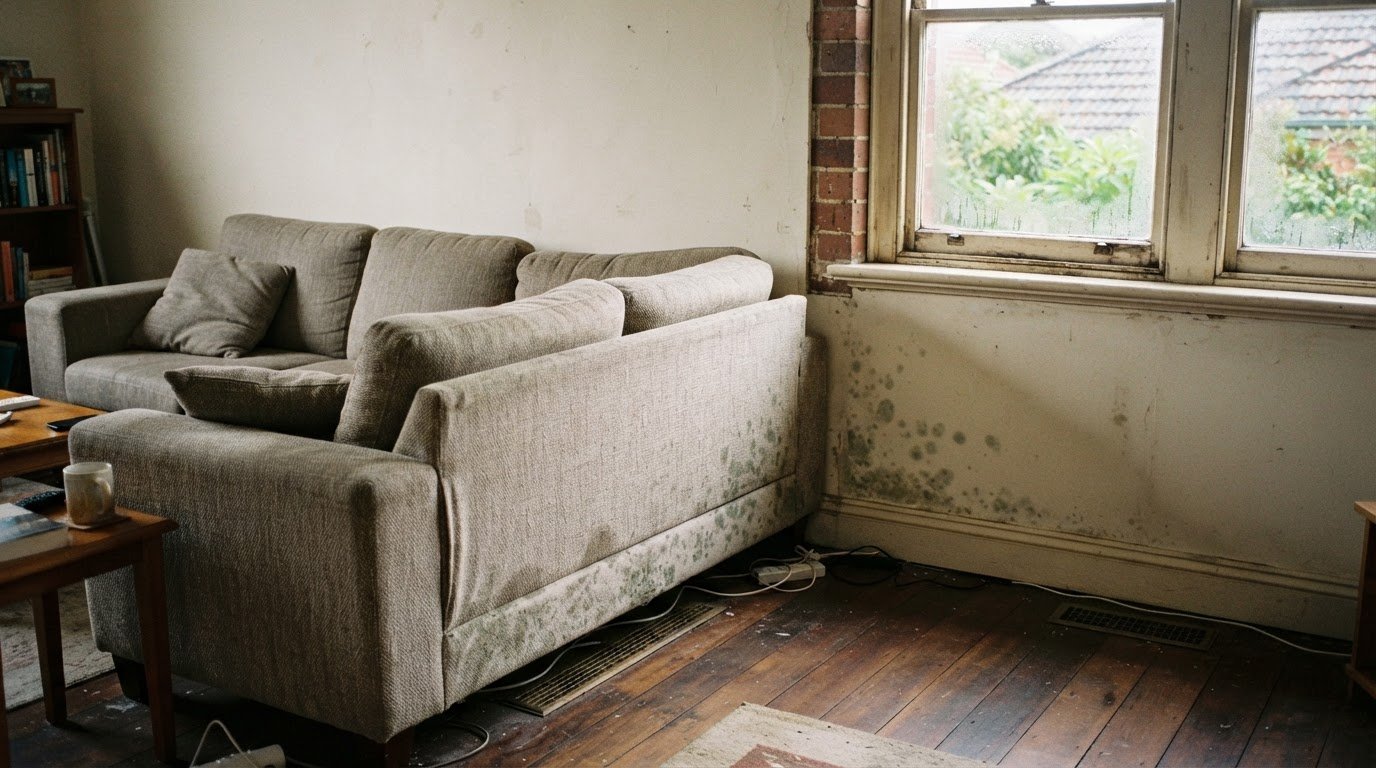
No. Colour, shape and texture can’t reliably identify a mould species. Different moulds may look alike, and appearance alone doesn’t show what is airborne. For example, a dark patch on plaster may look different from growth on timber, but neither appearance confirms its species. Laboratory analysis of a collected sample can identify fungal species. If identification will guide a decision, use sampling and inspection findings rather than visual guesses.
Do I need a mould inspection, or can I just clean it up myself?
It depends on whether the cause and extent are clear. A professional inspection is useful for recurring growth, persistent musty odours, suspected hidden dampness or mould across multiple areas. Cleaning visible marks alone won’t establish whether moisture remains behind a surface or whether growth has returned elsewhere. If the affected area keeps reappearing, investigate the moisture source before treating the visible patch as the whole problem.
How do you test for mould, and what’s in the report?
Testing may use air samples, surface samples or both, chosen to answer a specific concern. The laboratory examines submitted samples, while the report records their locations and findings. For example, a room with visible growth may need a surface sample, while concern about airborne spores may call for air sampling. Use the report’s location notes to see which areas were assessed and what the findings can reasonably tell you.
Is mould testing regulated the way asbestos is?
No. Australia has no mould-work licensing regime and no single legal exposure limit for indoor mould, unlike asbestos. There isn’t one national mould exposure number that determines whether a building is safe. Focus on the inspection scope, sampling method and how the assessor explains the findings. A report should connect laboratory results with building conditions, rather than relying on a pass-or-fail label alone.
What happens during the onsite visit?
An on-site assessment can begin with a discussion of the affected rooms, noticed odours and any history of water entry. The assessor may then visually inspect relevant areas and use a moisture meter to check building materials. For example, readings can help investigate suspected dampness behind a wall or beneath flooring. If sampling is included, ask for each sample location to be recorded so the results can be matched to the inspection.
Where’s the mould?
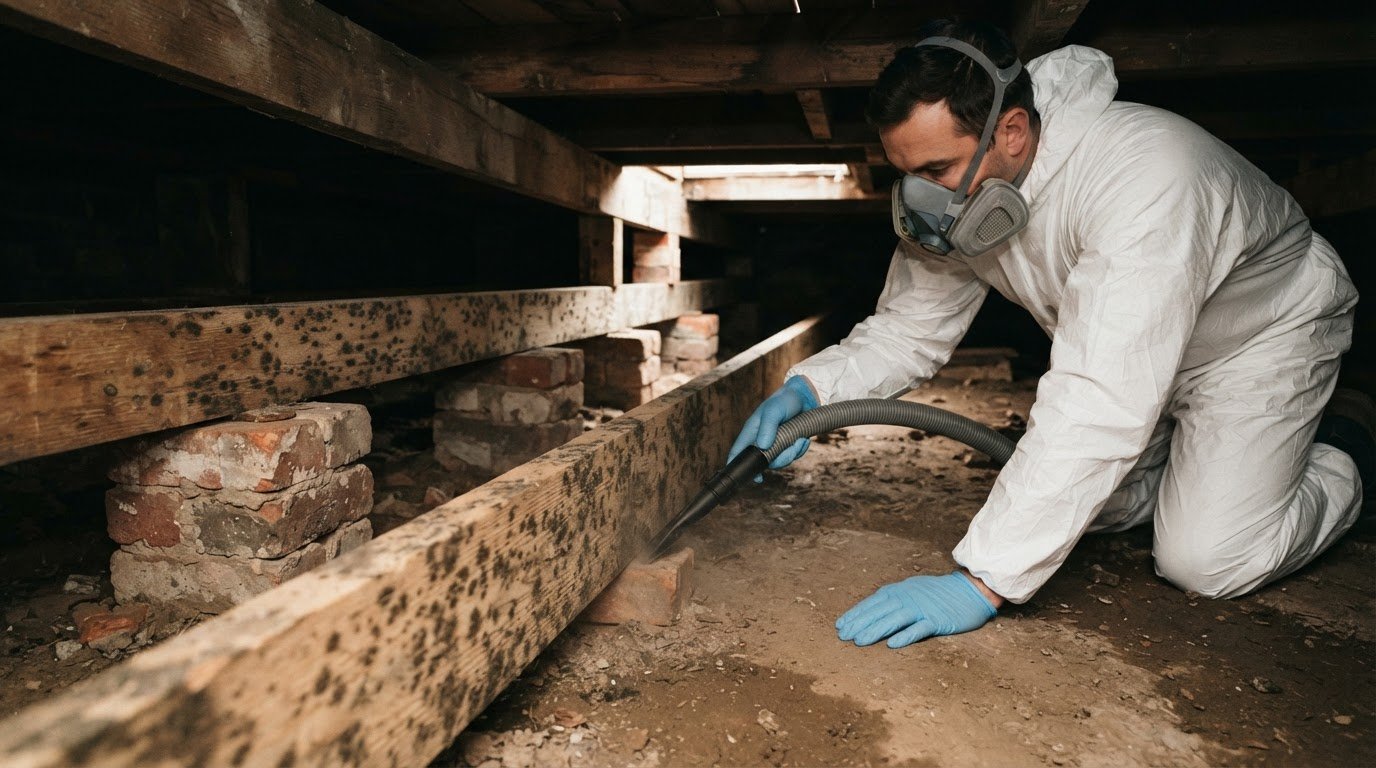
Mould is most likely to grow where building materials stay damp and provide an organic source. Look beyond visible patches: a musty cupboard, condensation around a window or discolouration near a leak can point to areas worth inspecting. Growth may also be concealed behind wall linings or beneath floors. An inspection can help trace these clues to affected materials, while air sampling alone can’t pinpoint the exact growth location.
What testing methods do Sydney mould inspectors use, and how reliable are they?
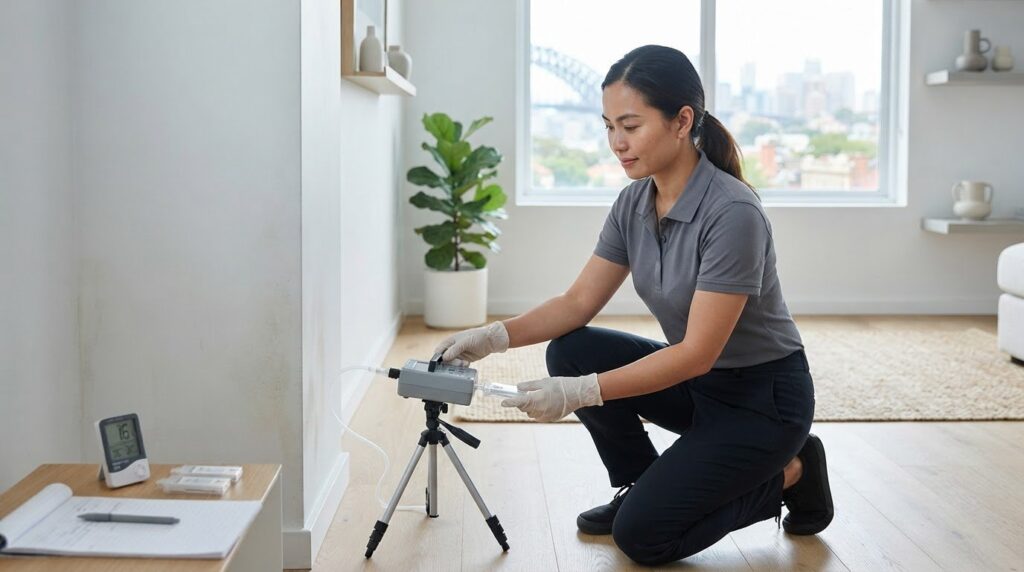
Inspectors may use calibrated air-sampling pumps in higher-risk zones and outdoor control areas, alongside surface sampling where growth is visible. These methods provide different evidence, so reliability depends on choosing samples that fit the concern. A pump sample from one room represents that collection location and period, not the whole building. Clear location records and inspection observations make laboratory findings more useful.
What do mould air testing results and spore counts mean?
Spore counts describe the airborne material captured in a sample, while species identification shows which fungi the laboratory found. Read both alongside the room location, outdoor comparison and inspection notes. A count from one room isn’t a whole-building measurement or a direct health diagnosis. For example, a result should direct attention to the sampled area and relevant moisture clues, not support conclusions about rooms that weren’t assessed.