A DIY mould test can confirm mould is present, but it won’t show how far it has spread, what caused it or whether it’s affecting indoor air quality. A professional mould inspection in Miranda looks beyond visible patches to investigate moisture and possible hidden mould. A standard building inspection doesn’t include mould testing in its report.
It’s reasonable to ask whether inspectors are licensed and insured. Those credentials are separate from an inspection’s scope and independence, so it helps to understand what the assessment covers and what it can reveal.
This guide compares DIY tests with professional inspections, explains how inspectors investigate concealed mould and moisture, and outlines what to expect when arranging an inspection. You’ll also learn what independence means in practice, so you can make a clearer decision about the next step for your property.
Key Takeaways
- DIY test kits can indicate mould is present, but they won’t reveal its spread, cause or effect on indoor air quality.
- Moisture meters, thermal imaging and sounding devices can help inspectors investigate hidden dampness and possible mould.
- Make booking easier by noting where you’ve seen dampness, water damage or unusual smells and arranging access to relevant areas.
- Before the visit, record your observations and clear access to the areas you want inspected; inaccessible spaces may limit what can be assessed.
- Understand what the inspection covers and how findings can guide the next step, whether that’s further investigation or remediation.
DIY mould testing compared with professional inspection
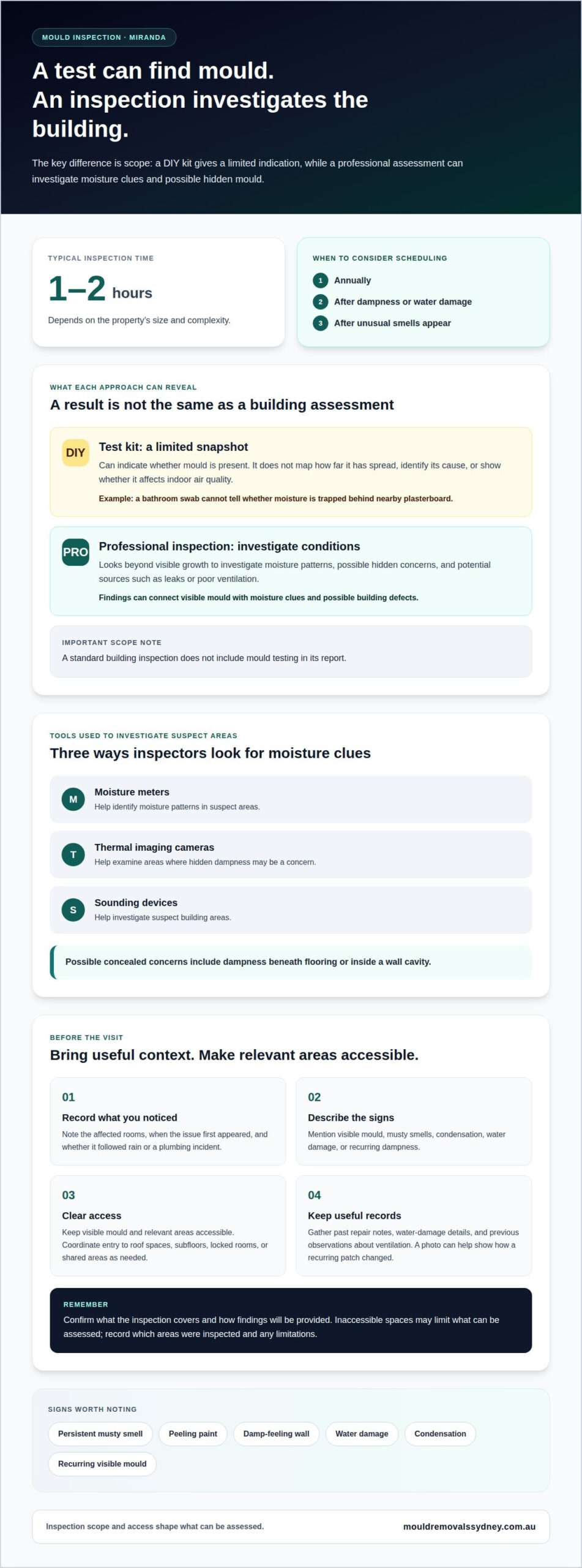
A DIY mould test can help establish whether mould is present, but it can’t map its spread, identify its cause or show whether it affects indoor air quality. A standard building inspection also doesn’t include mould testing in its report. For example, a swab detecting mould on a bathroom surface won’t explain whether moisture is trapped behind nearby plasterboard.
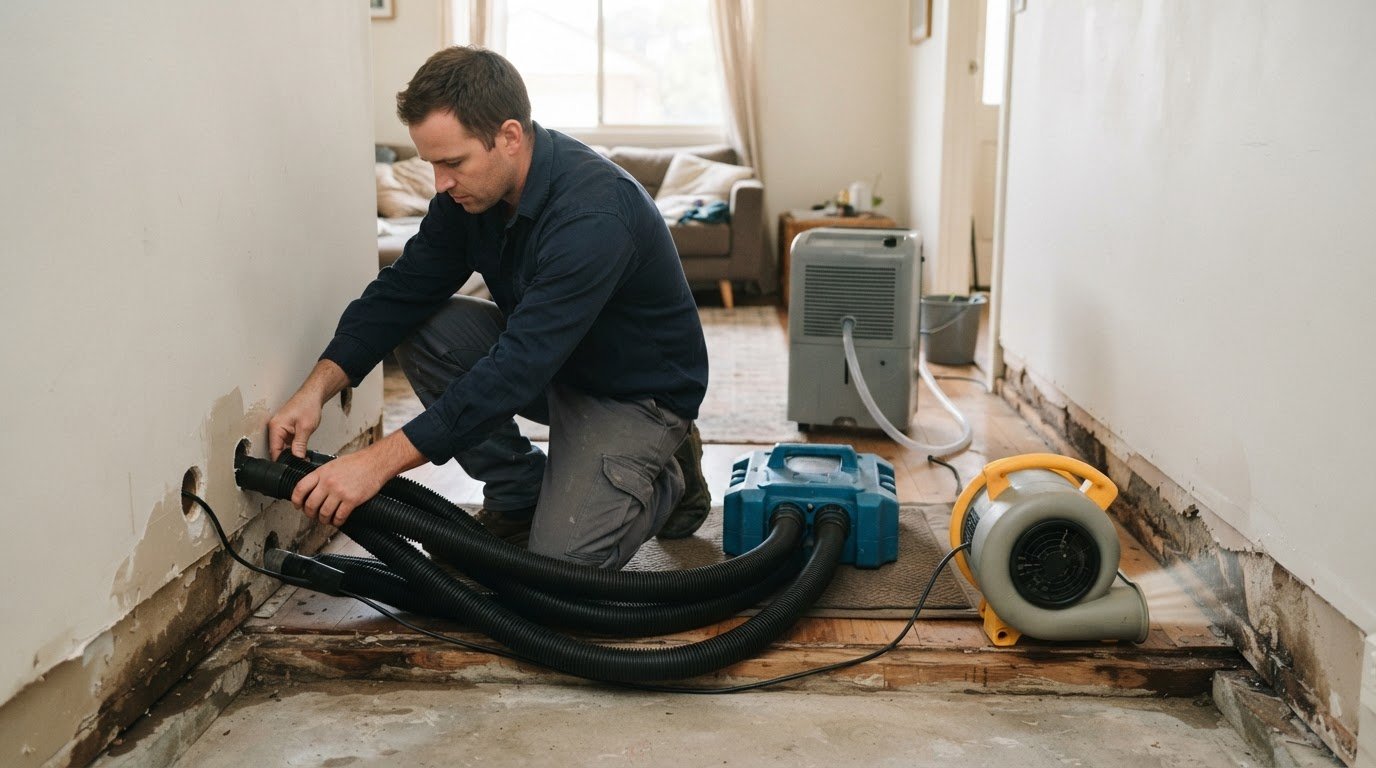
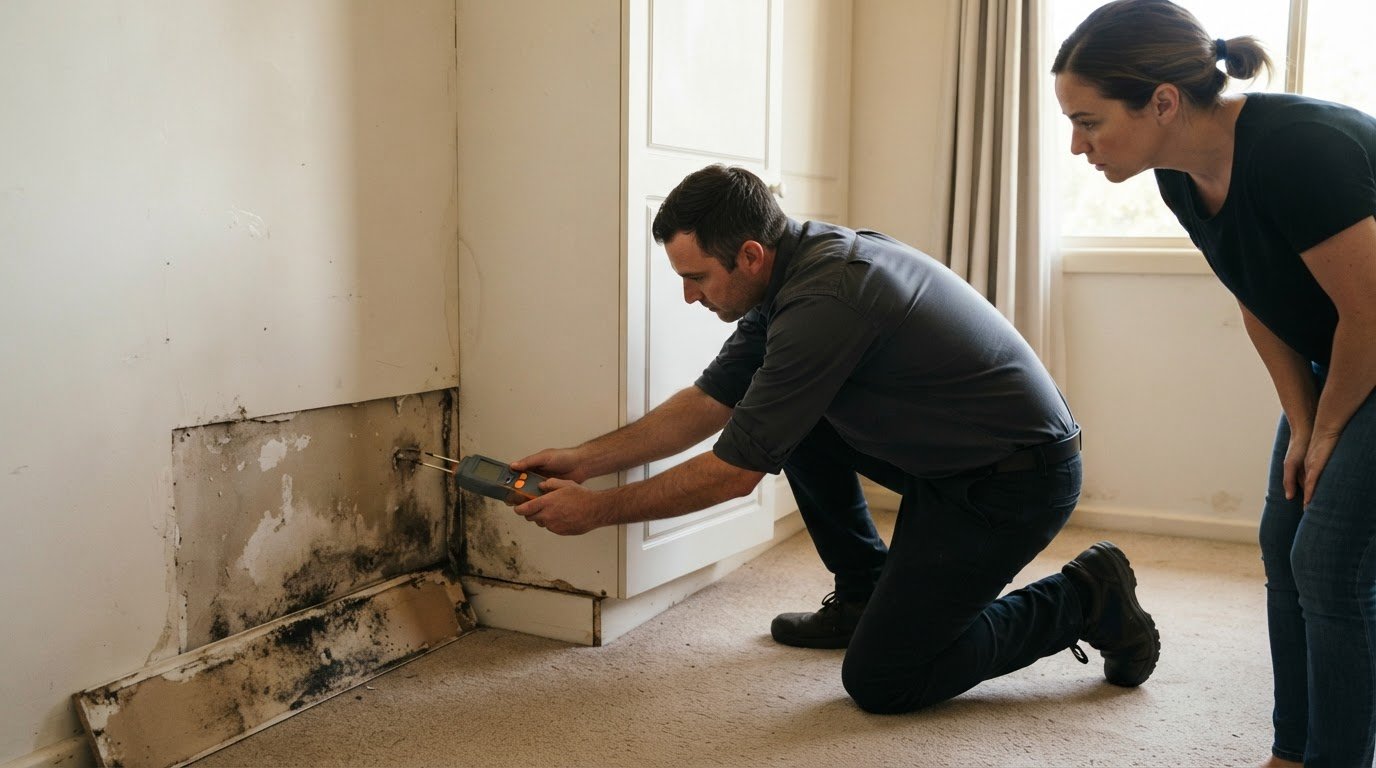
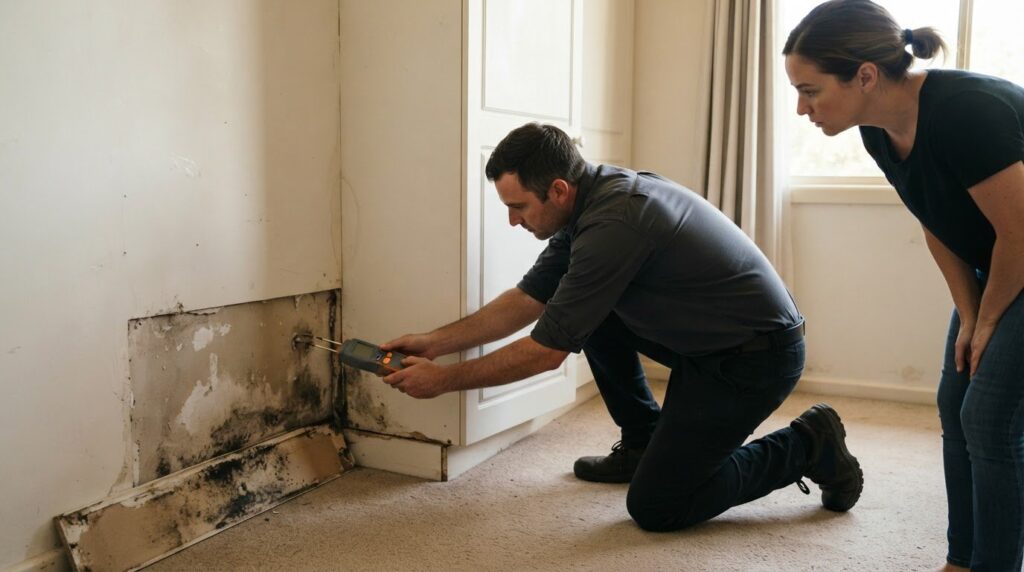
A professional mould inspection in Miranda investigates the conditions behind visible growth. Inspectors can use moisture meters, thermal imaging cameras and sounding devices to examine suspect areas. These tools help identify moisture patterns and possible hidden concerns, such as dampness beneath flooring or inside a wall cavity. The findings provide more context than a test result alone.
DIY kits provide only a limited snapshot. They don’t establish how extensive the problem is, whether a leak or poor ventilation is contributing, or what should be addressed first. A professional assessment can connect visible mould with moisture clues and possible building defects. For instance, a damp patch near a window may prompt closer examination of the surrounding wall and signs of water entry.
Mould exposure can be associated with asthma or allergy flare-ups, skin irritation, watery or red eyes, sinus congestion and coughing. If symptoms or health concerns arise, contact a health professional; according to NSW Health, people seeking advice about mould-related health risks can call their local Public Health Unit on 1300 066 055.
Tenants who find dampness or mould should record where it appears and notify their landlord or agent. In NSW, adequate ventilation is one of the seven minimum standards rental properties must meet to be fit to live in. Records of dates, affected rooms and recurring moisture can help explain the issue.
Reviews and service-area details can help Miranda residents understand the inspection experience and whether a service covers their property. Look for comments describing the inspection process, communication and reporting, rather than relying only on a star rating. A review can’t reveal what is happening inside your own walls, but it can clarify what others found useful.
For tenancy questions, the NSW Fair Trading call centre can be reached on 13 32 20 from Monday to Friday, 8:30am-5pm. That contact is useful when you need information about a rental issue; it doesn’t replace an inspection that investigates moisture or concealed mould.
Treat a DIY kit as a limited indication, not a diagnosis of the building. When mould returns, covers a larger area or appears alongside persistent dampness, a professional assessment can help connect visible signs with likely moisture sources and practical next steps.
Booking and inspection scheduling
Plan a visit around the areas affected, the signs you’ve noticed and access to the property. In Miranda, scheduling annually or after dampness, water damage or unusual smells appear helps you address changes promptly.
Booking the Inspection
Start by noting the property type, affected rooms and when the problem first appeared. Describe visible mould, musty smells, condensation or water damage, and mention whether the same area has been affected before. These details help define the inspection’s focus before a time is arranged.
Share practical access information, such as entry arrangements and whether roof spaces, subfloors or locked rooms need to be opened. If you live in a unit, identify the affected lot and any shared-wall concerns. Confirm the agreed scope, expected visit length and how findings will be provided. A typical inspection takes 1-2 hours, depending on property size and complexity.
Preparing for the Inspector’s Visit
Make a short timeline before the appointment. Note when dampness appeared, whether it followed rain or a plumbing incident, and what has changed since. A photo of a recurring patch can show how its appearance has changed, especially if the surface looks different on inspection day.
Keep access clear to visible mould, nearby windows, bathroom ventilation and other relevant areas. Don’t cover a patch with furniture or freshly applied paint before the visit. If a tenant, property manager or owner needs to provide access, coordinate beforehand so the inspection can cover the agreed areas.
Once the visit is scheduled, gather useful records in one place. Include past repair notes, water-damage details and previous observations about ventilation. For example, a recurring mark near a bathroom ceiling may be easier to assess when its location and timing are recorded. Your notes aren’t a diagnosis, but they give the inspector useful context.
Be specific about what you want assessed. “There’s a smell in the bedroom after rain” gives a clearer starting point than “the house feels damp.” Point out affected rooms and nearby areas, then let the inspector assess the conditions and relevant building features. A detailed description can help distinguish an isolated surface concern from a pattern affecting several spaces.
After the visit, keep the written findings with your property records. Note any recommended next steps and which areas were assessed. If a space couldn’t be accessed, record that limitation rather than treating it as inspected. This makes follow-up decisions clearer if moisture or visible mould returns. For a straightforward next step, arrange a mould inspection visit and share the details you’ve recorded.
Detecting hidden mould
Hidden mould may be indicated by a persistent musty smell, peeling paint or a damp-feeling wall, rather than an obvious patch. In Miranda homes, an inspection follows these signs to investigate possible sources, including leaks, flooding and dampness inside wall cavities or beneath flooring.
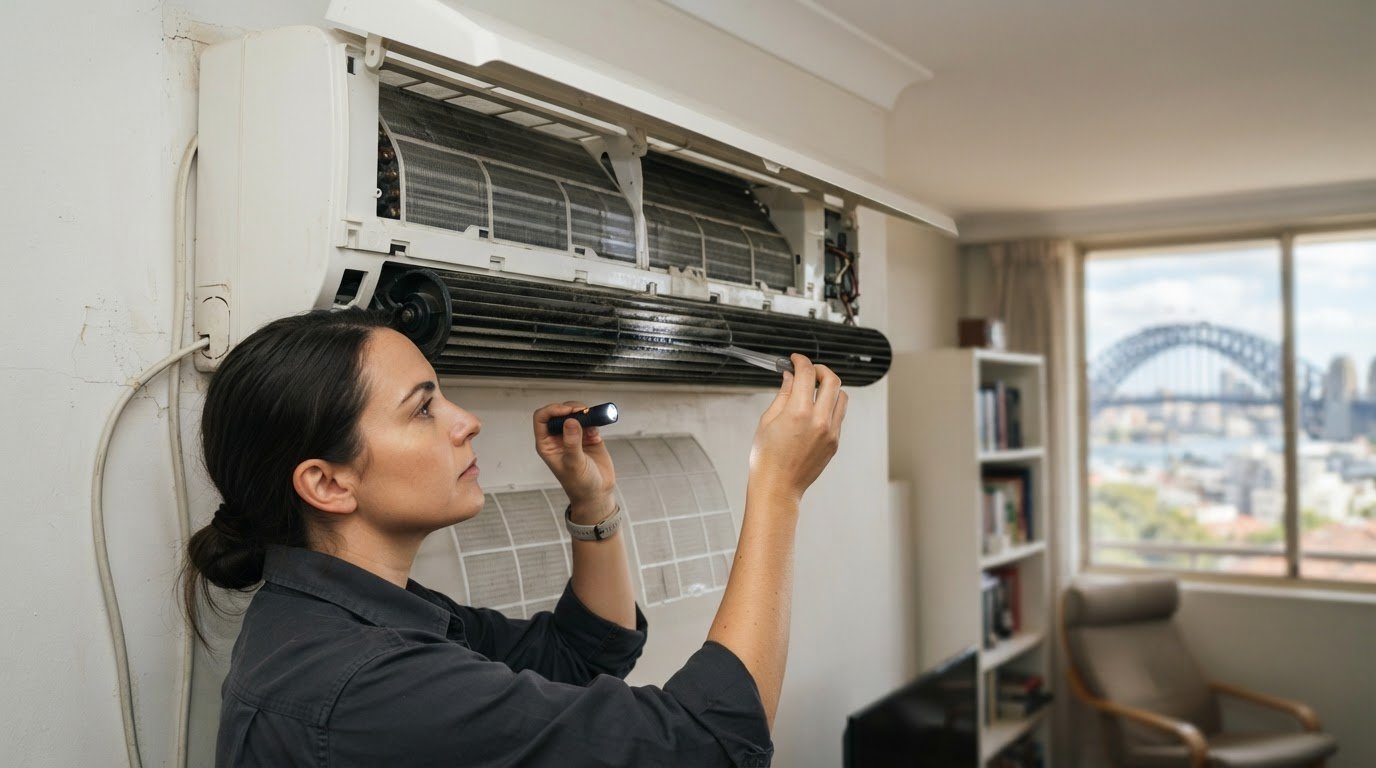
Inspectors use equipment to build a picture of the affected area. Moisture meters help assess dampness in materials, while thermal imaging cameras show temperature patterns that can highlight areas needing closer attention. Sounding devices can help assess changes beneath a surface. These tools guide the investigation, but readings and images need to be interpreted alongside the property’s condition and visible evidence.
Bathrooms deserve close attention. Failed shower seals, a leaking fixture, poor ventilation or a waterproofing problem can allow moisture to affect nearby materials. For example, a recurring mark on the ceiling below an upstairs bathroom may lead an inspector to examine the room above, nearby surfaces and moisture readings. The aim is to trace a likely source, not simply treat the visible stain.
Alterations can also create less obvious pathways for water. A converted garage, extension or other addition may have construction and waterproofing details that differ from the original home. Inspectors can examine transitions between old and newer work, especially where there’s a musty odour or damaged finish. Differences in condition can help focus attention on areas needing further assessment.
- Wall cavities: Investigate damp patches, bubbling paint or a persistent smell near walls.
- Under flooring: Consider moisture clues where boards feel affected or smells persist.
- Bathroom surrounds: Look for deterioration near seals, fixtures and adjoining rooms.
- Altered areas: Note changes where extensions or converted spaces meet the original building.
Each clue needs context. A single surface mark doesn’t show whether mould extends behind it, and a moisture reading alone doesn’t identify the cause. Inspectors compare readings with visible damage, room use, ventilation and nearby building features. For example, dampness near a window may warrant closer examination of the surrounding wall and possible water entry.
Record where odours or marks recur, and mention any leaks or flooding when arranging an inspection. This history can help direct attention to concealed areas. If the findings identify a likely source, addressing the moisture condition and arranging necessary repairs are important steps to reduce the chance of further mould growth.
Independent mould inspections
An independent inspection bases its findings on observed conditions and evidence, not assumptions about the remedy. A useful report distinguishes visible signs, moisture clues, areas assessed and access limitations. In Miranda, this record helps owners understand what the inspection established before deciding what to do next.
A mould inspection can assess a property’s interior and exterior, including walls, ceilings, insulation and timber, and examine indoor air quality. The inspector considers how separate observations relate. For example, a damp wall, a musty smell and nearby moisture readings may together point to an area needing closer attention.
Scope matters. For Miranda houses, duplexes and townhouses, accessible roof spaces, subfloors, wet areas, internal finishes, external walls, drainage clues, outdoor structures and timber pest conditions may be relevant. A building and pest inspection has a different purpose: a mould inspection focuses on moisture and mould-related evidence. Neither report should imply that an inaccessible area was assessed.
A typical inspection takes 1-2 hours, depending on the property’s size and complexity. During that time, clear notes help connect each observation with its location. A report might distinguish a visible stain from evidence of dampness, then identify whether nearby areas were accessible. This level of detail gives owners a clearer basis for repair discussions.
For a Miranda unit or apartment, the inspection focuses on the individual lot and visible areas within its scope. Shared walls, roofs, balconies or plumbing may involve common property. Strata records offer separate information about common property, major works, levies and shared defects. Keeping these sources distinct prevents an inspection of one lot from being mistaken for a review of the whole building.
Independence also depends on how observations lead to recommendations. Evidence should support the stated concern, and limitations should be clearly recorded. If a roof space cannot be accessed, for example, the report should state that rather than imply it was inspected. This makes findings easier to interpret and avoids confusing an observation with a confirmed cause.
Before booking in Miranda or elsewhere in Sydney, consider whether the written report will identify the areas covered, evidence observed and access limits. Note whether it addresses indoor air quality and moisture clues relevant to your concern. A clear scope helps you compare the report with later repair advice, without treating inspection and remediation as the same task.
What should I do before a mould inspector visits?
Before the appointment, make the property accessible and preserve useful evidence. In a Miranda home, avoid changing the affected area just before the visit. Fresh paint or moved furniture can make it harder to understand how the problem appeared.
Keep the inspection conditions representative of ordinary use. Don’t deliberately shut windows, run fans continuously or change heating patterns to influence what the inspector sees. If a bathroom fan is noisy or a window is usually kept closed, explain that routine instead. These details help put ventilation observations into context.
Check which rooms and building areas are included in the agreed inspection scope. Then arrange practical access:
- Coordinate entry with the owner, tenant or property manager.
- Tell the inspector about locked rooms, security gates or access instructions.
- Secure pets in a separate area during the visit.
- Keep children away from inspection equipment and work areas.
- Identify any shared areas in a unit that require separate strata access.
Don’t remove wall linings, lift flooring or dismantle fixtures to expose suspected mould. For example, opening a wall behind a wardrobe changes the area before it can be assessed. Leave concealed spaces intact and point out the concern. The inspector can determine what can be assessed without treating an inaccessible cavity as inspected.
Gather relevant property records without trying to interpret them yourself. A recent repair invoice, plumber’s note or strata communication about a roof leak may help explain past work. For a renovated Miranda home, identify where an extension or converted garage joins the original building. That transition may be relevant to the inspection.
For a rental property, make sure the tenant and agent understand the appointment arrangements. Agree who will provide access and which rooms need to be available. If the concern involves a unit’s shared wall or balcony, note the location clearly. The individual lot inspection and strata information about common property are separate sources.
On arrival, show the inspector the affected areas and describe any access limits. Mention if a room contains delicate belongings or restricted spaces. Avoid cleaning or applying products to visible mould beforehand, as this can alter the evidence. Keep the visit focused on assessment, not an improvised repair.
Prepare those access arrangements before the appointment, then book a mould inspection visit to assess the property’s visible concerns and accessible areas.
ABC Mould Cleaning Solutions: Air Purification & Scrubbing
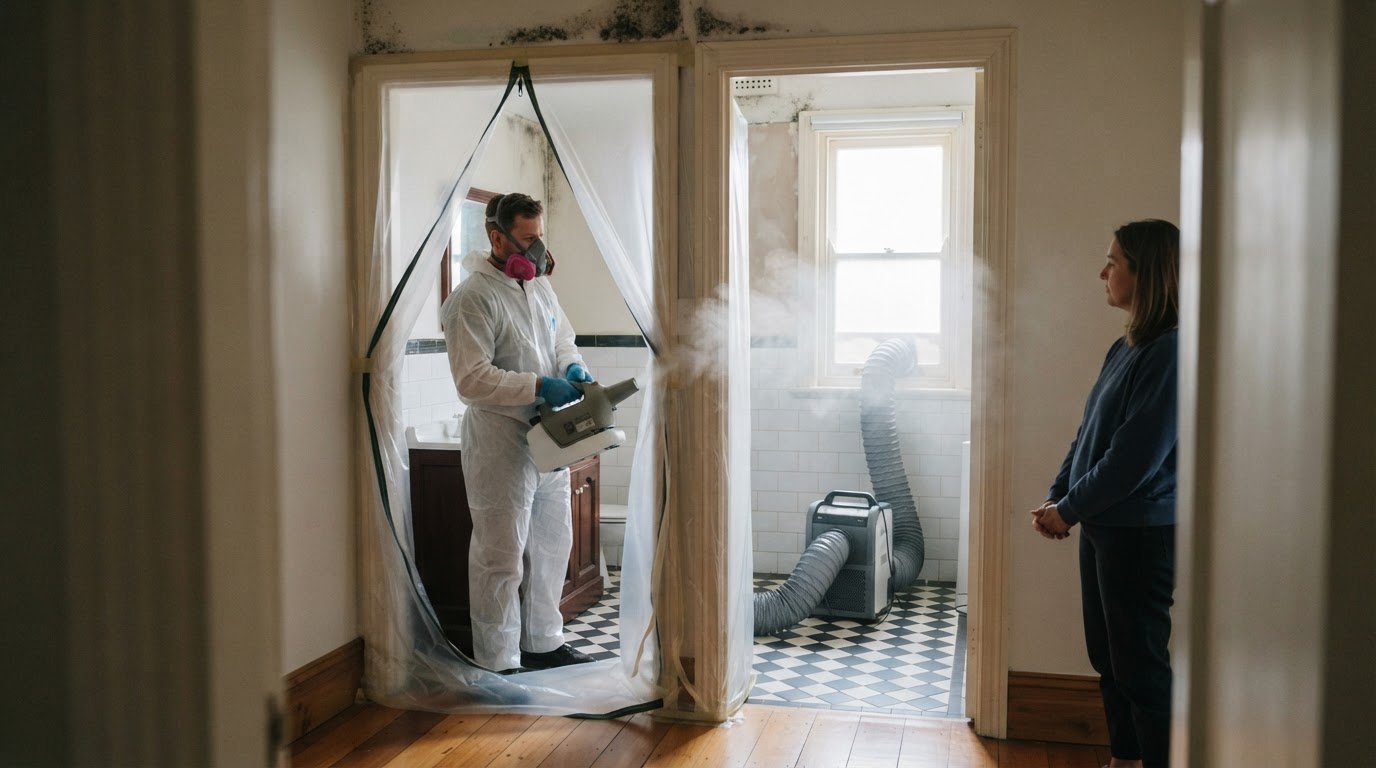
ABC Mould Cleaning Solutions can help when inspection findings point to mould, airborne spores or a moisture concern requiring further action. Its Mould Inspection Services assess the property, while Mould Remediation addresses mould identified during the process.
Air Purification & Scrubbing can help address concerns about airborne spores. If dampness relates to a subfloor environment, Subfloor Ventilation System Installation may also be relevant. The appropriate next step depends on the inspection findings and the conditions affecting your property.
Use the inspection details to explain what you’ve noticed and which areas need attention. Contact ABC Mould Cleaning Solutions to discuss the next step for your property.
Take the next step with confidence
Once you have a clearer picture of your property’s mould concerns, use the inspection findings to decide what needs attention. A professional mould inspection in Miranda can turn uncertainty into a practical plan, whether that means addressing mould or considering indoor air quality.
ABC Mould Cleaning Solutions offers Mould Inspection Services, Mould Remediation, and Air Purification & Scrubbing. These services support different stages of the response, from assessing concerns to addressing mould and airborne spores. The right next step depends on what the property assessment identifies.
Share the areas causing concern and the observations you’ve gathered. Contact ABC Mould Cleaning Solutions to discuss your property and take a clear step towards resolving the issue.
Frequently Asked Questions
How quickly can I get an inspection report for my Miranda property?
Report timing depends on the inspection’s scope, property access and the amount of evidence to document. A straightforward visit with accessible areas differs from an assessment involving several rooms, concealed moisture concerns or restricted spaces. Before booking, ask how findings are delivered and whether additional investigation affects the reporting process. Keep access instructions and repair records ready so the inspector can focus on the agreed areas.
What is Mould Inspection?
A mould inspection assesses a property for visible mould, moisture conditions and possible contributing sources. It helps distinguish surface growth from signs that may point to concealed dampness, such as peeling paint beside a window or a persistent musty smell. The inspection records observations and areas assessed, giving owners information to guide decisions about further investigation or remediation.
Will the report say who’s responsible?
An inspection report can document conditions and evidence, but responsibility in a rental dispute depends on the cause and circumstances. In NSW, landlords are responsible for mould linked to a breach of minimum standards or a failure to make timely repairs. Tenants may be responsible when their actions cause mould during the tenancy. A report can inform discussions, but it doesn’t make a legal ruling.
What does a professional mould inspection include in Australia?
A professional assessment can examine relevant indoor and outdoor areas, visible mould, moisture clues and building materials. The inspector may consider bathrooms, adjoining spaces and areas near previous water damage. Written findings should clarify what was observed and which spaces were accessible. That distinction matters when a roof space, wall cavity or subfloor couldn’t be examined during the visit.
Mould inspection vs mould testing: what is the difference?
Testing focuses on collecting or analysing a sample, while an inspection examines the property conditions around the concern. For example, a sample from a bathroom surface may indicate mould, but it won’t explain whether a leaking fixture or damp adjoining material is involved. An inspection connects visible signs and moisture evidence to the building, helping clarify what a sample alone cannot explain.
How long does a mould inspection take and when are results available?
A typical inspection takes 1-2 hours, depending on the property’s size and complexity. Report timing depends on the scope and the work needed to organise observations into clear findings. Accessible areas and a focused concern allow a different process from a property with multiple affected rooms or restricted spaces. Arrange access in advance and ask how the report will be provided after the visit.
Mould inspection companies near Miranda NSW reviews and service areas
Check reviews for details about the inspection process, communication and reporting, and confirm the company services your property’s location. Reviews can describe the experience, but they cannot establish what is happening inside your walls.
How to find a licensed or qualified mould inspector in Miranda NSW
Ask whether the inspector is licensed and insured, and confirm what the inspection covers and how its independence is maintained. The inspection business listed in the material has NSW Fair Trading licence 366177C.