
The most detailed-looking report isn’t automatically the one your insurer needs. Before booking a specialist mould report for insurance company review, check what evidence your insurer wants and whether the specialist can provide it. A report that identifies mould but doesn’t address the likely moisture source or affected areas may leave important questions unanswered.
It’s understandable to worry about paying for an inspection that won’t help your claim. Requirements and policy cover vary, so ask your insurer what the assessment should cover, what format it needs, and whether it requests photographs, moisture-source findings or testing. Don’t assume any report guarantees claim approval.
This guide explains what to ask before booking, how to compare specialists by inspection scope and documentation, and why an inspection report isn’t the same as a remediation quote. ABC Mould Cleaning Solutions’ inspection service assesses the extent and source of mould. Before proceeding, ask whether it can provide a formal insurance-specific report and what that report includes.
Key Takeaways
- Check your insurer’s specific evidence and documentation requests before arranging a specialist mould report for insurance company review.
- Ask what the report can document about mould extent and moisture sources, and how it separates observations from conclusions.
- Compare specialists by their written scope, reporting approach, relevant experience and willingness to explain limitations.
- Organise claim correspondence, event dates, repair records and relevant photographs before the inspection.
- ABC Mould Cleaning Solutions offers mould inspections and related services. Confirm whether it can provide the specific documentation your insurer requests.
Need a Specialist Mould Report for an Insurance Company? Start With the Insurer’s Request
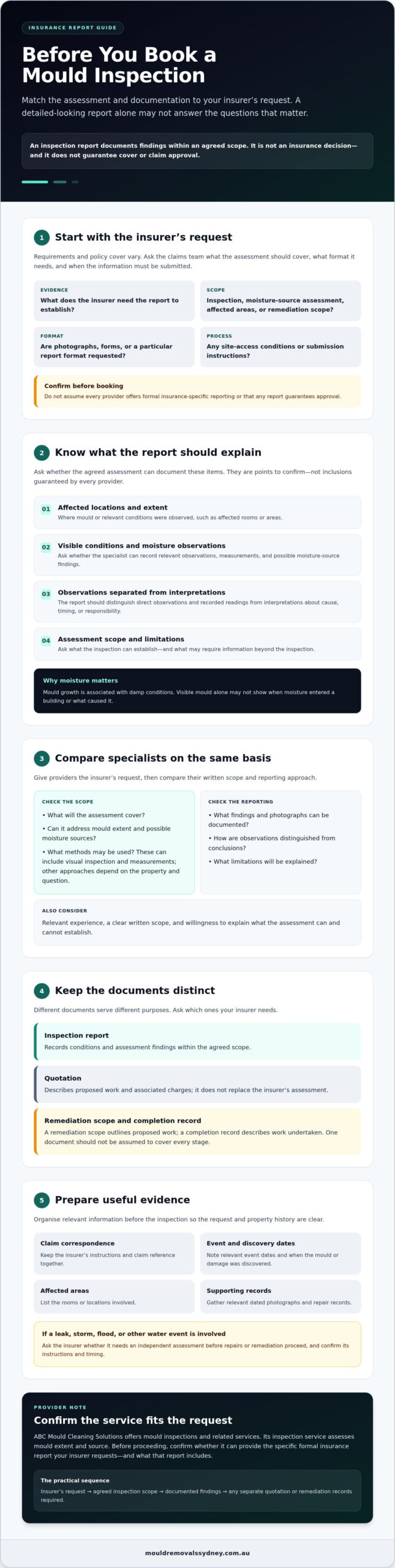
Before booking a specialist mould report for an insurance company, find out what your insurer needs it to establish. A specialist report documents findings from an assessment, but the scope and format vary between providers. An inspection, an assessment of a possible cause and a remediation scope are different things. Don’t assume every provider offers formal insurance-specific reporting.
Start with your insurer’s claims team. Ask what evidence it needs, whether it expects a particular inspection scope or report format, and when the information must be submitted. Insurers assess claims under individual policy terms and the circumstances of the event. An inspection report can help document damage, but it can’t guarantee cover or claim approval.
What does the insurer need the report to answer?
Ask specifically whether the insurer needs a mould inspection, an assessment of the likely moisture source, documentation of affected areas or a proposed remediation scope. Check whether it has forms, site-access conditions or submission instructions for the specialist. Note your claim reference, relevant event and discovery dates, affected rooms, and the contact handling your claim. Clear instructions make it easier to compare providers on the same basis.
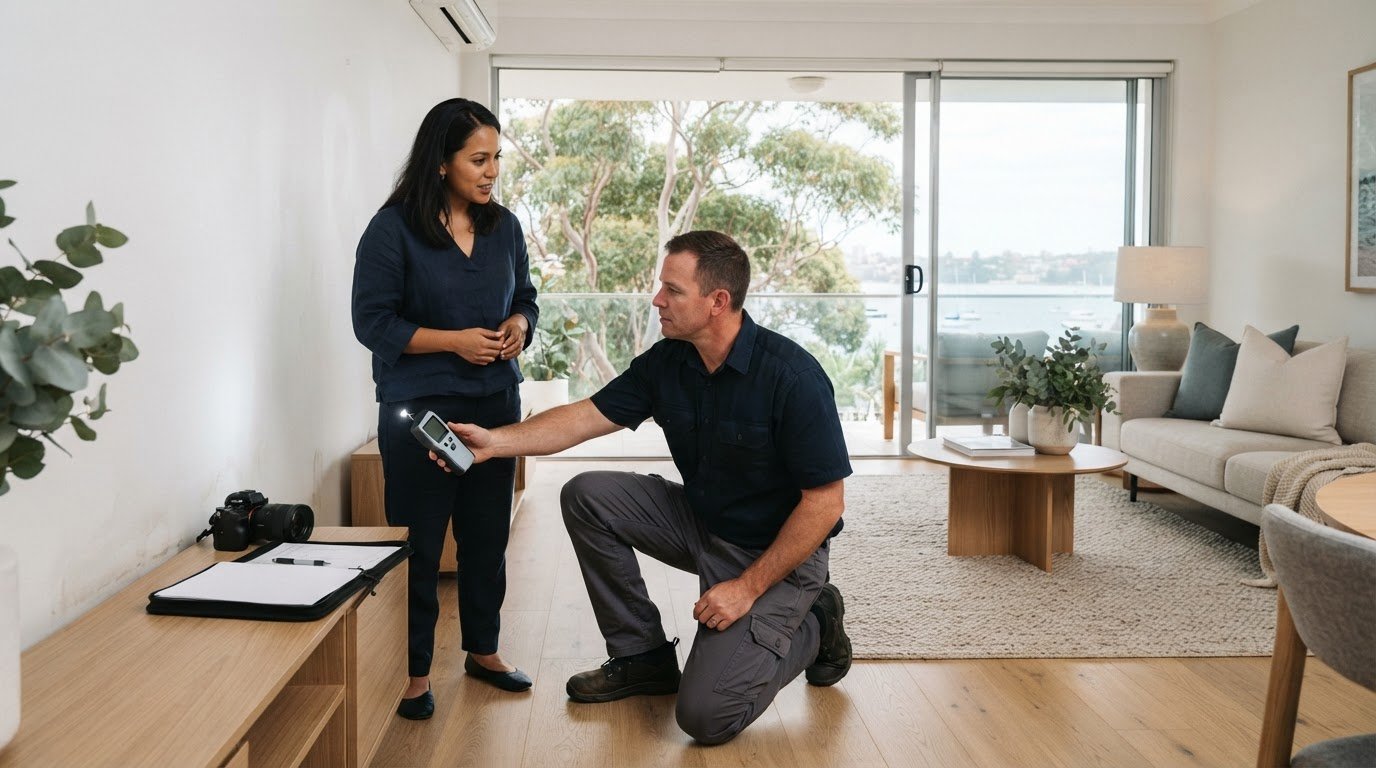
Ask the specialist what the assessment can establish and what it can’t. Methods may include visual inspection and measurements, with other approaches depending on the property and the question being investigated. This overview of mould assessment methods describes approaches such as sampling and inspection tools, and highlights why moisture sources matter. A report should distinguish direct observations, such as visible growth or recorded readings, from interpretations about cause, timing or responsibility.
When is a specialist mould inspection worth considering?
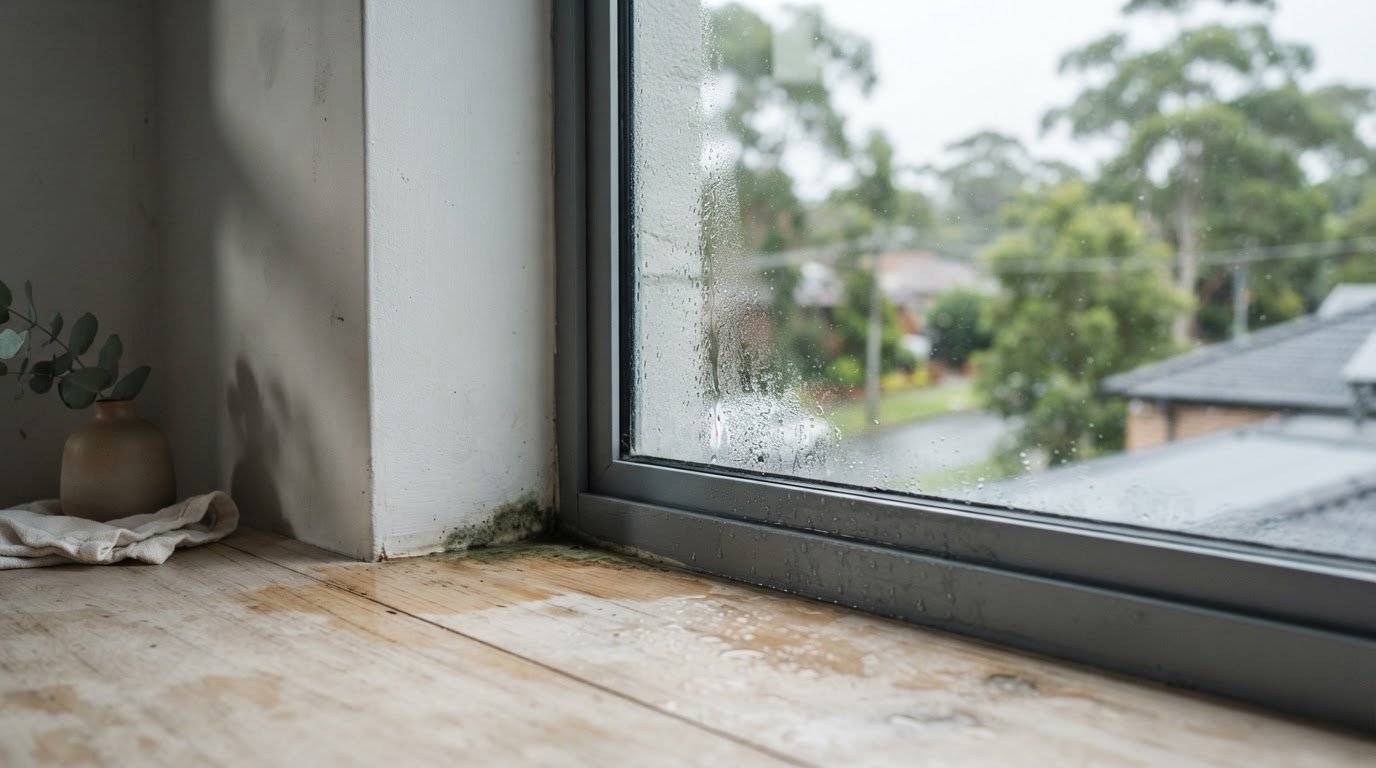
A professional assessment may be worth considering when mould appears after a leak, storm, flood or other water event, particularly if your insurer wants evidence about affected areas or a possible moisture source. Visible mould alone may not show when moisture entered the building or what caused it. Keep dated photographs and records, and ask the insurer whether it needs an independent assessment before repairs or remediation proceed.
If water damage is part of the situation, the guide to water damage repair covers practical considerations for Sydney homes. First, confirm the insurer’s instructions and timing. Then check that the proposed inspection and documentation match its request. This can help prevent confusion between an inspection report and a remediation quote.
What Should an Insurance-Focused Mould Report Explain?
A useful report makes clear what the specialist observed, where it was observed and what the assessment covered. For a specialist mould report for insurance company review, ask whether the agreed scope can document affected locations, visible conditions, relevant moisture observations and any limitations. These are items to confirm, not standard inclusions guaranteed by every provider.
An inspection report records observations and assessment findings within an agreed scope; it isn’t an insurance decision. The report should distinguish observations and measurements from interpretations about possible causes, timing or responsibility. For example, it may record evidence of moisture in a wall, while determining when the moisture entered or who is responsible may require information beyond the inspection.
Moisture matters because mould growth is associated with damp conditions. The U.S. Environmental Protection Agency explains that the key to mould control is moisture control. This is useful background, but it doesn’t determine how an Australian insurer will assess a particular claim.
Inspection report, quotation, and remediation record: what is the difference?
These documents serve different purposes. An inspection report records conditions and findings within the agreed assessment scope. A quotation describes proposed work and associated charges; it doesn’t replace the insurer’s assessment. A remediation scope outlines proposed work, while a completion record describes work undertaken. Ask which documents the insurer needs and whether the specialist can provide them. Don’t assume one document covers every stage.
Which evidence should you ask the specialist to document?
Before booking, ask how findings will be recorded and presented. Room-by-room notes and dated, labelled photographs can help connect observations to specific parts of the property. Check whether the report can describe visible conditions and relevant moisture observations, and whether it will identify areas that couldn’t be accessed or inspected. Ask how any test results will be explained and what they can and can’t establish.
Give the specialist a clear account of what you’ve noticed, including relevant dates and known water events. Ask them to distinguish information supplied by occupants from conditions they directly observed. If a reading or photograph supports an interpretation, the report should explain that connection rather than present a conclusion without context.
ABC Mould Cleaning Solutions offers mould inspection services that assess the extent and source of mould. Review its mould inspection services and ask whether it can provide the specific insurer-requested documentation, what the report includes, and whether requested tests or formats are available. Keep inspection findings separate from any later quotation or record of completed remediation.
How to Compare Specialists Before Commissioning a Mould Report
A provider’s promise of an “insurance-ready” report isn’t enough to show whether the service suits your claim. Before booking, compare the written scope, reporting approach, relevant experience and communication. Ask for clear answers you can check against your insurer’s request rather than assuming a particular test, credential or format is included.
Questions to ask before you book a Sydney mould specialist
Ask which rooms and areas the inspection covers, what observations will be recorded and what documents you’ll receive. If the provider prepares reports for insurer review, ask what that means in practice. They may be able to explain their process or provide an appropriate example with personal details removed. Confirm how findings, limitations and suggested next steps will be communicated, and whether testing or additional assessment is separate from the agreed scope.
Check credentials rather than guessing. If a provider cites an accreditation or specialist qualification, ask who issued it, whether it’s current and whether your insurer requires it. The U.S. EPA’s EPA’s Mold Remediation Guidelines offer background on remediation practices. Don’t assume they’re an Australian requirement or that citing them means a report will meet your insurer’s needs.
Warning signs in report promises and sales claims
Be cautious of anyone guaranteeing that a report will secure payment or reverse an insurer’s decision. A specialist can’t decide cover on the insurer’s behalf. A vague scope is another reason to pause: you should understand what will be inspected, what will be documented and what falls outside the service. Check that observed findings are identified separately from interpretations and proposed remediation work.
Use this comparison table when speaking with providers. Record their answers in writing so you can compare like with like.
| Ask the provider | Evidence to request | Record for comparison |
|---|---|---|
| What areas and observations are included? | Written scope and sample report, if available | Rooms covered, exclusions and deliverables |
| What experience do you have with insurer-requested documentation? | Process explanation or suitably redacted example | Relevant experience and how findings are presented |
| How do you handle credentials, testing and limitations? | Credential details and explanation of any proposed tests | What’s verified, optional or outside the scope |
| How are recommendations reported? | Example showing findings separate from proposed work | Whether interpretation and remediation advice are clearly distinguished |
ABC Mould Cleaning Solutions offers mould inspection services that assess mould extent and source. If you’re comparing providers, review its mould inspection services and ask whether it can supply the specific documentation your insurer requests. Confirm the report scope before commissioning the inspection.
How to Prepare for the Inspection and Protect Useful Evidence
Preparing in advance can help the specialist focus on your insurer’s questions and make follow-up easier. Before booking or changing the affected area, check what the insurer wants preserved and documented. Ask before disturbing materials, removing damaged items or arranging extensive work, unless urgent action is needed to protect people or property. Keep a record of any action taken and the reason for it.
Use this sequence to keep the process clear:
- Confirm insurer requirements. Ask what evidence and report scope it needs, whether it has current forms or access instructions, and when findings should be submitted.
- Brief the specialist. Share the insurer’s questions and relevant instructions, explain what you want assessed, and confirm the agreed scope before the appointment.
- Organise your records. Keep claim correspondence, event and discovery dates, repair records and relevant photographs together. Label images with dates and room locations where possible.
- Clarify the deliverables. Confirm the report format, delivery method, expected timing and any limits or additional services before the inspection begins.
What information should you give the inspector?
Share a factual timeline: when a water event occurred, when you first noticed mould or dampness, what changed and what actions have already been taken. Identify affected rooms, known leaks, previous repairs and areas the specialist may not be able to access. Don’t guess at the cause. If you provide insurer forms or instructions, check they’re current and relevant to the claim, then make clear which questions the specialist is being asked to address.
For background on mould and how it develops, read what mould is and how it develops. This can help you describe what you’ve seen without presenting a possible cause as a confirmed finding.
What should you confirm after the assessment?
Check what the specialist will provide, how and when it will be delivered, and whether tests or further investigations are outside the agreed service. Ask how inaccessible areas, assessment limits and recommended next steps will be documented. A report may identify questions that need further investigation; don’t assume it will settle them.
If the findings indicate further assessment or urgent property work may be needed, contact your insurer promptly and ask how to proceed before arranging extensive work where practical. If you’re in Sydney or surrounding regions, ask about ABC’s mould inspection services and confirm whether the requested documentation can be provided for your specialist mould report for insurance company review.
Can ABC Mould Cleaning Solutions Help With Your Insurance Report?
ABC Mould Cleaning Solutions serves Sydney and surrounding regions, with services including mould inspection, mould removal, air purification and water damage restoration. These services may be relevant when you’re investigating a mould issue or addressing water damage. However, a service offering doesn’t confirm that a formal insurance-specific report, forensic assessment or particular testing is available. Check the reporting capability separately before booking.
What ABC’s confirmed services can address
An inspection assesses the extent and source of mould. Ask what the inspection covers and whether ABC can provide the written findings or other documentation your insurer has requested. Confirm the report’s scope and limits directly. Don’t assume an inspection includes testing, a forensic opinion, a remediation plan or insurer approval.
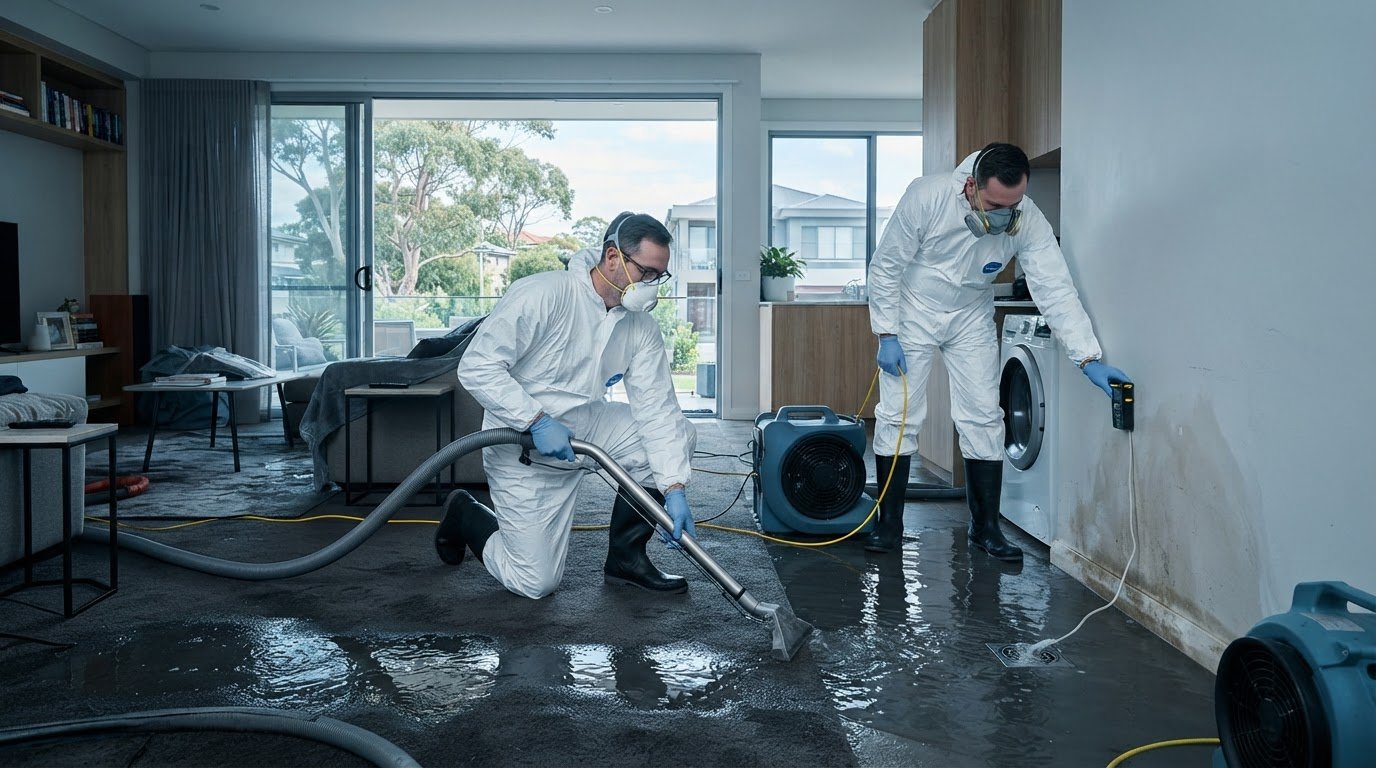
Water damage restoration may be relevant if the property has sustained water damage alongside the mould concern. ABC also offers air purification. These services are distinct from an inspection report, so ask what’s being proposed and documented before agreeing to work.
ABC uses the Goldmorr System for its mould remediation service, including a biodegradable fogging process. This relates to remediation, not automatically to an inspection or insurance report. Ask about remediation only if it’s a suitable next step, and keep proposed work separate from the findings you need for your claim.
Your next step: confirm the report scope before booking
Have your insurer’s instructions ready. Explain what the insurer wants assessed, then ask ABC whether it can meet that specific scope and provide the requested documentation. Before confirming an appointment, clarify:
- Which rooms or areas the inspection will cover.
- Whether written findings and photographs are available, and what they’ll document.
- How the report will explain access limits, uninspected areas and assessment limitations.
- Whether requested testing, formats or additional services fall outside the inspection scope.
This conversation helps you decide whether the service fits your needs before commissioning a specialist mould report for insurance company review. It also helps avoid treating an inspection as a promise of claim acceptance or as a remediation quotation.
First, ask ABC whether it can provide the report or documentation your insurer has specified. If you’re ready to discuss an inspection, contact ABC about your mould inspection requirements.
Take the Next Step With Clear Report Requirements
Before commissioning a specialist mould report for insurance company review, confirm what your insurer needs and when. Compare specialists by their written inspection scope, reporting approach and relevant experience. Ask what findings and photographs they can provide, how they’ll explain limitations, and whether the requested documentation is within their service. A report can document assessment findings, but it can’t guarantee cover or claim approval.
ABC Mould Cleaning Solutions offers mould inspection to assess mould extent and source, along with mould removal, air purification and water damage restoration in Sydney and surrounding regions. Confirm directly whether ABC can provide the specific report or documentation your insurer has requested before booking.
Have your insurer’s instructions ready and contact ABC to discuss your mould inspection and documentation needs. A clear conversation about scope is a practical first step toward understanding the mould issue and deciding what to do next.
Frequently Asked Questions
Is a specialist mould report enough to get an insurance claim approved?
No. A specialist mould report for insurance company review may help document the damage and inform assessment, but it can’t guarantee approval. The insurer considers your policy wording, the circumstances and cause of the damage, the evidence provided and its own claim assessment. Before arranging an inspection, ask what the insurer needs the report to address and whether it has requirements for the assessor, format or submission process.
What should a mould report for an insurance company include?
There’s no single report format to assume. Ask whether the provider’s agreed scope can cover observations, affected areas, relevant dates, labelled photographs and limitations, such as rooms or materials that weren’t accessible. Check that the report addresses your insurer’s specific requests and distinguishes recorded findings from professional interpretation. Before booking, get the provider to confirm in writing what documentation it will deliver and what falls outside the service.
Can my insurance company choose the mould specialist?
Your insurer may give you instructions about who can inspect the property, so don’t assume you can appoint any provider without checking. Review your policy and claim correspondence, then ask the insurer whether it will nominate a specialist, requires approval before you book or has specific assessor criteria. Confirm the answer in writing if possible. This can help prevent a mismatch between the assessment you arrange and the evidence the insurer requests.
How do I choose a specialist for an insurance mould report?
Compare written inspection scopes, relevant experience, documentation methods and how clearly each provider communicates. Ask what areas will be assessed, how observations and limitations are recorded, and whether the specialist has prepared reports for insurer review. Verify any claimed credentials or testing capability rather than assuming they’re included. Choose a provider who explains the difference between observed facts and interpretation, and be cautious of anyone promising that a report will secure claim approval.
Should I remove mould before the insurance inspection?
Ask your insurer before removing mould or disturbing affected materials, as it may want evidence or an inspection first. If it’s safe to do so, photograph visible conditions and note the date and location before anything changes. Don’t delay action needed to address an immediate risk to people or property. Contact the insurer promptly for instructions, and keep records of urgent steps taken, including repairs and changes to the affected area.
Is a mould inspection report the same as a remediation quote?
No. An inspection report records assessment findings within an agreed scope, such as observed conditions and affected locations. A remediation quote describes proposed work and associated charges. One doesn’t automatically replace the other: a report may not price or specify all work, while a quote may not provide a full account of inspection findings. Ask your insurer which documents it needs, and confirm separately what the provider will supply.
How long does it take to receive a specialist mould report?
Timing varies by provider and can depend on the agreed inspection scope, access to affected areas, and whether testing or further investigation is involved. Don’t rely on a general estimate. Before booking, ask when the assessment can take place, when you can expect the written findings and whether any test results will follow separately. Check your insurer’s submission timeframe too, then share it with the provider so you can plan around the claim requirements.