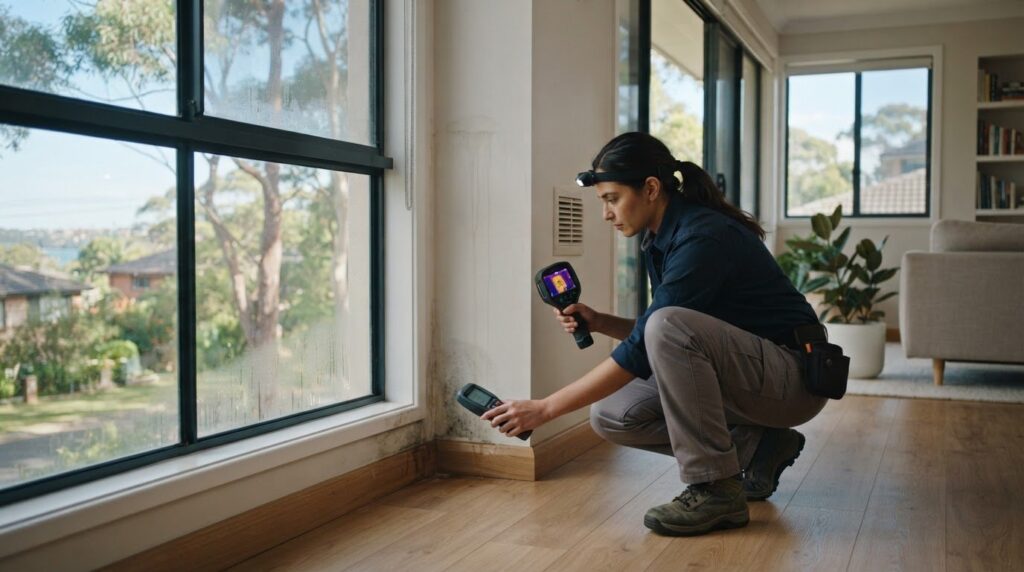
What if the mould you can see is only a clue to a bigger moisture problem? When patches return after cleaning, it’s worth investigating where moisture is entering or lingering. A residential mould inspection Sydney homeowners arrange can assess the extent of visible mould and potential moisture sources, helping connect what you see with practical next steps.
It’s understandable to wonder whether you need an inspection, testing or remediation first. These steps serve different purposes. A property inspection assesses mould and moisture conditions in the home, while testing may be considered when it can answer a specific question. A doctor’s letter can document health concerns, but it doesn’t establish a building’s moisture source or the extent of mould.
This guide explains when an inspection makes sense, what it can and can’t establish, and how the findings can shape a tailored plan for mould removal, air purification, moisture management and prevention. You’ll also learn what property records to keep and how to plan sensible follow-up, so recurring mould can be investigated methodically instead of repeatedly wiped away.
Key Takeaways
- Recurring mould, unexplained dampness, growth in hidden areas or recent water damage can be reasons to arrange a residential mould inspection Sydney homeowners can use to investigate further.
- An inspection assesses visible mould, affected areas and potential moisture contributors. Its scope depends on the property and the questions that need answering.
- Inspection, optional testing, remediation and a post-work assessment have different purposes. Understand what each step can and can’t establish on its own.
- Photograph changes, note dates and dampness, and record previous leaks or repairs to give the inspection useful context.
- Use the findings to guide practical next steps, which may include mould removal, air purification, water-damage restoration or prevention recommendations.
When Is a Residential Mould Inspection in Sydney Worthwhile?
It’s unsettling when mould returns after cleaning or appears in more than one room. That doesn’t automatically mean the problem is extensive, but it does make the cause worth investigating. A residential mould inspection Sydney homeowners arrange can assess visible growth, affected areas and potential moisture conditions, rather than relying on appearance alone.
Consider arranging an inspection if you notice:
- Mould returning after the affected surface has been cleaned
- Unexplained dampness, condensation or persistent musty odours
- Possible growth in hidden or hard-to-check areas, such as behind stored items or under a sink
- Recent water damage, including a leak or water ingress
A small, isolated patch is different from growth that keeps returning or appears in several areas. The size of a visible patch alone doesn’t show what may be happening behind or around it. An inspection can clarify the property conditions and potential contributing factors, helping you choose a response that fits the findings.
What signs suggest a Sydney home needs closer assessment?
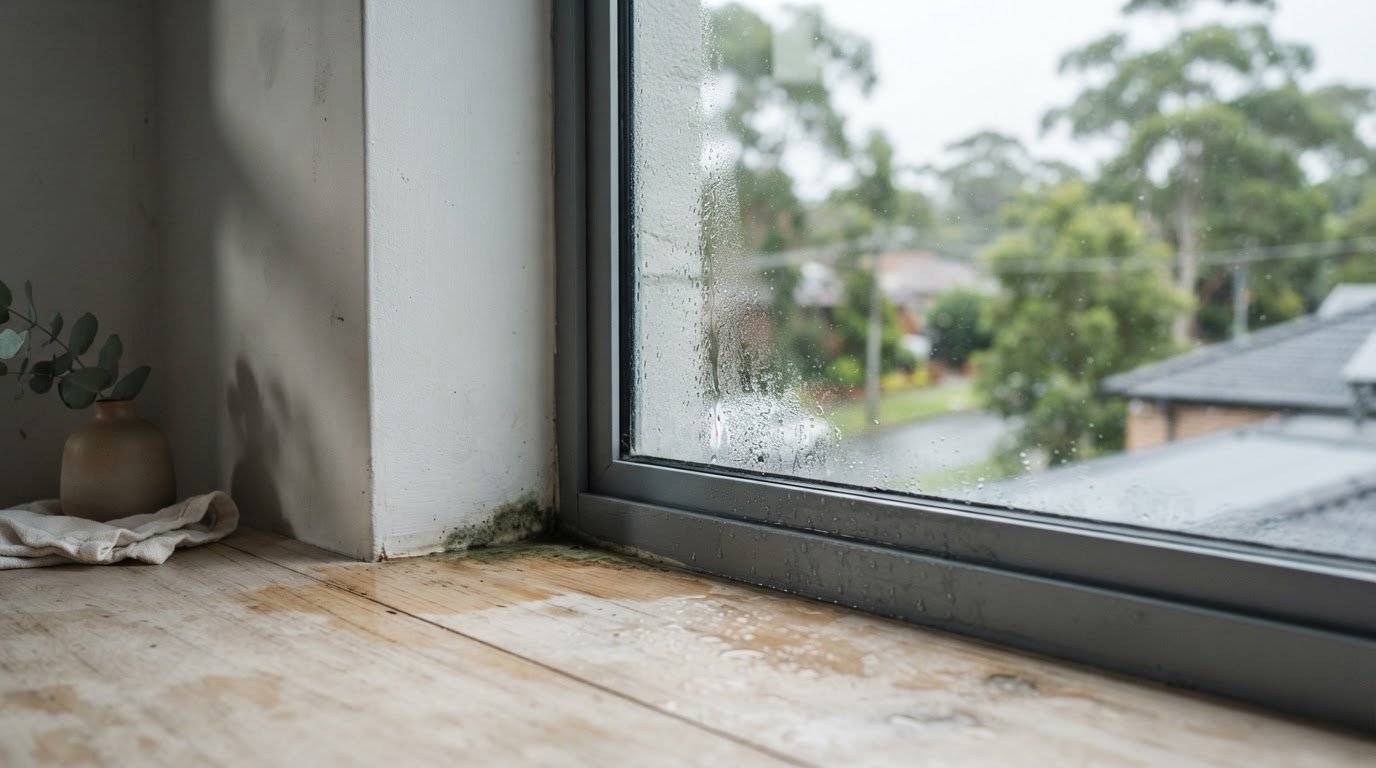
Look for recurring patches, musty smells, visible moisture, or mould near a leak, in a bathroom or in another poorly ventilated space. Mould can grow where moisture persists. Understanding what mould is and the conditions that support its growth helps explain why damp areas deserve attention. Cleaning only the visible spot may leave a moisture contributor elsewhere in the room or building unaddressed.
Note where and when odours or growth appear. An inspection assesses the property, not a person’s health. If you have health concerns or symptoms, speak with a qualified clinician rather than treating a building assessment as a medical diagnosis.
When might cleaning alone fail to resolve the issue?
Cleaning can improve the appearance of a surface, but mould may return if dampness or another contributing condition remains. A mark disappearing doesn’t show whether the moisture source has been addressed or whether other areas may be affected. Recurring growth calls for a closer look at the conditions around it, not just another round of surface cleaning.
Not every patch requires sampling, specialist testing or extensive remediation. The right response depends on the property and what an assessment finds. If growth is isolated and doesn’t recur, monitoring it may be reasonable. If it spreads, returns or follows water damage, an inspection can help establish a clearer direction.
What Does a Residential Mould Inspection in Sydney Assess?
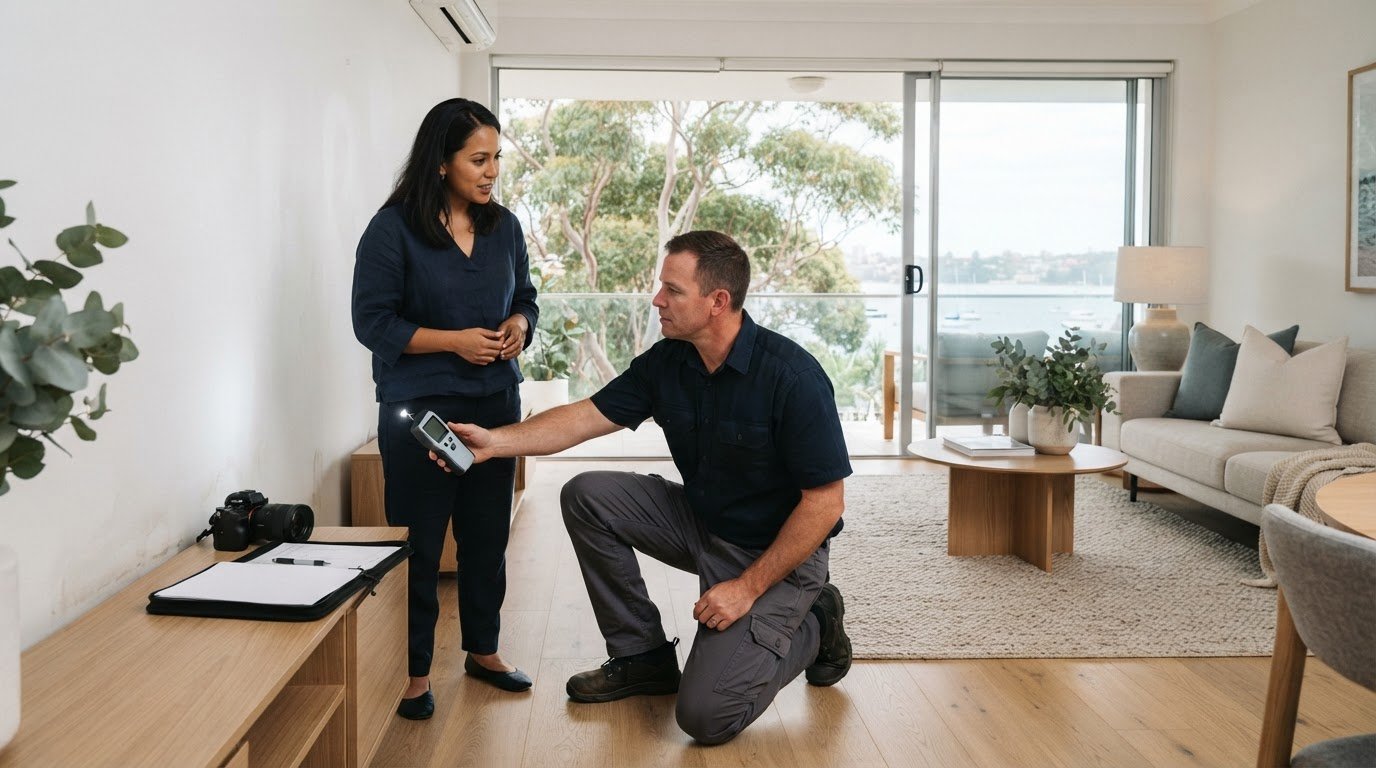
A residential mould inspection Sydney homeowners arrange is a property assessment, not simply a test for spores. It considers visible mould, the areas affected and potential moisture contributors that may help explain the growth. The goal is to build a clearer picture of the issue and inform suitable next steps.
The scope depends on the home’s condition and the questions that need answering. Assessing visible growth differs from investigating a recurring patch or concerns about a less accessible area. Visual assessment, moisture investigation and optional sampling are distinct activities. One doesn’t automatically include the others.
What can a visual inspection establish?
A visual assessment can document where mould is visible and its apparent extent in accessible areas. It may also look for moisture clues around bathrooms, windows, plumbing and materials affected by water. These observations can help connect visible growth with conditions that may be contributing to it.
A visual check has limits. A wall surface may show mould without revealing what’s happening behind it, and hidden spaces aren’t automatically assessed. Further investigation may be appropriate if visible signs or property history point to an issue beyond accessible surfaces. The EPA’s guide to mould and moisture also highlights the importance of moisture control when dealing with mould.
When might mould sampling or testing be considered?
Sampling may be considered when it can answer a specific question about material collected from a particular location. It doesn’t replace a property assessment: a test result on its own won’t necessarily locate a leak, explain why an area is damp or determine what repairs are needed.
Keep the purpose clear. Sampling can provide information about the sample, but it can’t by itself confirm health effects, prove a whole home is safe or establish that mould is completely absent. Testing isn’t automatically required for every visible patch. The decision should follow the question being investigated, rather than treating a test as a complete answer.
For a recurring or unclear problem, an inspection can connect visible signs with potential moisture causes and guide a property-specific plan. Explore residential mould inspection services as a practical starting point for understanding your home’s condition.
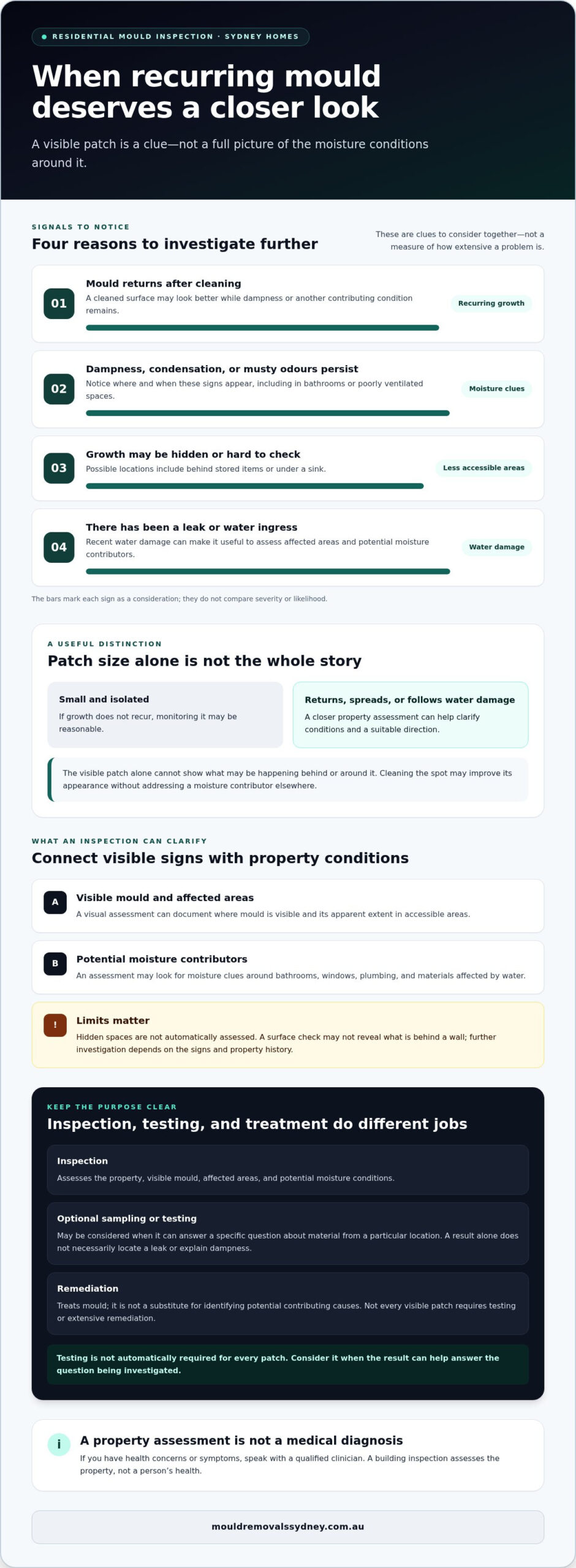
Mould Inspection, Testing, or Remediation in Sydney: Which Comes First?
Start with the question you need answered. If visible mould has an apparent moisture cause, such as dampness near a leak, an inspection can assess the property and inform the next step. If the growth is hidden or its presence is disputed, targeted testing may be considered. Remediation is treatment, not a substitute for identifying potential causes.
| Step | Purpose and typical trigger | What it can’t establish alone |
|---|---|---|
| Inspection | Assess visible mould, affected areas and potential moisture contributors. Useful when growth returns, spreads or has an unclear source. | It may not reveal conditions in inaccessible spaces or answer every question about sampled material. |
| Optional testing | Collect or analyse samples to answer a specific question, such as what is present in a selected sample. | A sample can’t locate a leak, explain all dampness or prove an entire home is mould-free. |
| Remediation | Remove mould and address relevant contributing conditions when inspection findings indicate treatment is needed. | Removal alone doesn’t establish that the original moisture source has been fixed. |
| Post-work assessment | Review the treated area after work, where follow-up is appropriate. | A review of specific areas can’t automatically confirm the absence of mould throughout the property. |
How is an inspection different from mould testing?
An inspection examines property conditions and potential causes. Testing involves collecting or analysing samples when a defined question warrants it. They’re related but not interchangeable, and testing isn’t a mandatory first step for every home. A negative result from one sample describes that sample; it doesn’t prove that no mould exists elsewhere. For general health information, read NSW Health advice on mould.
When does remediation follow an inspection?
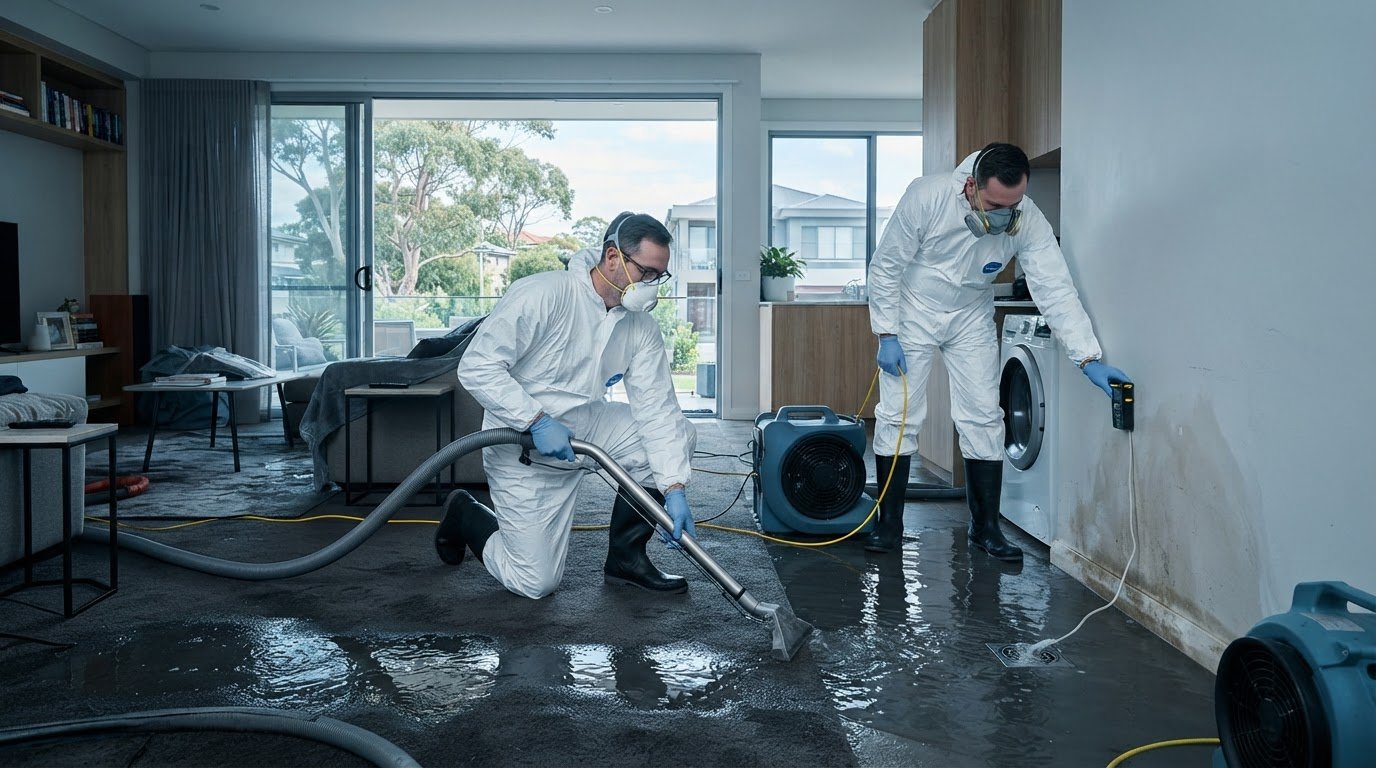
Inspection findings can guide a tailored plan for mould removal and moisture management. If water damage or ongoing dampness is contributing to growth, that issue may also need attention to reduce the conditions that support recurrence. The appropriate response depends on the assessment, not just the appearance of a patch. Learn more about professional mould removal and how treatment may fit into the next steps.
A residential mould inspection Sydney assessment is most useful when it helps answer what’s affected, what may be contributing and what action makes sense next. Keep the sequence practical: assess the property, use testing only when it can answer a specific question, then plan treatment and follow-up around the findings.
What Should Sydney Homeowners Document Before and After an Inspection?
A clear record shows how the issue has changed and gives an inspection useful context. Keep observations factual: note what you saw, where it appeared and when. Avoid presenting a suspected cause as confirmed before the property has been assessed.
What information helps an inspection make sense of the problem?
Before a residential mould inspection Sydney homeowners can prepare a simple timeline and collect relevant records:
- 1. Photograph changes. Take dated photos of visible growth and affected areas. If it changes or returns, photograph it again from a similar angle.
- 2. Record dates. Note when you first noticed mould, dampness or an odour, and when it reappeared after cleaning.
- 3. Describe what you observe. Write down where and when musty odours occur, where moisture is visible and which rooms are affected. Keep this to observations, not health diagnoses.
- 4. List relevant property history. Include known leaks, flooding, repairs, water damage and any changes to ventilation. Note dates if you know them.
- 5. Keep records together. Save original photos, correspondence and repair documents. After the inspection, retain any material provided and record agreed follow-up actions or changes you observe.
This timeline can help distinguish a one-off observation from a recurring pattern. For example, note whether dampness appears after rain or an odour is strongest in a particular room. Record the timing as an observation, not proof of the cause.
Can a doctor’s letter prove mould exposure in a Sydney home?
A doctor’s letter and a property inspection address different questions. Medical documentation records a clinician’s assessment of a person’s health. A property inspection examines building conditions, visible mould and potential moisture contributors. A letter alone doesn’t establish the building source, an exposure pathway or legal responsibility. Discuss symptoms and medical records with your treating clinician; use a property assessment to investigate the home.
If the matter involves a rental property or insurance, keep copies of dated photos, written communications, repair records and inspection material. Check the current NSW-specific process that applies to your situation, as the steps may depend on the circumstances. Clear documentation can support an accurate account, but it doesn’t predetermine an outcome.
Ready to turn your observations into a clearer property assessment? Arrange a residential mould inspection to investigate the mould and potential moisture source.
How ABC Mould Cleaning Solutions Turns Sydney Inspection Findings into Next Steps
An inspection is most useful when it leads to a clear, property-specific response. ABC Mould Cleaning Solutions assesses the extent of mould and its likely source, then uses the findings to shape practical next steps. The focus isn’t just the visible patch. It’s also understanding which areas are affected and what moisture conditions may be contributing.
How do inspection findings shape a tailored response?
The recommended approach depends on what the assessment reveals. Findings about affected areas and moisture clues can help determine whether mould removal, air purification, water-damage restoration or prevention recommendations are relevant. These are connected options, not automatic steps for every property.
If water damage contributes to ongoing dampness, restoration may form part of the response. Where subfloor conditions point to a moisture concern, a subfloor ventilation system may be considered as a prevention measure. The aim is to match the next step to the conditions identified, rather than apply the same treatment plan to every home.
What happens after the assessment?
ABC Mould Cleaning Solutions explains findings and recommended next steps in clear, homeowner-friendly language, so you can understand what was observed and why a response may be appropriate. If mould removal is recommended, the company uses the Goldmorr System, a biodegradable fogging process for surface mould and airborne spores. This is part of the removal approach, not the inspection method. Air purification may also be relevant as part of the broader service.
A residential mould inspection Sydney homeowners arrange can provide a practical starting point for deciding what to address next. The assessment connects the property’s mould and moisture conditions with an appropriate plan, whether that involves removal, restoration or prevention recommendations.
Concerned about recurring mould or unexplained dampness in your home? Arrange a residential mould inspection to assess the property and discuss suitable next steps.
Turn Mould Concerns into Clear Next Steps
Recurring mould is a reason to look beyond the visible patch. A residential mould inspection Sydney homeowners arrange can assess the extent of mould and its likely source, helping shape a plan around the property rather than guesswork.
Keep dated photos and notes about dampness, leaks and repairs to give the assessment useful context. Remember that inspection, optional testing and remediation have different purposes, and a doctor’s letter addresses medical concerns rather than building conditions.
ABC Mould Cleaning Solutions uses inspection findings to guide tailored next steps, which may include mould removal, air purification, water-damage restoration or prevention recommendations. Arrange a residential mould inspection to assess your home and take a clear, practical step towards addressing the problem.
Frequently Asked Questions
What happens during a residential mould inspection in Sydney?
A residential mould inspection Sydney assessment examines visible mould, affected areas and potential moisture contributors in the property. The inspection considers where growth appears and whether nearby conditions, such as dampness or signs of water damage, may be relevant. The scope depends on the home and the questions being investigated. Sampling isn’t automatically part of an inspection, and a property assessment doesn’t diagnose health concerns.
When should I arrange a professional mould inspection?
Arrange an inspection if mould keeps returning, appears in multiple areas or occurs alongside unexplained dampness or recent water damage. It can also be useful when you suspect growth in a hidden area or can’t identify why a room smells musty. A small isolated patch may not call for the same response as widespread or recurring growth. An assessment can help clarify what’s happening in the building.
Is mould testing the same as a mould inspection?
No. An inspection assesses the property, visible growth and possible moisture contributors. Testing involves collecting or analysing a sample to answer a specific question about material from a particular location. Testing may be considered when it can add useful information, but it doesn’t automatically identify why an area is damp or what repairs are needed. Neither a single sample nor its result describes every part of a home.
Can a doctor’s letter prove mould exposure in my home in NSW?
A doctor’s letter records a medical professional’s assessment of a person, while a property inspection examines building conditions. A letter alone doesn’t establish the source of mould in a home, how a person may have encountered it or who is responsible for the building condition. If you have symptoms or questions about medical documentation, discuss them with your treating clinician. For the property, keep dated records and arrange an assessment if needed.
Do I need mould testing if I can already see mould?
Not necessarily. Visible mould can be assessed as part of a property inspection, which may help establish the affected area and identify potential moisture contributors. Sampling may be useful if it addresses a specific question, but it isn’t required for every visible patch. A test result on one sample can’t establish the mould status of the whole property or pinpoint a moisture source. The appropriate next step depends on the situation.
What should I prepare before a mould inspection?
Prepare dated photos and a short timeline showing when growth, odours or dampness appeared and whether they changed or returned. Note affected rooms, visible moisture, known leaks, water damage, repairs and ventilation changes. Keep observations separate from assumptions about the cause. These details give the inspector helpful context about the property’s history and can help focus the assessment on the areas that concern you.
Can mould return after professional removal?
Yes, mould may return if dampness or another contributing condition remains or develops again after removal. Treatment addresses mould, but lasting prevention can also depend on managing the moisture conditions that support growth. If mould reappears, record where and when it returns and note any visible dampness or water damage. A further property assessment can help investigate the conditions and guide appropriate follow-up.