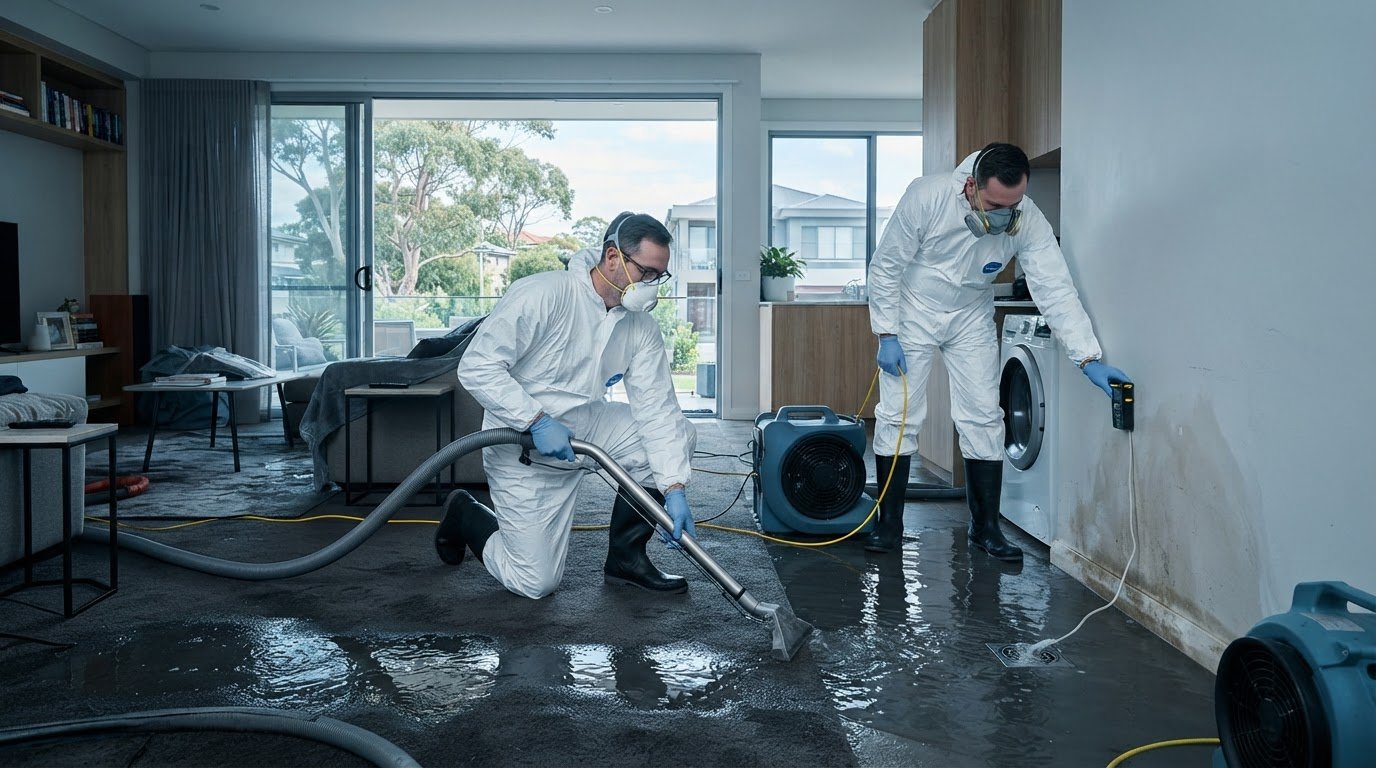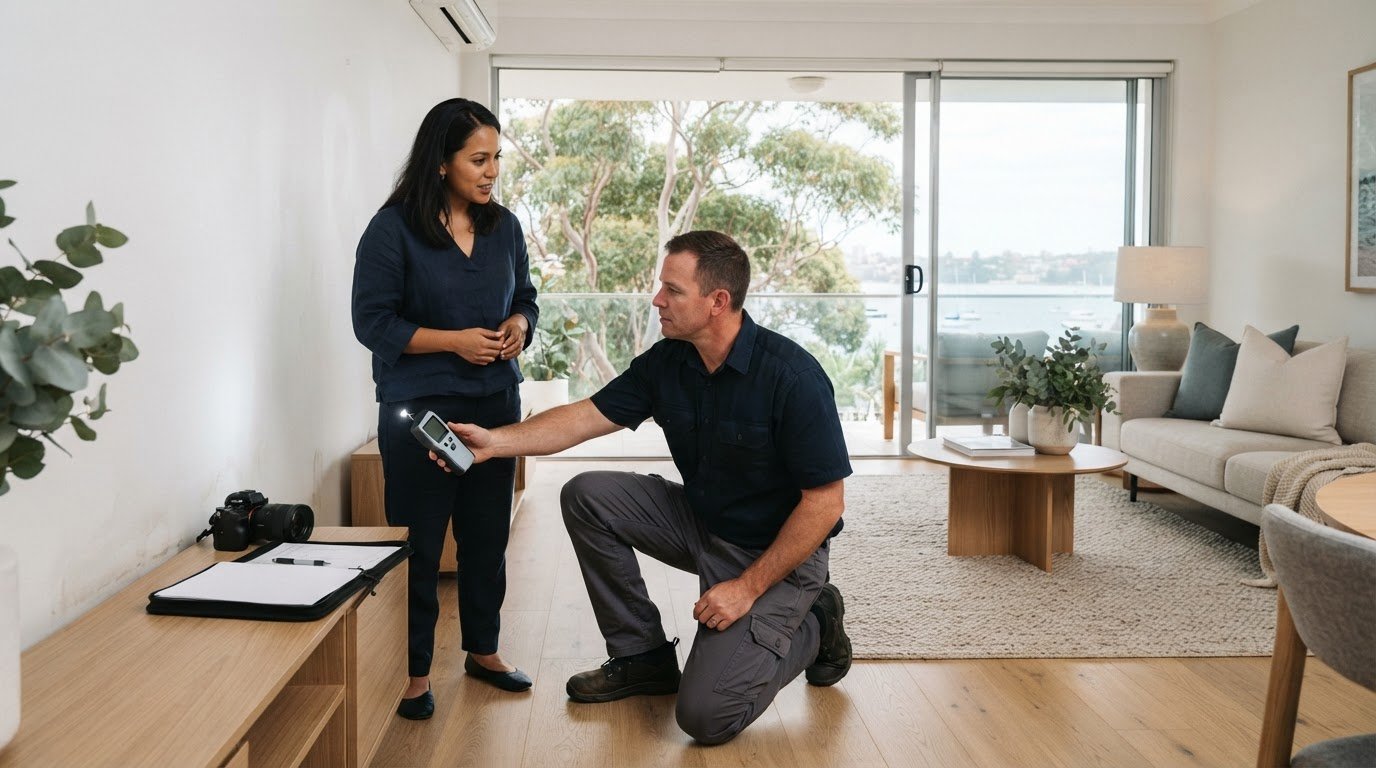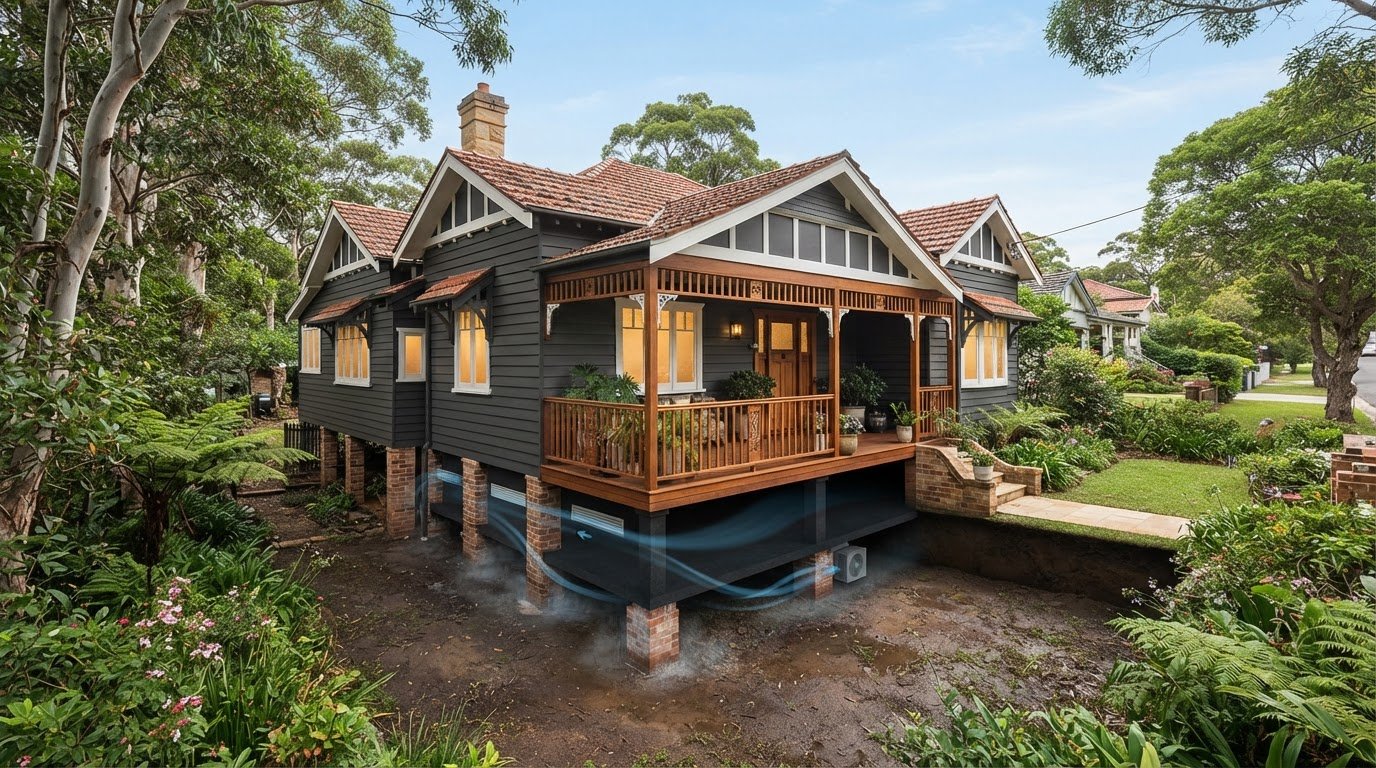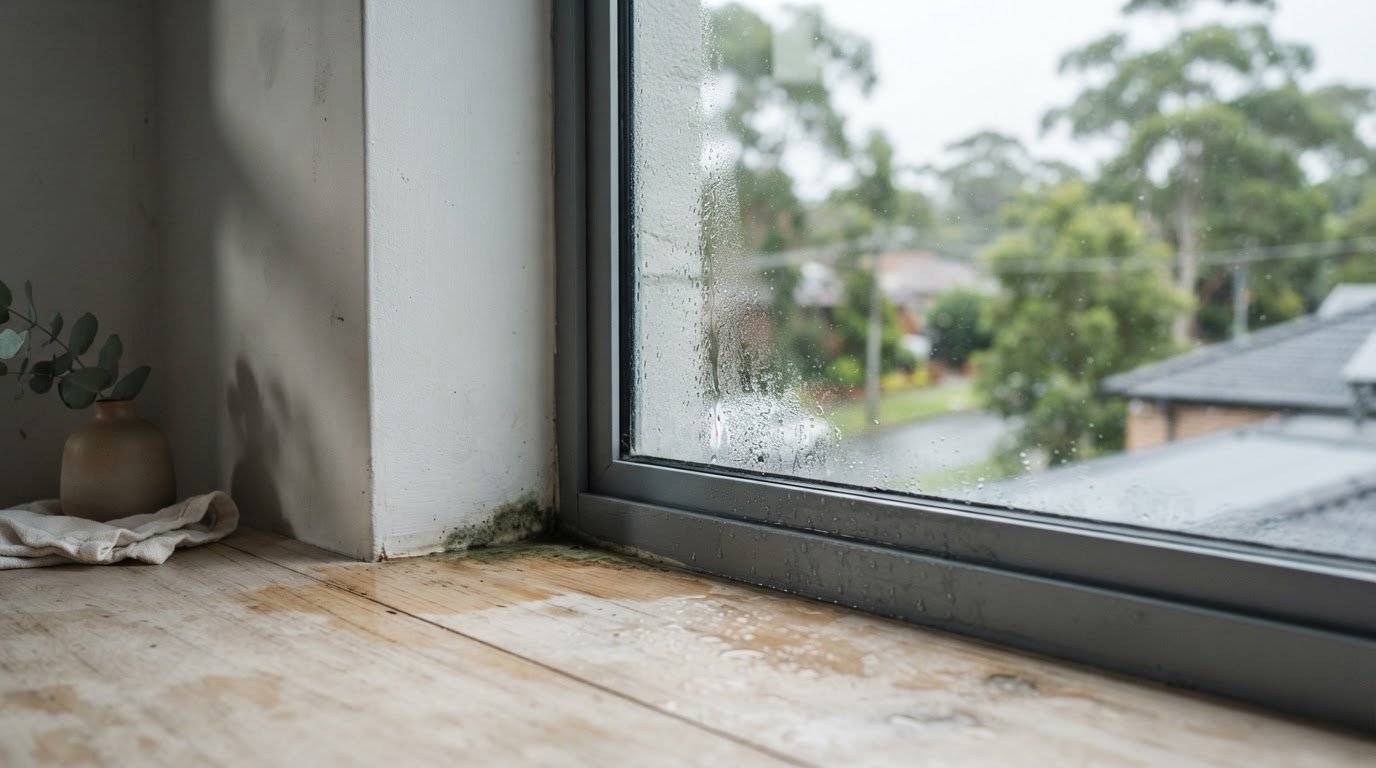
A mould quote alone isn’t enough to justify a building-wide levy. A special levy for building-wide mould problem may be considered if the owners corporation needs funds for a wider response, but owners first need clear evidence of what’s affected and why. In NSW, a special levy requires approval by ordinary resolution at a general meeting; the strata committee can’t approve it on its own.
If mould is appearing in several lots, it’s understandable to want fast action and clear answers about who pays. Visible growth alone doesn’t show whether the cause lies in common property, an individual lot, or both. Start by identifying the moisture source, documenting affected areas and defining the work required.
This guide explains when a levy may be considered in a NSW strata scheme and what owners should establish before funding remediation. It covers how an inspection can inform the scope, practical ways to coordinate assessment and response, and why contributing moisture conditions matter when planning work. Evidence and a clear plan can help owners move from uncertainty towards a coordinated building response.
Key Takeaways
- A special levy for building-wide mould problem is a funding option, not evidence that mould affects the entire building.
- Map reported mould locations and investigate moisture sources before concluding there is a shared cause.
- Compare available scheme funds, a special levy and staged work in light of the building’s scope and circumstances.
- Use a written project scope to clarify affected areas, proposed work, exclusions and moisture-related recommendations.
- A specialist mould assessment can help document findings and inform remediation, air purification and prevention recommendations.
What a special levy for a building-wide mould problem means in NSW
A special levy is an additional contribution owners are asked to pay into the owners corporation’s funds for a particular need. It may be considered when a properly scoped, unplanned response is likely to cost more than the available funds can cover. A special levy for building-wide mould problem is a way to fund approved work, not proof that mould is present throughout the building or that every owner is responsible for its cause.
Mould can appear in an individual lot, on common property, or across both. A leak through a shared roof or a defect in common-area waterproofing may point to a common property issue, while mould inside one apartment may have a different source. The boundary and responsibility depend on the circumstances, the strata plan and relevant records. Under section 106 of the Strata Schemes Management Act 2015 (NSW), the owners corporation has a duty to maintain and repair common property, including addressing defects that cause mould.
A levy decision determines how funds may be raised; it does not determine what work is needed.
When might a strata building consider a special levy for mould?
A levy may be considered if available scheme funds can’t cover a properly scoped, unplanned response. For example, repeated reports of mould in a shared corridor and several lots may prompt an investigation and a building-wide plan. The reports are a reason to look closer, not proof of a shared source. Visible mould alone doesn’t establish its extent, cause or who is responsible. An assessment can help distinguish observations from conclusions before owners decide what work to fund.
Who makes the decision, and what documents matter?
The owners corporation makes decisions for the scheme, while the strata committee may handle delegated functions between general meetings. Under the current NSW framework, a special levy requires approval by ordinary resolution at a general meeting; the strata committee can’t approve one by itself. Check the current Act and applicable requirements before relying on procedural details. The scheme’s strata plan, by-laws and records can also help clarify property boundaries and past decisions.
Strata title involves individual lots alongside shared property and scheme responsibilities. The general overview of Strata title can help explain that structure, but it doesn’t determine the boundaries or legal outcome for a particular building. Review the scheme documents and seek appropriate professional advice if responsibility or procedure is disputed.
Before proposing a levy, owners can ask for a clear account of the issue: which locations have been reported, what has been inspected, what remains uncertain and what work is proposed. A professional mould inspection can document affected areas and inform a project scope. Keep the assessment distinct from the scheme’s decision about funding. In Sydney and surrounding regions, ABC Mould Cleaning Solutions provides mould inspection and remediation, including air purification and recommendations that may help address contributing moisture conditions.
How to establish whether mould is a Sydney building-wide problem
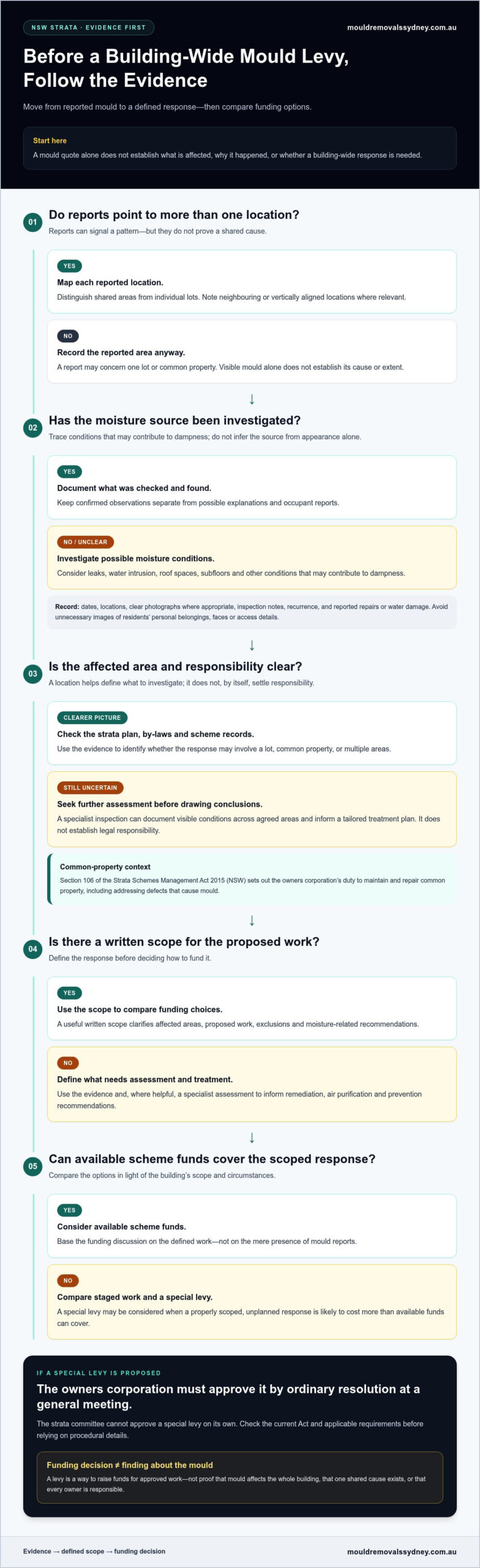
Several reports can signal a pattern, but they don’t establish that mould has one shared cause. Build a picture from locations, timing and moisture conditions, then separate confirmed observations from possible explanations. That evidence helps owners decide whether the response should address one lot, common property or multiple areas.
Use a consistent sequence to investigate:
- Collect reports. Ask occupants where mould appeared, when they noticed it and whether it returned after cleaning or repairs.
- Map locations. Mark reported areas on a floor plan, distinguishing common areas from individual lots. Note neighbouring lots and vertically aligned locations where relevant.
- Investigate moisture. Consider possible leaks, water intrusion, roof spaces, subfloors and other conditions that may contribute to dampness.
- Document findings. Keep dated photographs, inspection notes and records of reported repairs or water damage.
- Scope next actions. Use the evidence to identify what needs further assessment, which areas may need treatment and what moisture issues need attention.
What evidence helps map the extent of mould?
Record each report by date and location, including whether it concerns a shared corridor, a bathroom, an external wall or another part of a lot. Note any recurrence and reported nearby leaks or repairs, but label occupant accounts as reports rather than verified causes. Take clear photographs where appropriate. Protect residents’ privacy by avoiding unnecessary images of personal belongings, faces or access details in shared records.
A specialist inspection can assess visible conditions across agreed areas and document findings to inform a tailored treatment plan. ABC Mould Cleaning Solutions provides mould inspection services in Sydney and surrounding regions. An inspection can help clarify which areas need attention; it doesn’t replace investigation of building defects or establish legal responsibility.
How can moisture sources change the scope of work?
Mould may be associated with ongoing leaks, previous water damage or inadequate subfloor ventilation, among other conditions. A stain or patch of growth shows where a problem is visible, but photographs or mould colour alone can’t reliably identify its source. If water has entered the building, the water damage repair guide explains why both the affected area and moisture conditions need attention.
Mould removal addresses visible growth; managing moisture conditions helps reduce the chance of recurrence. The scope may therefore need to distinguish remediation from work to address contributing dampness, such as water damage restoration or recommendations about subfloor ventilation. Keep these items clear in assessment notes so the owners corporation can see what was observed, what remains uncertain and what actions are proposed.
For a clearer evidence base, arrange a professional mould inspection to help document affected areas and inform next steps.
Compare NSW funding options before proposing a mould special levy
A levy isn’t the only possible way to fund a strata mould response. Before recommending one, compare the documented work with the scheme’s available funds and circumstances. The appropriate option depends on urgency, proposed scope, fund purposes and applicable NSW requirements. A clear scope helps owners understand what the proposal covers, why it’s needed and whether alternatives could meet the same need.
| Option | Timing and scope | Records and owner impact | Moisture conditions |
|---|---|---|---|
| Existing administrative or capital works funds | May be considered if funds are available and their intended purpose and permitted use fit the proposed work. | Review balances, budgets, prior approvals and scheme records to understand the financial position. | Check whether the proposed scope includes relevant work to address contributing conditions. |
| Special levy | May be considered if available funds don’t meet a justified, properly scoped response. | Requires owners to consider an additional contribution. Approval, timing and allocation depend on current rules and scheme details. | A clear scope can show whether the proposal covers mould remediation, moisture-related work, or both. |
| Staged works | Work may be planned in phases where the assessment and circumstances support that approach. | Records should explain each stage, its purpose and how the overall plan will be reviewed. | Staging shouldn’t replace timely assessment of urgent risks or leave contributing moisture conditions unaddressed. |
Insurance may also be worth reviewing, but it isn’t an assumed source of funding. Coverage depends on the policy wording, circumstances and evidence. The owners corporation should examine the relevant terms rather than base a funding plan on an unconfirmed claim.
Could existing strata funds cover some or all of the response?
Start with the current administrative and capital works fund balances, approved budgets, previous decisions and planned commitments. A balance on paper doesn’t necessarily mean the money can be used for every mould-related expense. The applicable NSW rules and the scheme’s records matter. Check the purpose of each fund and obtain appropriate advice if its use is unclear before presenting it as available funding.
This review can show whether funds might support part of a response rather than all of it. For example, a scheme may need to distinguish between inspection, mould remediation and separate work addressing water damage or ventilation. Treat each item as part of the evidence-based scope, not as an automatic charge against a particular fund.
When might a special levy or staged work be considered?
If available funds don’t cover a justified scope, the owners corporation may consider a special levy, subject to the applicable approval process. A staged approach may help organise a larger project, but it shouldn’t delay assessment where there’s an urgent concern. Owners should understand what each stage addresses and what remains outstanding. Check payment timing, allocation and approvals against current NSW requirements and the scheme’s circumstances.
A documented scope makes a funding proposal easier to assess because it links the requested funds to specific work. It should identify affected areas, proposed actions, exclusions and recommendations for moisture conditions. Owners can then compare available funds, a levy or staged work, and raise focused questions before making a decision.
A practical NSW owners corporation plan for deciding on a mould levy
A clear process helps owners assess the problem, understand the proposed work and consider funding on a sound basis. Keep the investigation, project scope and funding decision connected but distinct. This creates a record of what’s known, what remains uncertain and why a particular response is being considered.
- Gather and organise reports. Record when and where mould was reported, whether it has recurred and any related water damage or repairs. Keep photographs and occupant reports with the relevant location details.
- Arrange an assessment. Ask for findings that identify the areas assessed and distinguish visible conditions from possible causes or matters requiring further investigation.
- Obtain a written scope. Set out proposed mould treatment, any separate moisture-related work, exclusions and access needs. Make sure the scope reflects the evidence rather than assumptions about the whole building.
- Review funding options. Check scheme records, current fund balances, budgets and prior decisions. Compare available funds with the scoped work and consider whether a levy or staged approach warrants discussion.
- Communicate and record the decision. Share supporting material and options with owners, then keep meeting records and decisions alongside the reports and scope.
What should a clear mould remediation scope include?
A useful scope identifies the areas assessed, visible conditions and proposed treatment. It should also state exclusions, required access arrangements and follow-up recommendations. Keep remediation separate from repairs to water damage, leaks or other contributing conditions. This helps owners understand what the proposed work will address and what may need a separate decision or investigation.
For background before reviewing technical findings, see this guide to what mould is for Australian homeowners. Follow-up recommendations can support monitoring and prevention planning, but no scope should promise that mould can never return.
How can owners communicate and document the decision?
Explain the proposal in plain language. Share what the assessment confirms, what remains uncertain, the options considered and the intended decision date. Tell owners how they can access relevant scheme records, reports and meeting documents. Keep owner communications, quotes, reports, meeting materials and decisions together so the reasoning can be followed later.
Be precise about the status of each statement: a resident report isn’t the same as an inspection finding, and a suspected moisture source isn’t a confirmed cause. Clear distinctions reduce confusion and help owners focus questions on evidence, scope and funding.
Before action is taken, verify voting, notice, contribution and dispute requirements against current NSW strata rules and the scheme’s documents. Seek NSW strata or legal advice if procedural or responsibility questions remain. For an assessment to inform a building response, arrange a professional mould inspection.
Arrange a Sydney mould assessment before finalising building-wide work
Before the owners corporation settles on a remediation scope or considers a special levy for building-wide mould problem, a specialist assessment can help clarify which areas are affected and what response may be appropriate. It gives the scheme a project-specific basis for planning instead of relying on a single photograph or assuming every report has the same cause.
ABC Mould Cleaning Solutions provides mould inspections and remediation across Sydney and surrounding regions. Findings can help document visible mould, assess areas needing attention and inform a tailored plan for removal and air purification. The inspection can also identify moisture-related concerns that may need separate investigation or coordination with building repairs.
What can a professional mould assessment contribute?
An inspection can bring reports from different parts of a building into a clearer picture. It can document visible conditions in assessed areas and help identify where further investigation may be warranted. Findings inform a project-specific treatment plan, including which areas need mould removal and whether air purification and scrubbing form part of the response. The assessment supports planning; it doesn’t decide strata responsibility or replace investigation of building defects.
For more detail on the remediation service, see Sydney mould removal services. Clear findings can help the owners corporation distinguish proposed mould treatment from separate repair work, making the scope easier to review and discuss with owners.
How does remediation fit into a strata-wide response?
ABC Mould Cleaning Solutions uses the Goldmorr System, a biodegradable fogging process that addresses surface mould and airborne spores. Mould removal and air purification can form part of the remediation response, while repairs to leaks or water-damaged materials may need separate coordination. If findings indicate that water damage restoration or subfloor ventilation is relevant, those services can be included in the broader plan to address contributing moisture conditions.
Keep the roles clear. A remediation assessment can inform the technical scope, but the owners corporation remains responsible for its governance and funding decisions. Share relevant findings with the strata manager and committee, and make sure the proposed work reflects the areas assessed, any exclusions and moisture-related recommendations. This helps owners understand what the response is intended to address without treating treatment as a guarantee against future mould growth.
To prepare, gather dated reports and photographs, note known leaks or previous repairs, and identify the areas for assessment. Then arrange a Sydney mould assessment to help document conditions and inform the next practical steps.
Move from mould reports to a clear next step
Uncertainty can stall a building response, especially when owners are weighing an unexpected cost. Turn separate reports into a shared, documented picture of the issue. This gives the owners corporation a clearer basis to discuss the work, compare funding approaches and decide what further investigation is needed. Consider a special levy for building-wide mould problem alongside that evidence, not in place of it.
Keep the process moving by identifying affected areas, recording what remains unknown and arranging an assessment to inform the proposed scope. Where moisture conditions may be contributing, include those findings in planning so the response considers more than visible mould. Strata governance and funding decisions remain with the owners corporation, but clear technical information can make those discussions more focused.
For an evidence-based starting point, arrange a professional Sydney mould assessment. A clear next step can help owners move from concern to a coordinated response with greater confidence.
Frequently Asked Questions
Can a special levy be paid in instalments in NSW?
An owner can request a payment plan, and the owners corporation must consider the request reasonably under current NSW rules. Check the levy notice for information about requesting one, then make the request in writing and explain the payment arrangement sought. Keep a copy of the request and any response. Don’t assume instalments apply automatically; the approved levy terms and the scheme’s circumstances matter.
Who pays a special levy when a strata lot is rented?
The lot owner is generally responsible for paying strata levies to the owners corporation, including a special levy. A rental agreement may set out how certain costs are handled between landlord and tenant, but that private arrangement doesn’t itself change who the owners corporation looks to for payment. Landlords should review the tenancy agreement and obtain appropriate advice if they’re unsure how a levy affects their arrangements with a tenant.
Does strata insurance cover mould remediation?
Not automatically. Whether a strata policy responds depends on its wording, the cause of the damage, exclusions and the circumstances of the claim. For example, a mould issue following a sudden water event may be assessed differently from ongoing moisture or a maintenance problem, but coverage can’t be assumed from the cause alone. Owners should review the current policy and claim decision, and keep assessment findings and relevant damage records together.
Can an owner challenge a special levy in NSW?
An owner who disputes a levy can seek advice and may pursue the applicable dispute-resolution pathway. NSW Fair Trading mediation is often a step before an application to the NSW Civil and Administrative Tribunal (NCAT), but check current eligibility and procedures before applying. Gather the meeting notice, resolution, levy calculation and supporting documents, then identify the specific concern, such as a procedural issue or an unclear basis for the amount.
Can a tenant vote on a building-wide mould special levy?
A tenant doesn’t vote on the levy as a tenant. Voting rights at a strata general meeting belong to lot owners, or an eligible proxy or representative acting for an owner under the applicable rules. A tenant can still report mould, provide dated photographs and communicate with the landlord or managing agent. That information may help the owner raise the issue with the strata scheme, but it doesn’t give the tenant a vote.
Should a special levy be approved before mould remediation begins?
Not necessarily. Timing depends on urgency, available funds, work authorisation and current NSW requirements. If there’s an immediate concern, the owners corporation should promptly assess the appropriate response rather than assume all work must wait for a levy decision. Funding approval and authority to carry out work are separate questions. Check the scheme’s procedures and obtain strata or legal advice where urgency and approval requirements are unclear.
What records should owners keep about a mould levy decision?
Keep the meeting notice and minutes, the resolution, levy notice, relevant correspondence and records explaining the proposed amount and purpose. For a mould issue, retain inspection reports, dated photographs, quotes, repair records and communications about access or affected areas. A simple chronology can connect reports, investigations and decisions. Store personal information securely, and use the strata scheme’s process to request records you’re entitled to access.