
If you’re worried mould will affect my property value, the short answer is that it can. Visible mould may lead to a reported 20% to 30% reduction in sale price during negotiations, while the impact depends on the extent of the growth, any underlying damp and the repairs buyers expect. A mould issue doesn’t automatically prevent a sale, but buyers may negotiate on price or ask for repairs.
It’s understandable to worry that a damp smell, discoloured wall or past mould problem could put buyers off. What often matters most is whether the cause has been addressed and whether you can show what was inspected and repaired.
This article explains how mould can affect a home’s appeal and value, what disclosure and inspections involve in Australia, and how remediation records can reassure prospective buyers. You’ll also learn why identifying the moisture source matters, what a professional assessment can establish, and when dealing with the problem before listing may help protect your sale.
Key Takeaways
- Understand how visible mould, lingering damp and signs of poor maintenance can shape buyer confidence and negotiations.
- Learn what inspection findings and remediation records can help demonstrate about the issue and the work completed.
- See how mould assessments can uncover moisture problems that may be hidden behind walls, beneath floors or in roof spaces.
- Explore why resolving the moisture source before listing matters for reducing the chance of recurring mould.
- Find out when professional inspection, remediation and air purification may support your sale preparations.
Is black mould more damaging to property value than other types?
Black colour alone doesn’t determine how much mould will affect a home’s value. Buyers are more likely to focus on visible growth, damp damage and the work needed before purchase.
Visible Mould and Buyer Appeal
Visible mould is growth buyers can see during an inspection or open home. Dark patches on a bedroom wall, ceiling or bathroom grout can affect a first impression and raise questions about hidden growth. Colour may attract attention, but the location, extent and condition of surrounding materials shape the concern. For sellers, these details can influence a property’s appeal before buyers consider its other features.
Visible mould in Australian properties has been associated with a reported sale-price reduction of 20% to 30% during negotiations. That figure isn’t a fixed discount for every home. The extent of the mould, signs of water damage and expected remediation all matter. A small, clearly addressed patch may prompt different concerns from growth across several rooms or damaged flooring.
Buyers may factor potential mould remediation into their budget. They might allow for investigating the moisture source, removing affected materials, or repairing plaster, flooring or cabinetry. Until the cause and scope are clear, a buyer may leave extra room for uncertainty. A documented assessment can clarify which areas are affected and what work is needed.
Perceived Maintenance and Buyer Confidence
Perceived maintenance is a buyer’s impression of how well a property has been cared for. Mould can weaken confidence when it appears alongside water stains, peeling paint or a musty smell. These signs may lead buyers to wonder whether moisture has affected concealed areas, such as beneath floorboards or behind walls. Treating only the visible patch may not address those concerns.
Black mould isn’t automatically more damaging to property value than mould of another colour. A more useful distinction is between an isolated patch and a problem linked to persistent damp, extensive growth or material damage. Buyers are assessing the likely extent, not colour alone. An inspection can help identify affected areas and moisture sources, giving both parties clearer information.
That clarity can shape negotiations. Buyers may request repairs, seek a price reduction or factor expected work into an offer. One luxury home reportedly lost more than half its resale value because of a serious mould infestation. That isn’t a standard outcome, but it shows why sellers should take extensive growth seriously.
To support buyer confidence, keep records of assessments, repairs and remediation work. They can show what was found, what action followed and whether the underlying moisture issue was addressed. For example, a report linking bathroom mould to a resolved moisture source gives buyers more context than a freshly painted wall. Clear evidence helps buyers assess the property’s condition without assuming the worst.
Professional remediation documentation and clearance
To help prevent mould returning, identify and fix the moisture source, then keep affected areas dry and ventilated. Removing bathroom growth without addressing persistent condensation, for example, leaves conditions that can allow it to return.
A professional inspection can establish the visible extent of growth, likely moisture sources and whether further assessment is needed. For a serious issue, this helps define the remediation scope instead of treating only the surface. Mould can also develop behind walls, beneath flooring and inside roof cavities, so an assessment may need to consider areas that aren’t immediately visible.
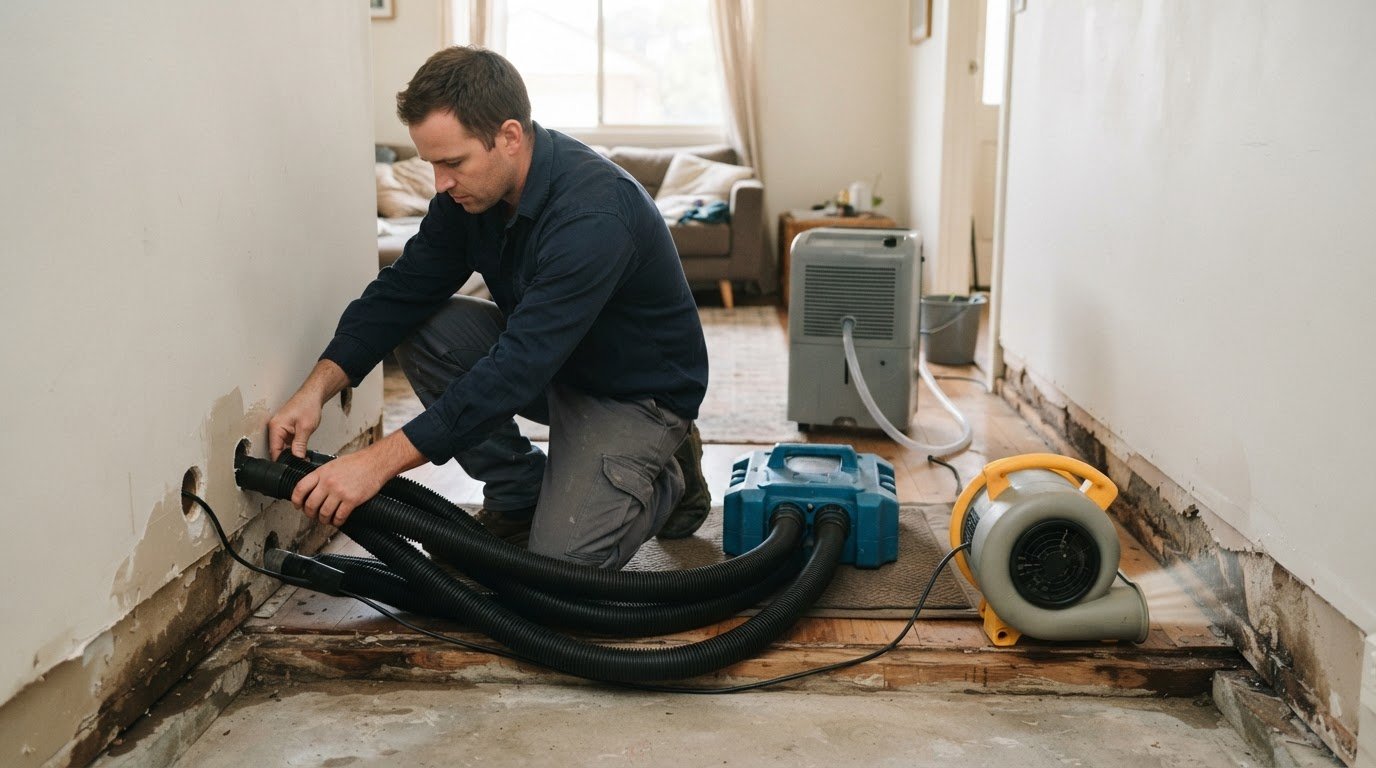
During removal, containing the affected area helps limit mould spreading to other parts of the home. Plastic sheeting can separate the work zone from adjoining rooms. The remediation plan should also account for contaminated materials and damaged plaster, flooring or cabinetry that needs removal or replacement. Delaying action can allow moisture-related damage to worsen and increase the work needed to restore affected areas.
Keep documentation together for questions from future buyers. Useful records include inspection findings, areas treated, work completed, materials removed or replaced, and follow-up observations. Dated photographs can show the affected area before and after work. Keep invoices and written reports with these records to create a clearer account than memory or a freshly painted surface can provide.
Clearance should be understood in context. A report can describe the inspection or assessment performed and its findings, but the documents should make clear what areas were examined and what work was completed. ISO/IEC 17025 is identified as a standard for laboratory analysis, while AS-IICRC S520:2025 is identified as a standard for scientifically sound mould remediation steps. These identifiers can help readers understand the technical framework referenced in relevant reports.
The work required depends on the problem’s scope, access to affected areas, the moisture source and whether building materials need replacing. A small, accessible patch involves different work from concealed growth that requires removing plaster or flooring. Ask for the proposed work and its basis in writing, so the estimate distinguishes inspection, removal and reinstatement tasks.
For a property with substantial growth, recurring damp or uncertain remediation needs, a professional mould remediation assessment can help clarify the work and create a useful record. Keep the final documentation with your property records, especially if a sale is approaching.
Mould disclosure, inspections and insurance
Known mould, water damage and inspection findings can influence a buyer’s decision. Clear disclosure and supporting evidence help explain the property’s condition.
Known mould, previous remediation and related water damage may be relevant to buyers, so describe them accurately in sale discussions and records. Treat known mould, previous remediation and related water damage as matters to disclose, and describe them accurately in sale discussions and records.
Professional and DIY Inspections
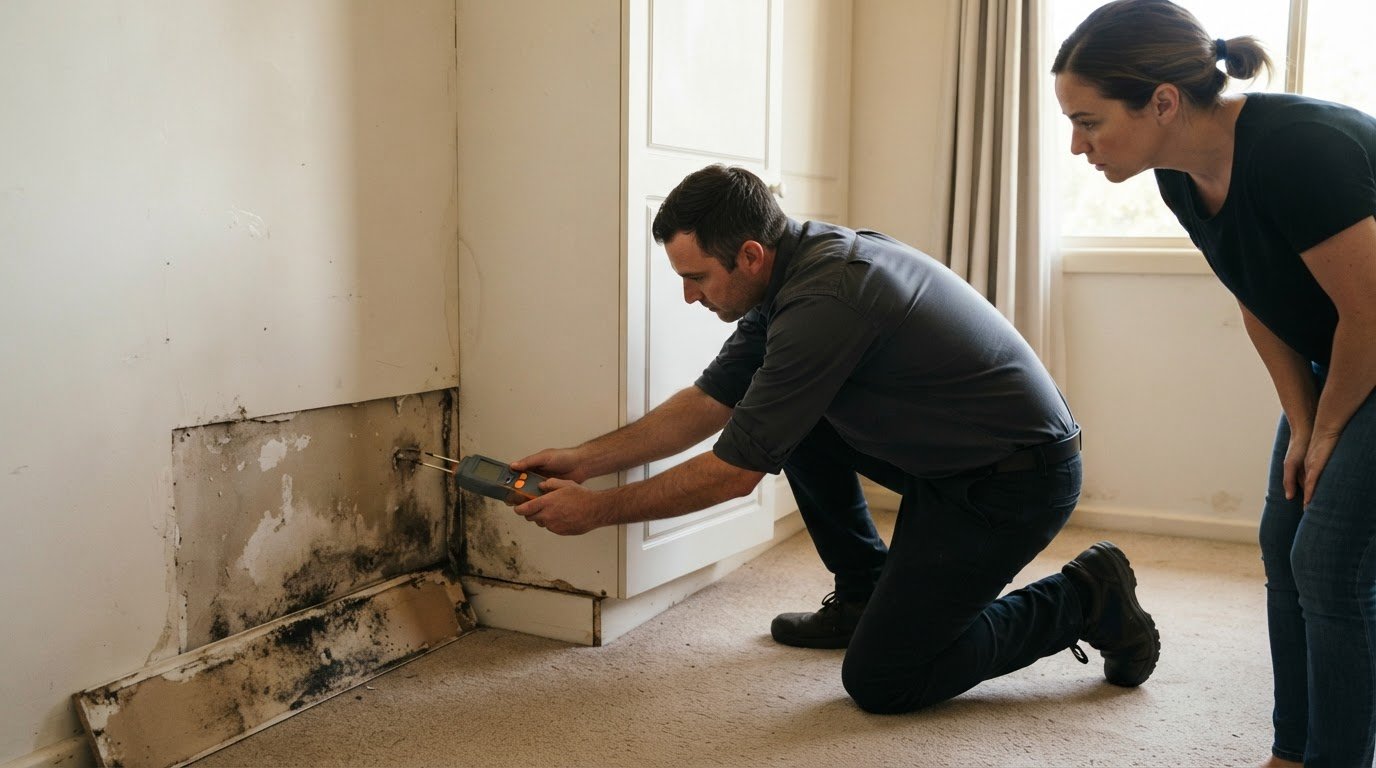
A professional mould inspection assesses visible growth, moisture readings and, where appropriate, sampling. This matters because mould can remain hidden behind walls, under flooring or in roof cavities, beyond the reach of a visual DIY check. A musty smell or damp patch can signal the need for further investigation. DIY kits may miss hidden growth or fail to establish its full extent and moisture sources.
A written report can set out where the inspection took place, what it found and any identified moisture sources. For example, it might record visible growth in a bedroom and elevated moisture near a window. This gives buyers more context than a verbal account. If laboratory analysis is included, NATA, the National Association of Testing Authorities, accreditation involves independent audits of sampling methods and procedures.
Disclosure and Insurance Considerations
Disclosure means sharing relevant information about known mould issues rather than concealing visible growth or past water damage. Buyers may rely on the seller’s account when deciding whether to proceed or negotiate. Keep statements consistent with inspection findings, remediation records and photographs. For example, if a report identifies a damp source that was later repaired, explain both the finding and the work completed.
Insurance is a separate consideration. A policy’s wording and the circumstances behind the water damage affect how a mould-related claim is assessed. Keep records of the damage, its apparent cause, inspection findings and repairs. These documents can help explain the timeline, but they don’t replace the policy terms.
For buyers, an inspection report can support practical negotiations. If it identifies concealed mould or a moisture source, the buyer can discuss repairs or a price adjustment with the seller. The report keeps the conversation focused on affected areas and the work described, rather than guesswork. Sellers can use the same findings to explain completed repairs and provide supporting records.
Confidence grows when disclosure, inspection evidence and repair records tell a consistent story. Keep reports, dated photographs and invoices together. If a buyer asks about a musty odour or an old ceiling stain, a clear record can show whether it was assessed and what action followed. Specific, accurate details help both parties understand the property’s condition before purchase.

Addressing issues before selling
Before listing, assess mould and damp while there’s time to understand the cause. A pre-sale mould inspection can identify affected areas and moisture sources, including issues that aren’t obvious during a quick room-by-room check. For example, a musty smell near a bedroom wall may warrant investigation before photographs and buyer visits. Early findings help homeowners plan suitable work rather than respond under pressure during negotiations.
Moisture is the key factor. Mould needs moisture to grow, so cleaning visible marks without addressing a leak, condensation or damp subfloor can leave conditions for it to return. A bathroom patch, for instance, may be linked to lingering humidity or poor ventilation. Identify and address the source before cosmetic repairs. Otherwise, fresh paint may temporarily cover discolouration while moisture continues to affect the property.
Potential buyers may lower an offer or pause a purchase when mould is active and the likely repair scope is unclear. Some properties may not sell until ongoing mould issues are addressed. Early assessment and repairs can support a more informed sale process. They won’t guarantee a sale price, but they can give buyers evidence about the issue, the action taken and the home’s current condition.
Before opening the home to buyers, focus on practical checks:
- Look for musty odours or discolouration on walls and ceilings.
- Check bathrooms, kitchens, subfloors and other damp-prone areas.
- Record the moisture source, affected location and work completed.
Ventilation also matters. Use bathroom and kitchen exhaust fans to reduce moisture from showers and cooking. In Brisbane and Sydney, keeping relative humidity below 60% can help protect a property from mould. Fans and dehumidifiers can help dry affected areas, but they don’t replace fixing water ingress or another continuing source of damp. For example, drying a stained ceiling won’t resolve a roof leak.
Plan repairs around the inspection findings. If moisture has damaged plaster, flooring or cabinetry, surface cleaning alone won’t restore those materials. Document assessment, removal and repair work with reports, invoices and dated photographs. A buyer asking about an old stain can then see what was found and how it was handled. Clear records can reduce uncertainty and support confidence in the property’s maintenance.
Addressing mould before listing helps homeowners make decisions in the right order: identify the moisture source, resolve it, then deal with affected materials and finishes. That sequence matters for an investment property as much as a family home. A clean-looking room is useful, but evidence that the damp issue was addressed gives potential buyers a fuller picture.
How mould can affect property value and investment
Mould affects a property investment in ways that go beyond appearance. Buyers weigh visible growth, possible water damage, repair needs and uncertainty about concealed problems. Damp patches on walls, ceilings or floors can suggest deeper structural concerns. If timber frames rot, drywall degrades or insulation is damaged, the issue may extend beyond surface mould removal and affect the home’s condition.
That uncertainty can change how buyers approach a purchase. They may budget for repairs, negotiate a lower offer or request work before proceeding. Undetected water ingress and mould can cost thousands to rectify, particularly when damage involves plaster, flooring or cabinetry. The work required depends on the affected materials, access and moisture source, not simply the size of the visible patch.
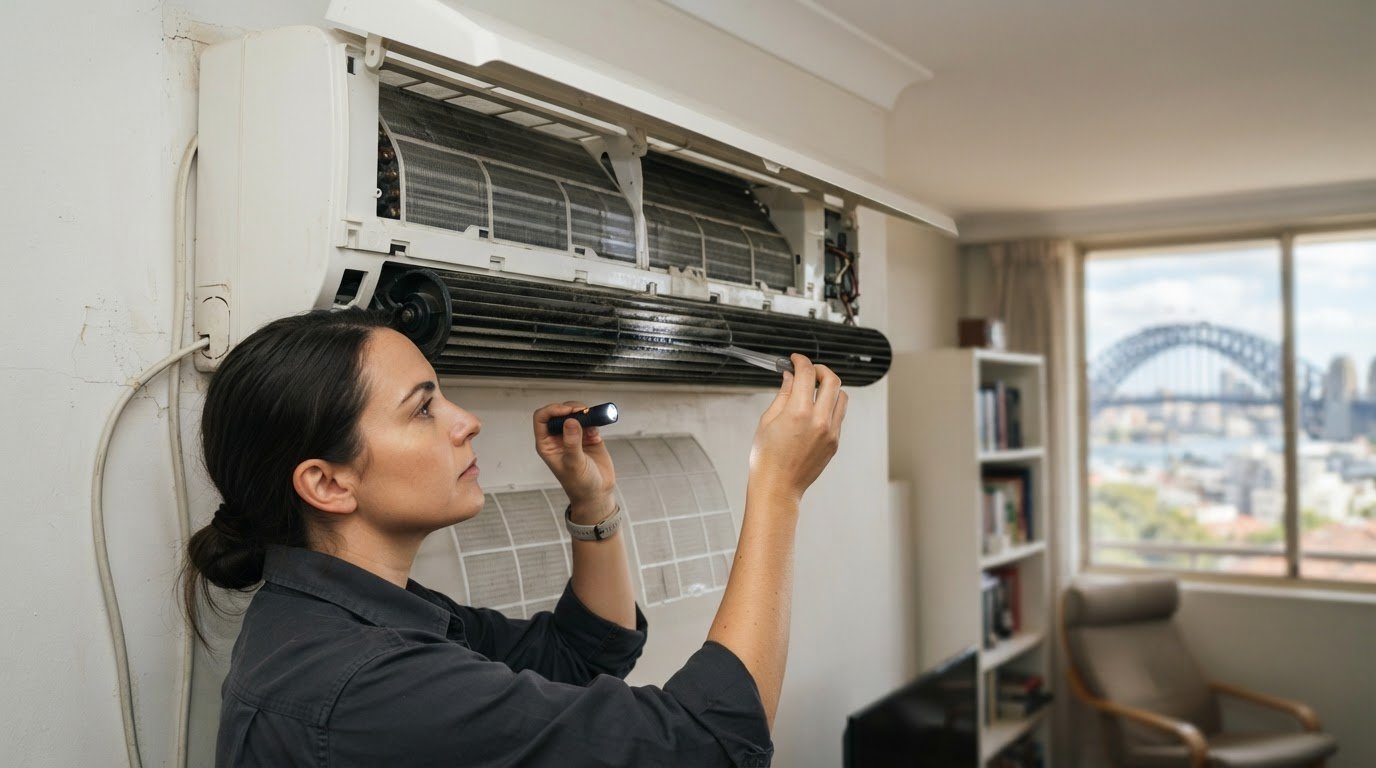
Health concerns can also shape buyer decisions. Household mould can cause respiratory issues and allergic reactions, making affected rooms less appealing to some buyers. A musty smell in a bedroom or discolouration near a window may prompt questions about hidden growth. Mould can develop under floorboards, behind walls or inside HVAC ducts, so a clean surface alone may not resolve concerns about the property’s condition.
Testing and inspection can help distinguish a limited surface issue from a broader moisture problem. Air and surface testing may identify a small issue before plaster needs stripping, while moisture readings can point to areas where mould may grow. The useful investment is in understanding the cause and scope first. A report can help explain what requires attention, rather than leaving buyers to price in unknown repairs.
Remediation also needs to address the source. Around 60% to 70% of a professional mould remediation project focuses on correcting the moisture source. For example, removing growth without resolving water ingress leaves the conditions for further damage. Relative humidity below 60% in Brisbane and Sydney can help protect a property, alongside ventilation and prompt attention to leaks or condensation.
For homeowners, the practical takeaway is to assess the problem before treating it as cosmetic. Document the affected areas, moisture findings, repairs and completed mould removal. This evidence helps potential buyers understand the property’s condition and the decisions behind the work. If mould or damp remains unexplained, arrange a professional mould inspection to clarify its extent and likely moisture sources before sale discussions begin.
ABC Mould Cleaning Solutions: Air Purification & Scrubbing
ABC Mould Cleaning Solutions helps homeowners assess mould concerns before a sale through Mould Inspection Services and Mould Remediation. An inspection can clarify where growth is present and identify moisture issues that need attention. If remediation is needed, keeping the inspection findings and records of the work can help explain the steps taken to prospective buyers.
Air Purification & Scrubbing can address airborne particles as part of a mould response. For properties with damp subfloors, Subfloor Ventilation System Installation may also be relevant. The right service depends on the property’s conditions and the issue identified.
Contact ABC Mould Cleaning Solutions to discuss your property’s mould concerns.
Prepare your next move with confidence
If you’re worried mould will affect your property’s value, focus on making your next decision with clear information. Before setting a sale timeline, decide what needs attention now and what evidence will help explain the property’s condition to buyers. A planned response can help prevent mould concerns from becoming last-minute surprises during sale discussions.
Give yourself time to act before listing. Use the inspection findings to prioritise unresolved issues, then keep a straightforward record of the steps taken. This gives you a practical reference when preparing for sale and helps you discuss the home clearly with prospective buyers.
For support with assessing or addressing mould, contact ABC Mould Cleaning Solutions. A clear next step can make the sale process feel more manageable, so you can move forward with greater confidence.
Frequently Asked Questions
Can I sell a house with mould if I disclose it to the buyer?
Yes, you can sell a house with mould, and sellers in Australia must disclose it to buyers. Be clear about what is present or has occurred, such as a recurring damp patch, previous mould treatment or water damage. Keep relevant reports and repair records available to explain the issue. Buyers may use that information to assess the property and discuss repairs or price during negotiations.
Does mould always decrease the value of a house in Australia?
No, mould doesn’t always reduce a home’s value by a set amount. The effect depends on factors such as the affected area, moisture source, damage to building materials and whether the issue remains active. A small, resolved area may raise different concerns from widespread growth or damaged timber. Buyers also consider how much uncertainty remains about the problem and the work required to address it.
Is Mould Killing Your Property Price?
Mould can put downward pressure on a property’s sale price, especially when growth is widespread or linked to water damage. Buyers may reduce an offer to account for repairs or hesitate if they can’t understand the issue’s extent. That doesn’t mean every mould mark has the same financial impact. The location, condition of affected materials and evidence of completed work all shape buyer decisions.
What does this mean for you?
If you’re worried mould will affect your property value, first focus on understanding the problem, not hiding visible marks. A musty smell in a spare room, for example, could prompt questions about moisture even when the walls look clean. An inspection can clarify whether there’s an issue to address. Keep findings and repair documents together so you can give buyers a clear account.
Will a building inspector find mould that is hidden behind walls?
Not necessarily. A standard visual inspection may identify clues such as a musty odour, staining or moisture damage, but concealed growth can remain out of sight. Finding it may require further assessment with moisture readings or specialist inspection tools. If a wall has unexplained staining or a persistent smell, tell the inspector about those signs. This can help direct attention to the suspected area.
Can mould reduce a property’s value in Australia?
Yes, mould can reduce buyer appeal and affect the price a buyer is willing to offer. The concern often extends beyond the surface: damp patches may indicate water ingress, damaged materials or a need for further investigation. A buyer may factor those unknowns into their decision. Clear information about the affected area and work completed can help them assess the property more accurately.
How much can mould reduce a property’s sale price in Australia?
Visible mould in Australian properties has been associated with a reported sale-price reduction of 20% to 30% during negotiations. This is a reported range, not a standard deduction applied to every home. The impact depends on the extent of growth, associated damage, likely repair work and buyer confidence. For a specific property, those factors shape negotiation rather than mould colour alone.
Do Australian property valuers consider mould when assessing value?
Mould-related damage matters because property condition affects buyer appeal and market value. Damp or damaged plaster, flooring or timber may affect the home’s overall condition, while active growth can raise questions about repairs. Keep inspection reports and remediation records available to explain what was found and addressed. These documents give a clearer picture of the property than an unexplained stain or odour.