Nearly 40% of older homes in Sydney suffer from insufficient subfloor airflow. This hidden issue leads to rising damp, wood rot, and a significantly higher risk of termite infestation. If you’ve noticed musty odours or mould creeping up your lower walls, your home is sending an urgent distress signal. You want to preserve your property’s heritage character while ensuring a healthy environment for your family. Protecting your investment requires specialized subfloor ventilation for federation homes Sydney that respects original sandstone and brickwork.
You deserve a home that’s structurally sound and free from toxic spores. This guide explores how a systematic, evidence-based approach provides a permanent solution for moisture control. We’ll show you how to achieve a dry, healthy subfloor using heritage-appropriate systems that remain virtually invisible. You’ll learn how to maintain subfloor humidity below 65% to stop mould germination and safeguard your home’s market value for the long term.
Key Takeaways
- Understand why Sydney’s porous sandstone foundations and architectural flaws create a “moisture trap” that threatens the structural integrity of Federation bungalows.
- Learn why high coastal humidity often requires upgrading to mechanical fan-forced systems over traditional passive terracotta vents to ensure consistent airflow.
- Discover how to install subfloor ventilation for federation homes Sydney using discreet, heritage-sensitive hardware that protects your property’s aesthetic and market value.
- Realize why air movement alone cannot eliminate existing mould colonies and how the Goldmorr System’s biodegradable fogging provides a safe, professional subfloor reset.
- Identify the critical steps to reducing hydrostatic pressure and airborne spores to maintain a subfloor relative humidity below the 65% germination threshold.
The Federation Moisture Crisis: Why Sydney Homes Suffer
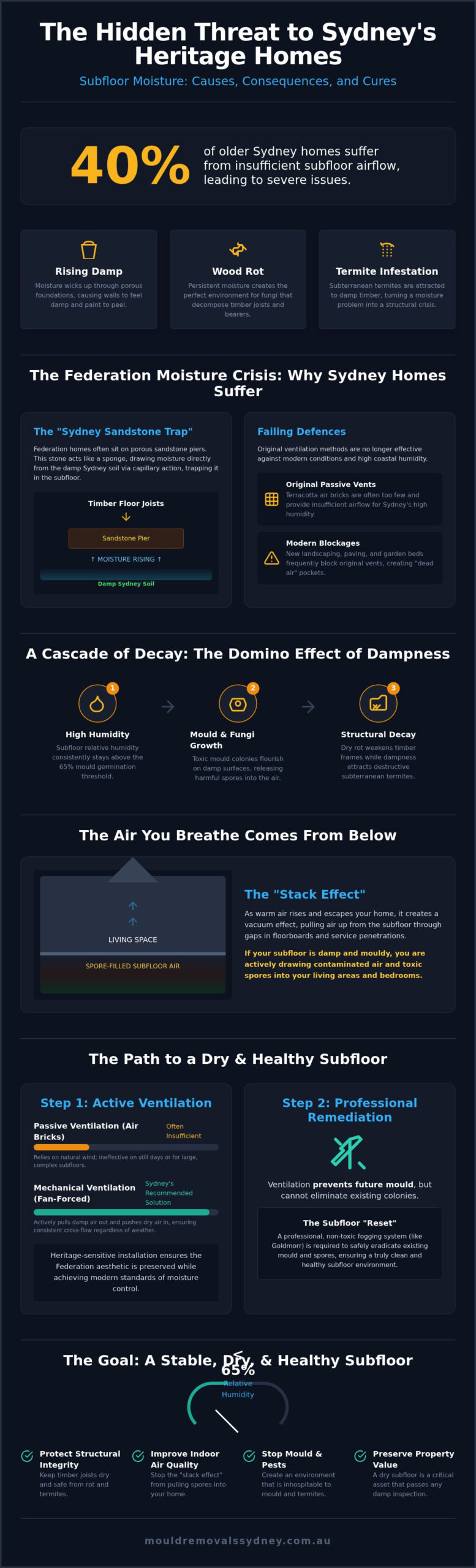
Sydney’s Federation homes are architectural treasures, but their foundations often hide a destructive secret. Most of these properties sit on sandstone piers, a material that defines the local aesthetic but creates what experts call the “Sydney Sandstone Trap.” Sandstone is naturally porous. It draws moisture directly from the damp Sydney soil through capillary action, essentially acting as a permanent sponge. Without adequate subfloor ventilation for federation homes Sydney, this moisture remains trapped, saturating the air and the timber framing above.
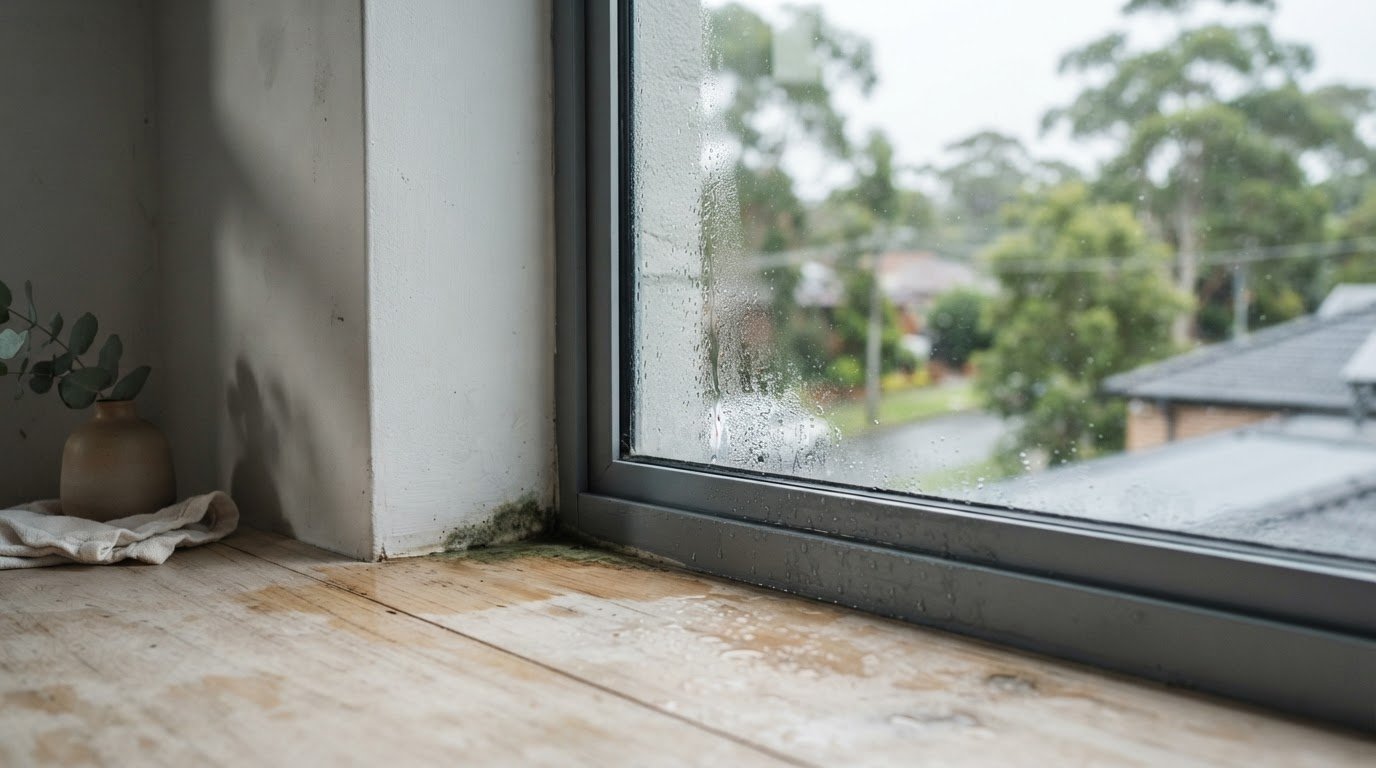
The original design of Federation bungalows relied on passive air bricks. These terracotta or brass vents were intended to provide natural airflow. However, a century of Sydney’s coastal humidity has changed the stakes. High humidity levels mean the air under your home often reaches its dew point, leading to heavy condensation on cool surfaces. You’ll see the evidence in cupping floorboards, peeling paint on skirting boards, and that unmistakable, heavy “old house” smell that won’t go away. These aren’t just cosmetic issues; they’re signs of a failing subfloor ecosystem.
Anatomy of a Federation Subfloor
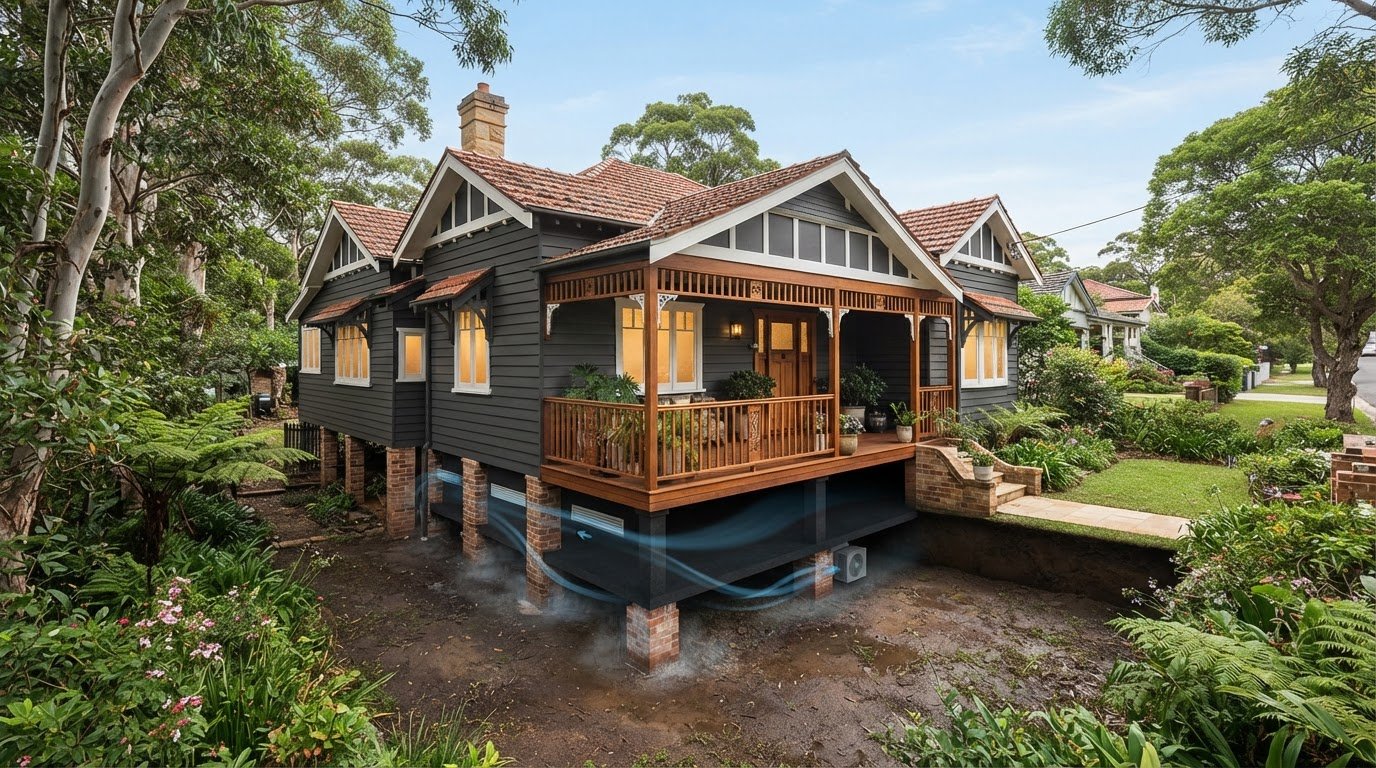
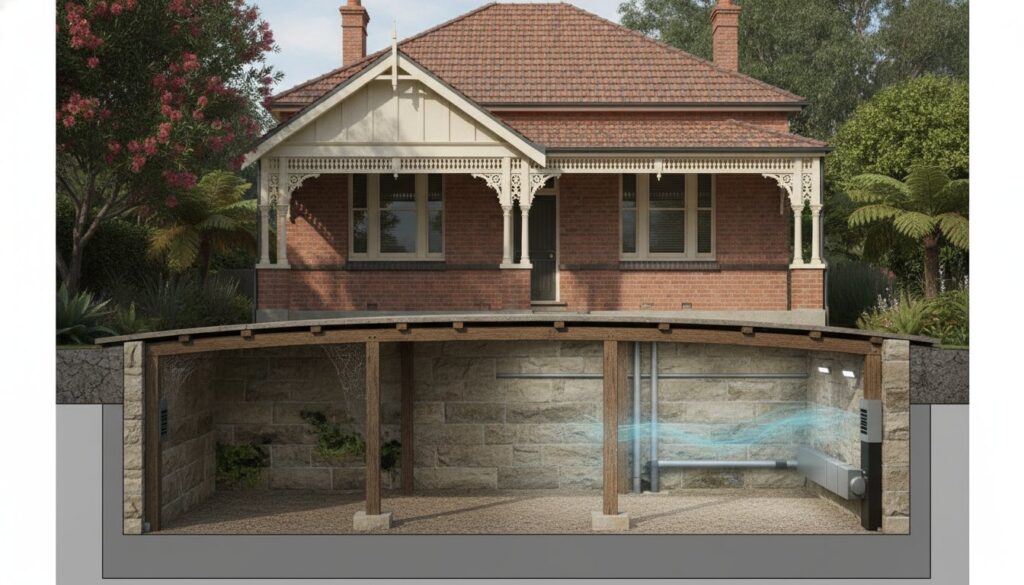
Federation homes typically feature a crawl space where timber joists rest on or near sandstone piers. This creates a complex environment for air movement. Over decades, many homeowners have unknowingly compromised this space. Modern landscaping, raised garden beds, and new concrete paving often block original air bricks. This creates “dead air” pockets, particularly in large-footprint bungalows where the centre of the house is far from any external wall. The principles of Underfloor air distribution show that without a clear path for air to enter and exit, moisture levels will inevitably spike.
Mould and Structural Integrity
When moisture levels rise, mould becomes the immediate threat. Subfloor mould isn’t just a health hazard; it’s the primary precursor to dry rot in Sydney heritage homes. Damp timber also acts as a beacon for subterranean termites, which thrive in high-humidity environments; for expert protection, Impressive Exterminating Pest Control can assess and treat your subfloor to prevent structural damage. Subfloor humidity is the measurement of water vapor held within the enclosed space beneath a home’s floorboards, serving as the primary driver of timber degradation in Sydney. If left unchecked, the combination of mould and pests can compromise the entire structural frame, leading to repairs that cost tens of thousands of dollars. Professional subfloor ventilation for federation homes Sydney is the only way to break this cycle of decay and protect your heritage investment.
How Subfloor Ventilation Protects Your Heritage Investment
Protecting a Federation home requires more than just surface repairs. Effective subfloor ventilation for federation homes Sydney creates a consistent exit path for damp air, preventing the accumulation of moisture that leads to structural instability. By facilitating active cross-ventilation, we reduce hydrostatic pressure against your home’s porous sandstone foundation. This pressure, if left unmanaged, forces ground water into the masonry, causing long-term damage that is both difficult and expensive to remediate. In Sydney’s competitive property market, a dry subfloor is a critical asset. Ensuring your home passes a damp inspection is essential for preserving its resale value. Buyers today are savvy; they look past the heritage facade to the health of the structure beneath.
The Stack Effect and Indoor Air Quality
Many homeowners don’t realize that the air they breathe in their living room often originates in the crawl space. Through a process known as the stack effect, warm air rising through the house creates a vacuum that pulls air from the subfloor through floorboard gaps and service penetrations. If your subfloor is damp, you are effectively inhaling airborne spores and musty gases. This is how black mould can migrate from the foundations into your bedrooms and nurseries. While modern air purifiers are helpful, they only treat the symptoms. They cannot keep up with a constant source of moisture and spores from below. If you suspect your indoor air is being compromised, a professional mould inspection can identify the source of the contamination and help you breathe easier.
Protecting Original Timber and Masonry
Heritage brickwork and timber are highly sensitive to environmental changes. Without proper airflow, masonry can suffer from ‘salt damp,’ where evaporating water leaves behind mineral deposits that crumble the brick from the inside out. Maintaining a stable moisture equilibrium is vital for the hardwood floorboards. The Australian Timber Flooring Association emphasizes that excessive subfloor moisture causes timber to expand, leading to cupping and crowning. This warping is often irreversible and ruins the aesthetic of original Kauri or Jarrah floors. Professional subfloor ventilation for federation homes Sydney ensures that structural piers and bearers remain dry, preventing the soft rot that eventually leads to floor failure. Investing in a targeted system means your home’s original materials can continue to stand for another century without the threat of catastrophic timber decay.
Mechanical vs. Passive Ventilation: What Sydney Homeowners Need
Choosing between passive and mechanical systems is a critical decision for your property’s health. Traditional terracotta and brass vents are a staple of heritage architecture. They offer a zero-cost solution that maintains the original aesthetic. However, these passive systems rely entirely on natural wind pressure and thermal buoyancy. In many Sydney suburbs, this isn’t enough. Modern subfloor ventilation for federation homes Sydney often requires a transition to mechanical extraction to combat the city’s persistent coastal humidity. While passive vents are a great starting point, they frequently fail to move enough air volume to prevent mould germination in enclosed spaces.
Mechanical fan-forced systems provide active extraction, ensuring damp air is removed regardless of external wind conditions. You can choose between solar-powered units or low-voltage electric fans for 24/7 moisture control. In quiet residential pockets of the Inner West and North Shore, noise pollution is a primary concern. We select high-performance, silent-running fans that operate without disturbing your household or the neighbours. These systems turn your subfloor from a stagnant moisture trap into a controlled, dry environment.
When Passive Vents Aren’t Enough
Passive vents have limits. They struggle to address “dead zones” in large-footprint Federation bungalows where air remains stagnant in the centre of the structure. In dense Sydney suburbs, neighbouring properties often block natural wind flow, leaving your subfloor without the pressure differential needed for cross-ventilation. Humid Sydney nights present another challenge. When the external air is heavy with moisture, passive systems cannot effectively dry out the subfloor. This leads to a spike in relative humidity that exceeds the 65% threshold where mould begins to thrive on your timber bearers.
The Benefits of Smart Mechanical Systems
Modern mechanical solutions are both intelligent and energy-efficient. We use hygrostat-controlled fans that only activate when humidity levels are high. This ensures the system isn’t running unnecessarily, keeping your energy costs to a minimum. A typical modern subfloor fan system is designed for longevity and low power consumption. We often implement “push-pull” configurations for deep Federation subfloors. One fan draws fresh air in while another extracts damp air out. This creates a guaranteed flow path through the most problematic areas of your foundation. Our specialized subfloor ventilation for federation homes Sydney ensures that every corner of your crawl space remains dry and structurally sound.
Heritage-Sensitive Installation: Maintaining the Federation Aesthetic
Preserving your property’s visual integrity is as vital as solving the damp. Installing subfloor ventilation for federation homes Sydney requires a delicate balance between modern performance and historical accuracy. Local councils in heritage-rich areas like the Inner West, Willoughby, and Mosman enforce strict heritage overlays. You must comply with these regulations to avoid fines or restoration orders. Our specialized approach ensures that high-performance mechanical fans remain completely hidden. We place extraction units deep within the crawl space, concealing them behind heritage-style grilles that match the original architecture of your bungalow or villa.
Working with Sydney’s iconic sandstone foundations demands a non-invasive touch. Original sandstone is brittle and easily damaged by heavy-handed installation techniques. We prioritize using existing openings wherever possible. If new penetrations are required, we employ precision tools designed to minimize vibration and prevent cracking in the masonry. This careful methodology maintains the structural stability of your piers while providing the airflow needed to stop rising damp in its tracks.
Choosing the Right Grilles and Vents
Standard plastic vents have no place on a Federation facade. They degrade in the sun and clash with the period character of your home. We offer a range of authentic materials and custom solutions to ensure your ventilation system looks like it has always been there:
- Cast Brass and Copper: These materials develop a natural patina over time, blending perfectly with aged brickwork and sandstone.
- Terracotta Air Bricks: Ideal for matching the original “breathable” bricks found in early 20th-century Sydney homes.
- Custom Pattern Matching: We can source or create grilles that replicate unique architectural patterns found in specific heritage precincts.
- Vermin-Proofing: Every vent we install features high-grade internal mesh to prevent rodents and pests from entering your subfloor.
Professional Installation vs. DIY Risks
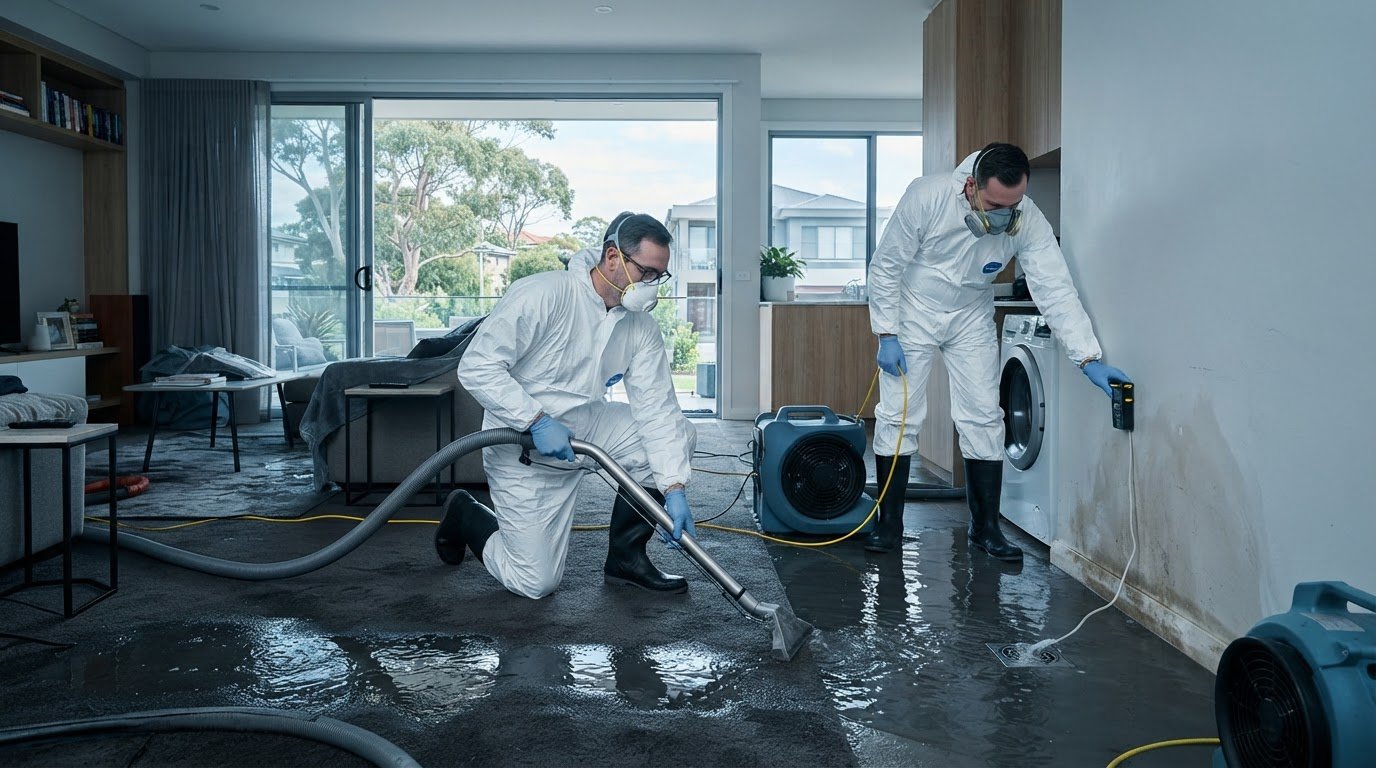
Attempting a DIY installation on a heritage property is a high-risk gamble. Inexperienced core drilling can shatter original sandstone blocks or compromise the load-bearing capacity of your walls. There’s also the risk of creating new damp issues. If a fan is positioned incorrectly, it can pull moisture-laden air from garden beds directly into your subfloor. It’s also critical to address existing contamination. A professional assessment is necessary to determine if you need mould removal sydney before the new ventilation system is commissioned. Sealing a subfloor or increasing airflow without treating active colonies can simply spread spores into your living areas. To ensure your home is both beautiful and healthy, book a heritage-sensitive ventilation consultation today.
The ABC Mould Solution: Ventilation Combined with Remediation
Installing fans in a subfloor that already contains active mould colonies is a high-risk mistake. If you fail to kill the mould first, your new ventilation system will simply circulate airborne spores through your floorboards and into your bedrooms. Effective subfloor ventilation for federation homes Sydney must be paired with professional remediation to be truly successful. We don’t just move damp air; we eliminate the biological threat at its source using a systematic, evidence-based approach. This ensures your home isn’t just drier, but significantly healthier for everyone inside.
ABC Mould Cleaning Solutions utilizes the Goldmorr System, a world-class remediation process that uses biodegradable fogging to neutralize mould. This methodology is ideal for the complex, tight spaces found under Sydney’s heritage properties. Our proven 3-step process-Inspect, Remediate, Ventilate-guarantees that your subfloor environment is reset before the permanent ventilation system begins its work. We understand the financial pressure of maintaining a heritage home. That’s why we offer a 10% price-beat guarantee on any written quote for subfloor solutions. You get the highest level of specialist care at the best possible value in the Sydney market.
Eliminating the Source with the Goldmorr System
Traditional cleaning methods often fail because they can’t reach every crevice of a porous sandstone foundation. Our Goldmorr fogging technology fills the entire subfloor cavity. It reaches spores in inaccessible corners that manual scrubbing simply cannot touch. During the installation of your subfloor ventilation for federation homes Sydney, we employ industrial air scrubbing units. These machines capture airborne contaminants and prevent them from migrating into your living spaces. Our solutions are biodegradable and non-toxic. They are completely safe for your families, your pets, and your sensitive heritage materials.
Next Steps for Your Sydney Home
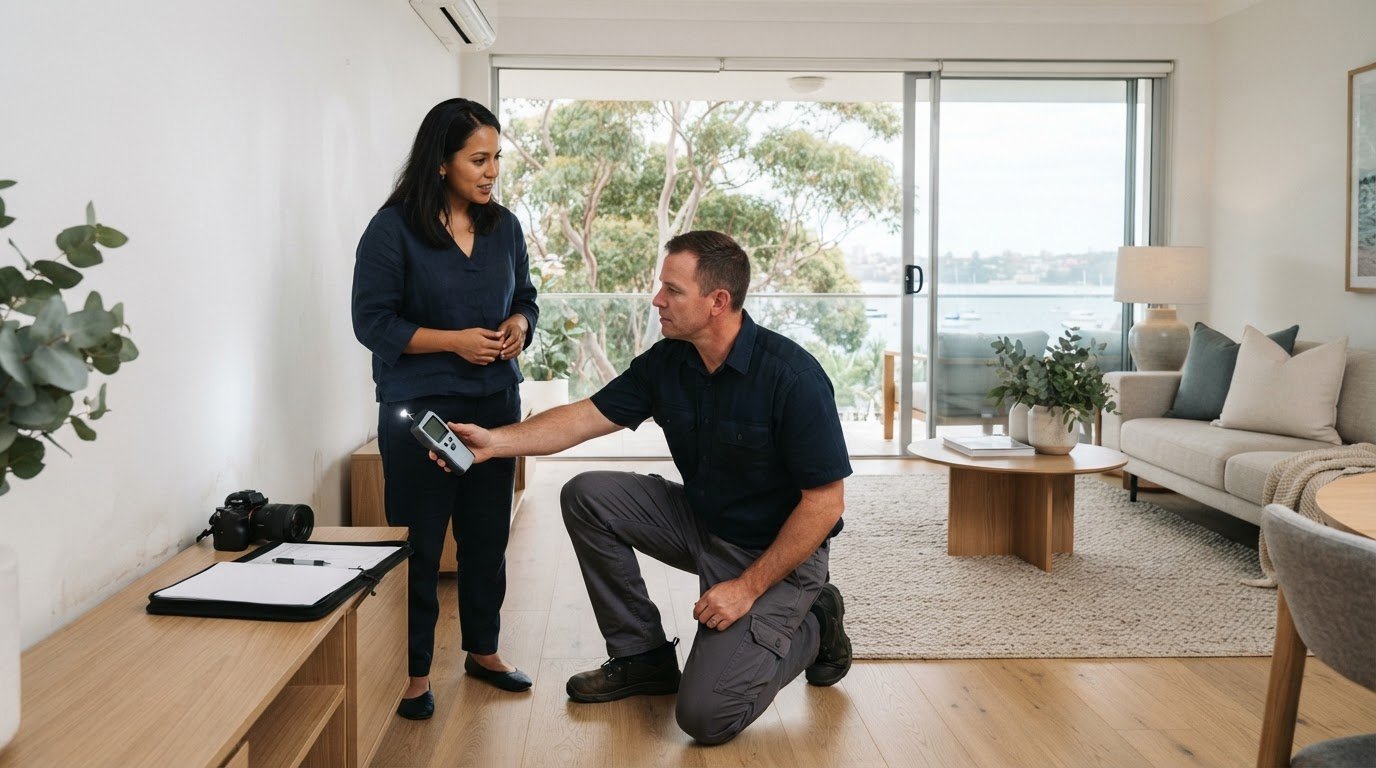
Stop letting moisture compromise your property’s value and your family’s well-being. The path to a dry home begins with a professional subfloor moisture inspection. We’ll identify the exact cause of your dampness and provide a tailored ventilation plan that respects your home’s unique history. Our specialists understand the nuances of Sydney’s coastal climate and heritage architecture. It’s time to transition from a state of concern to a state of resolution. Contact ABC Mould Cleaning Solutions for an urgent mould inspection and secure your heritage investment today.
Secure the Future of Your Heritage Home
Your Federation property is a significant investment that deserves specialized protection. We’ve explored how porous sandstone foundations and architectural “dead zones” create the perfect environment for structural rot and mould. Relying on outdated passive vents is often insufficient in Sydney’s coastal climate. You need a modern, heritage-sensitive approach to subfloor ventilation for federation homes Sydney that eliminates moisture without compromising original aesthetics. Remember that airflow alone won’t kill existing spores. You must remediate first to ensure your living areas remain safe and healthy.
Don’t wait for floorboards to warp or musty smells to take over your home. As certified Goldmorr System specialists with deep expertise in Sydney heritage properties, we provide the evidence-based solutions you need. We’re committed to delivering the best value and will beat any written quote by 10%. Take control of your home’s health and market value now. Book Your Professional Federation Subfloor Inspection Today and enjoy the peace of mind that comes with a dry, secure foundation. It’s time to breathe easy again.
Frequently Asked Questions
Does subfloor ventilation really stop mould in Federation homes?
Subfloor ventilation effectively stops mould growth by maintaining relative humidity below the 65% germination threshold. However, it won’t kill existing colonies. You must use a professional remediation process like the Goldmorr System to reset the environment first. Once the subfloor is clean, installing subfloor ventilation for federation homes Sydney ensures that moisture never accumulates enough to allow new spores to take hold. This dual approach provides a permanent solution for your heritage property.
How many vents does a standard 3-bedroom Federation house need?
The number of vents depends on the size and layout of your property. The Building Code of Australia stipulates a minimum of 6000mm² of clear vent area per lineal metre of the external wall. For a standard 3-bedroom Federation house, this often equates to 10 to 15 passive vents. However, Sydney’s dense suburbs and deep subfloors often require mechanical fans to move air into “dead zones” where passive airflow cannot reach.
Are mechanical subfloor fans noisy for neighbours in Sydney suburbs?
Modern mechanical fans are designed for silent operation and won’t disturb your household or neighbours. We select high-performance, low-voltage units specifically for quiet residential areas like the Inner West and North Shore. These fans are often mounted on vibration-dampening brackets to eliminate hum. When professionally installed, the only way you’ll know the system is running is by the fresh, dry air under your home and the total absence of musty odours.
Can I install subfloor ventilation myself in a heritage-listed home?
DIY installation is highly discouraged for heritage-listed properties. Modifying original sandstone foundations requires specialist core drilling techniques and a deep understanding of NSW heritage regulations. Incorrect placement can lead to structural damage or even worsen damp issues by pulling moisture from garden beds. ABC Mould Cleaning Solutions specializes in professional installation that respects the architectural integrity of your home. We don’t sell DIY kits because your heritage investment requires an expert result.
How much does it cost to run a subfloor ventilation fan in Sydney?
Running a modern subfloor ventilation system is remarkably inexpensive. Low-voltage fans are highly energy-efficient and typically consume about the same power as a single LED light bulb. Even if the system runs 24/7 to combat Sydney’s coastal humidity, the impact on your quarterly electricity bill is negligible. Smart systems with hygrostat controls can reduce costs even further by only activating when humidity levels spike, ensuring you only pay for the airflow you actually need.
What is the best type of vent for a sandstone foundation?
Brass, copper, or terracotta grilles are the best choices for sandstone foundations. These materials are durable and vermin-proof, ensuring pests don’t enter your crawl space. Unlike modern plastic vents, heritage-appropriate metals develop a natural patina that blends seamlessly with aged Sydney sandstone. This ensures your subfloor ventilation for federation homes Sydney remains virtually invisible from the street while providing the high airflow capacity needed to protect your timber bearers and floorboards from rot.
Will subfloor ventilation help with rising damp and peeling paint?
Ventilation is a critical tool for managing rising damp and peeling paint. By reducing the humidity levels and hydrostatic pressure beneath your floorboards, you lower the amount of moisture available to be pulled into your walls. While it may not solve a failed damp-proof course on its own, it significantly slows the rate of moisture migration. This helps prevent the “salt damp” effect that causes paint to bubble and original heritage plaster to crumble.
How long does it take for a subfloor to dry out after ventilation is installed?
You will notice a drop in air humidity within 2 to 4 weeks of installation. However, drying out saturated timber joists and damp soil is a slower process that can take several months. The timeline depends on the severity of the initial moisture and the specific environmental conditions of your Sydney suburb. Consistent, mechanical airflow is essential during this period to ensure the subfloor reaches a stable moisture equilibrium and remains dry permanently.