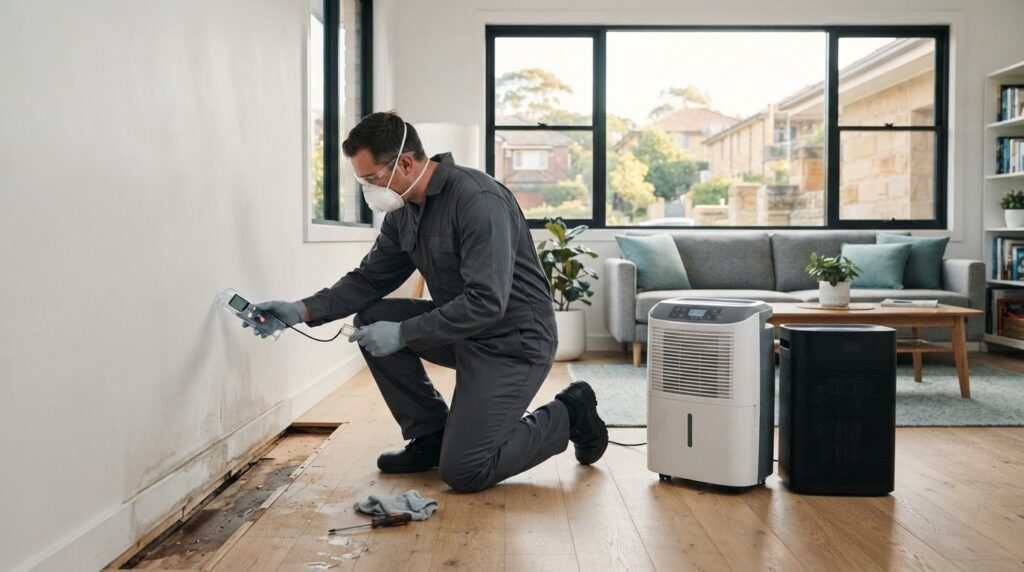
What if the water you can’t see is the part that causes the biggest problem? After a leak, stormwater entry or flood, it’s natural to focus on puddles and damaged belongings. But materials can stay damp after the surface looks dry, creating conditions that support mould. Effective water damage mould remediation Sydney properties need to address the water source, affected materials and any mould together.
If you’re unsure what to do first, you’re not alone. Acting promptly can help limit further moisture damage, but choosing between restoration and mould specialists can feel like another problem to solve. This guide covers practical first steps, why hidden moisture matters and when an inspection or remediation may be appropriate.
You’ll also learn what to look for when comparing Sydney services, including a clear assessment and recommendations to help prevent recurring moisture issues. ABC Mould Cleaning Solutions provides water damage restoration, mould inspection and remediation, and air purification services across Sydney and surrounding regions. Understanding how these services can fit into a coordinated response can help you make an informed decision for your property.
Key Takeaways
- Water damage mould remediation Sydney works best when the water source, damp materials and mould concerns are assessed together.
- Learn the main stages of remediation, from identifying affected areas to considering prevention measures based on inspection findings.
- Use a practical checklist to document damage and distinguish safe occupant actions from work that needs qualified help.
- Compare service scopes to see how assessment findings inform water-source repairs, drying, mould removal and air treatment.
- Find out how inspection, water damage restoration, mould remediation and air purification may be coordinated to suit the property.
Water Damage Mould Remediation Sydney: Why the First Response Matters
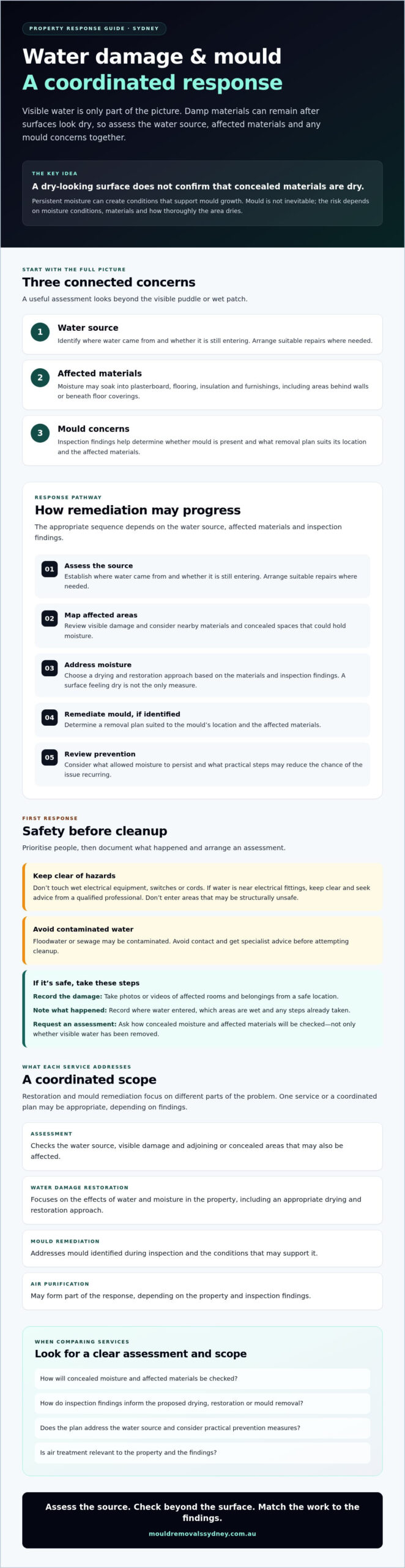
Discovering a leak, floodwater or soaked flooring can be stressful. It’s not always clear what’s safe to do, or whether removing visible water will be enough. A calm first response helps protect people, preserve useful records and identify what needs attention. For water damage mould remediation in Sydney properties, assess the water source, affected materials and moisture together. The surface alone may not tell the whole story.
What water damage can leave behind
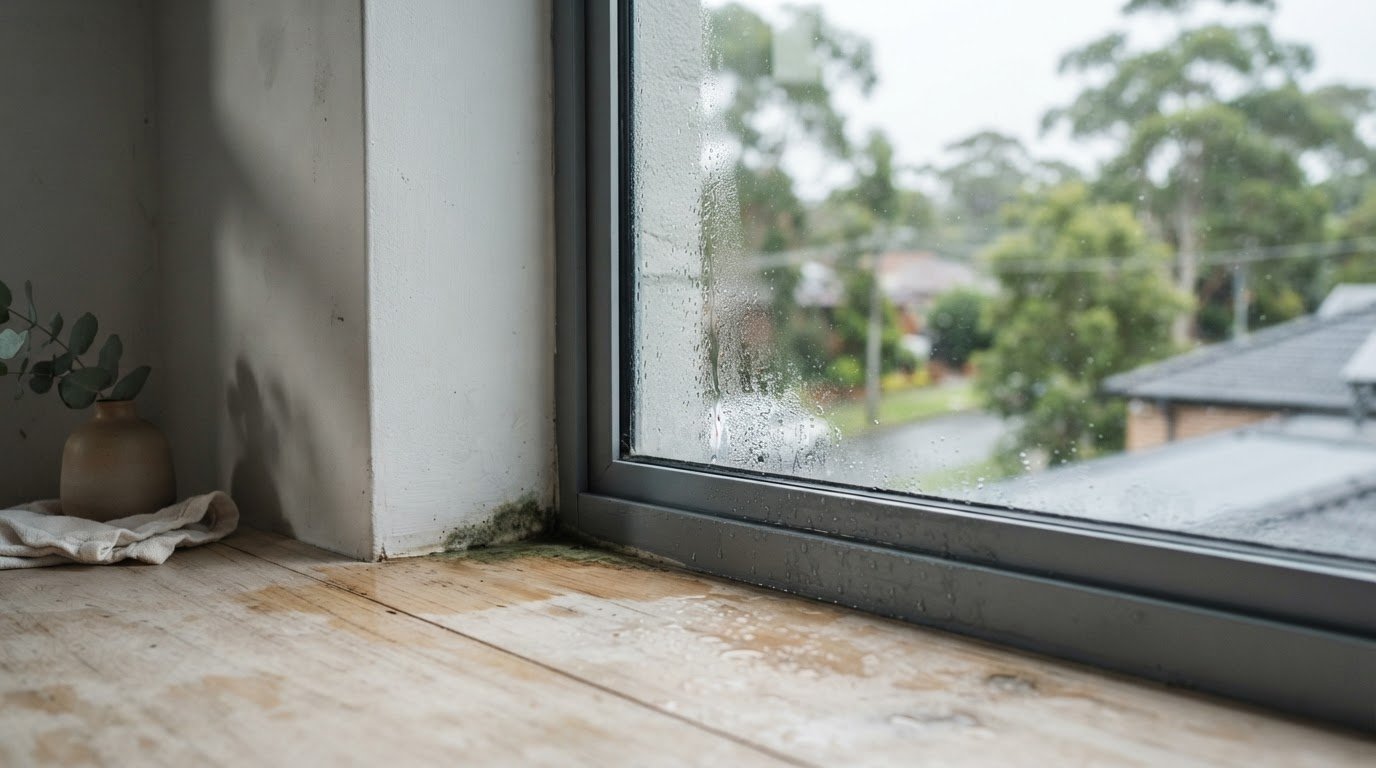
Standing water is only the visible part. Moisture can soak into plasterboard, flooring, insulation and furnishings, including areas behind walls or beneath floor coverings. A room may look dry while materials remain damp. Mould is not inevitable, but the risk depends on moisture conditions, materials and how thoroughly the area dries. For a broad overview, Water damage describes the range of ways water can affect a property.
Persistent moisture can create conditions that support mould growth in affected materials.
What Sydney property owners should do first
Prioritise safety before cleanup. If it’s safe, stop further water entry at its source. Don’t touch wet electrical equipment, switches or cords, and don’t enter areas that may be structurally unsafe. If water is near electrical fittings, keep clear and seek advice from a qualified professional. Floodwater or sewage may be contaminated, so avoid contact and get specialist advice before attempting cleanup. Follow relevant local safety guidance.
- Record the damage: Take photos or videos of affected rooms and belongings from a safe location. Share them with the property owner, property manager and insurer as appropriate.
- Note what happened: Record where water entered, which areas are wet and any steps already taken. This information can help with an assessment.
- Arrange an assessment: Ask how concealed moisture and affected materials will be checked, rather than focusing only on whether visible water has been removed.
For more practical response steps, consult the Sydney water damage repair guide. The right next step depends on the water source and inspection findings. Water damage restoration and mould remediation may need to be considered together, particularly if damp materials or existing mould are identified.
How Water Damage Mould Remediation Works in a Sydney Property
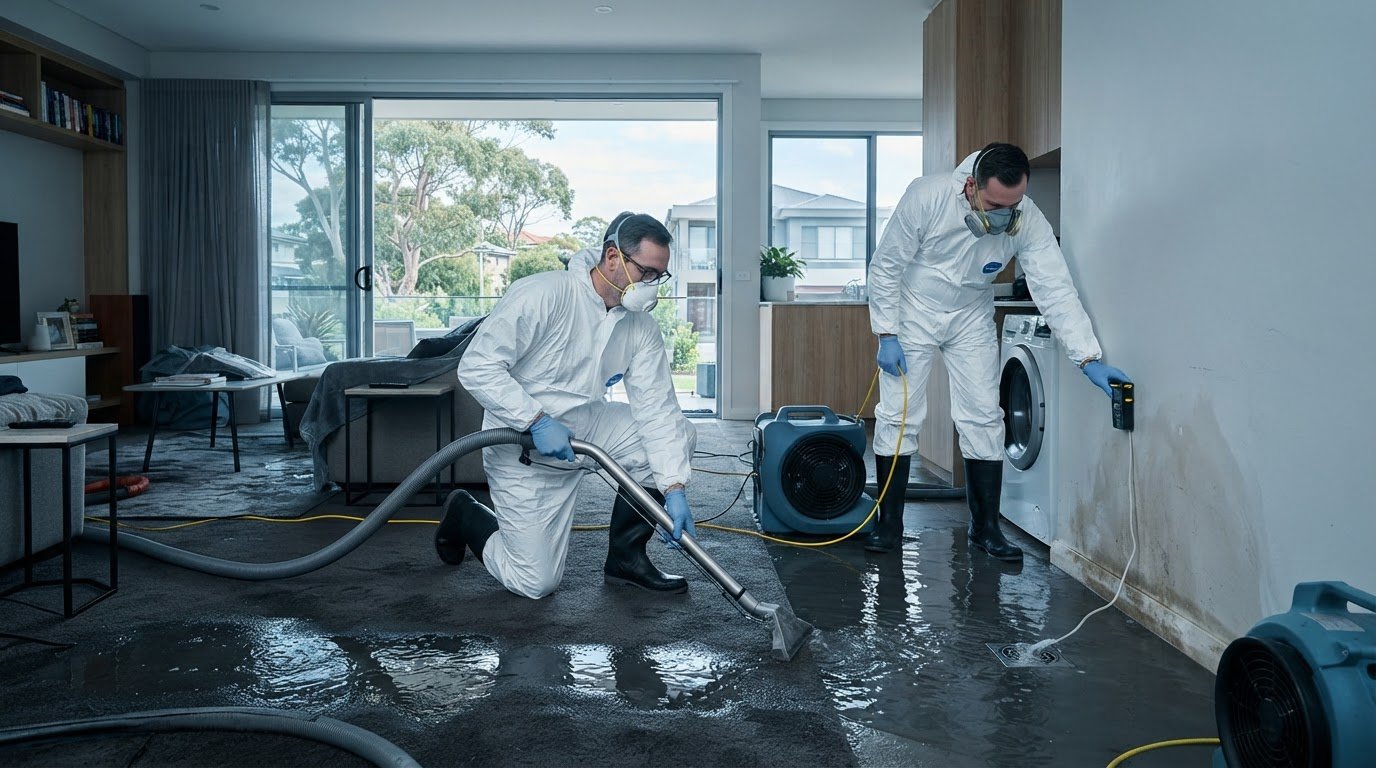
Water damage restoration and mould remediation address different parts of the problem. Restoration focuses on the effects of water and moisture in the property. Mould remediation deals with mould identified during inspection and the conditions that may support it. Depending on the source, affected materials and inspection findings, a property may need one service or a coordinated plan. There is no single sequence for water damage mould remediation in Sydney homes and businesses.
Inspection and moisture-source assessment
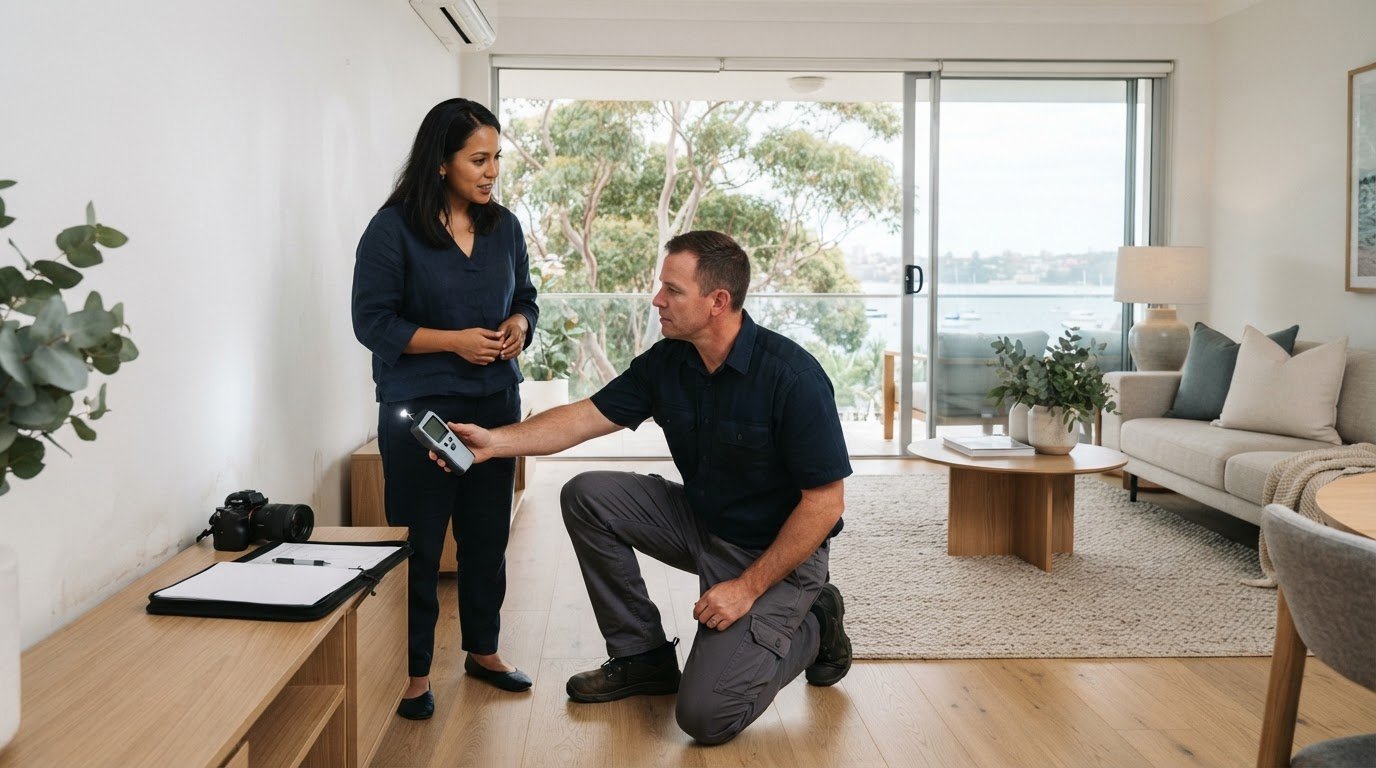
The process starts with assessing the water source and visible damage, then considering adjoining or concealed areas that may also be affected. For example, a wet patch on a wall may prompt checks beyond the visible surface. The source needs to be addressed by the appropriate party before the remediation plan can be considered complete. Inspection findings help determine what work is relevant and whether mould is present.
- 1. Assess the source: Establish where the water came from and whether it is still entering. Arrange suitable repairs where needed.
- 2. Map affected areas: Review visible damage and consider nearby materials and concealed spaces that could hold moisture.
- 3. Address moisture: Choose an appropriate drying and restoration approach based on the materials and inspection findings. Don’t rely on a surface feeling dry as the only measure.
- 4. Remediate mould: If inspection identifies mould, determine a removal plan suited to its location and the affected materials.
- 5. Review prevention: Consider what allowed moisture to persist and what practical steps may reduce the chance of the issue recurring.
Drying, mould treatment and air purification
Drying and removal decisions depend on the materials, extent of water impact and inspection results. Water-affected materials may need different approaches, so ask the provider to explain why its proposed scope suits the property. Air purification and scrubbing may form part of a broader plan where appropriate. NSW Health provides guidance on the health effects of mould exposure, which can help readers understand why mould concerns deserve careful attention.
ABC Mould Cleaning Solutions offers water damage restoration, mould inspection and remediation, and air purification and scrubbing. The company describes its Goldmorr System as a biodegradable fogging process. Ask how any proposed treatment applies to your property and what the inspection indicates is needed. If you’d like to discuss an assessment, explore mould inspection and remediation options with ABC.
Choosing a Sydney Water Damage and Mould Remediation Service
No single provider or package suits every water-damaged property. Compare the proposed work with the assessment findings: each affected area and material should have a clear next step, and exclusions should be stated upfront. A coordinated service can simplify communication, but plumbing or structural repairs may need a separate qualified trade.
| Work area | What to clarify |
|---|---|
| Water-source repair | Has the source been identified? If plumbing work is needed, who will arrange a plumber? |
| Drying | Which affected materials need attention, and how will progress be checked and reported? |
| Mould removal | Where was mould identified, which materials are included, and what falls outside the proposed scope? |
| Air treatment | Is air purification or scrubbing proposed? Ask what role it has in the plan and what it cannot address. |
| Prevention | Which moisture-related causes or conditions were identified, and what practical recommendations follow? |
The U.S. Environmental Protection Agency’s guidance reinforces that the key to mold control is moisture control. Use that principle to check whether a proposal addresses the moisture issue as well as visible mould. Don’t assume one treatment is right for every property.
Questions to ask before approving remediation
Ask the provider to explain how its assessment supports the recommended work. Clear answers should help you understand what’s included, what may require another trade and how you’ll be kept informed.
- Which rooms, concealed areas and materials did the assessment find to be affected?
- What work is included, and which plumbing or structural repairs need another qualified provider?
- How will progress, access limitations and prevention recommendations be communicated?
If the scope doesn’t seem to match the findings, ask for clarification before approving the work. For water damage mould remediation in Sydney, compare the assessment and proposed scope, not just the service label. A provider may cover restoration, mould inspection or remediation, while source repairs are handled separately.
When to seek local health or safety guidance
If you have health concerns or sensitive occupants in the property, check current NSW Health advice or speak with an appropriate health professional. Don’t rely on a remediation provider to diagnose symptoms or promise that treatment will remove every health risk. For workplace hazards, consult SafeWork NSW guidance relevant to the task and setting.
ABC Mould Cleaning Solutions offers inspection, water damage restoration, mould remediation and air purification services. You can discuss a property assessment and ask which combination, if any, fits the inspection findings.
Sydney Leak or Flood: A Practical Checklist
Storms and heavy rain can bring sudden water entry to Sydney properties, while leaks can affect a room without warning. Take these steps in order, and don’t put yourself at risk to protect belongings. A careful record and clear description of the damage can help guide assessment and follow-up.
The first actions after water enters
- Put safety first. Keep away from floodwater, wet electrical equipment and areas that may be structurally unsafe. During a storm or flood emergency, follow current NSW SES advice and directions.
- Stop further water entry only if safe. If you can control the source without approaching electrical hazards, contaminated water or an unsafe area, take reasonable steps. Otherwise, leave it to a qualified professional.
- Document what you can safely see. Record the date, affected rooms, visible conditions and damaged items. Take photos or video from a safe position for the property owner, manager or insurer.
- Don’t disturb suspect mould or contaminated materials. Avoid handling them until you’ve obtained appropriate professional advice, particularly if floodwater or sewage may be involved.
- Arrange an assessment. Explain what happened and ask what information the assessor needs before attending.
How to prepare for an assessment
A useful request for water damage mould remediation in Sydney starts with clear details. Share the property location, suspected water source, affected rooms and how long the area may have been wet. Mention any earlier repairs or recurring leaks. If it’s safe, provide photographs of visible damage, but don’t enter a hazardous area to take them.
- List affected rooms and items, and note when you first noticed the water.
- Describe access constraints, such as locked areas or limited entry, before arranging an assessment.
- Flag occupants who may need specific accommodation during the assessment or work, so the provider can discuss relevant arrangements.
- Keep your notes and images together for follow-up conversations and insurance discussions.
Water can remain in concealed materials after visible surfaces look dry, so mention any musty odour, damp patches or recurring signs of moisture. For more on secondary mould after water damage, learn what can happen when moisture remains unaddressed. The appropriate response depends on the source, affected materials and assessment findings.
If water has entered your property and you’re unsure what assessment may be appropriate, discuss your water damage and mould concerns with ABC Mould Cleaning Solutions.
ABC Mould Cleaning Solutions: Coordinating Sydney Water Damage and Mould Remediation
Water damage and mould can be connected problems, but the right response depends on what happened and what an assessment finds. ABC Mould Cleaning Solutions serves residential and commercial properties across Sydney and surrounding regions. Its services include water damage restoration, mould inspection and remediation, and air purification and scrubbing. These services can be considered together where appropriate, rather than assuming every property needs the same combination.
What ABC’s assessment and service plan can cover
An assessment can help identify visible mould, consider its extent and investigate likely moisture contributors. Those findings inform which services may be relevant, such as mould remediation, air purification, water damage restoration or prevention measures. The proposed scope should reflect the property’s condition and the circumstances of the water damage, not a preset package.
ABC describes its Goldmorr System as a biodegradable fogging process intended to address surface mould and airborne spores. Ask the team to explain the process, its proposed role in your property and any relevant limitations. The treatment approach should be based on assessment findings, not assumed to suit every situation.
Some work may need another provider. For example, plumbing repairs to stop an ongoing leak or structural repairs may fall outside a remediation service’s scope. Ask who is responsible for those tasks and how they relate to the recommended restoration and mould work. Clear boundaries help you understand what is included and what needs to be arranged separately.
Take the next step with a Sydney remediation specialist
To start an enquiry, describe the water event and when it occurred, which rooms or materials were affected, and whether you’ve noticed continuing dampness or recurring water entry. Photographs can help explain visible conditions if they can be taken safely. Include any earlier repairs or areas that may be difficult to access, so the assessment can be planned with relevant context.
For water damage mould remediation in Sydney properties, inspection helps determine whether restoration, mould remediation, air purification or a combination of services may be appropriate. ABC Mould Cleaning Solutions can discuss the affected property and arrange an assessment based on the information available. For details about its Sydney mould removal service, contact the business and ask how its service scope fits your circumstances.
Take the Next Step Toward a Drier, Healthier Property
After a leak or flood, visible water is only part of the picture. Moisture can remain in building materials, so a sound response starts by understanding the source, checking affected areas and matching the work to the assessment. That’s the practical foundation of water damage mould remediation Sydney property owners can use to make informed decisions.
Prioritise safety, document damage and clarify which tasks are included in a service plan. Water damage restoration, mould inspection and remediation, and air purification may be relevant in combination, depending on the property. ABC Mould Cleaning Solutions provides these services across Sydney and surrounding regions. The business describes its Goldmorr System as using biodegradable fogging, with the appropriate approach guided by the property assessment.
Share what happened, which areas were affected and whether moisture is continuing. Contact ABC Mould Cleaning Solutions to discuss your Sydney property and request an assessment. A clear first step can make a stressful situation feel more manageable and help you decide what to do next.
Frequently Asked Questions
Can water damage cause mould if the area looks dry?
Yes. Water can soak into walls, flooring, insulation or furnishings and remain concealed after visible surfaces look dry. Mould isn’t inevitable, but persistent moisture can create conditions that support its growth. If you notice a musty odour, recurring damp patches or water staining, record what you’ve observed and arrange an assessment. A professional can consider affected materials and adjoining areas, rather than relying only on how the surface feels.
How quickly should I arrange mould remediation after water damage?
Arrange an assessment promptly, especially if materials remain damp, water is still entering or mould is visible. There isn’t a fixed timeframe that applies to every property. The risk depends on moisture conditions, affected materials and the water event. Don’t wait for mould to appear before investigating concealed dampness. If floodwater or sewage was involved, avoid handling affected materials and seek appropriate professional advice about safe next steps.
Should water damage restoration happen before mould remediation?
Not always as a separate, strictly ordered job. The water source and moisture need to be addressed, while any mould and affected materials are assessed. Depending on the inspection findings, restoration and mould remediation may overlap or be coordinated. For water damage mould remediation in Sydney properties, ask the provider to explain how its recommended work addresses the water event, damp materials and any mould found, and which repairs require another qualified trade.
Can I remove mould myself after a leak or flood?
It depends on the location, extent and circumstances. Avoid disturbing mould if it may be concealed, widespread or associated with floodwater or sewage. Contaminated water and unsafe areas need appropriate professional advice, not improvised cleanup. For a small, clearly accessible area, check current NSW Health guidance before deciding what to do. If mould returns, the water source remains unresolved or you’re unsure what materials were affected, arrange an inspection.
Does insurance cover water damage mould remediation in Sydney?
Cover depends on your policy and what caused the damage. Some Australian home and business policies cover sudden, accidental water damage, and resulting mould may be covered when it follows an insured event. Pre-existing mould or damage linked to poor maintenance may be excluded. Contact your insurer to confirm your policy terms before assuming work is covered. Keep photos, dates and records of the water event and any steps taken.
What happens during a professional mould and water damage inspection?
An inspection typically considers the suspected water source, visible damage, mould present and materials or adjoining areas that may also be affected. The assessor uses those findings to explain the likely scope and suitable next steps. Ask what was identified, what remains uncertain and whether plumbing or structural repairs are outside the proposed service. ABC Mould Cleaning Solutions offers mould inspection services to help inform recommendations for remediation and related services.
How can I help prevent mould returning after water damage?
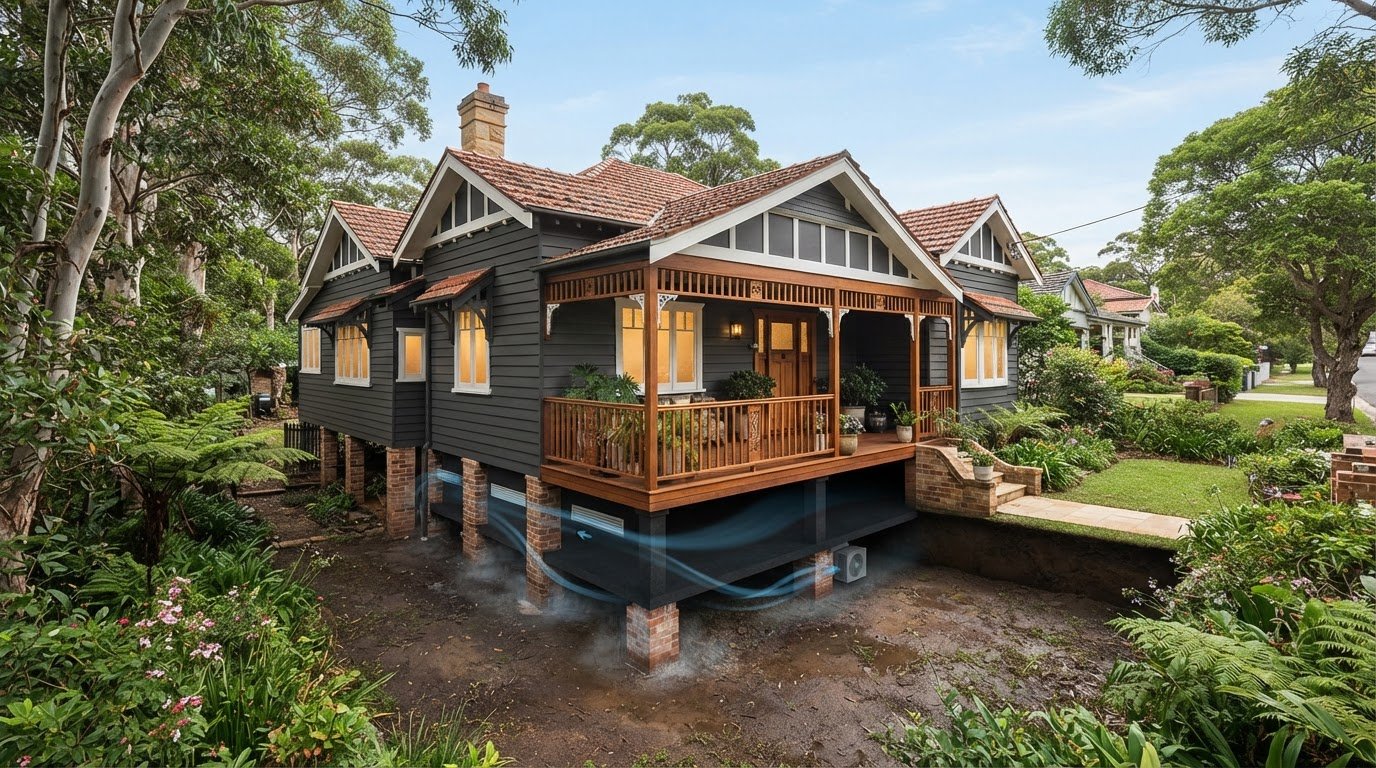
Address the moisture source and make sure affected materials are assessed and managed appropriately. After the work, follow the provider’s prevention recommendations, watch for recurring damp patches or musty odours, and arrange attention if water enters again. Consider whether ongoing moisture or ventilation conditions need to be addressed. Prevention depends on the cause and property, so ask which specific conditions were identified rather than relying on a generic treatment alone.